
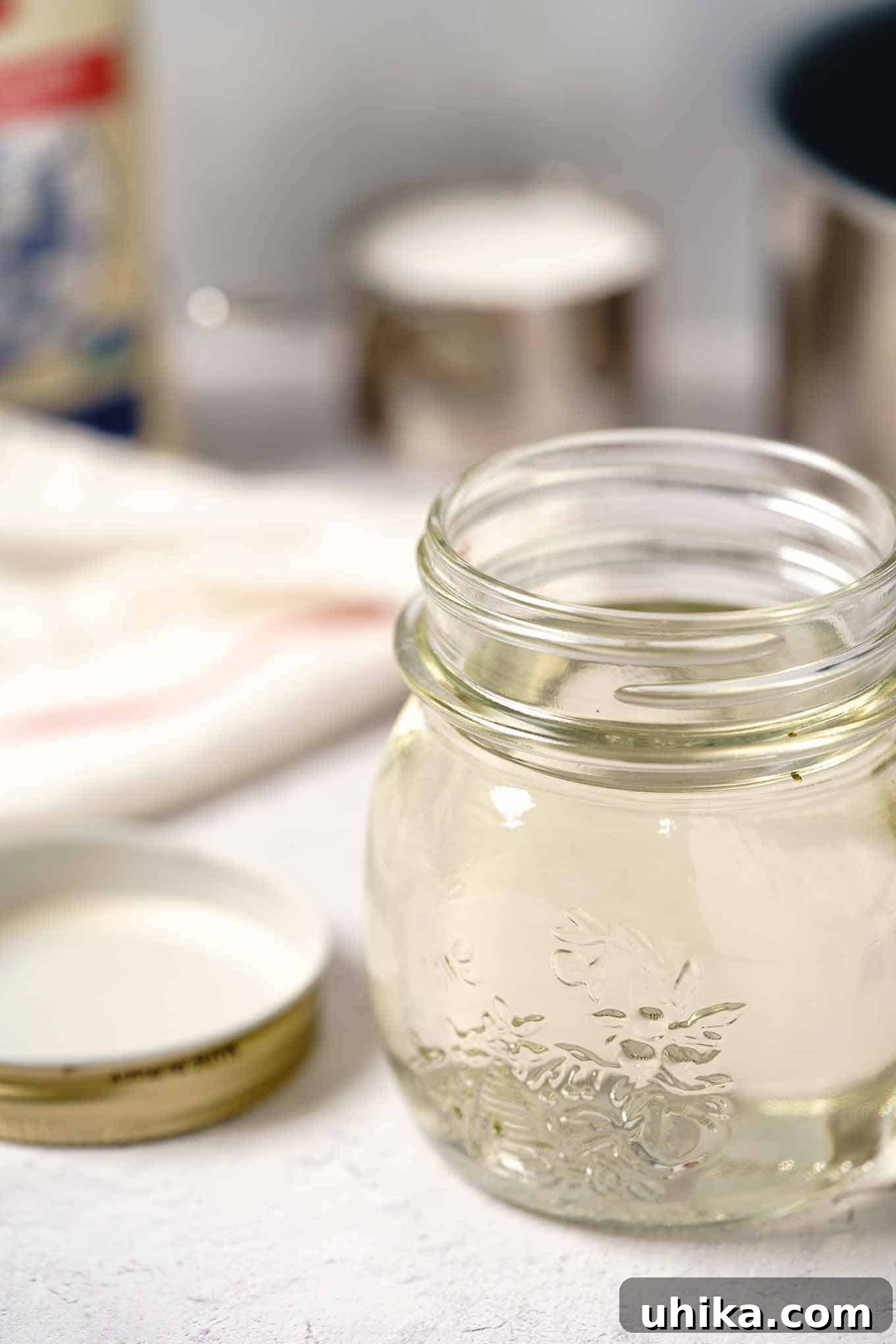
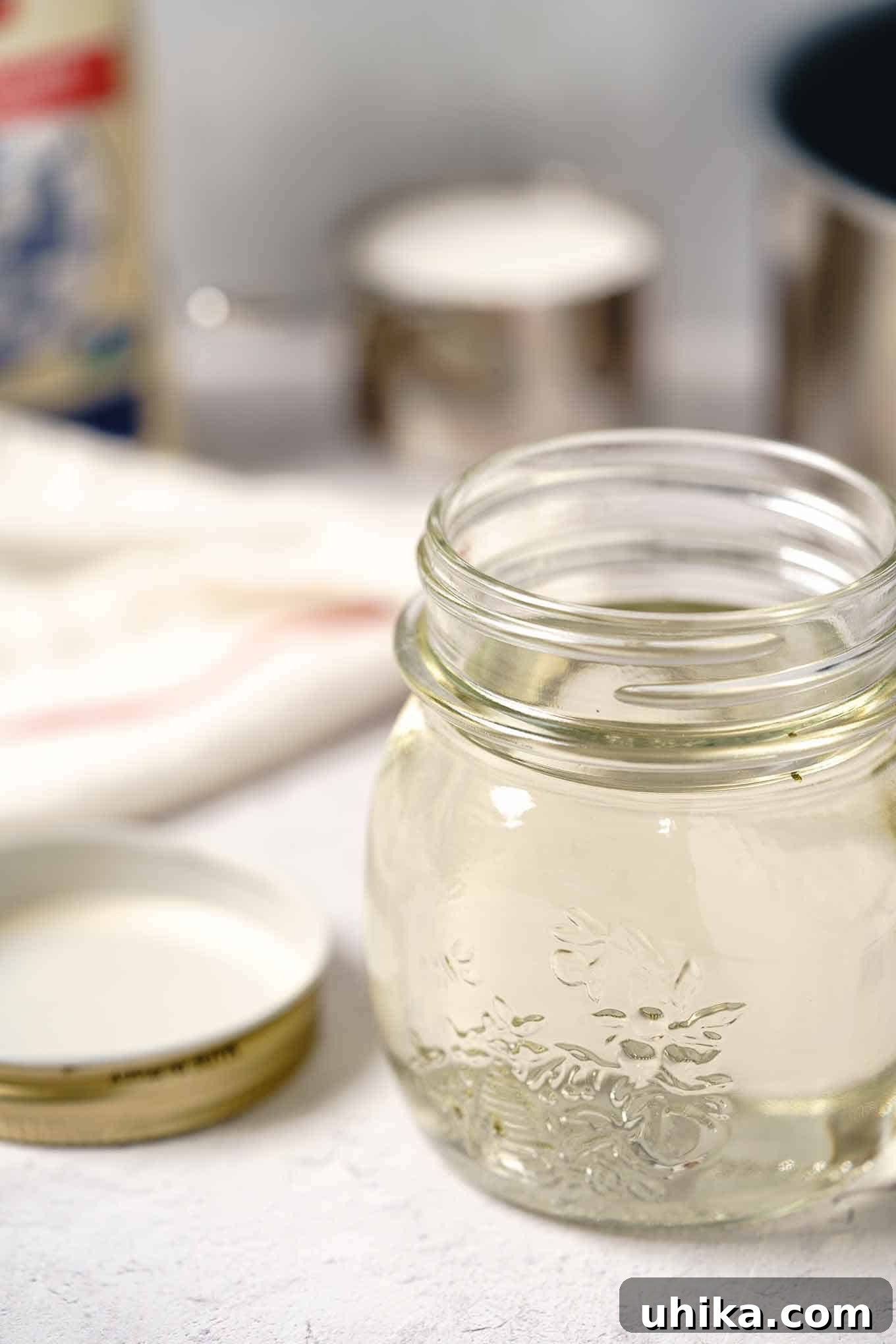
Mastering Simple Syrup: Your Essential Guide to Sweetening Drinks and More
Simple syrup is a bartender’s best friend and a home cook’s secret weapon. This incredibly versatile ingredient, effortlessly made from just sugar and water, offers a clear, neutral sweetness that dissolves seamlessly into any liquid. Unlike granulated sugar, which can stubbornly settle at the bottom of cold beverages, simple syrup ensures a perfectly balanced flavor distribution every time. Its ease of preparation, combined with its ability to enhance a wide array of drinks and dishes without altering their core flavor profile, makes it an indispensable staple in any kitchen or bar.
From crafting classic cocktails to sweetening iced coffee, tea, or even moistening cakes, understanding the nuances of simple syrup can significantly elevate your culinary and mixology skills. This comprehensive guide will walk you through everything you need to know: the different types, how to store it for maximum freshness, exciting ways to infuse it with flavor, and countless applications that extend far beyond the cocktail shaker.
Why Simple Syrup is Essential for Beverages and Beyond
Many novice mixologists or home cooks might wonder why bother making simple syrup when sugar is readily available. The answer lies in solubility. When sugar granules are added to cold liquids, they tend to sink and clump, refusing to fully dissolve. This results in an unevenly sweetened drink – overly sweet sips followed by bland ones. Simple syrup, however, is sugar already dissolved in water, creating a homogenous liquid that integrates flawlessly into cold and hot preparations alike. This means consistent sweetness throughout your beverage, from the first sip to the last drop.
Beyond its superior solubility, simple syrup offers precise control over sweetness. It allows you to adjust the sugar content of a drink or recipe incrementally, ensuring perfect balance. Furthermore, its neutral taste provides sweetness without introducing unwanted textures or flavors, making it an ideal canvas for infusions and a foundational component for countless recipes. This foundational element ensures that every drink or dish you prepare is perfectly balanced and consistently delicious.
Types of Classic Simple Syrup: Regular vs. Rich
While the basic concept remains the same, simple syrup typically comes in two classic ratios, each offering distinct characteristics suitable for different applications. Understanding these differences will help you choose the right syrup for your specific needs, whether you’re mixing a delicate cocktail or preparing a batch of iced tea. The choice significantly impacts the final taste, texture, and dilution of your creations.
-
Regular Simple Syrup (1:1 Ratio)
The most common and straightforward type, regular simple syrup is made using an equal, one-to-one ratio of granulated sugar to water. This means for every cup of sugar, you use one cup of water. It results in a moderately viscous syrup that is easy to pour and blends effortlessly. This ratio is ideal for most everyday uses, offering a balanced sweetness that doesn’t overwhelm or significantly alter the body of the drink. It’s perfect for classic cocktails like Mojitos or Daiquiris, sweetening lemonade, iced coffee, or as a base for various culinary applications where a standard level of sweetness is desired.
-
Rich Simple Syrup (2:1 Ratio)
As its name suggests, rich simple syrup is made with double the amount of sugar compared to water, typically a two-to-one ratio of sugar to water. This higher sugar concentration results in a thicker, more viscous syrup. Professional mixologists often prefer the rich variety because its enhanced body adds substance and a luxurious mouthfeel to cocktails, particularly those with strong spirits. Because it’s sweeter and thicker, you can use less of it to achieve the desired sweetness, which helps to minimize dilution in a drink, especially important for spirit-forward cocktails like an Old Fashioned. Its robust sweetness also makes it a great choice for soaking cakes or creating denser glazes.
The choice between regular and rich syrup often comes down to the desired sweetness level and texture in your final product. For drinks where dilution is a concern, or a richer mouthfeel is desired, the 2:1 rich syrup is generally preferred. For lighter beverages or when you want more volume from the syrup, the 1:1 ratio works perfectly. Experimenting with both will help you discover your personal preference for different recipes.
Explore Alternative Sweeteners for Unique Simple Syrups
While classic simple syrup is made with granulated white sugar, the world of sweeteners offers a fantastic palette for creating flavored syrups with unique depths and characteristics. By experimenting with different types of sugars and natural sweeteners, you can craft simple syrups that perfectly complement specific spirits, fruits, or spices, opening up a new dimension of flavor in your beverages and culinary creations. Each sweetener brings its own distinct profile, allowing for endless customization.
-
Demerara and Turbinado Sugars
Both demerara and turbinado sugars are raw, unrefined cane sugars known for their larger crystals and distinct, subtle caramel or toffee notes. When used to make simple syrup, they impart a more complex, nuanced sweetness than plain granulated sugar. This makes them an excellent choice for tropical drinks, particularly those featuring rum, as their inherent caramel tones beautifully enhance the spirit’s profile. They also work wonderfully in whiskey cocktails, adding a layer of sophisticated flavor, or even in iced coffee for a richer experience. Their golden hue also adds a visual appeal.
-
Brown Sugar
Brown sugar, with its rich molasses content, creates a simple syrup that boasts deep, earthy, and warm flavors. This makes it an ideal base for holiday and winter cocktails, harmonizing exceptionally well with seasonal spices like cinnamon, cloves, nutmeg, and allspice. Imagine a brown sugar syrup infused with star anise in a cozy Old Fashioned, a spiced mulled wine, or even a warm apple cider. Its robust flavor also pairs beautifully with darker spirits like bourbon and aged rum, adding layers of complexity to your drinks.
-
Honey
The distinctive floral and earthy notes of honey make for a wonderfully aromatic simple syrup. It’s an impeccable choice for mixing with bourbon and other types of whiskey, where its complex sweetness can truly shine. However, honey cannot be added directly to cold cocktails because it will seize and solidify, especially when it comes into contact with ice. To make a stable honey syrup, combine 3 parts honey with 1 part boiling water. This higher honey-to-water ratio helps maintain its flavor while ensuring it remains liquid and integrates smoothly into your drinks. Honey syrup is also fantastic in hot teas, lemonades, or as a glaze for roasted vegetables.
-
Maple Syrup
For a distinct autumnal or woodsy flavor, pure maple syrup can be transformed into an incredible simple syrup. Its rich, earthy sweetness, particularly from darker grades of maple syrup, is outstanding in whiskey cocktails, especially those featuring rye or smoky bourbons. It also adds a comforting depth to warm beverages like cider or coffee. To make maple syrup, use a 1:1 ratio of maple syrup to water, heating gently until combined. No need to boil vigorously, as the maple flavor is already developed. This syrup also pairs beautifully with brunch items like pancakes or waffles.
-
Agave Nectar
Agave nectar, derived from the agave plant, is a fantastic vegan sweetener that is sweeter than sugar, so you’ll need less of it. It also has a lower glycemic index and a relatively neutral flavor, especially lighter varieties. Its thinner consistency and high solubility make it particularly excellent for quickly sweetening cold beverages like margaritas, iced tea, or lemonade without any heating required. For an agave simple syrup, a 1:1 ratio with water (or even just using pure agave) is common, but remember its higher sweetness when adjusting recipes. It’s a superb choice for a health-conscious approach to sweetening.
Unlock New Dimensions: Crafting Flavor-Infused Simple Syrups
One of the most exciting aspects of simple syrup is its remarkable ability to absorb and carry other flavors. Infusing simple syrup is a straightforward process that allows you to create bespoke sweeteners, transforming ordinary cocktails, beverages, and desserts into truly extraordinary experiences. The possibilities are virtually endless, limited only by your imagination and the fresh ingredients you have on hand. These custom syrups can elevate your mixology and culinary game significantly.
The general method for creating infused simple syrups is quite simple:
- Prepare your basic simple syrup (either 1:1 or 2:1 ratio).
- While the syrup is still warm (or bring it back to a gentle simmer), add your chosen flavorings.
- Let the mixture steep off the heat for a period, allowing the flavors to meld.
- Strain out the solids before storing.
Popular Flavor Combinations and Ideas:
-
Herbal Infusions
Fresh herbs lend a vibrant, aromatic quality to simple syrup, offering an instant burst of freshness. Experiment with:
- Mint: Essential for Mojitos and Juleps, but also great in iced tea, lemonade, or even a fruit salad.
- Basil: A surprisingly delightful addition to gin cocktails, peach iced tea, or drizzled over fresh berries with a balsamic glaze.
- Rosemary or Thyme: Earthy and fragrant, perfect for gin, vodka, or bourbon-based drinks, or even drizzled over roasted fruits or savory dishes.
- Lavender: Offers a delicate floral note, wonderful in gin and tonics, sparkling wine, lemonade, or light desserts like panna cotta.
To infuse, gently muddle or bruise the herbs slightly before adding them to the warm syrup. Steep for 30 minutes to an hour, or longer for a more intense flavor. Taste periodically to achieve your desired strength, as over-steeping can sometimes lead to a “grassy” or bitter taste.
-
Spice Infusions
Whole spices release warm, complex aromas that are ideal for autumnal and winter beverages, adding depth and coziness.
- Cinnamon Sticks: A classic for holiday drinks, coffee, apple cider cocktails, or spiced rum.
- Whole Cloves & Star Anise: Pair wonderfully with brown sugar syrup for robust, aromatic concoctions, often used in mulled wines or holiday punches.
- Fresh Ginger: Sliced ginger adds a spicy, zesty kick, fantastic in Moscow Mules, dark rum drinks, hot tea, or even a spicy lemonade.
- Cardamom Pods: Offers a unique, exotic, and slightly citrusy flavor, excellent in coffee drinks, gin cocktails, or Middle Eastern-inspired desserts.
- Vanilla Bean: Split a vanilla bean and steep it for a luxurious, aromatic syrup perfect for coffee, cream-based desserts, or sweetening a classic martini.
Add whole spices to the hot syrup and let them steep until cool, or even overnight in the refrigerator for a deeper flavor. Strain well before storing to prevent the spices from becoming too potent or affecting the texture.
-
Fruit & Citrus Infusions
Fresh fruits and citrus peels add brightness and natural fruit essences, creating vibrant and refreshing syrups.
- Citrus Zest (Lemon, Lime, Orange, Grapefruit): The oils from the zest provide intense, fresh citrus flavors without the tartness of the juice. Ideal for virtually any cocktail, iced tea, or sparkling water.
- Berries (Strawberries, Raspberries, Blueberries): Muddle fresh berries and simmer them gently with the syrup for a vibrant, fruity sweetener. Great in summer cocktails, sparkling water, or drizzled over pancakes and waffles.
- Peaches or Stone Fruits: Sliced peaches or apricots can create a wonderfully fragrant syrup, perfect for Bellinis, sweetening iced tea, or as a base for fruit sauces.
- Jalapeño or Habanero: For a spicy kick, add a few slices of pepper (seeds removed for less heat) to the simmering syrup. Fantastic in margaritas, spicy palomas, or even a unique chocolate dessert.
- Cucumber: Sliced cucumber infuses a wonderfully refreshing, subtle flavor, excellent for gin and tonics, spa water, or savory cocktails.
For citrus, use a vegetable peeler to remove just the zest, avoiding the bitter white pith. For fruits, you can gently mash them before adding them to the warm syrup to extract more flavor. Steep for varying times depending on desired intensity. Once infused, strain the syrup through a fine-mesh sieve or cheesecloth to remove all solids, ensuring a clean, clear product.
Remember, the key to successful infusions is to taste as you go. Over-steeping can sometimes lead to bitterness, especially with certain herbs or citrus pith. Once infused, strain the syrup through a fine-mesh sieve or cheesecloth to remove all solids, ensuring a clean, clear product. Label your infused syrups clearly with the flavor and date created.
Tips for Storing and Preserving Your Simple Syrup
Proper storage is crucial to ensure your homemade simple syrup remains fresh, safe, and free from spoilage. While simple syrup’s high sugar content acts as a natural preservative, it’s not immune to degradation over time. Following these tips will help extend the shelf life of your precious homemade concoction, ensuring it’s always ready when inspiration strikes.
Refrigeration is Key
Always store simple syrup in a tightly sealed, airtight container, such as a glass bottle or jar, in the refrigerator. This cold environment significantly slows down the growth of bacteria and mold that can cause spoilage. Glass containers are preferable as they do not absorb odors or flavors and are easy to sterilize through washing or boiling. Ensure the container is completely clean and dry before filling.
Shelf Life Guidelines
- Regular Simple Syrup (1:1): Typically keeps for up to one month in the refrigerator. The lower sugar concentration makes it slightly more susceptible to microbial growth.
- Rich Simple Syrup (2:1): Due to its higher sugar concentration, which acts as a stronger preservative, rich simple syrup can last longer, often up to six months when properly stored. This is because sugar binds water, making it less available for microbial activity.
- Infused Simple Syrups: Syrups with added ingredients like fresh fruit, herbs, or spices generally have a shorter shelf life, usually around 1-2 weeks. These additions can introduce contaminants and break down faster, accelerating spoilage. Always prioritize these for quicker consumption.
The Vodka Trick for Extended Freshness
To further extend the shelf life of any simple syrup, particularly for those flavored varieties, consider adding a small amount of high-proof alcohol. Incorporating a tablespoon of vodka (preferably 100-proof, or 50% ABV) per cup of prepared simple syrup can significantly inhibit bacterial and mold growth. The alcohol acts as an additional preservative without significantly altering the flavor profile of the syrup, especially when used in small quantities. This trick is particularly useful for infused syrups that you want to keep a bit longer.
Recognizing Signs of Spoilage
Even with careful storage, simple syrup can eventually spoil. Always check for these signs before using a batch:
- Cloudy Appearance: Fresh simple syrup should be crystal clear. If it becomes cloudy or opaque, it’s a strong indicator of bacterial growth or fermentation.
- Change in Color: While some infusions will change the color, an unexpected or dark discoloration in plain simple syrup is a sign of spoilage.
- Off-Odors: A sour, yeasty, or otherwise unpleasant smell is a definitive sign that the syrup has gone bad. It might smell like fermentation or mold.
- Mold: Any visible mold growth, even a tiny spot on the surface or inside the container, means the entire batch should be discarded immediately. Do not attempt to skim off the mold and use the rest.
When in doubt, it’s always best to err on the side of caution and whip up a fresh batch. Making simple syrup is quick and easy, so don’t risk ruining a drink or, more importantly, your health with spoiled syrup. Your palate and well-being will thank you.
Labeling and Dating
For best practice, always label your simple syrup containers with the type of syrup (e.g., “1:1 Simple Syrup,” “Ginger Syrup”), the date it was made, and an estimated discard date. This simple habit ensures you use older batches first and can easily track when a syrup might be nearing the end of its shelf life, minimizing waste and ensuring quality.
Versatile Uses for Simple Syrup: Beyond Cocktails
While simple syrup is a cornerstone of cocktail creation, its utility extends far beyond the bar cart. Its smooth, dissolved sweetness makes it an incredibly versatile ingredient in the kitchen, enhancing a multitude of beverages, desserts, and culinary preparations. With a batch of simple syrup ready in your refrigerator, you’ll find endless opportunities to sweeten, balance, and flavor your creations, making it an indispensable tool for any aspiring chef or home entertainer.
In Beverages:
-
Cocktails & Mocktails
This is where simple syrup truly shines. It’s a foundational component in countless classic cocktails, ensuring balanced sweetness without gritty sugar crystals. Think of Mojitos, Daiquiris, Margaritas, Whiskey Sours, Old Fashioneds, and countless others. For mocktails, it’s perfect for sweetening fresh juices, making sparkling lemonades, creating sophisticated non-alcoholic spritzers, or even enhancing a glass of plain sparkling water with a hint of flavor.
-
Iced Coffee & Tea
Say goodbye to undissolved sugar at the bottom of your glass. Simple syrup blends perfectly into cold brew, iced coffee, and iced tea, providing consistent sweetness from the first sip. Experiment with vanilla, cinnamon, or even lavender-infused syrups for an elevated homemade coffeehouse experience that rivals your favorite barista’s creations.
-
Homemade Sodas & Lemonades
Combine simple syrup with sparkling water and your favorite fruit juices or purées to create custom sodas tailored to your taste. It’s also the key ingredient for a perfectly sweet and tangy homemade lemonade or limeade. Control the sweetness and tartness to your exact preference for refreshing summer drinks.
-
Smoothies & Juices
If your fruit isn’t quite sweet enough, a dash of plain or fruit-infused simple syrup can enhance the flavor of smoothies and fresh juices without adding artificial sweeteners or altering the texture. It’s a quick way to balance flavors in a healthy drink.
-
Hot Beverages
Even in hot drinks, simple syrup can offer advantages. It mixes instantly into hot tea or coffee, and a spiced simple syrup can add an extra layer of flavor to a chai latte or a festive mulled drink.
In Baking & Desserts:
-
Cake Moistener
Brushing a cooled cake with simple syrup (often flavored with citrus, vanilla, or liqueurs) adds moisture, enhances flavor, and can significantly extend its freshness. This technique is especially popular for sponge cakes, genoise, and bundt cakes, ensuring a tender crumb.
-
Fruit Glazes & Sauces
Simple syrup can be used to create shiny glazes for fresh fruit tarts or as a base for fruit coulis and sauces. A mint-infused syrup drizzled over berries is a simple yet elegant dessert that impresses with minimal effort. It can also be reduced to a thicker glaze for pastries.
-
Sweetening Whipped Cream
Instead of granulated sugar, use simple syrup to sweeten whipped cream. It ensures a smooth, non-gritty texture and can even be infused with vanilla, almond, or other flavors to complement your dessert.
-
Sorbets & Granitas
Simple syrup is a key ingredient in homemade sorbets and granitas, helping to achieve the perfect icy texture and sweetness. The dissolved sugar prevents large ice crystals from forming, resulting in a smoother, more palatable frozen treat.
-
Poaching Fruit
Poaching fruits like pears or apples in a gently flavored simple syrup creates a tender, aromatic dessert. The syrup infuses the fruit with sweetness and can be flavored with spices like star anise or vanilla.
Other Culinary Applications:
-
Preserving Fruit
Light simple syrup can be used to poach fruits or preserve them in jars, maintaining their texture and flavor. This is a classic method for canning peaches, pears, or berries.
-
Marinades & Dressings
A touch of simple syrup can balance the acidity in salad dressings or marinades, particularly for Asian-inspired recipes or those featuring citrus. Infused syrups can add unique flavor dimensions to savory dishes.
From the most intricate cocktail to the simplest fruit salad, simple syrup offers unparalleled versatility and ease. Keep a well-labeled batch on hand, and you’ll always be prepared to add that perfect touch of sweetness and sophistication to any creation.
Classic Simple Syrup Recipe
Lynne Webb
Learn how to easily make this essential sweetener for your cocktails, coffee, and culinary creations. This recipe provides a 1:1 ratio, but can be adjusted for rich syrup, offering perfect control over your sweetening needs.
5 mins
5 mins
10 mins
1 cup (for 1:1 ratio)
Ingredients
- 1 cup water
- 1 cup granulated sugar (for 1:1 regular syrup)
- Optional: For Rich Simple Syrup (2:1), use 2 cups granulated sugar and 1 cup water.
- Optional: 1 tablespoon vodka (100-proof recommended, for extended shelf life)
- Optional: Flavoring agents for infused syrups (e.g., fresh herbs, citrus zest, whole spices)
Instructions
- Combine Ingredients: In a small saucepan, combine the water and the granulated sugar. For a standard 1:1 regular simple syrup, use equal parts (e.g., 1 cup water, 1 cup sugar). If making rich simple syrup (2:1), use two parts sugar to one part water (e.g., 2 cups sugar, 1 cup water).
- Heat and Dissolve: Place the saucepan over medium-high heat and bring the mixture to a gentle boil, stirring occasionally. Continue to stir until all the sugar crystals have completely dissolved into the water. This usually takes about 3-5 minutes for a 1:1 syrup. Avoid over-boiling, especially for rich syrups, as it can lead to crystallization later.
- Infuse (Optional): If you wish to make a flavored simple syrup, remove the saucepan from the heat once the sugar is dissolved. Add your chosen flavoring agents (e.g., a few sprigs of mint, strips of citrus zest, cinnamon sticks). Let the mixture steep off the heat for 30 minutes to several hours, or even overnight, depending on the desired intensity.
- Cool Completely: Remove any flavoring agents (strain through a fine-mesh sieve if necessary) and allow the simple syrup to cool completely to room temperature before transferring it to a storage container. Cooling ensures it thickens appropriately and prevents condensation in your container, which can introduce moisture and reduce shelf life.
- Store: Once cooled, pour the simple syrup into a clean, airtight glass bottle or jar. If desired, add 1 tablespoon of 100-proof vodka per cup of syrup to extend its shelf life, particularly for infused varieties.
- Refrigerate: Store the simple syrup in the refrigerator. A 1:1 ratio syrup will last for up to 1 month, while a 2:1 rich syrup can last up to 6 months. Discard immediately if you notice any cloudiness, off-odors, or mold. Label your container with the date for easy tracking.
Simple syrup is not just a basic ingredient; it’s a foundational element that unlocks a world of flavor and refinement in both your bar and your kitchen. Its simplicity belies its incredible power to transform ordinary drinks and dishes into something special. By mastering the art of making and infusing simple syrup, you gain precise control over sweetness and can effortlessly introduce complex aromatic notes to your creations.
Whether you’re stirring up a classic cocktail, sweetening your morning iced coffee, adding a delicate glaze to a dessert, or even experimenting with savory applications, a well-made simple syrup is an invaluable asset. So, embrace this easy yet essential technique, experiment with different sweeteners and infusions, and enjoy the countless possibilities it brings to your culinary adventures. Keep a batch on hand, and you’ll always be ready to add that perfect touch of sweetness and sophistication, impressing both yourself and your guests.