
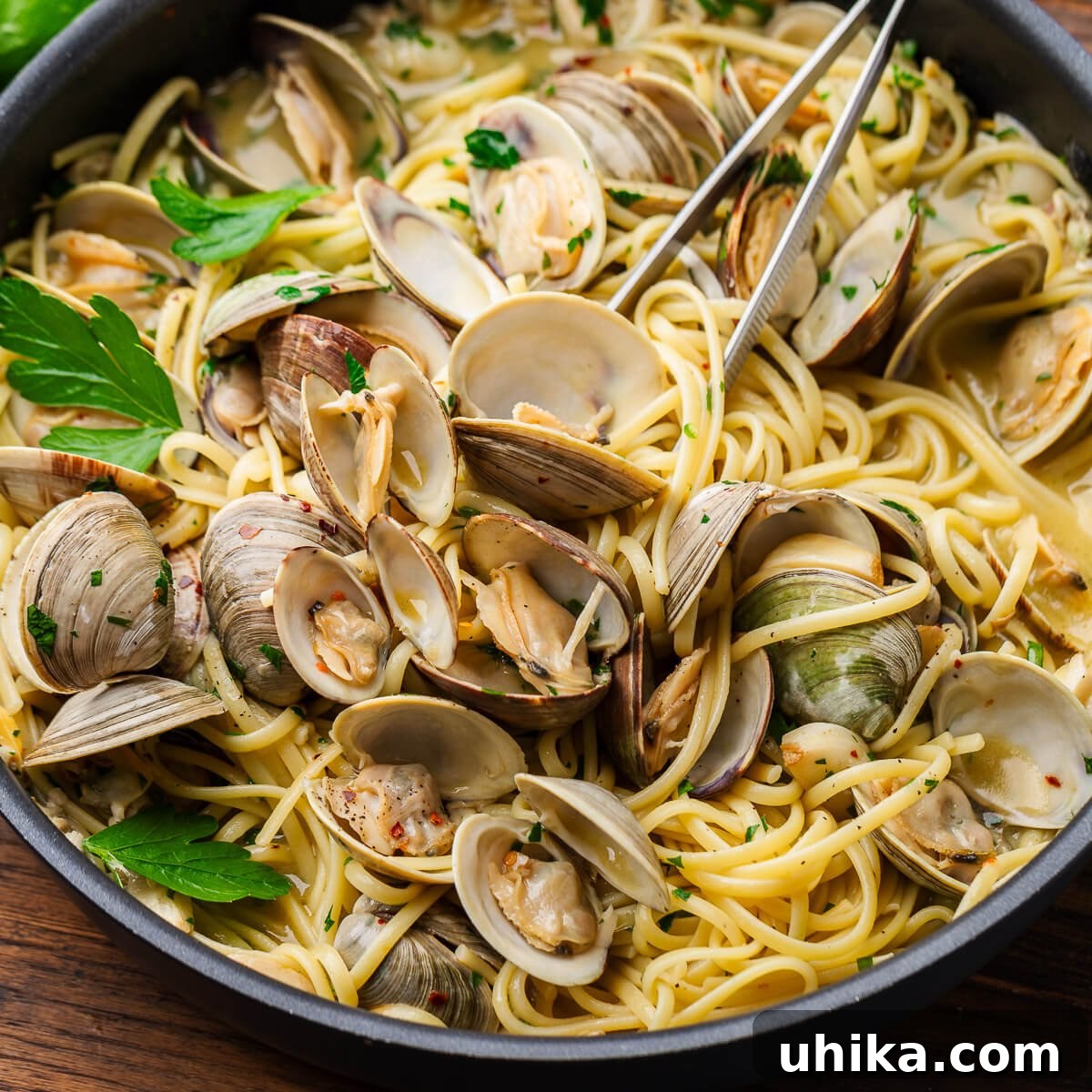
Linguine alle Vongole, or pasta with clams, is a timeless Italian classic that brings the refreshing taste of the sea to your table with surprising ease. This beloved dish, a staple in both traditional Italian and Italian-American cuisine, features briny, tender clams nestled among perfectly al dente linguine, all brought together by a fragrant sauce of white wine, garlic, and a hint of fiery red pepper flakes. It's a truly unforgettable combination that promises a sophisticated yet comforting culinary experience.
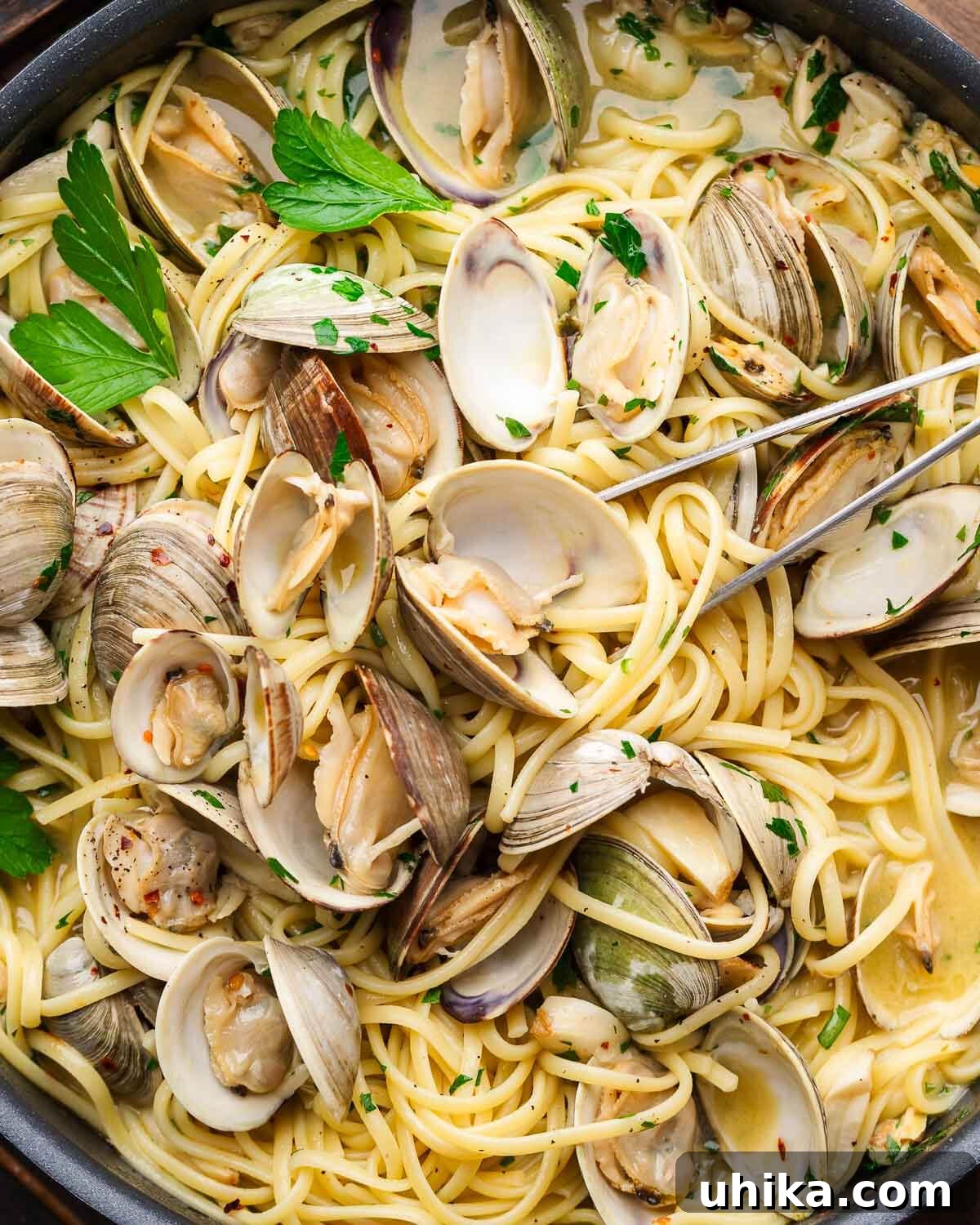
Editor’s Note: Originally published on February 21, 2019. Updated with new photos, information, and improved recipe on July 1, 2024.
Why You'll Fall in Love with This Linguine alle Vongole Recipe
Linguine alle Vongole holds a special place in the hearts of seafood lovers worldwide. This particular recipe stands out for its generous use of clams and garlic, elevating it beyond a simple pasta dish into a truly luxurious meal. Inspired by the incredible versions found in classic Italian establishments like La Parma restaurant on Long Island, our rendition ensures every forkful is bursting with authentic flavor.
What makes this recipe truly exceptional is the thoughtful combination of both fresh and canned clams. While fresh clams deliver unparalleled sweetness and texture, canned clams contribute a deeper, concentrated clam essence, adding body and an extra layer of umami to the sauce. This dual approach ensures a robust clam flavor that satisfies even the most discerning palate, distinguishing it from recipes that rely solely on canned varieties. Whether you're planning a special dinner or simply craving a taste of the Mediterranean, this pasta and clams recipe is guaranteed to impress.
The Enduring Appeal of Linguine alle Vongole: A Culinary Journey
Linguine alle Vongole, meaning "linguine with clams," hails from the coastal regions of Southern Italy, particularly Campania and Lazio. It embodies the essence of Italian cucina povera – humble ingredients transformed into something extraordinary through simple, brilliant techniques. Historically, it was a dish enjoyed by fishermen, utilizing the freshest catch of the day, making it a testament to Italy's rich culinary heritage and its deep connection to the sea.
Over generations, this classic preparation crossed oceans, becoming a beloved dish in Italian-American households and restaurants, often evolving slightly to suit local tastes while retaining its core identity. Its enduring appeal lies in its elegant simplicity: perfectly cooked pasta, succulent clams, and a vibrant, aromatic sauce. The briny notes of the clams perfectly complement the pungent garlic, the subtle warmth of red pepper flakes, and the crisp acidity of white wine, creating a symphony of flavors that is both comforting and exhilarating. It’s a dish that feels special yet remains remarkably approachable, proving that sometimes, the best meals are crafted from the fewest, freshest components.
Essential Ingredients for Authentic Linguine alle Vongole
Crafting the perfect Linguine alle Vongole begins with selecting high-quality ingredients. Here's a closer look at what you'll need and some key considerations:
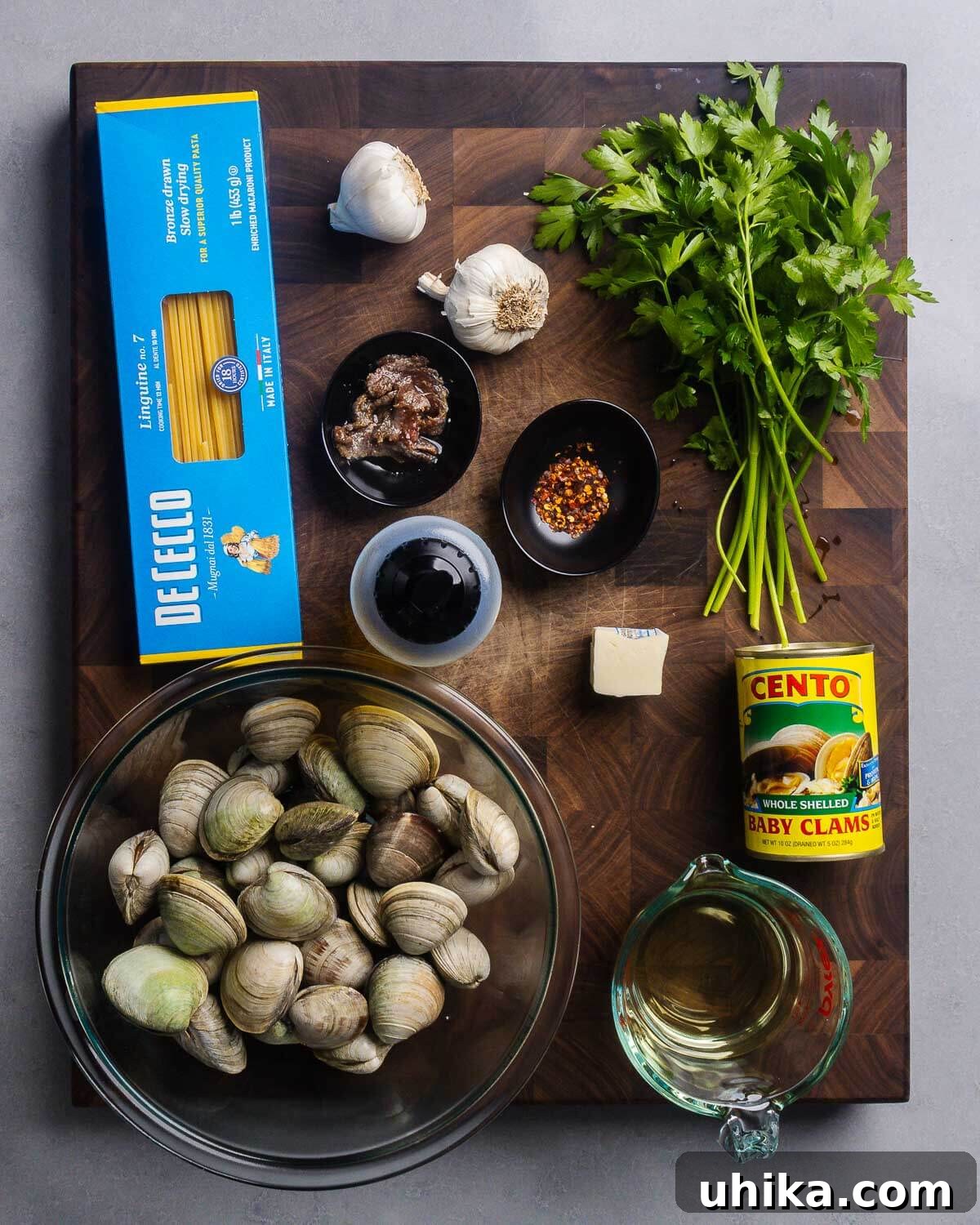
- Fresh Clams: For this recipe, we recommend Little Neck clams. These midsized clams are ideal for their tender texture and sweet, briny flavor. When buying fresh clams, ensure they are tightly closed or close when tapped. Discard any with broken shells or those that remain open.
- Alternative Clam Varieties: You can certainly experiment with other types. Smaller cockles are delightful but you'll need a larger quantity, perhaps 5 dozen or more, to get enough clam meat. Larger varieties like Top Necks or Cherrystones are also excellent. If using these, steam them as instructed, then remove the clam meat from their shells and chop them into smaller, bite-sized pieces before adding them to the sauce. This ensures even distribution and makes them easier to eat with pasta.
- Cleaning Fresh Clams: Most clams purchased from reputable grocery stores or fishmongers will have already been "purged" of sand. However, it's always a good practice to give them a thorough scrub under cold running water to remove any external grit. If you're concerned about sand, you can soak them in a bowl of cold, salted water (1 tablespoon salt per liter of water) for 30 minutes to an hour, changing the water once or twice.
- Canned Clams: We incorporate one 10-ounce can of baby clams, specifically their drained liquid. The canned clams add significant bulk and a concentrated clam flavor to the sauce, while the reserved liquid intensifies the "taste of the sea." Using both fresh and canned ensures a rich, full-bodied clam flavor throughout the dish.
- Anchovy Fillets: Don't let these small fish intimidate you! Anchovies are a cornerstone of umami in Italian cooking. When sautéed with garlic, they dissolve almost completely, infusing the olive oil with a deep, savory richness that perfectly complements the clams without imparting any overtly "fishy" taste. They are a secret weapon for adding complexity.
- Fresh Garlic: Generosity is key here! We use 15 cloves of fresh garlic, which can be sliced thinly or left whole, depending on your preference for texture and garlic intensity. Slicing will release more flavor into the oil, while whole cloves will be milder and more tender. Ensure your garlic is fresh for the best aroma and taste.
- Dry White Wine: A good quality dry white wine is essential for steaming the clams and building the sauce's depth. Sauvignon Blanc, Pinot Grigio, or even an unoaked Chardonnay are excellent choices. Avoid sweet wines, as they will alter the flavor profile significantly. The alcohol cooks off, leaving behind a wonderful aromatic complexity.
- Linguine Pasta: The flat, narrow strands of linguine are traditional for this dish as they beautifully cling to the delicate clam sauce. Always choose a good quality bronze-die pasta for the best texture.
- Extra Virgin Olive Oil: A foundational ingredient. Use a high-quality extra virgin olive oil for sautéing and finishing the dish, as its flavor will shine through.
- Crushed Red Pepper Flakes: Just a half teaspoon adds a subtle warmth and gentle heat, enhancing the overall flavor without overpowering the delicate clams. Adjust to your spice preference.
- Fresh Flat-Leaf Italian Parsley: Essential for freshness, color, and a vibrant herbaceous note. Minced parsley is added to the sauce and as a garnish.
- Unsalted Butter: A touch of butter stirred in at the end adds a luxurious finish and helps to emulsify the sauce, making it silky smooth.
- Reserved Pasta Water: This starchy liquid is pure liquid gold! It’s crucial for achieving the perfect sauce consistency, helping to bind the sauce to the pasta and create a rich, glossy texture.
Refer to the full recipe card for precise measurements and quantities.
Mastering Linguine alle Vongole: A Step-by-Step Guide
Creating this exquisite dish is simpler than you might imagine. Follow these detailed steps to achieve a restaurant-quality Linguine alle Vongole at home.
- Prepare Your Ingredients: Begin by bringing a large pot of lightly salted water to a boil for the pasta. Remember, clams and anchovies are naturally salty, so use about half the salt you would typically add to pasta water (roughly 1 tablespoon per gallon). Drain your 10-ounce can of baby clams, making sure to reserve all the liquid – this is precious for the sauce! Thoroughly scrub and clean 3 dozen fresh Little Neck clams under cold water. Slice 15 cloves of garlic, or leave them whole if preferred. Finally, mince 1/4 cup of fresh flat-leaf Italian parsley and set it aside.
- Build the Flavor Base: Heat 1/2 cup of extra virgin olive oil in a large pan or pot over medium-low heat. Add your sliced or whole garlic cloves along with 4 small anchovy fillets. Sauté gently, taking your time, until the garlic turns a light golden color and the anchovies have completely dissolved into the oil. This slow rendering extracts maximum flavor from both, creating a rich, savory foundation for your sauce. Be careful not to burn the garlic, as it will turn bitter.
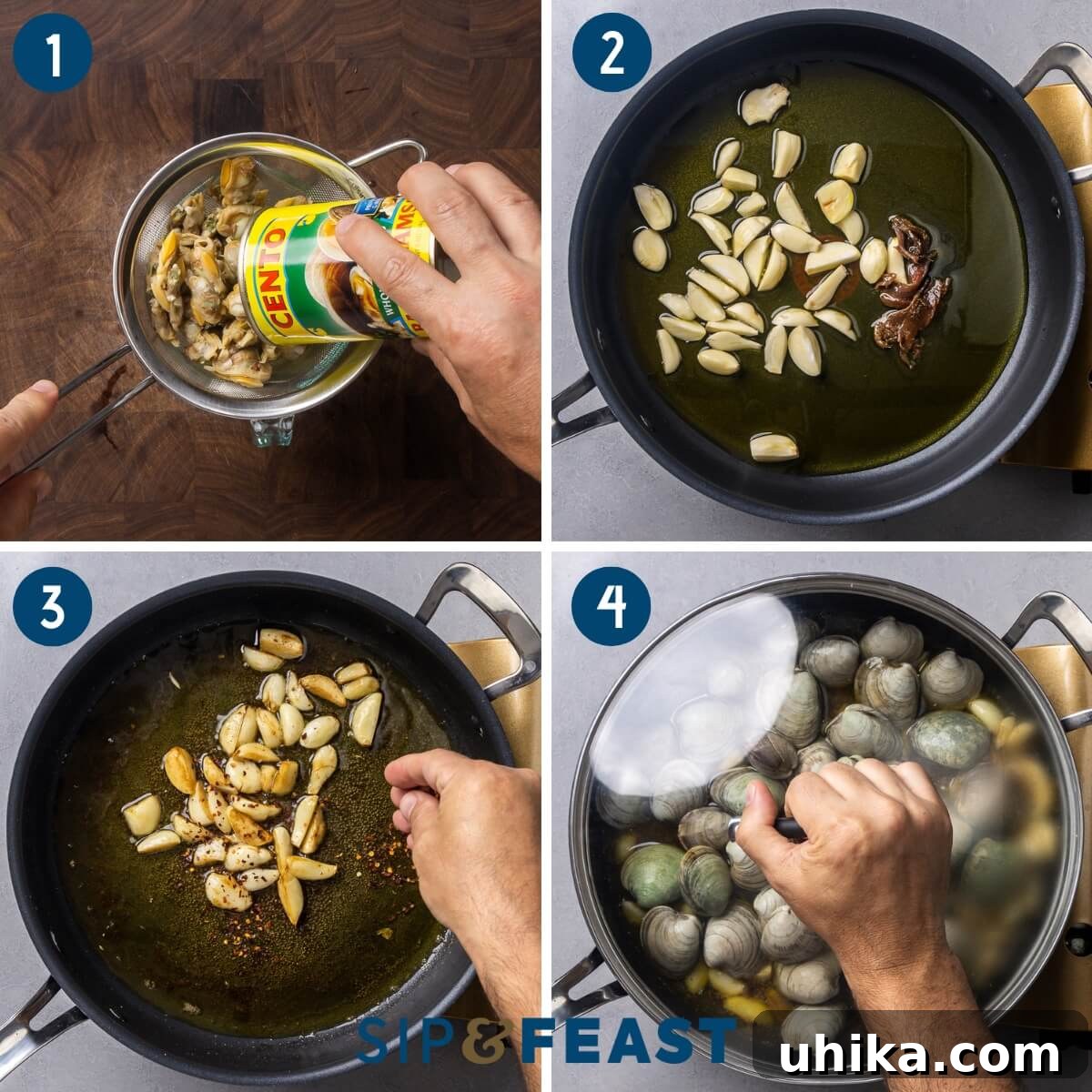
- Add a Touch of Heat: Once the garlic is golden, stir in 1/2 teaspoon of crushed red pepper flakes. Cook for just another 20-30 seconds to allow the spices to bloom in the hot oil and release their aroma.
- Steam the Fresh Clams: Pour 3/4 cup of dry white wine into the pan, then immediately add the scrubbed whole clams. Increase the heat to medium-high and quickly cover the pan with a lid. The steam will cook the clams and encourage them to open.
- Remove Clams as They Open: Keep a close eye on the clams. As soon as they open, use a slotted spoon to carefully remove each one from the pan and place them in a bowl. Tent the bowl with aluminum foil to keep them warm. This staggered removal prevents overcooking, ensuring the clams remain tender. Any clams that do not open after 7-8 minutes of steaming should be discarded. Continue this process until all viable clams have opened.
- Cook the Linguine and Prepare the Sauce Base: While the clams are steaming, add 1 pound of linguine to your pot of boiling water. Cook the pasta until it is about 1 minute shy of al dente – it will finish cooking in the sauce. Before draining, make sure to reserve at least 2 cups of the starchy pasta water. Once all the fresh clams are removed from the pan, turn the heat of the clam sauce pan down to medium. Add half of your minced parsley, the reserved liquid from the canned clams, and 1 cup of the reserved pasta water to the pan. Bring this mixture to a gentle simmer.
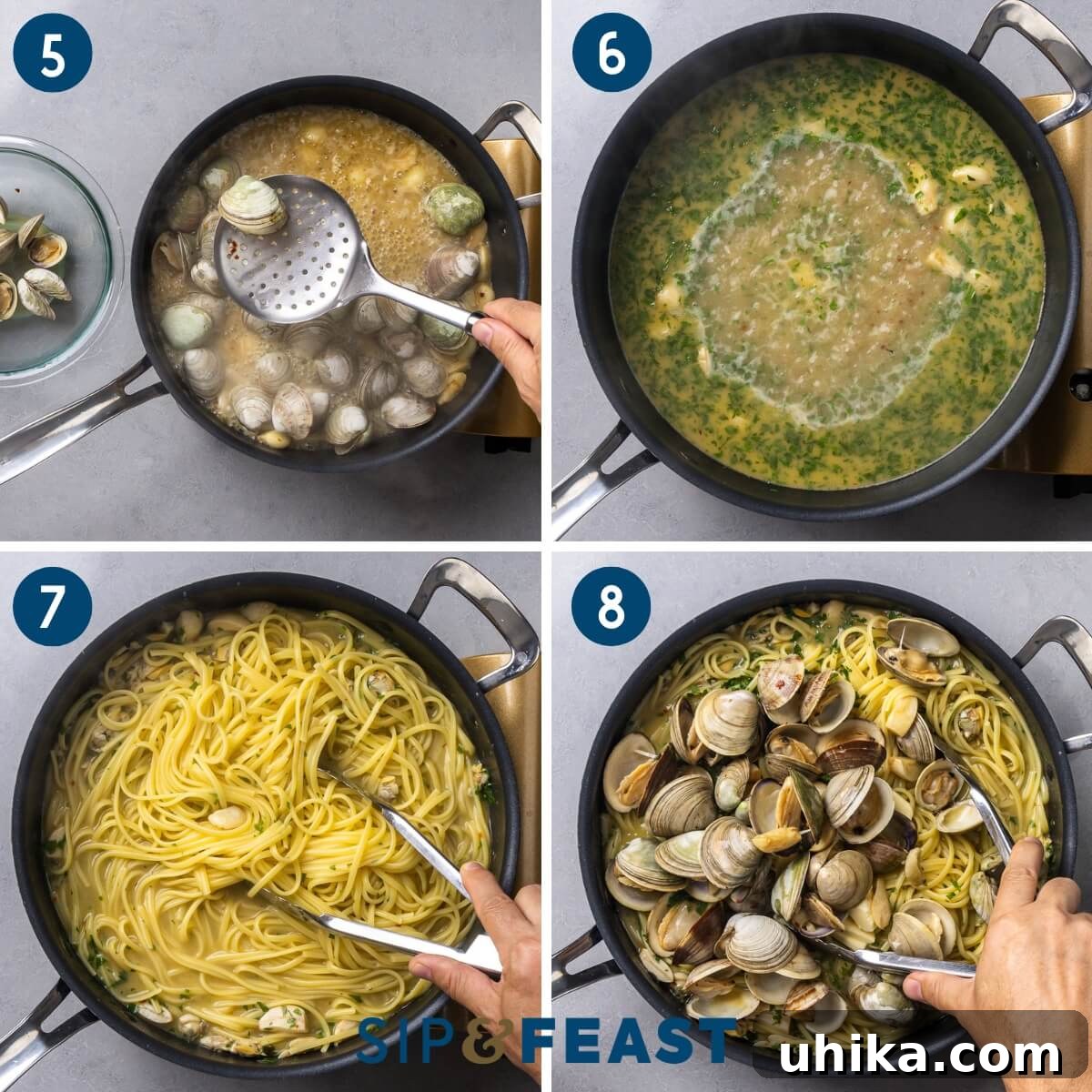
- Combine Pasta and Sauce: Add the slightly undercooked linguine directly to the sauce pan, along with the drained canned baby clams. Toss everything vigorously to thoroughly coat the pasta with the aromatic sauce. Continue to cook for another minute or two, allowing the pasta to absorb the flavors and reach a perfect al dente texture. This step is crucial for marrying the flavors.
- Finish and Serve: Turn off the heat and remove the pan from the burner. Gently fold in the steamed whole clams and 2 tablespoons of unsalted butter. Mix well until the butter has melted and is fully incorporated. Taste the dish and season with salt and freshly ground black pepper if needed, keeping in mind the natural saltiness of the clams and anchovies. If the sauce appears too thick or dry, gradually add more of the reserved pasta water, a little at a time, until your desired consistency is achieved – we love a generous amount of sauce! Serve the Linguine alle Vongole immediately in warm bowls, garnished with the remaining fresh parsley and a final drizzle of high-quality extra virgin olive oil. Enjoy this exquisite taste of Italy!
Expert Tips for the Perfect Linguine alle Vongole
- Clam Care is Key: Always ensure your fresh clams are alive before cooking. They should be tightly closed or snap shut when tapped. Store them in the refrigerator in a bowl, loosely covered with a damp cloth, for no more than a day or two. Never store them in sealed bags or submerged in water, as they need to breathe.
- Mind the Salinity: Given that clams, anchovies, and even the reserved clam juice contribute significant saltiness, be conservative when salting your pasta water. It’s always easier to add salt at the end than to correct an overly salty dish. Taste your sauce before adding any extra seasoning.
- Don't Overcook the Clams: Clams cook very quickly. Remove them from the pan as soon as they open to keep them tender and juicy. Overcooked clams become tough and rubbery.
- The Magic of Pasta Water: Don't underestimate the power of starchy pasta water. It's not just for thinning the sauce; the starches help emulsify the oil and liquid, creating a rich, glossy, and beautifully cohesive sauce that clings perfectly to the linguine.
- Serve Promptly: Linguine alle Vongole is a dish best enjoyed immediately after preparation. The pasta and sauce are at their peak freshness and texture right off the stove. While leftovers can be stored (see FAQ), the experience of a freshly made dish is unparalleled.
- Quality Ingredients Matter: Since this dish has relatively few components, the quality of each ingredient truly shines. Invest in good quality extra virgin olive oil, fresh garlic, and a decent dry white wine for the most authentic and flavorful result.
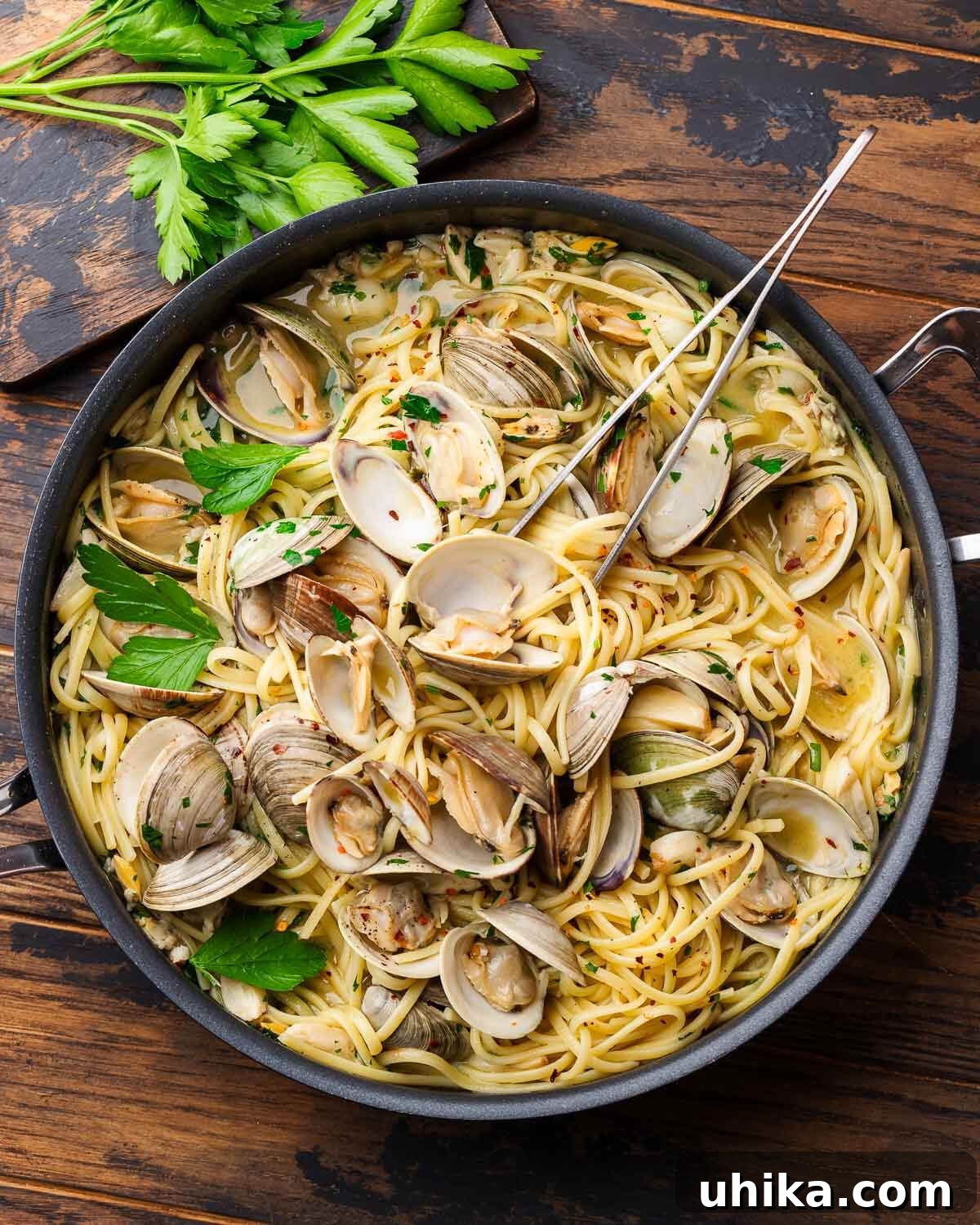
Serving Suggestions & Wine Pairings
Linguine alle Vongole is a complete and satisfying meal on its own, but a few accompaniments can elevate the dining experience:
- Crusty Bread: A must-have for soaking up every last drop of the delicious clam sauce. A warm, crusty baguette or Italian bread is perfect.
- Simple Green Salad: A light, fresh green salad with a vinaigrette dressing provides a refreshing contrast to the richness of the pasta.
- Wine Pairing: Continue the theme of dry white wine with your meal. A crisp Sauvignon Blanc or a light-bodied Pinot Grigio (preferably the same wine you used in the recipe) will beautifully complement the briny clams and garlic notes. For something a little different, a Vermentino or a dry Fiano would also be excellent choices, offering bright acidity and minerality that pair wonderfully with seafood.
Frequently Asked Questions About Linguine alle Vongole
- 1. How do I properly clean fresh clams?
- Most clams from the store are pre-purged. However, it's always best to scrub them under cold running water to remove any external dirt. If you suspect they might still have sand, soak them in a bowl of cold, salted water (1 tablespoon of salt per liter of water) for 30-60 minutes. The clams will naturally filter the water and expel sand. Change the water once or twice if it becomes murky.
- 2. Can I use only fresh clams or only canned clams?
- While this recipe specifically calls for a combination to achieve a balanced flavor and texture, you can adapt it. If using only fresh clams, increase the quantity to 4-5 dozen Little Neck clams for 1 pound of pasta, and you'll miss the concentrated flavor of the canned clam juice. If using only canned clams (like our linguine with canned clams recipe), you will lose the distinct texture and sweetness of steamed fresh clams. The combination truly offers the best of both worlds.
- 3. How long can I store leftovers?
- Linguine alle Vongole is best enjoyed immediately. However, leftovers can be stored in an airtight container in the refrigerator for up to 2-3 days. Reheat gently on the stovetop over low heat, adding a splash of pasta water or chicken broth to loosen the sauce if it has thickened.
- 4. Can I make this dish ahead of time?
- While the components can be prepped (garlic sliced, parsley minced, clams cleaned), the dish itself is best assembled and served fresh. The pasta can become mushy, and the clams can toughen upon reheating. If entertaining, prepare all ingredients in advance and then cook the dish just before serving.
- 5. What if my sauce is too thin or too thick?
- This is where the reserved pasta water becomes your best friend. If the sauce is too thick, gradually add more pasta water, stirring until you reach your desired consistency. If it's too thin, you can simmer it gently for a few more minutes to reduce it slightly, or add a very small amount of cornstarch slurry (cornstarch mixed with cold water) and simmer until thickened, though this is less traditional.
Delicious Clam Recipe Variations to Explore
If you're a fan of the briny goodness of clams, there's a world of culinary possibilities waiting for you:
- Baked Clams (Clams Oreganata): A classic appetizer featuring fresh clams topped with seasoned breadcrumbs, baked until golden and bubbling.
- New England Clam Chowder: A creamy, hearty soup filled with tender clams, potatoes, and often bacon, perfect for a cold day.
- Linguine with Red Clam Sauce: A robust alternative to the white sauce, featuring clams in a rich tomato-based sauce.
- Sausage and Clam Linguine: A delightful combination of savory sausage and sweet clams, creating a more substantial and complex pasta dish.
If you’ve enjoyed this Linguine alle Vongole Recipe or any other recipe on our site, please consider sharing your feedback! We would be delighted if you could give it a 5-star rating and share your thoughts in the comments below.
We believe in catering to various learning styles. If you prefer to learn through visual guides, you'll find most of our recipes available on our YouTube channel and our Facebook Page. Connect with us and explore more culinary inspiration!
Linguine Alle Vongole
Pin
Ingredients
- 1 pound linguine
- 1/2 cup extra virgin olive oil
- 3 dozen little neck clams scrubbed and cleaned
- 1 10-ounce can baby clams drained, save the juice
- 3/4 cup dry white wine
- 4 small anchovy fillets
- 1/2 teaspoon crushed hot red pepper flakes
- 15 cloves garlic chopped
- 1/4 cup minced flat-leaf Italian parsley
- 2 tablespoons butter
- 2 cups pasta water will most likely not need all of it
Instructions
-
Bring a large pot of lightly salted water to boil. Note: Due to the inherent saltiness of the clams, it is recommended to use less salt than normal.
-
Heat a large pan or pot to medium-low heat with extra virgin oil. Add the garlic and anchovies and saute until the garlic turns lightly golden and the anchovies mostly dissolve. Add the hot red pepper flakes to the pan and cook for another 20-30 seconds.
-
Add the wine and whole clams to the pan. Turn the heat to medium-high and cover. Remove clams as they open and set aside in a bowl tented with foil to keep warm.
-
While the clams are steaming add the linguine the pot of boiling water. Cook the pasta until it is 1 minute less than al dente and make sure to reserve at least 2 cups of the pasta water before draining.
-
After all the clams have opened (discard any that do not open after 7-8 minutes) turn the heat down to medium and add half the parsley, reserved clam juice, and 1 cup of pasta water.
-
Add the pasta to the sauce along with the chopped baby clams. Thoroughly coat the pasta with the sauce and continue to cook until al dente. Once the linguine is al dente turn off the heat and mix in the whole clams and butter.
-
Taste test and season with salt and pepper if required. If more sauce is needed just add more of the reserved pasta water to get the perfect consistency. I prefer this dish to have a lot of sauce!
-
Serve in plates with a sprinkle of fresh parsley and a drizzle of extra virgin olive oil. Enjoy!
Notes
- The recipe makes 4 large or 6 moderate sized servings.
- No salt was added due to the inherent saltiness of the clams, anchovies, and pasta water. Adjust according to taste right before serving.
- Larger clams such as top necks or cherry stones can be used. Simply steam, removed from shells, and chop into bite size pieces.
- Any clams unopened after about 7-8 minutes of steaming are most likely dead and should be discarded.
- The extra reserved pasta water can loosen up the sauce if it dries out while waiting for guests to be seated. Use a few ounces at a time.
- Leftovers can be saved in the fridge for up to 3 days.
Nutrition
Nutrition information is automatically calculated, so should only be used as an approximation.
Like this? Leave a comment below!Check us out on Instagram at @sipandfeast or tag #sipandfeast!