
Podcast: Play in new window | Download (Duration: 1:09:40 — 96.7MB)
Subscribe or Follow Apple Podcasts | Spotify | Amazon Music | RSS | More
The Case for Growing Your Own Produce: Reclaiming Flavor and Freshness
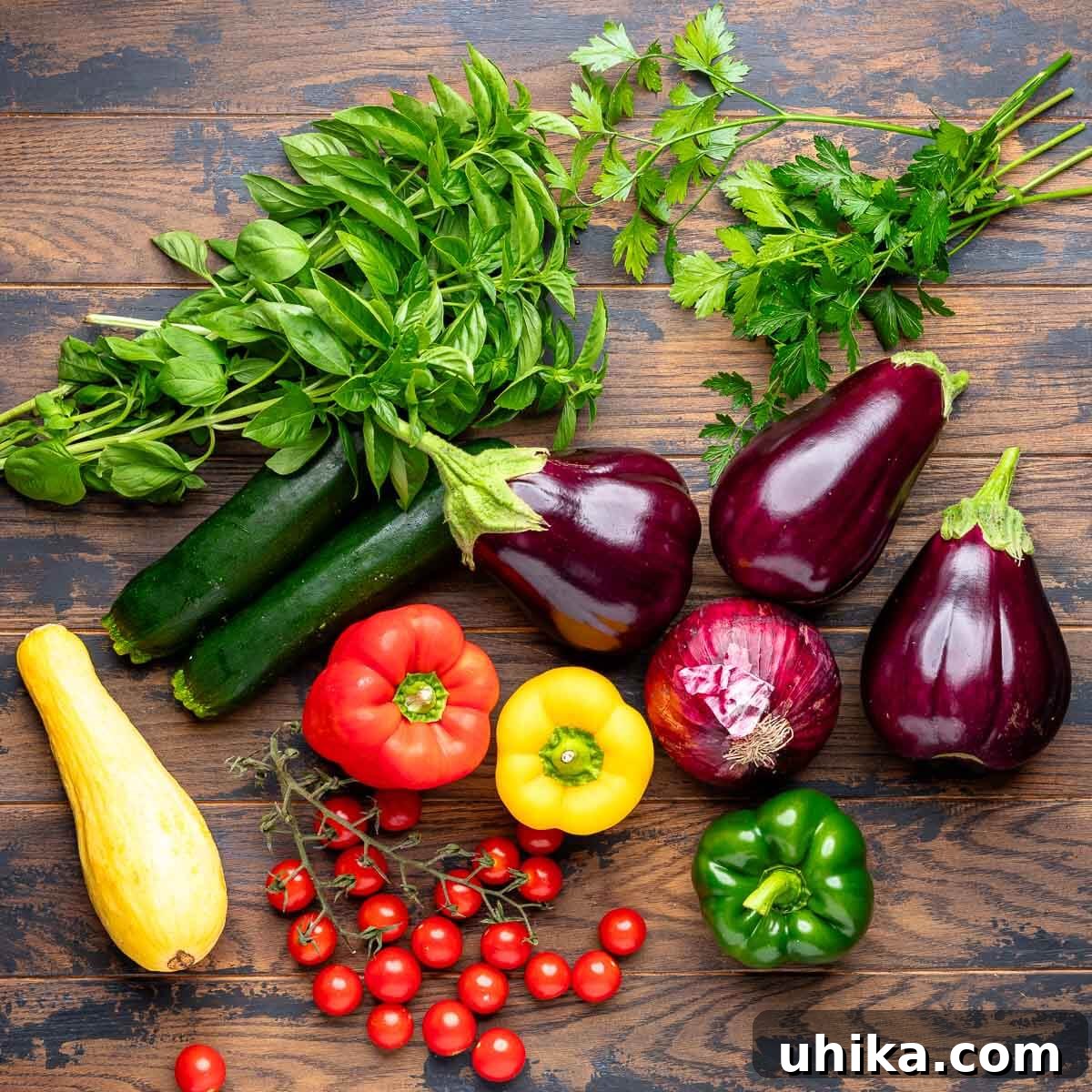
If you’re among the many who feel underwhelmed, disappointed, or downright frustrated by the quality of produce found in grocery stores today, rest assured, you are not alone. From bland tomatoes to wilting herbs and flavorless eggplants, the culinary experience often falls short of expectations. This recurring problem has led many home cooks and food enthusiasts to seek a more satisfying solution: cultivating their own fresh produce right at home. Even starting with a small herb garden can make a remarkable difference.
Join us on Sip and Feast Podcast Episode 9 as we delve into the growing frustration with supermarket fare and champion the profound benefits of homegrown food. My co-host Tara and I dedicated this episode to airing our grievances about the inconsistent quality of store-bought vegetables and, more importantly, to offering practical solutions for sourcing the freshest, most flavorful ingredients available. We believe that everyone deserves to enjoy vibrant, nutritious food, and often, the path to that enjoyment begins in your own backyard or even on your windowsill.

For those who prefer a visual experience, you can watch the full Episode 9 YouTube video version, where we share our insights and tips.
Why Homegrown Produce Is a Game-Changer for Your Kitchen and Well-Being
The journey to culinary excellence often starts with the ingredients. After countless instances of watery tomatoes, rubbery eggplants, and unfragrant basil from various grocery outlets, we realized it was time to speak up. The pursuit of truly delicious food shouldn’t be a gamble. This sentiment resonated deeply with us, and we knew our listeners likely shared similar experiences. The quality of produce directly impacts the taste, texture, and nutritional value of every meal we prepare. Without vibrant ingredients, even the most carefully crafted recipes can fall flat.
Growing your own produce stands out as the ultimate solution. While it requires commitment and a degree of patience, the rewards are immeasurable. Imagine stepping outside your door and plucking ripe, sun-kissed tomatoes for your pasta, or snipping aromatic basil for a homemade pesto. This direct connection to your food not only guarantees unparalleled freshness but also offers a myriad of other benefits that extend far beyond the kitchen.
The Unrivaled Taste and Nutritional Value
One of the most compelling arguments for homegrown produce is its superior taste and nutritional density. Produce picked at its peak ripeness, just moments before it’s consumed, retains its full flavor profile and a higher concentration of vitamins, minerals, and antioxidants. Unlike supermarket produce, which is often harvested prematurely to withstand long-distance shipping, homegrown fruits and vegetables are allowed to mature naturally, developing richer flavors and a more vibrant aroma. This translates into dishes that are not just healthier, but profoundly more delicious.
Cultivating Wellness: Beyond the Plate
Beyond the culinary advantages, the act of gardening itself provides immense physiological and psychological benefits. Engaging with the earth, feeling the soil between your fingers, and watching seeds transform into nourishing plants can be incredibly therapeutic. Studies from institutions like the University of Colorado and Texas A&M highlight how gardening can reduce stress, improve mood, and foster a sense of accomplishment. It’s a mindful activity that offers a tangible connection to nature, promoting mental clarity and emotional well-being. For many, a garden becomes a sanctuary, a peaceful escape from the daily grind.
Environmental and Economic Benefits
Opting for homegrown produce also offers significant environmental advantages. By eliminating the need for long-haul transportation, you drastically reduce your carbon footprint associated with food production. You also minimize packaging waste and have full control over the pesticides and chemicals used, making your garden a truly organic and sustainable food source. Economically, while there’s an initial investment in seeds and tools, a productive garden can significantly cut down on your grocery bills over time, especially for expensive herbs or specialty vegetables you frequently use.
Starting Your Home Garden: Tips for Every Space
We understand that not everyone has the luxury of a sprawling backyard. A garden, after all, isn’t just something you have; it’s something you do, requiring consistent nurturing, time, and space. However, this shouldn’t deter you. There are numerous ways to embark on your gardening journey, regardless of your living situation.
Beginner-Friendly Gardening Options:
- Potted Herbs and Vegetables: For urban dwellers or those with limited space, container gardening is a fantastic starting point. Herbs like basil, mint, chives, and rosemary thrive in pots on windowsills, balconies, or patios. Small vegetables such as cherry tomatoes, lettuce, spinach, and bell peppers can also flourish in containers, bringing freshness right to your doorstep.
- Raised Garden Beds: If you have a small yard, raised beds offer an excellent way to control soil quality, drainage, and weed growth. They are easier on your back and can be customized to fit various spaces, making gardening more accessible and enjoyable.
- Traditional Backyard Gardens: For those with ample space, a traditional in-ground garden allows for a wider variety of crops and larger yields. Proper planning, including assessing sunlight exposure and soil type, is crucial for success.
In this episode, we share practical ideas for individuals looking to start a garden, whether it’s a small collection of potted herbs in your kitchen or a more expansive backyard endeavor. We emphasize starting small, learning from experience, and enjoying the process. Remember, every master gardener was once a beginner, and the journey of growing your own food is as rewarding as the harvest itself.
Beyond the Backyard: Exploring Local Alternatives
While growing your own produce offers the pinnacle of freshness, we recognize it might not always be feasible for everyone. The next best alternative to your own garden is to explore local farmer’s markets and Community Supported Agriculture (CSA) programs. These options offer a direct link to local growers, ensuring you receive produce that was harvested recently and didn’t endure weeks of transit in shipping containers. Farmer’s markets allow you to connect with the people who grow your food, ask questions, and discover seasonal specialties. CSAs take this a step further by providing a weekly or bi-weekly share of fresh produce directly from a local farm, fostering a deeper connection to your food source and the agricultural community.
During our podcast discussion, we also took the time to answer several listener questions, covering topics from beginner gardening tips to advanced barbecue techniques and even our top picks for Long Island restaurants where you can enjoy fantastic food when you’re not cooking at home.
Further Resources for Your Culinary and Gardening Journey
To further inspire your culinary adventures and gardening endeavors, here are some valuable resources:
- Pesto alla Trapanese
- Pesto alla Genovese
- Pasta alla Norma
- Stuffed Eggplant
- Texas A&M article on the positive effects of gardening on mental health
- University of CO article on nature’s original stress buster
- Permaculture College of Australia article on why gardening makes you happy
If you enjoyed “The Case for Growing Your Own Produce” episode and found these insights valuable, please leave us a comment below. We love hearing from our community! Your questions are always welcome, no matter how big or small. Feel free to send them to [email protected] – there’s no question not worth asking.
If you enjoy our weekly podcast and want to support our mission to bring you delicious food ideas and insightful discussions, consider supporting us on Patreon. As a Patron, you’ll gain access to two exclusive bonus episodes each month, along with other special perks.
Thank you for listening and being a part of the Sip and Feast community!