

Table of Contents
- The Magic of Homemade All-Purpose Seasoning
- Why Homemade Spice Blends Are Your Best Bet
- Essential Ingredients for Your All-Purpose Seasoning
- Crafting Your All-Purpose Seasoning: A Simple Guide
- Storage Tips and Maximizing Shelf-Life
- Unleash the Flavor: How to Use All-Purpose Seasoning in Your Cooking
- Explore Delicious Flavor Variations
- A Health-Conscious Option: The Salt-Free Version
- Recipes That Shine With This Blend
The Magic of Homemade All-Purpose Seasoning: Elevate Your Everyday Cooking
In the world of home cooking, a truly versatile all-purpose seasoning blend is a game-changer. If you haven’t yet welcomed this kitchen essential into your pantry, you’re missing out on an incredibly simple, yet powerful way to infuse deep, complex flavors into virtually any dish. Imagine effortlessly transforming weeknight meals, from quick-cooking proteins to roasted vegetables, with just a sprinkle of a perfectly balanced mix of herbs and spices. Our homemade all-purpose seasoning isn’t just a convenience; it’s a secret weapon that adds depth, warmth, and an irresistible aroma to your culinary creations, making every meal a gourmet experience with minimal effort.
This carefully crafted blend ensures that you always have a vibrant flavor foundation at your fingertips, ready to enhance grilled meats, succulent fish, hearty vegetables, and even refreshing salads. It simplifies seasoning, allowing you to focus more on the joy of cooking and less on measuring individual spices. Dive into the world of homemade seasoning and discover how this one blend can revolutionize your approach to flavor.
Why Homemade Spice Blends Are Your Best Bet
While store-bought spice blends offer convenience, crafting your own all-purpose seasoning unlocks a world of benefits that significantly elevate your cooking. The decision to make your own blend is rooted in a desire for superior flavor, ultimate control, and often, better value.
- Unmatched Freshness: Spices, much like other ingredients, lose their potency over time. Store-bought blends can sit on shelves for months, diminishing their aromatic oils and flavor impact. By making your own, you ensure that the herbs and spices are as fresh as possible, delivering a more vibrant and intense taste to your food.
- Customized Flavor Profile: The beauty of a homemade blend lies in its adaptability. You are the chef, and you control the ratios. Prefer a little more garlic? Want less salt? Need to avoid certain allergens or dietary restrictions? With a homemade blend, you can fine-tune every component to perfectly match your personal taste and dietary requirements, something impossible with pre-made options.
- Cost-Effectiveness: Buying individual spices, especially in larger quantities for staples like paprika and garlic, can often be more economical in the long run than repeatedly purchasing small, pre-mixed blends. This is particularly true if you cook frequently and use a variety of spices.
- Avoiding Unwanted Additives: Many commercial spice blends contain anti-caking agents, excessive salt, or other fillers to extend shelf life or reduce cost. When you make your own, you know exactly what goes into your food – pure, unadulterated spices and herbs.
- Inspiring Culinary Creativity: Creating your own blend is a rewarding experience that encourages you to understand individual spice profiles and how they interact. It fosters a deeper connection to your food and can spark new culinary experiments.

Essential Ingredients for Your All-Purpose Seasoning
Our carefully selected ingredients create a harmonious balance of sweet, savory, earthy, and aromatic notes, making this blend truly “all-purpose.” Each component plays a crucial role in developing a rich, multi-layered flavor profile. Here’s a detailed look at the core spices and herbs that make our blend exceptional:
- Salt: The Flavor Enhancer: A fine-grain salt is paramount for this blend. Its fine texture ensures even distribution throughout the mix, preventing pockets of over-salted or under-seasoned food. While regular table salt works perfectly, we often opt for fine-grain Himalayan pink salt for its subtle mineral notes and beautiful color. Salt is not just for making food salty; it amplifies and rounds out the flavors of all the other ingredients.
- Sugar: The Caramelization Catalyst: The addition of sugar, even a modest amount, is key to achieving that beautiful golden-brown crust and slight caramelization on roasted, baked, and pan-seared foods. It introduces a delightful sweet-savory dynamic that makes this seasoning irresistible. The quantity is a matter of personal preference; we enjoy a generous tablespoon, but feel free to adjust to your taste. Remember, omitting it entirely will alter the seasoning’s ability to brown and caramelize.
- Sweet Paprika: Color and Mild Earthiness: We favor a high-quality sweet paprika, particularly a Hungarian brand, for its rich, vibrant color and distinctively mild, earthy, and slightly sweet flavor. Paprika adds warmth and a visual appeal that enhances many dishes without introducing excessive heat. It’s a fundamental flavor builder in this blend.
- Granulated Garlic: Pungent Depth: Granulated garlic is preferred over garlic powder for its slightly coarser texture. This makes it easier to sprinkle evenly and prevents clumping, ensuring a consistent flavor distribution. It also offers a milder, more nuanced garlic presence compared to the more concentrated powder. If substituting garlic powder, use approximately 2-1/2 teaspoons for every 3 teaspoons of granulated garlic.
- Dried Parsley: Freshness and Color: Dried parsley contributes a subtle herbaceous freshness and a touch of vibrant green color to the blend. Crushing the dried flakes gently with your fingers before mixing helps them integrate more evenly. While its flavor is milder than fresh parsley, it adds an essential bright note that complements the other, more robust spices.
- Black Pepper: Pungent Kick: Freshly ground black pepper provides the most potent and aromatic kick, thanks to its volatile oils. While using a grinder for whole peppercorns is ideal for maximum freshness, pre-ground black pepper is perfectly acceptable. It adds a crucial peppery heat and aromatic depth that brightens the overall flavor profile.
- Minced Onion (Onion Flakes): Mild Crunch and Aroma: Minced onion, often referred to as onion flakes, consists of very finely chopped and dehydrated onion. It offers a gentle, sweet onion flavor and contributes a delightful, subtle crunchy texture to the blend. This adds another layer of complexity compared to finer powders.
- Dried Tarragon: Subtle Anise Elegance: Tarragon introduces a unique, sophisticated flavor characterized by mild anise notes with a hint of bitterness. While subtle once combined with the other robust ingredients, its distinctive character is essential for the overall complexity and depth of this all-purpose seasoning, adding an unexpected touch of elegance.
- Granulated Onion: Balanced Onion Flavor: Similar to granulated garlic, granulated onion is chosen over onion powder for its more uniform texture and less concentrated flavor. It blends seamlessly with other spices and offers a consistent, balanced onion aroma. If substituting with onion powder, use about 3/4 teaspoon for every 1 teaspoon of granulated onion.
- Dried Dill: Grassy Brightness: Dried dill, though milder than its fresh counterpart, imparts an important grassy, slightly tangy note to the seasoning mix. It adds a subtle brightness and a herbaceous layer that complements fish, poultry, and vegetables beautifully, making it a valuable addition to an all-purpose blend.
- Dried Oregano: Earthy Mediterranean Heart: A cornerstone of Italian, Mexican, and Mediterranean cuisines, dried oregano offers a distinctive earthy flavor with mild, peppery undertones. It’s a robust herb that provides a warm, aromatic foundation, making it an indispensable ingredient in any comprehensive seasoning blend.
- Celery Seed: Earthy and Complex: Celery seed brings a remarkably distinct, earthy flavor with intriguing bitter, peppery, and citrusy undertones. It’s a surprisingly powerful ingredient that adds a layer of savory complexity and a subtle pungency that is truly essential for a well-rounded all-purpose seasoning.
- Ground Coriander: Warm Citrusy Notes: Ground coriander, derived from cilantro seeds, has a mild, slightly sweet, and citrusy flavor profile. It imparts a comforting warmth to the blend without being overpowering, harmonizing beautifully with the other spices and adding an exotic touch.
PRO TIP: Strategic Shopping for Bulk Spices
Because our all-purpose seasoning recipe calls for substantial quantities of certain ingredients like sweet paprika, granulated garlic, and dried parsley, consider purchasing these in larger bulk containers. Keeping these key spices readily available ensures you can quickly whip up a fresh batch of your favorite seasoning whenever needed, preventing last-minute trips to the store and always having peak flavor at your disposal.
Prep Overview
Crafting Your All-Purpose Seasoning: A Simple Guide
Making this exceptional seasoning blend is incredibly straightforward, requiring just a few minutes of your time. The simplicity of the process belies the depth of flavor it brings to your cooking. Follow these easy steps to create your own:
Step 1: Gather and Combine Dry Ingredients
Begin by measuring all the dry ingredients, excluding the sugar, into a small mixing bowl. Using a bowl that provides ample space will make the mixing process easier and more thorough. Ensure all lumps are broken up, and any larger dried herbs (like parsley or tarragon) are lightly crushed with your fingers to facilitate even distribution.
Step 2: Incorporate Sugar and Taste Test
Once the initial dry ingredients are thoroughly combined, add the sugar. Mix it in well. Now comes the most important part: the taste test. While you might be tempted to skip this, it’s crucial for customizing the blend to your preference. To get an accurate sense of the flavor, apply a small amount of the seasoning to a bland food item. Plain, cooked pasta (like penne or rigatoni, whose ridges hold the seasoning well) or small pieces of plain bread lightly brushed with a neutral oil (such as canola or avocado) are excellent choices. This allows you to evaluate the salt, sweetness, and overall spice balance. Adjust the sugar or other ingredients as desired until you achieve your perfect flavor profile.
Step 3: Package for Storage
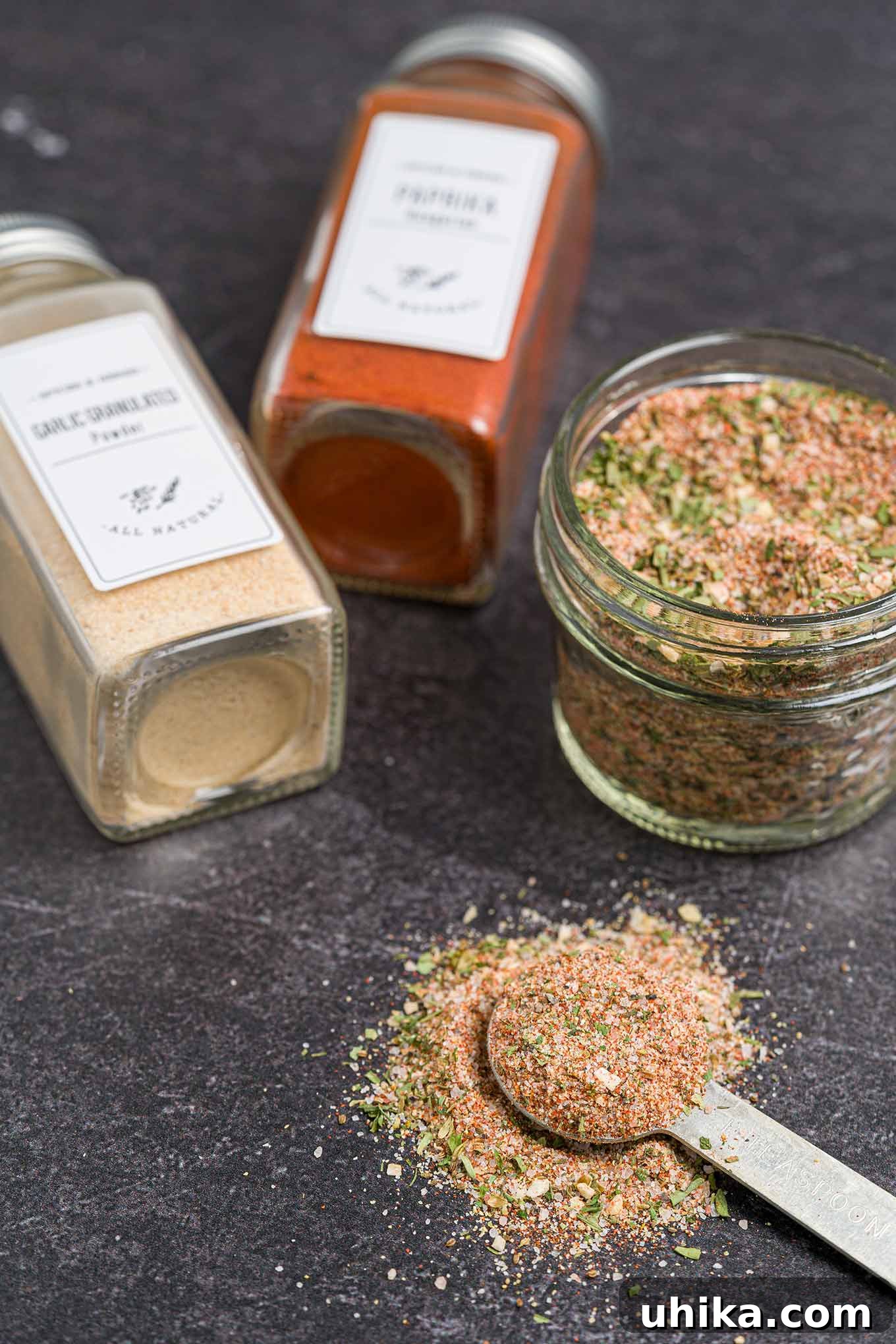
Carefully transfer your freshly made all-purpose seasoning into a clean, dry 4-ounce glass jar. It’s vital that the jar has a tight-fitting lid to protect the spices from air and moisture, which can degrade their flavor and aroma over time. A glass jar is preferred as it doesn’t absorb odors or flavors like plastic can.
Storage Tips and Maximizing Shelf-Life
Proper storage is key to maintaining the potency and freshness of your homemade all-purpose seasoning blend. While dried herbs and spices have a longer shelf life than fresh ingredients, they can still lose their vibrant flavors if not stored correctly.
- Location Matters: The ideal storage location for your seasoning is a cool, dark place. This means away from direct sunlight, heat sources (like ovens or stovetops), and excessive moisture. A cabinet or pantry shelf is perfect. Avoid storing it above the stove, as the fluctuating heat and humidity can quickly degrade the quality of your spices.
- Airtight Container: Always use an airtight container, such as the recommended glass jar with a tight-fitting lid. Exposure to air is one of the primary culprits in flavor degradation, causing the aromatic oils in your spices to evaporate.
- Expected Shelf-Life: While your seasoning blend will technically keep for a long time, its peak flavor will last for approximately six months. After this period, you might notice a gradual decrease in aroma and taste intensity. It won’t necessarily spoil, but it won’t deliver the same vibrant punch.
- How to Tell if it’s Fresh: To check if your seasoning is still potent, simply open the jar and take a sniff. If the aroma is strong and vibrant, it’s still good. If it smells faint or dull, it’s time to make a fresh batch. You can also rub a small pinch between your fingers; if a strong scent is released, it’s still active.
Unleash the Flavor: How to Use All-Purpose Seasoning in Your Cooking
The true beauty of an all-purpose seasoning lies in its name – it’s designed to be used everywhere! Experiment with confidence, but here are some guidelines to help you integrate this versatile blend into your daily cooking repertoire:
1. Seasoning Before Cooking: The Foundation of Flavor
This method is ideal for creating a deep, infused flavor from the start. It works exceptionally well for dishes that undergo longer cooking times, particularly in the oven or on a slow heat.
- Meats & Poultry: Generously rub your chicken (whole or pieces), pork chops, steaks, or roasts with the seasoning before baking, roasting, or grilling. The sugar in the blend will aid in caramelization, creating a beautiful, savory crust. When seasoning raw meats, adjust the amount of other salt you use in the recipe to account for the salt already in the blend.
- Oven-Roasted Vegetables: Toss vegetables like potatoes, carrots, broccoli, or bell peppers with a little olive oil and your all-purpose seasoning before roasting. The spices will toast and meld with the vegetables, and the sugar will help them achieve a delightful crispiness and browning.
- Marinades & Brines: Incorporate the seasoning into liquid marinades or dry brines for an extra layer of flavor. It will slowly infuse into the food, tenderizing and flavoring it simultaneously.
2. Use as a Finishing Seasoning: A Burst of Freshness
For foods cooked over high heat, adding the seasoning too early might cause the sugar to burn. In these cases, it works wonderfully as a finishing touch, adding a fresh burst of flavor just before serving.
- Grilled & Pan-Seared Dishes: For quick-cooking items like steaks, burgers, fish fillets, or pan-seared chicken breasts, season lightly with salt and pepper during cooking. Then, just before serving, sprinkle your all-purpose seasoning over the top. The vibrant flavors will stand out, and the hint of sweetness will complement the rich, seared exterior.
- Eggs & Breakfast: A dash of this seasoning can transform scrambled eggs, omelets, or even avocado toast. Sprinkle it on hot, cooked dishes to awaken their flavors.
- Popcorn & Snacks: For a delicious and unexpected snack, sprinkle your all-purpose seasoning over freshly popped popcorn, roasted nuts, or even homemade potato chips.
3. Flavoring Sauces, Dressings, and Soups: Infusion and Depth
This blend is perfect for enhancing the complexity of liquid-based dishes, where its flavors can slowly meld and infuse.
- Homemade Dressings: Whisk the seasoning into your homemade vinaigrettes or creamy dressings for salads. It adds a cohesive flavor profile that ties all the ingredients together.
- Soups & Stews: Stir a teaspoon or two into your favorite soups, stews, or chili during the last stages of cooking. This allows the spices to bloom and release their aromas, deepening the overall flavor. Start with a small amount and add more to taste.
- Dips & Spreads: Mix it into cream cheese, yogurt, or sour cream for a quick and flavorful dip or spread. It’s excellent for vegetable platters or as a topping for baked potatoes.
Remember, cooking is an art. Start with smaller amounts and adjust to your taste, allowing the seasoning to shine without overpowering the natural flavors of your ingredients.
Explore Delicious Flavor Variations
The beauty of a homemade all-purpose seasoning is its flexibility. While our base recipe is fantastic on its own, you can easily customize it to create unique flavor profiles that cater to specific dishes or personal preferences. Here are some exciting suggestions to inspire your culinary creativity:
- Spicy Version: For a Fiery Kick: If you enjoy a bit of heat, infusing your blend with a spicy element is simple. Add some cayenne pepper to the mix, starting with a 1/4 to 1/2 teaspoon and increasing gradually to suit your heat tolerance. Alternatively, you can replace a portion of the sweet paprika with hot paprika for a more integrated, smoky spice. This variation is fantastic for grilling, chili, or any dish where you want to add a vibrant warmth.
- Smoky Version: The Essence of Barbecue: To impart a wonderful smoky depth, ideal for rubs and grilled foods, swap out some of the sweet paprika for smoked paprika. Start with 1/2 to 1 teaspoon of smoked paprika and adjust to your liking. This addition provides a subtle campfire aroma that enhances anything cooked on the grill or in a smoker. For a truly authentic barbecue experience, however, we recommend exploring a dedicated easy BBQ spice rub.
- Fish and Seafood Version: A Zesty Twist: Elevate your fish and seafood dishes with a bright, citrusy note. Incorporate dried lemon peel (or even dried orange peel) into your all-purpose blend. Start with 1 teaspoon and add more if you desire a stronger citrus punch. This variation is also exceptional on roasted vegetables and in fresh salads, adding a refreshing tang that complements lighter fare beautifully.
- Poultry Version: Herbaceous and Aromatic: To give your all-purpose blend a subtle poultry seasoning flavor, perfect for chicken, turkey, and game birds, add a trio of classic poultry herbs. Reduce the sugar in the base recipe to 2 teaspoons, then add 1 teaspoon each of dried rosemary, thyme, and sage. This blend will infuse your poultry with a comforting, aromatic herbaceousness, making it ideal for roasting or baking.
A Health-Conscious Option: The Salt-Free Version
For those managing salt intake or simply preferring to control sodium levels in their cooking, crafting a salt-free version of this versatile seasoning is a straightforward adjustment. By omitting the salt from the original recipe, you open the door to a blend that can be used generously without worrying about sodium content.
To ensure your salt-free blend still delivers a robust flavor profile, consider these additions:
- Dry Mustard: Adding 1/4 teaspoon of dry mustard introduces a pungent, slightly spicy kick and a savory depth that can help compensate for the absence of salt. It brightens other flavors and adds a complexity that is often missing in salt-free blends.
- Dried Lemon Peel: Incorporate 1-1/2 teaspoons of dried lemon peel. This not only adds a vibrant, zesty aroma but also provides a tangy counterbalance that mimics the way salt enhances other flavors. It’s particularly effective in uplifting poultry, fish, and vegetable dishes.
You might also consider nutritional yeast as an optional addition. Nutritional yeast is celebrated for its umami-rich, slightly nutty, and cheesy flavor profile, all while being very low in fat and sodium. Due to its flaky texture and the recommendation to store it in the refrigerator to maintain freshness, we suggest adding nutritional yeast to your food alongside the all-purpose blend as you use it, rather than mixing it into the main batch from the outset. This ensures its optimal flavor and texture are preserved. As always, if you have specific dietary concerns or questions about salt-free diets, consulting with your healthcare practitioner is recommended.
Recipes That Shine With This Blend
Our all-purpose seasoning blend is a fantastic shortcut to flavor in a wide array of dishes. Here are some tried-and-true recipes that specifically call for this versatile mix, showcasing its ability to elevate everyday meals:
- Old Fashioned Meatloaf: This classic comfort food relies on a balanced blend of seasonings to bring out the best in beef. Our all-purpose mix ensures a consistently flavorful and moist meatloaf every time, making it a family favorite.
- Oven-Roasted Potatoes: Achieve perfectly crispy, golden-brown roasted potatoes with a simple two-step cooking method. The seasoning blend adheres beautifully, providing a savory crust and tender interior that makes these potatoes irresistible as a side dish.
- Oven-Fried Parmesan Pork Chops: Enjoy the crispiness of breaded pork chops without the mess of deep frying. The all-purpose seasoning, combined with Parmesan, creates a golden-brown coating that’s packed with flavor, delivering a satisfying crunch with every bite.
- Catfish with Corn Salsa: For a quick and healthy meal, this broiled fish recipe is a winner. Our seasoning provides the ideal flavor base for the tender catfish, beautifully complemented by a fresh, vibrant five-ingredient corn and tomato salsa topping.

Homemade All-Purpose Seasoning
Lynne Webb
10
10
104 servings (1/4 tsp)
Print Recipe
Ingredients
- 1 tablespoon table salt (or fine-grain Himalayan pink salt), see notes below for details.
- 1 tablespoon sweet paprika
- 1 tablespoon granulated garlic
- 1 tablespoon dried parsley, lightly crushed
- 1-1/2 teaspoons black pepper
- 1-1/2 teaspoons minced onion
- 1-1/2 teaspoons dried tarragon, lightly crushed
- 1 teaspoon granulated onion
- 1 teaspoon dried dill
- 1 teaspoon dried oregano
- 1 teaspoon celery seed
- 1/2 teaspoon ground coriander
- 1 tablespoon sugar, plus more to taste
Instructions
-
Combine all the ingredients except for the sugar in a small bowl. Ensure all dry ingredients are thoroughly mixed.
-
Mix in the sugar, then taste the blend on a neutral food (like plain cooked pasta or lightly oiled bread) to adjust sweetness and overall balance. Add more sugar if desired.
-
Transfer the completed seasoning to a clean, dry 4-ounce glass jar with a tight-fitting lid.
-
Store in a cool, dry place away from direct sunlight and heat, and use as desired within six months for optimal freshness.
Notes
TIPS FOR TASTE TESTING
When making adjustments to this or any homemade seasoning blend, it’s vital to taste test on a bland base. Our top recommendation is plain, cooked pasta; penne and rigatoni are excellent choices due to their ridges which help the seasoning adhere. Alternatively, use small pieces of plain bread lightly brushed with a neutral oil like canola or avocado. This method allows you to accurately gauge the flavor and make informed adjustments.
Flavor Variations
Customize your all-purpose seasoning by incorporating different herbs and spices to achieve unique flavor profiles:
- SPICY VERSION: To add a kick, stir in 1/4 to 1/2 teaspoon of cayenne pepper, or substitute some of the sweet paprika with hot paprika. Adjust to your desired level of heat.
- SMOKY VERSION: For a delicious smoky aroma, especially great for grilling, replace 1/2 to 1 teaspoon of the sweet paprika with smoked paprika.
- CITRUSY VERSION: Introduce a bright, zesty note with 1 teaspoon of dried lemon peel or dried orange peel. This variation is particularly good for fish, seafood, vegetables, and salads.
- POULTRY VERSION: Give your blend a subtle poultry seasoning twist by reducing the sugar to 2 teaspoons and adding 1 teaspoon each of dried rosemary, thyme, and sage.
Salt-Free Version
If you are on a salt-restricted diet or simply prefer a salt-free blend, omit the salt from the main recipe. To maintain a robust flavor, consider adding 1/4 teaspoon of dry mustard and 1-1/2 teaspoons of dried lemon peel.
Nutritional yeast is another excellent addition for a salt-free blend, offering an umami-rich, slightly nutty flavor with very low fat and sodium. Due to its flaky texture and recommended refrigeration, it’s best added to your food alongside the all-purpose blend as you use it, rather than mixing it into the entire batch.
For any questions or concerns regarding specific ingredients or salt-free diets, please consult with your healthcare practitioner.
Nutrition
Serving: 0.25 teaspoon
Calories: 1
Total Fat: 0.02g
Sodium: 67mg
Carbohydrates: 0.3g
Fiber: 0.1g
Sugar: 0.1g
Protein: 0.04g
Nutrition information is automatically calculated and should only be used as an approximation. Individual ingredient values may vary.