
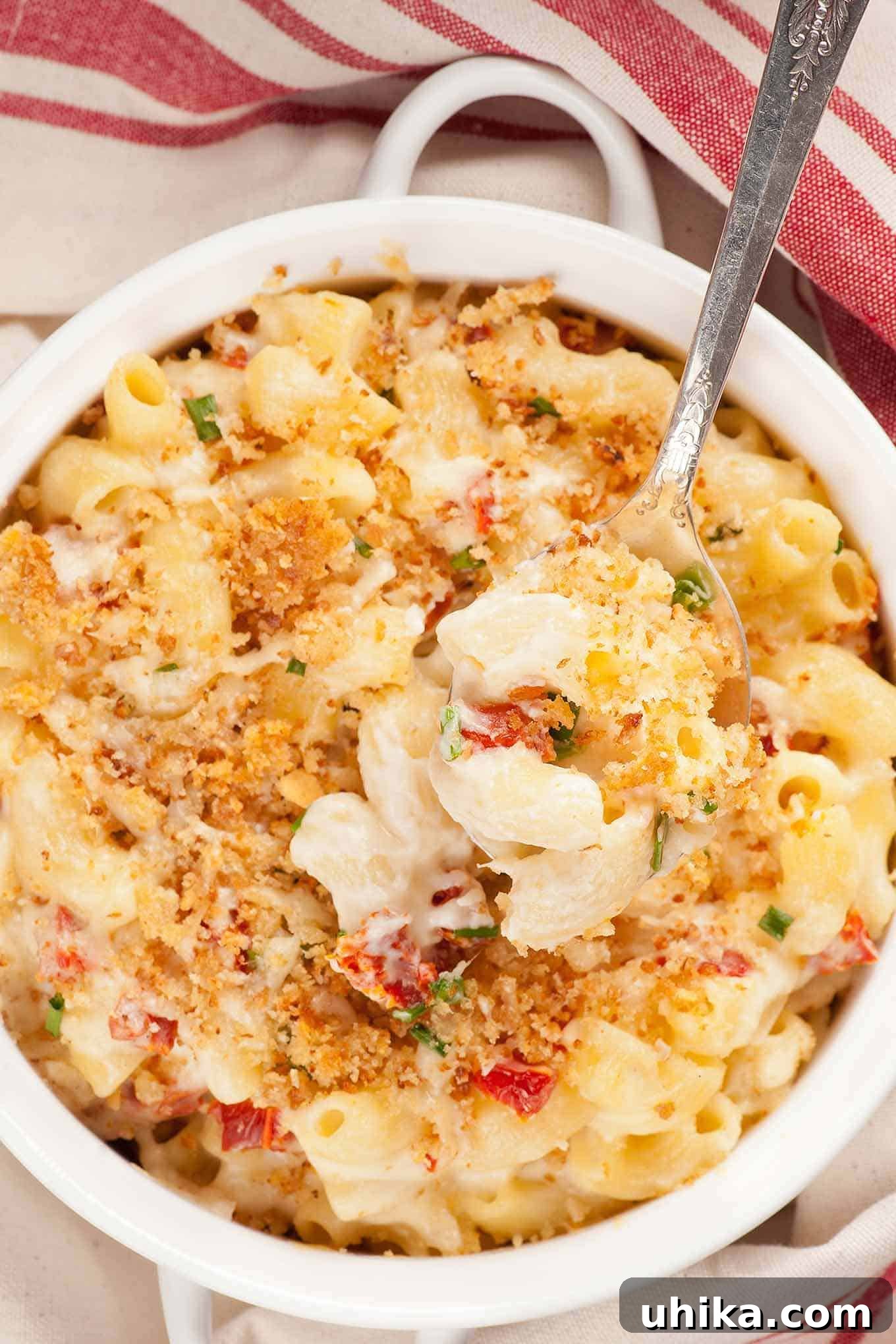

Macaroni and cheese, a timeless classic and the ultimate comfort food, holds a special place in the hearts of many. While the convenience of a blue box might be familiar, venturing into the world of homemade mac and cheese opens up an array of rich flavors, creamy textures, and endless customization possibilities that simply cannot be matched. Whether you prefer the bubbly, golden crust of a baked casserole or the velvety smoothness of a stovetop rendition, mastering the art of homemade mac and cheese is a culinary skill that promises consistently delicious results.
This comprehensive guide will walk you through everything you need to know, from selecting the perfect pasta and cheeses to crafting the silkiest sauce, ensuring your homemade macaroni and cheese is nothing short of extraordinary. Get ready to transform humble ingredients into a culinary masterpiece that will delight family and friends alike.
Start with Béchamel: The Foundation of a Creamy Cheese Sauce
The secret to an incredibly smooth and luscious homemade macaroni and cheese lies in its foundation: a perfectly executed béchamel sauce. This classic French “mother sauce” acts as the creamy canvas upon which your chosen cheeses will melt, creating a stable, rich, and wonderfully flavorful base. Understanding béchamel is key to avoiding grainy or separated cheese sauces.
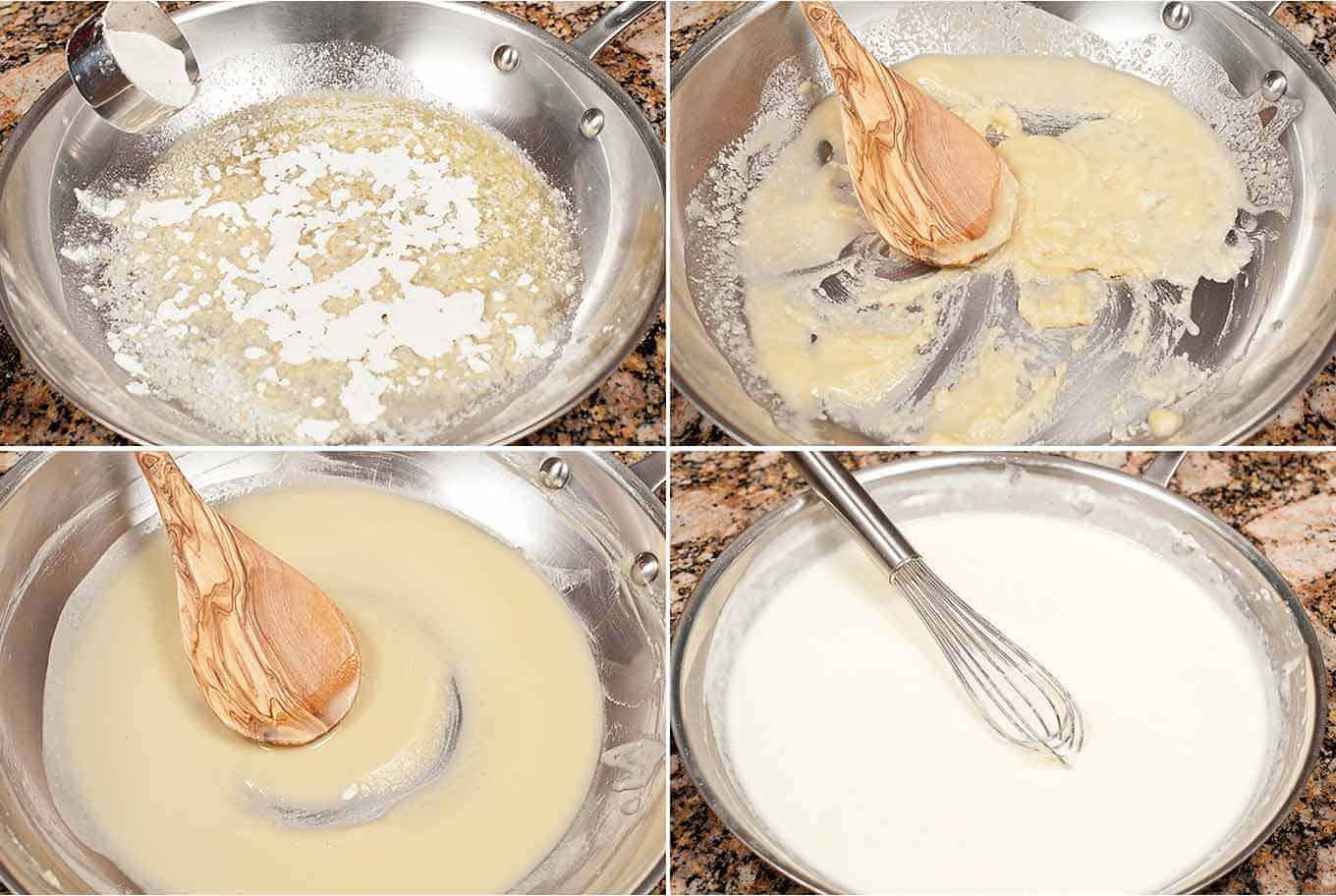
Béchamel begins with a roux, a mixture of equal parts butter and flour cooked together until smooth. For macaroni and cheese, we aim for a “blond” roux, meaning it’s cooked just long enough to eliminate the raw flour taste but not so long that it darkens significantly. This light color ensures the final cheese sauce maintains its appealing hue and delicate flavor. Once the roux is ready, warm milk is gradually whisked in, preventing lumps and allowing the sauce to thicken beautifully. The ratio of milk to butter and flour dictates the sauce’s final thickness; a slightly thicker béchamel is ideal for holding the melted cheese and coating the pasta.
Choosing the Right Ingredients for Unforgettable Flavor
Crafting macaroni and cheese from scratch is a wonderfully straightforward process that offers ample opportunity for personal expression and culinary creativity. While the basic technique remains consistent, the choice of ingredients can dramatically alter the flavor profile and texture of your dish. By following a few fundamental guidelines, you’ll unlock a world of delicious possibilities, allowing you to experiment with a vast array of cheeses and delightful add-ins.
Embrace Richness: Whole Milk and Real Butter are Essential
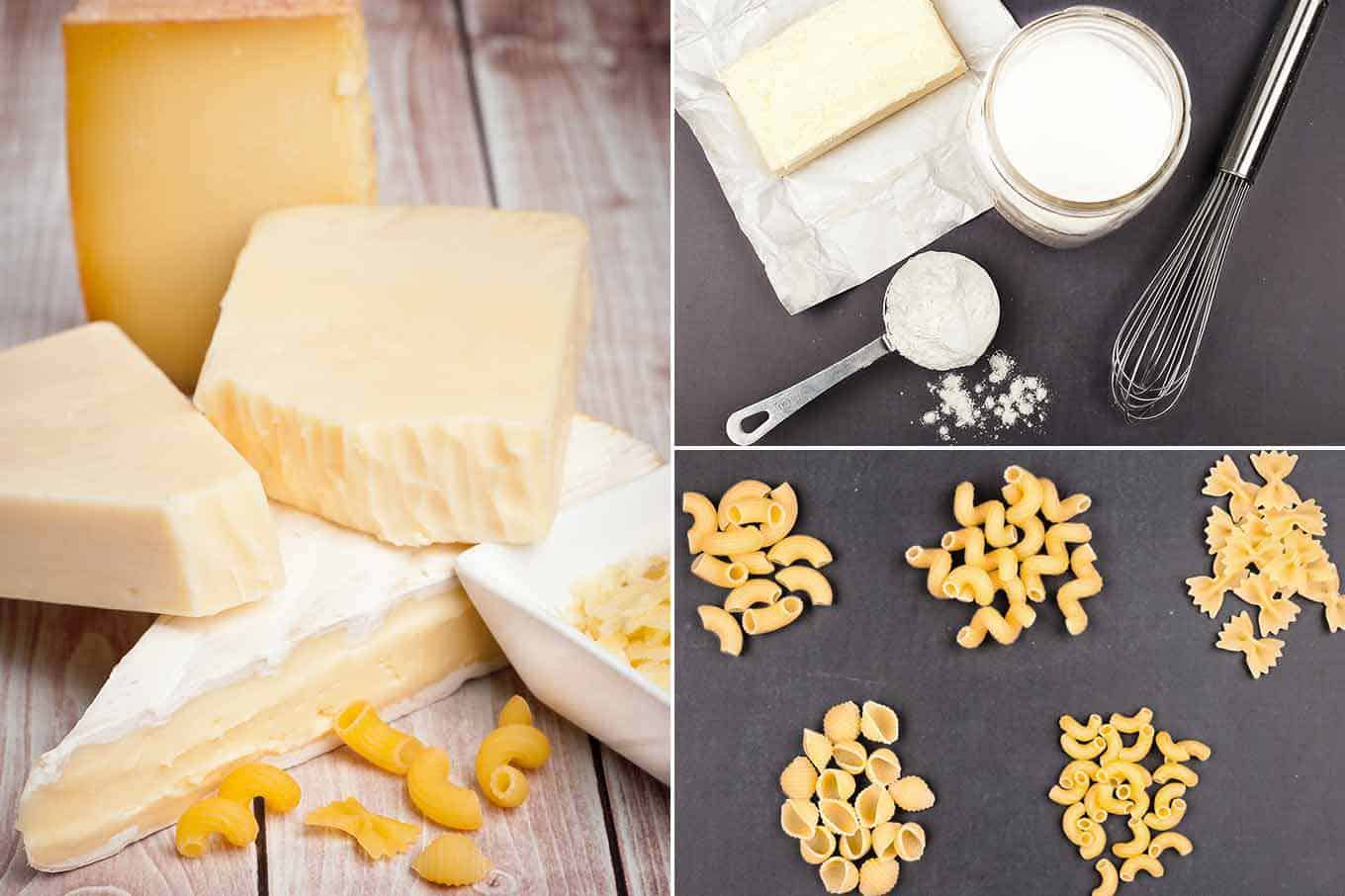
When it comes to homemade mac and cheese, compromise on richness and flavor is not an option. Skimping on fat by using low-fat dairy simply doesn’t yield the same luxurious, creamy results. Whole milk and real butter are non-negotiable for achieving a smooth, velvety cheese sauce that resists lumps and separation. The higher fat content in whole milk helps emulsify the sauce, ensuring a stable and consistent texture. We highly recommend using a good quality unsalted butter, allowing you to control the seasoning precisely, and full-fat whole milk to create the perfect béchamel base for your cheese sauce. This indulgence is well worth it, making your homemade mac and cheese a truly special treat.
The Ideal Vessel: Picking a Pasta That Holds the Sauce
The right pasta shape is crucial for maximizing cheese “coverage” and ensuring every bite is packed with flavor. While elbow macaroni is the traditional choice, many other shapes are excellent at cradling that glorious cheese sauce. Look for smaller cuts with ridges, twists, or cups that provide ample surface area for the sauce to cling to. Cooking your pasta al dente is also paramount; it will continue to cook slightly when mixed with the hot sauce or baked in the oven, preventing it from becoming mushy.
Beyond the classic elbows, consider these fantastic alternatives:
- Pipette: A slightly larger, elbow-shaped pasta often featuring ridges, perfect for scooping up sauce.
- Cavatappi: Small, corkscrew-shaped tubes with ridges, offering a delightful chew and excellent sauce adhesion.
- Mini Farfalle: These charming “bow ties” or “butterflies” provide small pockets and folds for sauce.
- Conchiglie (Small Shells): Their cup-like shape is ideal for holding a generous amount of creamy sauce.
- Orecchiette: “Little ears” that are perfect for catching and holding the thick cheese sauce.
The Heart of the Dish: Choosing Smooth-Melting Cheeses
Undoubtedly, the most vital ingredient is cheese. The key to a silky, non-grainy sauce is selecting cheeses that melt smoothly and beautifully, without separating or becoming oily. While sharp, aged cheeses offer fantastic flavor, they can sometimes become grainy when melted directly into a sauce. Therefore, it’s best to combine them with excellent melting cheeses to achieve both taste and texture.
Our top recommendations for smooth-melting cheeses, readily available in most supermarkets, include:
- Fontina: Offers a nutty, earthy flavor and an incredibly creamy melt.
- Muenster: A mild, semi-soft cheese that melts exceptionally well, adding a subtle tang.
- Gruyère: Known for its complex, nutty, and slightly sweet flavor, providing great depth.
- Gouda: Mild and creamy, with a subtle sweetness that pairs wonderfully.
- Havarti: Buttery and mild, melting into a beautifully smooth consistency.
- Mozzarella: A classic for its stretch and mild flavor, though less complex than others.
- Monterey Jack: A mild, buttery cheese that melts like a dream.
- Cheddar (Mild to Medium): While sharp cheddar is beloved, milder or medium cheddars melt more smoothly. For a sharper flavor, combine with a good melting cheese.
For the best results, always grate your cheese fresh from the block just before use. Pre-shredded cheeses often contain anti-caking agents like cellulose, which can prevent them from melting smoothly and result in a grainy sauce. Use the small holes on your box grater to create fine shreds that melt quickly and seamlessly into your béchamel, guaranteeing that luscious, creamy texture.
Don’t be afraid to experiment with cheese combinations! A blend of 2-4 cheeses often yields the most complex and satisfying flavor profile. Consider adding a touch of cream cheese or a processed cheese slice (like American cheese) for an extra layer of emulsification and an exceptionally smooth finish, if desired.
The Perfect Finish: Add a Toasty Crumb Topping
If you’re preparing a baked version of macaroni and cheese, a crispy, golden crumb topping is an absolute must. It provides a delightful textural contrast to the creamy pasta below. While store-bought panko breadcrumbs are a convenient and excellent choice, offering superior crispness, homemade breadcrumbs elevate the dish even further.
For homemade crumbs, simply pulse stale bread (preferably from a sturdy loaf like sourdough or ciabatta) in a food processor until coarsely chopped. Toss your chosen breadcrumbs with a little melted butter, salt, and pepper, and optionally some grated Parmesan cheese or fresh herbs, before scattering them over your mac and cheese prior to baking. This ensures they toast to a beautiful golden brown and add an irresistible crunch.
Baked Mac and Cheese vs. Stovetop: A Culinary Debate
The choice between baked and stovetop macaroni and cheese often comes down to personal preference and the specific cheese blend you’re using. Both methods yield delicious results, but each offers a distinct experience in terms of texture and flavor.
Baked Macaroni and Cheese: The Classic Casserole
A bubbly, beautifully browned casserole of baked macaroni and cheese is the epitome of traditional comfort. Baking allows the flavors to meld, creates a satisfyingly crisp top crust (especially with a crumb topping), and yields a rich, gooey interior. Recipes designed for baking typically incorporate semi-soft to firm cheeses that can withstand the oven’s heat without becoming oily or separating. These cheeses contribute to a stable, flavorful sauce that bakes up perfectly. Here are a few examples of baked mac and cheese recipes, showcasing ideal cheese choices:
- Goat Cheese and Sun-Dried Tomato: This vibrant recipe, often pictured, features the creamy tang of chèvre (goat cheese) balanced with the sweet-tart intensity of sun-dried tomatoes. Fontina cheese provides an excellent, smooth-melting base, creating a truly memorable dish with a delightful crispy crumb topping.
- French-Inspired: An elegant take on the classic, this recipe utilizes a sophisticated blend of French cheeses. Ossau-Iraty, a firm sheep’s milk cheese, offers a nutty and earthy flavor, complemented by soft chèvre and the unique caramel-nut notes of aged Mimolette (cow’s milk cheese). This combination bakes into a deeply flavorful and complex dish.
- Baked Truffle: For a truly luxurious experience, this recipe combines the excellent melt of Fontina with fresh mozzarella, sautéed earthy mushrooms, and a decadent drizzle of white truffle oil. It’s an all-time favorite that bakes to perfection, infusing every bite with an aromatic, sophisticated flavor.
Stovetop Macaroni and Cheese: Instant Creamy Perfection
For those who crave immediate gratification and an ultra-smooth, velvety cheese sauce, stovetop macaroni and cheese is the answer. This method preserves the maximum creaminess of softer, more delicate cheeses that might become too oily or separate when subjected to prolonged oven heat. Stovetop versions are quicker to prepare and deliver an unbelievably silky texture straight from the pot. Consider these delicious stovetop options:
- Creamy Stovetop: This rendition is renowned for its mild flavor and exceptional creaminess, often a hit with children. It typically combines Fontina for its superb melt with cottage cheese, which, when incorporated correctly, contributes to a uniquely smooth and slightly tangy profile without a heavy texture.
- Stovetop Lobster: A truly decadent and luxurious treat reserved for special occasions. This recipe often features the rich, buttery smoothness of mascarpone cheese paired with nutty Gruyère, studded with succulent chunks of lobster, and brightened with fresh chives. The stovetop method ensures the delicate mascarpone maintains its exquisite texture.
Regardless of whether you choose to bake or serve it straight from the pan, all homemade macaroni and cheese recipes fundamentally begin with the same core ingredients (the béchamel base) and utilize consistent cooking techniques. With these principles, you’re ready to create your own perfect bowl of comfort.

How To Make Macaroni and Cheese
Lynne Webb
40 mins
20 mins
1 hr
6 to 10 servings
Ingredients
- 1 lb pasta
- 4 tablespoons butter
- 4 tablespoons flour
- 3-3/4 cups whole milk
- 12 to 14 ounces of cheese, up to 4 varieties, finely shredded
Instructions
-
1. Prepare a roux: Begin by making the roux, the essential thickening agent for your béchamel sauce. In a large saucepan or pot, melt the butter over medium heat. Once melted, add the flour, whisking continuously for 2-3 minutes. The mixture should become smooth and golden, forming a “blond” roux. This step cooks out the raw flour taste and creates the base for your creamy sauce.
-
2. Whisk in the milk: Gradually add the warm whole milk to the roux, whisking constantly to prevent lumps. Continue cooking over medium heat, stirring frequently, until the sauce thickens enough to coat the back of a spoon. Season the béchamel with salt, freshly ground black pepper, and a pinch of nutmeg for depth of flavor.
-
3. Add the cheese: Remove the saucepan from the heat. Gradually stir in your finely shredded cheeses, a handful at a time, allowing each addition to melt completely before adding more. Stir continuously until the cheese is fully incorporated and the sauce is smooth and homogeneous. Adding the cheese off the heat helps prevent it from separating or becoming stringy.
-
4. Add the pasta: Incorporate the cooked al dente pasta into the cheese sauce. Stir gently but thoroughly to ensure every piece of pasta is generously coated in the rich, creamy sauce.
-
5. Bake or serve:
- For Baked Mac and Cheese: Transfer the pasta mixture to a greased 9×13 inch baking dish. If desired, sprinkle with a buttery breadcrumb topping. Bake in a preheated oven at 375°F (190°C) for 20-30 minutes, or until bubbly and the topping is golden brown. Let rest for a few minutes before serving.
- For Stovetop Mac and Cheese: Serve immediately straight from the saucepan for ultimate creaminess. Garnish with fresh herbs if desired.
Nutrition
Calories: 399
,
Total Fat: 24g
,
Cholesterol: 70mg
,
Sodium: 362mg
,
Carbohydrates: 28g
,
Fiber: 1g
,
Sugar: 1g
,
Protein: 18g
Nutrition information is automatically calculated, so should only be used as an approximation.