
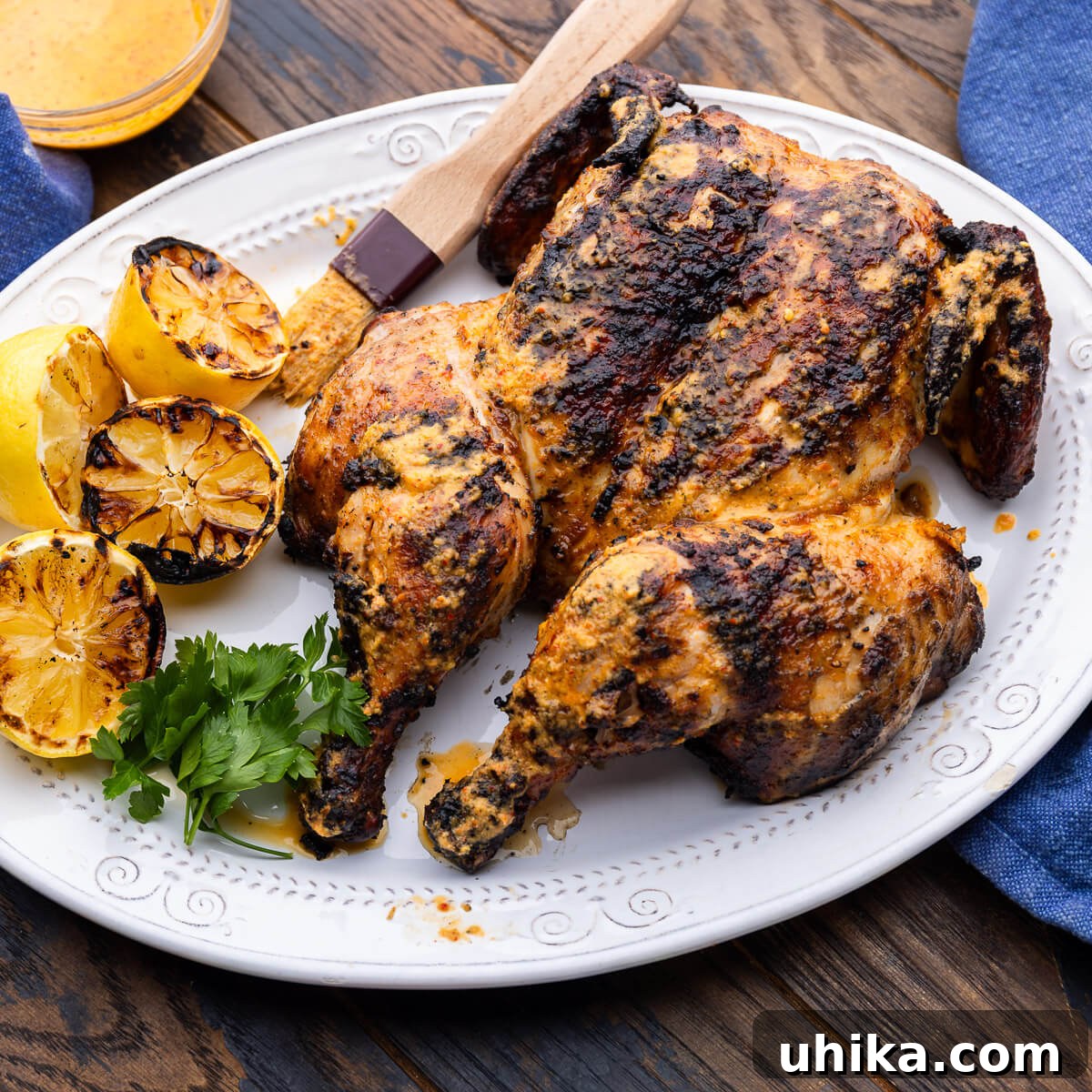
Packed with bold, smoky flavor and a lively touch of heat, Peri Peri Chicken is an ideal summer centerpiece when you want something bright and satisfying. The chicken is marinated in a mixture of bird’s-eye chilis, smoked paprika, lemon juice and red wine vinegar, then grilled until deeply charred and served with caramelized grilled lemons. It’s a simple technique that yields an extraordinary dinner you’ll be eager to repeat.
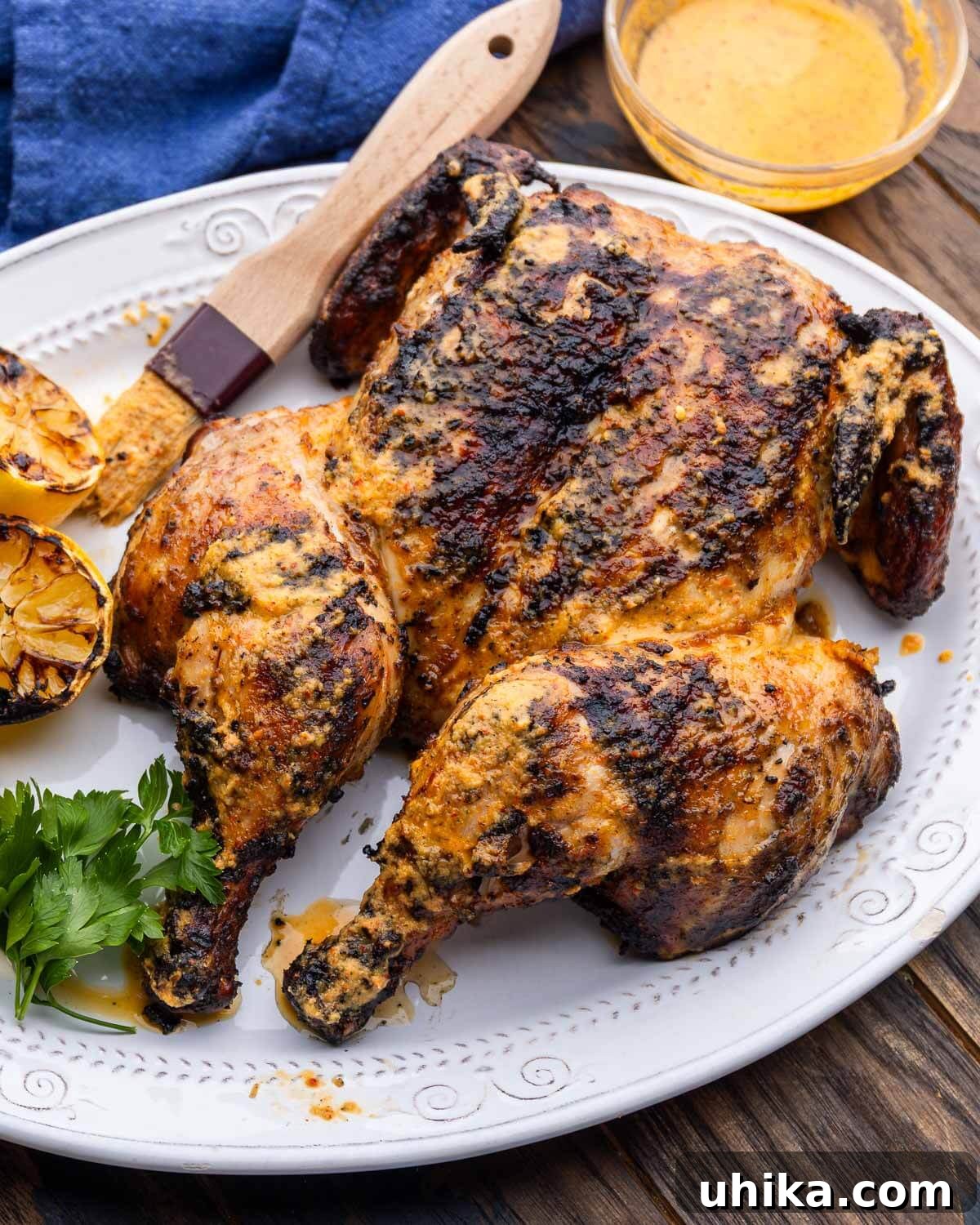

Very very good chicken
Peri peri (also spelled piri piri) blends African and Portuguese influences to create a bright, garlicky, citrus-forward marinade with a smoky backbone. I’ve made this style of chicken for years and finally wrote down the version I return to time and again. The acidity from lemon and vinegar balances the oil and paprika, while the bird’s-eye chilis provide a characteristic kick. Serve the chicken with charred lemons to squeeze over the finished meat and a simple starch like rice pilaf or roasted potatoes to complete the meal.
Recipe Ingredients
Below are the ingredients and a few helpful notes about selection and preparation.
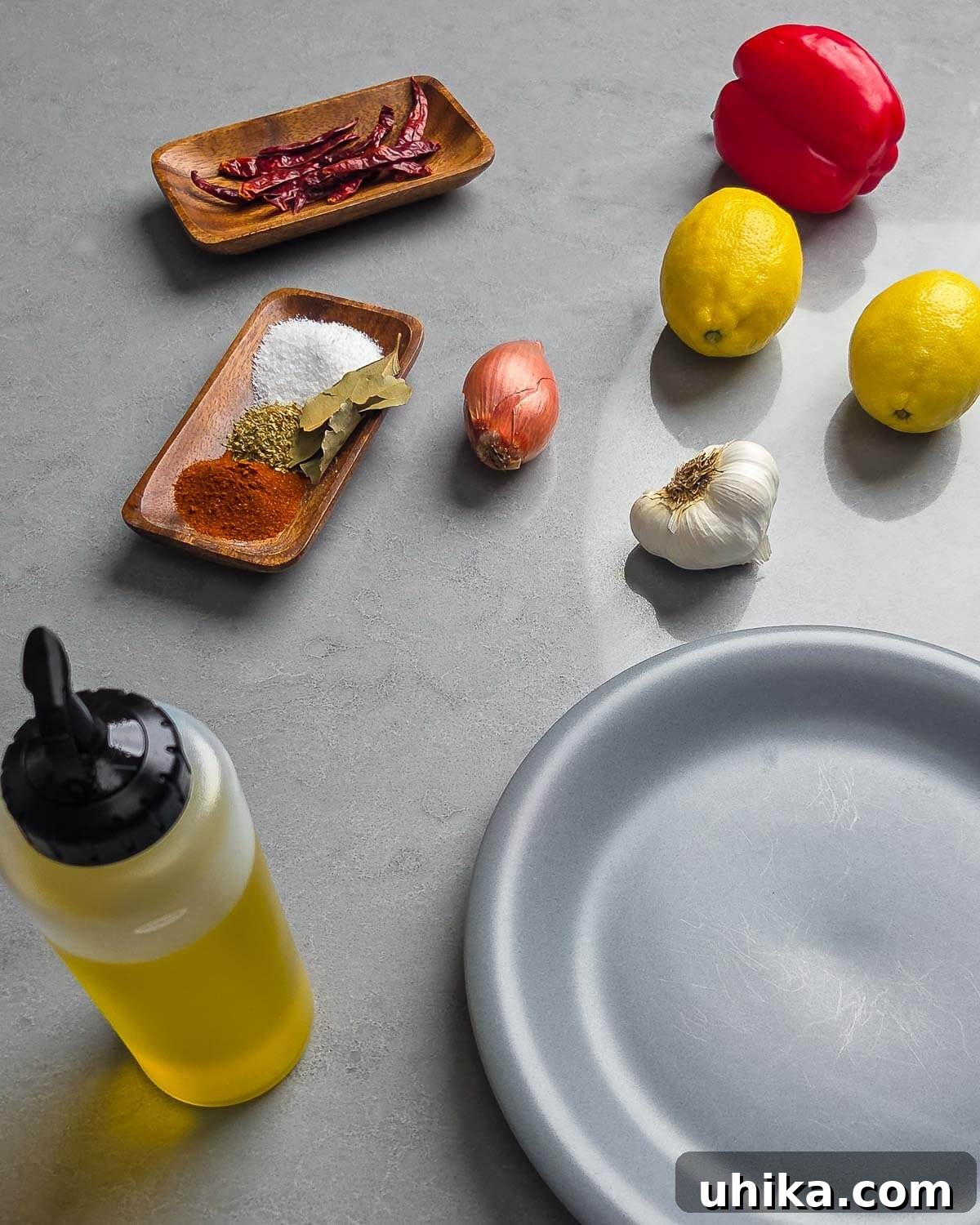
- Chicken. I use a whole young chicken and spatchcock it for even cooking. Many stores sell spatchcocked chickens if you prefer to skip this step. Spatchcocking flattens the bird so the breast and thighs finish at the same time.
- Acid. Both fresh lemon juice and red wine vinegar add bright acidity that balances the oil and spices.
- Bird’s-eye chilis. These give peri peri its heat. Use fewer if you prefer milder flavors, or substitute fresno peppers or crushed red pepper flakes for a gentler spice.
- Herbs and spices. Smoked paprika, dried oregano and bay leaves provide color, aroma and a warm, savory base.
- Lemons. In addition to lemon juice in the marinade, grilling halved lemons concentrates their sweetness and softens their tartness—perfect to squeeze over the plated chicken.
See the recipe card below for exact quantities and full details.
How to make it
The steps below guide you from spatchcocking through grilling and serving. Take your time when blending and marinating—the flavors develop best with several hours of rest.
- Place the chicken breast-side down on a large cutting board with the tail facing you. Pat the skin completely dry. Using kitchen shears, cut along one side of the backbone from tail to neck, then repeat on the other side to remove the backbone.
- Flip the bird breast-side up and press firmly on the breastbone until the chicken flattens. This helps the bird cook evenly. Optionally poke a few small holes in the skin so the marinade penetrates more deeply.
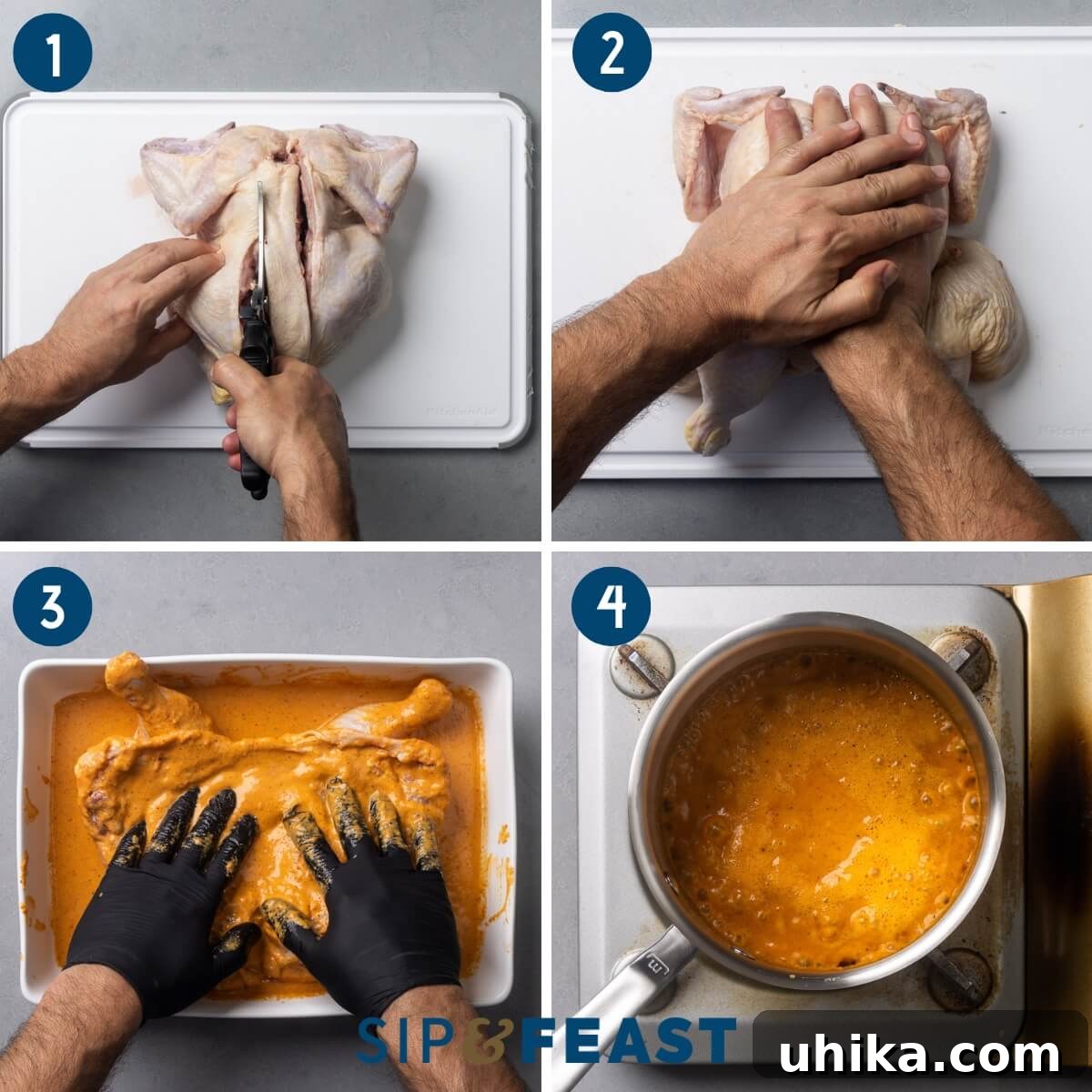
- Combine kosher salt, red bell pepper, shallot, bird’s-eye chilis, garlic, olive oil, red wine vinegar, lemon juice, smoked paprika, dried oregano and bay leaves in a blender and purée until smooth. Place the chicken in a baking dish, pour the marinade over it and use gloved hands to rub the mixture into the skin and cavity. Cover and refrigerate for at least 6 hours, preferably overnight.
- An hour before cooking, remove the chicken from the refrigerator and transfer it to a plate. Pour the remaining marinade into a saucepan with about 1/2 cup water and bring it to a rolling boil for 5 minutes to reduce and kill any raw-chicken bacteria; set aside for basting.
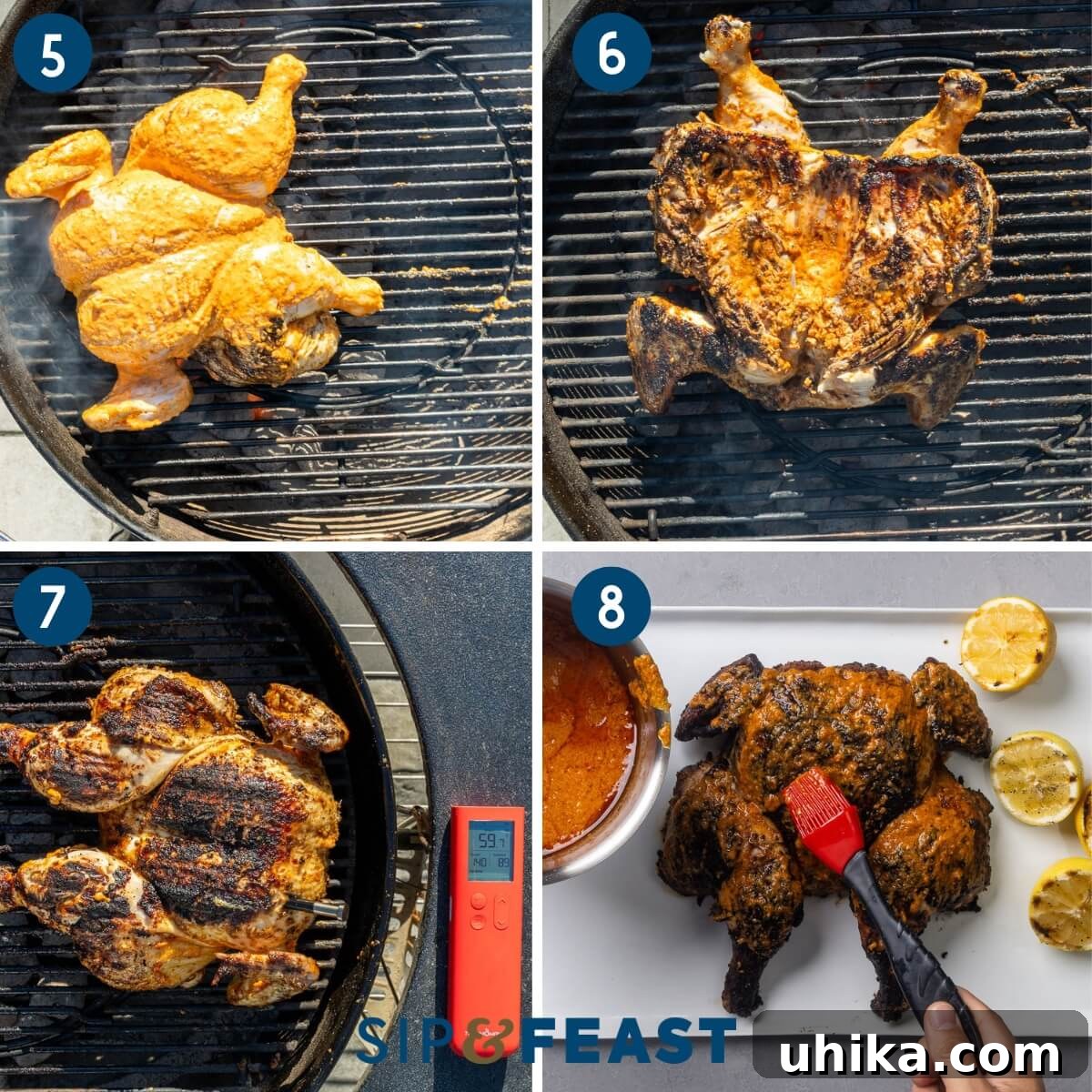
- Prepare a grill with a hot zone and a cooler zone (direct and indirect heat). Preheat to medium to medium-high (roughly 400–425°F). Oil the grates and sear the chicken over direct heat until well charred on both sides, turning as needed to avoid burning.
- After searing, move the chicken to the cooler zone, close the lid and cook until the thickest part of the breast reaches 160°F—typically 30–40 minutes. Use an instant-read or wireless probe thermometer for accuracy. Remove the bird to a platter and tent with foil to rest for 10–15 minutes; the internal temperature will rise slightly while resting.
- While the chicken rests, place halved lemons cut-side down on the hot side of the grill and char until well caramelized. Before serving, baste the chicken with some of the boiled marinade and serve alongside the grilled lemons with extra sauce on the side.
Top tips
- Adjust the heat. Taste the blended marinade before applying it to the chicken, and reduce or omit bird’s-eye chilis if you prefer milder food. You can always add more heat later.
- Wear gloves. If working with hot chilis, gloves protect your skin and prevent accidental transfer to eyes or face.
- No grill? Roast spatchcocked chicken on a parchment-lined sheet: 20 minutes at 475°F, then lower to 375°F and continue until the breast reaches 160°F.
- Let it rest. Resting for 10–15 minutes is essential to retain juices and make the chicken moist and tender.
More whole chicken recipes
A whole chicken is economical and versatile. Try roasting, spatchcocking with herbs, or turning leftovers into salads, tacos or sandwiches.
- Italian-style roasted chicken and potatoes
- Homemade rotisserie-style chicken
- Broiled lemon chicken
If you enjoyed this Peri Peri Chicken recipe, please rate it and leave a comment with your tweaks or questions. Try pairing it with rice pilaf, grilled vegetables, or simple garlic green beans for a complete, satisfying meal.
Peri Peri Chicken – Spicy Spatchcocked Chicken
Ingredients
Base ingredients
- 1 whole young chicken (spatchcocked)
- 2 large lemons, halved
For the marinade
- 1 tablespoon kosher salt (divided)
- 1 red bell pepper, seeded and chopped
- 1 large shallot, chopped
- 5 dried bird’s-eye chilis (adjust for heat)
- 5 cloves garlic
- 1/2 cup olive oil
- 1 tablespoon red wine vinegar
- 4 tablespoons fresh lemon juice
- 1 tablespoon smoked paprika
- 2 teaspoons dried oregano
- 3 large bay leaves
Instructions
- Spatchcock the chicken by removing the backbone and flattening the bird. Pat very dry and trim any loose skin. Save the backbone for stock if desired.
- Pulse all marinade ingredients in a blender until smooth. Place the chicken in a dish and rub the marinade all over, including under the skin where possible. Cover and refrigerate 6 hours or overnight.
- One hour before grilling, bring the chicken to near room temperature. Pour the leftover marinade into a saucepan with 1/2 cup water and boil for 5 minutes; set aside for basting.
- Sear the chicken over direct grill heat to develop a deep char, then move to indirect heat and cook with the lid closed until the breast reaches 160°F (about 30–40 minutes). Tent with foil and rest 10–15 minutes before carving.
- While the chicken rests, char the lemon halves on the hot side of the grill. Baste the chicken with the boiled marinade and serve with the grilled lemons and extra sauce.
Notes
- Chili peppers: Birds-eye chilis are very hot; reduce quantity or substitute milder peppers to suit your taste. For no heat, omit entirely.
- Grilling technique: Use a hot searing zone and a cooler zone for indirect cooking so the outside gets charred without burning before the inside is cooked.
- Oven method: Roast spatchcocked chicken at 475°F for 20 minutes, then reduce to 375°F and continue until the breast reads 160°F.
- Storage: Leftovers keep in the refrigerator for up to three days and reheat well in the oven.
Nutrition
Carbohydrates: 6.5 g |
Protein: 53.5 g |
Fat: 52.3 g
Nutrition information is an estimate and should be used as a guide.