Podcast: Play in new window | Download (Duration: 41:57 — 58.6MB)
Subscribe or Follow Apple Podcasts | Spotify | Amazon Music | RSS | More
The Ultimate Guide to Chicken Parmigiana: An Italian-American Comfort Food Icon
Beyond revered classics like spaghetti and meatballs, few dishes hold such a profound place in the hearts and on the dinner tables of America as Chicken Parmigiana, affectionately known simply as Chicken Parm. This deeply satisfying meal has become a ubiquitous presence, gracing the menus of countless Italian-American eateries, from humble, bustling pizzerias to traditional red sauce restaurants across the United States, especially thriving in the vibrant culinary landscape of the New York metropolitan area. Yet, despite its widespread popularity and strong association with Italian cuisine in America, Chicken Parm is a curious anomaly: it is almost impossible to find, largely unknown, and often even dismissed by food enthusiasts in Italy itself. This intriguing culinary paradox naturally leads us to ask: where exactly did this universally adored (in the US, at least) dish truly originate?
Watch Our Video on Chicken Parmigiana
Defining the Beloved Dish: What is Chicken Parmigiana?
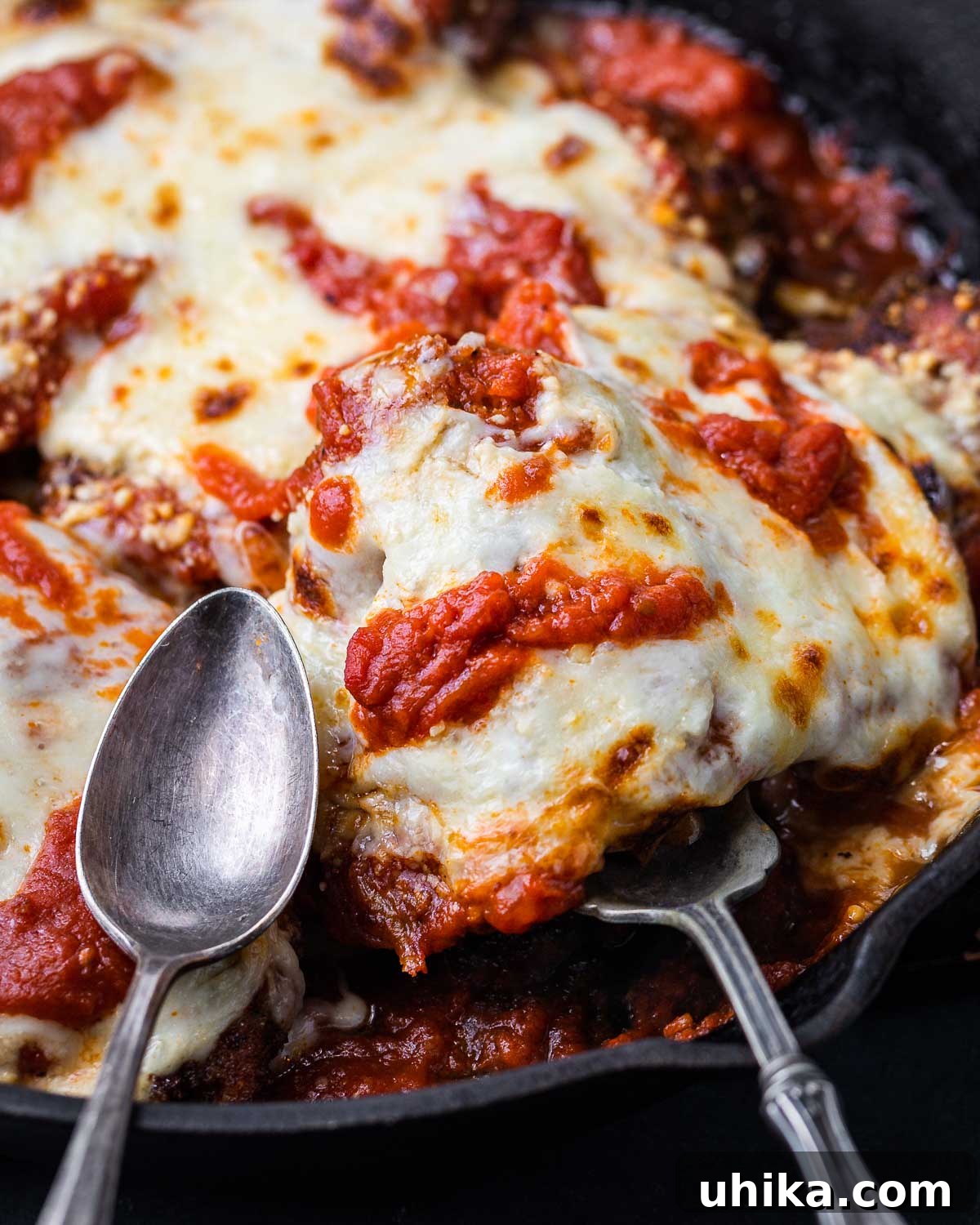
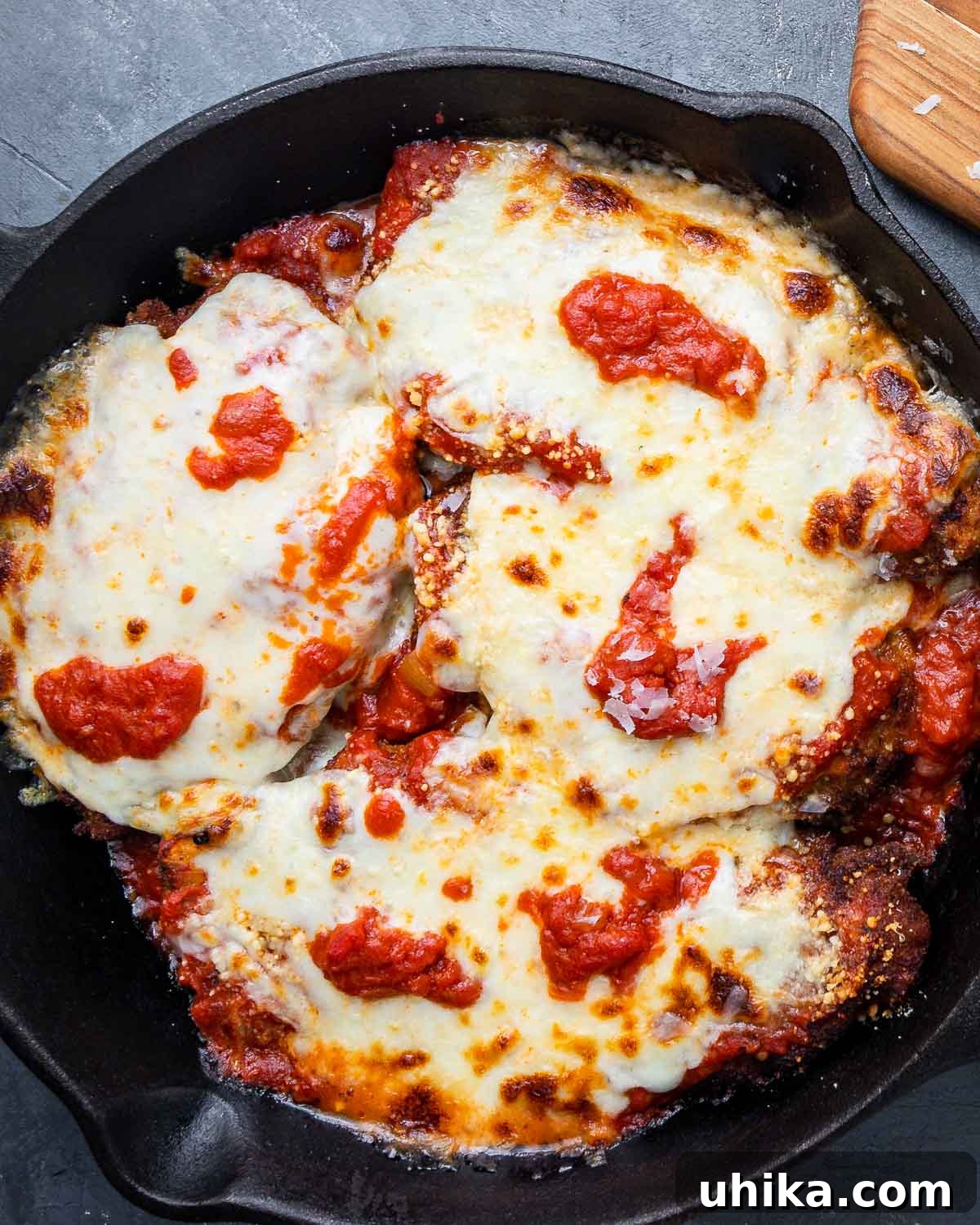
At its heart, Chicken Parmigiana, whether you call it chicken parmesan or just chicken parm, is an exquisite fusion of textures and flavors. It begins with thinly sliced chicken cutlets, perfectly breaded and pan-fried to a golden crisp. These succulent cutlets are then lovingly draped with a rich and savory tomato sauce, generously topped with an abundant layer of mozzarella cheese that melts, bubbles, and turns a light golden hue during baking. The final result is a hearty, comforting meal that epitomizes the very soul of Italian-American culinary tradition. The harmony of crispy chicken, piquant sauce, and creamy, melted cheese creates an irresistible experience that has captivated millions of diners across America.
Indeed, it’s a dish that inspires universal adoration… at least for those of us in the United States. However, when presented to Italians, its existence is often met with genuine surprise, indifference, or, in some cases, a firm culinary rejection. While irrevocably linked with Italian-American cuisine, Chicken Parm does not hail from Italy. This stark difference highlights a fascinating culinary divide. In this comprehensive guide, we’ll journey into the true origins of Chicken Parmigiana, tracing its likely lineage from its venerable ancestor, melanzane alla parmigiana (more commonly known as eggplant parm), and illuminating its profound cultural significance to the Italian-Americans who cultivated its immense popularity.
We’ll meticulously explore its essential ingredients, delve into traditional preparation methods, and even venture into delightful variations, such as our unique layered eggplant and chicken parm. Most importantly, this exploration serves as a respectful tribute to a dish that is sometimes unfairly maligned. We are unashamedly proud to declare our deep affection for Chicken Parmigiana!
Tracing the Roots: The Intriguing Origins of Chicken Parm
To fully grasp the genesis of Chicken Parmigiana, our culinary journey must first lead us to Italy, specifically to its venerable vegetarian counterpart: Melanzane alla Parmigiana, or Eggplant Parmigiana. This classic Italian baked dish masterfully layers fried eggplant slices with rich tomato sauce and various cheeses, baked until tender and fragrant. Food historians offer several compelling theories regarding the precise etymology of the term “Parmigiana,” none of which directly point to chicken as an original component:
- The Parma Connection: The most widely recognized, albeit frequently debated, theory posits that the name derives from the northern Italian city of Parma, a prominent city within the Emilia-Romagna region. This connection is often drawn due to the region’s world-renowned Parmigiano Reggiano cheese, an ingredient integral to many traditional Italian baked casseroles. However, critics argue that true eggplant parm finds stronger roots in Southern Italy.
- The “Damigiana” Hypothesis: Pino Correnti, a respected authority on Sicilian cuisine, proposed an alternative explanation: “parmigiana” might stem from the Sicilian word “damigiana.” This term describes a protective wicker sleeve, traditionally used for safeguarding wine bottles. Analogously, a piping hot casserole dish of eggplant parm might have been served encased in a similar protective sleeve, suggesting a deeply entrenched Southern Italian origin for the dish.
- The “Palmigiana” Interpretation: Another fascinating linguistic theory links the word to the Sicilian term “palmigiana” (P-A-L-M-I-G-I-A-N-A). This word refers to the distinct slatted or shingle-like appearance of a roof. This interpretation suggests that the layered arrangement of the eggplant slices within the baked casserole, resembling overlapping roof tiles, inspired the name.
- Echoes of Moussaka: Intriguingly, some food historians also postulate that Melanzane alla Parmigiana may share conceptual ancestors with ancient Middle Eastern layered eggplant dishes, such as the Greek Moussaka. Moussaka, typically composed of seasoned ground beef, layered eggplant (often pre-fried or roasted), and potatoes, crowned with a luscious béchamel sauce, exhibits a similar structural philosophy of a savory baked composition. While distinctly different in flavor profile and ingredients, the shared concept of layered vegetables and rich sauces hints at deeper, ancient culinary exchanges that traversed the Mediterranean basin.
Regardless of the precise linguistic origin, the undeniable conclusion is that the foundational culinary framework for what would later become Chicken Parmigiana was firmly established with eggplant. The subsequent transformation from eggplant to chicken represents a pivotal culinary adaptation, inextricably linked to the significant waves of Italian immigration to the United States.
A Culinary Icon Forged by Italian-American Immigration
The remarkable journey of Chicken Parmigiana from obscurity to culinary stardom is inseparable from the profound historical narrative of Italian immigration to the United States. These migratory waves fundamentally reshaped the American culinary landscape. The initial trickle of Italian immigrants, primarily from Northern Italy, arrived before 1870, often seeking sanctuary from the tumultuous wars that led to Italian unification. This early group was relatively modest in number, totaling approximately 25,000 individuals.
However, the late 19th and early 20th centuries (roughly 1880s to the 1920s) witnessed an unprecedented exodus, with over 4 million Italian immigrants arriving on American shores. This monumental second wave constituted roughly 10% of the foreign-born population in the US at the time, and predominantly comprised individuals from Southern Italy, including the islands of Sicily and Sardinia. These immigrants were driven by dire circumstances: extreme poverty, widespread famine, and often, a pervasive sense of marginalization and neglect by their wealthier northern countrymen.
Upon their arrival in the United States, these Southern Italian immigrants encountered a vastly different agricultural and economic environment. In their homeland, meat was frequently a luxury, typically reserved for the affluent who possessed sufficient land to raise animals. In stark contrast, America offered unprecedented access to and affordability of proteins like beef and chicken. This newfound abundance became a catalyst for culinary innovation. Italian-Americans, drawing upon their deep-rooted culinary heritage, began to adapt their cherished traditional recipes, such as the beloved Eggplant Parmigiana, to ingeniously incorporate these readily available and economical ingredients.
The culinary concept of layering fried components with sauce and cheese was deeply familiar. Thus, the substitution of tender chicken cutlets for eggplant was a logical and natural evolution, giving rise to the now-iconic Chicken Parmigiana. This ingenious adaptation first emerged within the bustling, close-knit Italian-American enclaves of East Coast metropolises, including New York, New Jersey, and Philadelphia. These vibrant communities, rich with deeply preserved Southern Italian traditions, became the fertile ground where this novel dish was perfected. From humble home kitchens and local delis, Chicken Parm gradually permeated the broader American dining scene, finding its way onto restaurant menus and into cookbooks, achieving widespread recognition by the 1950s. A significant milestone was the publication of a Chicken Parm recipe in The New York Times, though the precise year (whether 1953 or 1962) remains a point of minor historical contention. Regardless of the exact date, this era definitively cemented Chicken Parmigiana’s esteemed position in the American culinary lexicon, transforming it from a pragmatic immigrant adaptation into an indelible national comfort food icon.
Mastering the Art: Crafting the Perfect Chicken Cutlet
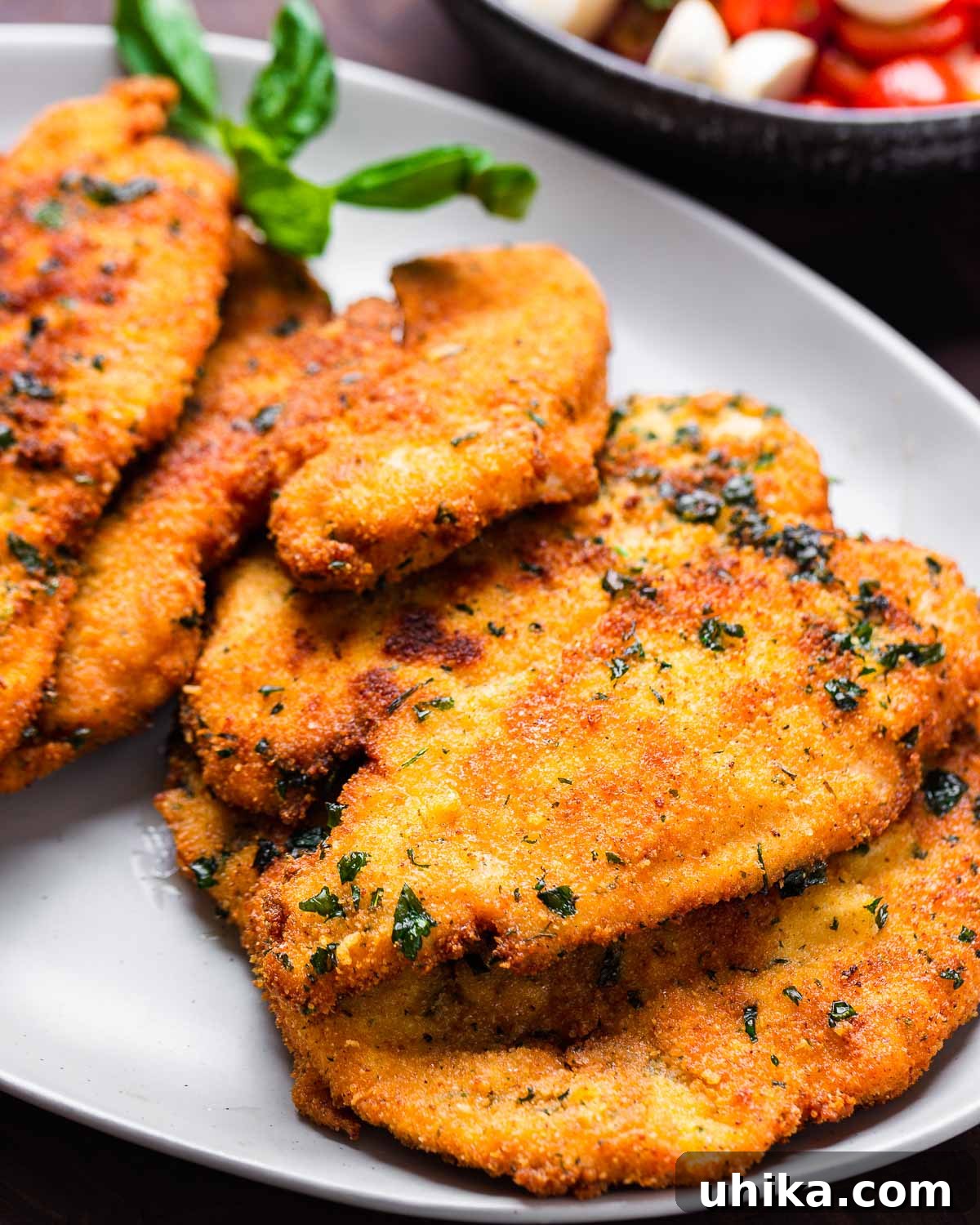
Pictured above are chicken cutlets from our chicken milanese recipe.
The foundation of an truly exceptional Chicken Parmigiana rests squarely on the quality and preparation of the chicken cutlet. Achieving that coveted combination of crispy breading, tender meat, and robust flavor requires careful attention to detail throughout the preparation process:
Preparing the Chicken Breast for Perfection
Begin with boneless, skinless chicken breasts. A common misstep is attempting to bread and fry a thick chicken breast directly. For an authentic and perfectly cooked cutlet, the chicken must be significantly flattened. While pre-sliced “thin-cut” cutlets are available in many stores, preparing them yourself often yields superior results and allows for greater control over thickness and texture. There are two primary methods for achieving the ideal cutlet:
- Precision Fileting: If your chicken breast is particularly thick, carefully position it on a cutting board. Using a sharp knife, slice it horizontally through the middle, almost like opening a book, to create two thinner, more manageable pieces. This technique is commonly referred to as “fileting” in culinary practice, distinguishing it from the “butterflying” method where the breast is partially sliced and then opened like a book, but not fully separated.
- Even Pounding: Once you have thinner sections of chicken (either through fileting or by starting with pre-thin-sliced cutlets), place them individually between two sheets of plastic wrap or parchment paper. Using a meat mallet, the smooth side of a heavy pan, or even a rolling pin, pound the chicken evenly until each piece is approximately 1/4 to 1/2 inch thick. The goal is consistent thickness, which ensures uniform cooking and tenderizes the meat, creating a larger, more even surface area for breading. For dishes like traditional German schnitzel or a restaurant-style chicken Milanese, cutlets might be pounded even thinner. However, for Chicken Parmigiana, a slightly more robust cutlet tends to hold its structure better under the weight of sauce and cheese.
The Essential Breading Process
The classic breading technique involves a meticulous three-stage process, often referred to as setting up a “dredging station.” This ensures a crispy, flavorful crust that adheres beautifully to the chicken:
- Flour Dredge: Begin by lightly coating each chicken cutlet in all-purpose flour. Shake off any excess flour, as a thin, even layer is key. The flour serves a crucial purpose: it creates a dry surface that allows the subsequent egg wash to adhere effectively.
- Egg Wash Immersion: Next, dip the floured cutlet into an egg wash, typically made from beaten eggs, sometimes with a small splash of milk or water to thin it slightly. Allow any excess egg wash to drip away. The egg acts as the primary binder, creating a sticky layer for the breadcrumbs.
- Seasoned Breadcrumb Coating: Finally, thoroughly coat the cutlet in seasoned breadcrumbs. You can opt for readily available store-bought Italian seasoned breadcrumbs, which typically contain a blend of dried parsley, oregano, salt, and pepper. Alternatively, for a more personalized touch, create your own seasoned breadcrumbs by pulsing stale bread in a food processor and then mixing in your preferred herbs and spices. Ensure the breadcrumbs are gently but firmly pressed onto the chicken to achieve a complete and even coating.
Achieving Crispiness: Frying the Cutlets
Once expertly breaded, the cutlets are ready for frying. While deep-frying is certainly an option, most home cooks and many commercial establishments prefer the practicality and excellent results of pan-frying in a generous amount of oil. The objective is to achieve a beautiful golden-brown, irresistibly crispy exterior.
- Oil Selection and Quantity: For optimum crispness, use a sufficient amount of good quality olive oil or a neutral oil such as canola or vegetable oil to allow for shallow-frying. This means the oil should come approximately halfway up the sides of the cutlets. From personal experience, employing a slightly more generous quantity of oil in the pan consistently yields a superior, more evenly cooked, and delightfully crisp cutlet.
- Optimal Temperature Control: Heat the oil to an ideal temperature range of approximately 350-375°F (175-190°C). If the oil is not hot enough, the breading will absorb excessive oil, resulting in a greasy, soggy crust. Conversely, if the oil is too hot, the breading will burn rapidly before the chicken has a chance to cook through properly.
- Strategic Batch Frying: Always fry the cutlets in small batches, taking care not to overcrowd the pan. Overcrowding significantly lowers the oil temperature, leading to less crispy results and potential sogginess.
- Precise Cooking Time: Fry each side of the cutlet for about 3-4 minutes, or until it achieves a rich golden-brown color and is cooked thoroughly. Due to their thinness, cutlets cook relatively quickly. While they will be fully cooked at this stage, the subsequent baking in the oven will further tenderize the chicken and allow all the flavors to meld beautifully. There’s no need to overly concern yourself with overcooking white meat here; the enveloping sauce and cheese will effectively keep it moist.
Embracing Family Tradition and Culinary Best Practices
In many Italian-American households, preparing chicken cutlets is often a large-scale event, steeped in tradition. Grandmothers and matriarchs would frequently prepare many pounds of cutlets at once, ensuring a ready supply for the week. These versatile cutlets could then be enjoyed hot in a variety of dishes or savored cold in sandwiches. If you’re undertaking a large batch preparation, consider utilizing multiple pans simultaneously on your stovetop to significantly expedite the process. Furthermore, it is essential to periodically “clean” your frying oil by carefully removing any stray breadcrumb particles or sediment. This prevents these burnt bits from imparting an unpleasant flavor to subsequent batches and maintains the quality of your oil.
Once fried to perfection, these cutlets are delightful on their own, perhaps with a squeeze of fresh lemon, or they stand ready to be transformed into the ultimate Chicken Parmigiana.
The Heart of the Dish: Essential Sauce and Cheese Selections
With a batch of perfectly fried chicken cutlets prepared, the next crucial elements in crafting an exceptional Chicken Parmigiana are the sauce and cheese. These components are vital, elevating the dish from mere breaded chicken to a harmonious symphony of Italian-American flavors.
Choosing the Ideal Tomato Sauce
The type of tomato sauce you select can profoundly influence the final character and depth of your Chicken Parm. There are generally two primary approaches:
- The Vibrant Quick Marinara: Most pizzerias and casual Italian-American dining establishments typically employ a relatively quick-cooking, lighter tomato sauce—often closely resembling a classic marinara. This sauce is usually prepared with high-quality crushed tomatoes, fresh garlic, fragrant basil, and minimal seasoning, simmered for a shorter duration. It imparts a fresh, bright tomato flavor that beautifully complements the inherent richness of the chicken and cheese without overwhelming the palate. For an even quicker preparation, you could even utilize a very simple, uncooked crushed tomato base (similar to what’s used for pizza sauce), provided you drain off any excess water, as it will continue to cook and reduce in the oven.
- The Robust Sunday Gravy: For those who desire a deeper, more intensely flavored experience, some home cooks prefer to use a “Sunday Gravy.” This is a slow-simmered, rich tomato sauce traditionally cooked for hours with various meats, such as braciole, meatballs, and sausage. This type of sauce is significantly more robust and complex, having absorbed the profound flavors of the meats over an extended cooking period. While undeniably delicious, its intense richness can sometimes subtly overshadow the more delicate nuances of the chicken. Both approaches are entirely valid, each offering distinctively different, yet equally appealing, culinary outcomes.
The Crucial Role of Cheese
The cheese layer is absolutely quintessential to Chicken Parmigiana, creating that irresistible melted, gooey, and satisfying topping. While mozzarella is unequivocally the star, the choice of its form and the inclusion of supplementary cheeses can make a considerable difference:
- Mozzarella:
- Block Mozzarella: This is frequently the preferred choice for its superior melting properties and the satisfying, classic stretch it provides. Reputable brands like Grande, Galbani, or the historically significant Paleo (a beloved staple in many New York Italian-American kitchens) are widely popular. Block mozzarella melts smoothly and retains a wonderfully pleasant, consistent texture even after baking.
- Fresh Mozzarella: While undeniably exquisite in salads or enjoyed fresh, fresh mozzarella can present challenges when used in Chicken Parm. It tends to release a greater amount of water when subjected to heat, potentially leading to a watery dish. Furthermore, it can quickly firm up into a somewhat rubbery texture as it cools after baking. If you opt for fresh mozzarella, ensure it is thoroughly drained, and be prepared to serve the dish immediately to fully enjoy its melt.
- Pre-shredded Mozzarella: Although highly convenient, it’s important to note that many pre-shredded cheeses contain anti-caking agents. These agents can subtly affect the cheese’s melting performance and overall texture. Generally, for the finest results, it is highly recommended to grate your own block mozzarella. However, in a time crunch, pre-shredded can certainly serve as a workable alternative.
- Parmigiano Reggiano vs. Pecorino Romano: While the “parmigiana” in the name might suggest the use of Parmigiano Reggiano, a substantial number of Italian-Americans (especially those with deep Southern Italian roots) often favor the sharper, distinctly saltier kick of Pecorino Romano. A judicious blend of both, or a generous sprinkle of either under or on top of the mozzarella, adds an additional layer of profound depth and flavor, truly elevating the dish.
Final Assembly and Baking for Perfection
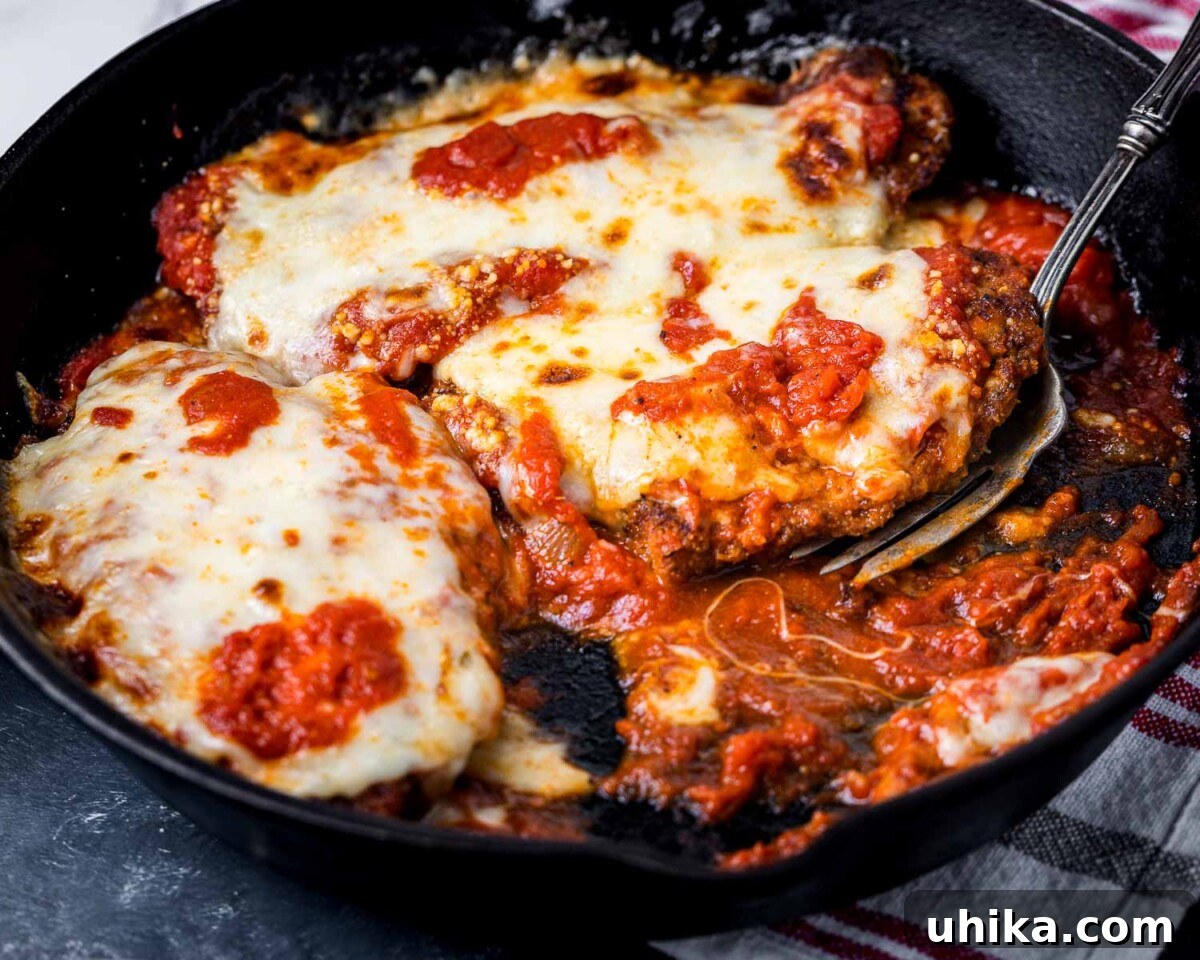
Once your chicken cutlets are perfectly fried and your chosen sauce and cheeses are prepped, the assembly process is wonderfully straightforward. Unlike Eggplant Parmigiana, which is traditionally constructed with multiple, alternating layers of vegetables, sauce, and cheese, Chicken Parmigiana is typically prepared with a single, generous layer of chicken cutlets to ensure optimal crispness and structural integrity. Begin by spreading a thin, even layer of your selected tomato sauce at the bottom of a baking dish. Carefully arrange the golden-fried chicken cutlets on top of the sauce, ensuring they are not too crowded. Spoon additional sauce generously over each cutlet, then lavishly blanket them with your chosen mozzarella. Finish with a final sprinkle of grated hard cheese (Parmigiano Reggiano or Pecorino Romano, or both). Bake the dish in a preheated oven at approximately 400°F (200°C) just until the cheese is beautifully melted, bubbly, and has achieved a light golden-brown color. This usually takes around 15-20 minutes. The primary objective of this final baking step is simply to melt the cheese and allow all the wonderful flavors to meld together harmoniously, as the chicken is already fully cooked.
Versatile Serving Suggestions and Delicious Variations
Chicken Parmigiana is celebrated not only for its incredible flavor but also for its remarkable versatility in how it can be enjoyed. The most iconic presentation involves serving it as a hearty standalone entree, often accompanied by a generous portion of pasta (such as spaghetti or ziti) tossed in the same delectable red sauce. Alternatively, for a truly iconic Italian-American experience, it can be nestled within a crusty Italian hero roll, creating a satisfying and portable sandwich that’s perfect for lunch or a casual dinner. For those who appreciate the best of both its predecessors, a truly delightful variation involves combining them: creating a layered chicken and eggplant parm. This ingenious fusion offers the rich, tender chicken alongside the earthy depth of eggplant, providing an even more complex texture and flavor profile. This creative adaptation beautifully showcases the enduring flexibility and evolutionary spirit of Italian-American cuisine.
Beyond the Plate: The Enduring Cultural Significance of Chicken Parm
Despite its undeniable non-Italian origins and the occasional dismissive attitudes from culinary purists in Italy, Chicken Parmigiana holds a profoundly cherished and almost sacred place in the hearts of Italian-Americans. It transcends being merely a recipe; it stands as a powerful symbol of adaptation, ingenuity, and a fiercely preserved cultural identity. This dish beautifully encapsulates the immigrant experience: the resourceful creation of new traditions using readily available resources, all while maintaining an unbreakable connection to ancestral flavors and culinary heritage. Chicken Parmigiana is a vibrant testament to how culinary traditions not only survive but also evolve and thrive in new lands, blossoming into beloved staples that evoke deep feelings of nostalgia, comfort, and a strong sense of belonging for generations. It’s a dish that tells a story of perseverance and culinary creativity.
Join Our Culinary Exploration and Community
At Sip and Feast, we are passionately dedicated to bringing you authentic and genuinely delicious Italian-American recipes, often delving into the fascinating stories and historical contexts behind each dish. While it can sometimes prove challenging to pinpoint the precise origins of every culinary creation with absolute certainty, the journey of culinary discovery itself is always immensely rewarding. We wholeheartedly encourage you to explore, question, and ultimately make these cherished recipes your very own, adapting them to perfectly suit your personal taste preferences and unique family traditions.
If you share our deep passion for Italian-American cuisine, we warmly invite you to become an active part of our growing culinary community. We truly value and love hearing your thoughts, your insightful questions, and your personal culinary experiences. Your valuable input is incredibly helpful, guiding us in understanding what you cherish most and what topics you are eager to explore further.
Explore Further: Recommended Resources
- Sip and Feast Chicken Parm Recipe
- How to Make Chicken Milanese
- How to Make Pasta Bolognese
- The Story Behind Chicken Parmigiana
- The Origins of Chicken Parm Have Nothing to Do With Chicken
- Legacy of Chicken Parmigiana
- The Untold Truth of Chicken Parmesan
- Chicken Parm and spaghetti and Meatballs are not Real Italian Food
If you thoroughly enjoyed delving into the rich history and preparation of Chicken Parmigiana, please consider leaving us a comment below. We’d love for you to share your favorite memories associated with this iconic dish or any unique tips you have for making it! Your insights are incredibly valuable to us. Furthermore, feel free to send any questions or culinary topics you’d like us to explore in future content to [email protected]. We believe no question is too minor or insignificant!
If you consistently enjoy our weekly culinary content, we invite you to consider supporting us on Patreon. Your support grants you access to exclusive benefits, including two additional bonus episodes each month and other exciting perks!
Thank you immensely for engaging with and being a part of our ongoing culinary journey!
For a comprehensive list of all our past podcast episodes and in-depth culinary discussions, please visit our dedicated podcast episode page.
Beyond the Main Course: A Glimpse into Italian-American Desserts and Culinary Heritage
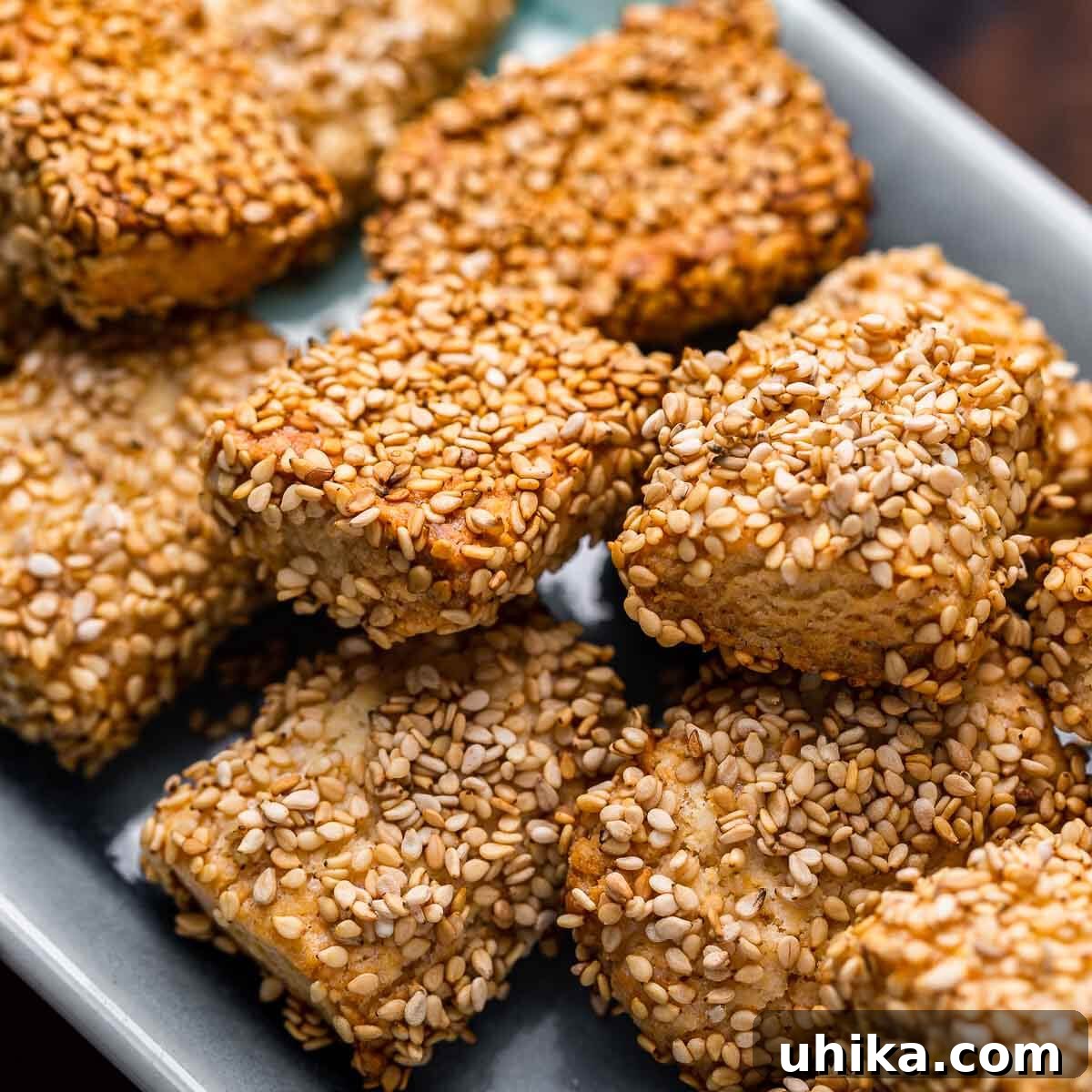
Pictured above are our reginelle cookies, a beloved favorite.
While Chicken Parmigiana commands significant attention as a main course, the vibrant and diverse world of Italian-American desserts offers an equally captivating culinary exploration, providing the perfect sweet conclusion to any meal. Many of these traditional sweets, particularly various types of cookies, are intricately woven into holiday celebrations, most notably Christmas, and beautifully reflect the strong Sicilian heritage prevalent in numerous Italian-American communities along the East Coast.
Our website proudly features a delightful and expanding array of authentic Italian dessert recipes, ideal for seasonal holiday baking or simply for indulging with your morning coffee. Some of our popular and cherished selections include:
- Lemon Ricotta Cookies: These light, incredibly fluffy, and intensely citrusy cookies are consistently a crowd-pleasing favorite.
- Cuccidati (Sicilian Fig-Filled Cookies): A genuine Sicilian specialty, these intricately crafted cookies are generously filled with a rich, warmly spiced fig mixture, often beautifully adorned with colorful sprinkles. They offer an authentic taste of traditional Sicilian festive baking.
- Pignoli Cookies: These delicate, delightfully chewy almond-based cookies are elegantly crowned with crunchy pine nuts, delivering a sophisticated blend of flavor and texture that is truly unique.
- Walnut Snowball Cookies: These melt-in-your-mouth shortbread cookies are delicately rolled in a generous coating of powdered sugar, evoking the charming image of festive winter snowballs.
- Lindsor Cookies: A delightful variation of jam-filled sandwich cookies, these offer a beautiful and balanced contrast between buttery shortbread and sweet, fruity preserves.
- Almond Biscotti: The quintessential Italian twice-baked cookie, known for its satisfying crunch and suitability for dipping into coffee, tea, or even a glass of Vin Santo.
- Pizzelle: These thin, exquisitely crisp waffle-like cookies, often subtly flavored with anise or vanilla, are traditionally made during festive holidays using a special pizzelle iron.
- Reginelle Cookies (Sesame Seed Cookies): A true and beloved staple of New York Italian bakeries, these crunchy, subtly sweet cookies, generously coated in sesame seeds, are wonderful to enjoy year-round, especially alongside a steaming cup of coffee.
And then, there’s the exquisite sfogliatelle, a complex Neapolitan pastry. Resembling a delicate seashell, it boasts numerous intricate, paper-thin layers of crispy pastry enveloping a rich, creamy ricotta filling. While mastering sfogliatelle is undeniably challenging, its unique texture and profoundly satisfying flavor make it a highly coveted dessert in genuine Italian bakeries, cherished by all who taste it.
Our ongoing mission is to continuously expand our comprehensive collection of authentic Italian and Italian-American recipes, including a broader range of more intricate dishes and sophisticated desserts. We are actively seeking to collaborate with talented culinary enthusiasts who possess both the deep expertise to craft these traditional recipes with fidelity and the artistic skill to beautifully photograph them. If you are a professional pasta maker or a dedicated dessert specialist who shares our fervent passion for preserving and sharing these invaluable culinary treasures, we would be absolutely thrilled to hear from you! Please reach out to us at [email protected].