
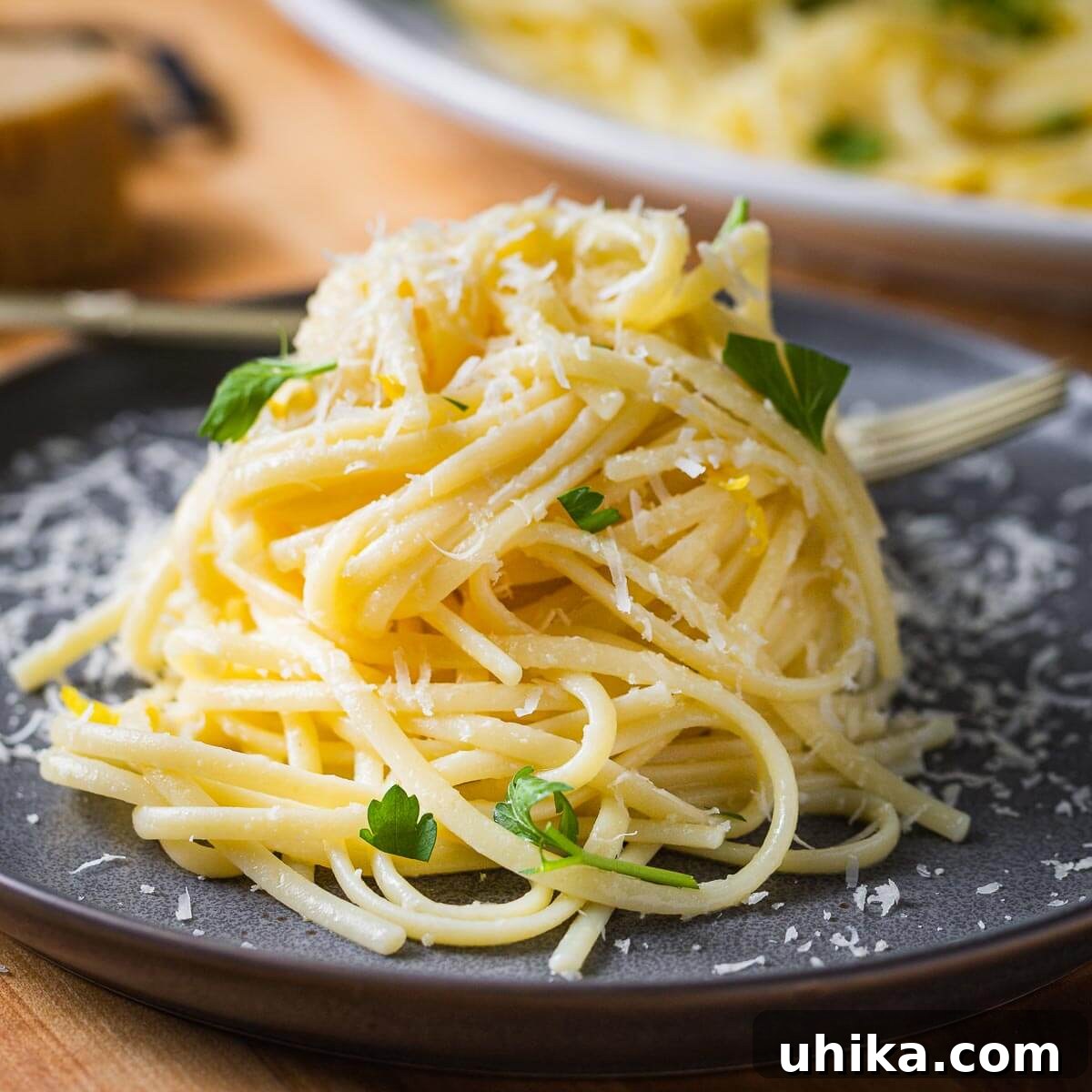
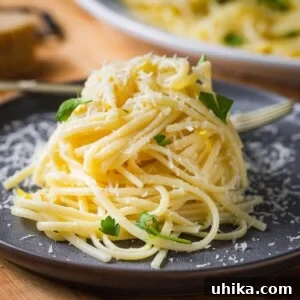
Experience the essence of Italian summer with Linguine al Limone, a gloriously creamy lemon pasta that tantalizes the taste buds with its vibrant, fresh flavors. This simple yet sophisticated dish perfectly balances the zing of fresh lemon juice and zest with the rich indulgence of Parmigiano Reggiano cheese and butter. Enhanced by fragrant basil and expertly emulsified with starchy pasta water, it transforms into a luxurious and comforting meal. What’s even better? With just a handful of staple ingredients, you can whip up this decadent pasta quickly, bringing a taste of authentic Italy right to your kitchen without an extra trip to the grocery store.
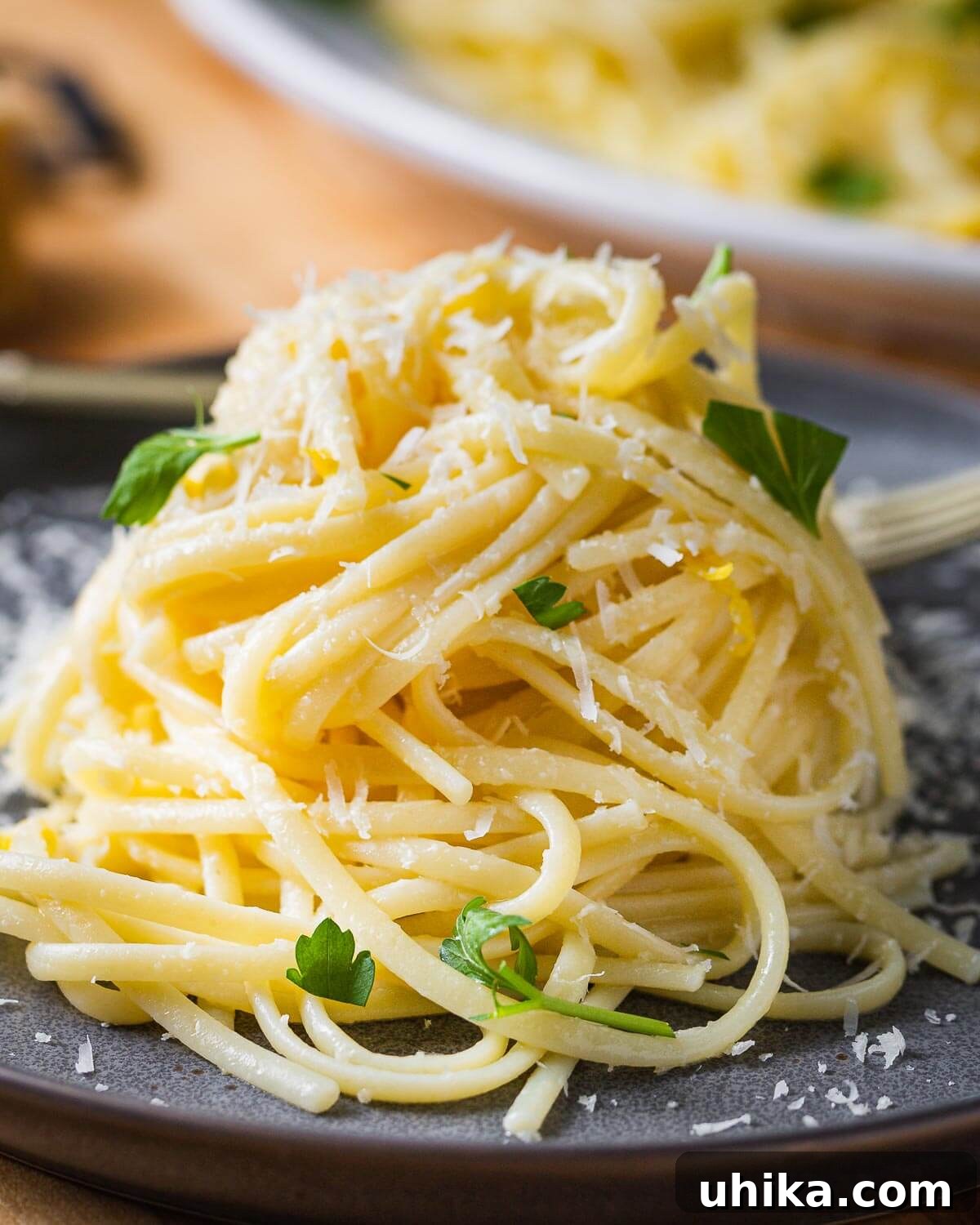
For those moments when you crave the satisfying richness of a classic fettuccine alfredo but desire something distinctly brighter and lighter, pasta al limone emerges as the perfect culinary answer. This beloved Italian creation offers a similar creamy texture and comforting warmth, yet it distinguishes itself with a refreshing citrus twist that elevates the entire experience. It’s a dish that embodies both indulgence and invigorating zest.
Linguine al Limone shares a fundamental connection with Alfredo, utilizing a similar foundation of core ingredients: high-quality butter, the invaluable starchy pasta water, and the sharp, salty depth of Parmigiano Reggiano cheese. These elements are key to creating a robust and filling sauce that coats every strand of pasta beautifully. However, it’s the magical addition of fresh lemon juice and aromatic lemon zest that truly sets Linguine al Limone apart, infusing it with a unique brightness that masterfully cuts through the richness, preventing the dish from feeling overly heavy. This makes it an ideal choice for a delightful dinner any time of the year, particularly when you’re yearning for a taste of sunshine.
Mastering the Emulsification Technique for a Perfect Sauce
The secret to achieving the impossibly creamy and velvety sauce for pasta al limone lies in a classic Italian cooking technique known as emulsification. This method is not unique to this dish; it’s the very same principle used in creating the luscious sauces for other iconic pasta dishes such as Bucatini Cacio e Pepe, Spaghetti alla Nerano, and the aforementioned Fettuccine Alfredo. It’s a foundational skill that, once mastered, will revolutionize your homemade pasta dishes.
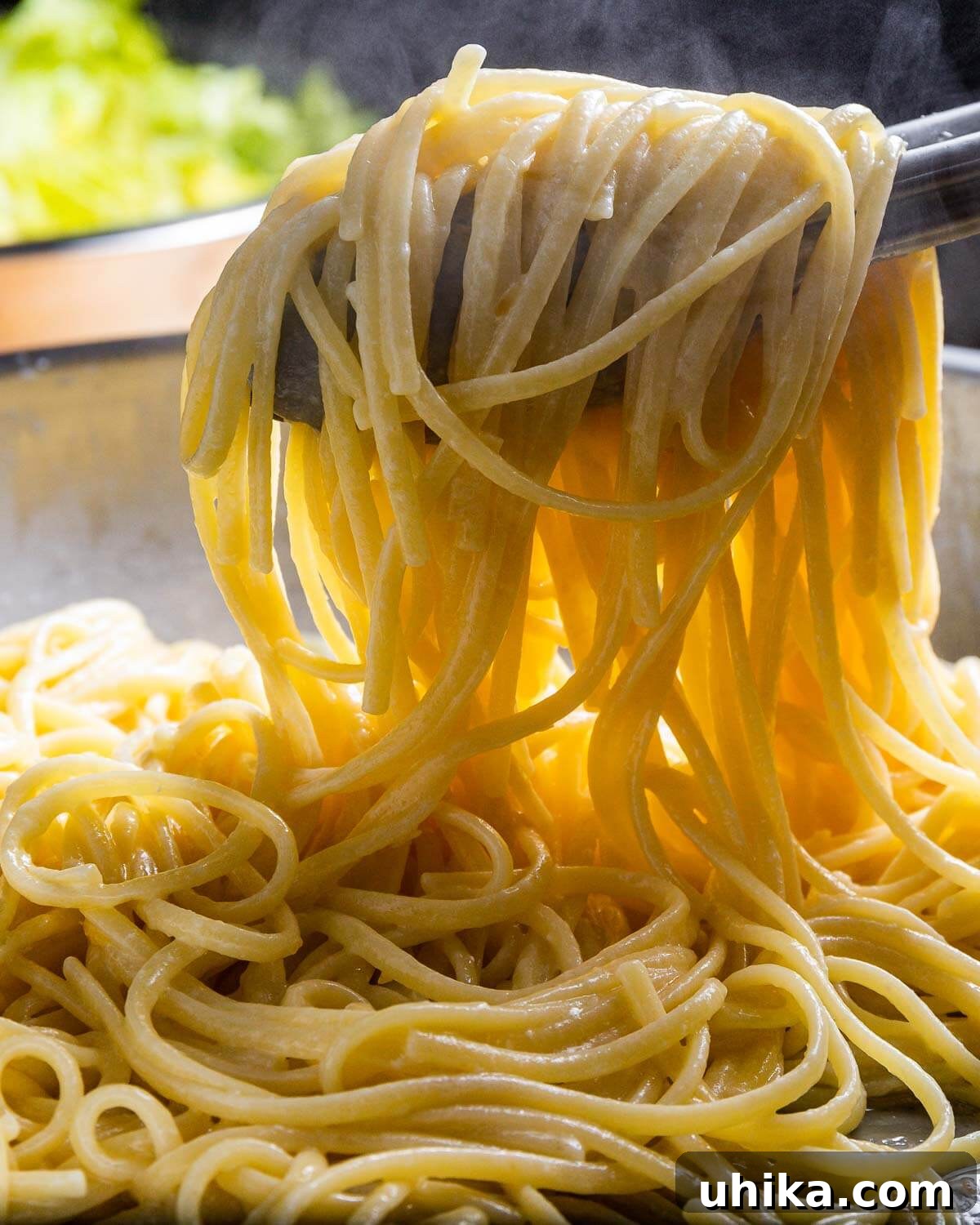
At its core, this technique involves vigorously tossing the al dente pasta in a warm pan with the cheese, a crucial amount of starchy pasta water, and, in the case of al limone, butter and lemon. The combination of heat, friction from tossing, and the natural starches released from the pasta helps to bind these ingredients together. The pasta water, rich in starch, acts as a natural emulsifier, allowing the fat from the butter and cheese to blend seamlessly with the lemon juice and other liquids. This process creates a luxurious, cohesive sauce that gracefully clings to each strand of linguine, rather than separating into oily or watery components. The result is a uniformly creamy texture that defines true Italian pasta perfection.
While the concept of emulsifying a pasta sauce might sound intimidating, it is a technique that is surprisingly easy to learn with a little practice and patience. Many home cooks quickly become adept at the signature “pan toss” or “flip” motion, which not only aids in emulsification but also ensures even coating of the pasta. Though this method is beneficial for nearly all pasta preparations, it is absolutely critical for the success of dishes like al limone, cacio e pepe, and others where the sauce’s consistency is paramount. Once you’ve honed this skill, you’ll find yourself using it constantly, delighting friends and family with your newfound, impressive culinary prowess.
A Note on Cream: You may encounter other recipes for pasta al limone that suggest or include heavy cream. While traditionally, authentic Italian pasta al limone does not call for heavy cream, its inclusion can certainly help achieve a creamy texture, especially if you’re new to the emulsification technique and not yet comfortable with vigorous tossing. Think of it as a helpful “cheat code” to ensure a successful outcome while you build confidence. There’s no need to feel guilty; even seasoned cooks sometimes opt for cream in their recipes, such as in our creamy garlic mushroom pasta and fettuccine alfredo recipe, where cream contributes to a desired richness. However, for a truly traditional and bright al limone, focus on the butter, cheese, and pasta water emulsion.
Essential Ingredients for Linguine al Limone
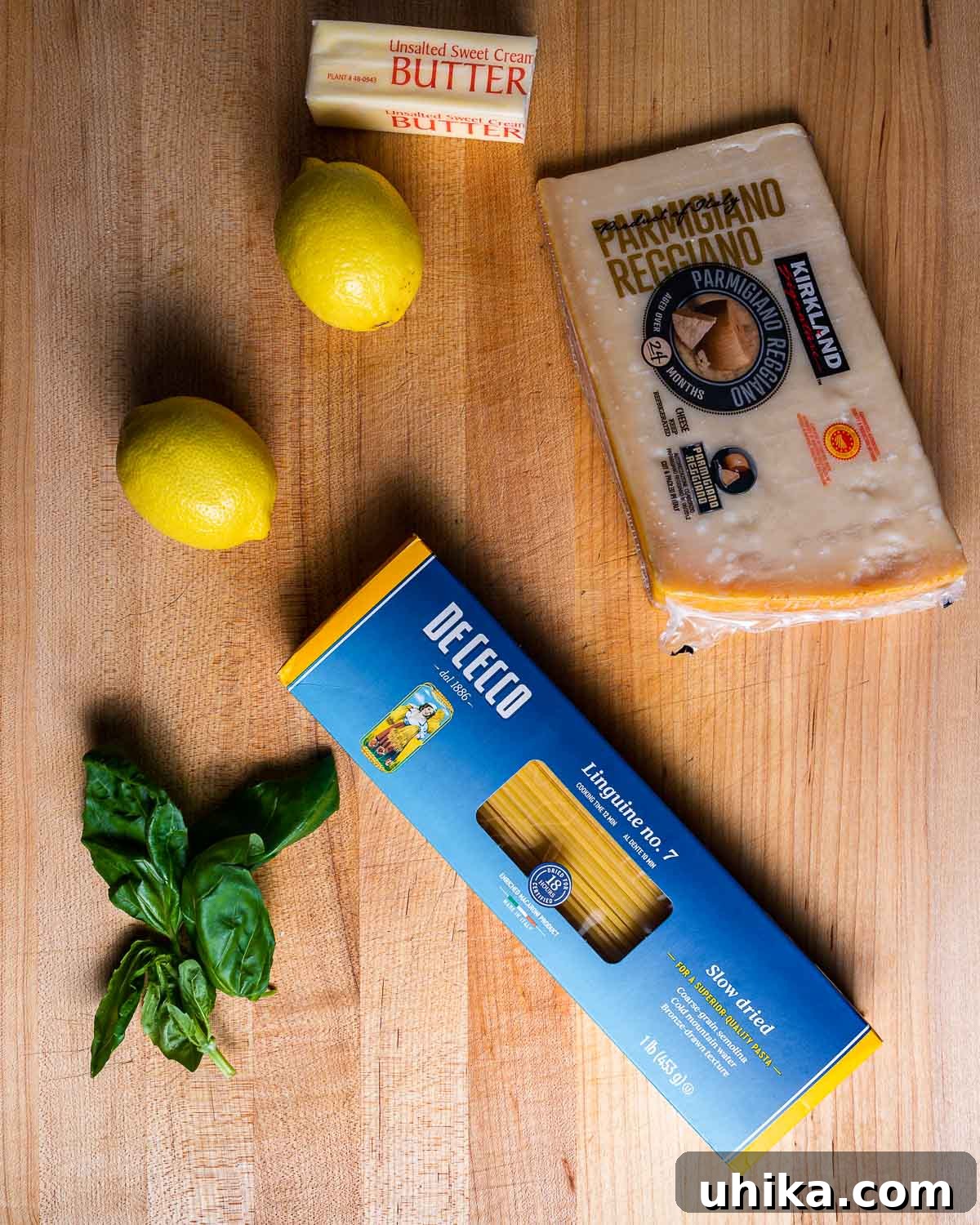
Creating an exceptional Linguine al Limone hinges on selecting quality ingredients. Each component plays a vital role in building the dish’s distinct flavor profile:
- Linguine (or your preferred pasta): While linguine is classic for its broad, flat shape that holds the creamy sauce beautifully, feel free to experiment with other long pasta varieties like spaghetti, fettuccine, or even bucatini. The key is to cook it al dente, providing the perfect bite and crucial starch for the sauce.
- Fresh Lemons: This is the star of the show! Use vibrant, unwaxed lemons for both their zest and juice. The zest carries intense aromatic oils, while the juice provides the tangy brightness. Always opt for fresh lemons over bottled juice for superior flavor.
- Parmigiano Reggiano Cheese: A cornerstone of Italian cooking, real Parmigiano Reggiano is non-negotiable. Its salty, nutty, and umami-rich flavor profile is essential for the depth of the sauce. Grate it finely just before use, as pre-grated cheese often contains anti-caking agents that can hinder emulsification.
- Unsalted Butter: Good quality unsalted butter adds richness and silkiness to the sauce, contributing to the luxurious mouthfeel. It’s a key fat that emulsifies with the pasta water and cheese.
- Extra Virgin Olive Oil: A touch of olive oil, along with the butter, provides a smooth base for sautéing the lemon zest and helps to achieve a balanced fat content in the sauce.
- Fresh Basil: Fresh basil adds a sweet, peppery, and aromatic counterpoint to the lemon. While optional, it greatly enhances the dish’s fresh appeal. Parsley can be a good substitute if basil is unavailable.
- Reserved Pasta Water: This often-overlooked ingredient is liquid gold! The starchy water left after cooking your pasta is fundamental for creating a smooth, creamy, and cohesive sauce without the need for heavy cream. It helps bind the cheese and butter together.
- Kosher Salt and Freshly Ground Black Pepper: Seasoning is crucial to bring out all the flavors. Salt the pasta water generously, and season the finished dish to taste.
Step-by-Step Guide: How to Make Linguine al Limone
Follow these detailed steps to create your perfect creamy lemon pasta. Each number corresponds to the written instructions below.
- Prepare Your Lemons: Start by zesting two medium-sized lemons. For maximum flavor, use a microplane or a fine grater, ensuring you only get the bright yellow zest and none of the bitter white pith. Roughly chop the zest and set aside. Once zested, juice the same lemons until you have approximately 5 tablespoons of fresh lemon juice. The amount of juice you extract can vary, so a helpful tip is to roll the lemons firmly on a clean counter while applying downward pressure before slicing them in half. You can also briefly warm them under hot water to make them juicier.
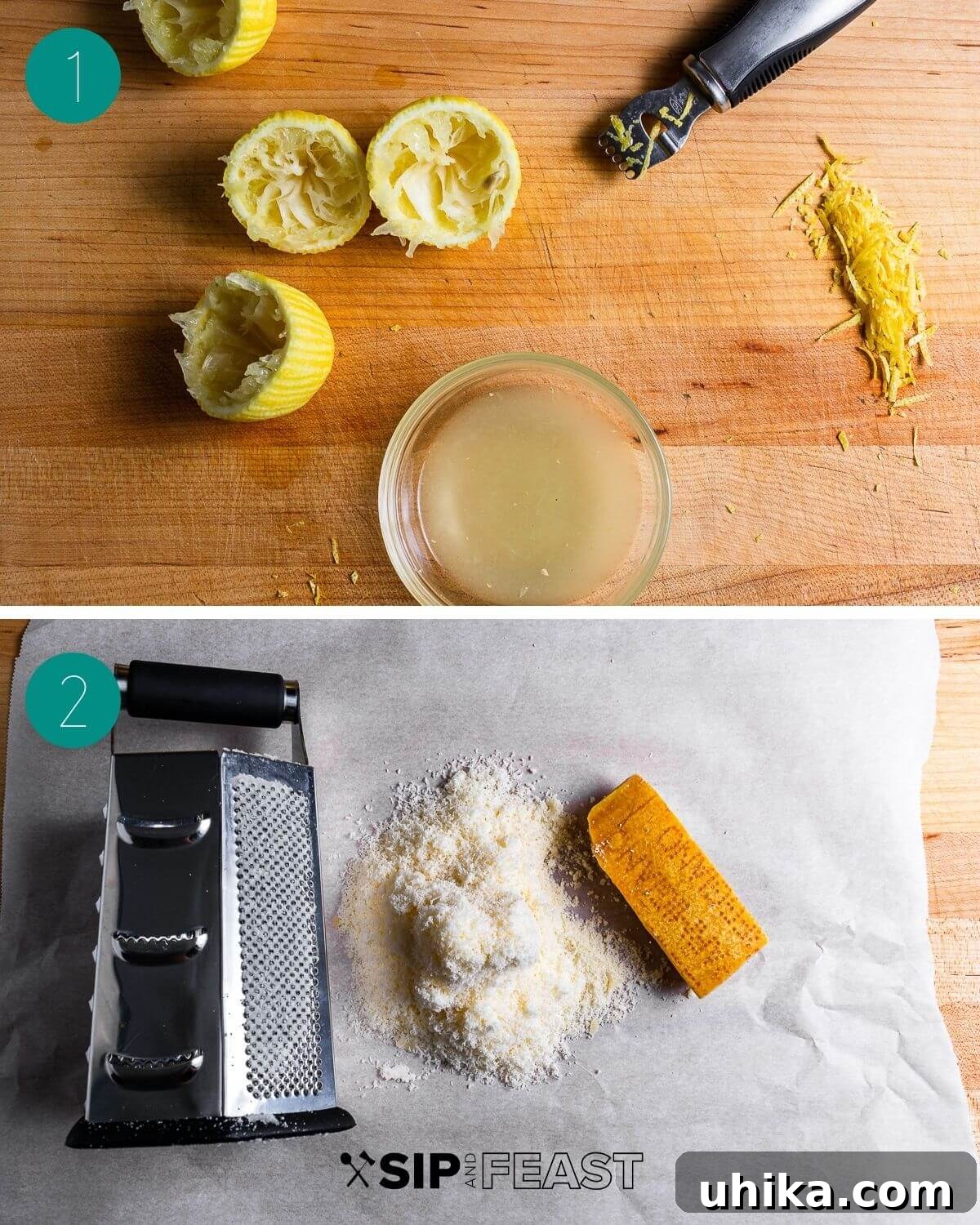
- Grate Cheese and Cook Pasta: Using the finest side of your cheese grater, finely grate 1 1/4 cups of authentic Parmigiano Reggiano cheese. Set aside. Bring a large pot of water to a rolling boil. Season the water generously with kosher salt, using about 2 tablespoons per gallon of water – this is essential for flavoring the pasta from within. Add your linguine and cook according to package directions until it is perfectly al dente, meaning it still has a slight bite to it.
- Start the Sauce Base: A few minutes before your pasta is fully cooked, place a large, wide pan (ideally one that can comfortably hold all the pasta) over low heat. Add the unsalted butter and olive oil to the pan. Once the butter has melted, add half of the prepared lemon zest to the pan. Allow it to gently cook for 1-2 minutes, infusing the butter and oil with its fragrant oils without burning.
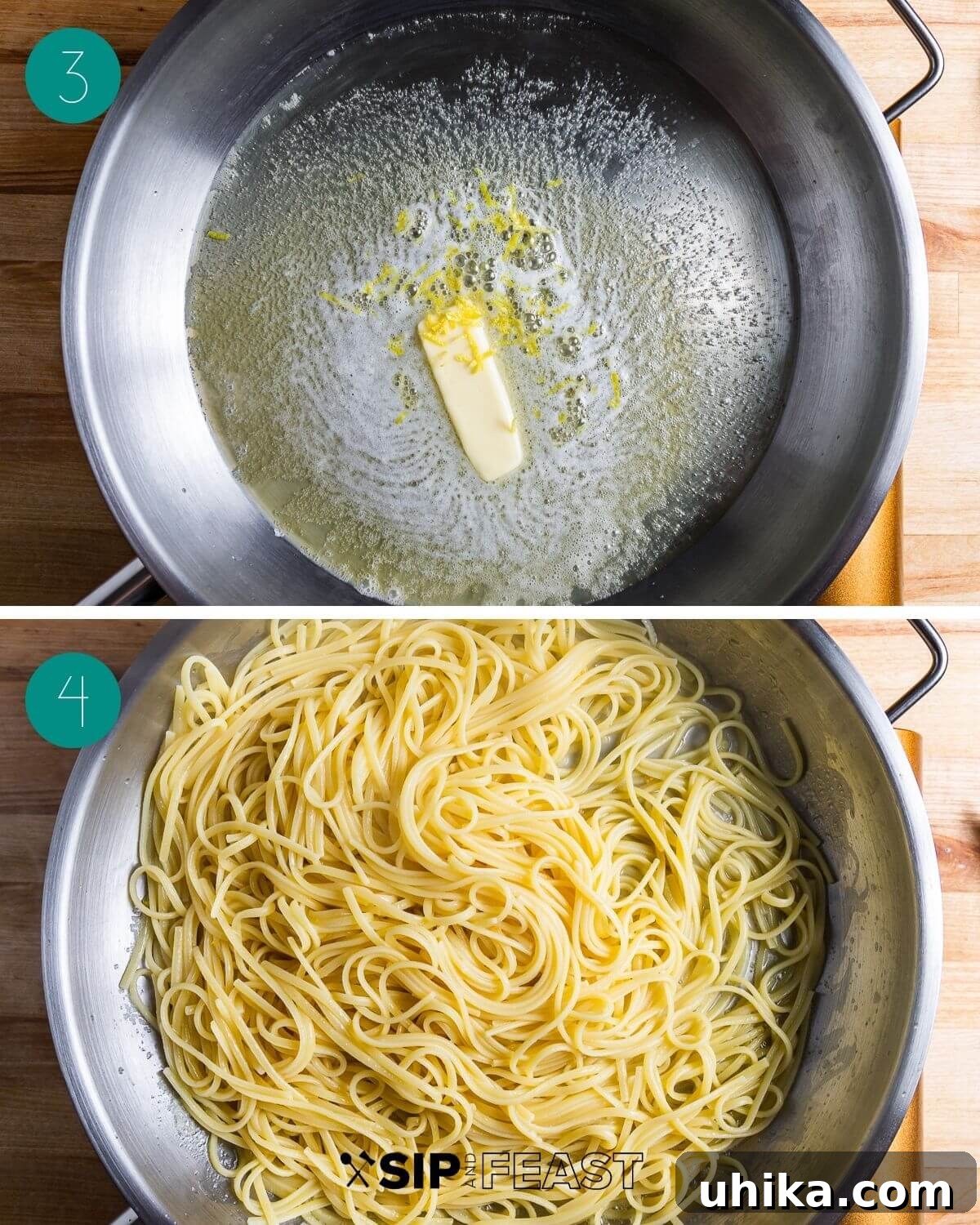
- Combine Pasta with Aromatics: Before draining, use tongs to transfer the al dente linguine directly from the boiling pot into the pan with the melted butter, olive oil, and lemon zest. The pasta should be slightly wet; do not shake off all the water. Begin to toss or stir the pasta vigorously to ensure it’s thoroughly coated with the aromatic butter and zest mixture.
- Add Lemon Juice and Cheese: Pour the measured lemon juice over the pasta and toss again to coat evenly. Turn off the heat under the pan immediately. Wait for about 30 seconds to allow the pan to cool slightly – this prevents the cheese from clumping. Then, begin adding the finely grated Parmigiano Reggiano cheese a little bit at a time, continually tossing and stirring the pasta rapidly.
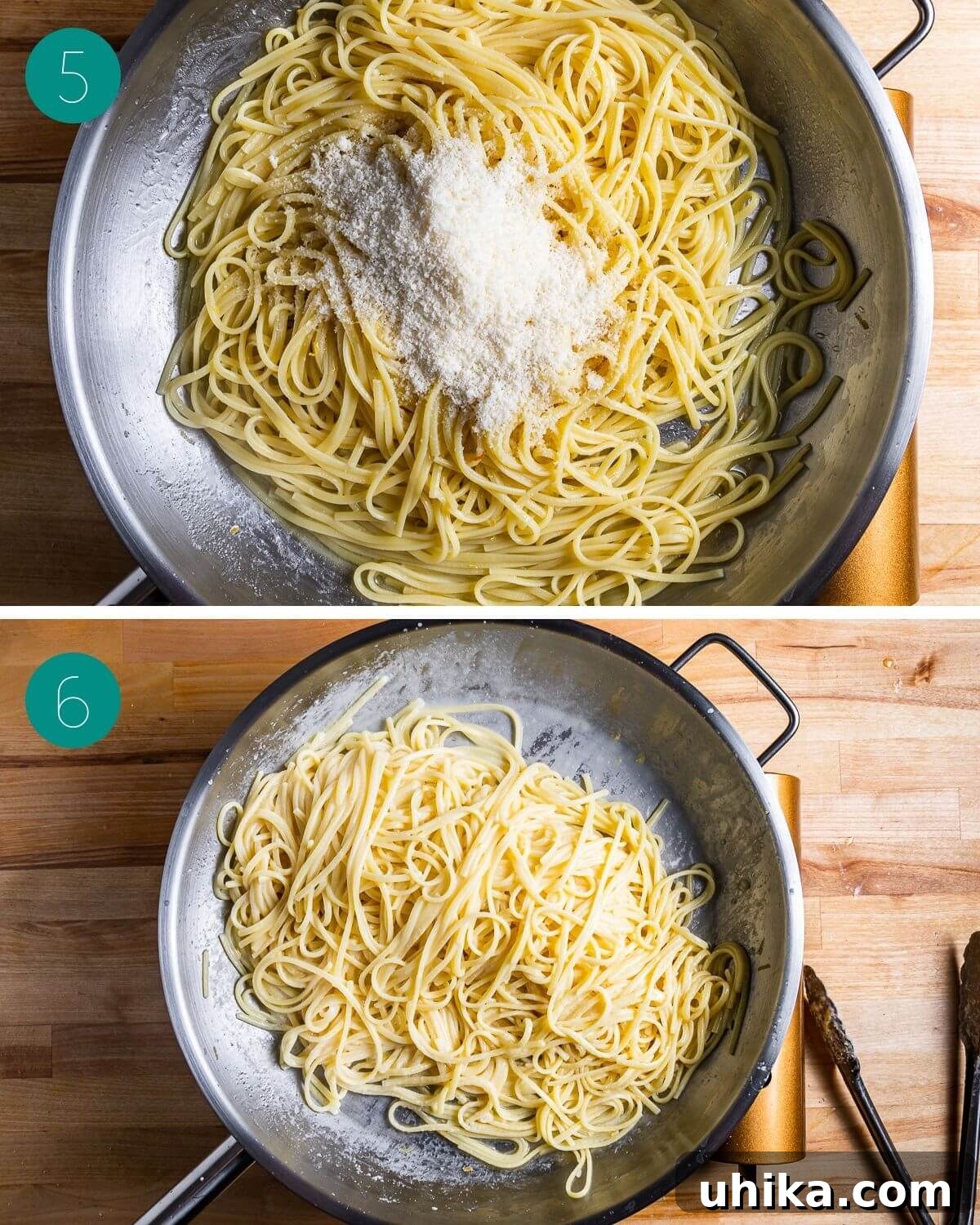
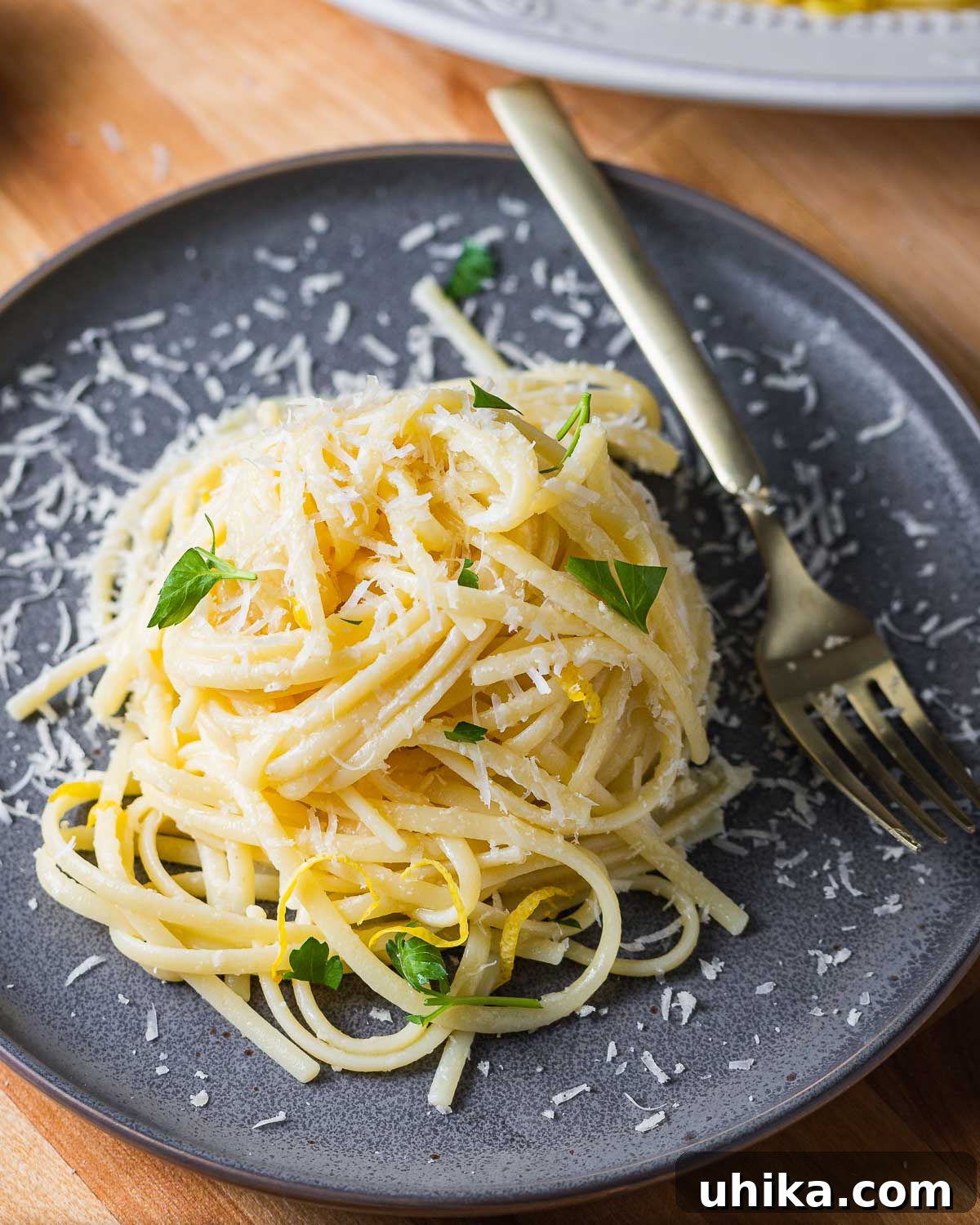
- Emulsify and Serve: Continue to toss and stir quickly until the cheese, butter, lemon juice, and residual pasta water emulsify into a beautiful, creamy sauce that clings to the linguine. If the sauce appears too thick or sticky, add a tablespoon or two of the reserved pasta water at a time, tossing after each addition, until you achieve your desired silky consistency. Taste the pasta and adjust seasoning with kosher salt and freshly ground black pepper as needed. Serve immediately, as the pasta can dry out quickly. If you find it has thickened too much before serving, a splash of slightly cooler reserved pasta water (or even cold tap water) tossed through can help loosen it back up. To finish, top each plate with a touch of the remaining fresh lemon zest, a sprinkle of chopped fresh basil or parsley (optional, but highly recommended), and an extra dusting of grated Parmigiano Reggiano. Enjoy this bright and comforting Italian classic!
Explore More Lemony Delights
It’s no secret that the bright, zesty flavor of lemon holds a special place in our culinary hearts. Hailing from Southern Italy, where lemons are almost revered, a love for this citrus fruit runs deep in our family’s heritage. If you’re drawn to the allure of Linguine al Limone, it’s a delightful indication that you, too, appreciate the versatile charm of lemons.
For those who share this passion, we invite you to explore more of our favorite recipes that feature lemon in various delicious forms, from savory pasta dishes to refreshing beverages:
- Lemon Caper Pasta: A tangy and briny pasta dish with a burst of Mediterranean flavor.
- Creamy Lemon Chicken Pasta: A hearty yet vibrant meal featuring tender chicken in a luscious lemon sauce.
- Lemon Ricotta Stuffed Zucchini: A fresh and light vegetarian option, perfect as an appetizer or side.
- Lemon Garlic Shrimp Pasta: Quick-cooking shrimp tossed with garlic, lemon, and pasta for a delightful seafood meal.
- Limoncello Spritz: The quintessential refreshing cocktail, perfect for summer gatherings and a true taste of Italy.
- Chicken Francese: A classic Italian-American dish with thinly sliced chicken cutlets in a delicate lemon-butter sauce.
What to Serve with Linguine al Limone
Given the inherent richness from the cheese and butter, Linguine al Limone, despite its bright lemon notes, can be quite a satisfying and substantial dish. To create a perfectly balanced meal, we recommend pairing it with lighter, fresh side dishes that complement its flavors without overwhelming them.
Crisp, vibrant salads are an excellent choice. Consider serving it alongside a refreshing chickpea and arugula salad, whose peppery greens and earthy chickpeas offer a wonderful contrast. Alternatively, a simple yet elegant green salad, much like Via Carota’s renowned green salad, dressed with a light vinaigrette, would be absolutely perfect. The fresh crunch of greens provides a welcome textural and flavor counterpoint.
Sautéed greens also make a fantastic accompaniment, adding both nutrition and a touch of bitterness that beautifully cuts through the pasta’s richness. Try our sautéed broccoli rabe with garlic for a savory, slightly bitter kick, or a classic sautéed spinach with garlic for a milder, earthy flavor. These simple sides enhance the meal without making it too heavy.
If you’ve enjoyed preparing this Linguine al Limone recipe, or any other recipe from our collection, we’d absolutely love to hear about your experience! Please share your thoughts and success stories in the comments section below. Your feedback is not only valuable to us but also inspires other home cooks. Thank you for cooking with us!
For those who prefer visual learning, you can watch our comprehensive video below where Jim guides you through each step of this recipe with clear, easy-to-follow instructions. Many find watching the process invaluable, and you can find most of our recipes demonstrated on our YouTube channel and our Facebook Page.
Linguine al Limone
by James Delmage
Overall Rating: 5 out of 5 stars (from 9 votes)
Prep: 10 mins
Cook: 20 mins
Total: 30 mins
Servings: 4
Pin Recipe
Linguine al limone is a simple, creamy lemon pasta made with Parmigiano Reggiano cheese, butter, lemon juice, zest, and pasta water.
Ingredients
- 1 pound linguine or spaghetti, fettuccine, etc.
- 4 tablespoons unsalted butter
- 2 tablespoons olive oil
- 1 1/4 cups Parmigiano Reggiano cheese, finely grated, plus more for serving
- 5 tablespoons lemon juice (from 2 medium lemons)
- Zest from 2 medium lemons, divided
- Salt and pepper to taste
- 2 tablespoons basil, chopped (optional)
- 2 cups reserved pasta water (you will not need all of it)
Instructions
- Cook pasta to al dente in generously salted water (2 tbsp kosher salt per gallon of water).
- A few minutes before the pasta finishes cooking, heat a pan to low and add the butter and olive oil. Add half the lemon zest and let it cook for a minute or two to infuse the oil.
- Using tongs, transfer the al dente pasta directly from the pot to the pan, ensuring it’s still slightly wet. Stir and/or toss to incorporate it with the butter, oil, and zest.
- Add the lemon juice and toss again to coat the pasta. Turn off the heat. Wait 30 seconds, then begin adding the grated cheese a bit at a time, tossing and stirring quickly to emulsify the sauce. If the sauce is too thick, add reserved pasta water, a tablespoon or two at a time, until the consistency is just right.
- Taste the pasta and add kosher salt and pepper to taste. Serve immediately, as the pasta can dry out quickly. If needed, add a bit more cooler pasta water and toss right before serving to loosen the pasta back up. Top each plate with a touch of the remaining zest and a sprinkle of basil or parsley. Serve with more grated Parmigiano Reggiano. Enjoy!
Notes
- Tossing pasta in the pan is key to emulsifying the sauce from pasta water, cheese, and lemon juice. It’s a valuable skill that significantly improves pasta recipes!
- If the cheese clumps, don’t worry. It can often be loosened up by adding a small amount of cooler pasta water or even cold tap water while stirring.
- Leftovers can be stored in the fridge for up to 3 days, but for the best experience, Linguine al Limone is truly best served and eaten fresh.
Nutrition
Nutrition information is automatically calculated, so should only be used as an approximation.
Like this? Leave a comment below!
Check us out on Instagram at @sipandfeast or tag #sipandfeast!