
Pizza Fritta: Discover the Irresistible Charm of Fried Pizza
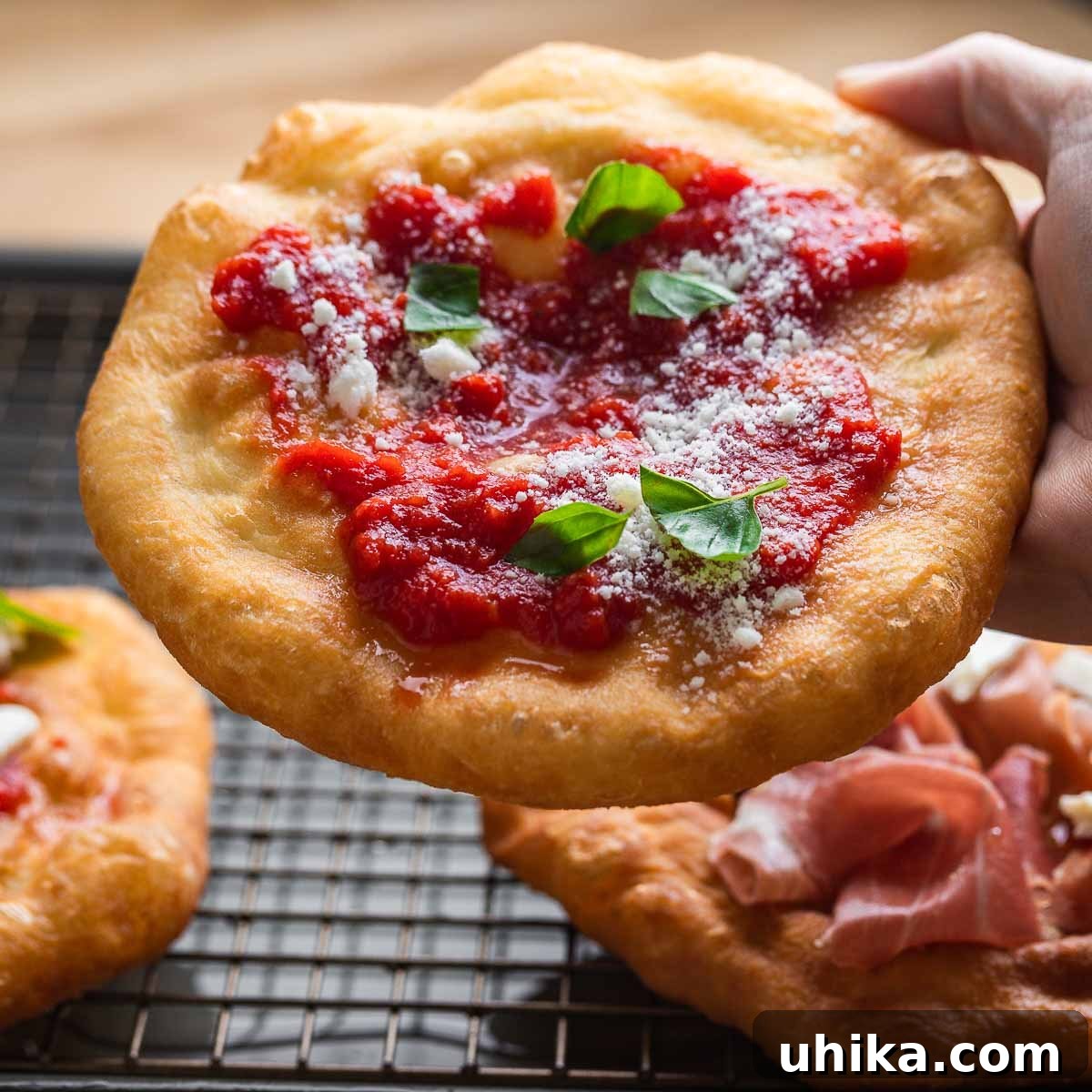
Hailing from the vibrant streets of Naples, Italy, Pizza Fritta, also known as fried pizza or pizzette fritte (little fried pizzas), is a culinary delight that offers a unique twist on the classic Italian staple. Imagine a wonderfully crispy, yet soft and airy pizza dough, deep-fried to golden perfection, then adorned with an endless array of sweet or savory toppings. This versatile appetizer can effortlessly elevate any cocktail party, serve as a satisfying meal alongside a fresh salad, or become the ultimate game-day snack. Once you experience the unparalleled texture and flavor of fried pizza, you’ll understand why it’s quickly becoming a global sensation.
What Exactly is Pizza Fritta? A Neapolitan Delicacy
Pizza fritta is more than just fried dough; it’s a testament to Neapolitan culinary ingenuity and a cherished piece of Italian street food culture. Unlike its oven-baked cousin, pizza fritta achieves its signature light and puffy texture through the quick process of deep-frying. This method results in a crispy exterior that gives way to an incredibly soft, chewy interior, creating a sensory experience that distinguishes it from traditional pizza. Its origins trace back to post-World War II Naples, when wood-fired ovens were scarce or damaged, and frying became a practical and delicious alternative to baking. This humble dish, born out of necessity, evolved into a beloved street food, often sold by street vendors and enjoyed as a quick, flavorful snack.
The beauty of pizza fritta lies in its simplicity and adaptability. The fundamental base is a high-quality pizza dough, which is then stretched and fried. What happens next is where the magic truly begins: the golden-fried discs become blank canvases for your imagination. From classic Italian flavors like rich marinara and melted mozzarella to more adventurous sweet combinations, pizza fritta invites experimentation and personal preference.
Why You’ll Fall in Love with Fried Pizza
There’s an undeniable allure to pizza fritta that captures the hearts of anyone who tastes it. Its charm stems from several key aspects that make it an unforgettable culinary experience:
- Unmatched Texture: The frying process creates a magnificent contrast – a crisp, slightly crackly outer shell that gives way to an incredibly soft, airy, and chewy interior. This unique texture is a delightful departure from traditional baked pizza.
- Explosion of Flavor: When done right, the fried dough itself possesses a subtle depth of flavor from the oil, which complements both savory and sweet toppings beautifully. It’s often described as tasting richer and more indulgent than baked pizza.
- Endless Topping Possibilities: From traditional marinara and fresh mozzarella to gourmet combinations or decadent sweet drizzles, pizza fritta serves as a versatile base for almost any topping you can imagine. This adaptability means you can customize each mini pizza to suit different tastes and occasions.
- Perfect for Any Occasion: Whether you’re hosting a sophisticated cocktail party, enjoying a casual game day gathering, or simply craving a unique and satisfying meal, pizza fritta fits the bill. Its individual size makes it easy to pick up and enjoy, making it ideal for sharing.
- Quick to Prepare: Once your dough is ready, the frying process is remarkably fast, often taking only minutes per pizza. This makes it a fantastic option when you want to impress guests without spending hours in the kitchen.
Mastering Homemade Pizza Fritta: A Step-by-Step Guide
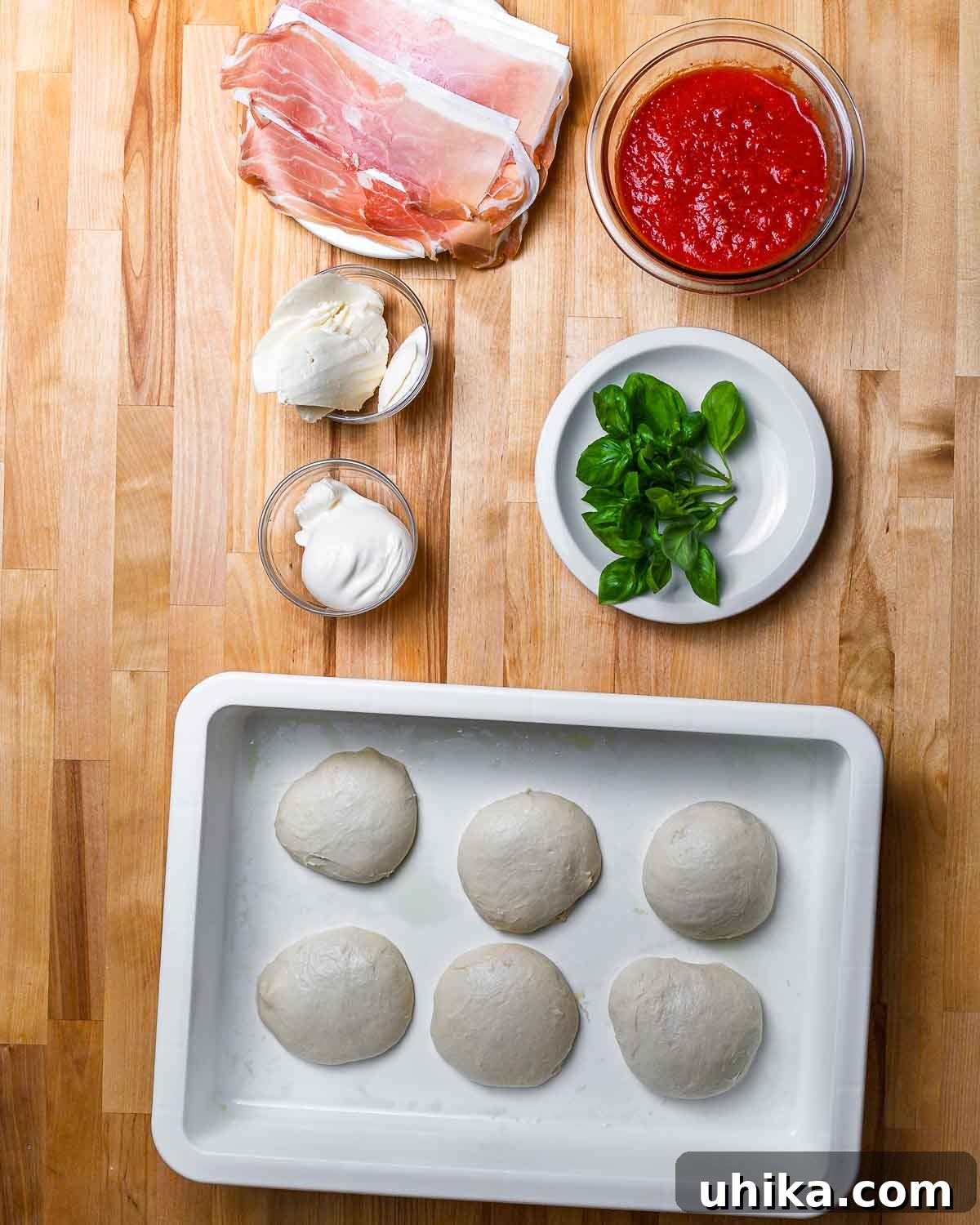
Crafting delicious pizza fritta at home is a rewarding experience. While the process is straightforward, attention to detail, especially regarding dough preparation and oil temperature, will ensure spectacular results. This guide assumes you have prepared your pizza dough in advance, divided it into uniform balls, and allowed them to undergo a cold fermentation process. If you’re short on time, high-quality store-bought pizza dough can also be used as a convenient alternative.
Preparing Your Dough for Perfection
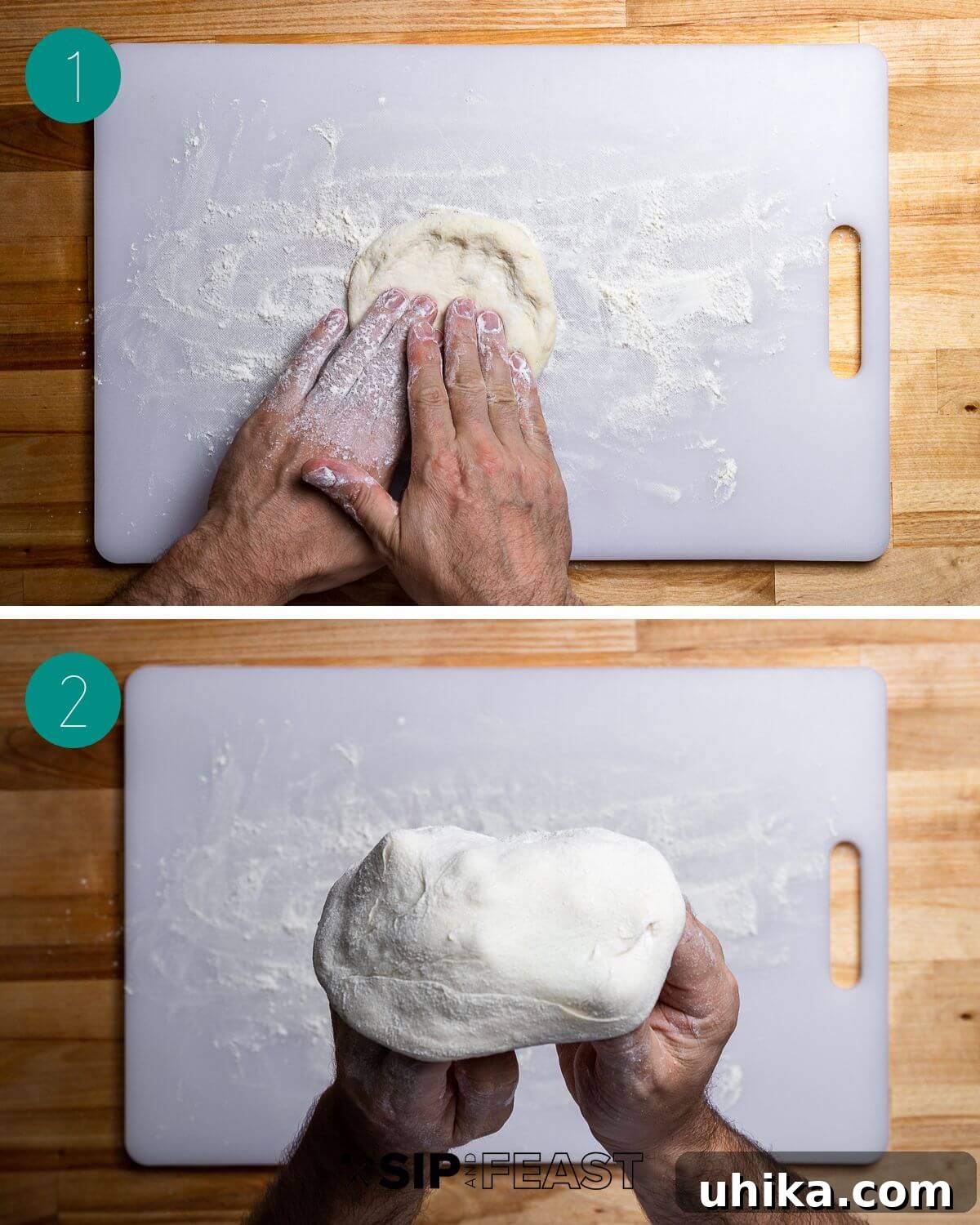
The foundation of exceptional pizza fritta is well-prepared dough. Whether you make it from scratch (recipe provided below) or opt for a store-bought version, a crucial step is allowing the dough to come to room temperature after cold fermentation. This resting period, typically around 90 minutes, relaxes the gluten, making the dough much easier to stretch and handle. When stretching, flour your hands and work surface lightly to prevent sticking. Use your fingertips to gently coax each dough ball into a round, avoiding excessive pressure that might pop the precious air bubbles.
- Remove the dough balls from the refrigerator and leave them covered at room temperature for approximately 90 minutes.
- Lightly flour your hands and a clean work surface. Gently begin stretching each dough ball with your fingertips, working from the center outwards.
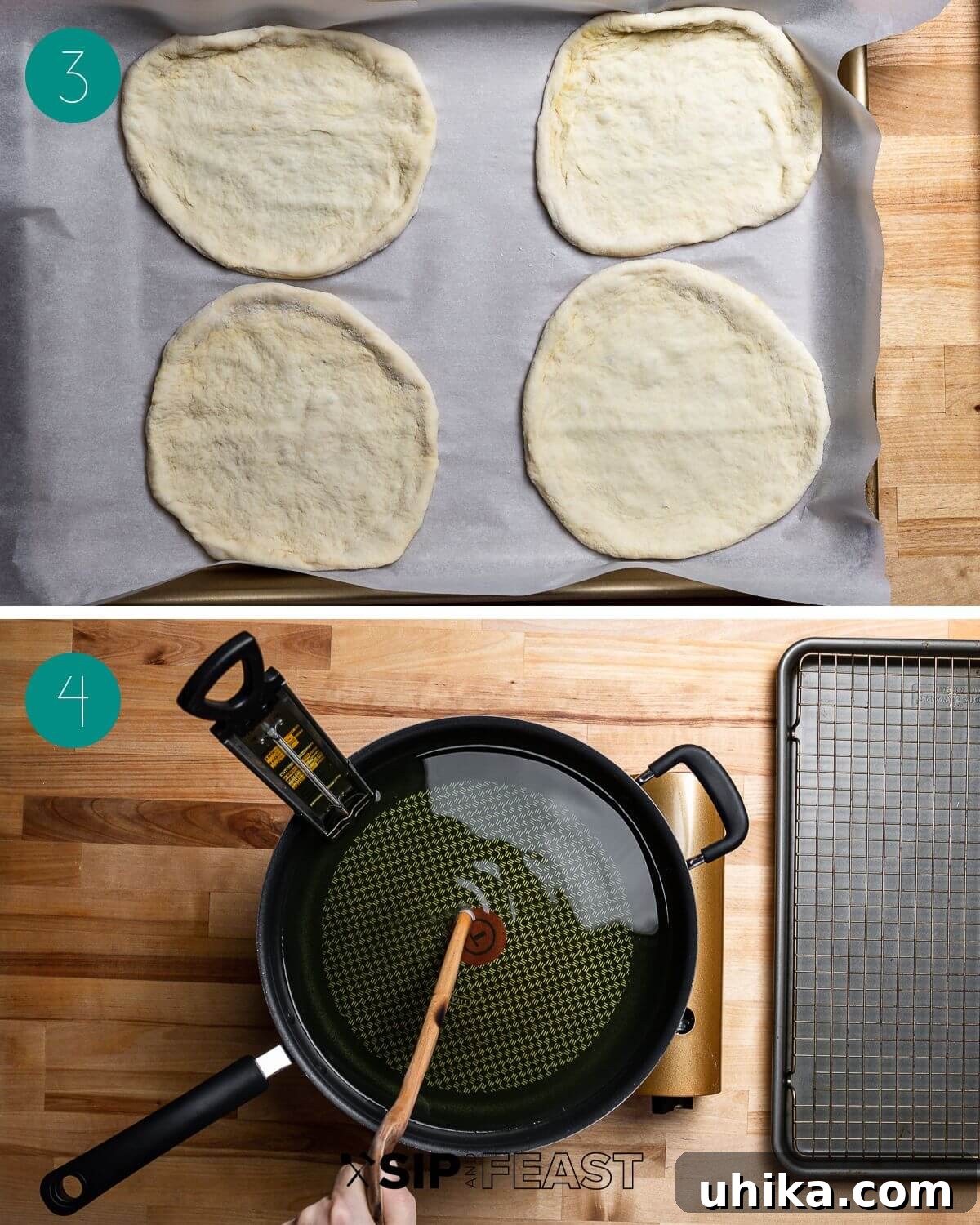
- Continue stretching the dough until each piece forms a small, roughly circular shape, about 3-5 inches in diameter. For easier handling, transfer each stretched dough piece onto a parchment paper-lined baking sheet.
Frying to Golden Crispy Perfection
Frying can seem daunting, but with the right tools and technique, it’s a simple process. The key is consistent oil temperature and not overcrowding your pan. A heavy-bottomed pan or Dutch oven is ideal for maintaining heat, and a deep-fry thermometer is indispensable for accuracy.
- Pour approximately 2 cups of olive oil, vegetable oil, or a 50/50 mix of both into a heavy frying pan or Dutch oven. Ensure the oil depth is at least ¾ inch high; you may need more or less depending on your pan’s surface area.
- Heat the oil to a precise 370°F (188°C) using a deep-fry thermometer. Maintaining this temperature is crucial for even cooking and a non-greasy result.
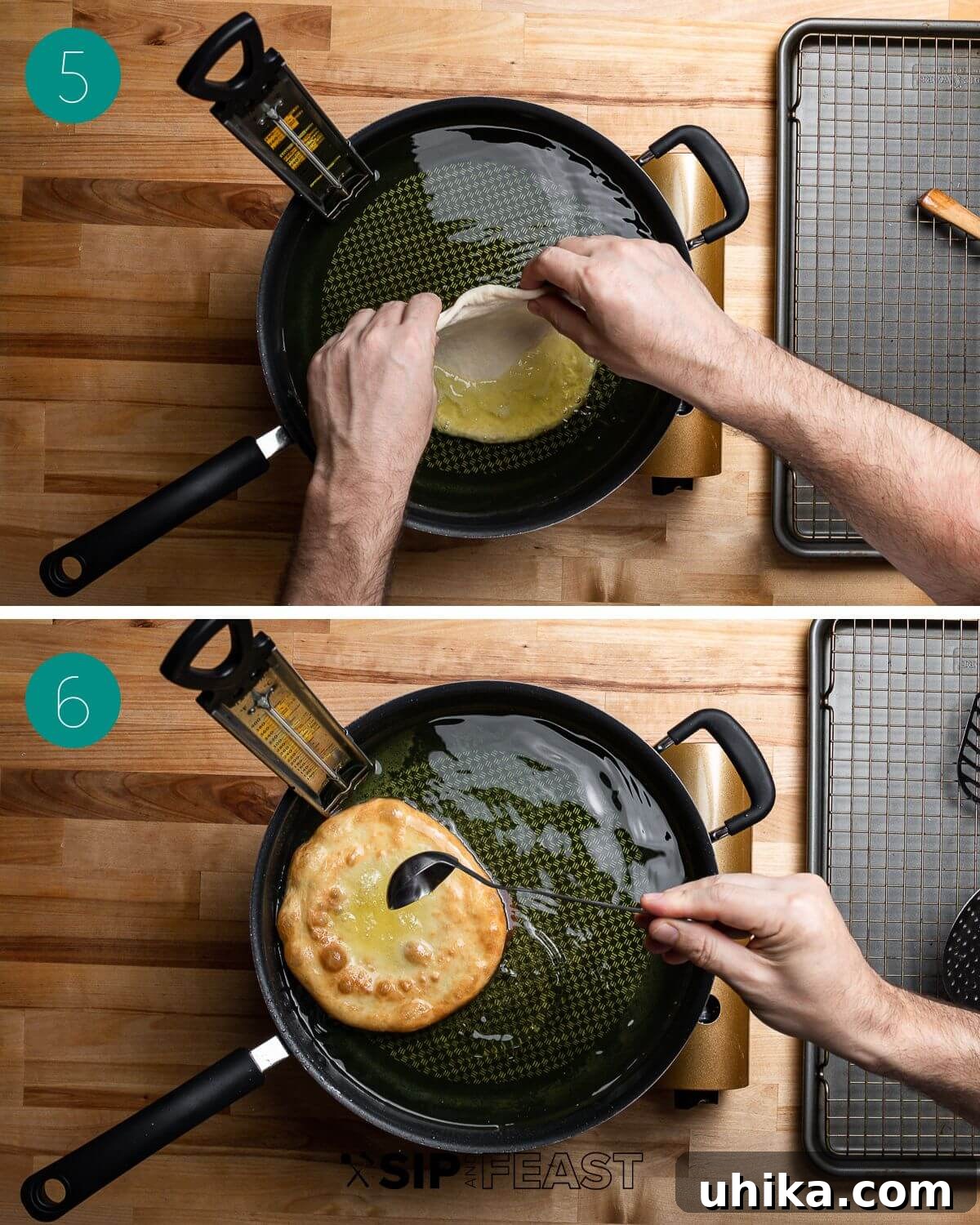
- Once the oil reaches 360-370°F, carefully place one or two stretched pizza doughs into the hot oil. Avoid overcrowding the pan, as this will drop the oil temperature and lead to soggy pizzas.
- Using a large spoon or ladle, gently spoon the hot oil over the top of the frying pizza dough. This method helps both sides cook evenly and encourages the dough to puff up beautifully. While you can attempt to flip the dough, spooning the oil is often easier and more effective, especially when frying multiple pieces.
- Continue frying until the pizza fritta is golden brown on both sides, which typically takes about 4-5 minutes in total.
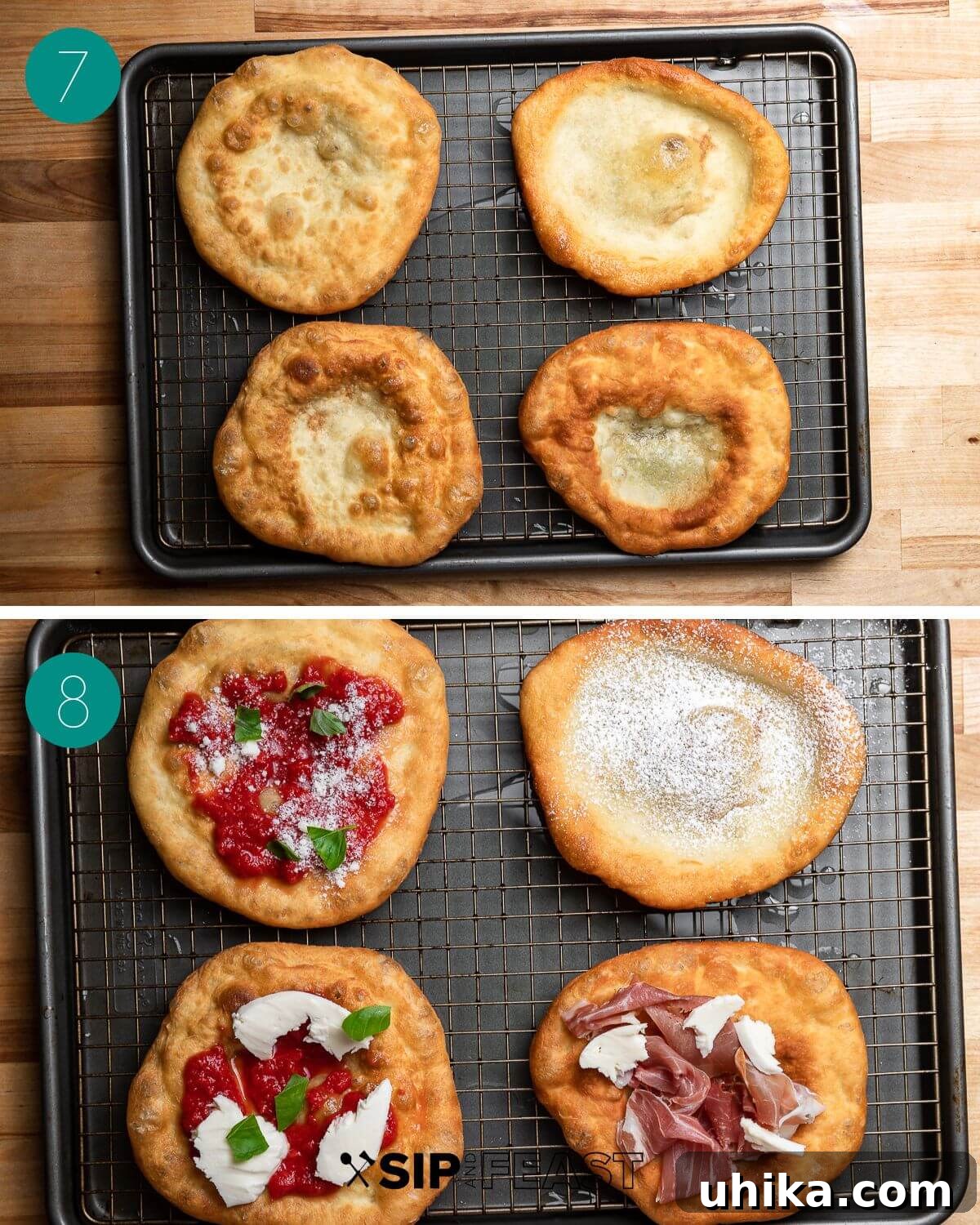
- Carefully remove the golden pizza fritta from the oil using tongs or a slotted spoon. Place it on a wire rack set over paper towels to drain excess oil. Lightly pat with additional paper towels if necessary. Repeat the frying process for the remaining dough balls.
The Art of Topping Your Pizza Fritta
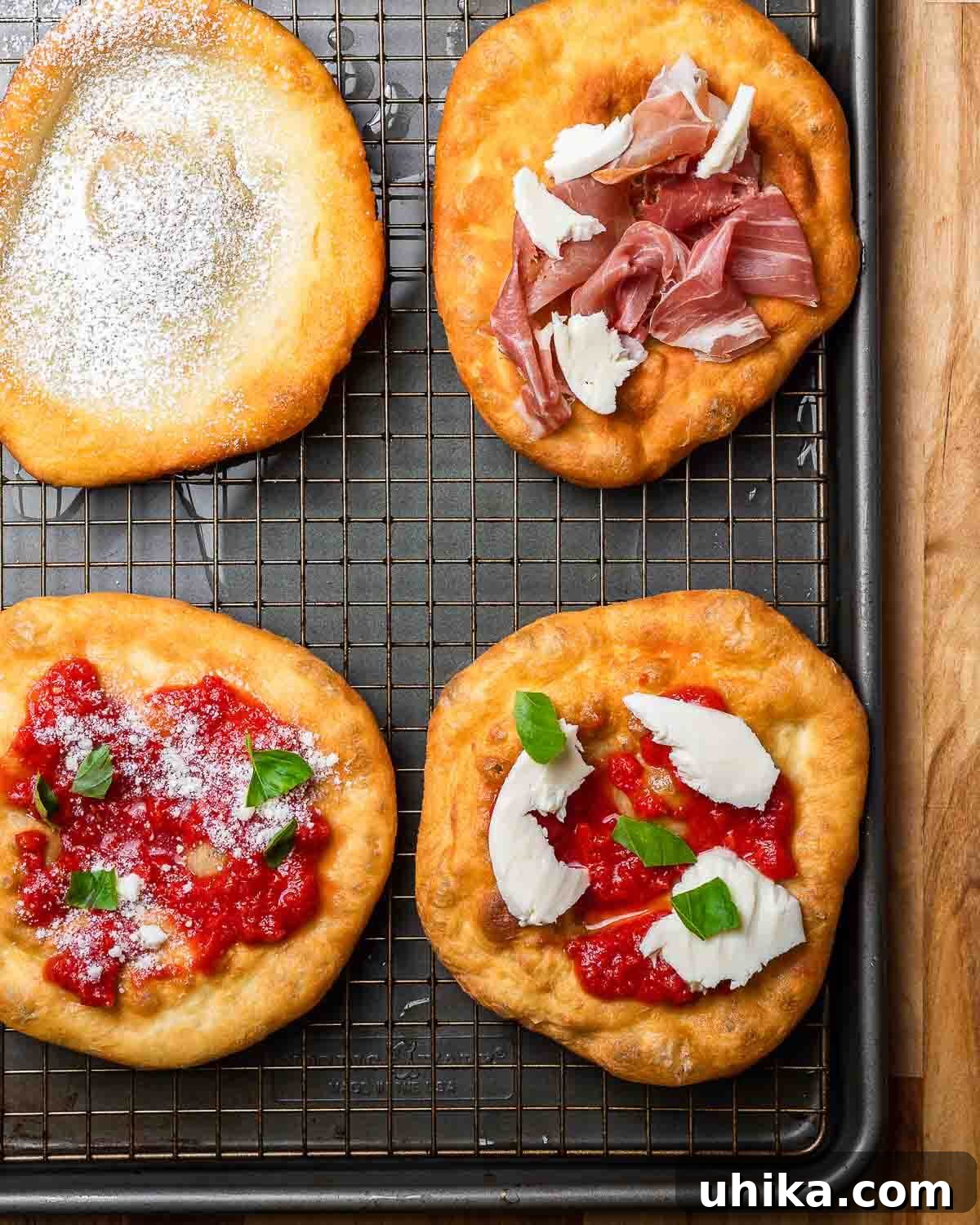
This is where your creativity shines! Pizza fritta can be enjoyed immediately after frying, either plain or with a simple dusting of powdered sugar for a sweet treat, much like a disc-shaped zeppole. For savory options, you can assemble them on a baking sheet and add toppings of your choice. If you’re using wet toppings like marinara and mozzarella, a quick bake will ensure the cheese melts perfectly and the sauce warms through without making the fried dough soggy.
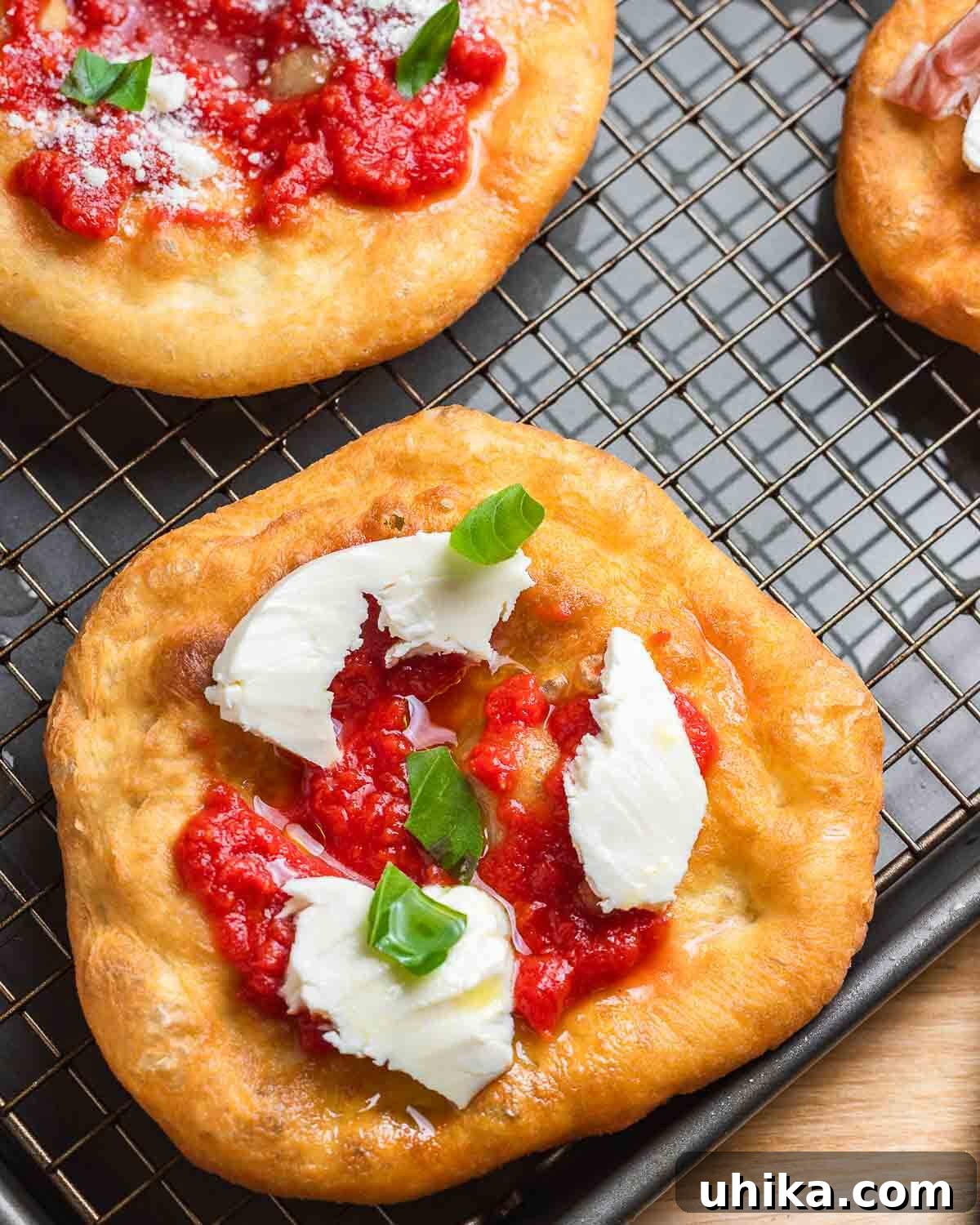
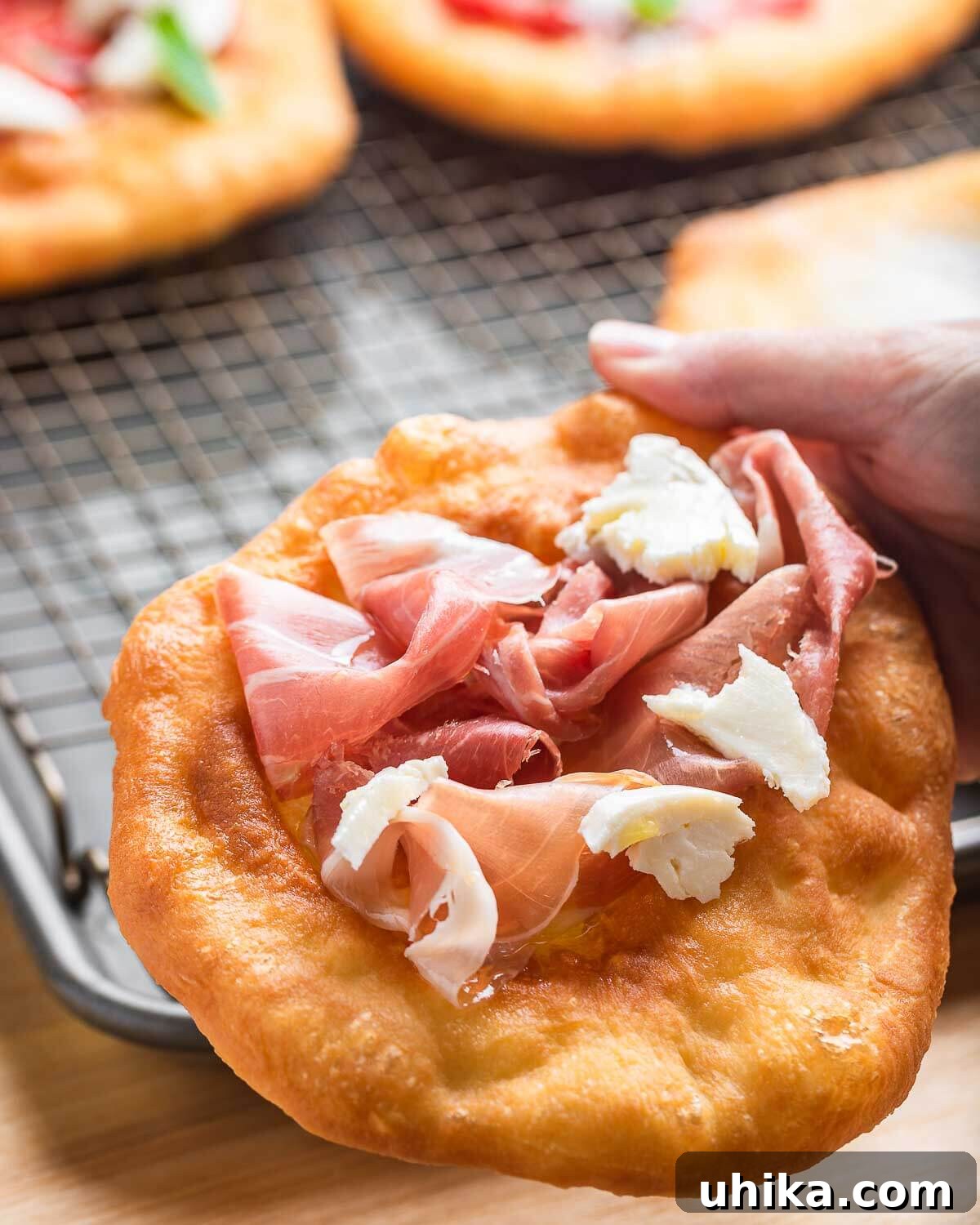
- Once fried, the pizze fritte can be served immediately. For a sweet delight, sprinkle with powdered sugar. For savory options, arrange them on a baking sheet and add your desired toppings. If using marinara, mozzarella, and Pecorino, bake at 425°F (220°C) for 3-5 minutes until the cheese is melted and bubbly and the sauce is warm. Alternatively, toppings like prosciutto and fresh mozzarella can be added directly after frying, requiring no additional baking. Serve promptly and savor every bite!
Essential Tips for the Best Fried Pizza Experience
Achieving consistently perfect pizza fritta relies on a few key considerations. Follow these expert tips to ensure your fried pizzas are always a hit:
The Foundation: Perfect Pizza Dough
- Homemade vs. Store-Bought: While using your favorite homemade pizza dough recipe (especially one that includes a cold fermentation period of at least 24 hours for maximum flavor and elasticity) is highly recommended, quality store-bought dough can be a great time-saver.
- Room Temperature is Key: Regardless of whether it’s homemade or store-bought, always allow your dough balls to sit at room temperature for at least 90 minutes before frying. This relaxation period makes the dough much easier to stretch without tearing and promotes better puffing in the hot oil.
- Gentle Stretching: Avoid using a rolling pin if you want that signature puffy texture. Rolling pins tend to flatten the dough and push out the gases that create air pockets. Instead, use your floured fingertips to gently stretch the dough into rounds.
Frying Fundamentals: Oil and Temperature Control
- Choose Your Oil Wisely: Olive oil offers a distinct flavor, while vegetable oil (like canola or sunflower) provides a neutral base. A 50/50 blend of both can offer a nice balance. Ensure you use an oil with a high smoke point.
- Temperature is Critical: Invest in a deep-fry or candy thermometer. Maintaining the oil temperature around 370°F (188°C) is crucial. Too cool, and your pizza fritta will be greasy; too hot, and it will burn on the outside before cooking through.
- Don’t Overcrowd: Fry only one or two pieces of dough at a time, depending on the size of your pan. Overcrowding significantly drops the oil temperature, leading to undercooked, soggy results.
- Spoon, Don’t Flip: While some may attempt to flip the dough, continuously spooning hot oil over the top is generally easier and more effective for achieving even golden coloring and maximum puffiness on both sides.
- Drain Properly: Always place fried pizza on a wire rack over paper towels to allow excess oil to drain away. This helps maintain crispiness.
Unleash Your Creativity with Toppings
One of the most exciting aspects of pizza fritta is the boundless potential for toppings. Don’t be limited by traditional pizza toppings; think outside the box!
- Sweet Sensations: Beyond powdered sugar (similar to zeppole), consider Nutella and fresh strawberries, a drizzle of honey with toasted nuts, or even a cinnamon-sugar sprinkle for a dessert-like treat.
- Classic Savory: Marinara sauce with fresh mozzarella and basil is a timeless choice. A sprinkle of Pecorino Romano adds a salty, tangy kick.
- Gourmet Savory: Elevate your pizza fritta with thin slices of prosciutto and creamy burrata (no baking required), mortadella with pistachio pesto, a white pizza style with ricotta and roasted garlic (like our roasted garlic white pizza), or a bold combination of anchovy, garlic, and a drizzle of olive oil.
- Unexpected Twists: For something truly unique, try topping a warm pizza fritta with a small amount of fresh green salad, dressed lightly with vinaigrette, for a “salad pizza” experience!
Get Creative: Explore More Pizza Dough Recipes
If you’ve enjoyed making and devouring pizza fritta, you’re likely a fan of the incredible versatility of pizza dough. Don’t let your leftover dough go to waste! Here are a few more fantastic recipes where your pizza dough can shine:
- New York Pizza – Learn how to craft a classic New York-style round pie right in your home oven.
- Stromboli – A delicious rolled pizza filled with savory ham, pepperoni, and gooey provolone cheese, served with marinara.
- Grandma Pizza – A rectangular, sheet pan pizza with a rustic, home-style charm, just like nonna used to make!
Pizza Fritta Recipe Card
Yield: 6 Mini Pizzas | Prep time: 2 hours | Cook time: 20 minutes | Cold fermenting time: 1 day | Total time: 1 day 2 hours
Ingredients
For Six 3-ounce Dough Balls
- 298 grams bread flour (or 2 cups)
- 190 grams cold tap water (or ~3/4 cup / 6.7 ounces)
- 2 grams Instant dry yeast (or 1/2 teaspoon)
- 6 grams fine sea salt (or 1 teaspoon)
- 4 grams sugar (or 1 teaspoon)
- 10 grams olive oil (or 2 1/4 teaspoons)
For the Pizza Fritta
- 2 cups olive or vegetable oil (can also mix 50/50) – estimate: you need enough oil to rise at least 3/4-inch high in the pot
- 4 slices prosciutto
- 1/3 pound fresh mozzarella
- 1 cup marinara sauce
- 10 basil leaves
- 3 tablespoons Pecorino Romano
- 2 tablespoons powdered sugar
Instructions
For the Dough Balls
- Place the water into a large bowl. In a separate bowl, mix together all the dry ingredients. Gradually add the dry ingredients to the water, mixing thoroughly with a wooden spoon to form a rough, shaggy mass.
- Pour the olive oil over the dough, mix it in, then transfer the rough dough onto a lightly floured work surface (a large plastic cutting board works well to prevent sticking).
- Knead the dough for 5-7 minutes. If the dough becomes too sticky, cover it with an inverted clean bowl and let it rest for 30 minutes before resuming kneading. Ensure you achieve at least 5-7 minutes of total active kneading time.
- After kneading, cover the dough with the bowl once more and let it sit for another 30-40 minutes to warm up and relax.
- Divide the dough into 6 equal-sized balls, weighing them to ensure each is roughly 85 grams (or 3 ounces).
- To form smooth balls, pull the dough repeatedly towards its ends, gathering it underneath. Pinch the seam side closed and place it at the bottom. Transfer the dough balls into lightly oiled bowls, cover with plastic wrap, and refrigerate for at least 24 hours before use.
For the Pizza Fritta
- Remove the cold-fermented dough balls from the refrigerator and leave them covered at room temperature for 90 minutes before proceeding to heat the oil.
- Lightly flour your hands and a clean work surface. Gently stretch each dough ball into a small round pizza, about 3-5 inches in diameter. Lay each formed pizza onto parchment paper for easy preparation.
- Pour olive oil (or a mix of olive and vegetable oil) into a Dutch oven or heavy frying pan, ensuring the oil depth is at least 3/4 inches high. Heat the oil to 370°F (188°C) using a deep-fry thermometer.
- Once the oil reaches the correct temperature, carefully place the stretched pizzas into the hot oil. Fry only 1-2 at a time, or as many as can fit without crowding the pan.
- Use a ladle or large spoon to baste the hot oil over the top of the pizza dough, ensuring both sides cook evenly and puff up. Continue frying until the pizza dough is golden brown, approximately 4-5 minutes of total cooking time. Remove the fried pizza and place it onto a wire rack to drain. Repeat the frying process for all remaining dough.
- Your fried pizzas can be enjoyed immediately out of the oil with a sprinkle of powdered sugar for a delightful sweet treat. Alternatively, arrange them on a baking sheet and top with savory ingredients like marinara, mozzarella, and Pecorino. Bake at 425°F (220°C) until the cheese slightly melts and the sauce warms through (about 3-5 minutes). Individual rounds can also be topped with prosciutto and fresh mozzarella and served without baking. The choice is yours – enjoy!
Notes
- For the most accurate dough preparation, using grams and a kitchen scale is highly recommended over volumetric measurements.
- The dough recipe is included for your convenience; however, feel free to use high-quality store-bought pizza dough to save time.
- The suggested toppings are merely a starting point. Feel free to customize your pizza fritta with any ingredients you love!
- Pizza fritta is best enjoyed fresh, immediately after frying, as its unique texture can diminish over time.
- Calorie amounts are an estimate and based on using all the listed toppings.
Nutrition (Estimate per serving)
Calories: 617kcal | Carbohydrates: 44.9g | Protein: 8.4g | Fat: 45.8g | Saturated Fat: 10g | Cholesterol: 9mg | Sodium: 737mg | Potassium: 209mg | Fiber: 4.1g | Sugar: 6.4g | Calcium: 43mg | Iron: 3mg
Nutrition information is automatically calculated, so should only be used as an approximation.
We hope you enjoyed this journey into the delicious world of Pizza Fritta! If you tried this recipe, please consider leaving a comment below or sharing your creations. Connect with us on Instagram at @sipandfeast or tag #sipandfeast!