
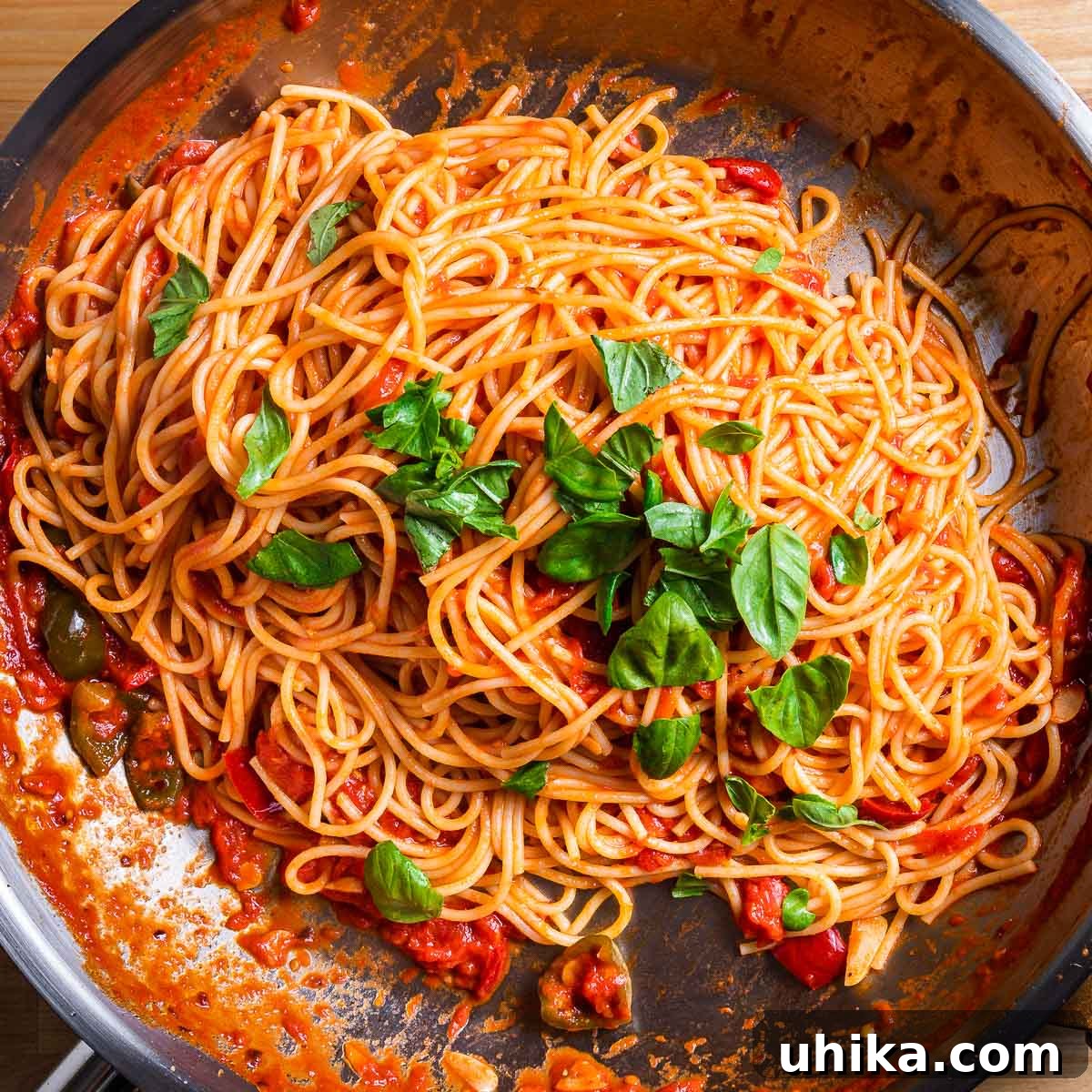
Welcome to the world of Spaghetti Arrabbiata, a timeless Italian classic that promises a fiery embrace for your taste buds. This isn’t just any pasta dish; it’s a vibrant symphony of flavors, where the rich tang of tomatoes meets the pungent warmth of garlic and the exhilarating kick of hot peppers. Arrabbiata, meaning “angry” or “enraged” in Italian, perfectly describes the delightful spice that makes this dish so captivating. It’s a culinary journey that begins in under 30 minutes and culminates in a hearty, satisfying meal, making it a perfect choice for weeknight dinners or when you crave something truly flavorful and fast.
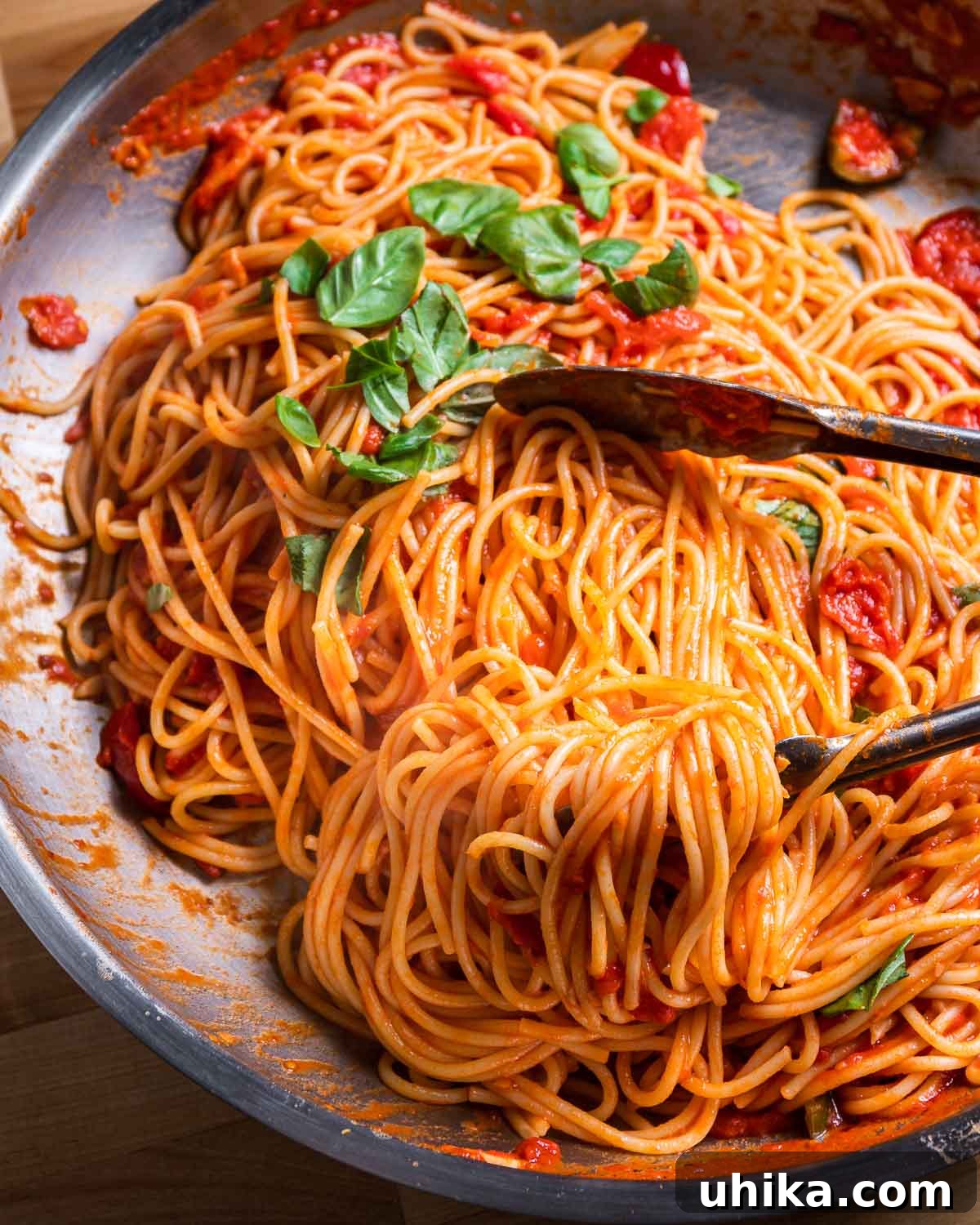
The Heart of Arrabbiata: A Spicy Roman Tale
Spaghetti Arrabbiata is a culinary gem hailing from the Lazio region of Italy, specifically Rome. Its origins are humble, born from the simple ingredients available to Roman peasants. The “angry” moniker is no accident; it refers directly to the heat provided by the chili peppers, which gives the sauce its signature “enraged” character. This dish stands as a testament to Italian cuisine’s ability to transform basic components into something extraordinary.
While many associate spicy Italian food with Neapolitan regions, Arrabbiata holds a special place in Roman culinary tradition. It’s a bold and straightforward dish that lets the quality of its few ingredients shine. The simplicity is its strength, offering a robust flavor profile that is both comforting and exhilarating.
My own journey with arrabbiata, though not from childhood, deepened my appreciation for this spicy delight. I still fondly remember my first adult encounter with an arrabbiata variation at La Parma, a beloved Italian restaurant on Long Island. Their fried calamari, tossed in an arrabbiata sauce that featured whole, lightly browned garlic cloves and generous hot cherry peppers in a vibrant tomato base, was an absolute revelation. It quickly became a regular order, inspiring me to recreate that incredible flavor experience at home. Since then, arrabbiata sauce has become a staple in my kitchen, finding its way onto everything from shrimp to chicken, and, of course, classic spaghetti.
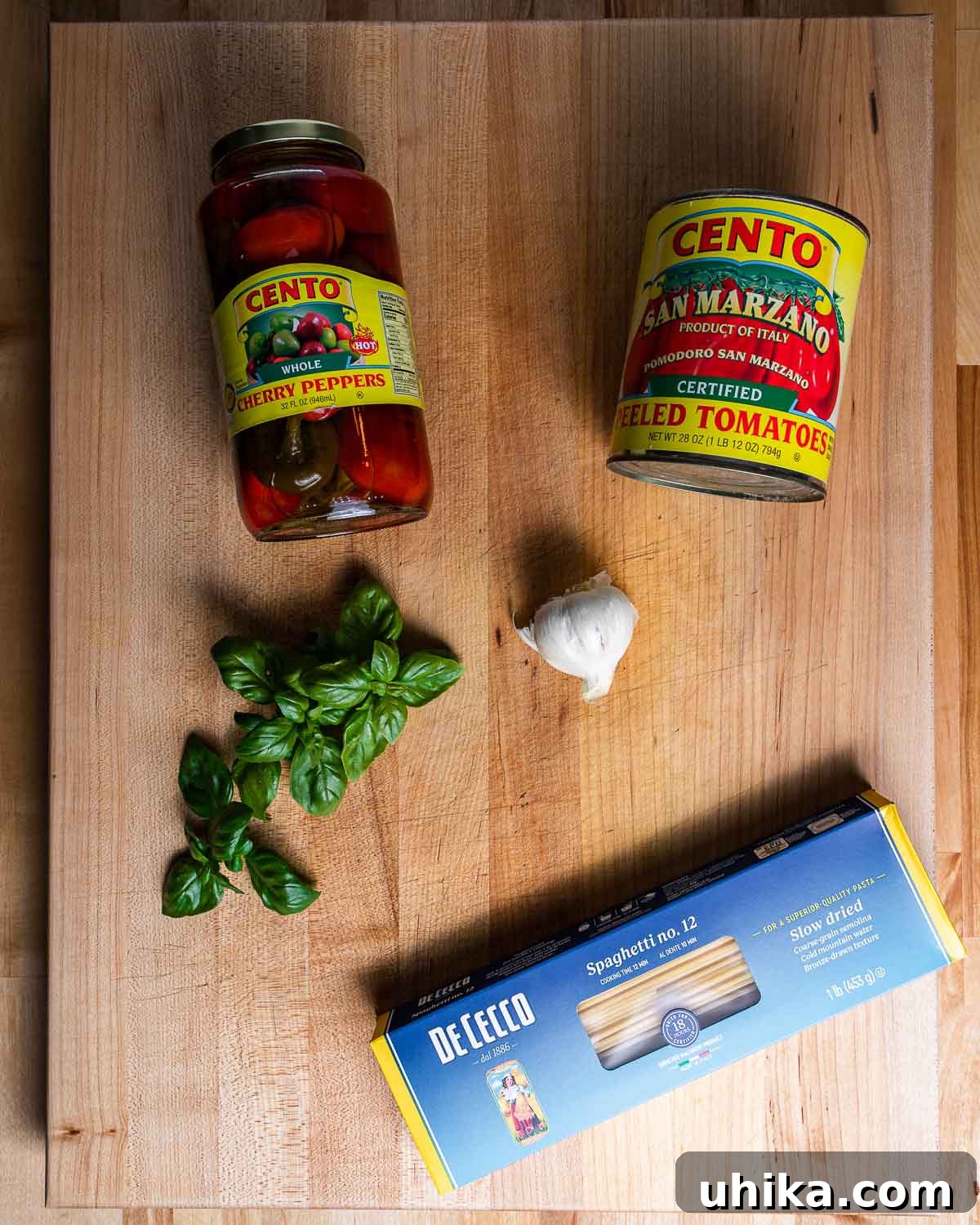
Mastering Spaghetti Arrabbiata: A Step-by-Step Guide
Creating an authentic and delicious Spaghetti Arrabbiata is a rewarding experience. It’s a dish that celebrates fresh ingredients and simple cooking techniques. Follow these steps to achieve a perfectly balanced and spicy pasta dish:
Preparing Your Ingredients for Perfection
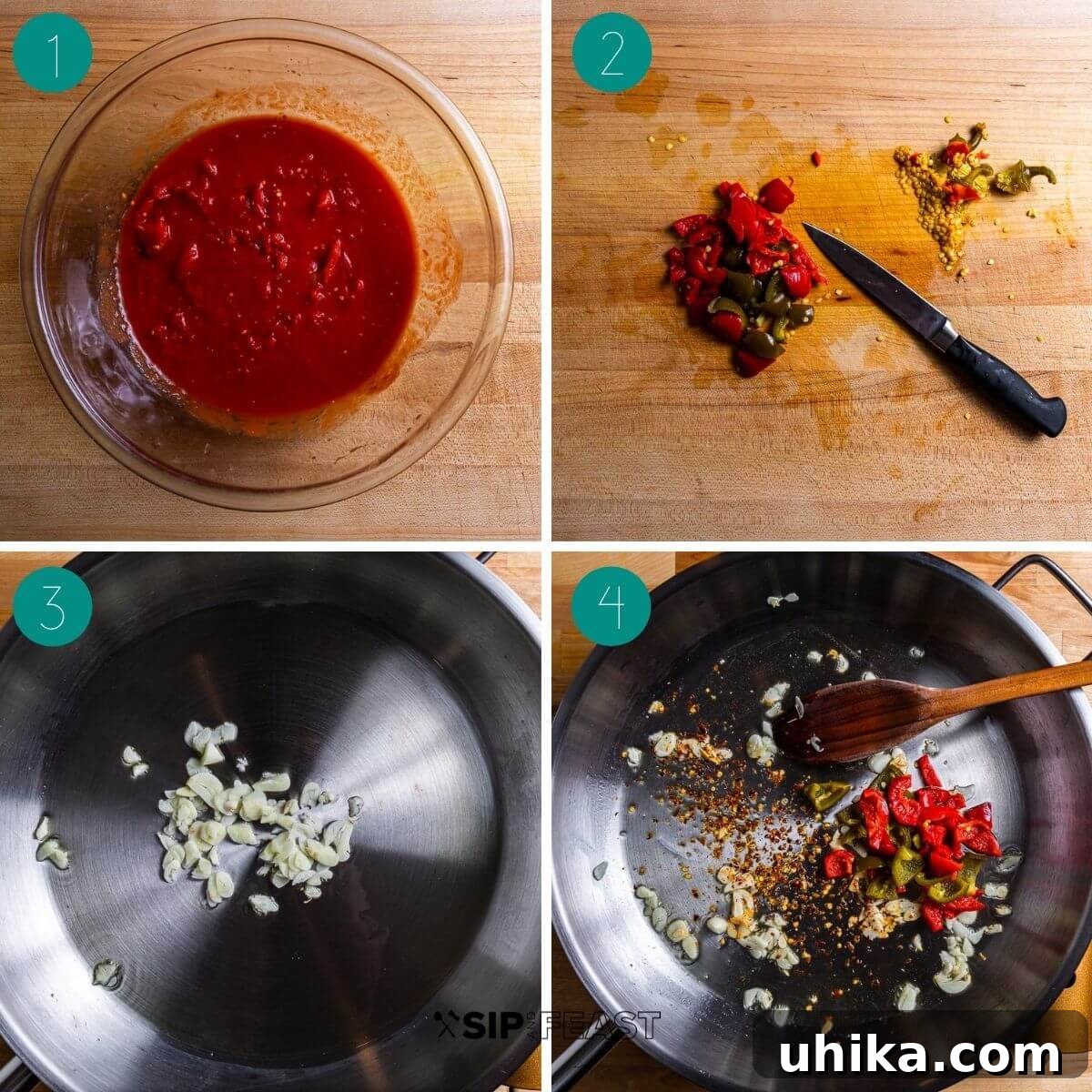
- Begin by preparing your tomatoes. If using canned plum tomatoes, gently crush them by hand in a bowl. This method preserves some texture, adding to the rustic charm of the sauce. Alternatively, a few quick pulses in a blender can achieve a smoother consistency, if preferred.
- Next, tackle the peppers. Remove the stems and seeds from your cherry peppers, then give them a rough chop. For the garlic, thinly slice each clove. This ensures the garlic infuses the oil without burning and releases its flavor gradually.
Crafting the Robust Arrabbiata Sauce
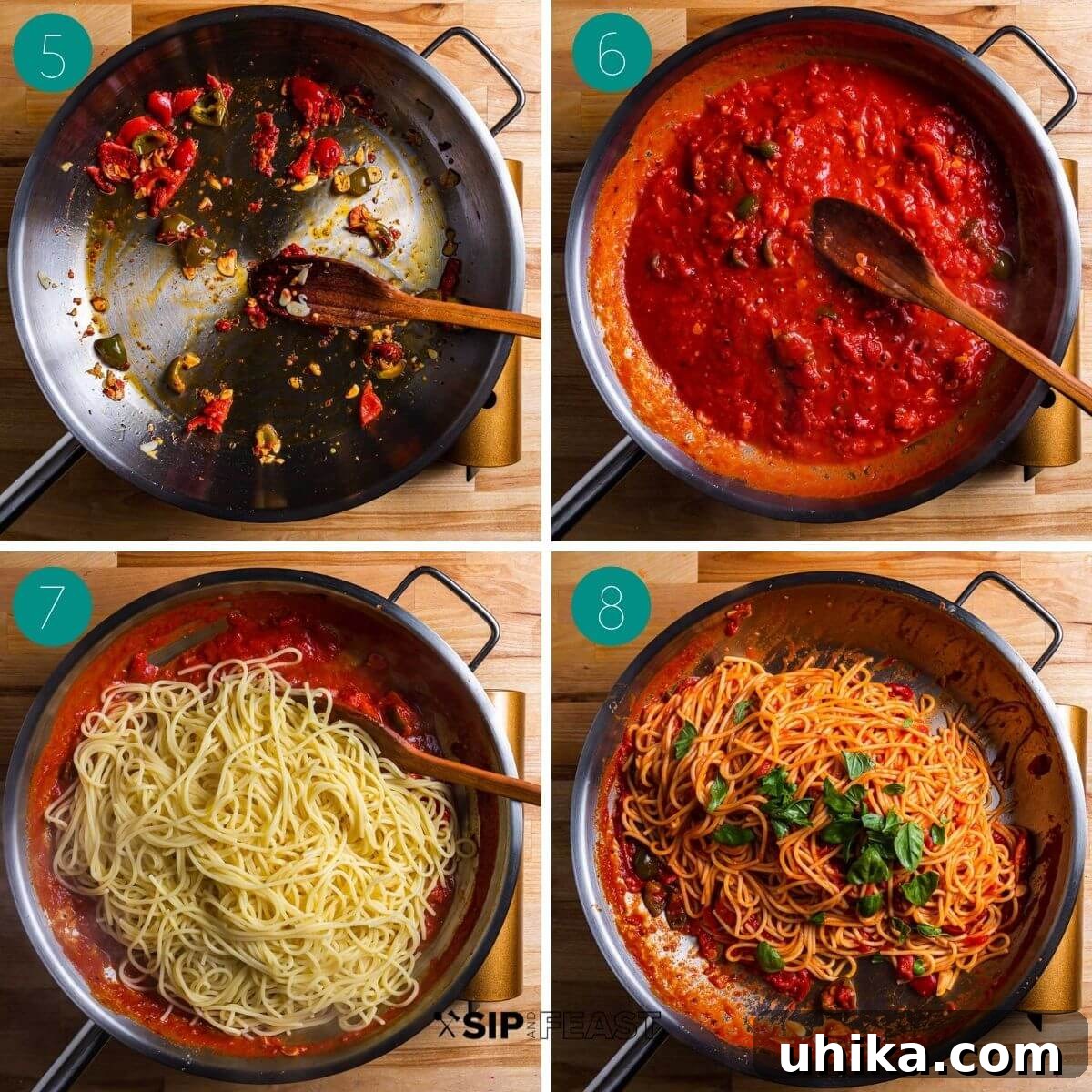
- Heat a large pan over medium-low heat. Add about a quarter cup of good quality olive oil. Once shimmering, add the sliced garlic. Sauté gently until the garlic is lightly golden brown, about 2 minutes. This slow cooking extracts maximum flavor without bitterness.
- Introduce the heat: add the chopped cherry peppers and crushed red pepper flakes to the pan. Cook for another 30 seconds, allowing their spicy aromatics to bloom in the hot oil. Be mindful not to let them burn.
- Stir in the tomato paste. Cook for 3-5 minutes, stirring frequently. This crucial step caramelizes the tomato paste, deepening its flavor and adding a layer of umami to the sauce.
- Pour in the crushed plum tomatoes and give all the ingredients a thorough stir. Bring the sauce to a low simmer, continuing to stir occasionally. Let it gently bubble, allowing the flavors to meld and intensify.
Bringing it All Together: Pasta and Finishing Touches
- While your arrabbiata sauce is simmering, bring a large pot of heavily salted water (about 2 tablespoons of kosher salt) to a rolling boil. Add your spaghetti and cook until it is very al dente – meaning it should still have a firm bite. This allows it to finish cooking in the sauce, absorbing its flavors perfectly.
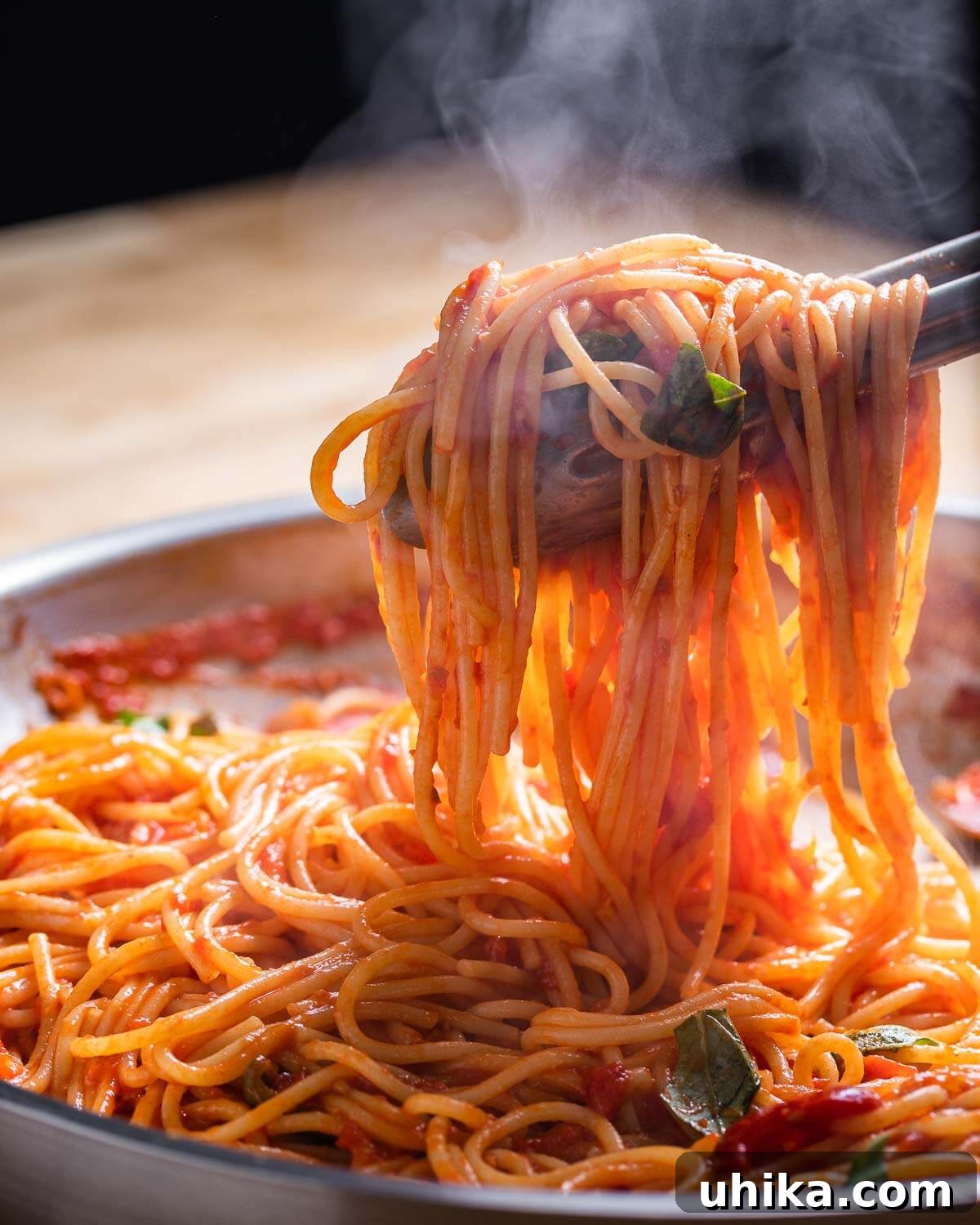
- Once the pasta is al dente, transfer it directly into the saucepan with the simmering arrabbiata sauce. Cook together for 30-60 seconds over medium-low heat. This step is key for the pasta to absorb the sauce’s flavors. If the sauce seems too thick, add a few ounces of the reserved pasta water to loosen it to your desired consistency. Toss or stir the pasta well to ensure every strand is beautifully coated.
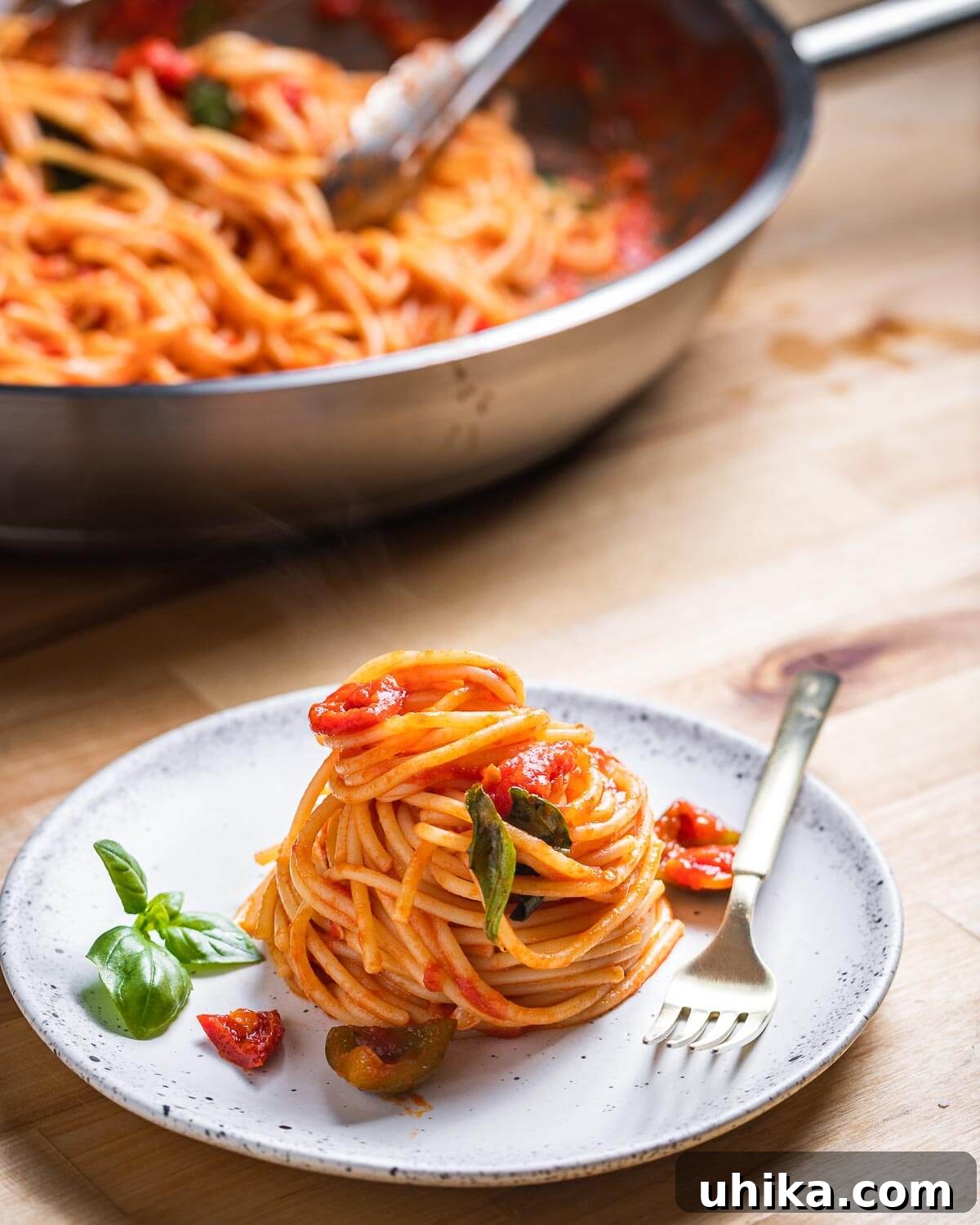
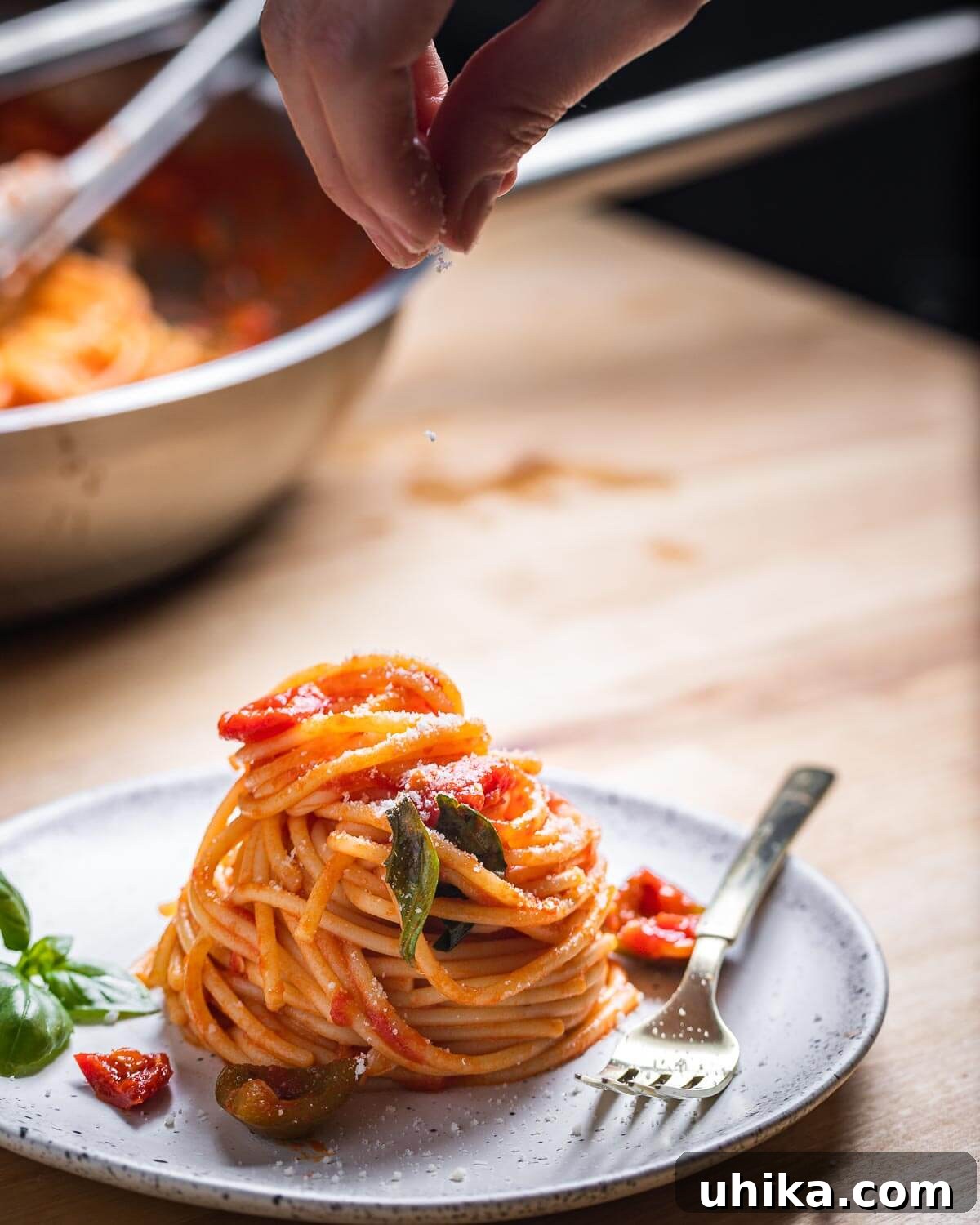
- Remove the pan from the heat. Just before serving, hand-tear fresh basil leaves and sprinkle them over the pasta. Serve immediately with a generous grating of Pecorino Romano or Parmesan cheese. Enjoy this delightful combination of fresh, smoky, and spicy flavors!
Choosing Your Heat: Peppers for Authentic Arrabbiata
The choice of peppers is paramount to defining the character of your Spaghetti Arrabbiata. While some might conflate Arrabbiata with Fra Diavolo due to their shared spiciness, I believe they possess distinct identities, largely due to their primary heat sources. Fra Diavolo, often seen in dishes like Shrimp Fra Diavolo, typically derives its heat predominantly from crushed red pepper flakes.
Arrabbiata, however, embraces a more complex heat. While it certainly benefits from the sharp spice of crushed red pepper flakes, its true depth comes from the addition of hot cherry peppers. These peppers don’t just add heat; they contribute a unique smoky and slightly tangy flavor that elevates the sauce far beyond a simple chili flake punch. Many traditional Italian restaurants, especially in areas like New York and New Jersey, recognize this and incorporate jarred cherry peppers (sometimes called vinegar peppers) into their arrabbiata.
I genuinely encourage you to explore the world of cherry peppers. They are readily available and offer a layer of flavor that pure chili flakes simply can’t replicate. While online recipes often default to just crushed red pepper, the smoky, bright notes of cherry peppers are a game-changer. As I often emphasize on the Sip and Feast YouTube channel, cooking is about making a dish your own, so feel free to experiment and find your perfect balance of heat and flavor.
These versatile peppers are a favorite in my kitchen, appearing in many of my recipes, such as Chicken Scarpariello, Pork Chops with Vinegar Peppers, and Orecchiette with Sausage and Broccoli Rabe. Their consistent heat and flavorful brine make them an excellent addition to a wide array of dishes.
For those who crave even more intensity, Calabrian chili peppers are an excellent alternative. These vibrant, fruity, and often spicier chilis can add a deeper, more profound heat to your arrabbiata. If you opt for Calabrian chilis, I recommend starting with a small amount and tasting as you go, as their spice level can vary significantly. They are a fantastic condiment for any food needing an extra kick, and they certainly lend themselves beautifully to this “angry” pasta sauce.
Expert Tips for the Ultimate Arrabbiata Experience
Elevating Your Arrabbiata
- Umami Boost with Anchovies: For an unexpected depth of flavor, consider adding a few anchovy fillets (2-3) to your pan while sautéing the garlic. Mash them with your spoon as they cook; they will dissolve into the oil, adding a rich, savory umami note without making the sauce taste fishy. This secret ingredient is a common chef’s trick to enhance tomato sauces.
- Customize the Heat: The “angry” nature of Arrabbiata is entirely in your hands! If you’re a true spice enthusiast, feel free to increase the amount of crushed red pepper flakes and cherry peppers. Bear in mind that while this is one of Italy’s spiciest recipes, it might be considered mild by those accustomed to Indian or Thai cuisine. Don’t hesitate to dial up the heat to match your personal preference.
- Versatile Pairing: Beyond its classic pairing with spaghetti, arrabbiata sauce is incredibly versatile. As previously mentioned, it pairs wonderfully with shrimp, but its robust flavor profile also complements a wide array of seafood. Imagine it with succulent clams, tender mussels, or luxurious lobster for a truly gourmet experience. It also works beautifully with chicken, Italian sausage, or even plant-based proteins like eggplant for a vegetarian option.
- Pasta Water is Gold: Always reserve some pasta water before draining. Its starchy consistency is perfect for loosening the sauce to your desired thickness and helping it cling better to the pasta. It’s an emulsifier that brings the sauce and pasta together beautifully.
- Quality Ingredients Matter: Since Arrabbiata relies on a few core ingredients, their quality is paramount. Opt for high-quality extra virgin olive oil, fresh garlic, ripe San Marzano plum tomatoes, and vibrant fresh basil for the best results.
- Finishing with Cheese: While some purists argue against cheese with seafood pasta, Pecorino Romano (a sheep’s milk cheese) or Parmesan are traditional and delicious choices for Arrabbiata. Their salty, sharp notes perfectly complement the spicy tomato sauce.
More Quick & Flavorful Pasta Recipes
Explore Other Speedy Pasta Delights
Spaghetti Arrabbiata’s speedy preparation time makes it a cherished go-to in my kitchen. If you’re often short on time but refuse to compromise on flavor, you’ll love these other quick pasta recipes, all of which can be prepared in 30 minutes or less:
- Spicy Pepper Bucatini – A vibrant dish featuring Cubanelle, Long Hots, and bell peppers, enriched with a touch of anchovy and Pecorino in a garlicky sauce.
- Assassin’s Pasta – For the truly adventurous, this spicy, crispy pasta offers a unique texture and intense heat.
- Pasta al Limone – A creamy, bright, and utterly comforting lemon pasta, perfect for a lighter, yet satisfying meal.
- Linguine Aglio e Olio – The quintessential Italian simple pasta, with garlic, olive oil, fresh parsley, and a hint of red pepper flakes for a subtle warmth.
- Bucatini Cacio e Pepe – A Roman classic, celebrating the simple elegance of cheese and black pepper in a silky sauce.
- Spaghetti Amatriciana – Another beloved Roman dish, featuring savory pancetta, sweet tomatoes, and a generous sprinkle of Pecorino cheese.
- Spaghetti Carbonara – The iconic Roman dish, made with eggs, guanciale (or pancetta), and Pecorino Romano for a rich and creamy sauce.
We love hearing about your culinary adventures! If you’ve tried this Spaghetti Arrabbiata recipe or any other recipe from this site, please share your experience in the comments below. Your feedback and success stories are invaluable to us and helpful to other home cooks. Thank you!
For those who prefer visual learning, be sure to watch the video below where Jim demonstrates how to prepare this recipe with easy-to-follow instructions. You can find most of our recipes and cooking demonstrations on our YouTube channel and our Facebook Page.
Spaghetti Arrabbiata
by James Delmage
Prep: 5 mins | Cook: 20 mins | Total: 25 mins
Servings: 4
Print Recipe |
Pin Recipe
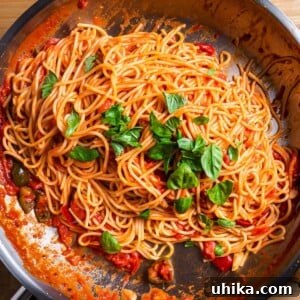
Spaghetti arrabbiata is a quick and easy pasta dish made with crushed tomatoes, garlic, cherry peppers, and basil that can be on your table in under 30 minutes.
Ingredients
- 1 pound spaghetti
- 1 28-ounce can plum tomatoes, hand crushed or blender pulsed
- 3 tablespoons tomato paste
- 4 cloves garlic, sliced
- 1/4 cup olive oil
- 3 medium hot cherry peppers, seeded and stems removed, chopped
- 1/2 teaspoon crushed hot red pepper flakes
- 1/2 teaspoon kosher salt, plus more to taste
- 1/4 cup basil, chopped
Instructions
- In a large pan over medium-low heat, sauté the sliced garlic in a ¼ cup of olive oil.
- Once the garlic turns lightly golden (about 2 minutes), add the cherry peppers and crushed red pepper flakes and cook for 30 seconds more. Add the tomato paste and cook for 3-5 minutes, stirring frequently.
- Add the plum tomatoes and give it all a stir. Bring to a low simmer, stirring frequently.
- While the sauce is simmering, bring a large pot of salted water (2 tablespoons kosher salt) to a boil and cook pasta to al dente.
- Add the al dente pasta to the pan and cook for 30-60 seconds on medium-low heat. If necessary, add a couple ounces of pasta water to loosen the sauce. Toss the pasta or stir to coat well. Turn off the heat and plate immediately.
- Hand tear basil leaves and add to the pasta right before serving. Serve with grated Pecorino Romano or Parmesan cheese. Enjoy!
Notes
- Cook the pasta very al dente so that it can be finished in the sauce. Finishing the pasta in the sauce will allow the sauce to stick and not slide off the pasta.
- More salt might be needed depending on the brand of tomatoes used.
- Leftovers can be saved in the fridge for up to 3 days.
Nutrition
Calories: 495kcal | Carbohydrates: 75.5g | Protein: 16g | Fat: 15.7g | Saturated Fat: 2.2g | Cholesterol: 83mg | Sodium: 358mg | Potassium: 746mg | Fiber: 2.8g | Sugar: 9.4g | Calcium: 55mg | Iron: 5mg
Nutrition information is automatically calculated, so should only be used as an approximation.
Like this? Leave a comment below!
Check us out on Instagram at @sipandfeast or tag #sipandfeast!