
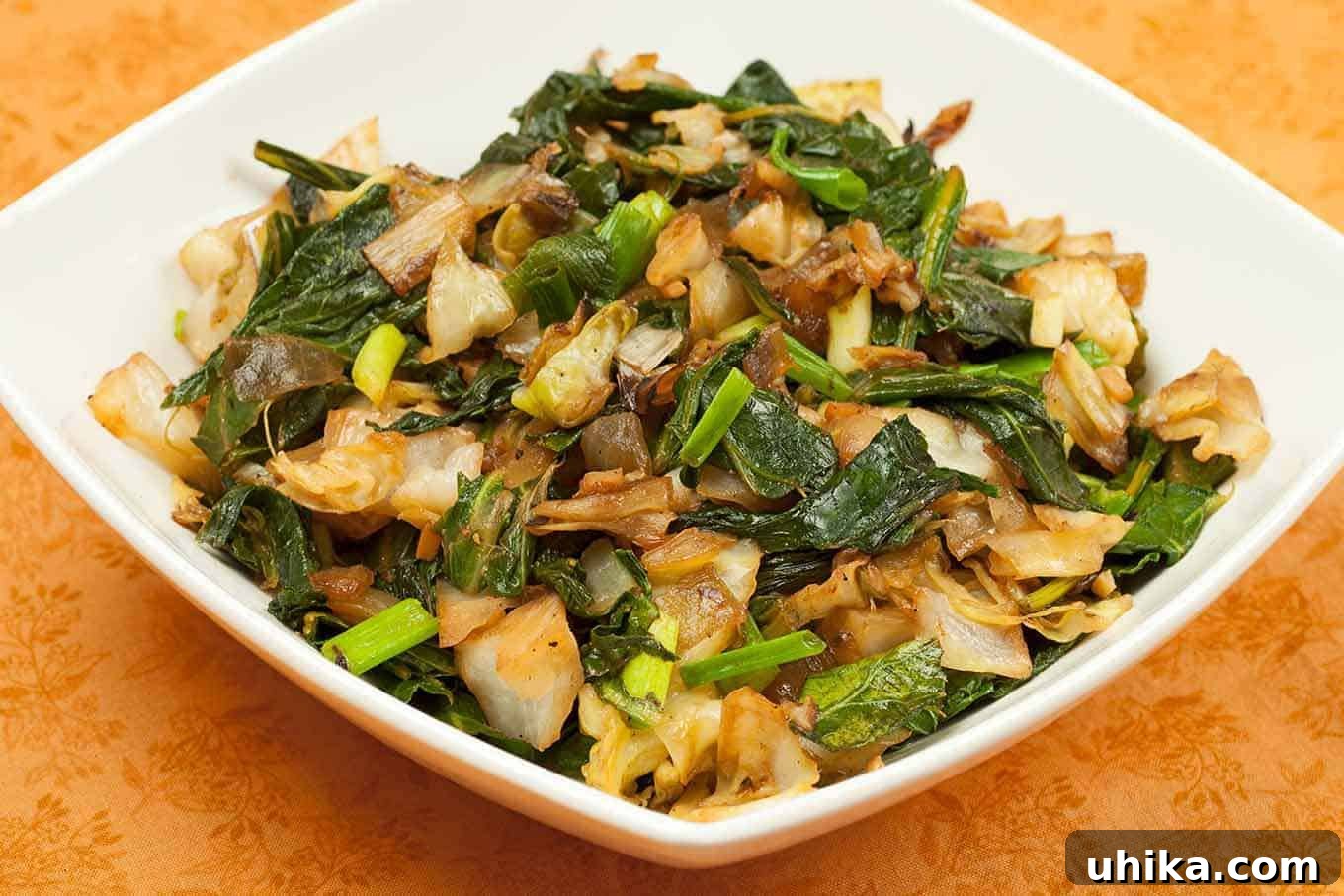
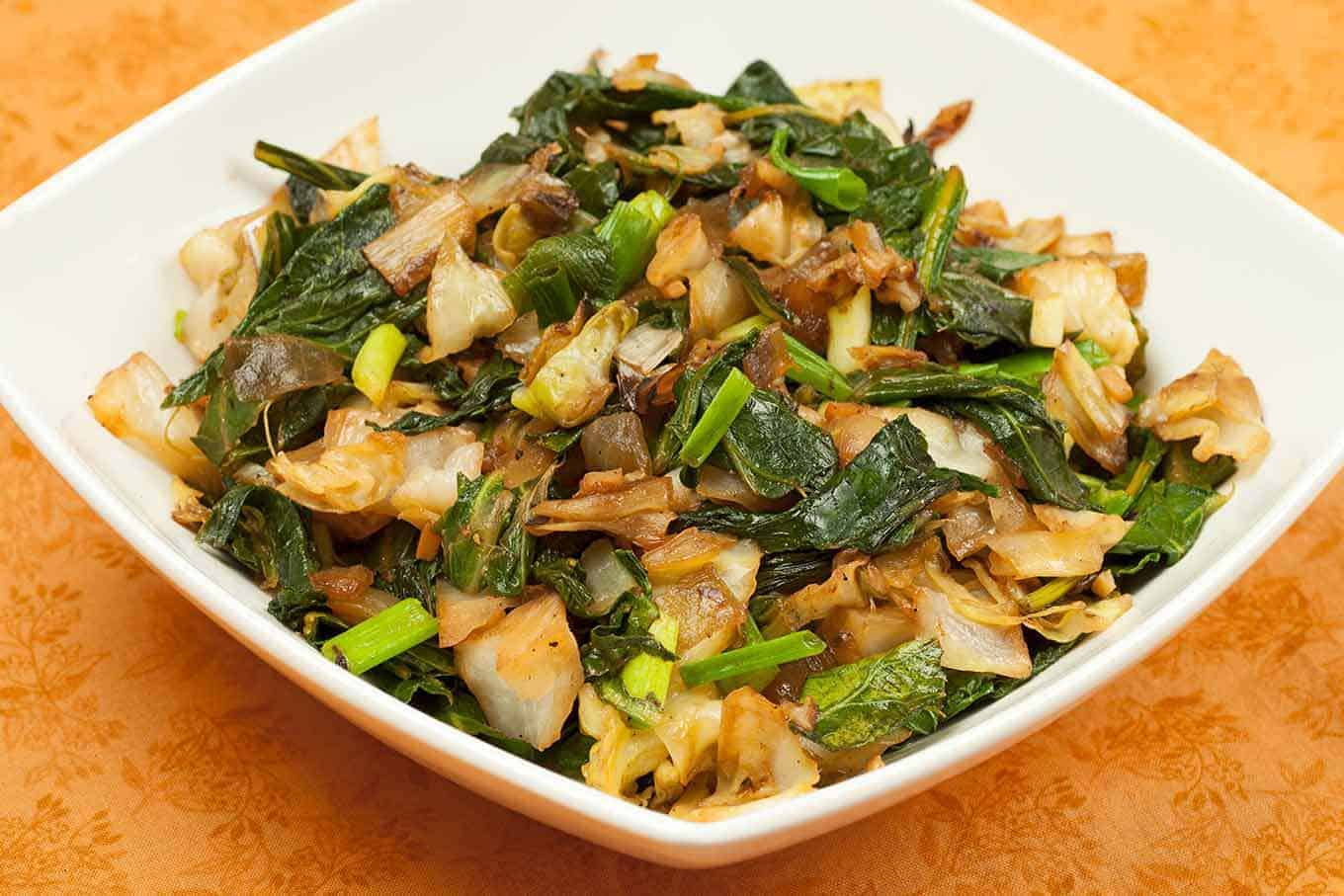
Sautéed Cabbage and Kale: A Flavorful and Healthy Side Dish
In the culinary world, simplicity often yields the most profound flavors. This holds true for our exquisite recipe for sautéed cabbage and kale. Far from being just another green side dish, this vibrant combination offers a depth of flavor that will surprise and delight your palate. By taking the time to properly caramelize the cabbage, we unlock its natural, sweet essence, creating a harmonious blend with the earthy, slightly bitter notes of tender kale. The result is a healthy, comforting, and remarkably versatile vegetable side that elevates any meal.
While patience is key to achieving that perfect caramelized cabbage, the process is straightforward and the rewards are immense. Imagine a dish bursting with savory-sweet goodness, complementing everything from juicy pan-seared pork chops to perfectly baked chicken breasts or even a simple vegetarian entree. This isn’t just a side dish; it’s an experience in wholesome, home-cooked perfection. Join us as we explore the journey of transforming humble vegetables into a culinary masterpiece.
Why Cabbage and Kale? The Powerhouse Pair
Cabbage and kale are more than just common vegetables; they are nutritional powerhouses packed with vitamins, minerals, and antioxidants. Incorporating them into your diet is a fantastic way to boost your overall health. Cabbage, a cruciferous vegetable, is an excellent source of Vitamin C and K, fiber, and various compounds known for their anti-inflammatory properties. When caramelized, its natural sugars concentrate, creating an irresistible sweetness that balances its slight peppery undertone.
Kale, often hailed as a superfood, is brimming with Vitamins A, C, and K, as well as calcium and potassium. Its robust texture and slightly bitter flavor soften beautifully when sautéed, adding a pleasant contrast to the sweet cabbage. Together, they create a nutrient-dense side dish that is both satisfying and incredibly good for you. This pairing isn’t just about nutrition; it’s about a fantastic textural and flavor interplay that makes this dish a standout addition to any dining table.
★★★★☆ 4.54 from 47 votes
Sautéed Cabbage and Kale Recipe
Lynne Webb
10
35
45
4 to 6 servings
Rate Recipe
Print Recipe
Ingredients
- 1 small head of cabbage, chopped (about 1 lb or 6 cups)
- 1 lb fresh kale, stemmed and roughly chopped
- 3 tablespoons olive oil
- 1/2 cup onion, chopped
- 2 cloves garlic, very finely chopped
- 1 tablespoon butter
- 1 bunch scallions, (4 to 5 scallions), chopped
- Salt and freshly ground black pepper, to taste
Ingredient Spotlight: Tips for Selection and Preparation
Choosing the right ingredients is the first step towards a fantastic dish. For the cabbage, opt for a small, firm head that feels heavy for its size, indicating freshness and moisture. Green cabbage is commonly used and caramelizes beautifully, but savoy cabbage can also offer a slightly milder flavor and a more delicate texture. When chopping, aim for uniform pieces to ensure even cooking and caramelization.
For kale, look for dark, vibrant green leaves without any yellowing or wilting. Both curly kale and Lacinato (dinosaur) kale work wonderfully here. Lacinato kale tends to be a bit more tender and has a slightly sweeter, nuttier flavor. Remember to thoroughly wash your kale and remove the tough central stems before roughly chopping the leaves. A good trick for preparing kale is to gently massage it with a tiny bit of olive oil before cooking; this helps break down its fibrous texture and makes it even more tender, although it will soften significantly during sautéing.
The onion and garlic form the aromatic foundation of this dish. Use a yellow or white onion for a balanced flavor, chopped finely so it melts into the background. For garlic, fresh is always best. Finely chopping it ensures its potent flavor distributes evenly without overpowering the delicate sweetness of the caramelized cabbage.
Instructions
-
Step 1: Sauté the Aromatics. Heat the olive oil in a large, heavy-bottomed pan or Dutch oven over medium heat. Once shimmering, add the chopped onion and cook for 3 to 4 minutes, stirring occasionally, until it begins to soften and become translucent. Avoid browning the onion at this stage.
-
Step 2: Infuse with Garlic. Add the very finely chopped garlic to the pan and continue cooking for just 1 minute longer. The goal is to make it fragrant, not burnt, so keep a close eye on it.
-
Step 3: Caramelize the Cabbage (First Batch). Add approximately one-third of the chopped cabbage to the pan. Season with a generous pinch of salt. Cook, stirring frequently, until the cabbage wilts significantly and reduces in bulk. This initial cooking helps release moisture and create space in the pan.
-
Step 4: Continue Caramelization. Repeat the process with the remaining two batches of cabbage, adding each batch after the previous one has wilted down. Be sure to season each addition with a little more salt. This batch-cooking method is crucial for allowing the cabbage to truly caramelize rather than steam, developing that deep, natural sweetness we’re after.
-
Step 5: Golden Perfection. Continue cooking all the cabbage, stirring often, for an additional 15 to 18 minutes. The cabbage should transform into a beautiful golden-brown color, indicating it’s perfectly caramelized and tender. Adjust the heat as needed to prevent burning; medium-low is often ideal for a slow, even caramelization.
-
Step 6: Enhance Flavors. Stir in the butter and add a few generous grinds of fresh black pepper. Taste and adjust the salt levels as needed, keeping in mind that the caramelization process intensifies flavors.
-
Step 7: Introduce the Kale. Add the stemmed and chopped kale to the pan. Continue cooking, stirring regularly, until the kale has completely wilted and become tender, which typically takes about 3 to 4 minutes. Then, incorporate the chopped scallions and cook for another minute or two, just until they are slightly softened but still retain their bright green color and fresh bite.
-
Step 8: Serve. Transfer the sautéed cabbage and kale to a warm serving dish and enjoy immediately.
Tips for Achieving the Best Sautéed Cabbage and Kale
- Don’t Rush the Cabbage: The key to this recipe’s incredible flavor is the caramelization of the cabbage. This takes time, usually 15-20 minutes after all the cabbage is in the pan. Resist the urge to crank up the heat, as this will lead to burning rather than browning.
- Season in Layers: Adding a pinch of salt with each batch of cabbage helps draw out moisture, facilitating caramelization, and builds flavor throughout the dish.
- Use a Large Pan: Ensure your pan is large enough to comfortably hold all the cabbage and kale. Overcrowding the pan will cause the vegetables to steam instead of sauté, preventing proper caramelization.
- Freshness Matters: The quality of your ingredients directly impacts the final taste. Use fresh, firm cabbage and vibrant, healthy kale for the best results.
- The Butter Finish: Adding butter at the end contributes a rich, nutty flavor that beautifully complements the sweet cabbage and earthy kale.
Serving Suggestions and Flavor Variations
This sautéed cabbage and kale is incredibly versatile and pairs well with a multitude of main dishes. Beyond pan-seared pork chops and chicken, consider serving it alongside:
- Roasted turkey or duck
- Grilled salmon or cod
- Hearty beef roasts or steaks
- Vegetarian options like grilled halloumi or baked tofu
- As a flavorful bed for poached eggs
To further customize this dish, explore these variations:
- A Touch of Acidity: A splash of apple cider vinegar, balsamic vinegar, or a squeeze of fresh lemon juice at the end can brighten the flavors and add a pleasant tang.
- Spicy Kick: A pinch of red pepper flakes added with the garlic will introduce a subtle heat.
- Umami Boost: A dash of soy sauce or tamari (for gluten-free) can add depth and savoriness.
- Herbal Freshness: Fresh thyme or rosemary sprigs can be added with the cabbage for an aromatic twist. Remove the sprigs before serving.
- Crunch and Texture: Toasted pine nuts, slivered almonds, or even crispy crumbled bacon can add a delightful textural contrast.
- Make it a Meal: Transform this side into a light main course by stirring in cooked chickpeas, white beans, or sliced grilled sausage during the last few minutes of cooking.
Like this recipe? Rate and comment below!