
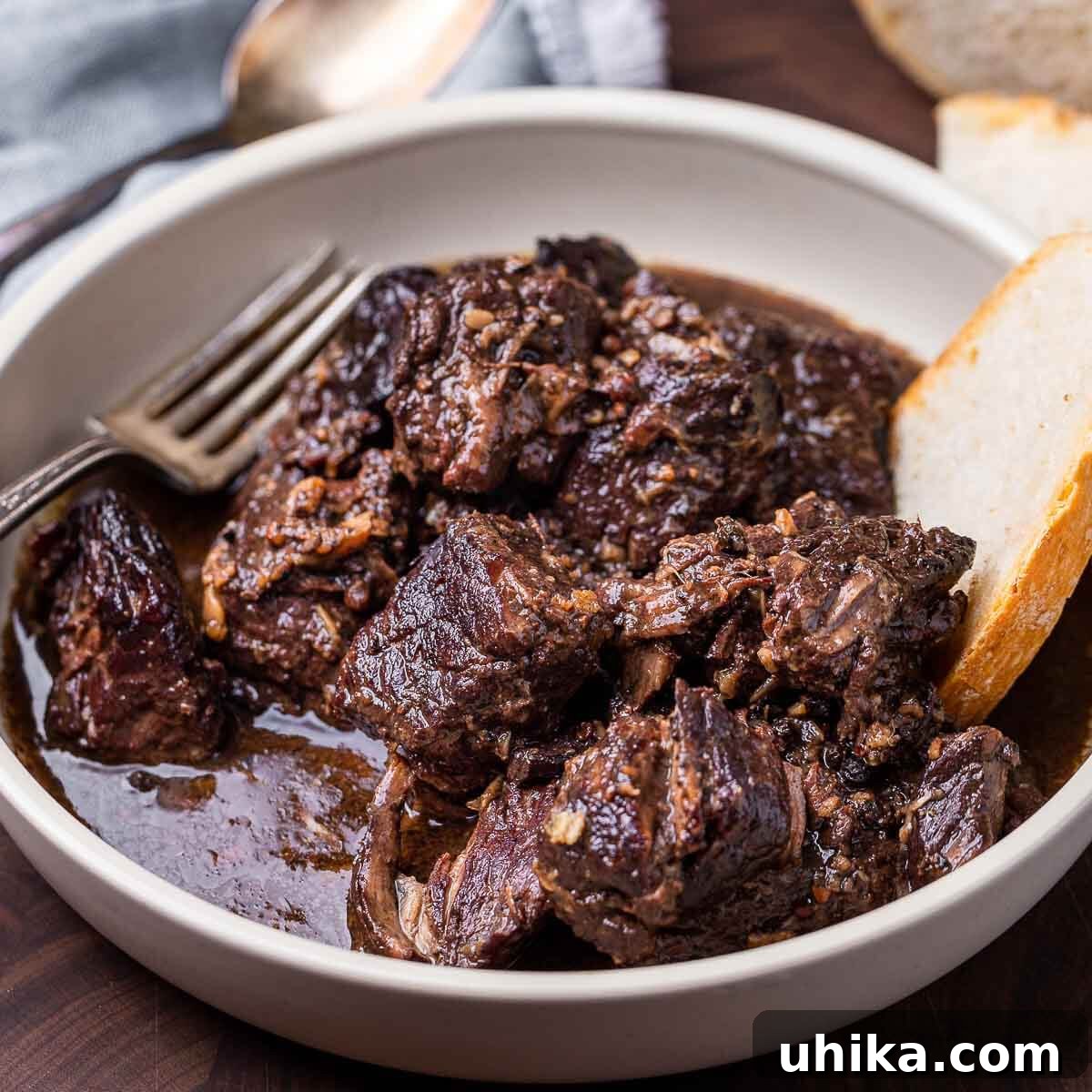
Authentic Peposo: A Hearty Tuscan Black Pepper Beef Stew
Delight your senses with Peposo, a truly exceptional Tuscan beef stew that transforms a handful of humble ingredients into a rich, deeply flavored culinary masterpiece. This hearty Italian classic features succulent chuck roast, slow-braised to tender perfection in a robust sauce of Chianti wine and an generous amount of black pepper. Traditionally served with rustic crusty bread to soak up every drop of its savory broth, Peposo is also wonderfully complemented by creamy polenta or fluffy mashed potatoes for a truly comforting meal.
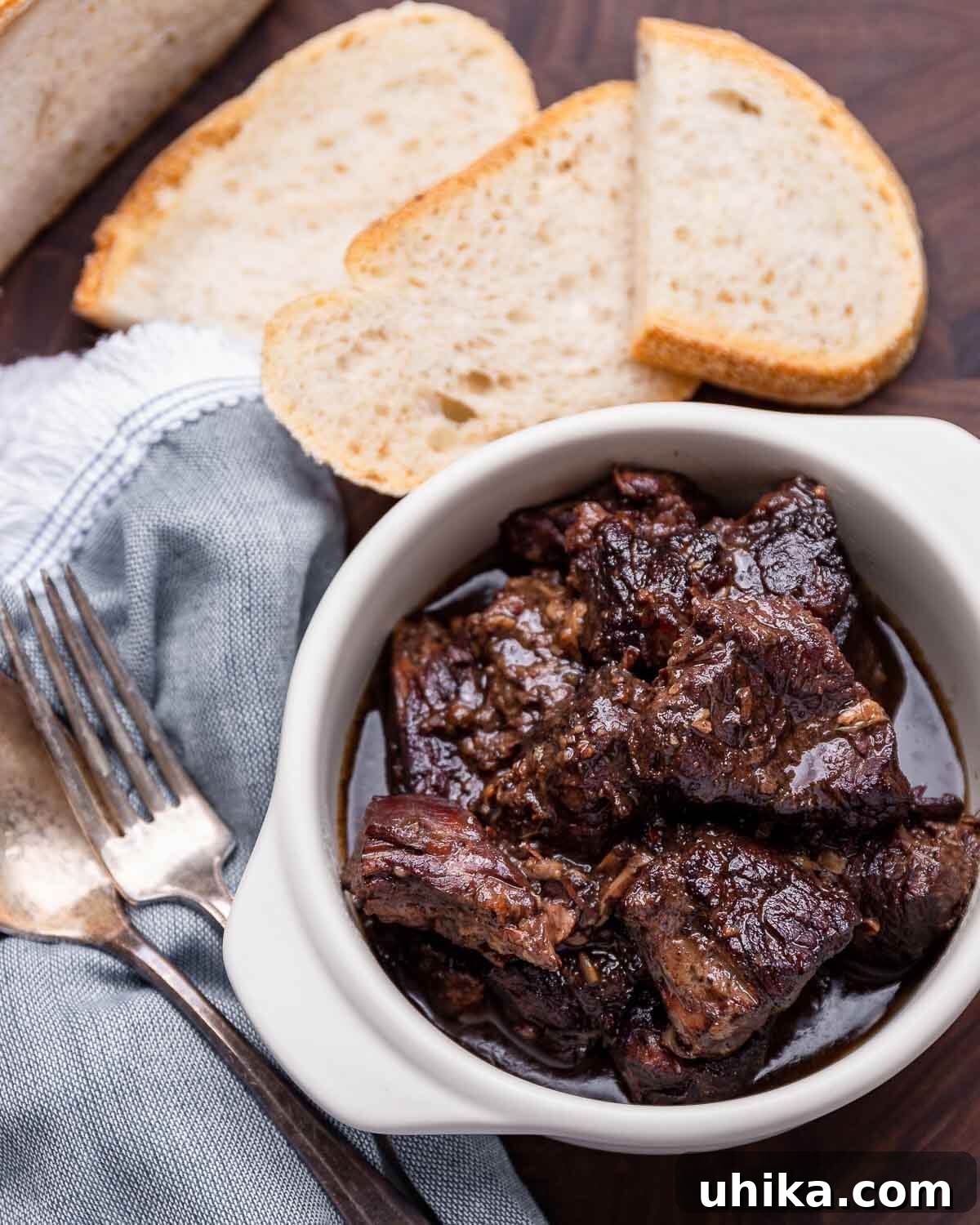
Discover the Unforgettable Flavor of Peposo
The first time one experiences Peposo, it's often the profound and complex flavor of the black pepper that leaves the most lasting impression. You might initially raise an eyebrow at the recipe's call for a full 1 ½ tablespoons of black pepper, wondering if it's a typo. Rest assured, it's precisely correct – and it's the secret to this stew's unique charm.
Unlike simply adding pepper at the end, the copious amount of black peppercorns is stewed alongside the beef and Chianti for several hours. This extended cooking process allows the pepper's intense heat to mellow and transform, its volatile compounds evolving into a fragrant, earthy, and surprisingly sweet spice that defines the dish. The result is a depth of flavor that is truly wonderful, a testament to the magic of slow cooking.
Why Peposo Will Become Your New Favorite Beef Stew
Peposo, often referred to as Tuscan beef and black pepper stew, holds a special place in many homes. Beyond its incredible taste, its appeal lies in its remarkable simplicity. With just a few core ingredients and a straightforward preparation method, it's the ideal dish for busy weeknights or relaxed weekend cooking. After an initial searing, the stew largely takes care of itself, simmering gently on the stove or in the oven, allowing you to attend to other tasks while it develops its rich flavors.
And let's not forget the aroma! As the Peposo simmers, a captivating scent of savory beef, robust Chianti, and fragrant pepper will permeate your kitchen, creating an irresistible invitation to the delicious meal awaiting you. It's truly reason enough to embark on this culinary journey.
The Simple Origins of Peposo
Peposo is not just any stew; it carries a rich history rooted in the heart of Tuscany, particularly from Impruneta, a town famous for its terracotta production. Legend has it that this robust stew was invented by the "fornaciai," the kiln workers, who used to prepare it in earthenware pots placed near the kilns where bricks and tiles were fired. The constant, low heat of the kilns provided the perfect environment for slow-braising meat, allowing the tough cuts of beef to become incredibly tender and flavorful over many hours.
The simplicity of Peposo's ingredients reflects its humble origins. Workers needed a nourishing, satisfying meal that could cook unattended while they toiled. The abundance of black pepper, a common spice even in earlier times, served not only to flavor the meat but also, some speculate, to mask the taste of less-than-premium cuts of beef. Today, we use quality ingredients to highlight the exquisite balance of flavors that make Peposo a timeless Tuscan treasure.
Key Ingredients for an Authentic Peposo
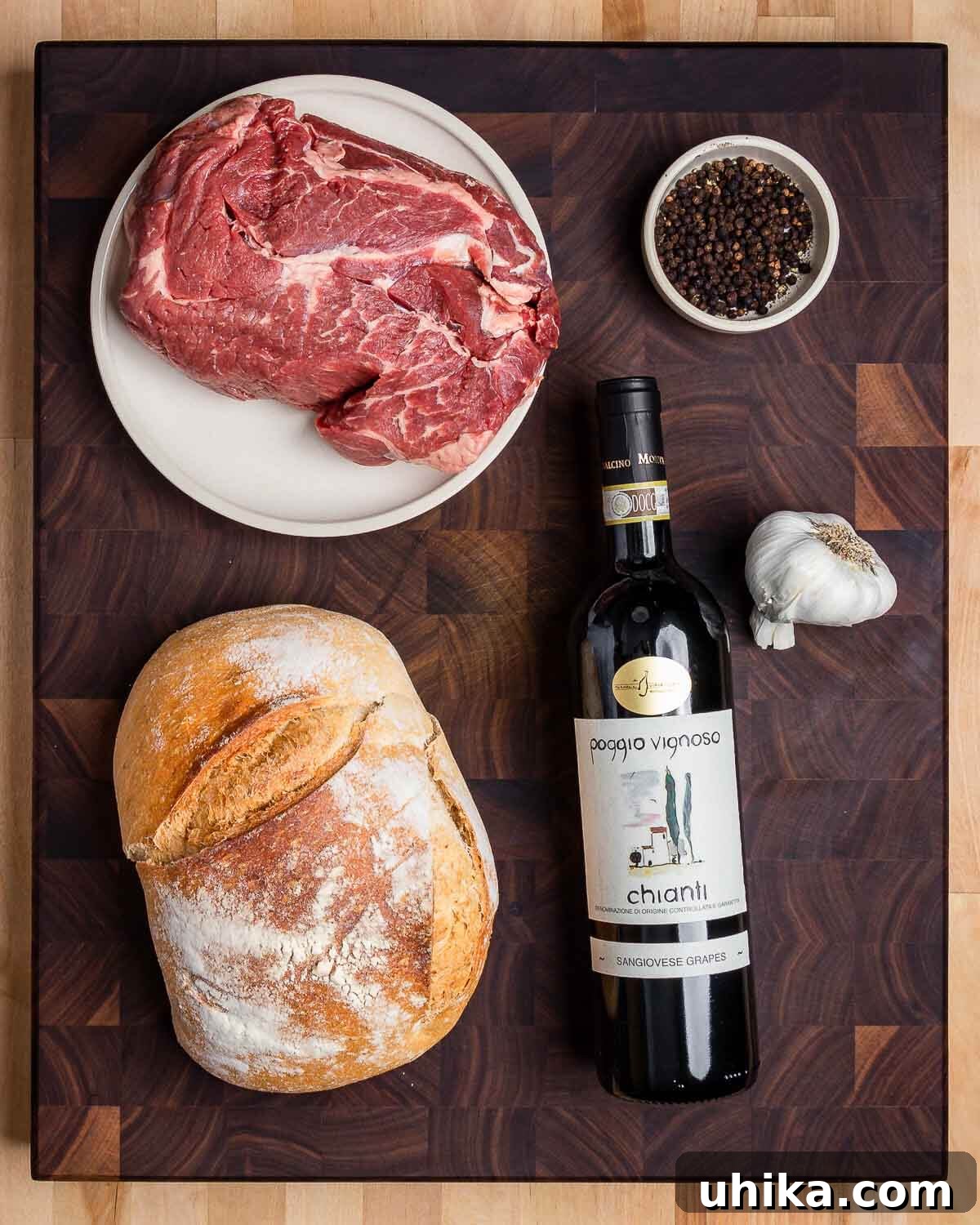
While Peposo boasts incredible depth, it achieves this with surprisingly few components. Here's a closer look at the essential ingredients and why their quality matters:
- Chuck Roast: This cut of beef is ideal for slow cooking. Its marbling and connective tissue break down over hours of braising, yielding incredibly tender and flavorful meat. Look for a good quality chuck roast, and don't be afraid to trim excessive fat if desired, although some fat contributes to the stew's richness.
- Chianti Wine: As a Tuscan stew, using a good quality Chianti is traditional and highly recommended. Its dry, fruity, and slightly acidic notes provide the perfect base for the sauce, tenderizing the meat and infusing it with authentic Italian flavor. If Chianti isn't available, a Sangiovese or even a Cabernet Sauvignon can be a suitable substitute.
- Black Peppercorns: This is the star ingredient! Using whole black peppercorns that are freshly crushed is crucial. Pre-ground pepper will not deliver the same nuanced, aromatic flavor that develops through slow cooking. The quantity might seem large, but the lengthy braising mellows its spice into a warm, earthy essence.
- Garlic: Whole cloves of garlic are gently sautéed to infuse the olive oil, then added back to the stew. Their flavor sweetens and softens over time, complementing the beef and pepper beautifully without overpowering them.
- Olive Oil: A good quality extra virgin olive oil is fundamental to Tuscan cooking. It's used to sear the beef and sauté the garlic, laying the groundwork for the rich flavors of the stew.
Crafting Your Own Tuscan Peposo: A Step-by-Step Guide
Making Peposo is a rewarding process that requires patience but minimal active cooking time. Follow these steps to create a truly authentic and delicious Tuscan beef stew.
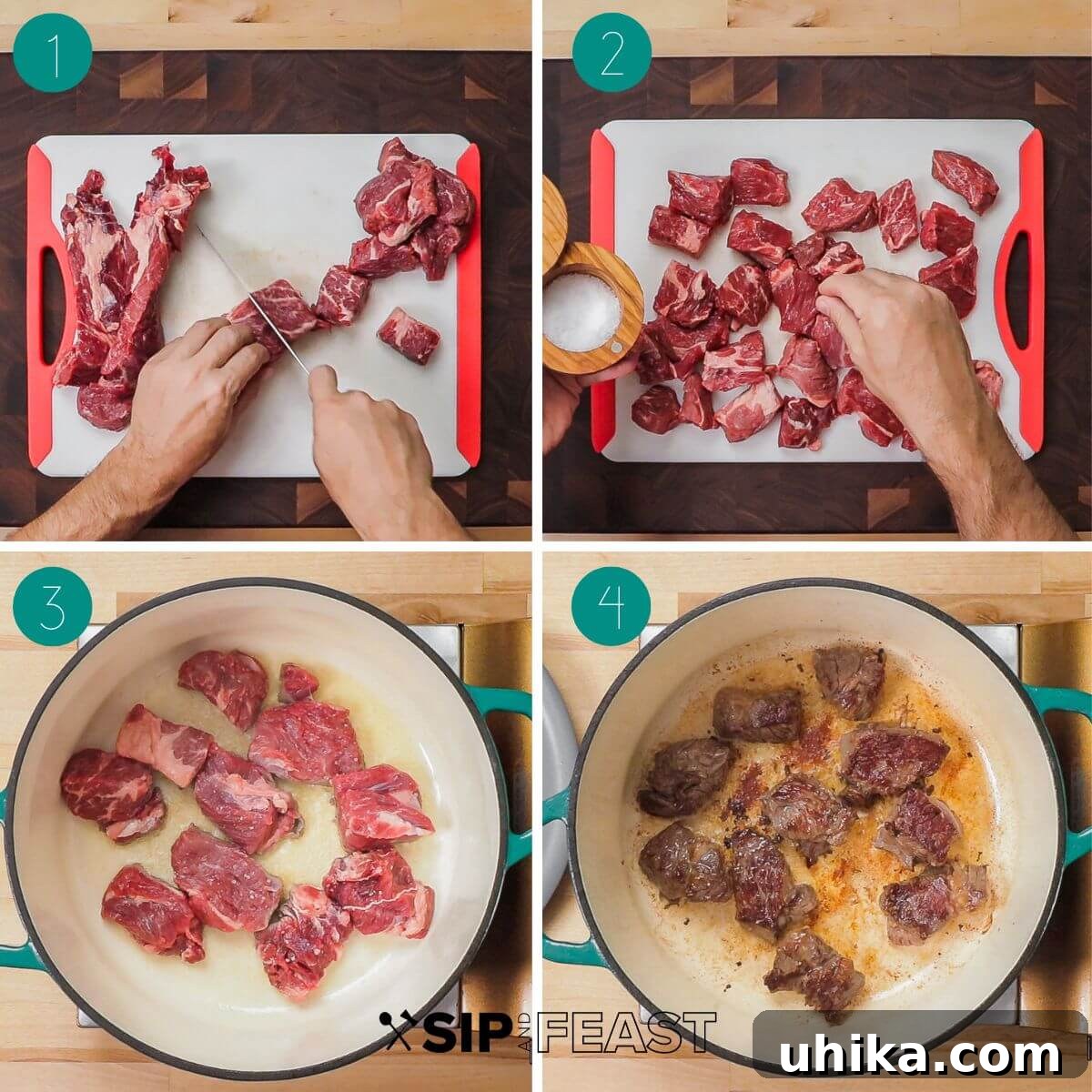
- Prepare the Beef: Begin by slicing a 2 1/2 pound beef chuck roast into generous, large chunks, roughly 1 1/2 to 2 inches in size. If you prefer, you can also purchase pre-cut stew beef. It's crucial to pat these beef chunks thoroughly dry with paper towels. This step is essential for achieving a good sear, which locks in flavor and creates a delicious crust.
- Season the Meat: Season the dried beef chunks generously with 2 teaspoons of kosher salt. A general guideline is 3/4 to 1 teaspoon of kosher salt per pound of beef, but feel free to adjust to your personal taste. Ensure all sides of the beef are coated evenly.
- Sauté the Garlic: Heat a large Dutch oven over medium heat. Add 3 tablespoons of olive oil and 8 whole cloves of garlic. Cook the garlic for 1-2 minutes until they turn a light golden color and become fragrant. Be careful not to burn them. Once golden, remove the garlic cloves from the pot and set them aside; they will be reintroduced later to maintain their sweet, mellow flavor.
- Sear the Beef: Increase the heat slightly to medium-high. Add the seasoned beef chunks to the Dutch oven in batches, ensuring not to overcrowd the pot. Overcrowding will steam the meat instead of searing it. Sear each batch on all sides for about 5-6 minutes total, until beautifully browned. This creates rich, savory fond at the bottom of the pot, which will become the foundation of your stew's deep flavor. Transfer the seared beef to a plate and repeat the process for any remaining batches.
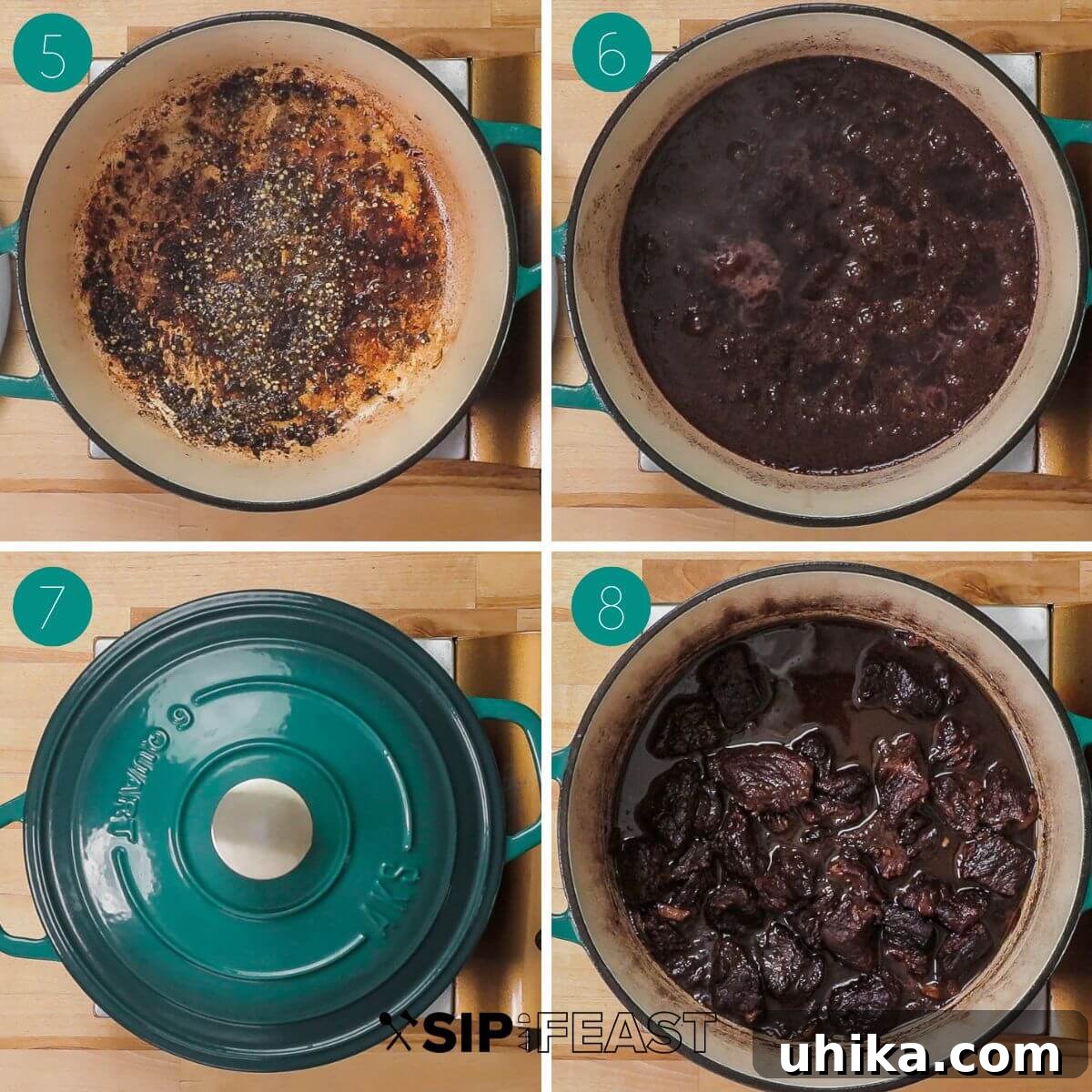
- Bloom the Pepper and Deglaze: In the same Dutch oven, which now holds the flavorful remnants from searing, add 1 1/2 tablespoons of coarsely crushed black peppercorns. Cook for just 30 seconds, allowing the pepper's aromatics to bloom in the hot oil. Immediately turn the heat up to medium-high and pour in a 750ml bottle of Chianti wine.
- Simmer and Reduce: Once the wine begins to bubble, use a wooden spoon to vigorously scrape the bottom of the Dutch oven, dislodging all the flavorful brown bits (fond) that accumulated from searing the beef. This process, known as deglazing, adds incredible depth to the sauce. Let the wine bubble and reduce for 2-3 minutes, allowing some of the alcohol to cook off, then reduce the heat to medium-low.
- Slow Braise for Tenderness: Return the seared beef chunks and the reserved garlic cloves to the pot. Stir to combine, ensuring the beef is submerged in the wine sauce. Cover the Dutch oven tightly with its lid and let it cook for a long, slow braise. Initially, cook covered for 90 minutes. During this time, the heavy lid should prevent sticking, but a quick check won't hurt.
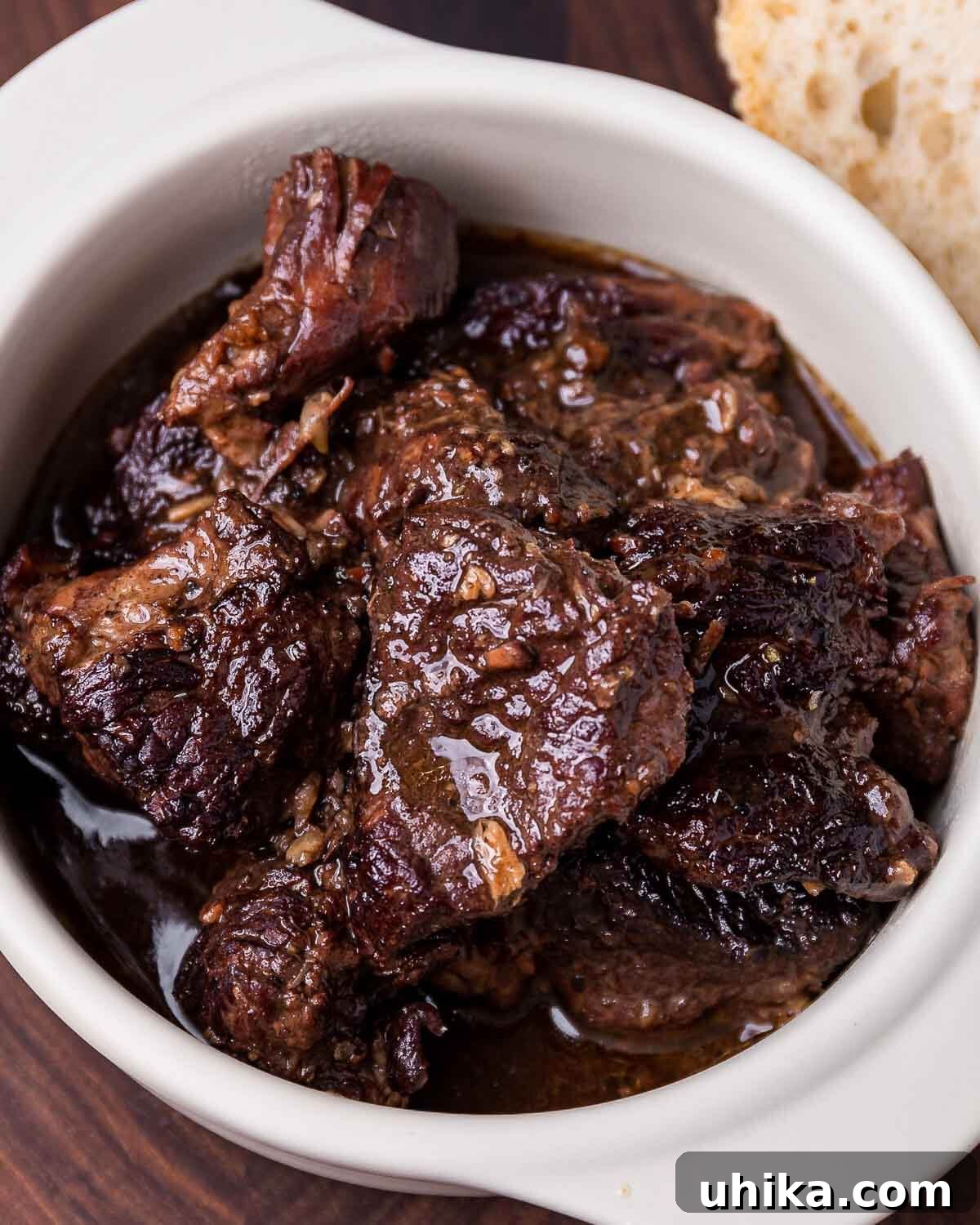
- Finish and Serve: After 90 minutes, remove the lid and continue cooking for another 60-90 minutes, or until the beef is incredibly tender but still holds its shape. Stir the meat occasionally and check for tenderness using a fork. The goal is melt-in-your-mouth tenderness, but not to the point where it completely falls apart.
- Adjust Sauce Consistency (Optional): Traditionally, Peposo sauce is quite thin. If you prefer a thicker sauce, carefully remove the tender beef to a plate. Bring the remaining liquid in the pot to a rolling boil and allow it to reduce to your desired consistency. If the sauce is already perfect, you can skip this reduction step. Serve your magnificent Peposo immediately with plenty of crusty Italian bread, creamy polenta, or smooth mashed potatoes. Enjoy the rich, comforting flavors of Tuscany!
Top Tips for an Unforgettable Peposo
- The Pepper is Key: Since black pepper is a defining ingredient of Peposo, its quality and preparation are paramount. Always use coarse, freshly ground black peppercorns. Avoid pre-ground pepper, which lacks the vibrant aroma and nuanced flavor. A meat mallet, a sturdy peppermill set to a coarse grind, a mortar and pestle, or even a dedicated coffee grinder (cleaned thoroughly!) are excellent tools for crushing whole peppercorns. The coarser grind allows the pepper to slowly release its flavors without becoming overwhelmingly spicy.
- Choosing Your Wine: For an authentic Tuscan experience, Chianti is the ideal choice for this stew. Its dry, earthy notes perfectly complement the beef and pepper. Other suitable options include a Super Tuscan or any dry Sangiovese-based wine. If these are unavailable, a dry Cabernet Sauvignon can serve as a good alternative, providing similar depth and structure to the sauce.
- Sauce Consistency: Traditionally, Peposo features a thinner sauce, designed to be soaked up by crusty bread. However, if you prefer a thicker sauce, you have a couple of options. After the beef is tender, remove it from the pot and bring the remaining liquid to a boil, allowing it to reduce and naturally thicken. Alternatively, you can create a slurry by whisking together a teaspoon or two of cornstarch with an equal amount of cold water, then slowly whisking it into the simmering sauce until it reaches your desired consistency.
- Managing the Beef: Chuck roast is inherently fatty, which contributes to its rich flavor and tenderness. If you wish to reduce the fat content, you can start by trimming some of the larger pieces of fat from the chuck roast before cooking. After the stew has finished cooking, you can also skim excess fat from the surface using a slotted spoon or a bulb baster. When cooking, aim for beef that is tender but not completely falling apart, as this retains a pleasing texture. Check for tenderness, especially during the last hour of braising, to achieve the perfect consistency.
- Making Ahead for Enhanced Flavor: Peposo, much like other slow-braised dishes such as Stracotto, Brasato al Barolo, and Beef Bourguignon, notoriously tastes even better the day after it's made. The flavors have time to meld and deepen in the refrigerator, creating a more harmonious and robust stew. If you plan to make it ahead, the stew will keep beautifully in the fridge for up to 3 days. Simply reheat gently on the stovetop over low heat until warmed through, or in the microwave.
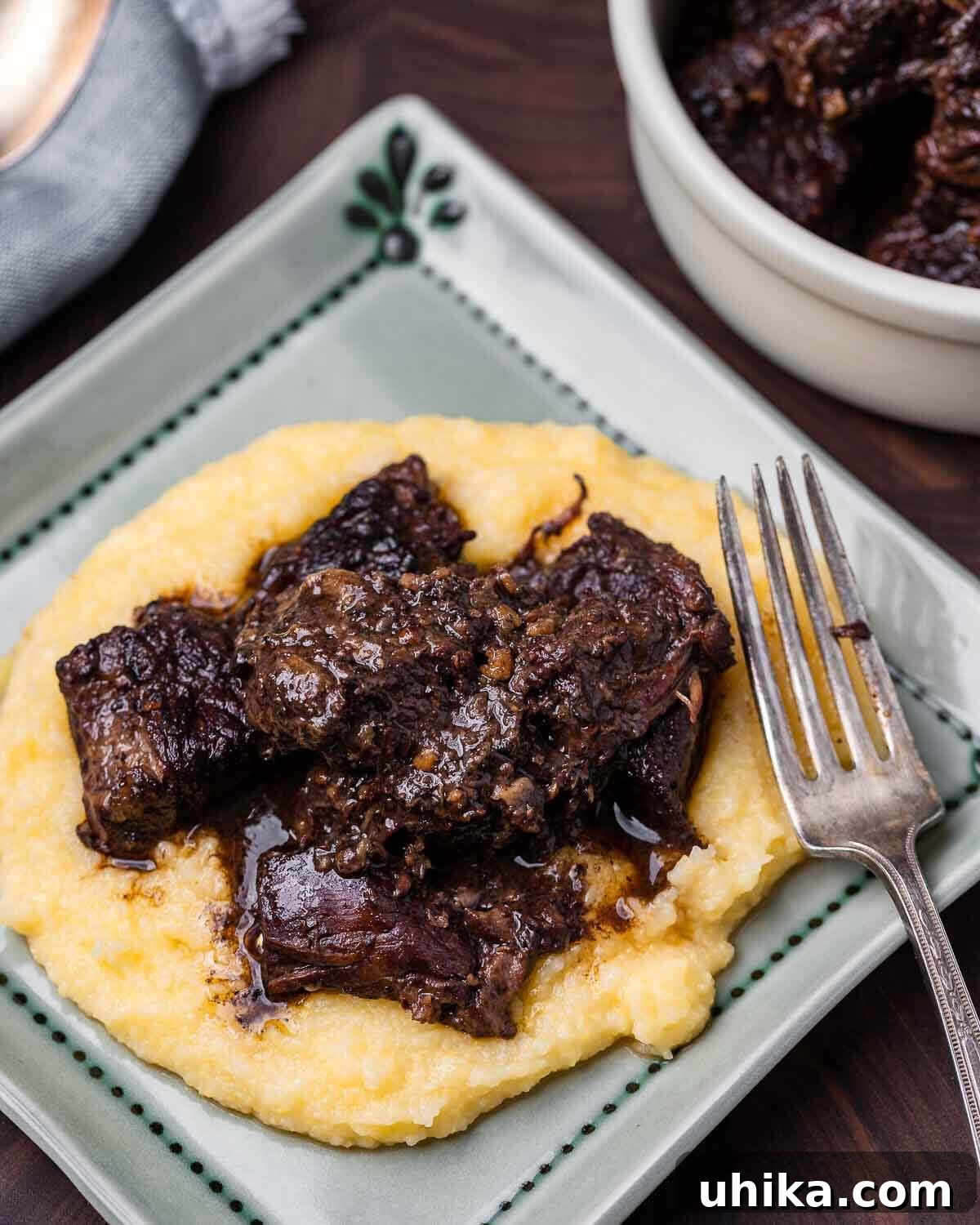
- Serving Suggestions: The classic way to enjoy Peposo is with plenty of crusty Italian bread, perfect for dipping into the rich sauce. It's also absolutely fantastic served over creamy polenta, as beautifully captured in the image below, or alongside roasted garlic mashed potatoes. For a balanced meal, consider pairing it with a simple sautéed green vegetable like garlicky spinach or broccoli rabe.
More Hearty Italian Recipes You'll Love
- Classic Italian Beef Stew: Another comforting beef stew, rich with tomato and aromatic herbs.
- Tuscan Balsamic Glazed Ribs: Tender ribs coated in a tangy-sweet balsamic glaze.
- Short Ribs Ragu with Pappardelle: Melt-in-your-mouth short ribs in a luxurious red wine ragu, perfect with wide pasta.
If you've enjoyed this Peposo recipe or any recipe on this site, please consider leaving a 5-star rating and sharing your thoughts in the comments below. Your feedback helps us improve and encourages other home cooks!
We strive to cater to various learning styles. If you are someone who prefers to learn by watching, you can find many of our recipes, including this one, on our YouTube channel and our Facebook Page.
For exclusive, never-before-seen recipe videos and behind-the-scenes content, consider becoming a Patreon member today!
Peposo
Pin
Ingredients
- 2 1/2 pounds (1.1kg) chuck roast cut into chunks
- 2 teaspoons Diamond Crystal Kosher salt
- 3 tablespoons (45g) olive oil
- 8 cloves garlic
- 1 750ml bottle Chianti
- 1 1/2 tablespoons (12g) coarse black pepper crushed with a mallet
Instructions
-
Using paper towels, pat the beef chunks very dry. Season with salt on all sides.
-
Heat a large Dutch oven to medium heat. Add the olive oil and the garlic to the pot and cook for 1-2 minutes or until the cloves turn lightly golden. Remove the garlic cloves but save them for later.
-
Add the beef without crowding the pan (work in batches). Sear the beef on all sides (about 5-6 minutes total) then place the pieces onto a plate. Repeat for subsequent batches.
-
Add the black pepper to the oil and cook for 30 seconds. Turn the heat up to medium-high and add the red wine. Once bubbling, scrape the brown bits off the bottom of the pot with a wooden spoon. Let the wine bubble for 2-3 minutes then turn the heat down to medium-low.
-
Return the seared beef and garlic cloves to the pot and cover with the lid. Cook for 90 minutes completely covered then remove the lid and continue to cook for another 60-90 minutes or until tender. Make sure to stir the meat every so often and to check for tenderness. The meat should be tender but not falling apart.
-
Once the meat is tender you can remove it to a plate and reduce the liquid in the pot by bringing it to a boil. If the liquid is thick enough to your liking, just skip the boiling step and serve with crusty Italian bread, polenta, or mashed potatoes. Enjoy!
Notes
- Makes 4 large or 6 moderate-size servings.
- Cooking time will vary. Cook until the meat is very tender but not to the point that it falls apart.
- The sauce can be degreased by skimming the top or by using a bulb baster. Cutting away some of the initial fat from the chuck will also help.
- Traditionally the sauce is quite thin, but if you like it on the thicker side, remove the meat at the end of cooking and bring the pot to a boil. The liquid will reduce and thicken. Alternatively, if you want more sauce, thicken it with a bit of cornstarch slurry.
- Peposo tastes even better the next day. Leftovers can be saved for up to 3 days in the fridge and can be reheated on the stovetop or microwave.
Nutrition
Carbohydrates: 5.1g |
Protein: 86.1g |
Fat: 28.2g |
Saturated Fat: 8.2g |
Cholesterol: 253mg |
Sodium: 1359mg |
Potassium: 1327mg |
Sugar: 1.5g |
Calcium: 19mg |
Iron: 54mg
Nutrition information is automatically calculated, so should only be used as an approximation.
Like this? Leave a comment below!Check us out on Instagram at @sipandfeast or tag #sipandfeast!