
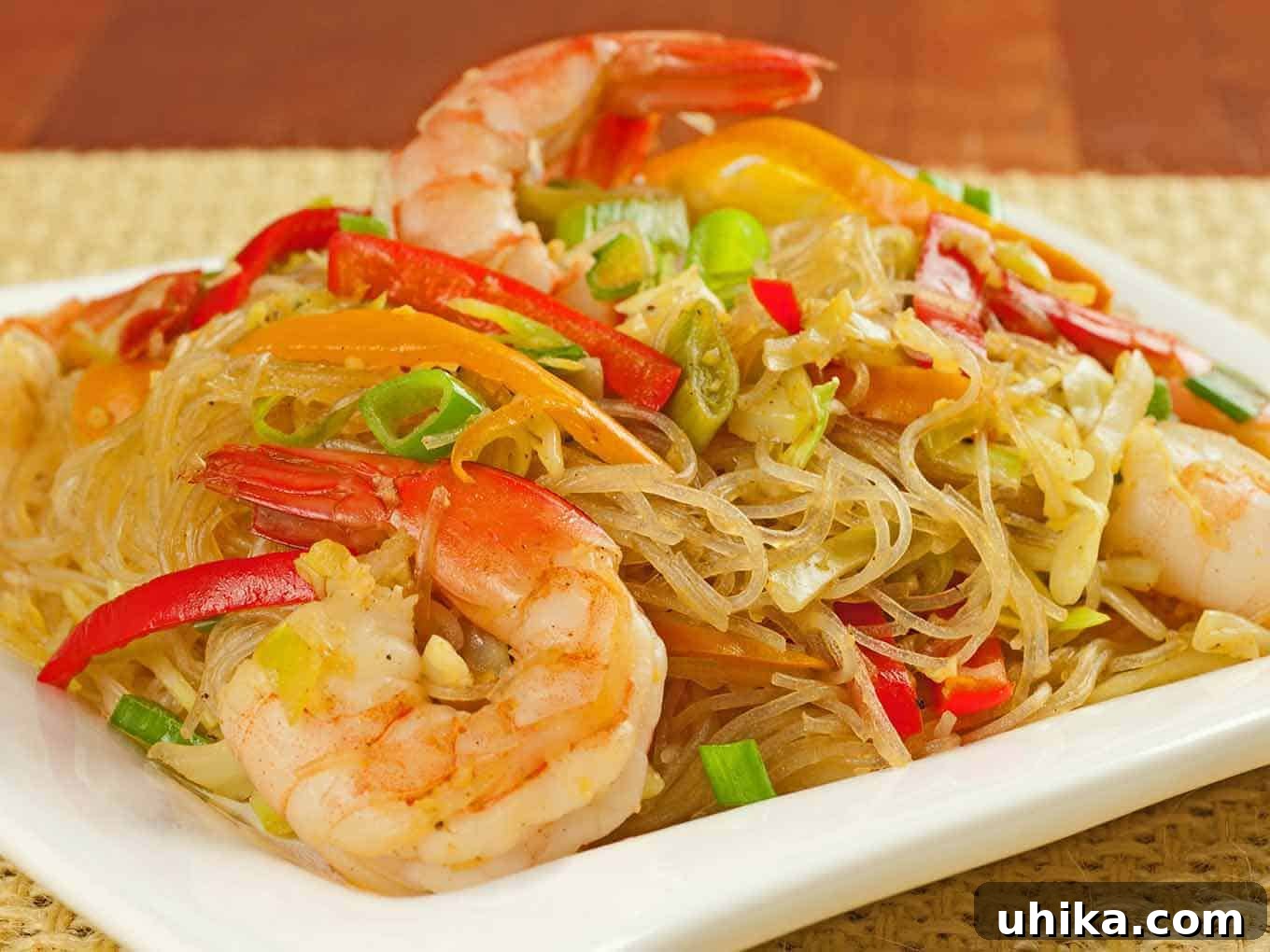
Flavorful & Fast: Singapore-Style Noodles with Shrimp
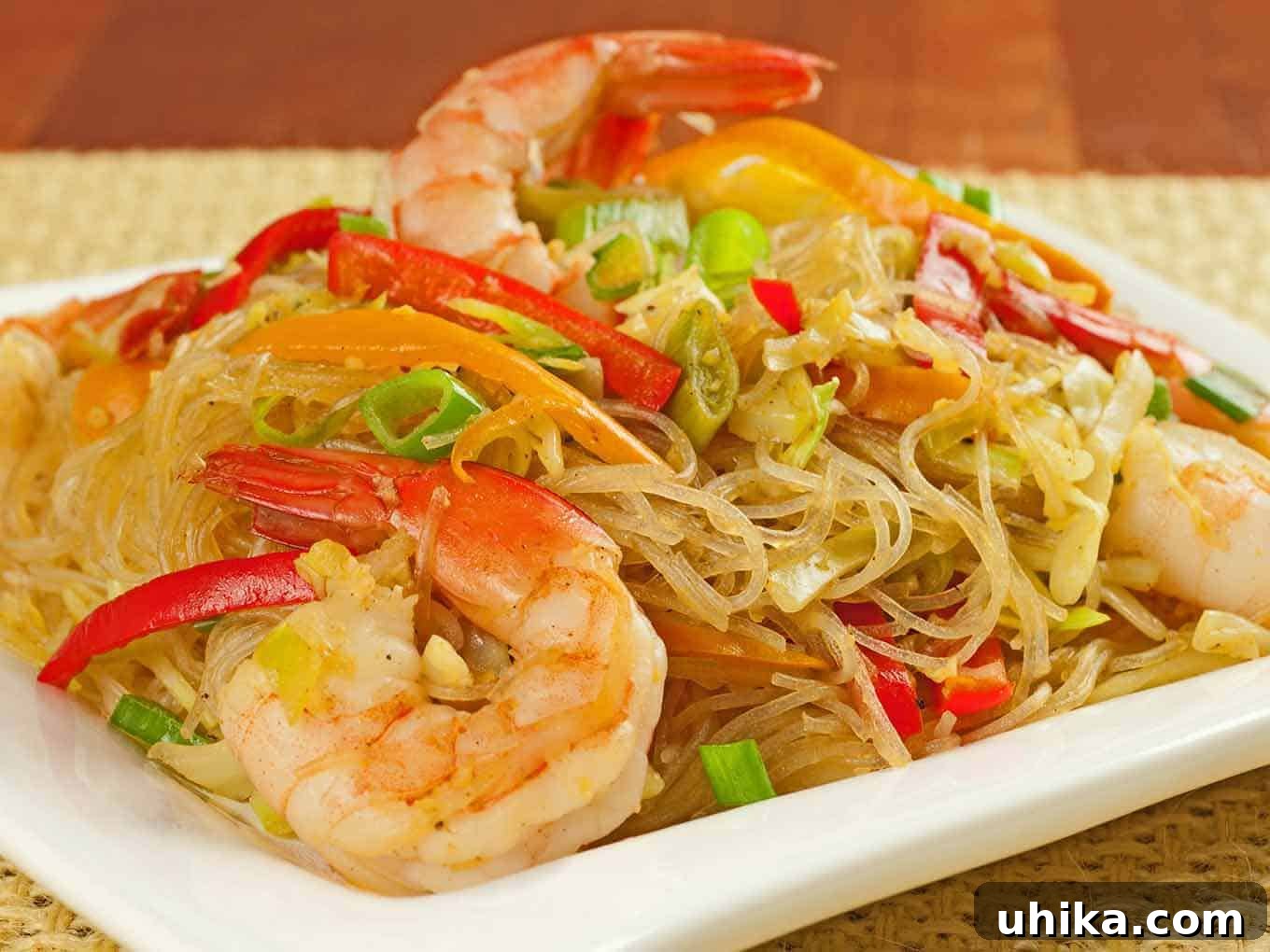
Embark on a culinary journey to the vibrant streets of Singapore with this exquisite, easy-to-make noodle dish. Our Singapore-Style Noodles with Shrimp recipe brings together the delicate texture of cellophane noodles with succulent shrimp, crisp vegetables, and an aromatic blend of spices. It’s a fast, flavorful stir-fry that promises to satisfy your cravings for an authentic Asian-inspired meal, perfect for any busy weeknight or a relaxed weekend dinner.
This dish is celebrated for its harmonious balance of sweet, savory, and subtly spicy notes, elevated by the distinctive golden hue and earthy warmth of curry powder. Unlike many complex Asian recipes, this version prioritizes simplicity without compromising on depth of flavor. In just over half an hour, you can create a restaurant-quality meal right in your own kitchen, proving that gourmet taste doesn’t have to come with a hefty time commitment.
Why You’ll Love This Singapore Noodle Recipe
There are countless reasons why this Singapore-Style Noodles with Shrimp recipe is destined to become a staple in your home cooking repertoire. Firstly, its speed is unparalleled. With only 15 minutes of prep and 20 minutes of cooking, it’s an ideal choice for those evenings when time is precious but you still desire a wholesome, home-cooked meal that tastes anything but rushed.
Beyond its efficiency, the flavor profile is simply captivating. The unique combination of fresh ginger, fragrant garlic, bold curry powder, and a touch of sriracha creates a symphony of tastes that awakens the palate. Each bite offers a delightful contrast of textures: the tender, springy cellophane noodles, the juicy shrimp, and the vibrant crunch of bell peppers and cabbage.
Moreover, this dish is remarkably versatile and healthy. Packed with lean protein from shrimp and an abundance of fresh vegetables, it’s a nutritious option that doesn’t skimp on satisfaction. It’s also easily customizable to suit various dietary preferences or what you have on hand in your fridge. Whether you’re a seasoned chef or a beginner in the kitchen, this recipe is straightforward to follow, guaranteeing impressive results every time.
The Charm of Cellophane Noodles
At the heart of our Singapore-Style Noodles is the often-underestimated cellophane noodle. Also known as mung bean vermicelli or glass noodles, these delicate, translucent strands are a staple in various Asian cuisines. What makes them so special?
Their texture is a standout feature. When cooked, cellophane noodles become wonderfully springy and slightly chewy, providing a delightful contrast to the other ingredients in a stir-fry. They have a remarkable ability to absorb the flavors of the sauce and spices, ensuring every bite is infused with the dish’s rich essence. Unlike wheat-based noodles, they are naturally gluten-free, making this recipe suitable for those with gluten sensitivities.
Preparing cellophane noodles is also incredibly simple. They don’t require boiling like traditional pasta; instead, they are typically soaked in hot water until tender. This quick and fuss-free preparation makes them a perfect base for fast stir-fries like our Singapore-Style Noodles, allowing you to focus more on the vibrant vegetables and perfectly cooked shrimp.
Choosing the right cellophane noodles is key. Look for thin, brittle strands in Asian grocery stores or the international aisle of your supermarket. Ensure they are made from mung bean starch for that authentic texture and absorbency. With these versatile noodles as your foundation, you’re well on your way to creating a truly authentic and enjoyable Singapore-style dish.
Spotlight on Key Ingredients
The success of any great dish lies in the quality and harmony of its ingredients. For our Singapore-Style Noodles with Shrimp, each component plays a vital role in building the dish’s distinct flavor and texture profile.
- Shrimp: We recommend using large shrimp, peeled and deveined, with tails left on for presentation and extra flavor. Shrimp cooks quickly, making it an excellent choice for a fast stir-fry. It provides a sweet, succulent bite that complements the savory and spicy notes of the dish.
- Bell Peppers: A combination of red and yellow bell peppers not only adds a beautiful splash of color but also introduces a natural sweetness and a satisfying crunch. Sliced thinly, they cook quickly and maintain their crisp-tender texture, contributing essential vitamins and freshness.
- Cabbage: Thinly sliced cabbage is crucial for the classic texture of Singapore noodles. It becomes wonderfully crisp-tender when stir-fried, absorbing the sauce beautifully and adding a subtle sweetness that balances the spices.
- Garlic & Ginger: These two aromatic powerhouses form the backbone of the flavor. Freshly chopped garlic and ginger infuse the entire dish with a pungent warmth and zing, characteristic of authentic Asian stir-fries. Don’t skimp on freshness for the best results!
- Curry Powder: The defining flavor of Singapore-Style Noodles. Yellow curry powder provides its signature golden color and a complex blend of earthy, warm spices like turmeric, cumin, coriander, and fenugreek. It brings an exotic depth that makes this dish unique.
- Sriracha: For those who appreciate a kick, sriracha adds a delightful layer of heat. The recipe suggests a moderate amount, but you can easily adjust it to your preferred spice level. It complements the curry without overpowering it.
- Soy Sauce: The primary seasoning for umami and saltiness. Opt for a good quality soy sauce; low-sodium is often preferred to control the overall saltiness.
- Chicken Broth: Used to create the sauce, chicken broth adds savory depth and helps to distribute the flavors evenly throughout the noodles and vegetables.
- Honey or Agave Nectar: A touch of sweetness is essential to balance the savory and spicy elements, giving the sauce a well-rounded and harmonious profile.
- Scallions: Sliced scallions are added at the end, providing a fresh, oniony bite and a vibrant green garnish, enhancing both flavor and visual appeal.
Each ingredient is carefully chosen to contribute to the dish’s overall balance, ensuring a delightful and authentic experience with every mouthful.
Singapore-Style Noodles with Shrimp
By Lynne Webb
A fast and easy stir-fry of cellophane noodles, shrimp, cabbage, sweet bell pepper, garlic, ginger, and yellow curry powder.
Ingredients
- 6 ounces cellophane (mung bean) noodles
- 2 tablespoons chicken broth
- 3 tablespoons soy sauce
- 2 teaspoons honey or agave nectar
- 1/4 to 1/2 teaspoon sriracha, more or less to taste
- 2 tablespoons vegetable oil
- 3/4 lb large shrimp, peeled and deveined (tails left on)
- 4 cloves garlic, very finely chopped
- 1 tablespoon fresh ginger, very finely chopped
- 2 teaspoons curry powder
- 1/2 red bell pepper, sliced into very thin strips
- 1/2 yellow bell pepper, sliced into very thin strips
- 4 cups cabbage, thinly sliced
- 4 scallions, sliced
- Freshly ground black pepper, to taste
Instructions
- Bring a large pot of water to a simmer, remove from the heat, and add the cellophane noodles. Soak until the noodles are tender, about 7 to 12 minutes. Check them frequently so they don’t get mushy. Drain thoroughly and set aside.
- In a small bowl, combine the chicken broth, soy sauce, honey (or agave nectar), and sriracha. Whisk well to combine and set aside. This will be your flavorful stir-fry sauce.
- Heat the vegetable oil in a wok or large skillet over high heat until shimmering. Add the shrimp and stir-fry quickly until they turn pink and opaque, typically 1-1/2 to 2 minutes. Be careful not to overcook them. Using a slotted spatula, transfer the cooked shrimp to a plate and set aside.
- To the same pan, add the finely chopped garlic, fresh ginger, and curry powder. Stir-fry for about 30 seconds, or until the aromatics become incredibly fragrant, filling your kitchen with wonderful scents.
- Add the thinly sliced red and yellow bell peppers to the pan and stir-fry for 1 minute. Next, add the thinly sliced cabbage and continue to stir-fry for an additional 1-1/2 minutes, or until the cabbage is crisp-tender but still retains a slight bite.
- Return the cooked shrimp to the pan along with the sliced scallions and the prepared soy sauce mixture. Begin adding the drained cellophane noodles, a handful at a time, using tongs or spatulas to toss and combine each addition thoroughly with the vegetables and sauce. Continue until all noodles are incorporated and evenly coated.
- Season the entire dish generously with freshly ground black pepper to taste. Transfer the flavorful Singapore-style noodles to individual plates or a large serving platter and serve immediately while hot. Enjoy!
Tips for Stir-Fry Success
Achieving a perfect stir-fry is all about technique and timing. Follow these expert tips to ensure your Singapore-Style Noodles with Shrimp turn out restaurant-quality every time:
- Mise en Place is Key: This French culinary term means “everything in its place.” Before you even turn on the heat, have all your ingredients prepped, chopped, measured, and ready to go. Stir-frying is a rapid process, and you won’t have time to chop vegetables once the cooking begins.
- High Heat is Essential: Use a wok or a large, heavy-bottomed skillet over high heat. The high temperature is crucial for quickly cooking ingredients, creating that desired “wok hei” (breath of the wok) flavor, and preventing vegetables from becoming soggy.
- Don’t Overcrowd the Pan: Cooking in batches, if necessary, is better than overcrowding your pan. Too many ingredients at once will lower the temperature, steam the food instead of stir-frying it, and prevent proper browning and crispness.
- Avoid Overcooking Noodles: Cellophane noodles can quickly become mushy if left in hot water for too long. Check them frequently during the soaking process and drain them as soon as they are tender but still retain some chewiness.
- Perfectly Cooked Shrimp: Shrimp cooks very quickly. Stir-fry until they just turn pink and opaque, usually 1.5 to 2 minutes. Overcooked shrimp become tough and rubbery. Removing them from the pan allows them to rest and prevents them from overcooking when returned later.
- Balance the Spice: The sriracha adds heat. Start with the smaller amount recommended and add more to taste if you prefer a spicier dish. You can always add more, but you can’t take it away!
- Toss Vigorously: When combining the noodles, shrimp, vegetables, and sauce, toss vigorously to ensure every strand of noodle and piece of ingredient is evenly coated with the delicious curry sauce.
Variations & Substitutions
One of the joys of cooking is adapting recipes to suit your taste, dietary needs, or what’s available in your pantry. Our Singapore-Style Noodles with Shrimp recipe is wonderfully flexible:
- Protein Swaps:
- Chicken: Diced or thinly sliced chicken breast or thigh can be used instead of shrimp. Cook it thoroughly before adding other ingredients.
- Tofu: For a vegetarian or vegan option, firm or extra-firm tofu, pressed and cubed, then pan-fried until golden, makes an excellent substitute.
- Beef or Pork: Thinly sliced sirloin, flank steak, or pork tenderloin can also be used. Marinate briefly in a little soy sauce and cornstarch for extra tenderness.
- Vegetable Enhancements:
- Carrots: Julienne carrots add extra sweetness and crunch.
- Snap Peas or Snow Peas: Offer a fresh, sweet-crisp texture.
- Mushrooms: Sliced shiitake or cremini mushrooms add an earthy umami flavor.
- Bean Sprouts: For an authentic touch and added crunch, stir in a handful of bean sprouts at the very end of cooking.
- Broccoli or Bok Choy: Briefly blanched or stir-fried, these greens can boost nutritional content.
- Noodle Alternatives: While cellophane noodles are traditional, if you can’t find them, thin rice vermicelli can be used as a close substitute. Prepare according to package directions.
- Spice Level Adjustments:
- For more heat, add extra sriracha, a pinch of red chili flakes, or a dash of chili oil.
- For a milder version, reduce or omit the sriracha.
- Sauce Enhancements: A splash of sesame oil at the very end can add a rich, nutty aroma. A squeeze of lime juice just before serving can brighten all the flavors.
Feel free to experiment with these variations to make this Singapore-style dish uniquely yours!
Serving Suggestions
Singapore-Style Noodles with Shrimp is a complete meal on its own, offering a perfect balance of protein, carbohydrates, and vegetables. However, a few simple additions can elevate the dining experience:
- Garnish Galore: Freshly chopped cilantro or more sliced scallions can add a pop of color and freshness. Toasted sesame seeds offer a subtle nutty crunch.
- Lime Wedges: Serving with fresh lime wedges allows diners to add a bright, zesty finish to their dish, which beautifully cuts through the richness of the curry.
- Additional Spice: Offer extra sriracha, chili oil, or chili flakes on the side for those who enjoy more heat.
- Light Side Salad: A simple, crisp green salad with a ginger-sesame dressing can be a refreshing contrast.
- Spring Rolls or Dumplings: If you’re hosting a larger meal, classic Asian appetizers like vegetable spring rolls or steamed dumplings make excellent accompaniments.
No matter how you choose to serve it, this vibrant dish is sure to impress with its irresistible flavors and textures.
Health Benefits of Singapore-Style Noodles
Beyond its incredible taste, our Singapore-Style Noodles with Shrimp offers a variety of health benefits, making it a smart choice for a nutritious meal:
- Lean Protein: Shrimp is an excellent source of lean protein, essential for muscle repair and growth, and keeping you feeling full and satisfied. It’s also low in calories and saturated fat.
- Rich in Vegetables: The dish is loaded with bell peppers, cabbage, and scallions, providing a good dose of vitamins, minerals, and dietary fiber. Fiber supports digestive health and can help regulate blood sugar levels.
- Antioxidant Boost: Ingredients like ginger, garlic, and curry powder are known for their potent antioxidant and anti-inflammatory properties, contributing to overall well-being.
- Gluten-Free Noodles: Cellophane noodles, made from mung bean starch, are naturally gluten-free, making this a suitable option for individuals with gluten sensitivity or celiac disease.
- Customizable for Balance: You have control over the amount of oil, sodium (by using low-sodium soy sauce), and sugar (from honey/agave), allowing you to tailor the recipe to your specific health goals.
Enjoying this dish means indulging in fantastic flavors while nourishing your body with wholesome ingredients.
Frequently Asked Questions (FAQs)
What are cellophane noodles, and are they different from rice vermicelli?
Cellophane noodles, also known as glass noodles or mung bean vermicelli, are thin, translucent noodles typically made from mung bean starch (or sometimes sweet potato or potato starch). They become clear and slippery when cooked. While similar in appearance, rice vermicelli is made from rice flour and remains opaque white when cooked. Cellophane noodles have a slightly more elastic and chewy texture compared to rice vermicelli.
Can I make this recipe vegetarian or vegan?
Absolutely! To make it vegetarian, simply substitute the shrimp with firm or extra-firm tofu, tempeh, or your favorite plant-based protein. Ensure the chicken broth is replaced with vegetable broth. For a vegan version, also ensure your honey is replaced with agave nectar or maple syrup, as honey is not considered vegan by some.
How can I make this dish spicier or milder?
The spice level is easily adjustable. To make it spicier, increase the amount of sriracha or add a pinch of red chili flakes to the stir-fry. For a milder version, reduce the sriracha or omit it entirely. You can also add a small amount of sweet chili sauce for a gentle, flavorful heat.
Can I prepare parts of this dish ahead of time?
Yes, some components can be prepped in advance. You can chop all your vegetables (bell peppers, cabbage, scallions) and store them in airtight containers in the refrigerator. The sauce mixture can also be whisked together and stored for up to 2-3 days. However, for the best taste and texture, cook the shrimp and noodles just before serving.
How should I store leftovers, and how long do they last?
Leftovers should be stored in an airtight container in the refrigerator for up to 2-3 days. Reheat gently in a skillet or microwave, adding a splash of water or broth if the noodles seem dry. The noodles may become a bit softer upon reheating, but the flavors will still be delicious.
Whether you’re new to Asian cooking or a seasoned stir-fry enthusiast, this Singapore-Style Noodles with Shrimp recipe is a rewarding culinary adventure. Its vibrant flavors, quick preparation, and wholesome ingredients make it a standout dish that’s sure to become a cherished favorite. Give it a try tonight and bring a taste of Singapore into your home!