
Table of Contents
- The Secret to Our Signature Stuffing
- Essential Ingredients for Perfect Stuffing
- Step-by-Step Guide to Making Flavorful Bread Stuffing
- Storage and Reheating Tips
- Explore More Stuffing Variations
- Old Fashioned Bread Stuffing Recipe Card
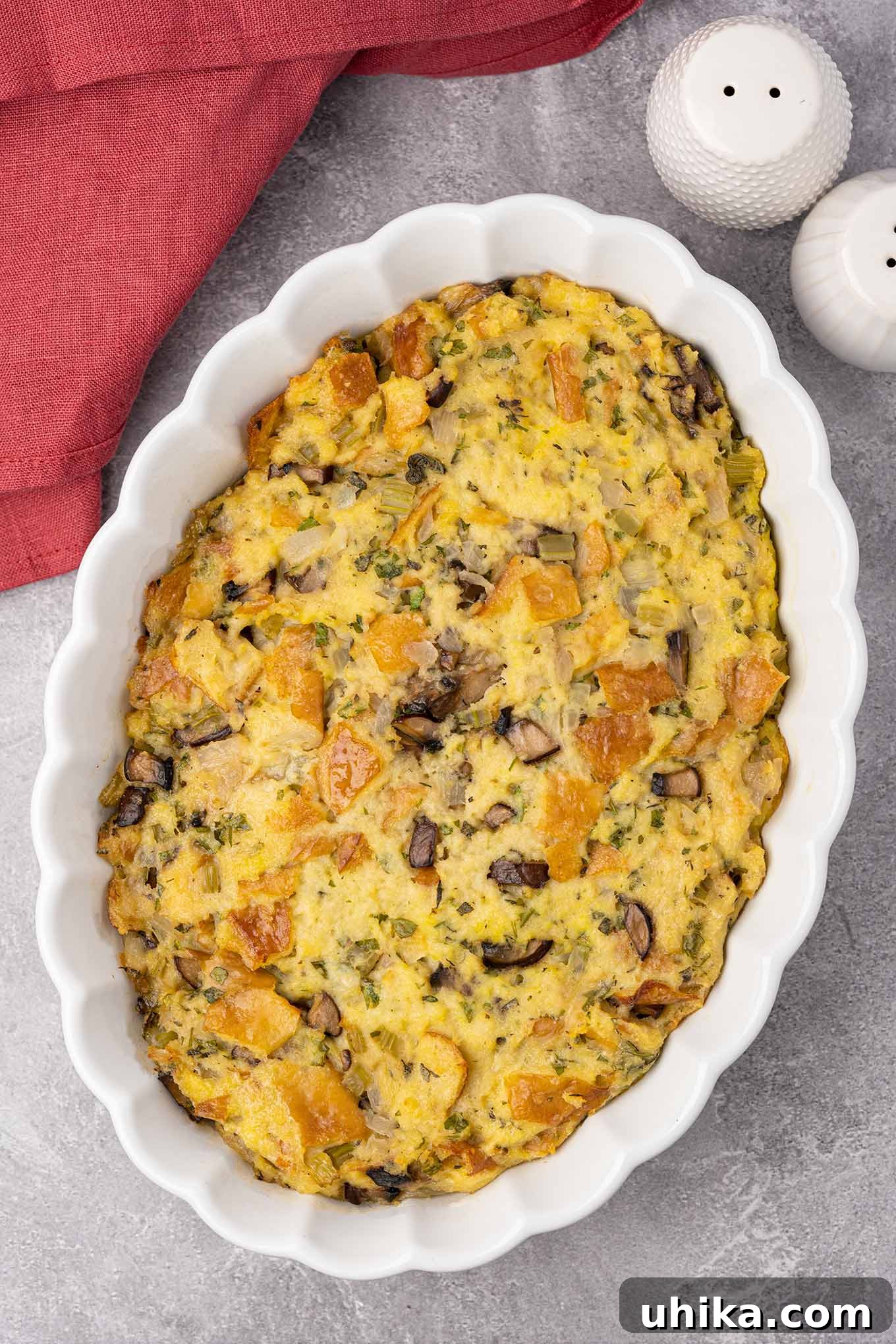
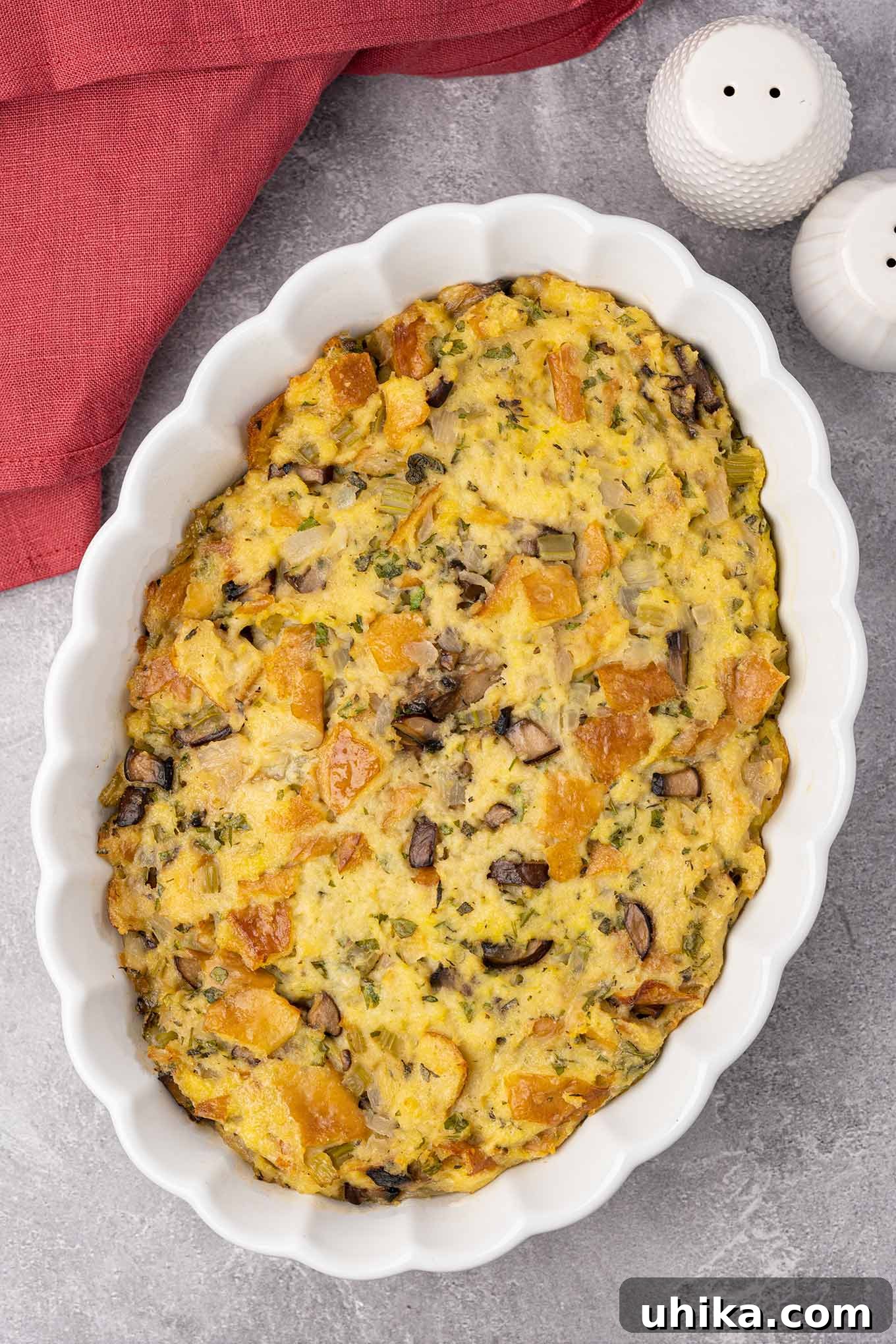
For many, the holiday season is synonymous with a magnificent turkey dinner, and at the heart of that feast often lies a truly exceptional stuffing. More than just a side, a well-made stuffing transforms the meal, acting as a comforting anchor that brings all the flavors together. If you’ve been searching for a go-to recipe that promises unparalleled deliciousness and a wonderfully light, moist texture, your quest ends here. Our cherished family recipe for classic bread stuffing is a genuine showstopper, offering a delightful contrast to the often dense, dry, or overly wet versions you might have encountered in the past. This isn’t just a recipe; it’s an invitation to elevate your holiday table with a dish that consistently earns rave reviews.
Crafted with generations of love and perfected over countless holiday gatherings, our Old Fashioned Bread Stuffing embodies the warmth and tradition of home cooking. We believe that the magic of stuffing lies not just in its ingredients, but in the harmonious balance and careful preparation that results in a truly unforgettable experience. Imagine golden-brown edges giving way to a tender, aromatic interior, each bite bursting with savory notes and the subtle freshness of herbs. This recipe ensures your stuffing will be a highlight, creating lasting memories around the dinner table.
The Secret to Our Signature Stuffing
The quest for perfectly flavorful and moist stuffing, without veering into sogginess, hinges on a few crucial elements. Our family’s secret lies in a meticulous selection of ingredients and a precise approach to their preparation. We begin with the right type of bread, forming the foundational texture that allows the stuffing to absorb moisture beautifully without collapsing. This thoughtful choice ensures a fluffy, tender outcome every time.
Beyond the bread, a carefully balanced medley of sautéed aromatics and fresh herbs is key to developing its rich, deep flavor profile. Our recipe incorporates finely diced onions, crisp celery, and earthy mushrooms, all gently sautéed in butter until tender and fragrant. This process not only softens the vegetables but also unlocks their natural sweetness and savory notes, creating a robust base. The inclusion of mushrooms is a subtle yet significant modernization; they don’t overpower the classic stuffing essence but rather introduce a nuanced umami depth and contribute vital moisture, preventing the stuffing from drying out during baking. This creates a more complex and satisfying flavor dimension that truly sets our stuffing apart.
To infuse the stuffing with that unmistakable taste of tradition, we blend in a trio of fresh, vibrant herbs: parsley, sage, and thyme. These classic holiday herbs provide a delicate yet distinct aroma and taste, enhancing the overall profile without any single herb dominating. The freshness of these herbs is paramount, offering a brightness that dried alternatives simply cannot replicate. The final touch that imparts a truly “baked-in-the-bird” quality is a generous drizzle of pan drippings from your roasted turkey or chicken. If turkey drippings aren’t available, a simple yet effective substitute of rich chicken broth whisked with melted butter does an excellent job of replicating that savory, succulent finish, ensuring every spoonful is incredibly rich and moist.
Essential Ingredients for Perfect Stuffing
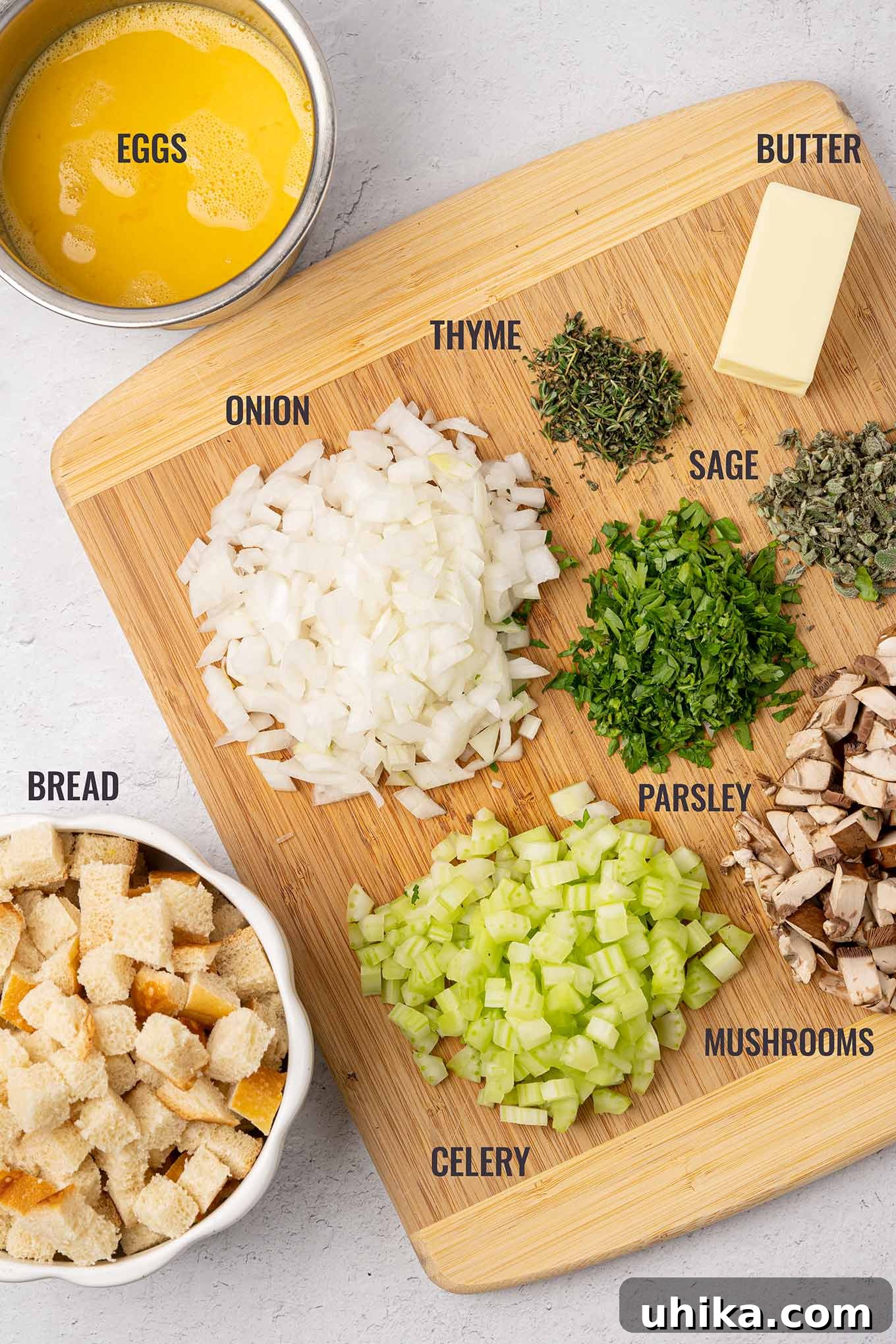
Understanding the role of each ingredient is crucial for achieving our stuffing’s signature moist and flavorful profile. Here’s a closer look at the key components. The complete list with exact quantities can be found in the printable recipe card below.
- BREAD: The Foundation of Flavor and Texture. The cornerstone of exceptional stuffing is the bread itself. For a moist, tender, and wonderfully light texture that holds its shape without becoming mushy, choosing the right bread is paramount. We consistently achieve the best results with a firm white bread that has a somewhat dense crumb and a tender crust. This specific type of bread is adept at absorbing the liquid from the butter, eggs, and vegetable moisture without becoming overly saturated or soggy. Our top recommendation is a mild sourdough sandwich bread, readily available from most grocery store bakeries. Its slight tang adds another layer of subtle complexity to the overall flavor. Avoid using very soft, airy, or heavily textured breads, as they tend to either disintegrate or create an unpleasantly dense stuffing. You’ll need approximately a one-pound loaf, which typically yields about 14 slices. Once cut into ½-inch cubes, this should give you about 4 to 5 cups, loosely packed. A helpful tip: there’s absolutely no need to remove the crusts; they contribute to the stuffing’s rustic charm and texture.
- MUSHROOMS: The Umami Enhancer. To modernize and elevate our traditional family recipe, we’ve thoughtfully incorporated mushrooms. While the quantity isn’t so large as to make the mushroom flavor overwhelming, their presence is transformative. They introduce a profound umami element, a savory depth that enriches the entire dish without dominating other flavors. Furthermore, mushrooms release a small amount of moisture during cooking, which plays a vital role in maintaining the stuffing’s moist texture throughout the baking process. If mushrooms aren’t to your taste, you can certainly omit them without significantly compromising the core flavors, though you will miss that extra layer of savory complexity.
- HERBS: The Aromatic Heart. Fresh herbs are indispensable to this recipe, imparting a vibrant, aromatic character that defines classic holiday stuffing. We rely on a timeless trio: fresh parsley, sage, and thyme. Parsley offers a clean, grassy freshness; sage provides a warm, earthy, slightly peppery note; and thyme contributes a subtle, savory fragrance. Together, they create a beautifully balanced herbaceous profile that is significant without being overpowering. It is crucial to use fresh herbs for their superior flavor and aroma. However, if dried herbs are your only option, be mindful to **reduce the quantity by two-thirds** (1/3 of the fresh amount). Dried herbs are far more concentrated, and using too much will result in an over-seasoned, bitter stuffing.
- BUTTER & EGGS: Binders and Flavor Infusers. Unsalted butter not only provides a rich, luxurious flavor but also acts as the primary cooking medium for our aromatics, ensuring they soften beautifully and release their full potential. For a dairy-free alternative, a high-quality plant-based butter (like those made with avocado oil) can be used, though be sure to adjust salt content as dairy-free alternatives are often salted. Large eggs serve as an essential binder, holding the stuffing together and contributing to its desirable moist and tender consistency. They play a pivotal role in preventing the stuffing from becoming crumbly or dry.
- AROMATICS (Onion & Celery): Building the Flavor Base. Diced onions and celery form the aromatic foundation of this stuffing. Sautéing them until soft and translucent caramelizes their natural sugars, developing a sweet and savory depth that is absolutely essential to the stuffing’s overall taste. These humble vegetables are the unsung heroes, laying the groundwork for the more complex flavors to shine.
Step-by-Step Guide to Making Flavorful Bread Stuffing
Ready to create this delicious stuffing? Here’s a comprehensive, yet easy-to-follow overview of the process. For detailed, step-by-step instructions with precise measurements, please refer to the printable recipe card located further down the page.
BEFORE YOU BEGIN: Preheat your oven to 350°F (175°C) to ensure it’s at the perfect temperature for even baking. Generously grease a 1½ to 2-quart casserole dish with butter. This prevents sticking and helps create those delightful crispy edges.
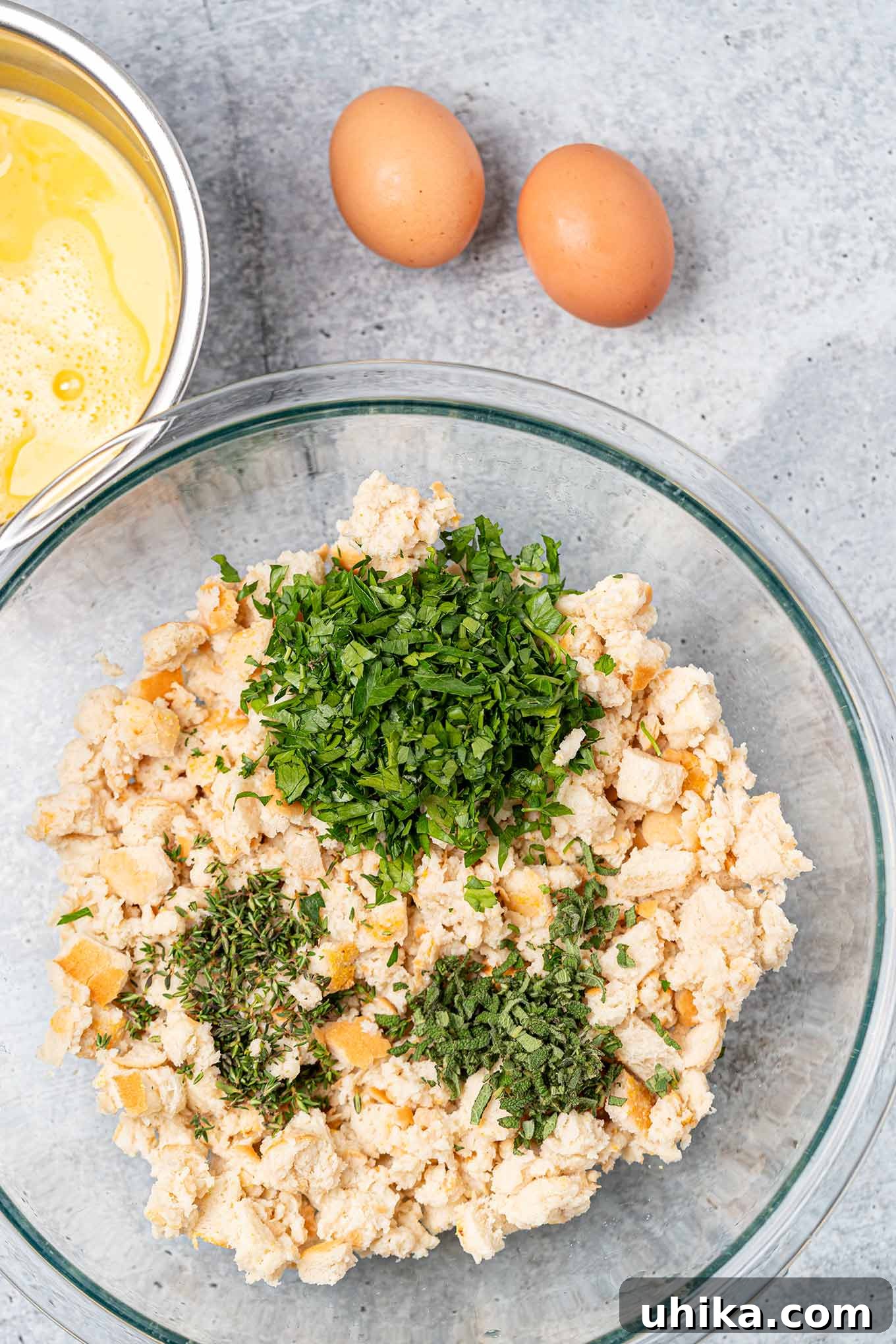
PREPARE THE BREAD: The key to our stuffing’s light and fluffy texture begins with how the bread is prepared. Take your cubed bread and place it in a colander. Gently moisten the bread cubes with water, then squeeze out the excess moisture as you would a sponge. This step is critical; it allows the bread to become tender without getting soggy, ensuring it absorbs the other flavors beautifully. Transfer the moistened bread to a large mixing bowl, gently breaking up any large clumps with your fingers. Add the freshly chopped herbs (parsley, sage, and thyme) and set the bowl aside.
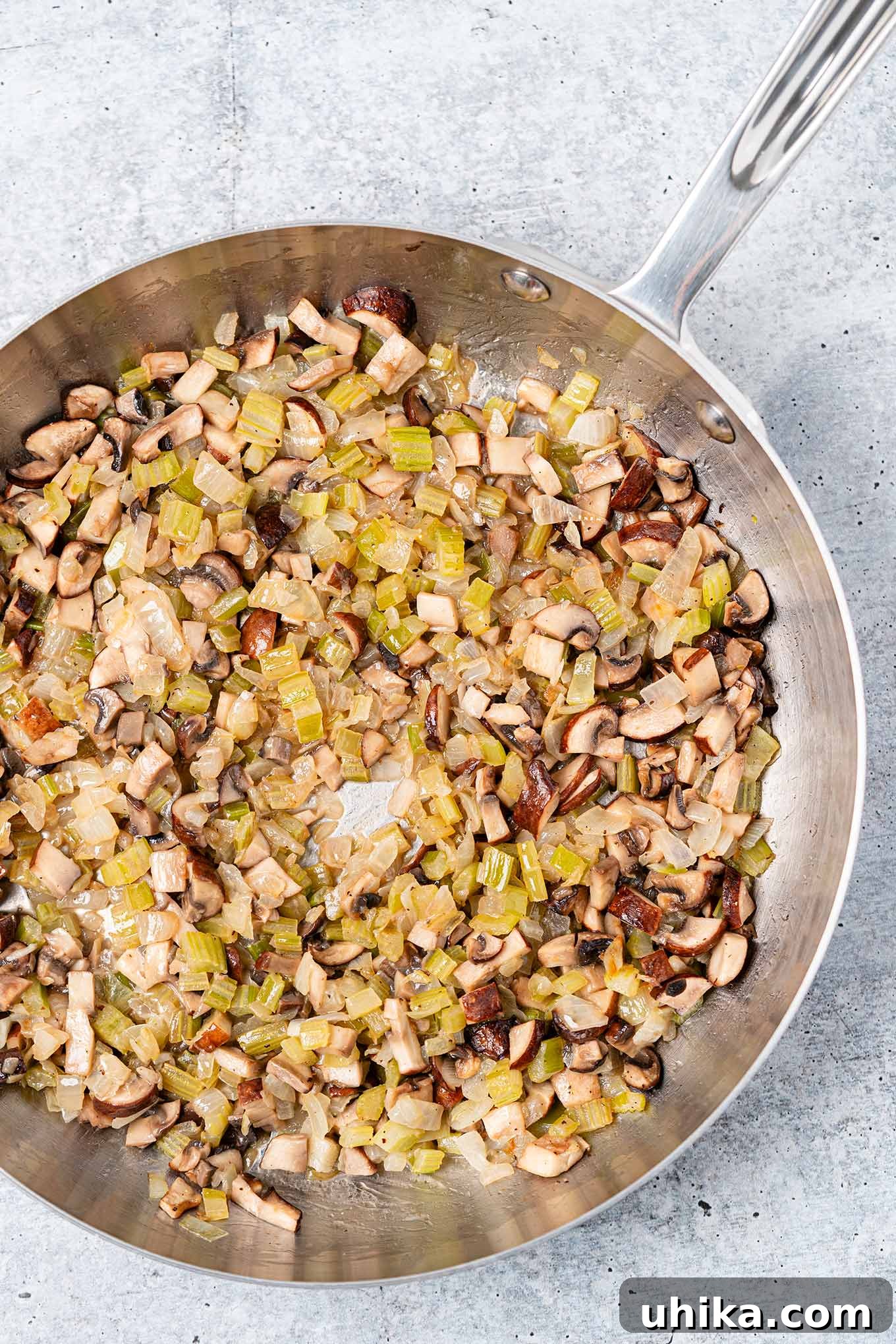
SAUTÉ THE VEGETABLES: In a large frying pan, melt the unsalted butter over medium heat. Add the diced onion and sauté for 3 to 5 minutes until it becomes soft and translucent, releasing its sweet aroma. Next, add the diced celery and continue cooking for another 2 minutes, allowing it to soften slightly. Finally, stir in the chopped mushrooms and cook for an additional 2 minutes. Season the vegetables generously with salt and pepper to taste, enhancing their natural flavors before they join the bread mixture.
MAKE THE STUFFING MIXTURE: Transfer the perfectly sautéed vegetables to the mixing bowl containing the moistened bread and fresh herbs. Use your hands to gently but thoroughly combine all the ingredients. This hands-on approach ensures even distribution of flavors and textures throughout the stuffing. Taste the mixture and adjust the seasoning as needed, adding more salt or pepper if desired. Once the seasoning is to your liking, pour in the lightly beaten eggs. Combine everything well with your hands again, ensuring the eggs are fully incorporated as they act as the binder for the stuffing. Finally, transfer the complete stuffing mixture into your prepared casserole dish, spreading it evenly.
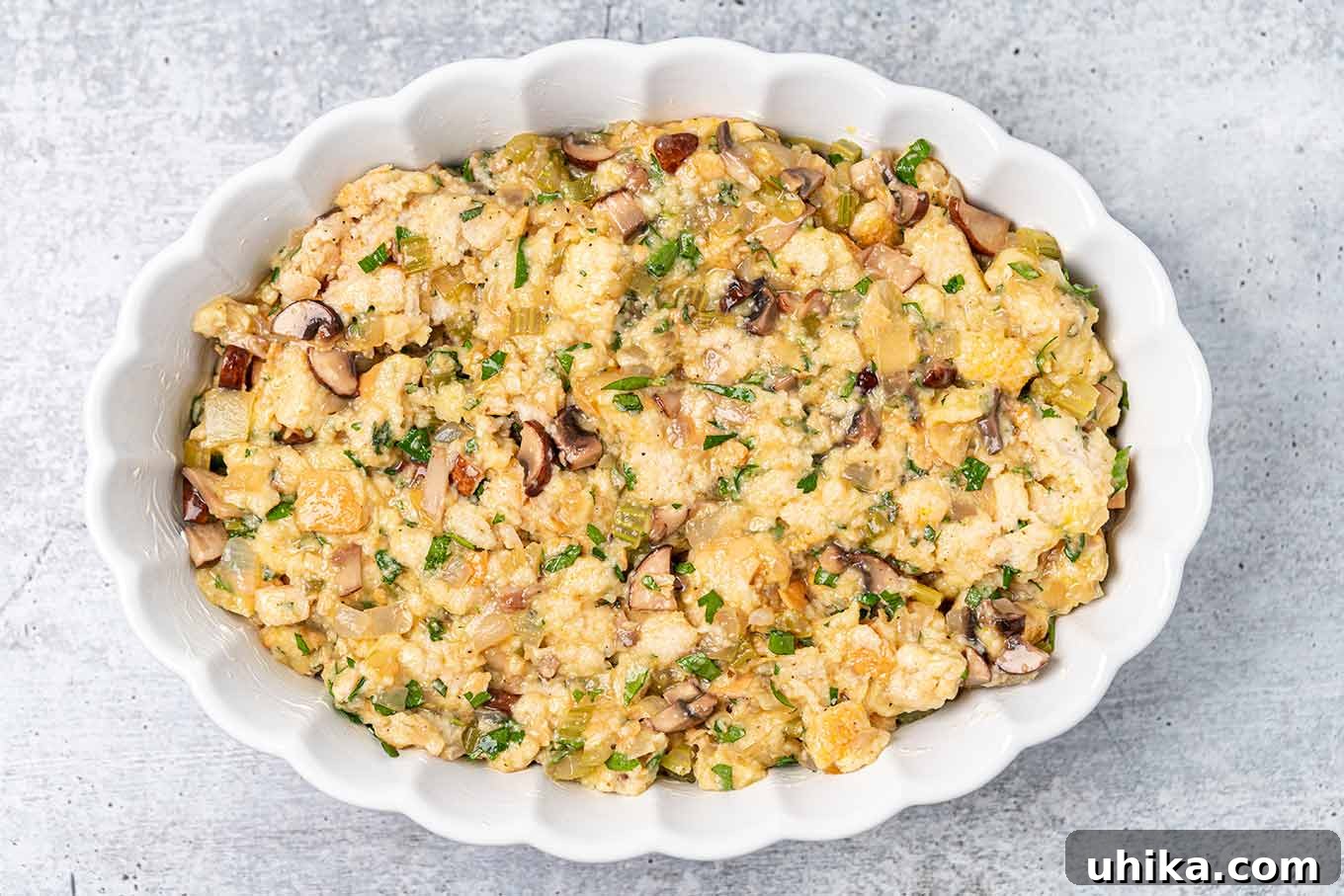
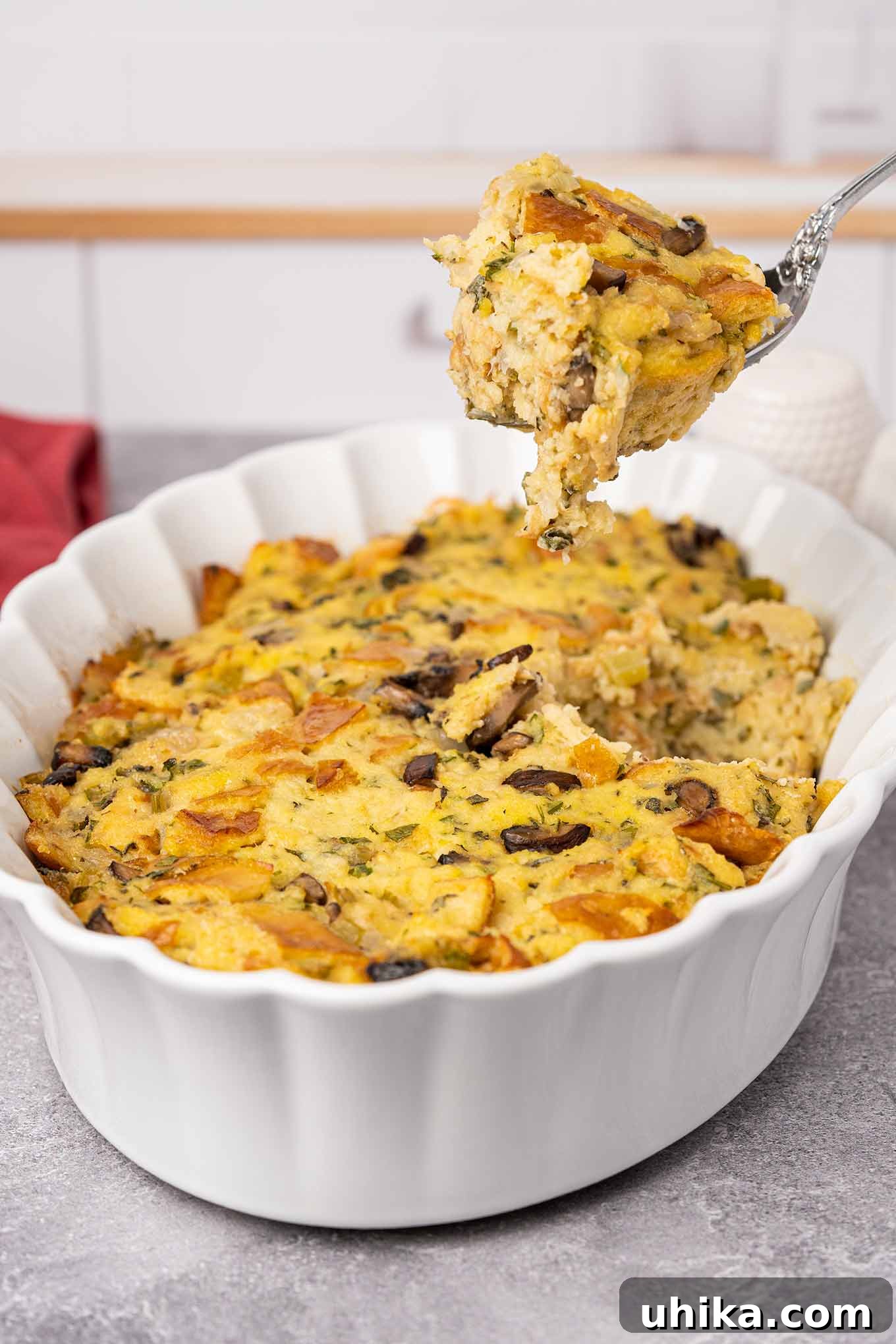
BAKE THE STUFFING TO PERFECTION: Cover the casserole dish tightly with aluminum foil. This initial covering is crucial for trapping moisture, ensuring the stuffing remains tender and steams evenly. Bake for 45 minutes. After this time, carefully remove the stuffing from the oven and take off the foil. This is the moment to add that distinctive holiday flavor! Drizzle the top of the stuffing generously with pan drippings from your roasted turkey. If turkey drippings aren’t available, a wonderful alternative is a mixture of ¼ cup chicken broth whisked with 1 tablespoon of melted butter. Return the uncovered stuffing to the oven and bake for an additional 10 minutes. This final step allows the top to become beautifully golden brown and slightly crispy, while the added liquid infuses more savory goodness.
KEEP WARM (if needed): Once baked, remove the stuffing from the oven. If you’re not serving it immediately, simply replace the foil cover. You can keep it warm in a low oven set to 200°F (93°C) for up to 90 minutes without compromising its quality. This flexibility allows you to perfectly time your holiday meal and serve your stuffing piping hot and incredibly delicious.
Storage and Reheating Tips
Proper storage and reheating are essential to enjoy your delicious Old Fashioned Bread Stuffing beyond the initial meal. Leftover bread stuffing can be a delight for days, and with these simple instructions, it will taste nearly as fresh as when it first came out of the oven.
Refrigeration: Once cooled completely, leftover stuffing should be wrapped tightly in aluminum foil or transferred to an airtight container. Stored in the refrigerator, it will maintain its quality and safety for up to three days. For best results when reheating in foil, we recommend lightly spraying the inside of the foil with a nonstick cooking spray to prevent sticking and aid in moisture retention. If you prefer to reheat it in a different dish, simply transfer the desired amount to an appropriately sized casserole dish.
Reheating from Refrigeration: Before reheating, it’s crucial to reintroduce a little moisture to prevent the stuffing from drying out. Drizzle the stuffing with a small amount of water or chicken broth – about 1-2 tablespoons per serving. This helps to rehydrate the bread and maintain its tender texture. Cover the dish tightly with foil (or rewrap the original foil securely). Bake in a preheated oven at 300-325°F (150-160°C) for 20 to 30 minutes, or until the stuffing is heated through and steaming. For a slightly crispy top, you can remove the foil for the last 5-10 minutes of reheating.
Freezing for Longer Storage: If you’ve made a large batch or want to prepare ahead, this stuffing freezes exceptionally well. Allow the stuffing to cool completely. Transfer it to freezer-safe airtight containers or heavy-duty freezer bags. For optimal freshness, divide it into individual portions before freezing. Stuffing can be safely frozen for 1 to 2 months. Beyond this period, while still safe, its quality may start to diminish.
Reheating from Frozen: To reheat frozen stuffing, first defrost it overnight in the refrigerator. Once thawed, follow the reheating instructions for refrigerated stuffing as described above. If reheating directly from frozen, it will take longer; cover it tightly with foil and bake at 325°F (160°C) for 45-60 minutes, adding a splash of broth or water before baking, until fully heated through. Ensure the internal temperature reaches 165°F (74°C).
Explore More Stuffing Variations
While our old-fashioned bread stuffing recipe holds a special place as our perennial favorite, perfectly complementing traditionally roasted turkey or chicken, the world of stuffing offers a delightful array of flavor profiles. Should you desire to explore different culinary avenues, we have other fantastic recipes that cater to various tastes and main courses.
For a heartier, slightly sweeter, and wonderfully textured alternative, our Savory Corn Bread Stuffing is an excellent choice. Its robust character makes it a superb pairing not only with turkey and chicken but also with richer meats like roast duck and elegant Cornish game hens. The subtle sweetness of the cornbread contrasts beautifully with savory herbs and ingredients, creating a memorable side dish.
If you’re craving a stuffing with a more pronounced, zesty flavor, then our Italian Sausage and Herb Stuffing is an absolute must-try. Packed with savory Italian sausage and a medley of aromatic herbs, this stuffing brings a bold, comforting taste that is utterly delicious alongside poultry and makes an outstanding companion to roast pork. It’s a fantastic way to introduce a different ethnic flair to your holiday spread or even a weeknight meal.

Old Fashioned Bread Stuffing
Lynne Webb
15 minutes
1 hour
5 minutes
1 hour
25 minutes
8
servings
Rate Recipe
Print Recipe
Ingredients
- 1 loaf soft bread, cubed, 1 pound, (see notes below)
- 1/2 cup chopped parsley, stems removed
- 1/2 to 1 tablespoon fresh sage, finely chopped
- 1/2 to 1 tablespoon fresh thyme leaves
- 4 tablespoons unsalted butter, (see notes on dairy-free below)
- 2 cups diced onion
- 4 stalks celery, diced
- 8 ounces mushrooms, chopped
- 4 large eggs, lightly beaten
- Salt and pepper
- 1/4 cup pan drippings from roasted turkey , or 1/4 cup chicken broth whisked together with 1 tablespoon melted butter
Instructions
-
Preheat the oven to 350°F (175°C) and grease a 1-1/2 to 2-quart casserole dish with butter. This ensures easy release and helps create a lovely crust.
-
Add the bread cubes to a colander. Gently moisten them with water, then use your hands to gently squeeze out the excess water, much like you would a sponge. This step is crucial for developing the stuffing’s soft, fluffy texture; do not skip it.
-
Transfer the moistened bread to a large mixing bowl, breaking up any large clumps with your fingers. Add the chopped parsley, sage, and thyme (refer to the recipe notes if you are substituting dried herbs). Set this mixture aside.
-
Melt the butter in a frying pan over medium heat. Add the diced onion and sauté until soft and translucent, about 3 to 5 minutes. Incorporate the diced celery and continue cooking for 2 minutes longer. Finally, add the chopped mushrooms and cook for another 2 minutes. Season generously to taste with salt and pepper.
-
Add the sautéed vegetables to the mixing bowl with the bread and herbs. Stir in 3/4 teaspoon of salt (or 1/2 teaspoon if using salted butter) and a generous sprinkling of black pepper.
-
Using your hands, combine all ingredients thoroughly. Taste the mixture and adjust seasoning as needed before adding the raw eggs. Once seasoned to your preference, stir in the lightly beaten eggs until well combined, then transfer the stuffing mixture to the prepared casserole dish.
-
Cover the casserole dish with foil and bake for 45 minutes. Remove the stuffing from the oven, uncover, and drizzle the top with pan drippings from your turkey or the butter-broth mixture as specified in the ingredient list. Return the uncovered stuffing to the oven for an additional 10 minutes to achieve a golden-brown top.
-
Remove from the oven and replace the foil cover to keep the stuffing warm until served. It should remain hot for up to 45 minutes, or you can keep it in a low oven (200°F / 93°C) for up to 90 minutes until ready to serve.
Notes
The right bread is crucial for a moist, tender stuffing. We recommend a firm white bread with a dense crumb and tender crust, such as a mild sourdough sandwich bread, which absorbs moisture without becoming soggy.
Avoid very soft or airy breads, as they may not hold up well. You’ll need about a one-pound loaf (14 slices), cut into 1/2-inch cubes (yielding 4-5 cups, loosely packed). There’s no need to remove the crust.
DAIRY-FREE (PLANT) BUTTER
For a dairy-free option, we’ve had excellent results with plant-based butter made with avocado oil (e.g., Country Crock). Remember that most dairy-free butters are salted, so adjust the salt quantity in your recipe accordingly to avoid over-seasoning.
FRESH VS. DRIED HERBS
Fresh herbs provide the best flavor. If substituting with dried herbs, ensure you reduce the quantity by two-thirds. Dried herbs are significantly more potent, and using too much can overpower the stuffing’s delicate balance.
STORAGE AND REHEATING INSTRUCTIONS
Leftover bread stuffing can be stored in the refrigerator for up to three days when wrapped tightly in foil or in an airtight container. If reheating in foil, spray the inside with nonstick spray first. For reheating, transfer to a casserole dish, drizzle with a little water or chicken broth, cover tightly, and bake for 20-30 minutes at 300-325°F (150-160°C) until heated through.
Stuffing can also be frozen for 1 to 2 months. Defrost overnight in the refrigerator before reheating according to the instructions above.
Nutrition
Calories:
268
,
Total Fat:
11
g
,
Cholesterol:
108
mg
,
Sodium:
590
mg
,
Carbohydrates:
33
g
,
Fiber:
4
g
,
Sugar:
6
g
,
Protein:
11
g
Nutrition information is automatically calculated, so should only be used as an approximation.