
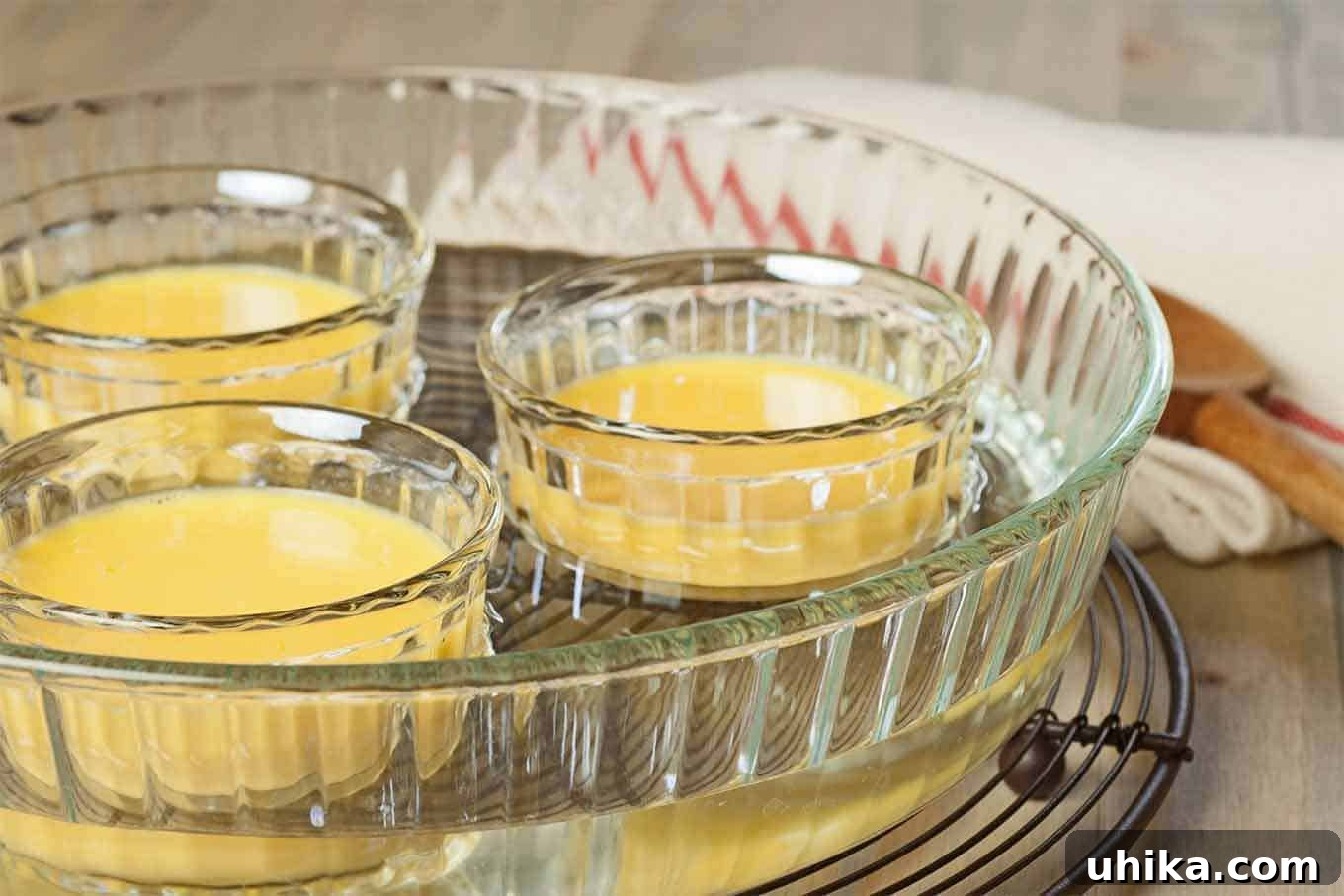
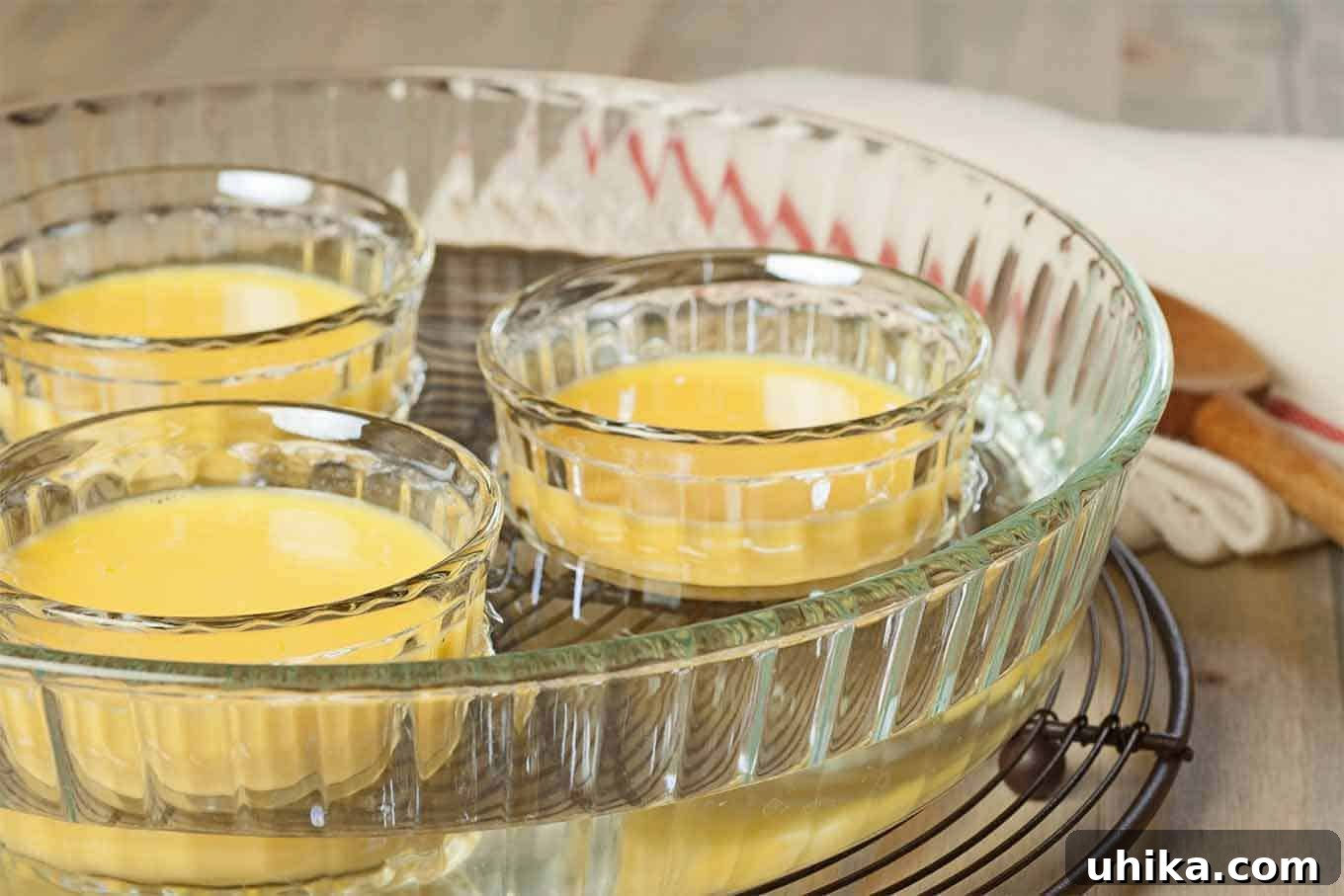
In the culinary world, achieving perfection often hinges on mastering seemingly simple yet profoundly effective techniques. One such method, indispensable for any home baker or professional chef dealing with delicate recipes, is the bain-marie. Also known as a water bath, this classic French cooking technique provides a gentle, consistent, and moist heat environment, crucial for the success of dishes that are prone to cracking, curdling, or drying out.
A bain-marie isn’t just a fancy term; it’s a smart solution to common baking challenges. By encasing your primary baking dish within a larger container filled with hot water, you create a buffer against direct, harsh oven heat. This buffer ensures that your custards achieve that irresistibly silky texture, cheesecakes emerge without unsightly cracks, and terrines cook evenly all the way through, delivering consistently delicious results every time. Whether you’re a seasoned chef or just starting your culinary journey, understanding and utilizing the water bath can elevate your baking to new heights.
Mastering the Bain-Marie: A Comprehensive Guide to Setting Up and Using a Water Bath
The concept behind a bain-marie is elegantly simple, yet its impact on delicate recipes is profound. It leverages the thermal properties of water to distribute heat evenly and prevent rapid temperature fluctuations, which are often the culprits behind culinary mishaps. Here’s a detailed look at why this technique is so effective and how to implement it flawlessly.
Why Use a Bain-Marie for Delicate Dishes?
The primary advantage of a water bath lies in its ability to create a controlled cooking environment. Here’s a breakdown of its key benefits:
- Even Heat Distribution: Water conducts heat more efficiently and gently than air. When placed in a water bath, your dish is surrounded by consistently hot water, ensuring that it cooks uniformly from all sides, including the bottom and sides, without developing hot spots. This evenness is vital for delicate items like custards and pâtés, preventing the edges from overcooking while the center remains raw.
- Temperature Control: A bain-marie acts as a temperature regulator. Water reaches a maximum temperature of 212°F (100°C) at sea level, meaning your dish will never exceed this temperature, even if your oven is set much higher. This gentle heat is perfect for egg-based dishes, preventing the proteins from cooking too quickly, which can lead to curdling or a rubbery texture.
- Moisture Retention: The steam generated by the hot water within the enclosed environment of the oven creates a humid atmosphere. This increased moisture prevents the surface of your dish from drying out or forming a tough skin, which is a common issue with uncovered baked goods. For cheesecakes and custards, this humidity contributes to their characteristic smooth and creamy texture.
- Preventing Cracking: Rapid cooling or uneven cooking can cause the surface of dishes like cheesecakes to crack. The gentle heat and gradual cooling provided by a water bath minimize these thermal shocks, allowing the dish to set slowly and evenly, resulting in a beautiful, unblemished top surface.
- Enhanced Texture: For desserts such as crème brûlée, flan, and various mousses, a water bath is key to achieving that coveted silky, melt-in-your-mouth consistency. The gentle cooking allows the proteins to coagulate slowly, creating a tender, uniform texture without any air bubbles or grittiness.
Selecting Your Containers for the Perfect Water Bath
The success of your bain-marie starts with choosing the right vessels. You’ll need two main components: an inner dish for your food and an outer container to hold the water.
- The Inner Dish (Food Container): This is where your recipe will actually bake. It could be anything from individual ramekins for custards, a soufflé dish, a loaf pan for terrines, or even a springform pan for cheesecakes. Ensure it’s oven-safe and the appropriate size for your recipe. For springform pans, always wrap the bottom and sides securely with heavy-duty aluminum foil (two layers are often recommended) to prevent any water from seeping in, which could ruin your dish.
- The Outer Container (Water Bath Pan): This larger dish will hold the inner container and the hot water.
- Size: It must be large enough to comfortably fit your inner dish(es) with at least 1/2-inch to 1 inch of space around each side. This spacing allows for proper water circulation and even heat transfer. If you’re using multiple smaller ramekins, ensure adequate space between them.
- Depth: Crucially, the outer container needs to be deep enough to hold water at least 1/2 to 2/3 the depth of your inner baking dish. This ensures enough surface area of your food is in contact with the warm water for effective heat transfer.
- Material: Common choices include sturdy roasting pans (metal), glass baking dishes, or ceramic casseroles. All are excellent choices as long as they are oven-safe and can withstand high temperatures.
Step-by-Step Setup for Your Bain-Marie
Follow these instructions carefully to assemble your water bath:
- Prepare Your Inner Dish: If using a springform pan, wrap the bottom and sides tightly with two layers of heavy-duty aluminum foil to create a waterproof barrier. Prepare your recipe and pour it into the inner baking dish.
- Place in Outer Container: Carefully place your prepared inner dish (or dishes) into the larger outer container.
- Optional Lining: For added stability, you can line the bottom of the outer container with a folded kitchen towel or a silicone mat. This helps prevent the inner dishes from sliding around when you move the bain-marie and can also act as an insulator, further promoting even heating. While not strictly required, it’s a helpful trick, especially for lighter ramekins.
- Preheat Oven and Boil Water: Preheat your oven to the temperature specified in your recipe. Simultaneously, bring a kettle of water to a boil on the stovetop. Using boiling or very hot tap water is crucial; cold water will significantly prolong the cooking time and may negatively impact the final texture of delicate items.
- Add Water Carefully: This is a critical step. Once your inner dish is in the outer container, place the entire assembly (without water yet) into the preheated oven. Then, slowly and carefully pour the boiling water into the outer container, around the inner dish(es).
- Water Level: Fill the water bath until the water reaches approximately 1/2 to 2/3 up the sides of your inner baking dish. Avoid overfilling, as splashes could enter your food, especially if the dish is not completely sealed. Pouring the water once the bath is in the oven minimizes the risk of sloshing and spills when transferring a heavy, hot pan.
- Safety First: Use oven mitts and be extremely cautious when handling hot water and moving the hot pan.
- Bake According to Recipe: Close the oven door gently and bake your recipe for the time and temperature specified. Monitor the water level during longer baking times; if it evaporates significantly, you can carefully add more boiling water.
- Check for Doneness: The method for checking doneness will vary by recipe. For custards, a slight jiggle in the center is often desirable, indicating a perfect set. For cheesecakes, the edges should be set, and the center may still have a slight wobble.
- Remove Promptly: As soon as your food is done, it’s essential to remove it from the hot water bath. Carefully take the entire outer container out of the oven. Using tongs or oven mitts, lift the inner dish out of the hot water bath.
- Cooling: Allow your dish to cool on a wire rack as per the recipe’s instructions. Leaving it in the hot water bath will cause it to continue cooking (carry-over cooking), potentially leading to an overbaked, dry, or cracked result.
Tips for Success with Your Bain-Marie
- Use Boiling Water: As mentioned, starting with hot water helps maintain the oven temperature and ensures gentle, consistent cooking from the beginning.
- Don’t Rush the Transfer: A full water bath can be heavy and precarious. Move it slowly and deliberately to and from the oven. If possible, have someone help you open and close the oven door while you hold the pan steady.
- Watch the Water Level: For recipes with extended baking times, check the water bath periodically. If the water level drops too low, carefully add more boiling water.
- Patience with Cooling: Resist the urge to cool your delicate baked goods too quickly. Sudden temperature changes can still cause cracking even after a perfect bake.
- Test Your Springform Pan: If using a springform pan for a cheesecake, you can do a quick test before use. Place the empty pan in water to see if any water seeps through. If it does, ensure you double-wrap with heavy-duty foil.
Common Mistakes to Avoid When Using a Water Bath
While a bain-marie is a straightforward technique, a few common errors can undermine its effectiveness:
- Using Cold Water: Filling the bath with cold water will significantly extend baking time and can lead to uneven cooking as the oven struggles to heat the large volume of water. Always use boiling or very hot water.
- Not Enough Water: If the water level is too low, the dish won’t benefit from the full insulating effect of the water bath, potentially leading to dryness or uneven cooking. Aim for at least half the height of your inner dish.
- Forgetting to Wrap Springform Pans: This is a classic mistake that results in a soggy cheesecake. Always use heavy-duty foil, wrapped tightly.
- Leaving Dishes in the Bath Too Long: Once cooking is complete, remove the dish from the hot water bath immediately. The residual heat in the water will continue to cook your food, leading to an overdone result.
- Moving Carelessly: A full water bath, especially a large one, can be heavy and hot. Sloshing water can spill into your dish or cause burns.
Recipes That Thrive in a Bain-Marie
The water bath technique is a secret weapon for achieving perfect results in a variety of dishes, both sweet and savory. Here are a few examples of recipes where a bain-marie is highly recommended:
- Custards and Crème Brûlée: The epitome of delicate desserts, custards rely on gentle heat to set to a creamy, smooth consistency without curdling.
- Cheesecakes: To prevent unsightly cracks on the surface and ensure a rich, dense, and evenly baked interior.
- Terrines and Pâtés: Many savory preparations, especially those with ground meats or vegetables, benefit from the slow, even cooking of a water bath to achieve a uniform texture and moisture.
- Flan and Crème Caramel: Similar to custards, these caramelized delights achieve their characteristic texture through a water bath.
- Some Delicate Soufflés: While many soufflés are baked directly, certain recipes, especially savory ones, can benefit from a water bath to rise gently and cook through without drying out.
To put your newfound bain-marie expertise to the test, consider trying these delicious recipes:
- Grape Nut Custard Pudding
- Savory Bacon, Leek and Thyme Bread Pudding
Embracing the bain-marie technique is a commitment to culinary excellence. It transforms potentially challenging recipes into triumphs of texture and flavor, ensuring that delicate dishes are cooked to perfection every single time. By providing a controlled, moist, and gentle cooking environment, the water bath proves itself as an invaluable tool for both novice and experienced cooks. So, next time you’re faced with a recipe calling for a silky custard or a crack-free cheesecake, confidently set up your bain-marie and prepare to impress!