
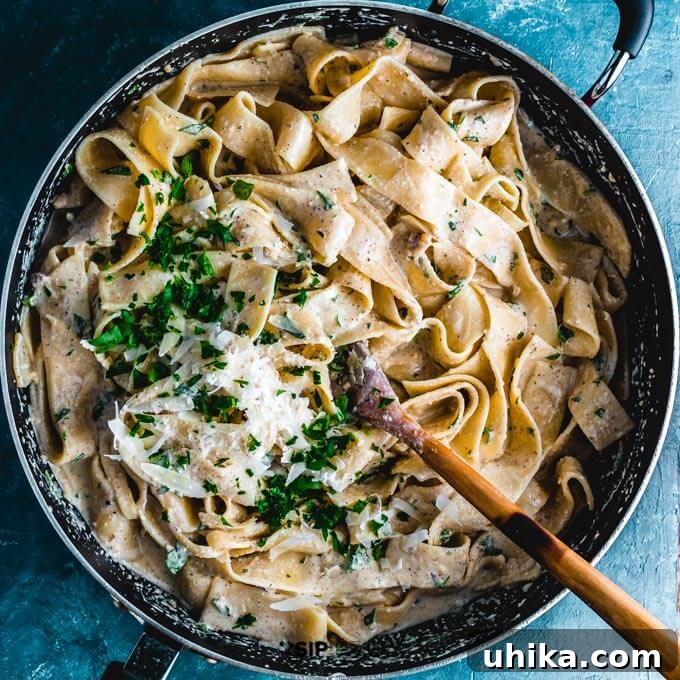
Welcome to the delightful world of Ligurian cuisine, where simplicity meets extraordinary flavor. Among its culinary treasures, Salsa di Noci, or traditional walnut sauce, stands out as a testament to rustic Italian elegance. This exquisite, creamy sauce is incredibly easy to prepare, transforming a simple pasta dish into a gourmet experience in under 30 minutes. Forget complicated recipes; this Ligurian walnut sauce is a weeknight savior that brings authentic Italian taste to your table with minimal effort.
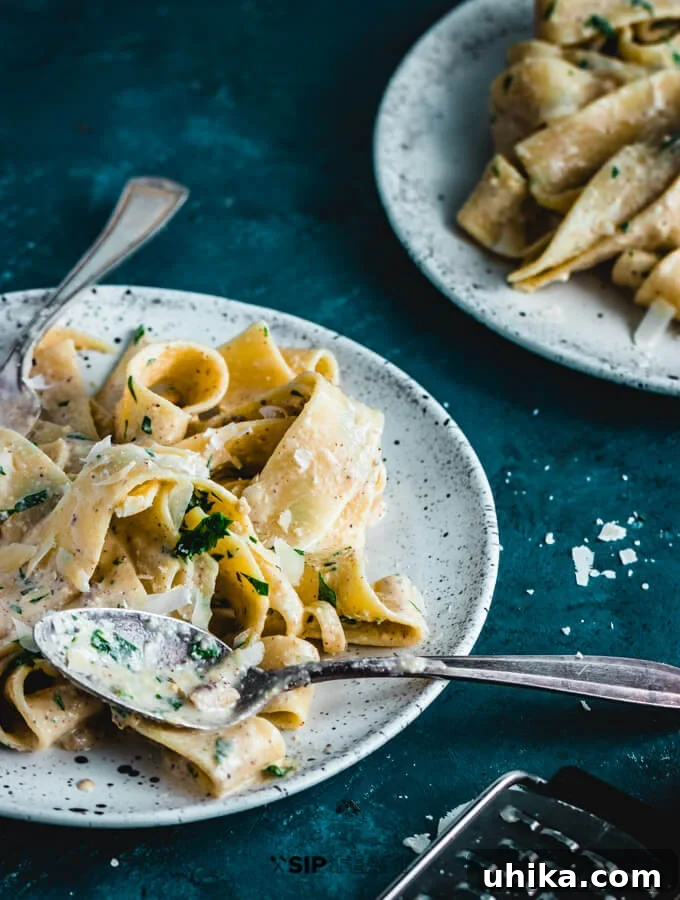
Authentic Salsa di Noci: The Ultimate Ligurian Walnut Sauce Pasta Recipe
Salsa di Noci, directly translating to “walnut sauce,” is a cornerstone of Ligurian cooking, a region in northwest Italy famous for its pesto and coastal flavors. Unlike its more herbaceous cousin, pesto Genovese, Salsa di Noci offers a unique, nutty richness that is both comforting and sophisticated. This versatile sauce pairs beautifully with a wide array of pasta shapes. While we highly recommend classic choices like spaghetti or linguine for their ability to cling perfectly to the sauce, don’t hesitate to experiment with your favorite pasta – from short cuts like penne or rigatoni to more delicate options.
Beyond conventional pasta, this Italian walnut sauce also elevates dishes like gnocchi or ravioli to new heights. In its native Italy, it’s frequently served over *pansotti*, a type of ravioli typically filled with a medley of green, bitter herbs. If you enjoy making homemade ravioli, consider a delightful filling of spinach, kale, endive, or other vibrant greens combined with rich cheeses such as Parmigiano Reggiano or Pecorino Romano to complement the creamy walnut sauce. The possibilities for customization are endless, and the recipe we’re sharing today can easily be adapted to suit your personal preferences.
Our beloved recipe for this creamy Salsa di Noci draws inspiration from the acclaimed cookbook, A Thousand Days In Veniceby Marlena De Blasi. My wife discovered this gem about 15 years ago, and from the moment she first made it, it became an instant family favorite. It’s now our go-to recipe for those busy weeknights when we crave something quick, easy, and undeniably delicious. This isn’t just a meal; it’s a comforting ritual that brings the warmth of Ligurian tradition right into our home.
What Makes Ligurian Salsa di Noci So Special?
Salsa di Noci distinguishes itself with its exquisite balance of creamy texture and deep, earthy flavors. Originating from Liguria, a region known for its verdant hillsides dotted with olive groves and walnut trees, this sauce is a true reflection of its landscape. Unlike tomato-based sauces, walnut sauce offers a mellow, sophisticated profile that allows the natural sweetness of walnuts to shine, perfectly harmonized with garlic, cheese, and a hint of wine. It’s a culinary journey to the Italian Riviera in every bite.
- Simplicity: Minimal ingredients and straightforward steps make it accessible for any home cook.
- Speed: A full, satisfying meal can be on the table in less than 30 minutes, ideal for busy schedules.
- Versatility: Pairs exceptionally well with almost any pasta, gnocchi, or as a base for stuffed pasta fillings.
- Unique Flavor Profile: A delightful alternative to traditional pesto or marinara, offering a rich, nutty, and creamy experience.
Essential Ingredients for Authentic Walnut Sauce (Salsa di Noci)
Creating an authentic Ligurian walnut sauce relies on a few key ingredients. Each component plays a vital role in achieving that rich, creamy, and subtly sweet flavor profile.
- Walnuts: The star of the show. For this recipe, we use regular shelled walnuts. While roasting them can add a deeper, toastier flavor, using raw walnuts keeps the sauce lighter and preserves their natural, delicate taste, which is preferred in the traditional preparation. Ensure your walnuts are fresh for the best flavor.
- Moscato Wine: This sweet white wine is a game-changer, lending a delightful floral note and subtle sweetness that beautifully complements the walnuts. If Moscato isn’t available or if you prefer a less sweet profile, a dry white wine such as Pinot Grigio or Sauvignon Blanc can be substituted. The wine helps to thin the sauce and adds a layer of complexity.
- Heavy Cream: Essential for achieving the luxurious, smooth, and creamy texture that defines Salsa di Noci. Heavy cream adds richness and body, making the sauce cling wonderfully to pasta. For a lighter version, milk or even a plant-based milk alternative (like almond or oat cream) can be used, though it will result in a less decadent consistency.
- Parmigiano Reggiano: A hard, salty, and umami-rich cheese that contributes depth and a savory counterpoint to the sweetness of the walnuts and Moscato. Freshly grated Parmigiano Reggiano is always superior. For a sharper, saltier kick, Pecorino Romano can also be used, or a blend of both.
- Extra Virgin Olive Oil: A cornerstone of Italian cooking, high-quality extra virgin olive oil is crucial not just for flavor but also for achieving the perfect emulsification and smoothness of the sauce during blending.
- Fresh Garlic: One clove of fresh garlic provides a gentle aromatic warmth without overpowering the delicate walnut flavor.
- Salt and Black Pepper: Essential seasonings to enhance all the flavors. Always taste and adjust to your preference.
- Fresh Parsley (Optional Garnish): Adds a touch of freshness and color when serving.
Step-by-Step: Crafting Your Homemade Salsa di Noci
Making this delectable walnut sauce is surprisingly straightforward, requiring just a few simple steps and minimal cooking. The key lies in balancing the flavors and achieving that silky-smooth consistency.
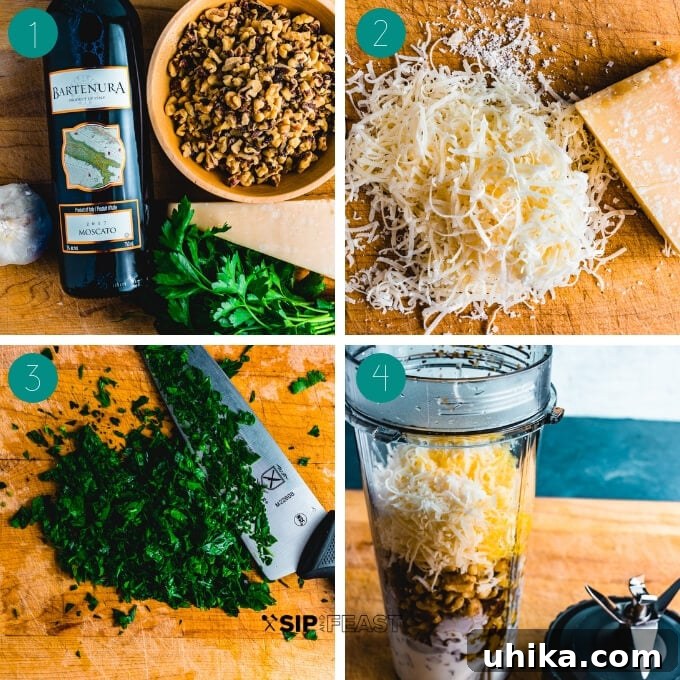
- Cook the Pasta: Begin by boiling your chosen pasta in a generous amount of well-salted water. Aim for an “al dente” texture, typically one minute less than the package instructions. This ensures the pasta retains a pleasant bite. Crucially, before draining, reserve approximately 1 cup of the starchy pasta water. This “liquid gold” is indispensable for achieving the perfect sauce consistency later.
- Prepare the Cheese and Herbs: While the pasta cooks, grate your Parmigiano Reggiano cheese. The walnut pesto sauce recipe specifically calls for 1/4 cup, but it’s always wise to grate extra for serving at the table, allowing everyone to add more to their liking. Separately, finely chop fresh parsley, if using, and set it aside for garnish.
- Blend the Sauce Ingredients: In a high-speed blender or food processor, combine 2 cups of shelled walnuts, 1/4 cup Moscato wine (or dry white wine), 1/4 cup heavy cream, 1/4 cup grated Parmigiano Reggiano, 1 clove of garlic, 1 teaspoon of kosher salt, 1/4 teaspoon of black pepper, and 1/4 cup of high-quality extra virgin olive oil. Blend these ingredients until the mixture is incredibly smooth and creamy. If the sauce appears too thick or struggles to blend, gradually add a tablespoon or two of tap water or a little more extra virgin olive oil until it reaches a spreadable, pesto-like consistency. The goal is a velvety texture without any chunky bits of walnut.
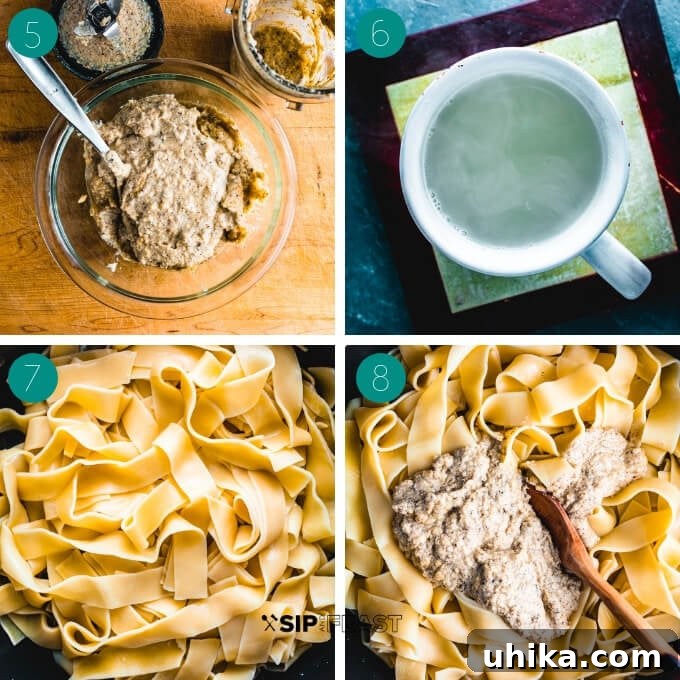
- Taste and Adjust the Sauce: Once blended, transfer the walnut sauce to a bowl and take a moment to taste it. This is your opportunity to adjust the seasoning. Add more salt or black pepper if needed, ensuring the flavors are perfectly balanced to your preference. At this stage, the sauce will likely be quite thick, which is normal.
- Combine Pasta and Sauce: Place the cooked pasta in a clean, large pan or skillet. Add a couple of tablespoons of the reserved pasta water and turn the heat to medium. This step is crucial; the starchy pasta water helps the sauce emulsify and adhere beautifully to the pasta.
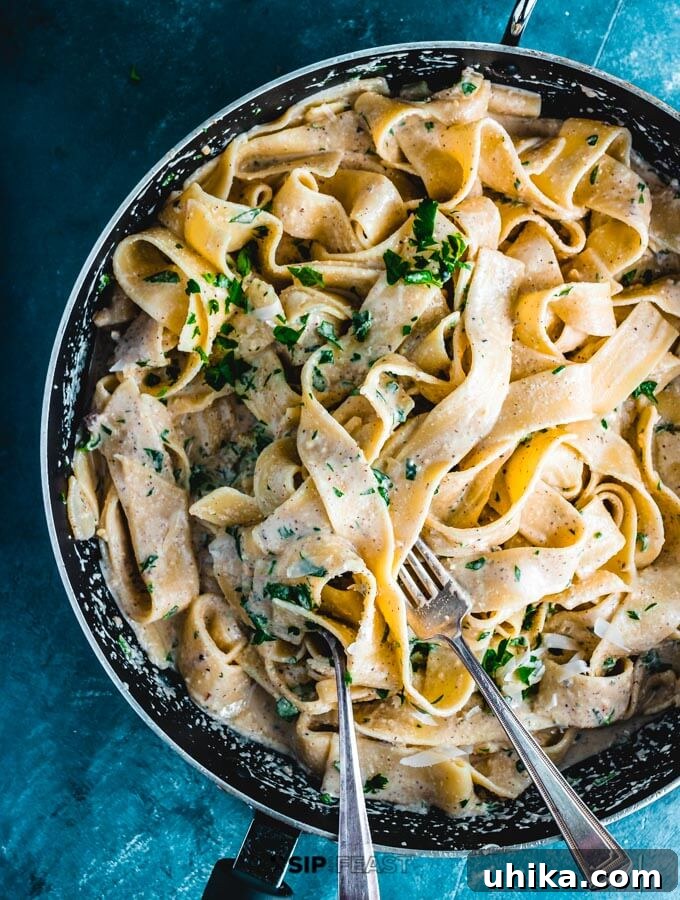
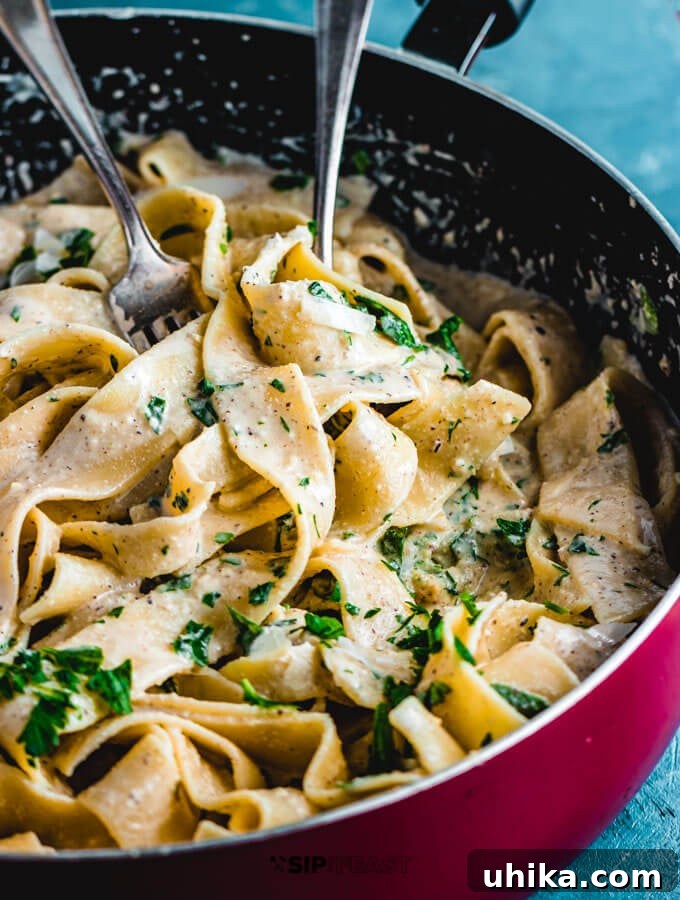
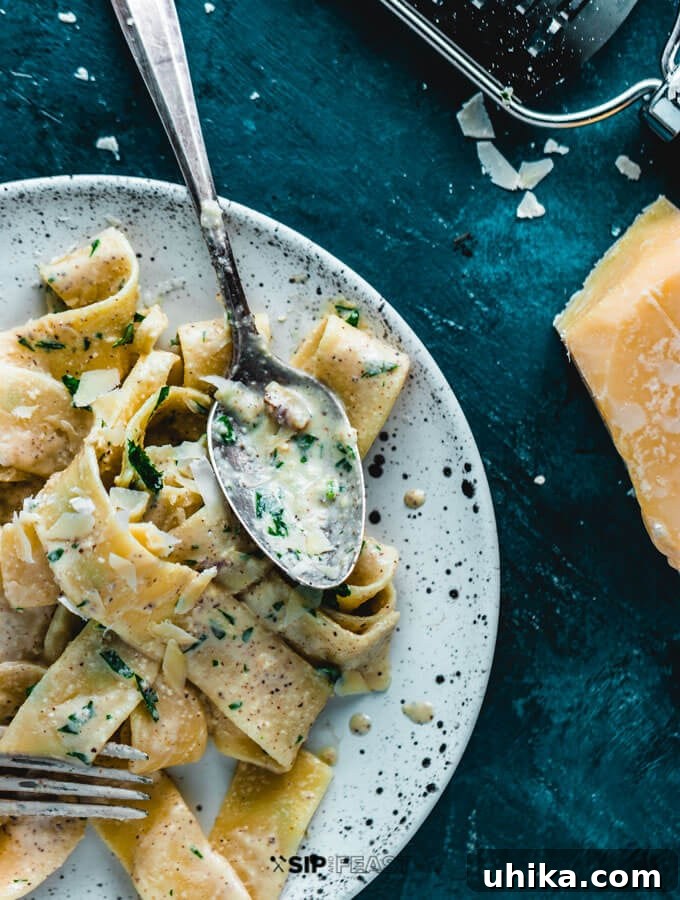
- Finish and Serve: Add the prepared Salsa di Noci to the pasta in the pan. Stir everything together continuously for 1-2 minutes, ensuring every strand of pasta is thoroughly coated in the luxurious sauce. If the sauce seems too thick, gradually add more of the reserved pasta water, a tablespoon at a time, until you achieve your desired, perfect consistency – it should be creamy and flowing, not dry. Remove the pan from the heat, give it one final taste test, and make any last-minute adjustments to salt or pepper. Finally, stir in the optional chopped fresh parsley if you like, for an added burst of freshness. Serve immediately with extra Parmigiano Reggiano and a sprinkle of black pepper. Enjoy!
Expert Tips for the Best Salsa di Noci Pasta
When preparing any pasta dish, especially one with a delicate sauce like Salsa di Noci, remember that seasoning is dynamic. While your sauce might taste absolutely perfect and bursting with flavor right after blending, adding it to a pound of plain pasta can sometimes dilute those vibrant tastes, making the overall dish seem a little bland.
To preempt this common culinary challenge, always ensure your pasta water is adequately salted. A good rule of thumb is to use two tablespoons of kosher salt per gallon of water when boiling any pasta. This seasons the pasta from within, building a flavorful foundation. Even after salting the pasta water, the walnut pesto on top of the pasta might still benefit from some final adjustments. Always taste the combined dish at the very end, just before serving, and feel free to add a little more salt, freshly ground black pepper, or grated cheese to achieve that perfect, harmonious balance of flavors. It’s an easy but crucial step that makes all the difference!
Additional Pro Tips:
- Quality of Walnuts: Use fresh, good-quality shelled walnuts. Old walnuts can sometimes taste bitter.
- Don’t Over-blend: While you want a smooth sauce, avoid over-blending for too long, as this can sometimes heat the nuts and make them slightly bitter. Blend until just smooth.
- Pasta Shape Matters: While versatile, sauces like Salsa di Noci truly shine with shapes that can hold the sauce well, like linguine, spaghetti, trenette, or even garganelli.
- Emulsification is Key: The reserved pasta water is not just for thinning; its starch helps create a beautiful emulsion, binding the sauce to the pasta for a cohesive dish.
- Serve Immediately: Walnut sauce is best enjoyed fresh. The pasta absorbs the sauce quickly, so serve it as soon as it’s perfectly coated.
Serving Suggestions and Creative Variations
While Salsa di Noci pasta is a complete meal on its own, you can enhance the dining experience with a few simple additions. A crisp green salad with a light vinaigrette makes for a refreshing counterpoint to the rich sauce. A side of crusty Italian bread is perfect for soaking up every last bit of the delicious sauce. For wine pairing, a light-bodied white wine, perhaps even a dry Moscato if you used sweet, or a crisp Vermentino from Liguria, would be an excellent choice.
Don’t be afraid to get creative with your Salsa di Noci!
- Add Vegetables: Sautéed mushrooms, roasted asparagus, or blanched green beans can be lovely additions, stirred in with the pasta and sauce.
- Protein Boost: For a heartier meal, consider adding grilled chicken, pan-seared shrimp, or crispy pancetta to your walnut sauce pasta.
- Herb Variations: While parsley is classic, a touch of fresh marjoram or sage can introduce different aromatic notes.
- Dairy Alternatives: For those avoiding dairy, cashew cream can be a surprisingly good substitute for heavy cream, maintaining the luscious texture.
- Spice It Up: A pinch of red pepper flakes can add a subtle kick if you enjoy a bit of heat.
Frequently Asked Questions About Salsa di Noci
- Can I make Salsa di Noci ahead of time?
- Yes, the walnut sauce can be prepared up to 3-5 days in advance and stored in an airtight container in the refrigerator. Before using, allow it to come to room temperature and whisk in a little pasta water or milk if it has thickened too much.
- Can I freeze walnut sauce?
- While it’s possible, freezing creamy sauces can sometimes alter their texture upon thawing. If you choose to freeze it, do so without the cream, adding it fresh when reheating. Freeze in an airtight container for up to 1-2 months.
- What’s the best way to reheat leftovers?
- For best results, gently reheat the pasta and sauce in a skillet over low heat, adding a splash of reserved pasta water or milk to loosen the sauce and bring it back to a creamy consistency. Avoid high heat, which can cause the sauce to separate.
- What kind of walnuts should I use?
- Shelled English walnuts (common walnuts) are generally used for Salsa di Noci. Ensure they are fresh and not rancid, as this will significantly impact the flavor.
- Is this recipe suitable for dietary restrictions?
- The base recipe contains dairy and nuts. For dairy-free versions, you can experiment with plant-based creams and nutritional yeast for a cheesy flavor. For nut allergies, this recipe is not suitable.
More Creamy & Comforting Pasta Recipes to Explore
If you’ve enjoyed the rich, creamy goodness of this Salsa di Noci, you’re sure to love these other comforting pasta recipes. They are perfect for satisfying your cravings for hearty, flavorful Italian-inspired meals:
- Pappardelle Bolognese: A slow-cooked, rich meat sauce served with broad, hearty pappardelle pasta.
- Italian Sausage Pasta: A flavorful dish featuring savory Italian sausage in a luscious cream sauce.
- Garlic Mushroom Pasta: A simple yet elegant pasta showcasing earthy mushrooms and aromatic garlic in a light sauce.
We truly hope you’ve enjoyed learning how to make this delightful Walnut Sauce, or Salsa di Noci Recipe. If this recipe has brought joy to your kitchen, please consider giving it a 5-star rating and sharing your thoughts in the comments below. Your feedback helps us continue to create and share delicious recipes!
We understand that everyone learns differently. If you prefer visual guides, you can find many of our recipes, including similar pasta dishes, on our official YouTube channel and our Facebook Page.
For exclusive, never-before-seen FULL MEAL RECIPE VIDEOS and to support our culinary endeavors, we invite you to become a Patreon member today!
Walnut Sauce Pasta (Salsa di Noci)
by James Delmage
5 from 5 votes
Prep Time: 10 mins
Cook Time: 15 mins
Total Time: 25 mins
Servings: 4
Pin Recipe
Easy walnut sauce or pesto that is so delicious tossed over your choice of pasta, bringing a taste of Liguria to your table.
Ingredients
- 1 pound pasta (such as spaghetti, linguine, or fettuccine)
- 2 cups shelled walnuts (fresh, good quality)
- 1/4 cup Moscato white wine (or dry white wine)
- 1/4 cup heavy cream
- 1/4 cup extra virgin olive oil (high-quality)
- 1 clove garlic
- 1/4 cup Parmigiano Reggiano, freshly grated (plus more for serving)
- 1 cup reserved pasta water
- 1/4 cup tap water (for blending, if needed)
- 1 tsp kosher salt (plus more to taste)
- 1/4 tsp black pepper (freshly ground, plus more to taste)
- 1/8 cup fresh parsley, chopped (optional, for garnish)
Instructions
- Cook pasta in generously salted water until “al dente,” about 1 minute less than package directions. Before draining, reserve 1 cup of the starchy pasta water.
- In a blender or food processor, combine the 2 cups walnuts, 1/4 cup Moscato, 1/4 cup heavy cream, 1/4 cup grated Parmigiano Reggiano, 1 clove garlic, 1 tsp salt, 1/4 tsp black pepper, and 1/4 cup extra virgin olive oil. Blend until the sauce is completely smooth and creamy. If it’s too thick, add a little more olive oil or 1-2 tablespoons of tap water until it blends easily and reaches a velvety consistency.
- Place the cooked pasta in a clean, large pan or skillet. Add about 2 ounces (1/4 cup) of the reserved pasta water to the pan and set over medium heat.
- Add the blended walnut sauce to the pasta. Stir continuously, tossing to ensure all the pasta is well coated. If the sauce appears too thick, gradually add more reserved pasta water, a tablespoon at a time, until the sauce achieves your desired creamy consistency. Cook for 1-2 minutes, allowing the flavors to meld and the sauce to adhere to the pasta.
- Remove from heat. Taste the pasta and sauce, then adjust seasoning with more salt, pepper, or cheese if necessary. Stir in the chopped fresh parsley, if using.
- Serve immediately with an extra sprinkle of Parmigiano Reggiano and freshly ground black pepper. Enjoy your authentic Salsa di Noci!
Notes
- Always taste test and adjust salt after combining the sauce with the pasta, as the pasta will absorb some seasoning.
- Make sure to reserve plenty of pasta water. It’s a fantastic emulsifier and insurance policy, especially as creamy sauces can thicken quickly once removed from heat.
- For an even richer flavor and presentation, serve generously with additional freshly grated Parmigiano Reggiano.
- Leftover sauce can be stored in an airtight container in the refrigerator for up to 5 days. You may need to thin it with a little water or milk when reheating.
Nutrition
Calories: 884 kcal
Carbohydrates: 69 g
Protein: 30 g
Fat: 56.8 g
Cholesterol: 98 mg
Sodium: 174 mg
Nutrition information is automatically calculated and should only be used as an approximation.
Like this recipe? We’d love to hear from you! Leave a comment below.
Check us out on Instagram at @sipandfeast or tag #sipandfeast with your culinary creations!