
Podcast: Play in new window | Download (Duration: 56:21 — 85.0MB)
Subscribe or Follow Apple Podcasts | Spotify | Amazon Music | RSS | More
The culinary journey is often filled with trial and error, a path where “hindsight is 20/20” truly shines. Every seasoned chef or home cook can recall moments when a simple piece of advice would have saved time, prevented frustration, or elevated a dish from good to unforgettable. Rather than keeping these valuable lessons to ourselves, we’re here to share the wisdom gained from countless hours in the kitchen. In this comprehensive guide, we’ll dive deep into the 10 essential cooking tips and techniques I wish I knew when I first started cooking. These are not just basic instructions, but foundational principles that will transform your approach to food preparation, helping you cook with greater confidence, efficiency, and joy.
Watch on YouTube
Table of Contents
- Watch on YouTube
- 1. Embrace Mise en Place
- 2. Master the Art of a Clean Kitchen
- 3. Befriend Your Stainless Steel Pans
- 4. Maximize Citrus Juice with a Simple Roll
- 5. Never Discard Pasta Water
- 6. Read the Entire Recipe Before You Start
- 7. Sharpen Your Knives Regularly
- 8. Taste As You Go (and Adjust Seasoning)
- 9. Don’t Overcrowd the Pan
- 10. Rest Your Meat
- Resources
1. Embrace Mise en Place
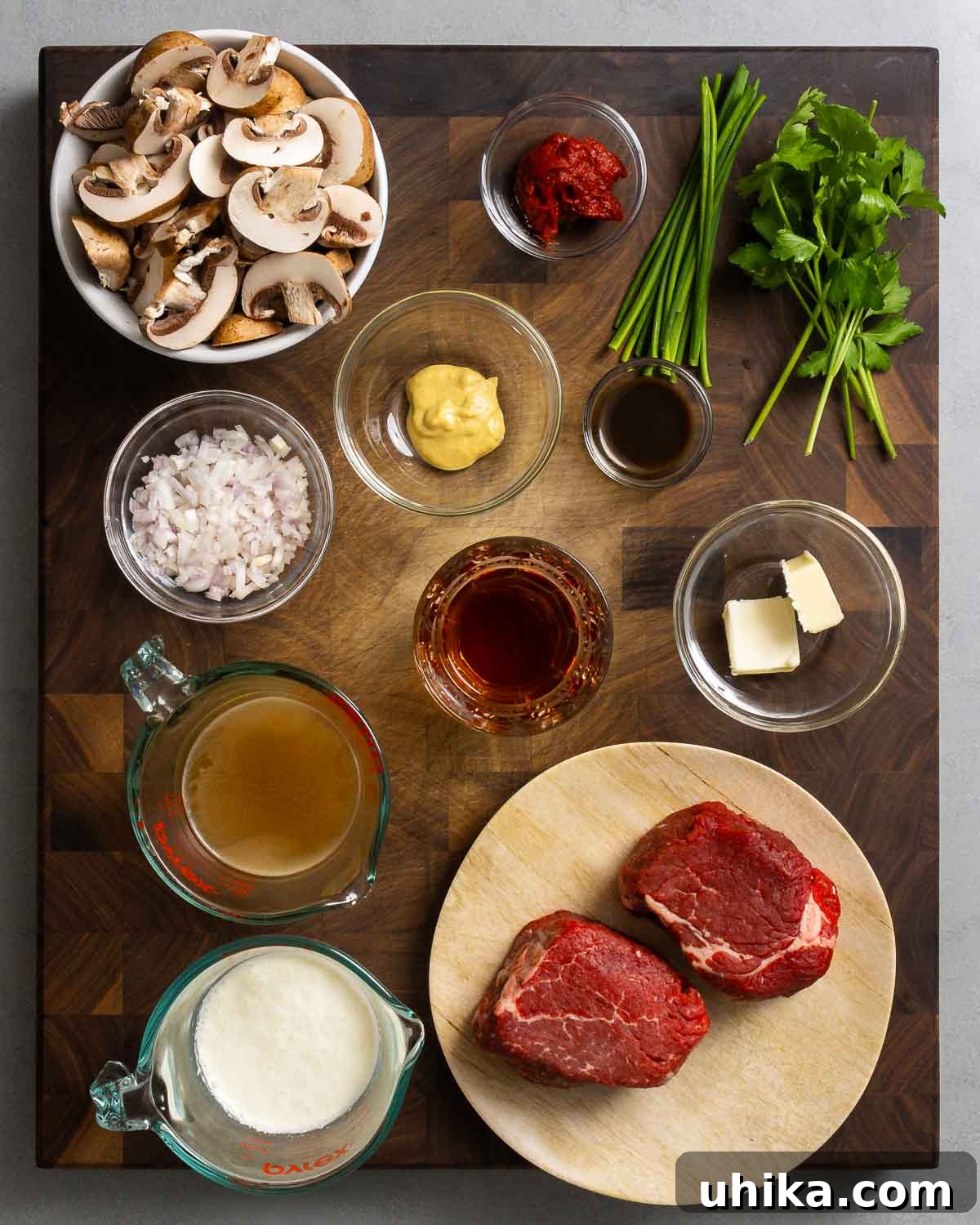
While my personal list of culinary lessons could easily extend beyond just ten items, if there’s one tip that stands head and shoulders above the rest, it’s the practice of mise en place. This French culinary term, meaning “everything in its place,” is the cornerstone of efficient and stress-free cooking. It’s the meticulous preparation and arrangement of all your ingredients and tools *before* you even turn on the stove.
Imagine a bustling restaurant kitchen: every chef has their prepped ingredients neatly organized and within arm’s reach. This isn’t just for show; it’s crucial for delivering dishes consistently and under pressure. By adopting mise en place at home, you’ll experience a profound shift in your cooking process. You’ll be better organized, allowing you to move through recipe steps fluidly, without frantic searches for a missing ingredient or the sudden realization that you forgot to chop an onion.
This disciplined approach minimizes mistakes, prevents burning, and allows you to focus on the cooking itself, rather than the scramble. It’s a concept taught in culinary schools worldwide, but its benefits are universally applicable. Start by reading your recipe thoroughly, then gather all your tools, measure out ingredients, chop vegetables, mince garlic, and have everything ready to go. You’ll not only cook more efficiently but also enjoy the process much more, feeling like a true culinary professional.
2. Master the Art of a Clean Kitchen
A tidy kitchen is not just aesthetically pleasing; it’s fundamental to safe, efficient, and enjoyable cooking. One of the most impactful habits to develop early on is to clean as you go. Don’t wait for a mountain of dirty dishes and sticky counters to accumulate before tackling the mess. Instead, wipe spills immediately, wash or rinse tools as soon as you’re done with them, and keep your workspace clear. This proactive approach prevents cross-contamination, makes your kitchen a more hygienic environment, and drastically reduces the daunting task of post-meal cleanup.
Keeping a hot, soapy water bath ready in a spare sink or large bowl can be incredibly helpful for quickly rinsing utensils. A clean kitchen means you can find what you need when you need it, preventing panic in the middle of a complex dish. It fosters a sense of calm and control, allowing you to focus on the nuances of your cooking rather than navigating through clutter. Remember, a clean kitchen is a happy kitchen, and it’s a hallmark of a truly skilled cook.
3. Befriend Your Stainless Steel Pans
Many novice cooks gravitate towards non-stick pans for fear of food sticking, but truly understanding how to use stainless steel pans can unlock a new level of flavor and cooking versatility. The key to preventing sticking and achieving beautiful browning (the “fond” that creates incredible sauces) lies in proper heat management and preheating.
Always preheat your stainless steel pan over medium to medium-high heat for a few minutes before adding any oil. You can test if it’s hot enough by adding a few drops of water; if they skitter and evaporate quickly, the pan is ready. Add your oil and let it shimmer (but not smoke) before introducing your ingredients. When food hits a properly heated and oiled stainless steel pan, it will initially stick, but as it cooks and a crust forms, it will naturally release. Don’t try to force it! This technique is essential for searing meats, poultry, and vegetables to perfection, creating deep, rich flavors that non-stick simply can’t achieve. Learning to use these pans effectively will drastically improve the depth of flavor in your dishes and open up opportunities for amazing pan sauces through deglazing.
4. Maximize Citrus Juice with a Simple Roll
Ever squeezed a lemon or lime and felt like you didn’t get nearly enough juice out of it? Here’s a simple, yet incredibly effective trick: before cutting, roll your citrus vigorously on a countertop while applying firm pressure with your palm. This action helps to break down the internal membranes and cells within the fruit, releasing more juice and making it easier to extract. You’ll notice an immediate difference in the yield, getting every last drop of flavorful liquid.
Another tip to enhance juicing is to microwave the citrus for 10-20 seconds before rolling and squeezing. The gentle heat further softens the fruit and loosens the membranes. This combination ensures you extract the maximum amount of bright, fresh flavor, which is crucial for dressings, marinades, and finishing touches on countless dishes.
5. Never Discard Pasta Water
For many, pasta water is just a byproduct of cooking noodles, something to be drained and forgotten. However, starchy pasta water is a chef’s secret weapon, an essential ingredient that can elevate your pasta dishes from good to extraordinary. As pasta cooks, it releases starch into the water, creating a cloudy, slightly thickened liquid.
This starchy water acts as a natural emulsifier, helping to bind your sauce to the pasta and create a luscious, velvety texture that clings beautifully to every strand. When finishing your pasta in its sauce, add a ladleful (or two) of this reserved water. The starch helps to thicken the sauce and create a cohesive dish, ensuring your pasta isn’t dry or swimming in a watery sauce. Dishes like Cacio e Pepe, Carbonara, or any simple tomato sauce benefit immensely from this technique, demonstrating how a seemingly insignificant detail can make a monumental difference.
6. Read the Entire Recipe Before You Start
It sounds obvious, yet it’s a mistake countless home cooks (and even some seasoned ones) make: diving into a recipe without fully understanding the journey ahead. One of the most crucial pieces of advice I can offer is to read the entire recipe from start to finish before you even pull out a single ingredient. This simple act is your roadmap to success, preventing last-minute surprises and ensuring a smooth cooking process.
Reading ahead allows you to identify all necessary ingredients and tools, understand the sequence of steps, anticipate potential challenges, and plan your mise en place effectively. You might discover that a marinade needs to sit for hours, or that a component needs to chill overnight. Knowing these details in advance saves you from frantic chopping while something is burning, or realizing you don’t have a specific ingredient in the middle of a crucial step. It helps you manage your time, prevents stress, and ultimately leads to a much more successful and enjoyable cooking experience.
7. Sharpen Your Knives Regularly
Many beginners fear sharp knives, assuming they are more dangerous. In reality, the opposite is true: a dull knife is far more hazardous than a sharp one. A dull blade requires more force to cut through food, making it prone to slipping off ingredients and increasing the risk of injury. A sharp knife, on the other hand, glides effortlessly and precisely, requiring less pressure and allowing for greater control.
Regular sharpening isn’t just about safety; it’s about efficiency and precision. Well-maintained knives make prep work faster and more enjoyable. They allow for clean cuts, which not only look better but also help ingredients cook more evenly. Invest in a good quality sharpening steel or whetstone and learn basic sharpening techniques. It’s a fundamental skill that will transform your kitchen experience and make you a more confident cook.
8. Taste As You Go (and Adjust Seasoning)
This might be the single most important habit to cultivate for truly delicious cooking. Many beginners follow recipes precisely, adding the exact amount of salt or spice specified, and then only taste at the very end. However, tasting your food at various stages of cooking is crucial for building and balancing flavors. Ingredients can vary in intensity, and your personal preferences for salt, acidity, or spice will differ from anyone else’s.
As you cook, regularly spoon out a small portion, let it cool slightly, and taste it. Ask yourself: Does it need more salt? A pinch of sugar to balance acidity? A squeeze of lemon juice to brighten the flavors? A dash of heat? Seasoning isn’t a one-time event; it’s an ongoing process of refinement. This iterative tasting and adjusting allows you to layer flavors, correct imbalances, and ensure that the final dish is perfectly tailored to your palate. It’s the difference between a recipe that tastes good and one that tastes absolutely incredible.
9. Don’t Overcrowd the Pan
When cooking with a skillet or baking sheet, especially when searing or roasting, there’s a strong temptation to fit as much food into the pan as possible to speed things up. However, overcrowding your pan is a common mistake that leads to steaming rather than browning, resulting in limp, pale, and less flavorful food. This is particularly true for items like vegetables, chicken pieces, or mushrooms.
When too much food is packed into a pan, the temperature drops significantly, and the moisture released from the ingredients has nowhere to go. Instead of evaporating and allowing the food to develop a delicious caramelized crust, it steams, becoming soft and soggy. Always cook in batches if necessary, ensuring there’s enough space around each piece for air to circulate and moisture to escape. This allows for proper browning, which adds depth, texture, and complex flavors that are impossible to achieve otherwise. Patience here truly pays off in the final taste and presentation of your dish.
10. Rest Your Meat
After beautifully cooking a piece of steak, a roast chicken, or even a pork chop, the instinct is often to slice into it immediately. Resist this urge! One of the most important steps to juicy, tender meat is to rest it after cooking. When meat cooks, its muscle fibers contract, pushing the juices towards the center. If you cut into it immediately, those juices will gush out onto your cutting board, leaving you with dry meat.
Resting allows the muscle fibers to relax and reabsorb those precious juices, distributing them evenly throughout the cut. The resting time varies depending on the size of the meat – typically 5-10 minutes for steaks and chops, and 15-30 minutes (or even longer for very large roasts) for larger cuts. Simply transfer the cooked meat to a cutting board, tent it loosely with foil, and let it sit. You’ll be amazed at the difference this simple act makes in the juiciness and tenderness of your final dish, turning good meat into exceptional meat.
Resources
To further enhance your culinary skills and apply these valuable tips, explore some of our favorite recipes:
- Beef Bourguignon recipe
- Italian lentil soup recipe
- Prime rib recipe
- Buffalo wings recipe
We hope these 10 Essential Cooking Tips have provided you with valuable insights that you can immediately apply in your kitchen. Learning to cook is a continuous journey, and embracing these fundamental principles will undoubtedly set you on the path to becoming a more confident and skilled home cook. If you enjoyed this episode, please leave us a comment below and share your own indispensable cooking tips! We love hearing from our community.
Do you have questions about cooking, ingredients, or anything food-related? We thrive on your curiosity! Please send them to [email protected]. No question is too big or too small, and every query helps us all learn and grow together.
If you enjoy our weekly podcast and find our content valuable, consider supporting us on Patreon. Your support allows us to continue creating high-quality culinary content, and as a bonus, you’ll receive 2 additional exclusive episodes each month!
Thanks for listening and happy cooking!
For a complete list of all podcast episodes, visit our podcast episode page.