
Mastering Individual Beef Wellingtons: A Guide to the Perfect Festive Entrée
Few dishes exude elegance and sophistication quite like a perfectly crafted Beef Wellington. While traditionally a grand roast meant for sharing, the individual Beef Wellington offers a refined twist, presenting each guest with their own magnificent, pastry-wrapped parcel of tender beef. This classic entrée is not just for the holidays; it’s a show-stopping choice for any special occasion, promising an unforgettable dining experience.
The beauty of preparing individual servings is that it offers all the glamour and taste of its larger counterpart without the complexities of slicing a full roast at the table. Each portion ensures consistent cooking, allowing you to achieve that ideal medium-rare doneness for every guest. Despite its luxurious appearance, this individual beef Wellington recipe is surprisingly approachable, making it a fantastic culinary project for home cooks looking to impress.
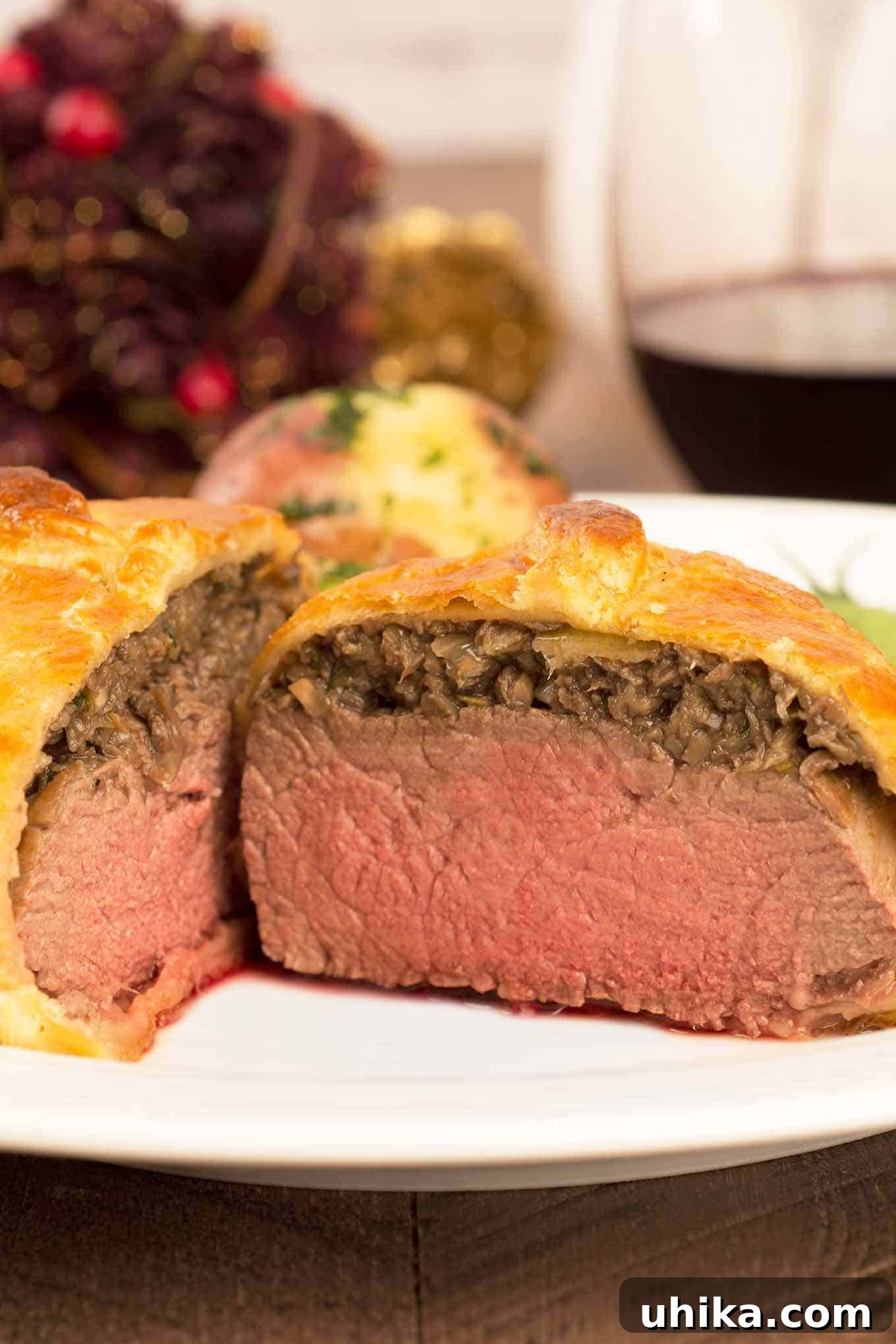
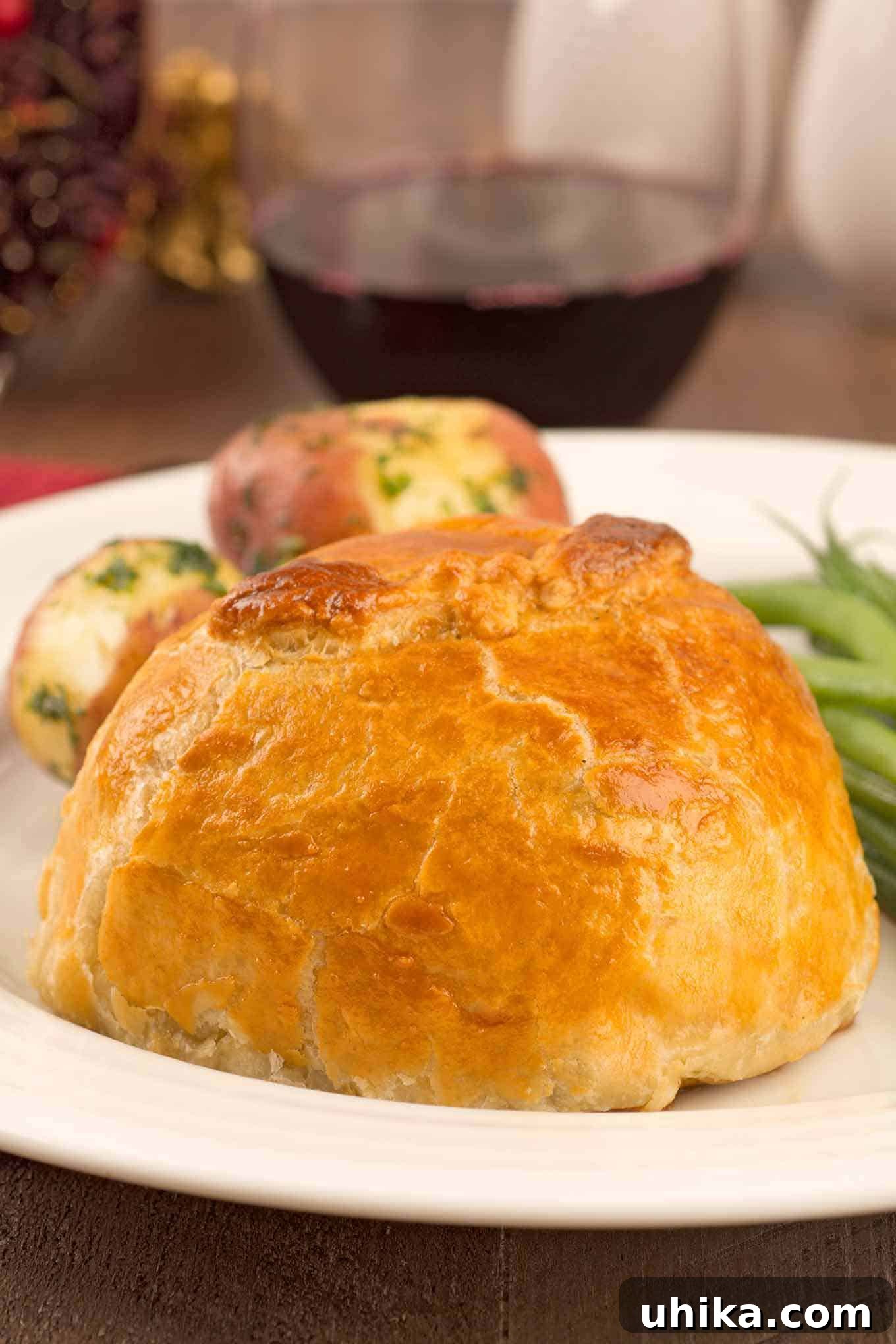
Imagine a succulent filet mignon, seared to perfection, generously coated with a rich, earthy mushroom duxelles, and then encased in golden, flaky puff pastry. This exquisite combination of textures and flavors creates a harmonious bite – the crisp pastry giving way to the savory mushroom layer, followed by the melt-in-your-mouth tenderness of the beef. It’s a truly gourmet experience that speaks volumes of care and culinary prowess.
Why Choose Individual Beef Wellingtons?
There are several compelling reasons to opt for individual Beef Wellingtons over a larger roast:
- **Elegant Presentation:** Serving individual portions elevates the dining experience, making each plate feel like a meticulously prepared culinary masterpiece. It’s a feast for the eyes before it’s a feast for the palate.
- **Consistent Cooking:** Achieving the perfect doneness across a large beef tenderloin can be challenging. With individual filets, the smaller size allows for more even cooking, greatly increasing your chances of hitting that desired rare or medium-rare internal temperature.
- **Portion Control:** Individual servings eliminate the guesswork of slicing and ensure each guest receives a perfectly sized portion, ideal for a multi-course holiday meal.
- **Reduced Stress:** While the process involves several steps, assembling individual Wellingtons can often feel less daunting than tackling a massive roast. The smaller scale can be more manageable for home chefs.
- **Flavor Uniformity:** Every bite delivers the full spectrum of flavors – the rich beef, savory duxelles, and buttery pastry – ensuring a consistently delicious experience from start to finish.
The Essential Components of a Perfect Beef Wellington
Crafting an individual Beef Wellington involves a few key elements, each playing a vital role in the final symphony of taste and texture:
1. The Filet Mignon: The Heart of the Wellington
The choice of meat is paramount. Filet mignon, cut from the tenderloin, is prized for its lean, buttery texture and mild flavor. For individual Wellingtons, look for thick-cut filets (around 1¾ inches) that will hold their shape and remain incredibly tender after baking. It’s crucial to sear the filets thoroughly before wrapping them in pastry. This quick sear creates a flavorful crust, locks in juices, and helps the meat retain its shape. Bringing the filets to room temperature before searing also promotes more even cooking.
2. The Mushroom Duxelles: An Earthy Layer of Flavor
Duxelles is a finely chopped mixture of mushrooms, shallots, garlic, and herbs, cooked down until all moisture has evaporated. This intense, savory paste acts as a protective layer, preventing the pastry from becoming soggy while infusing the beef with deep, earthy notes. The key to a good duxelles is to cook it until it’s very dry – this concentrates the flavors and ensures it doesn’t release moisture into the pastry during baking. Fresh thyme is an ideal herb to complement the richness of the mushrooms and beef.
3. The Flaky Puff Pastry: The Golden Casing
Puff pastry is the defining feature of a Wellington, providing that irresistible golden, airy, and crisp exterior. Using a good quality store-bought frozen puff pastry sheet simplifies the process significantly without compromising on taste or texture. It’s crucial to keep the pastry chilled as much as possible while working with it, as this prevents the butter layers from melting, which is essential for achieving those beautiful, flaky layers. A light egg wash brushed over the pastry before baking contributes to its glorious golden-brown finish.
Step-by-Step Guide to Crafting Your Individual Beef Wellingtons
While the concept might seem complex, breaking down the process makes it surprisingly manageable. Follow these steps to achieve culinary perfection:
4.80 from 5 votes
Individual Beef Wellingtons
Lynne Webb
20 minutes
25 minutes
45 minutes
4
servings
Pin Recipe
Rate Recipe
Print Recipe
Ingredients
-
4
filet mignons,
1-3/4-inch thick – see notes -
Salt and freshly ground black pepper -
1
tablespoon
olive oil -
1
sheet frozen puff pastry dough,
thawed -
1
egg,
lightly beaten with 1 teaspoon water
For the Mushroom Duxelles:
-
8
ounces
white button mushrooms,
washed, trimmed and roughly chopped -
1
shallot,
peeled and roughly chopped -
1
clove
garlic,
quartered -
2
teaspoons
fresh thyme leaves -
1
tablespoon
butter -
1
tablespoon
olive oil -
Salt and freshly ground black pepper
Enjoying this recipe? Consider joining our mailing list for more gourmet recipes and cooking tips straight to your inbox!
Instructions
-
1. Prepare the Filets: Remove the filets from the refrigerator and let them sit at room temperature for about 30 minutes. This helps ensure more even cooking from edge to center.
-
2. Make the Mushroom Duxelles: In the work bowl of a food processor, combine the mushrooms, shallot, garlic, and fresh thyme. Pulse until the mixture is finely chopped, almost a paste-like consistency. Avoid over-processing to prevent it from becoming a liquid.
-
3. Cook the Duxelles: Heat the butter and 1 tablespoon of olive oil in a frying pan over medium heat. Add the finely chopped mushroom mixture. Cook, stirring frequently, until all the liquid the mushrooms release has completely evaporated and the mixture is lightly browned and very dry. This step is crucial for preventing soggy pastry. Season generously to taste with salt and freshly ground black pepper. Set the duxelles aside and allow it to cool completely.
-
4. Preheat Oven and Prepare Baking Sheet: Preheat your oven to 425°F (220°C). Line a rimmed baking sheet with parchment paper to prevent sticking and ensure easy cleanup.
-
5. Sear the Filets: Pat the filet mignons completely dry with paper towels; this is essential for a good sear. Season them generously on all sides with salt and freshly ground black pepper. Heat 1 tablespoon of olive oil in a separate frying pan over medium-high heat until shimmering.
-
6. Finish Searing: Add the seasoned filets to the hot pan and sear them for precisely 1 minute per side to create a beautiful crust. Carefully turn each filet on its side and sear just long enough to lightly brown the edges, approximately 1 minute longer. Transfer the seared filets to a plate and allow them to cool for about 5 minutes.
-
7. Apply Duxelles to Filets: Once the filets are cool enough to handle, spoon an even portion of the cooled mushroom duxelles on top of each filet. Gently smooth the duxelles to cover the entire top surface and slightly down the sides, forming a protective layer.
-
8. Prepare Puff Pastry: On a lightly floured surface, carefully unroll the thawed puff pastry sheet. Using a rolling pin, gently roll it into a 10-inch square.
-
9. Wrap the Filets: Cut the rolled pastry into four equal squares. Center one pastry square on top of each duxelles-topped filet. Carefully flip each filet upside down onto the parchment-lined baking sheet. Gently stretch the pastry around the meat, ensuring it completely covers the bottom and sides. Pinch the dough together firmly as needed to create a complete seal around the filet, encasing it entirely within the pastry.
-
10. Egg Wash and Bake: Place the pastry-wrapped bundles right side up on the prepared baking sheet. Lightly brush the tops and sides of the pastry with the beaten egg wash. This will give them a beautiful golden sheen. Transfer the baking sheet to the preheated oven.
-
11. Bake to Perfection: Bake for approximately 12 to 16 minutes, or until the pastry is gloriously golden brown and an instant-read thermometer inserted into the center of the meat registers 120°F to 125°F (49°C to 52°C) for rare. For a medium-rare doneness (130°F to 135°F / 54°C to 57°C), allow an extra 1½ to 2 minutes of baking time. Remember that exact cooking times can vary based on oven calibration and the initial temperature of your ingredients, so using a meat thermometer is highly recommended for accuracy.
-
12. Rest Before Serving: This final step is crucial! Allow the Wellingtons to rest for at least 10 minutes after removing them from the oven. Resting allows the internal juices to redistribute throughout the meat, ensuring a more tender and flavorful result. Slicing too soon will cause the juices to run out, leading to dry beef.
Notes
Recipe Notes:
For the absolute best results and uniform thickness, always ask your butcher for filet mignons cut from the center portion of the whole beef tenderloin. This ensures premium quality and an ideal shape for individual Wellingtons.
Serving Suggestions and Pairings
Individual Beef Wellingtons are a complete meal in themselves, but they truly shine when accompanied by thoughtful side dishes. Classic pairings include:
- **Potatoes:** Roasted new potatoes with herbs, creamy mashed potatoes, or even delicate dauphinoise potatoes complement the richness of the beef perfectly.
- **Green Vegetables:** Haricot vert (thin green beans), asparagus spears, or roasted Brussels sprouts add freshness and a touch of color to the plate.
- **Sauces:** While the duxelles provides ample flavor, a simple red wine reduction, a port wine sauce, or even a classic béarnaise can elevate the dish further.
- **Wine Pairing:** A robust red wine like Cabernet Sauvignon, Merlot, or a Bordeaux will beautifully complement the rich flavors of the beef.
Tips for Success and Making Ahead
- **Quality Ingredients:** Start with the best quality filet mignon and puff pastry you can find. It makes a noticeable difference.
- **Keep it Cold:** Work quickly with the puff pastry, and if your kitchen is warm, chill the wrapped Wellingtons for 15-20 minutes before baking to ensure the pastry stays flaky.
- **Dry Duxelles:** Reiterate the importance of a very dry duxelles. Excess moisture is the enemy of crisp pastry.
- **Don’t Overcook:** Use an instant-read thermometer. Beef Wellington is best served rare to medium-rare to maintain the tenderness of the filet.
- **Make Ahead:** You can prepare the duxelles a day or two in advance and store it in the refrigerator. You can also sear the filets and assemble the Wellingtons a few hours ahead, then cover and refrigerate until ready to bake. If baking from chilled, you might need an extra few minutes in the oven.
More Special Occasion Main Dish Recipes:
If you’re planning a lavish meal and looking for other impressive entrées, consider these fantastic options:
- Roasted Beef Tenderloin with Mushroom-Port Sauce
- Standing Rib Roast
- Garlic-Herb Crusted Crown Roast of Pork
- Roast Duck with Orange-Rosemary Sauce
- Beef Braciole
Serving individual Beef Wellingtons is more than just preparing a meal; it’s creating an experience. The golden pastry, the savory mushroom duxelles, and the tender filet mignon come together in a dish that truly defines culinary luxury. With a little care and attention to detail, you can master this classic and impress your guests with a memorable holiday or special occasion feast. Enjoy the journey of crafting this exquisite dish!
Like this recipe? We’d love to hear from you!
Share your thoughts and rate it below in the comments section.