
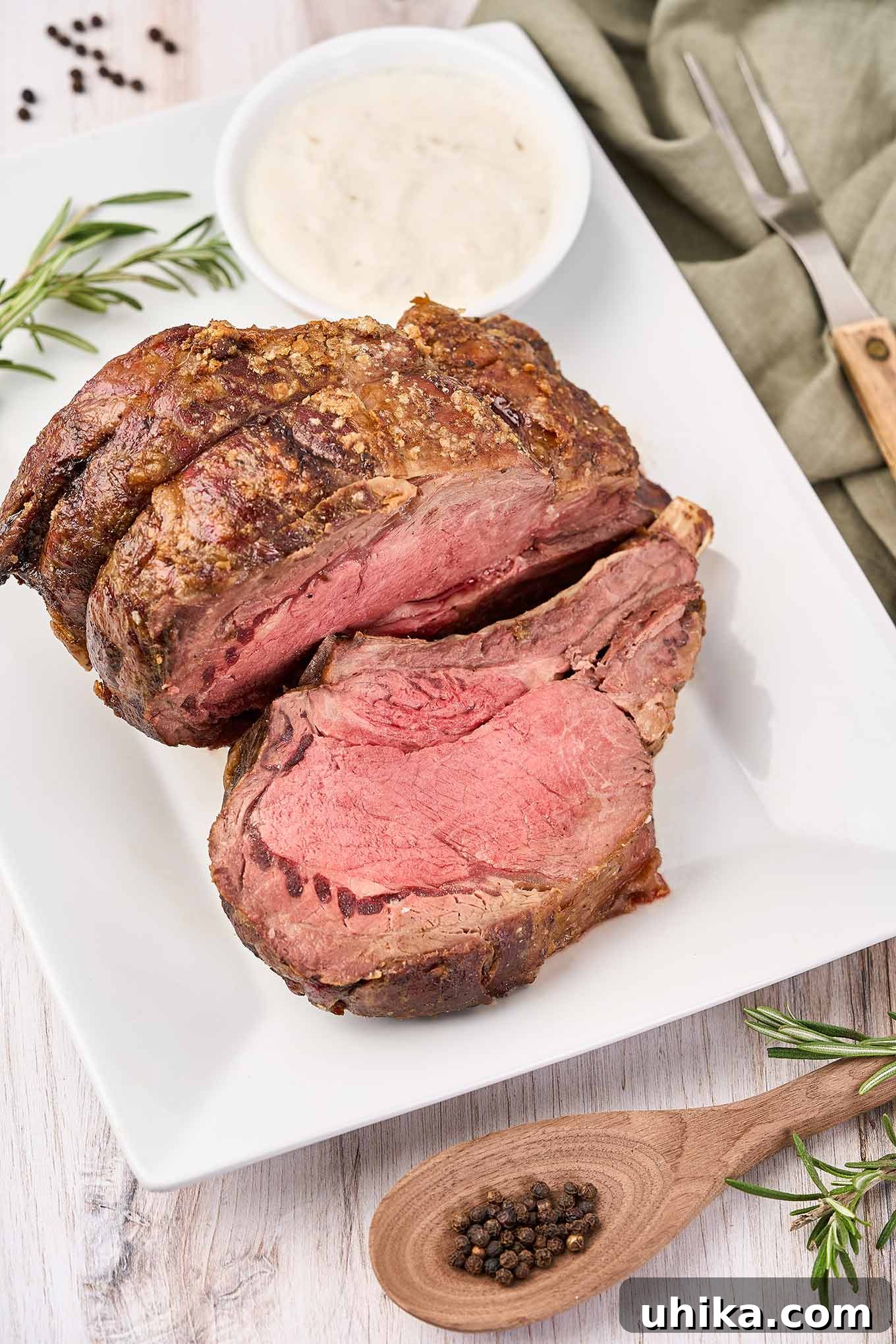
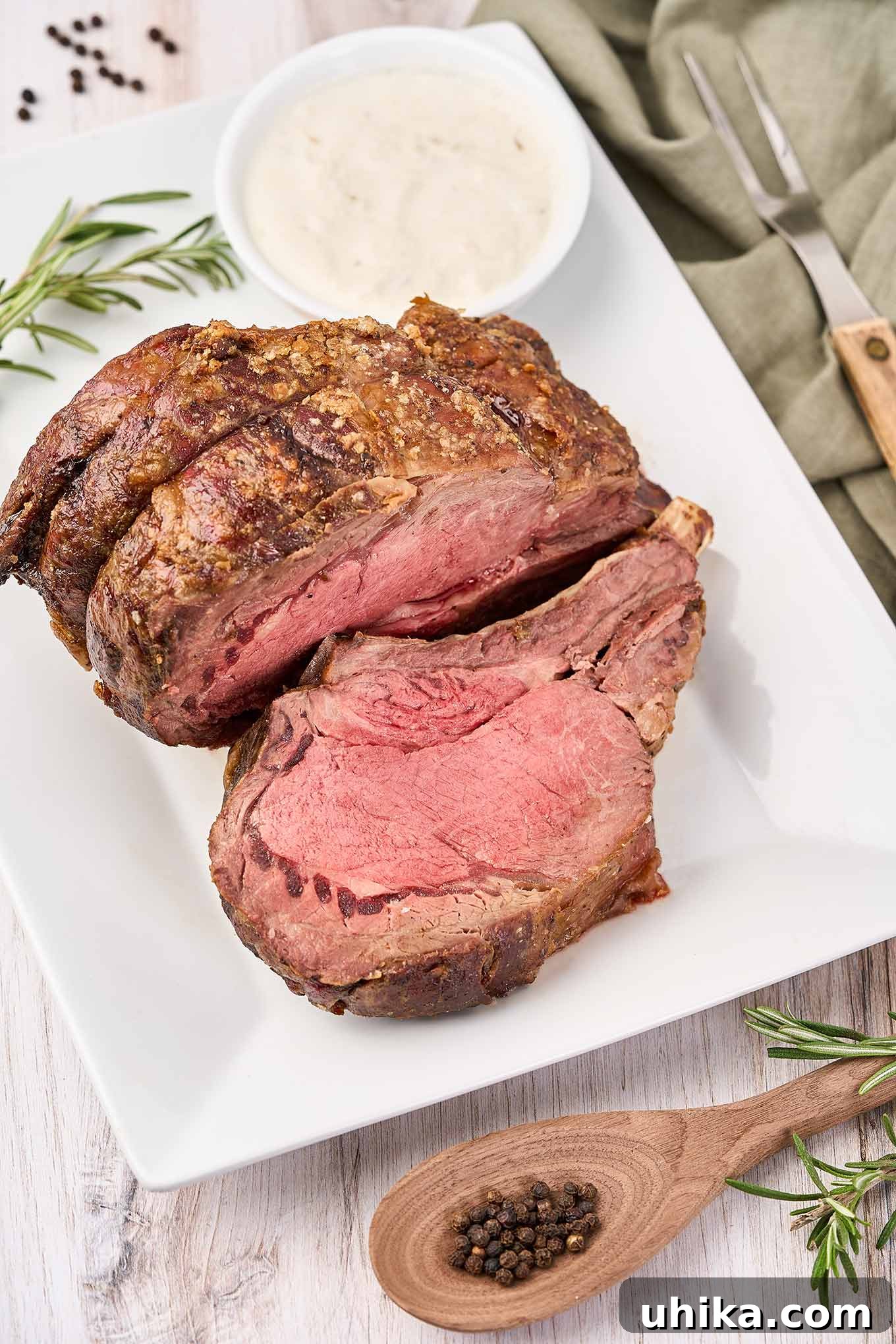
Mastering the Perfect Prime Rib Roast: A Comprehensive Guide for Holiday Meals
The quest for the perfect prime rib roast often conjures images of complex culinary feats, yet achieving a restaurant-quality standing rib roast at home is remarkably simple when you focus on fundamental principles: precise timing and temperature control. This comprehensive guide, featuring an incredibly tender and juicy prime rib roast recipe, demystifies the process, proving that elegance and deliciousness on your holiday table don’t require unnecessary complications. We’ll delve into a strategic high-heat searing method followed by a gentle, moderate roast, ensuring a magnificent crust and a perfectly cooked interior every single time. Prepare to impress your family and friends with a prime rib that’s not just a meal, but a memorable experience that will become a cherished tradition.
At its heart, prime rib boasts an incredibly rich, beefy flavor that requires little embellishment. Our philosophy centers on enhancing this natural richness with minimal, well-chosen seasoning, allowing the exceptional quality of the beef to shine through. The true artistry lies in achieving the ideal doneness, from a vibrant rare to a tender medium-well. To perfectly complement this indulgent roast, we pair it with a classic, tangy horseradish cream sauce, offering a delightful piquant contrast that cuts through the richness and elevates every bite. Moreover, this prime rib recipe is thoughtfully designed to integrate seamlessly into your busy holiday meal planning, encouraging make-ahead side dishes to reduce stress on the big day. And don’t forget the versatility: any glorious leftovers transform into gourmet sandwiches, while the rib bones are perfect for simmering into a rich, savory stock, extending the enjoyment long after the feast.
Essential Ingredient Insights for Your Prime Rib Perfection
Understanding your ingredients is the first step to culinary success. Here’s a deeper look at the key components of this prime rib recipe, along with tips for selection and substitution. The complete list with exact quantities is available in the detailed recipe card below.
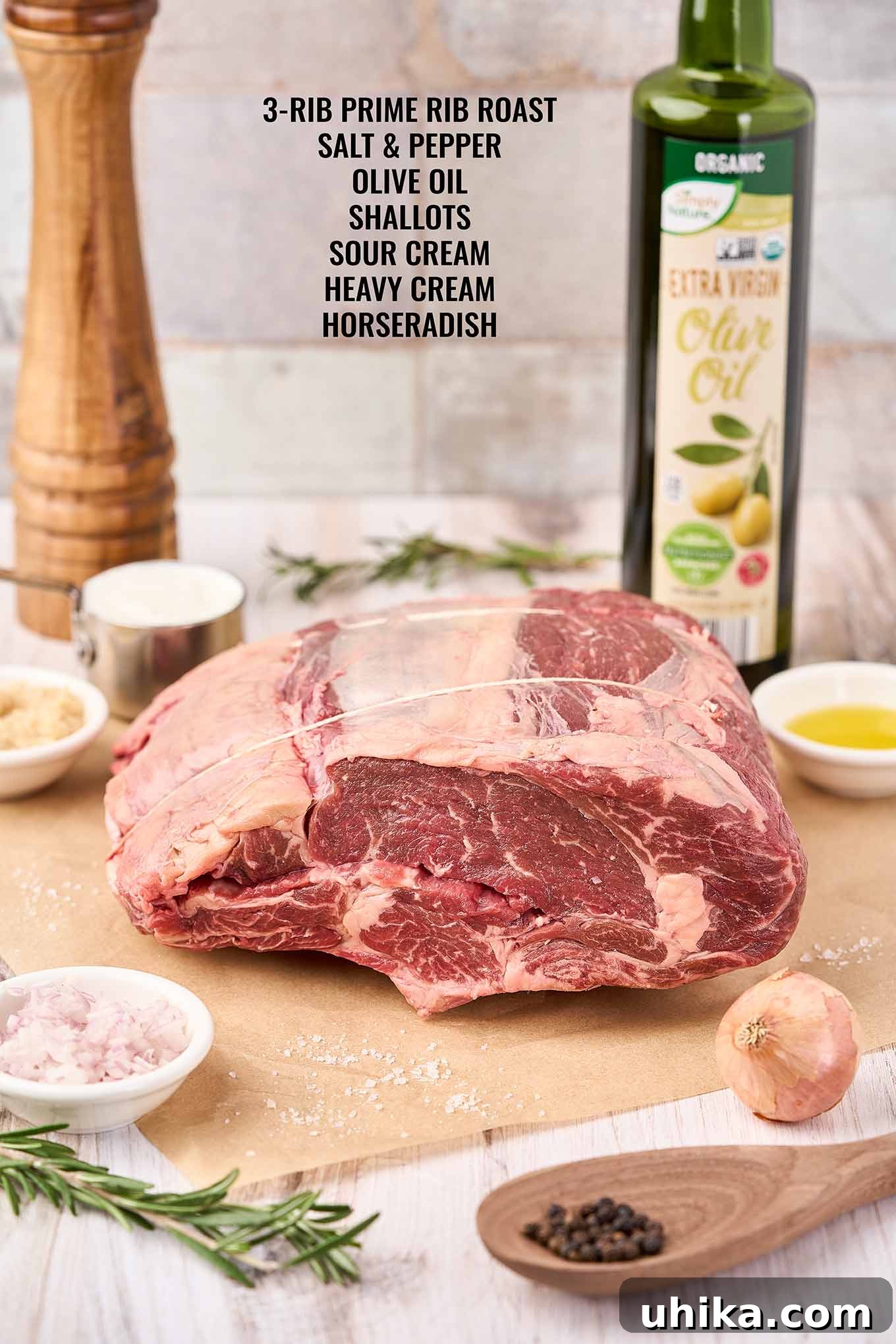
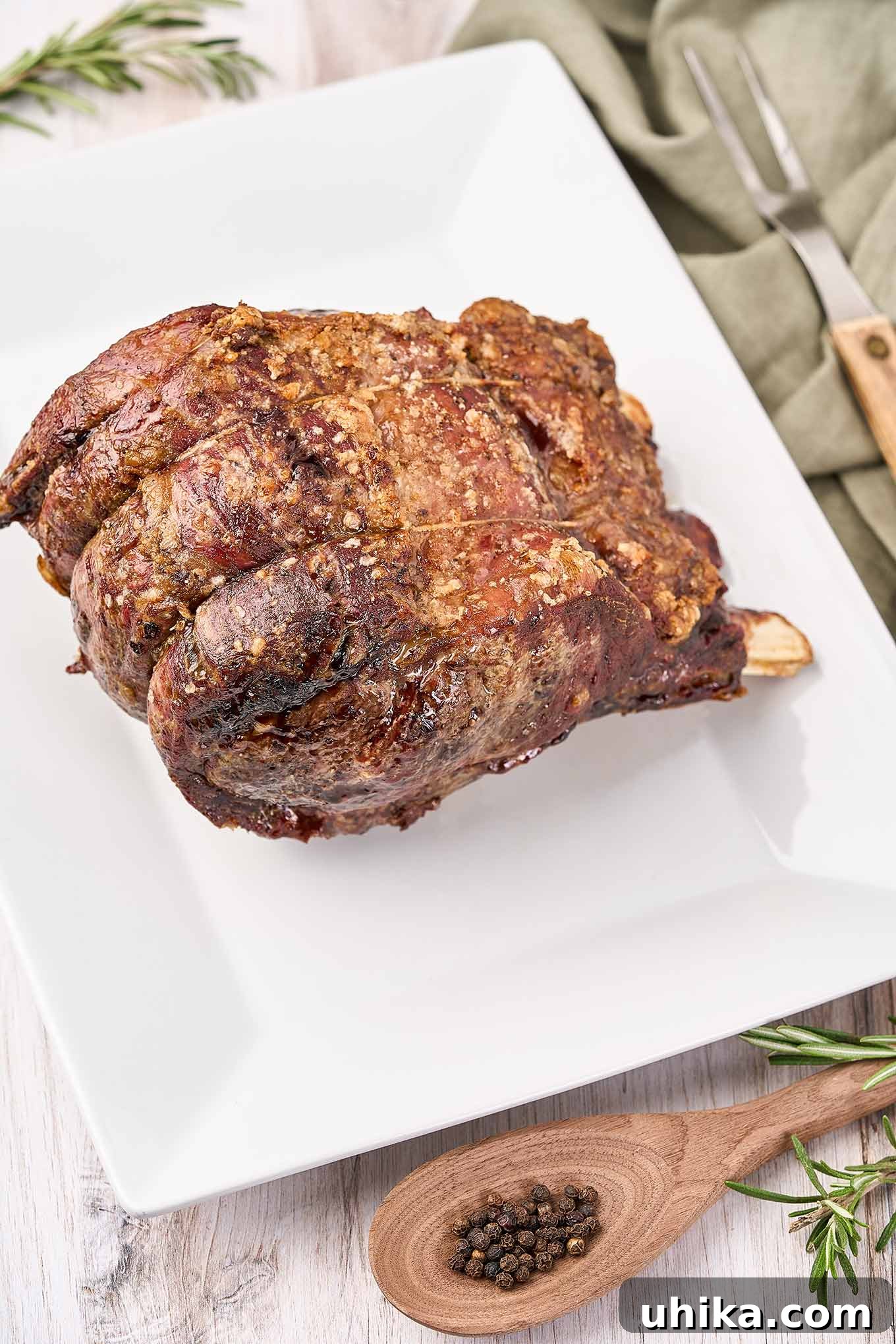
FIRST CUT STANDING RIB ROAST: The true centerpiece of our dish, a standing rib roast, is also widely known and revered as prime rib. This exceptionally flavorful and tender cut originates from the rib section of the steer, the very same area from which succulent ribeye steaks are carved. It’s crucial to understand that the term “prime” in “prime rib” historically refers to the specific cut of meat, not necessarily its USDA quality grade. However, for an unparalleled culinary experience, it is highly recommended to prioritize selecting a roast labeled USDA Choice or, for the absolute pinnacle of quality and marbling, USDA Prime. These grades indicate a higher level of intramuscular fat (marbling), which translates directly to a more tender, flavorful, and incredibly juicy roast.
A whole rib roast typically comprises seven ribs. For practical cooking and more manageable serving, these are commonly divided into two sections: a three-rib roast and a four-rib roast. The three-rib roast, often referred to as the “first cut” or “small end,” comes from the loin end of the rib section. This portion is generally preferred for its superior tenderness, finer grain, and fewer, more evenly distributed pockets of fat. It offers a more refined texture and tends to cook more consistently. In contrast, the four-rib roast, or “second cut,” comes from the chuck end and features larger bones and a greater amount of connective tissue. While it may impart a slightly deeper, more robust beef flavor due to this connective tissue, it can be marginally less tender than the first cut and may require slightly longer cooking times. For this particular recipe, a three-rib roast is recommended for its consistent tenderness, elegant presentation, and ease of handling for home cooks.
SHALLOT: Our homemade horseradish cream sauce receives a subtle yet sophisticated layer of complexity from a minced shallot. When gently sautéed in olive oil, shallots impart a delicate sweetness and aromatic depth that enhances the sauce without overpowering the rich beef. Their milder, more nuanced flavor profile is distinct from garlic. If shallots are absolutely unavailable, a very small clove of garlic can be substituted, but be mindful that garlic will introduce a sharper, more pungent flavor profile to the sauce, which some may find too assertive.
CREAM: The creamy foundation of our sauce can be customized based on your personal preference for richness and thickness. Heavy cream will undoubtedly yield the most luxurious and thick sauce, providing a substantial texture that clings beautifully to the beef slices. For a slightly lighter consistency that is still wonderfully creamy, yet a bit looser, both light cream or half-and-half can be successfully employed. Feel free to experiment with these options to find your ideal balance of richness and texture.
HORSERADISH: The addition of prepared horseradish to the cream sauce is intentionally modest and strategically balanced. The primary goal is to introduce a vibrant, piquant kick that complements and contrasts the rich beef, rather than overwhelming its inherent, delicate flavors. This careful balance ensures that each bite is exciting and fresh without being overly spicy or aggressive. If you anticipate serving a diverse group with varying spice tolerances, a helpful tip is to prepare a portion of the sauce without horseradish and then adjust the remaining sauce to taste for those who prefer a more pronounced zest.
The Art and Science of Cooking a Standing Rib Roast (Prime Rib)
Ready to create culinary magic? Here’s a quick yet comprehensive overview of the cooking process for this standing rib roast recipe. By following these principles, you’ll achieve perfect results. Detailed, step-by-step instructions are provided in the printable recipe card below for your convenience.
This foolproof standing rib roast recipe leverages a two-phase cooking method essential for achieving prime rib perfection: the “reverse sear” approach. It begins with an initial high-temperature blast, which rapidly creates an exquisite, deeply browned crust – the coveted Maillard reaction that locks in juices, develops incredible flavor, and adds wonderful texture. Following this intense searing phase, the oven temperature is dramatically reduced to a lower, more moderate heat. This gentle finish allows the interior of the roast to cook slowly and evenly, preventing the edges from overcooking or drying out before the center reaches your desired doneness. A critical preparatory step, often overlooked by novice cooks, involves allowing the heavily seasoned roast to come to room temperature for at least an hour before it enters the oven; this ensures more uniform cooking throughout the entire cut of meat, minimizing the gray band that can form if cooked straight from the refrigerator.
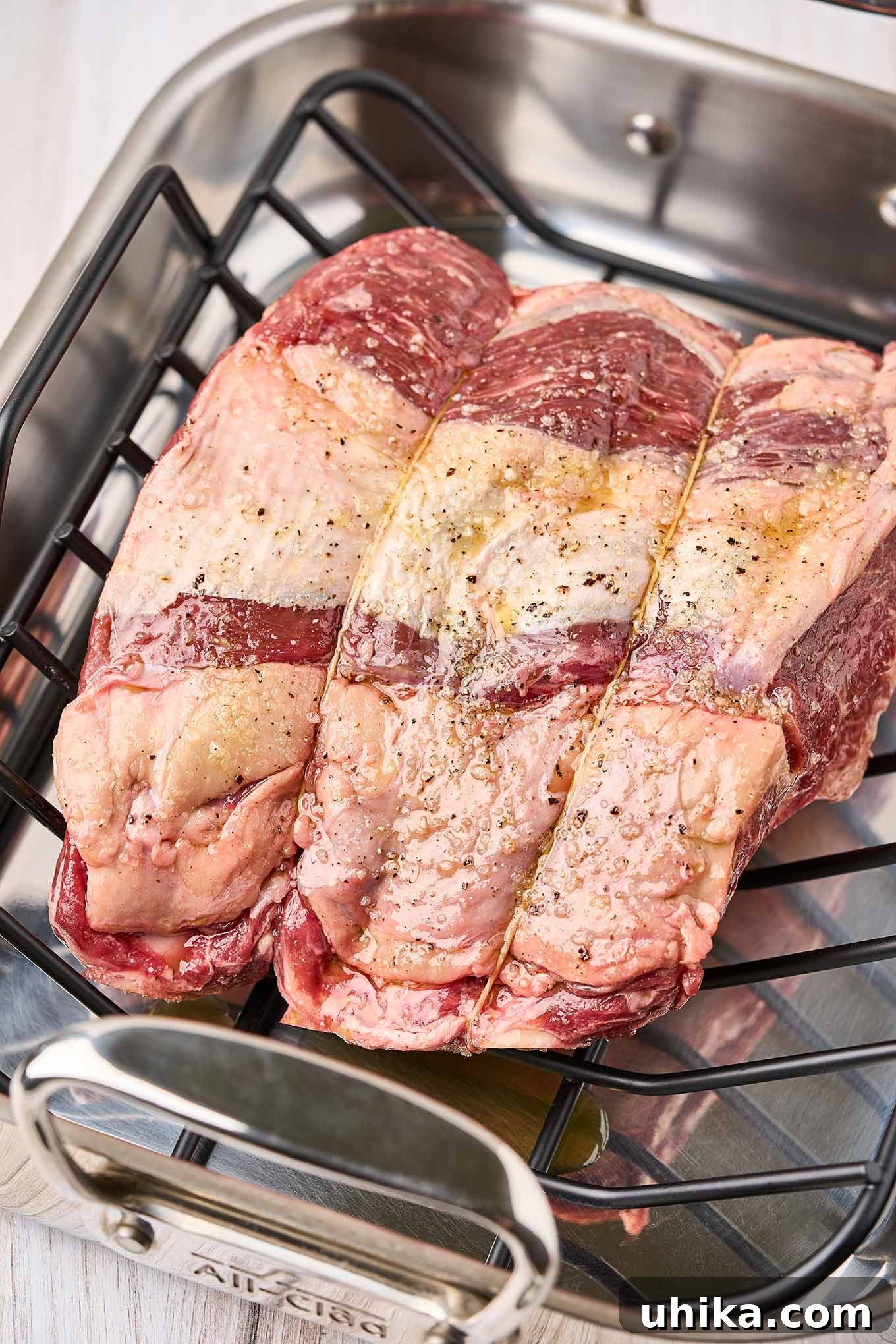
Patience is truly paramount once your prime rib is nestled in the oven. Resist the temptation to frequently open the oven door, as this causes significant temperature fluctuations, prolongs cooking time, and can negatively impact the final texture. Instead, rely primarily on an accurate instant-read meat thermometer for precision – it is your most important tool for success. Towards the end of the anticipated roasting time, insert the thermometer into the thickest part of the roast, being meticulously careful to avoid contact with any bone, which conducts heat differently and can give a false reading. Removing the roast at the precise internal temperature you desire, followed by an adequate and unhurried resting period, is the undeniable secret to guaranteed success. This resting phase, often considered downtime but critically important, allows the muscle fibers within the meat to relax and reabsorb their flavorful juices, resulting in incredibly succulent, tender, and uniformly juicy slices from edge to center.
While your magnificent beef roast rests, soaking up all its delicious juices, the vibrant horseradish cream sauce comes together with remarkable speed and ease on the stovetop. It’s designed to be gently warmed rather than vigorously cooked, a specific technique that preserves the fresh, pungent “bite” of the horseradish. Overcooking horseradish can diminish its characteristic zest. This careful warming ensures a smooth, perfectly balanced sauce that offers a refreshing, piquant counterpoint to the rich, savory prime rib, elevating the entire dining experience with its bright acidity and creamy texture.
Selecting the Ideal Roasting Pan for Prime Rib Success
The choice of roasting pan, while seemingly minor, plays a small yet significant role in the successful cooking of your prime rib. Opt for a pan that provides ample space for the meat to sit comfortably without touching the sides. This crucial clearance facilitates even airflow and heat circulation around all surfaces of the roast, which is absolutely critical for achieving that desirable all-around browning and even cooking. Ideally, the pan should have sides approximately 2 to 3 inches high. This height is sufficient to safely contain any rendered fat and flavorful drippings while still allowing proper thermal convection to cook the meat efficiently. For standing rib roasts, a separate roasting rack is often considered optional, and here’s why: the rib bones themselves naturally elevate the meat off the bottom of the pan, effectively acting as a built-in, natural rack. This elevation prevents the bottom from sitting in rendered fat and becoming excessively browned, soggy, or unevenly cooked. However, if your specific roast appears to sit unevenly, or if you prefer additional stability and desire maximum airflow around the base, a traditional V-rack or flat roasting rack can certainly be a beneficial addition. Ultimately, the decision comes down to ensuring proper fit, optimal air circulation, and stability, rather than a strict necessity for all standing rib roasts.
Crafting a Balanced Menu for Your Prime Rib Feast
When curating a menu around a show-stopping standing rib roast, the principle of balance is paramount. Given the inherent richness and indulgent nature of prime rib, the accompanying dishes should serve as complementary foils, offering a spectrum of textures, flavors, and temperatures. Aim for a thoughtful selection that includes elements of creamy comfort, refreshing acidity, and lighter contrasts to prevent the entire meal from feeling overwhelmingly heavy. This strategic approach ensures a cohesive and truly memorable holiday menu, one that feels thoughtfully composed and intentionally elegant, rather than simply overstuffed.
Begin your culinary journey with an appetizer that sets a sophisticated tone without stealing the main course’s thunder. Consider a luscious Warm Crab Dip. This elegant yet remarkably simple starter provides a touch of indulgence and warmth, gently preparing the palate for the feast to come without being too filling or distracting. Its savory notes beautifully lead into the richness of the beef.
To introduce a bright, palate-cleansing element, a light and acidic salad is absolutely essential. Our recommended Marinated Mushrooms with Lemon and Garlic fits this role perfectly. Its vibrant acidity and fresh, herbaceous flavors offer a welcome contrast, effectively cutting through the richness of both the prime rib and any creamier side dishes, adding a refreshing note to the plate.
For the vegetable components, variety in texture and color is key. Roasted Green Beans with Walnuts and Shallots bring a delightful crunch, earthy notes, and a vibrant pop of color to the plate. The toasted walnuts add a savory depth and textural interest that complements the tender beans. Alongside, the beloved creamy, comforting element that most guests anticipate as a perfect pairing for prime rib can be wonderfully fulfilled by a hearty Cottage Cheese Potato Bake. This dish delivers the hearty satisfaction and smooth texture expected from a potato side, but with a lighter feel than traditional mashed potatoes.
Conclude your magnificent meal with a dessert that provides a sense of closure and satisfaction without leaving diners feeling overly full. A Crustless Pumpkin Pie with Ginger Snap Streusel offers a brilliant solution. This elegant, custard-style dessert delivers all the warm spices and comforting sweetness of a traditional pumpkin pie but in a lighter format, thanks to the absence of a heavy crust. The ginger snap streusel adds a delightful crunch and extra spice dimension. It’s an ideal, make-ahead sweet ending that ensures your substantial meal concludes on a perfectly balanced and elegantly satisfying note, leaving everyone content but not overwhelmed.
How to Cook a Standing Rib Roast (Perfect Prime Rib)
Lynne Webb
1 hour
20 minutes
1 hour
30 minutes
2 hours
50 minutes
6
servings
Pin Recipe
Rate Recipe
Print Recipe
Ingredients
-
1 3-bone standing rib roast (prime rib), about 6 pounds, preferably USDA Choice or Prime grade for best results -
1/4 cup extra-virgin olive oil -
1-1/2 teaspoons kosher salt -
1/2 teaspoon freshly ground black pepper
For the Horseradish Cream Sauce
-
1 tablespoon olive oil -
2 tablespoons minced shallot -
1/2 cup sour cream -
1/4 cup heavy cream -
2 tablespoons prepared horseradish
Loved this prime rib recipe?
Don’t miss out on future culinary inspiration! Sign up for our newsletter to receive weekly delicious recipes and expert cooking tips directly in your inbox.
Join Our Recipe Community Today!
Instructions
Prepare and Roast the Prime Rib:
-
In a small bowl, thoroughly whisk together the extra-virgin olive oil, kosher salt, and freshly ground black pepper until well combined. Using your hands, generously rub this seasoning mixture all over the outside of the standing rib roast, ensuring an even coating on all surfaces. Once seasoned, allow the roast to sit at room temperature for a minimum of 1 hour, and ideally up to 2 hours, before placing it in the oven. This critical tempering step helps the meat cook more evenly from edge to center, preventing a tough, gray outer band and promoting overall juiciness.
-
Preheat your oven to a high temperature of 450°F (or 425°F if you are using a convection oven, which cooks more efficiently). Place the prime rib, fat side up, directly onto a sturdy rack set within a shallow roasting pan. The rib bones will naturally elevate the meat, acting as an effective rack. Roast at this high temperature for precisely 15 minutes. This initial high-heat blast creates a beautiful, deeply flavorful crust through the Maillard reaction. Crucially, without opening the oven door, reduce the oven temperature to 350°F. Continue roasting the beef for an additional 45 minutes before checking its internal temperature for the first time.
Monitor for Doneness and Rest:
-
Carefully insert an instant-read meat thermometer into the thickest part of the roast, being meticulously careful to ensure the probe does not touch any bone, as bones conduct heat differently and can give a false reading. Remove the roast from the oven when it reaches approximately 5-10 degrees below your desired final internal temperature (refer to the comprehensive temperature guide in the “Notes” section below for specific targets). This accounts for “carry-over cooking” during the resting phase.
-
If the roast has not yet reached the target temperature after your initial check, return it to the 350°F oven and continue roasting. Check its internal temperature every 5 to 7 minutes. This frequent monitoring prevents accidental overcooking, which is the most common pitfall for prime rib. Once your prime rib reaches the ideal temperature, carefully remove it from the oven. Tent the roast loosely with aluminum foil and allow it to rest undisturbed on a carving board for a minimum of 20 to 30 minutes before carving. This critical resting period allows the muscle fibers to relax and reabsorb their flavorful juices, ensuring every slice is incredibly tender, moist, and uniformly juicy.
Craft the Horseradish Cream Sauce:
-
While the prime rib is resting, begin preparing the vibrant horseradish cream sauce. In a small saucepan, heat the olive oil over medium heat. Add the minced shallot and sauté gently until it softens and becomes translucent, which usually takes about 3 to 4 minutes. Reduce the heat to medium-low to prevent scorching the delicate shallots. Stir in the sour cream, heavy cream, and prepared horseradish. Season the sauce generously to taste with salt and freshly ground black pepper, adjusting to achieve your preferred level of pungency and balance. Gently warm the sauce through, being careful not to bring it to a boil, as this preserves the fresh zing and texture of the horseradish. Transfer the finished sauce to an elegant serving dish.
Carve and Serve Your Magnificent Roast:
-
After the roast has adequately rested, it’s time for the grand finale – carving. If the rib bones were not already separated from the meat by your butcher (a technique known as “tied prime rib” or “easy carve”), use a long, sharp boning knife to carefully run along the curve of the bones to detach them. Once the bones are removed (they can be saved for future stock or gnawed on by the chef!), carve the roast into elegant 1/2-inch thick slices, always cutting against the grain for maximum tenderness.
-
Artfully arrange the perfectly sliced prime rib on a grand serving platter, showcasing its beautiful crust and juicy interior. Present the homemade horseradish cream sauce generously alongside, allowing guests to add their desired amount. Serve immediately and savor the triumph of a perfectly cooked standing rib roast – a truly unforgettable centerpiece for any special occasion.
Notes on Achieving Prime Rib Perfection: Essential Tips & Doneness Guide
For consistent and accurate results, always measure the internal temperature at the deepest point of the roast, ensuring your instant-read thermometer probe avoids contact with any bones. Insert the thermometer and allow approximately 15 seconds for the reading to stabilize before noting the temperature. This ensures you get a true and reliable reading of the meat’s doneness.
- RARE: Characterized by a cool, red center transitioning to bright pink towards the edges. For this doneness, remove the roast from the oven when it reaches an internal temperature of 110° to 115°F.
- MEDIUM-RARE: The most popular doneness for prime rib, featuring a warm, bright pink center and a brown, well-seared exterior. Remove the roast when it measures 120° to 125°F internally.
- MEDIUM: Displays a warm, pale pink center with brown extending further towards the edges. For this doneness, remove the roast at 130°F.
- MEDIUM-WELL: A roast that is mostly brown from the center out to the edges, with only a hint of light pink remaining. Remove it at 140°F.
- WELL-DONE: A uniformly brown roast throughout, with no pink remaining. Remove at 150°F. While some prefer this, keep in mind that extended cooking can reduce tenderness and juiciness.
Crucial Note on Carry-Over Cooking: It is vitally important to keep in mind that your prime rib will continue to cook and rise in temperature by approximately 5-10 degrees Fahrenheit (sometimes even more for larger roasts) during its resting period after being removed from the oven. Always factor this “carry-over cooking” into your calculations. For instance, if you’re aiming for a final medium-rare of 130°F, you should remove the roast at 120-125°F. This foresight is key to avoiding overshooting your desired doneness and ensures a perfectly juicy result.
Nutrition Facts (Approximate)
Calories: 462
,
Total Fat: 43g
,
Cholesterol: 82mg
,
Sodium: 226mg
,
Carbohydrates: 2g
,
Fiber: 0.2g
,
Sugar: 1g
,
Protein: 16g
Nutrition information is automatically calculated, so should only be used as an approximation. Individual results may vary based on specific ingredients, portion sizes, and preparation methods.
Love this recipe? Share your thoughts and rate it below!
Your feedback helps us create more amazing recipes for you and our community.