
The Ultimate Manhattan Clam Chowder: A Tangy Seafood Delight
For seafood enthusiasts and soup lovers alike, few dishes ignite as much passionate discussion as clam chowder. While the creamy, indulgent New England variety often captures the mainstream imagination, its vibrant, tomato-based cousin, Manhattan Clam Chowder, holds a distinct and equally cherished place in culinary history. Comparing the two is truly like appreciating apples and oranges; one offers a rich, velvety embrace, while the other delivers a bright, tangy, and undeniably hearty experience. Both are utterly delicious, and your preference simply depends on what culinary mood strikes you. Today, we’re diving deep into the world of Manhattan Clam Chowder, celebrating its unique flavors, rich history, and providing you with a meticulously crafted recipe that promises to be a true showstopper.
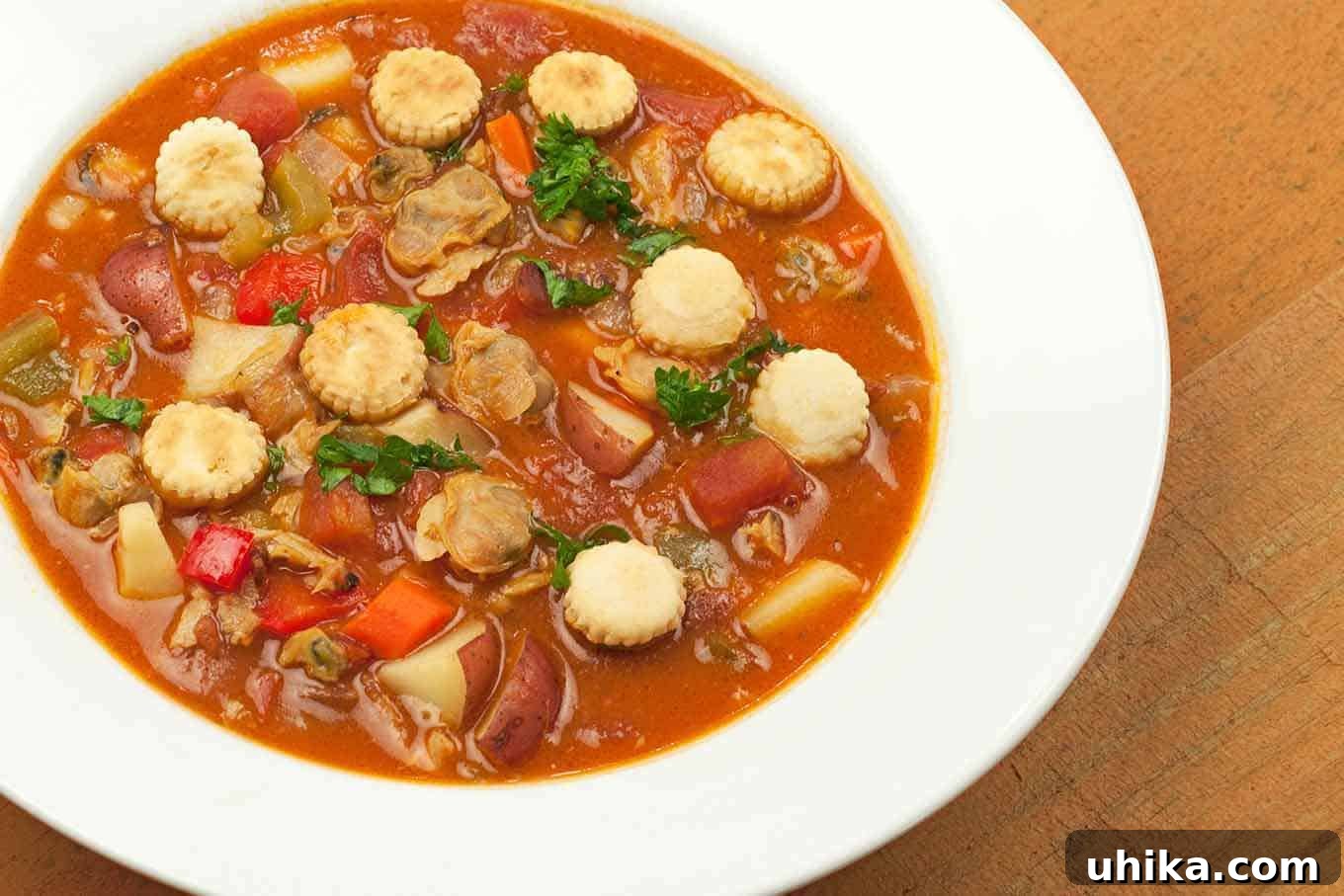
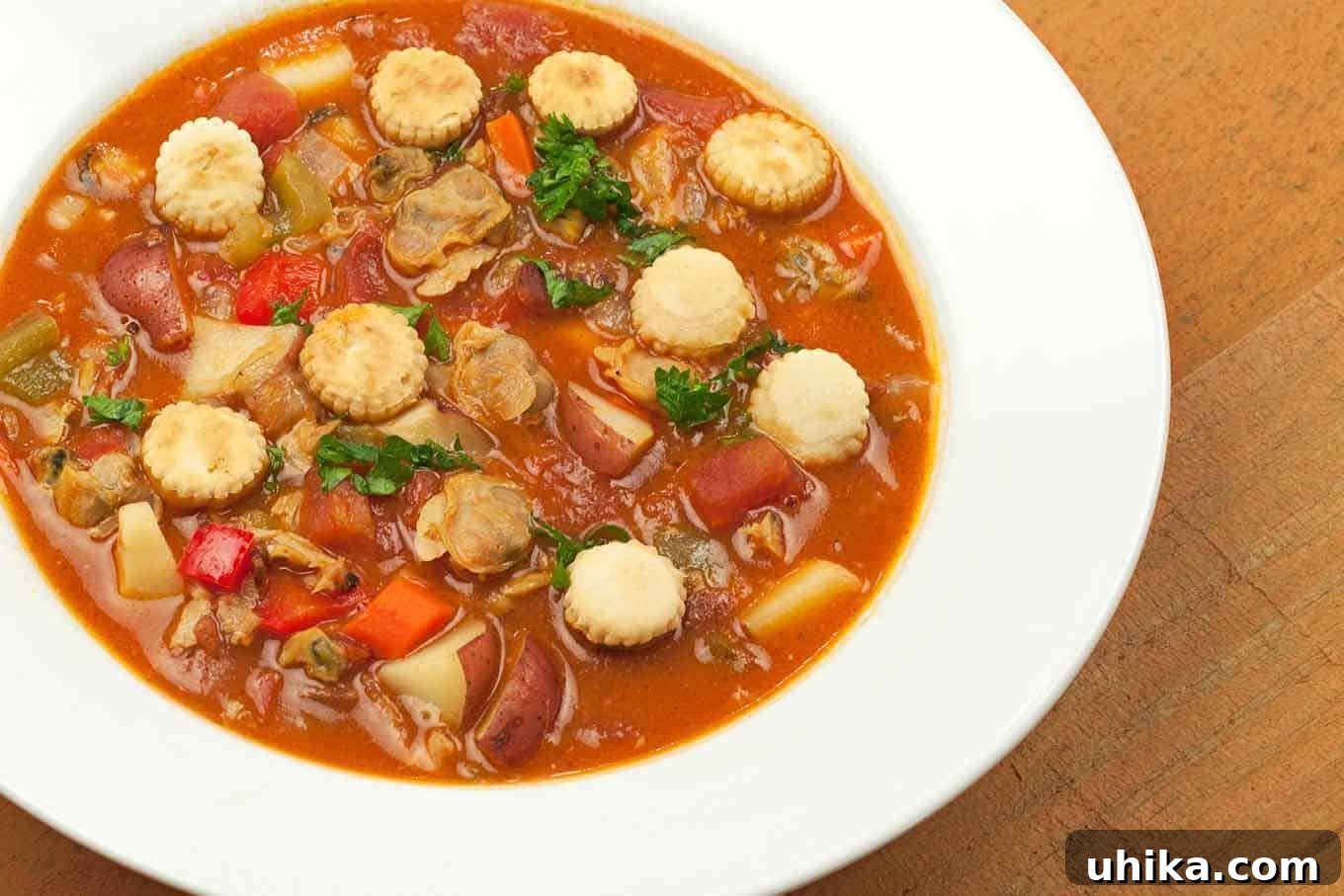
Our Manhattan Clam Chowder recipe elevates this beloved classic to new heights. It’s a robust, flavorful soup built on a vibrant tomato base, brimming with succulent fresh littleneck clams, crispy bacon, and a colorful medley of aromatic garden vegetables including sweet onion, tender carrots, crisp celery, and both red and green bell peppers. Every spoonful offers a delightful burst of fresh seafood flavor perfectly balanced by the natural sweetness and acidity of tomatoes, complemented by the savory depth of bacon. This creates a comforting yet lively dish, making it a versatile choice perfect for any season. Get ready to explore the tangy side of chowder and discover why this iconic New York recipe deserves a permanent spot in your home kitchen.
The Great Chowder Debate: Manhattan vs. New England
The culinary rivalry between New England and Manhattan clam chowder is a storied one, deeply rooted in regional traditions and ingredients. New England clam chowder, a direct descendant of French and British fish stews, evolved with the availability of dairy in the colder climes of the Northeast. Its signature characteristic is a thick, creamy broth, often enriched with heavy cream, butter, and sometimes flour or potatoes to achieve its luxurious consistency. This rich base envelops tender clams and diced potatoes, creating a deeply comforting and satisfying dish, especially popular on a chilly day. It’s the chowder many people first imagine: opaque, rich, and utterly indulgent.
Manhattan Clam Chowder, on the other hand, tells a remarkably different story, reflecting New York City’s diverse cultural influences. Its clear, tomato-infused broth is often attributed to the significant Italian and Portuguese immigrant populations who settled in New York and other Mid-Atlantic states during the late 19th and early 20th centuries. These communities brought with them culinary traditions rich in tomatoes, garlic, and olive oil, which naturally found their way into local seafood preparations. While it shares the core ingredients of clams and vegetables with its New England counterpart, the deliberate absence of cream fundamentally transforms its character. Manhattan chowder is lighter, brighter, and more acidic, offering a refreshing tang that allows the fresh flavor of the clams and vegetables to truly shine. Instead of feeling heavy, it invigorates the palate, making it a versatile choice that can be enjoyed year-round.
So, who wins the debate? Ultimately, it’s a matter of personal taste. Lovers of New England chowder might find Manhattan too thin or tart, while Manhattan devotees appreciate its cleaner, less heavy profile. At its heart, both are fantastic seafood soups, and rather than choosing a side, we encourage you to savor the unique qualities of each. For today, our focus is squarely on celebrating the bold and beautiful flavors of Manhattan. If you appreciate a robust, savory soup with a vibrant tomato base and a hearty yet lighter texture, you are in for an absolute treat.
What Makes a Perfect Manhattan Clam Chowder?
Crafting an outstanding Manhattan Clam Chowder involves a thoughtful selection of ingredients and a clear understanding of how to build layers of flavor. The foundational element of this chowder is its distinctive tomato broth, which provides both its characteristic red hue and a crucial tangy counterpoint to the natural sweetness of the clams. Using high-quality diced tomatoes is paramount; fire-roasted varieties can add an extra layer of smoky depth. This robust tomato base is further enhanced by clam juice and a splash of dry white wine, both of which contribute umami, brightness, and a delicate acidity that makes the broth truly sing.
Beyond the broth, the star ingredients are, of course, the clams themselves. Fresh littleneck clams are highly recommended for this recipe, as they offer a sweet, briny flavor and a wonderfully tender texture when cooked just right. Crucially, the liquid released by the clams during steaming, often referred to as clam liquor, is an invaluable addition to the chowder, infusing it with authentic seafood essence. Bacon is another non-negotiable component. Not only does it lend a smoky, salty depth to the overall flavor, but the rendered bacon fat serves as the perfect medium for sautéing the mirepoix. This classic trio of onion, carrots, and celery forms the aromatic backbone of the soup, building complex layers of flavor as they soften and caramelize. Adding both red and green bell peppers introduces a lovely sweetness, a subtle crunch, and a touch of vibrant color, making the chowder as appealing to the eye as it is to the palate. Finally, firm varieties of potatoes, such as red bliss or Yukon Golds, hold their shape well during simmering and add a satisfying heartiness without dissolving into the broth. Each ingredient plays a vital role in achieving the perfect balance of flavors and textures that define a truly great Manhattan Clam Chowder.
A Glimpse into History: The Origins of Manhattan Clam Chowder
The history of Manhattan Clam Chowder is as colorful and diverse as New York City itself. While cream-based New England clam chowder has roots tracing back to the 18th century, the tomato-based version emerged much later. Its rise to prominence is often attributed to the significant Italian and Portuguese immigrant populations who settled in New York and other Mid-Atlantic states during the late 19th and early 20th centuries. These communities brought with them a culinary tradition rich in tomatoes, garlic, and olive oil, which naturally found its way into local seafood preparations, adapting classic chowder concepts to their own palate.
Before the widespread adoption of tomatoes in chowder, there were various “red” chowders, sometimes using paprika or other spices for color. However, it was the increasing availability and affordability of canned tomatoes that truly revolutionized the dish. By the early 20th century, recipes for “Manhattan-style” or “New York clam chowder” began appearing in cookbooks and newspapers, explicitly distinguishing themselves from the cream-based New England version. The name “Manhattan” likely became popularized as a way to clearly differentiate it, associating the dish with the vibrant, cosmopolitan melting pot of New York City where new culinary fusions were constantly being born. It’s a testament to how local ingredients and cultural influences can transform a classic dish, creating something entirely new and beloved that stands proudly alongside its creamy counterpart.
Manhattan Clam Chowder
Our Manhattan Clam Chowder is a tomato-based seafood soup made with fresh littleneck clams, crispy bacon, savory onion, sweet carrots, crisp celery, and vibrant red and green bell peppers. It’s a hearty, flavorful, and satisfying dish perfect for any day of the week.
Pin Recipe
Rate Recipe
Print Recipe
Ingredients
- 6 dozen littleneck clams
- 1/2 cup water
- 1 cup clam juice
- 1/4 cup dry white wine
- 2 bay leaves
- 1/4 lb bacon, cut into 1/2-inch pieces
- 1/2 cup yellow onion, chopped
- 2 medium carrots, peeled and diced
- 2 stalks celery, diced
- 1 can (28-ounce) diced tomatoes, undrained
- 4 small red bliss potatoes, cut into small pieces
- 1/2 medium red bell pepper, seeded and diced
- 1/2 medium green bell pepper, seeded and diced
- Freshly ground black pepper, to taste
- Hot sauce, to taste (approximately 1 teaspoon, adjust as desired)
- 2 to 3 tablespoons fresh parsley, chopped, for garnish
- Oyster crackers, for serving
Instructions
- Prepare the Clams: Begin by thoroughly rinsing the littleneck clams under cool running water to remove any sand or dirt. Place the cleaned clams into a large pot with a tight-fitting lid.
- Steam the Clams: To the pot with the clams, add the 1/2 cup water, 1 cup clam juice, 1/4 cup dry white wine, and 2 bay leaves. Cover the pot tightly and bring the mixture to a simmer over medium-high heat. Cook until all of the clams have opened, which typically takes between 8 to 12 minutes. Promptly discard any clams that do not open, as they are not safe to eat. Carefully transfer the opened clams and all their flavorful liquid to a large bowl and set aside to cool slightly.
- Cook the Bacon: Return the empty pot to the stove. Add the 1/4 lb bacon pieces and cook over medium heat, stirring occasionally, until the bacon renders its fat and becomes crispy. Using a slotted spoon, remove the crispy bacon from the pot and set it aside on a paper towel-lined plate to drain, reserving the rendered fat in the pot.
- Sauté Aromatics: Add the chopped onion and diced carrots to the reserved bacon fat in the pot. Cook for 2 minutes over medium heat, stirring frequently, allowing the vegetables to begin softening and releasing their natural sugars.
- Continue Sautéing: Stir in the diced celery and continue cooking the mixture for another 2 to 3 minutes. The goal here is for the onions to become translucent and lightly caramelized, which significantly deepens the foundational flavors of the chowder.
- Add Remaining Vegetables and Seasoning: Stir in the undrained diced tomatoes, the small pieces of red bliss potatoes, and both the diced red and green bell peppers. Season generously with several grinds of freshly ground black pepper and add hot sauce to taste (we suggest starting with about 1 teaspoon for a subtle kick, but feel free to adjust to your preference). Cover the pot and reduce the heat to medium-low.
- Strain Clam Broth: While the vegetables are simmering, carefully strain the reserved clam broth (the liquid from steaming the clams) through a fine-mesh strainer or a piece of cheesecloth into a separate, clean container. This crucial step ensures the removal of any residual sand from the clams and separates out the bay leaves.
- Combine and Simmer: Stir the thoroughly strained clam broth into the soup pot with the simmering vegetables. Cover the pot again and continue cooking over medium-low heat until the potatoes are tender when pierced with a fork, which typically takes approximately 8 to 10 minutes.
- Shuck Clams: While the soup continues to simmer and the potatoes cook, remove the clams from their shells. Discard all the shells. If any clams are particularly large, you may roughly chop them into smaller, bite-sized pieces for easier eating, though many prefer them whole.
- Finish and Serve: Add the shucked clams (whole or chopped, as preferred) to the simmering soup and cook for just 1 minute to heat them through. It’s important to avoid overcooking the clams, as they can become rubbery quickly. To serve, ladle the piping hot Manhattan Clam Chowder into individual bowls. Garnish generously with the freshly chopped parsley and a handful of classic oyster crackers for added texture and a traditional touch. Serve immediately and enjoy!
Like this recipe? We’d love to hear from you! Rate and comment below to share your experience with this delicious Manhattan Clam Chowder.
Expert Tips for a Flawless Manhattan Clam Chowder
Creating a truly exceptional Manhattan Clam Chowder goes beyond just following the recipe steps; it involves a few key techniques and considerations that can significantly elevate the final dish:
- Selecting the Freshest Clams: Always prioritize fresh, live clams. They should be tightly closed or, if slightly ajar, close immediately when gently tapped. Discard any clams that remain open or have broken shells, as they are likely dead and unsafe to consume. Littleneck clams are an excellent choice for this recipe due to their tender meat and wonderfully sweet, briny flavor.
- Proper Clam Cleaning is Crucial: Even after rinsing, clams can still contain residual sand. The step of straining the clam broth through a fine-mesh sieve, ideally lined with cheesecloth, is absolutely essential. This ensures a grit-free, smooth, and enjoyable chowder experience. Do not skip this!
- Quality Bacon Makes a Difference: Opt for good quality, thick-cut bacon. The rendered fat provides a rich and flavorful base for sautéing your aromatic vegetables, and the crispy bacon bits reserved as a garnish add a fantastic textural contrast and smoky burst of flavor to each spoonful.
- Building Flavor with Aromatics: Do not rush the sautéing of the onions, carrots, and celery. Allowing these vegetables to soften, release their moisture, and lightly caramelize develops a deeper, more complex flavor profile that forms the foundational backbone of your chowder. Patience here is key to a flavorful soup.
- Deglazing for Depth: The dry white wine serves a dual purpose. Beyond adding its own subtle fruity and acidic notes, it’s vital for deglazing the pot. This process involves scraping up any browned bits (fond) from the bottom of the pan after sautéing, which are concentrated pockets of flavor that dissolve into the broth, adding significant depth and richness.
- Choosing the Right Potatoes: Red bliss or Yukon Gold potatoes are highly recommended for this chowder. These varieties are waxy and hold their shape well during simmering, preventing the chowder from becoming overly starchy or mushy. Cut them into uniform, small pieces to ensure even cooking.
- Avoid Overcooking the Clams: Clams cook incredibly quickly. Once added to the simmering soup, they only need about a minute or so to heat through thoroughly. Overcooked clams will become tough and rubbery, compromising their delicate texture and flavor.
- Seasoning to Perfection: The inherent saltiness of your chowder will vary depending on the specific clams and clam juice used. Always taste and adjust the seasoning (salt, freshly ground black pepper, and hot sauce) before serving. A dash of hot sauce can really brighten the flavors without necessarily making the chowder overtly spicy.
- Fresh Herbs for Finish: While dried herbs can be used in a pinch, fresh parsley, added just before serving, brightens the entire dish with its vibrant flavor, fresh aroma, and beautiful green color.
Serving Suggestions for Your Hearty Chowder
Manhattan Clam Chowder is a satisfying and complete meal on its own, but pairing it with the right accompaniments can elevate the dining experience, adding texture, contrast, and complementary flavors:
- Classic Oyster Crackers: A quintessential accompaniment! The light, salty crunch of oyster crackers provides a wonderful textural contrast to the hearty soup and is the most traditional way to enjoy clam chowder. Crush them directly into your bowl for a satisfying addition.
- Crusty Bread: A warm, crusty baguette, a slice of artisan sourdough, or a rustic country bread is perfect for soaking up every last drop of the flavorful, tomato-infused broth. The bread acts as a natural sponge, ensuring no flavor goes to waste.
- Fresh Garden Salad: A simple, crisp green salad with a light vinaigrette makes a refreshing counterpoint to the rich and savory flavors of the chowder. Its acidity and freshness balance the meal beautifully, offering a palate cleanser between spoonfuls.
- Cornbread: For a touch of comforting warmth and a hint of sweetness, serve a warm slice of cornbread alongside your chowder. Its slightly crumbly texture pairs surprisingly well with the soup’s robust profile.
- Garlic Bread: If you’re a fan of bold, savory flavors, a piece of toasted garlic bread can add another layer of deliciousness, making for an even more satisfying and flavorful meal.
- Wine Pairing: To complement the tanginess of the tomato base and the brininess of the clams, a crisp, dry white wine like Sauvignon Blanc, Pinot Grigio, or a light-bodied Grüner Veltliner would pair perfectly.
Creative Variations to Explore
While the classic Manhattan Clam Chowder is superb as is, don’t hesitate to experiment and adapt the recipe to your taste preferences or the ingredients you have on hand. Here are a few creative variations to inspire your culinary exploration:
- Enhance with More Seafood: Elevate the seafood medley by adding other delicious ingredients such as shrimp, scallops, or firm white fish (like cod or haddock) during the last few minutes of cooking. Ensure they are cooked through but not overdone to maintain tenderness.
- Boost the Spice Level: For those who enjoy a bit more heat, feel free to increase the amount of hot sauce used or add a pinch of red pepper flakes along with the bell peppers for a noticeable kick.
- Herbal Twists: Experiment with different fresh herbs to introduce new aromatic dimensions. A sprig of fresh thyme or a dash of dried oregano can add a Mediterranean flair, while a touch of fresh dill could bring a brighter, more aromatic note to the chowder.
- Vegetable Power-Up: Incorporate other diced vegetables for extra nutrition, texture, and flavor. Corn kernels, green beans, or zucchini are all excellent additions. Add them at a stage that allows them to cook to tender-crisp, usually towards the end of the potato cooking time.
- Smoky Depth without More Bacon: If you wish to boost the smoky flavor without adding more bacon, a very small amount of smoked paprika (a quarter to half teaspoon) can be added along with the other spices during the sautéing stage.
- Slightly Thicker Broth: While Manhattan chowder is traditionally thinner than its New England counterpart, if you desire a slightly thicker consistency, you can achieve this by mashing some of the cooked potatoes against the side of the pot with your spoon. Alternatively, stir in a cornstarch slurry (1 tablespoon cornstarch mixed with 2 tablespoons cold water) during the final simmer, allowing it to thicken for a minute or two.
Nutritional Insights (Brief)
Compared to its cream-laden New England cousin, Manhattan Clam Chowder stands out as a notably lighter and often healthier option. Being entirely tomato-based, it naturally contains fewer calories and significantly less saturated fat, making it a more heart-friendly choice for many. This chowder is rich in lean protein provided by the fresh clams, and packed with an abundance of essential vitamins and minerals from the wide array of garden vegetables. It’s a delicious and satisfying meal that nourishes without weighing you down, offering a perfect balance of robust flavor and wholesome well-being.
Like this recipe? We’d love to hear from you! Rate and comment below to share your experience with this delicious Manhattan Clam Chowder.