

Classic Skordalia: The Ultimate Greek Potato-Garlic Dip Recipe
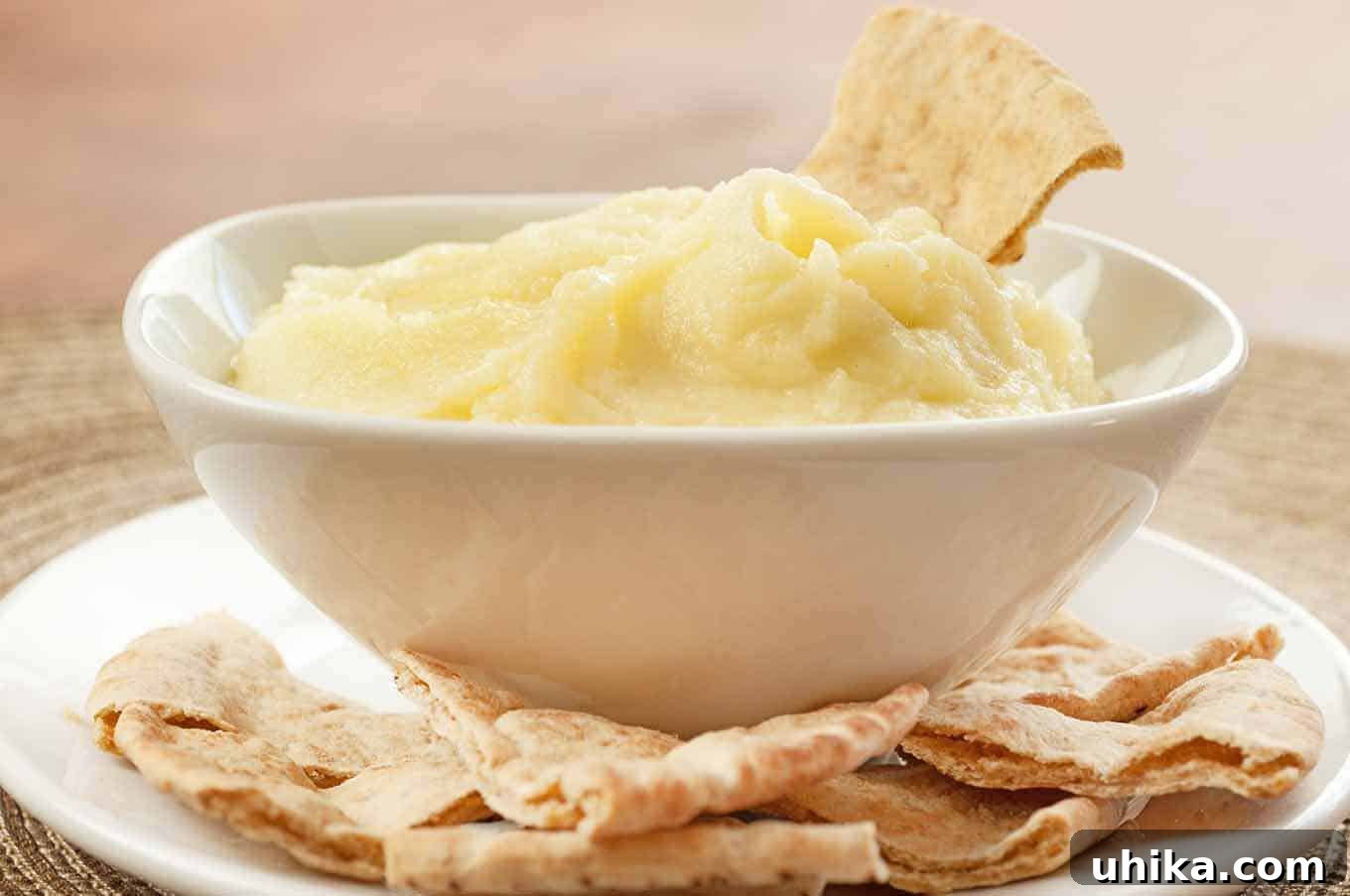
Embark on a culinary journey to the heart of Greece with Skordalia, a traditional and incredibly flavorful potato-garlic dip that promises to awaken your taste buds. Often spelled Skorthalia, this velvety smooth dip is a cherished staple in Greek cuisine, celebrated for its potent garlic kick balanced by the richness of olive oil and the bright tang of lemon. While commonly served alongside crispy fried fish or grilled meats, Skordalia truly shines as a standalone appetizer, especially when paired with warm, toasted pita triangles. Forget hummus for a moment and dive into the distinctive charm of this authentic Greek delight.
Our recipe combines the best of both worlds, utilizing both pureed potatoes and soft white bread to achieve a wonderfully smooth, yet substantial texture. This method ensures a perfectly balanced dip that’s neither too heavy nor too light, making it ideal for dipping, spreading, or complementing a variety of dishes. Whether you’re hosting a gathering or simply craving a taste of the Mediterranean, this classic Skordalia recipe is straightforward to follow and guarantees delicious results every time.
What is Skordalia? A Glimpse into Greek Culinary Heritage
Skordalia is more than just a dip; it’s a testament to the simplicity and power of Greek ingredients. At its core, Skordalia is a thick puree made primarily from either boiled potatoes, stale bread, or a combination of both. The magic happens with the generous addition of fresh garlic, which gives the dip its characteristic pungent flavor. Extra virgin olive oil is emulsified into the mixture, lending a silky texture and Mediterranean richness, while lemon juice provides the essential acidity that cuts through the garlic and olive oil, brightening the overall profile. Depending on the region and family traditions, vinegar can sometimes be used instead of or in addition to lemon juice.
The name “Skordalia” itself is derived from “skordo,” the Greek word for garlic, underscoring its pivotal role in this iconic dish. It’s a versatile accompaniment, often served during Lent as it is naturally vegan, and is a popular mezze (appetizer) throughout the year. Its robust flavor makes it an excellent pairing for mild-flavored seafood like cod or fried calamari, providing a bold contrast that enhances the dining experience.
The Rich History and Cultural Significance of Skordalia
The origins of Skordalia can be traced back to ancient Greece, where garlic was highly valued for both its culinary and medicinal properties. Dishes similar to Skordalia, featuring pounded garlic mixed with various bases, were likely consumed as early as classical antiquity. Over centuries, as potatoes were introduced to Europe and became integrated into Mediterranean diets, and bread remained a staple, the form of Skordalia we recognize today began to take shape.
In Greece, Skordalia is deeply intertwined with cultural celebrations and daily meals. It’s a common sight on tables during specific feast days, such as the Annunciation (Evangelismos) on March 25th, which often features fried cod (bakaliaros skordalia), a traditional dish eaten during the Lenten period when many Greeks abstain from meat and dairy. Beyond religious holidays, it’s a beloved appetizer in tavernas and homes, symbolizing the warmth, hospitality, and vibrant flavors of Greek cuisine. Making Skordalia from scratch connects you to this enduring culinary tradition, allowing you to taste a piece of history with every bite.
Why Our Classic Skordalia Recipe Stands Out
Many Skordalia recipes exist, but ours aims for perfection in texture and flavor balance. By using both potatoes and bread, we achieve a dip that is incredibly smooth and creamy, yet wonderfully light. The potatoes provide a comforting base, while the bread helps create that distinct, airy texture without being overly dense. Our precise measurements for garlic, olive oil, and lemon juice ensure a harmonious blend where no single ingredient overpowers the others, though the garlic certainly makes its presence known!
We’ve also included a touch of mayonnaise for an extra layer of creaminess and stability, which is a popular modern addition that many home cooks appreciate. For those preferring a more strictly traditional or vegan version, this can easily be omitted or substituted (see notes below). Our clear, step-by-step instructions make this classic Greek dip accessible to everyone, from novice cooks to seasoned chefs, ensuring a consistently delicious outcome.
Rated 5 out of 5 stars by 1 voter
Classic Skordalia – Greek Potato-Garlic Dip
Lynne Webb
5
5
1 – 1/3 cups
Print Recipe
Ingredients
- 1 cup plain mashed potatoes, about 2 large – see notes
- 2 to 3 cloves garlic, peeled and roughly chopped
- 2 slices soft white bread, crusts removed
- 1/3 cup extra-virgin olive oil
- 2 tablespoons mayonnaise
- 2 tablespoons lemon juice
- 1/8 teaspoon white pepper, or more to taste
- Kosher salt to taste, start with 1/2 teaspoon
- Toasted pita triangles for serving
Instructions
-
Place the garlic in the work bowl of a food processor. Pulse until finely chopped.
-
Soak the bread in cool water for a minute or two, squeeze dry and add to the processor with the garlic. Pulse to combine, then add the olive oil, mayonnaise, lemon juice, white pepper and salt. Process until smooth, then add the mashed potatoes and pulse just enough to blend well (do not overprocess the potatoes). Taste and adjust the seasoning if necessary, then transfer to a serving bowl.
-
Cover the dip and chill for at least 2 hours to allow the flavors to blend. Remove from the refrigerator about 30 to 45 minutes before serving. Serve as an appetizer dip with toasted pita triangles.
To make the toasted pita triangles:
-
Preheat the oven 400°F (200°C). Cut pita pockets into the desired sized triangles. Brush each with a little olive oil (do not saturate) and bake for 8 to 10 minutes until lightly crisped.
Notes
About the potatoes:
We highly recommend using plain boiled and mashed potatoes with no seasoning for this dish. While you could use leftover prepared mashed potatoes, if they contain ingredients like butter, cream, or sour cream, you may want to leave out the mayonnaise. Just add the other ingredients first, taste, and use your judgment to achieve your desired flavor and consistency.
Essential Ingredients for Crafting the Perfect Skordalia
The beauty of Skordalia lies in its simple, high-quality ingredients. Each component plays a crucial role in achieving the dip’s iconic flavor and texture:
- Potatoes: For the creamiest Skordalia, opt for starchy potatoes like Russets or Yukon Golds. These varieties break down beautifully, yielding a smooth base. Ensure they are boiled until very tender and mashed thoroughly without any lumps. Unseasoned, plain mashed potatoes are best to control the final flavor.
- Garlic: This is the star! Fresh garlic is non-negotiable for authentic Skordalia. The recipe calls for 2 to 3 cloves, but true garlic lovers might even add more. Remember, the garlic is raw, so its pungency will be quite pronounced. Adjust to your personal preference, but don’t shy away from its bold flavor.
- Soft White Bread: Crusts removed, the bread acts as a binder and contributes to the light, airy texture. Soaking it briefly in water helps it integrate seamlessly into the dip. While some traditional recipes use only bread or only potatoes, the combination provides an ideal balance.
- Extra-Virgin Olive Oil: As with many Mediterranean dishes, the quality of your olive oil matters immensely. Use a good quality extra-virgin olive oil for its fruity, peppery notes that enrich the dip’s flavor and contribute to its emulsified consistency.
- Mayonnaise (Optional, but Recommended for Creaminess): A modern twist that adds extra creaminess and a touch of tang. If you prefer a more traditional or vegan Skordalia, you can omit it. In its place, you might add a tiny bit more olive oil or lemon juice, or even a tablespoon of plant-based yogurt for tang, though the texture will differ slightly.
- Lemon Juice: Freshly squeezed lemon juice is essential. It provides the necessary acidity to balance the richness of the olive oil and the intensity of the garlic, brightens the overall flavor, and helps prevent the potatoes from becoming too starchy or gummy.
- White Pepper and Kosher Salt: Seasoning is key to bring all the flavors together. White pepper is preferred for its subtle heat without adding dark flecks, maintaining the dip’s smooth appearance. Adjust salt to taste, remembering that it enhances all other flavors.
- Toasted Pita Triangles: The perfect vehicle for scooping up this delicious dip!
Step-by-Step Guide to Achieving Velvety Smooth Skordalia
Making Skordalia is a straightforward process, largely thanks to the efficiency of a food processor. Follow these steps for a perfect batch:
- Prepare the Garlic: Begin by placing your peeled and roughly chopped garlic cloves into the work bowl of your food processor. Pulse a few times until the garlic is very finely minced. You want it finely chopped to ensure its flavor is evenly distributed without large chunks.
- Prepare the Bread: Take the slices of soft white bread and briefly soak them in cool water for about one to two minutes. The goal is to soften the bread, not make it soggy. Once soft, firmly squeeze out as much water as possible. Add the squeezed bread to the food processor with the minced garlic. Pulse again until the bread and garlic are well combined and form a rough paste.
- Emulsify with Liquids and Seasonings: With the food processor running on low, gradually drizzle in the extra-virgin olive oil. This slow addition helps to create a smooth emulsion. Next, add the mayonnaise (if using), fresh lemon juice, white pepper, and an initial amount of kosher salt (e.g., ½ teaspoon). Continue processing until the mixture is completely smooth and creamy. Scrape down the sides of the bowl as needed to ensure everything is incorporated.
- Incorporate Potatoes: Finally, add the plain mashed potatoes to the food processor. Pulse just enough to blend the potatoes into the mixture until smooth. Be careful not to overprocess the potatoes, as this can make them gluey or gummy. The goal is a uniform, creamy consistency.
- Taste and Adjust: Transfer a small amount of the Skordalia to a spoon and taste. This is your chance to adjust the seasoning. Add more salt, lemon juice, or even a touch more garlic (if you’re a true enthusiast) until it reaches your desired flavor profile.
- Chill for Flavor Development: Once seasoned to perfection, transfer the Skordalia to a serving bowl, cover it tightly with plastic wrap, and refrigerate for at least 2 hours. Chilling is crucial as it allows the flavors to meld and deepen, making the garlic more mellow and the dip more harmonious.
- Serve at Room Temperature: For the best flavor and texture, remove the Skordalia from the refrigerator approximately 30 to 45 minutes before serving. This allows it to come closer to room temperature, enhancing its creaminess and aromatic qualities. Serve it generously with freshly toasted pita triangles, raw vegetable sticks, or as an accompaniment to your favorite Greek dishes.
Serving Suggestions for Your Authentic Skordalia
Skordalia’s versatility makes it a fantastic addition to almost any meal. While toasted pita bread is a classic pairing, don’t limit yourself! Here are some ideas to inspire your next Greek-inspired feast:
- Classic Appetizer: Serve with warm, toasted pita triangles, crusty bread, or an assortment of fresh crudités like cucumber sticks, carrot sticks, bell pepper strips, and cherry tomatoes.
- Seafood Companion: This is one of Skordalia’s most traditional roles. It beautifully complements fried cod, grilled octopus, calamari, or even simple pan-seared white fish.
- Grilled Meats: Offer Skordalia as a vibrant sauce for grilled chicken skewers (souvlaki), lamb chops, or pork. Its garlicky tang cuts through the richness of the meat.
- Vegetable Enhancement: Drizzle over roasted vegetables like asparagus, green beans, or zucchini. It can also be a wonderful topping for baked potatoes or sweet potatoes.
- Part of a Mezze Platter: Incorporate Skordalia into a larger spread of Greek appetizers, alongside tzatziki, olives, feta cheese, dolmades (stuffed grape leaves), and other dips.
- Sandwich Spread: Use it as a flavorful spread in sandwiches or wraps, adding a Mediterranean twist to your lunch.
Tips for the Best Homemade Skordalia
To ensure your Skordalia turns out perfectly creamy and bursting with flavor, keep these tips in mind:
- Don’t Overprocess Potatoes: When adding the mashed potatoes to the food processor, pulse only until just combined. Over-processing can release too much starch, leading to a gluey or gummy texture.
- Quality Olive Oil: Invest in a good quality extra-virgin olive oil. It makes a noticeable difference in the flavor profile of the dip.
- Fresh Lemon Juice: Always use freshly squeezed lemon juice. Bottled lemon juice often contains preservatives and lacks the bright, vibrant flavor of fresh lemons.
- Adjust Garlic to Taste: The amount of garlic can be adjusted based on your preference. If you’re sensitive to raw garlic, you can start with fewer cloves and add more after tasting. For a milder garlic flavor, you could briefly blanch the garlic cloves before adding them, though this isn’t traditional.
- Chill Time is Key: Don’t skip the chilling step! It’s essential for the flavors to meld and for the garlic’s intensity to mellow out into a more harmonious blend.
- Serving Temperature: While chilling helps flavors develop, serving Skordalia slightly below room temperature allows its full creaminess and aromatic qualities to shine.
Variations to Explore
While our recipe is a classic, Skordalia has many regional variations:
- All-Potato Skordalia: For a denser, richer dip, omit the bread and use only mashed potatoes. You might need slightly more olive oil to achieve the desired consistency.
- All-Bread Skordalia: Some traditional recipes use only stale bread as the base, soaked and squeezed, then blended with garlic, olive oil, and lemon. This creates a lighter, airier dip.
- Nut-Based Skordalia: A popular variation replaces some or all of the potato/bread with ground nuts, typically almonds or walnuts. This adds a unique texture and nutty depth of flavor. If using nuts, soak them first to soften, then process with garlic, olive oil, and lemon juice.
- Vinegar Instead of Lemon: Some regions prefer red wine vinegar for its sharp tang. Experiment with a small amount to see if you prefer its flavor over lemon juice.
- Herb Additions: While not traditional, a touch of fresh parsley or dill can add a fresh garnish and subtle herbaceous note.
Storing Skordalia
Skordalia can be stored in an airtight container in the refrigerator for up to 3-4 days. Over time, the garlic flavor may intensify slightly. If it seems too thick after chilling, you can stir in a tiny bit more olive oil or lemon juice to loosen it up before serving.
Frequently Asked Questions About Skordalia
Here are answers to common questions about this classic Greek dip:
- Can I make Skordalia vegan?
- Absolutely! Our recipe includes mayonnaise, which can easily be omitted for a traditional vegan version. If omitting, you might want to increase the olive oil slightly for creaminess, or use a vegan mayonnaise alternative.
- What kind of potatoes are best for Skordalia?
- Starchy potatoes like Russets or Yukon Golds are ideal because they break down easily and create a smooth, creamy texture. Avoid waxy potatoes, which can result in a gluey dip.
- How strong is the garlic flavor?
- Skordalia is known for its bold garlic flavor! The recipe calls for 2-3 cloves, but you can adjust this to your liking. The raw garlic provides a strong, pungent kick that mellows slightly after chilling.
- Why does my Skordalia taste bitter?
- Bitterness can sometimes arise from over-processing the garlic, especially if you’re using a very powerful food processor. It can also happen if the garlic cloves have a green sprout in the center; removing this sprout can reduce bitterness. Ensure you are using fresh, good quality olive oil as rancid oil can also contribute to bitterness.
- Can I make Skordalia without a food processor?
- It’s challenging but possible. You would need to finely mince the garlic by hand, mash the potatoes very thoroughly, and then combine everything vigorously using a sturdy whisk or a mortar and pestle to achieve a smooth consistency. A food processor is highly recommended for the best results.
- How do I know when the Skordalia is ready to serve?
- The dip should be smooth and creamy, with a distinct garlicky aroma balanced by lemon and olive oil. After chilling, it should be thick enough to scoop but still spreadable. Always taste and adjust seasoning before serving.
Skordalia is a timeless classic that offers a unique and satisfying culinary experience. Its robust flavors and smooth texture make it an irresistible addition to any meal, whether as a simple appetizer or a sophisticated accompaniment. We encourage you to try this recipe and bring a piece of authentic Greek flavor into your kitchen. Enjoy the rich, garlicky goodness!