
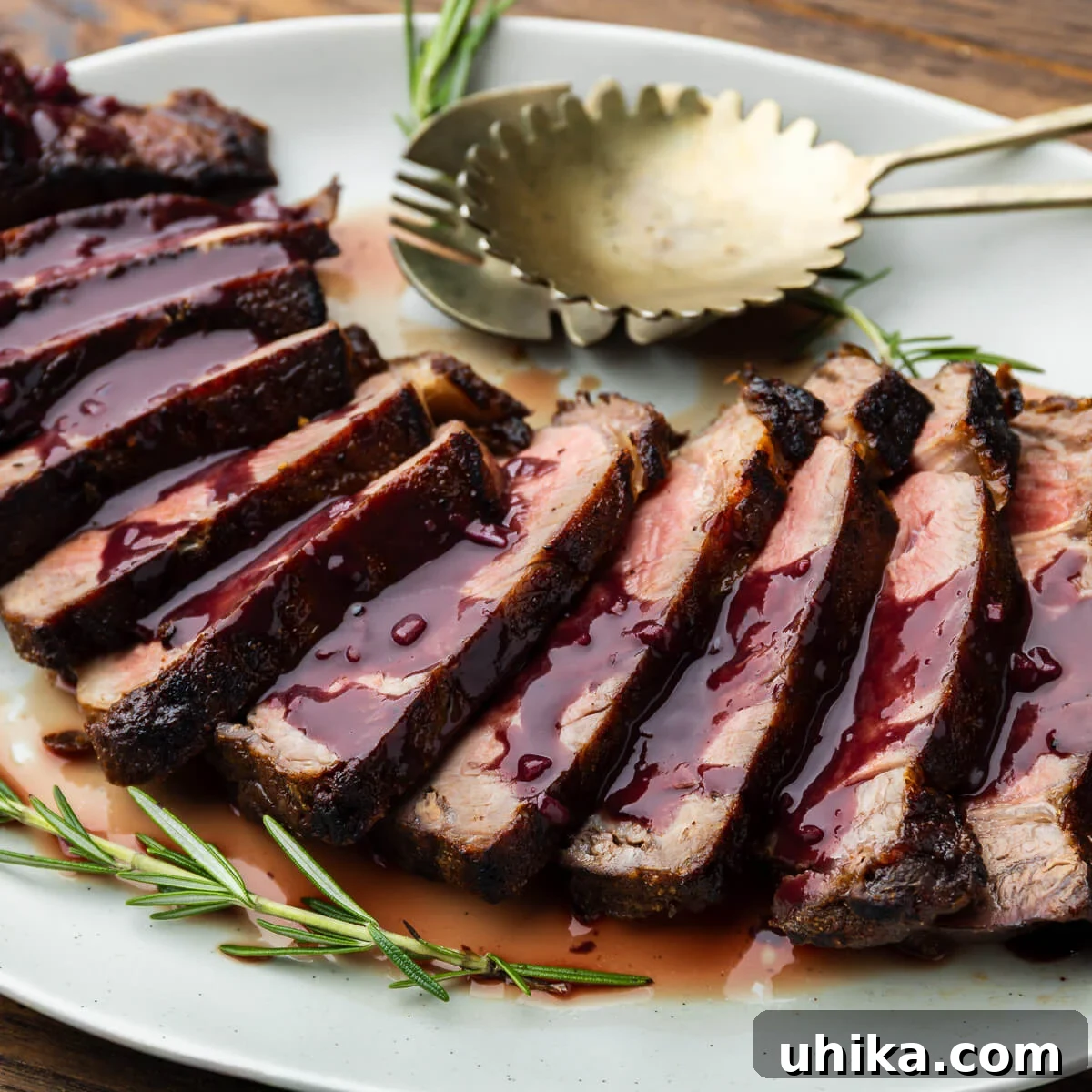
Craving a luxurious, restaurant-quality meal without the hefty price tag or the need to leave your home? My Ribeye Steak with Red Wine Sauce recipe is your answer. This dish is designed to impress, yet it’s surprisingly simple to prepare, making it perfect for a special gathering, an intimate date night, or simply to treat yourself. The star of this culinary masterpiece is a rich, savory red wine shallot pan sauce, which perfectly complements the juicy, tender ribeye steak, elevating it to steakhouse-rivaling perfection. Prepare to delight your senses and earn rave reviews with every succulent bite.
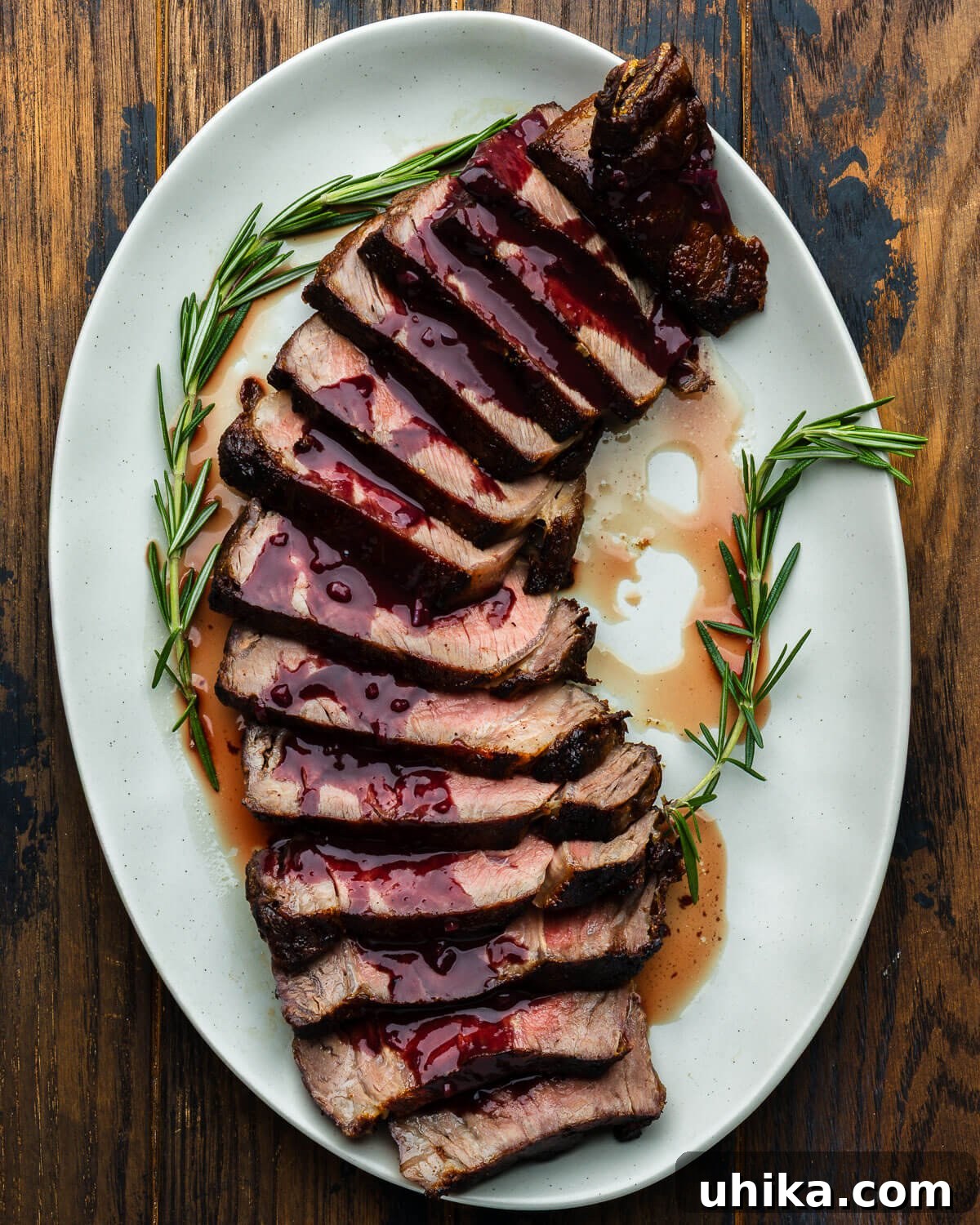

Achieving Steakhouse Excellence at Home
I share your love for a fantastic steakhouse experience—the perfectly seared crust, the tender interior, and the exquisite sauces. However, the indulgence often comes with a significant cost. That’s why I’ve dedicated myself to perfecting steak recipes that you can recreate in your own kitchen, offering the same caliber of flavor and texture without breaking the bank. From classic Steak Au Poivre to the robust Bistecca Fiorentina found in my new cookbook, I believe everyone deserves a gourmet steak experience.
This particular recipe for ribeye with red wine reduction has quickly become a personal favorite and a staple in my cooking rotation. It embodies the essence of fine dining with remarkable ease. The red wine sauce, a deceptively simple concoction of dry red wine, quality beef stock, and aromatic shallots, transforms a beautiful cut of ribeye into an extraordinary meal. The synergy of these few, carefully selected ingredients creates a flavor profile that is truly magical and unforgettable.
To complete your steakhouse-at-home experience, I highly recommend serving this incredible ribeye alongside a couple of classic side dishes. My creamy Roasted Garlic Mashed Potatoes provide a comforting counterpoint, while a rich and savory Creamed Spinach adds a touch of classic elegance. Together, they create a cohesive and deeply satisfying meal that rivals any upscale restaurant.
Essential Ingredients for Your Perfect Ribeye Steak and Red Wine Sauce
Crafting an unforgettable ribeye steak with a luscious red wine sauce begins with selecting the right ingredients. Below, you’ll find a visual guide to the core components of this recipe, followed by specific notes to help you make the best choices for an exceptional outcome.
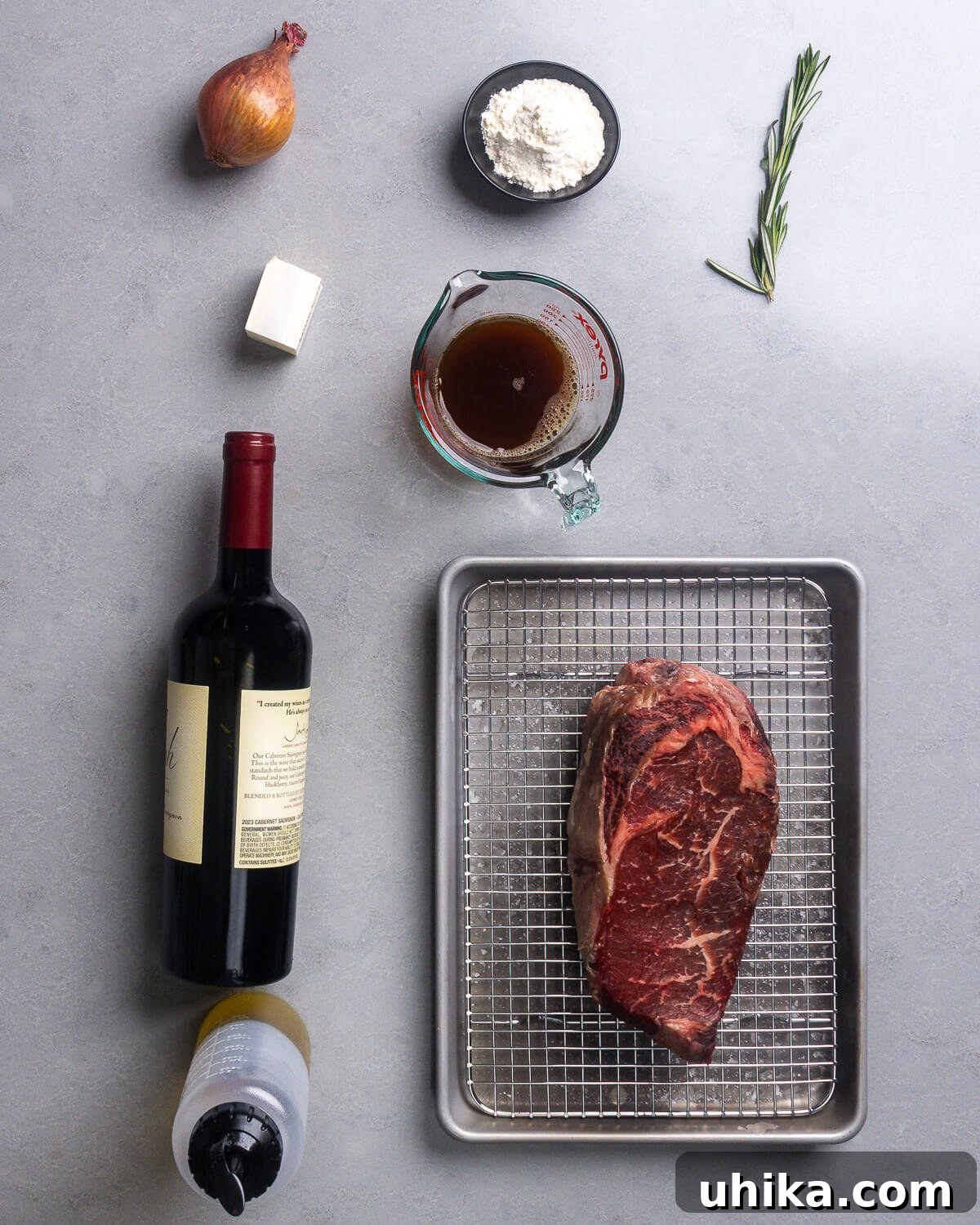
- The Steak: While this recipe truly shines with a succulent ribeye, known for its exceptional marbling and rich flavor, feel free to adapt it to your preferred cut. A thick-cut New York strip or a tender filet mignon would also be excellent choices. The key is to select a high-quality piece of meat, ideally about 1.5 to 2 inches thick, to achieve a perfect sear and a juicy interior. The ribeye pictured has been pre-salted and refrigerated overnight—a crucial step for a juicier steak and a superior sear, as it helps draw moisture out from the surface and allows the salt to penetrate deeply.
- The Wine: The red wine forms the foundation of our exquisite sauce, so choose wisely. I recommend using a dry red wine, such as a Cabernet Sauvignon, Merlot, or Pinot Noir. A general rule of thumb is to cook with a wine that you would genuinely enjoy drinking alongside your meal. This recipe requires 1 1/2 cups for the sauce, leaving you with plenty to savor with your perfectly cooked steak. Avoid “cooking wines” which often contain added salt and preservatives that can detract from the flavor.
- Beef Stock: For the most balanced flavor in your sauce, opt for a low-sodium beef stock. Even better, consider using a homemade beef stock if you have it on hand. Homemade stock offers unparalleled depth and richness, free from artificial additives. The stock will contribute significantly to the sauce’s body and umami.
- Shallots: These delicate members of the onion family offer a milder, sweeter, and more refined flavor than regular onions, making them ideal for a sophisticated pan sauce. When minced finely, they melt into the sauce, providing an aromatic base without overpowering the other ingredients.
- Unsalted Butter: Used for sautéing and finishing the sauce, unsalted butter gives you precise control over the saltiness of your dish. It contributes a luxurious richness and glossy finish to the sauce.
- Flour: A small amount of all-purpose flour is used to create a light roux, which thickens the sauce to the perfect consistency, allowing it to beautifully coat the steak.
- Rosemary: A single sprig of fresh rosemary infuses the wine reduction with its distinctive piney, slightly peppery aroma, adding an herbaceous layer of complexity to the sauce.
- Neutral Oil: High-smoke point oils like olive oil, grapeseed oil, or canola oil are perfect for searing steak, ensuring a beautiful, even crust without burning.
- Sugar or Balsamic Vinegar (Optional but Recommended): These are your secret weapons for balancing the sauce’s flavor. Depending on the wine used, the sauce can sometimes lean slightly bitter or overly acidic. A pinch of sugar or a splash of good quality balsamic vinegar can harmoniously round out the flavors, bringing everything into perfect balance. Always taste and adjust as needed.
For a complete and detailed breakdown of all quantities and exact measurements, please refer to the full recipe card below.
Crafting Your Masterpiece: A Step-by-Step Guide to Ribeye with Red Wine Sauce
Follow these detailed steps to create a truly memorable ribeye steak bathed in a luscious red wine sauce. Each instruction is carefully outlined to ensure success from start to finish.
- Prepare the Steak: The Overnight Dry-Brine. Begin by generously salting your thick-cut ribeye steak on all sides with Diamond Crystal kosher salt, then season with black pepper to taste. Place the seasoned steak on a wire rack set over a baking sheet and refrigerate uncovered for at least 12 hours, or ideally, overnight. This crucial dry-brining process draws moisture from the surface, creating a drier exterior for a superior sear, while allowing the salt to deeply penetrate the meat, resulting in a juicier, more flavorful steak. If you’re short on time, you can skip this step and season the steak just before cooking after it has come to room temperature.
- Bring Steak to Room Temperature & Start the Wine Reduction. About 1 hour before you plan to cook, remove the steak from the refrigerator to allow it to come closer to room temperature. This promotes more even cooking. Simultaneously, pour 1 1/2 cups of dry red wine into a small saucepot and add a sprig of fresh rosemary. Bring the wine to a moderate boil, then reduce the heat and let it simmer gently until it has reduced by half. This concentrates the wine’s flavors and removes much of the alcohol. Once reduced, remove and discard the rosemary sprig and set the concentrated wine aside.
- Preheat Oven and Sear the Steak. Preheat your oven to 400°F (200°C) with an oven rack positioned in the middle. Heat a large, heavy-bottomed pan—preferably cast iron or stainless steel—over medium-high heat until it’s very hot. Add 1/4 cup of neutral oil (like olive, grapeseed, or canola oil) to the pan. Once the oil is shimmering and just about to smoke, carefully place the room-temperature ribeye into the pan. Cook the steak, flipping it every minute, for about 3 minutes per side, until a deep, brown crust forms. This frequent flipping technique helps build a more even crust. Don’t forget to use tongs to sear the sides of the steak as well, ensuring every surface achieves that beautiful, flavorful browning.
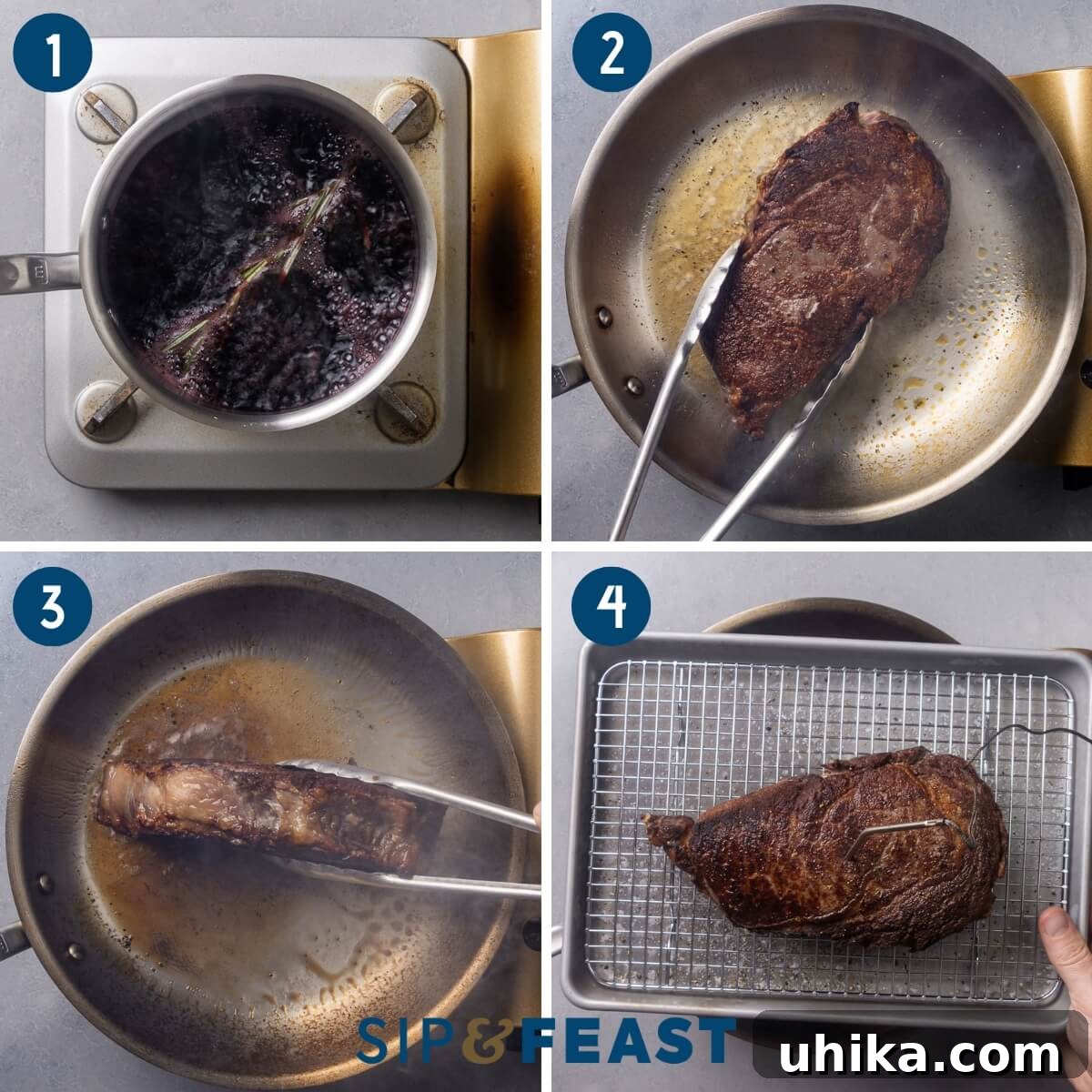
- Finish Steak in the Oven. Once thoroughly seared on all sides, transfer the steak from the pan to a wire rack set on a baking sheet. Place the baking sheet into the preheated 400°F oven. Roast until the steak reaches your desired internal temperature. For a perfect medium-rare, aim for 110-115°F (43-46°C) as it will continue to cook a few degrees while resting. Use an oven-safe thermometer for the most accurate reading, inserting it into the thickest part of the steak.
- Rest the Steak. This is a critical step for a juicy steak. Once the desired internal temperature is reached, immediately remove the steak from the oven. Transfer it to a clean cutting board and tent it loosely with aluminum foil. Allow the steak to rest for at least 10 minutes (15-20 minutes for thicker cuts). Resting allows the juices, which have been driven to the center during cooking, to redistribute evenly throughout the meat, ensuring every slice is incredibly tender and moist.
- Prepare the Red Wine Shallot Sauce. While the steak is resting, it’s time to create the spectacular red wine sauce. Carefully pour out any excess oil from the pan you used to sear the steak, leaving behind any flavorful browned bits (fond) stuck to the bottom. Return the pan to medium heat. Add 2 tablespoons of unsalted butter and the minced shallot. Sauté the shallot, stirring occasionally, until it has softened and become translucent, about 2-3 minutes.
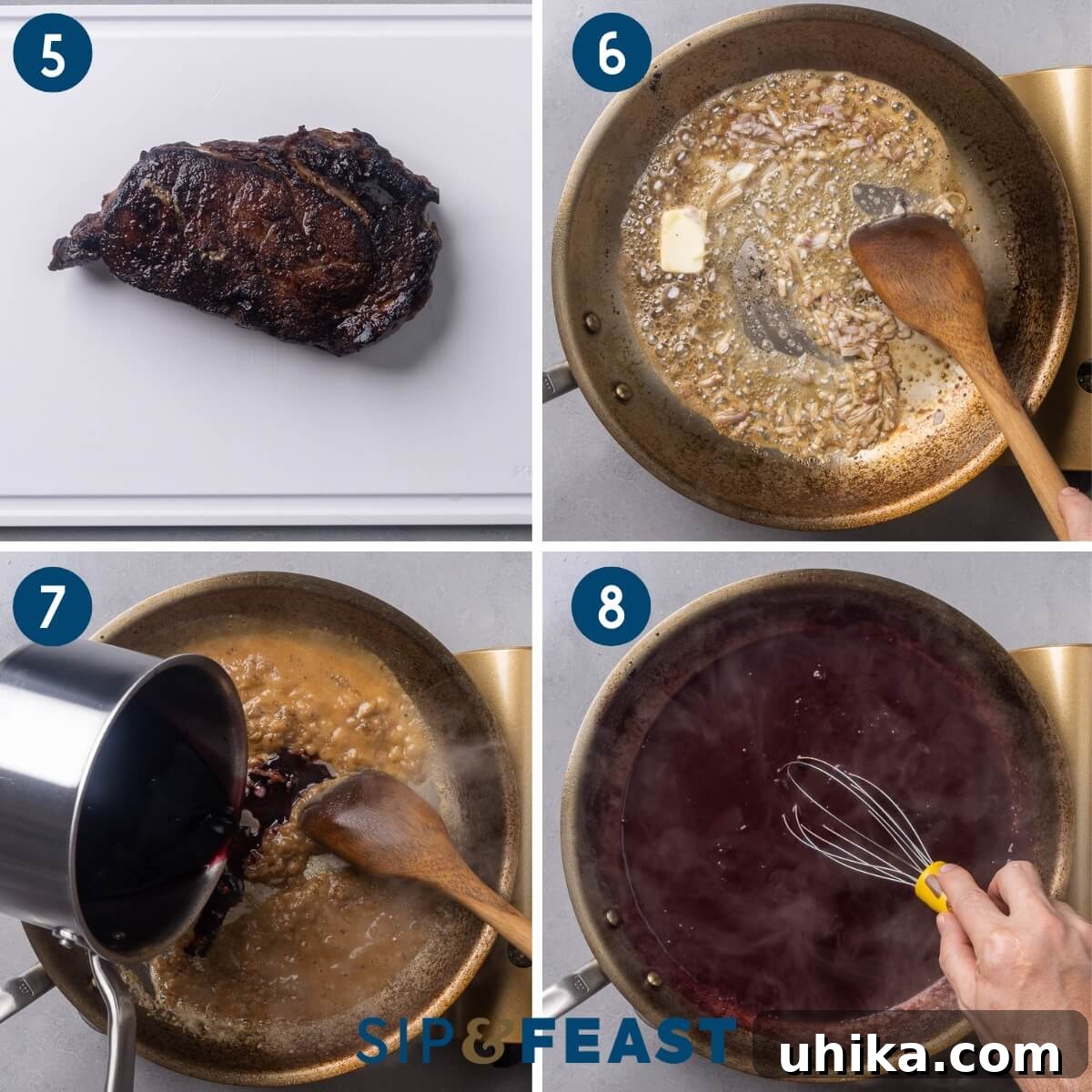
- Build the Sauce. Once the shallots are soft, add 1 tablespoon of flour to the pan and cook for 1-2 minutes, stirring constantly, until the flour paste (roux) slightly darkens. This helps cook out the raw flour taste. Gradually whisk in 3/4 cup of low-sodium beef stock, scraping up any fond from the bottom of the pan as you go. Then, whisk in your reserved reduced red wine. Bring the sauce to a gentle boil, then reduce the heat to a simmer, allowing it to thicken.
- Finish and Season the Sauce. Continue to simmer the sauce, stirring occasionally, until it thickens sufficiently to coat the back of a spoon. At this point, you should have approximately 1 cup of rich, glossy sauce. Remove the pan from the heat. Whisk in 1 tablespoon of cold unsalted butter—this “mount au beurre” technique adds extra richness and a beautiful sheen. Taste the sauce and season with salt and pepper as needed. If the sauce tastes too strong or bitter, add a small pinch of sugar or a few drops of balsamic vinegar to balance the flavors.
- Slice and Serve. Once the steak has fully rested, slice it against the grain into thick, even pieces. Arrange the sliced ribeye elegantly on a platter and either drizzle generously with the red wine sauce or serve the sauce on the side for individual portions. Enjoy your perfectly cooked, restaurant-worthy ribeye steak!
Expert Tips for Steakhouse-Quality Results
- The Power of Prepping Your Steak (Dry-Brining): If time allows, dedicating 12 hours or even overnight to salting your steak and letting it sit uncovered in the refrigerator is a game-changer. This process isn’t just about seasoning; it actively helps dry out the steak’s exterior, ensuring you achieve an incredibly crispy, deeply browned crust when searing. Simultaneously, the salt has ample time to penetrate the meat, leading to a steak that is remarkably juicy and flavorful throughout. Don’t skip this step for the ultimate result!
- Mastering Doneness with a Thermometer: Achieving the perfect internal temperature for your steak is paramount for a truly tender and enjoyable eating experience. I cannot stress enough the importance of using an accurate thermometer. An oven-safe thermometer allows you to monitor the steak’s temperature without repeatedly opening the oven door, while an instant-read thermometer is excellent for quick checks.
- Rare: 120-125°F (49-52°C)
- Medium-Rare: 130-135°F (54-57°C)
- Medium: 135-140°F (57-60°C)
- Medium-Well: 140-145°F (60-63°C)
Remember that the steak’s internal temperature will rise by a few degrees (known as carryover cooking) during the resting period, so remove it from the heat slightly before it reaches your target doneness.
- The Perfect Pan for Searing: For an optimal sear, a heavy-bottomed pan is essential. Cast iron skillets are superb for their heat retention and even distribution, creating a fantastic crust. Stainless steel pans also work exceptionally well, especially those with a thick base. Avoid thin, non-stick pans as they often don’t get hot enough or retain heat adequately for a proper sear.
- Always Rest Your Steak: After cooking, always transfer your steak to a cutting board and tent it loosely with foil. Allowing it to rest for at least 10 minutes (longer for thicker cuts) is crucial. This gives the muscle fibers time to relax and reabsorb the juices that have migrated to the center during cooking. Slicing too early will cause those delicious juices to run out onto your board, leaving you with a drier steak.
- Taste and Balance the Sauce: The red wine sauce is a delicate balance of savory, acidic, and sometimes bitter notes, depending on the wine you choose. Always taste your sauce before serving. If it tastes too strong, acidic, or bitter, a small pinch of sugar or a teaspoon or two of good quality balsamic vinegar can work wonders to mellow and balance the flavors, making it smoother and more harmonious. Don’t be afraid to adjust until it tastes just right!
More Irresistible Steak Recipes You’ll Love
If you’re a true connoisseur of tender, juicy steak and can’t get enough of its rich flavors, then you’ll undoubtedly enjoy exploring these other fantastic steak recipes from my collection. Each one offers a unique culinary adventure!
- Steak Tagliata: A classic Italian dish featuring thinly sliced steak served over a bed of arugula, often with Parmesan shavings and a drizzle of balsamic. Simple yet elegant.
- NY Strip with Gorgonzola Sauce: Elevate your New York strip steak with a creamy, pungent Gorgonzola cheese sauce that adds a bold and delicious twist.
- Steak Diane: A retro classic, this pan-fried steak dish is famous for its rich, flavorful pan sauce often made with Cognac or brandy, mustard, and cream, usually prepared tableside.
If you’ve thoroughly enjoyed preparing and savoring this Ribeye Steak with Red Wine Sauce recipe, please consider leaving it a 5-star rating below!
Don’t miss out on more delicious recipes and cooking inspiration! Watch us on YouTube, follow along on our Facebook Page, and become a Patreon member to unlock exclusive full-meal videos and behind-the-scenes content.
Ribeye Steak with Red Wine Sauce
James Delmage
10
35
45
4
Pin
Ingredients
- ▢ 1 thick ribeye steak removed fridge for at least 1 hour before searing
- ▢ 1 tablespoon Diamond crystal kosher salt
- ▢ black pepper to taste
- ▢ 1/4 cup neutral oil
For the sauce
- ▢ 1 1/2 cups dry red wine
- ▢ 1 sprig rosemary
- ▢ 2 tablespoons unsalted butter
- ▢ 1 small shallot minced
- ▢ 1 tablespoon flour
- ▢ 3/4 cup low-sodium beef stock
- ▢ 1 tablespoon cold unsalted butter
- ▢ sugar or balsamic vinegar optional, see notes below
Instructions
-
Place the ribeye steak on a wire rack lined baking sheet and salt on all sides. Season with pepper to taste. Refrigerate for at least 12 hours or overnight. Note: If in a rush, you can skip this step and just season with salt and pepper after the steak has been removed from the fridge.
-
Remove the steak from the fridge at least 1 hour before searing.
-
Pour the wine and add the rosemary sprig to a saucepot and bring to a moderate boil. Reduce by half. Once reduced, remove the rosemary sprig and set sauce aside.
-
Preheat the oven to 400°F and set the rack to the middle level.
-
Heat a large cast iron or stainless steel pan to medium-high heat. Add the oil and once shimmering add the steak. Cook the steak until well browned on both sides, flipping every minute (about 3 minutes per side). Make sure to sear the sides of the steak with tongs.
-
Place the steak on a wire rack-lined baking sheet and into the oven. Roast until the steak reaches 115°F internal temperature or until desired temp is achieved. Place the steak on a cutting board and tent with foil for at least 10 minutes before slicing.
-
Pour the oil out from the steak pan and heat to medium. Add the butter and shallot. Once the shallot is soft, add the flour and cook for 1-2 minutes or until it darkens a touch. Whisk in the beef stock followed by the reduced red wine and bring to a boil.
-
Once the sauce thickens and coats the back of a spoon remove it from heat. After thickening there should be about 1 cup of sauce. Whisk in 1 tablespoon of cold butter and season with salt and pepper to taste. If the sauce is too strong or bitter for your liking a pinch of sugar can be added.
-
Slice the steak and serve on a platter with the red wine sauce on the side. Enjoy!
Notes
- Pan: A cast iron, stainless steel, or carbon steel will all work well to sear the steak.
- Beef: Any steak can be used. A thick filet or NY strip both work well. Just cook to your desired doneness. Thinner steaks can be fully cooked in the pan and then rested and tented with foil, while thicker steaks should be finished in the oven. 110°F-115°F will yield a 125°F internal temp steak after resting which is a touch more than rare. That being said, cook the steak to your liking.
- Sauce: If the sauce is too bitter or strong tasting it can be balanced with a pinch of sugar or 2-3 teaspoons of balsamic vinegar.
- Oven-safe thermometer: An oven safe thermometer should be placed in the thickest part of the ribeye before placing the steak in the oven. An instant read thermometer will also work, but you will need to remove the steak from the oven to check.
- Leftovers: Ribeye steak with red wine sauce can be saved in the fridge for up to 3 days. The best way to reheat leftover steak is in a pan with butter. Sear both sides until warmed through.
Nutrition
Nutrition information is automatically calculated, so should only be used as an approximation.
Like this? Leave a comment below!
Check us out on Instagram at @sipandfeast or tag #sipandfeast!