

Table of Contents
- Introduction to New England Boiled Dinner
- Why This Recipe Stands Out
- Essential Ingredients for Your Boiled Dinner
- Mastering the Art of New England Boiled Dinner
- A Guide to Reducing Corned Beef Saltiness
- Serving and Reheating Your Feast
- Explore More Comfort Food Recipes
- New England Boiled Dinner (Printable Recipe)
Introduction to New England Boiled Dinner: A Timeless Comfort Food
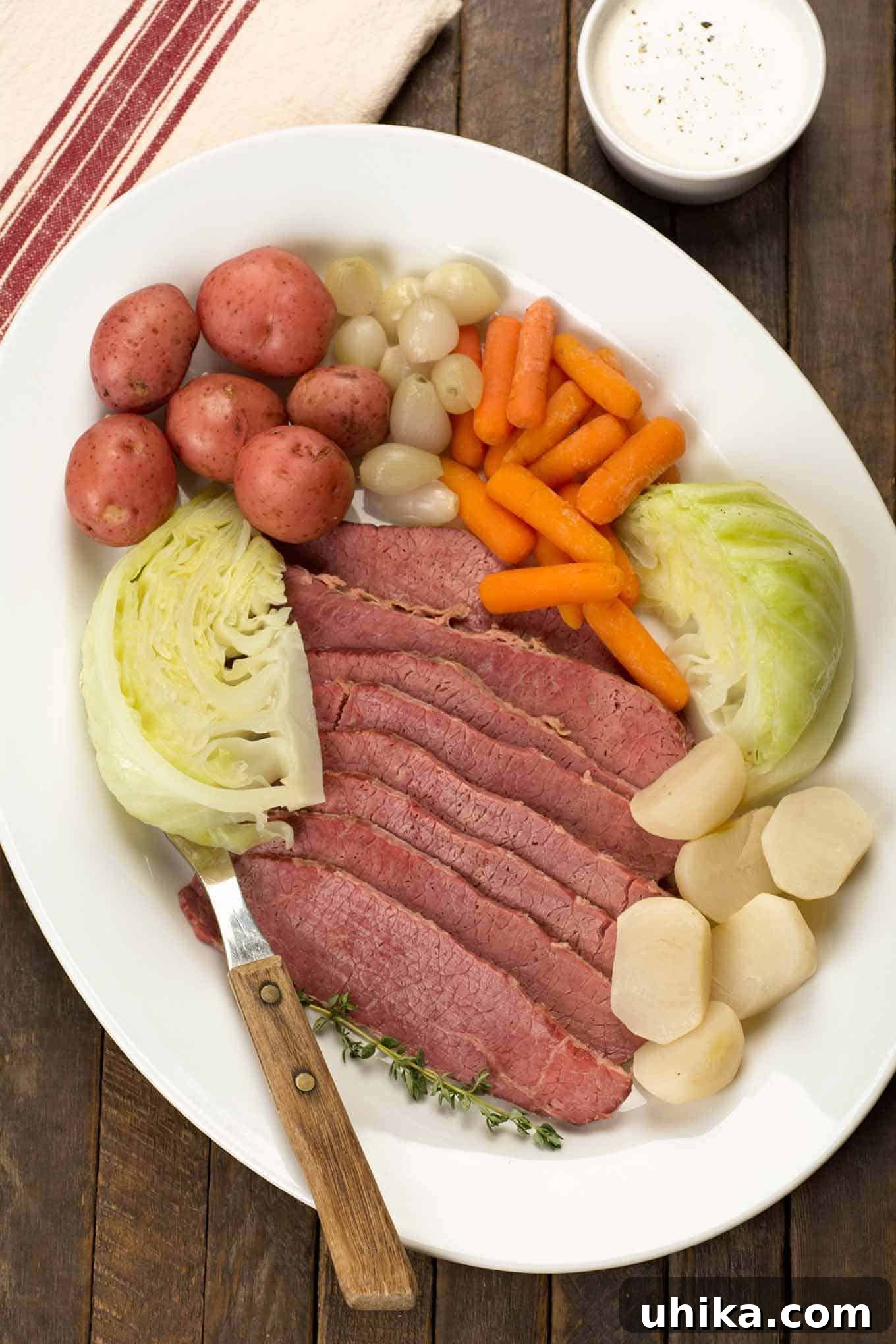
While often associated with St. Patrick’s Day celebrations across America, the New England Boiled Dinner is far more than just a seasonal dish. It represents a cherished culinary tradition, a hearty and wholesome one-pot meal that has graced dinner tables for generations. Rooted in frugality and the resourceful cooking styles of early American settlers, this dish transforms simple ingredients into an incredibly flavorful and nourishing experience. Featuring slow-simmered corned beef brisket, accompanied by a vibrant array of root vegetables and tender cabbage, it’s a testament to the comforting power of slow cooking.
This classic meal, while requiring a cooking time of approximately 2-1/2 to 3 hours, demands surprisingly minimal hands-on effort. This makes it an ideal choice for a relaxed weekend supper, allowing you to enjoy quality time with family while a wonderfully aromatic and satisfying meal gently cooks on the stovetop. Each bite delivers a harmonious blend of savory beef, sweet carrots, earthy turnips, and mild cabbage, all infused with the rich broth from the corned beef. Our recipe ensures a truly authentic experience, complete with essential tips for mellowing the beef’s saltiness and perfectly timing your vegetables to achieve that ideal tender-crisp texture.
Why This Recipe Stands Out: Tips for a Truly Delicious Boiled Dinner
Our traditional New England Boiled Dinner recipe is meticulously crafted to guide you to culinary success, ensuring a dish that is both authentic and incredibly delicious. We’ve incorporated practical techniques honed over years of kitchen experience, addressing common challenges to elevate your cooking. A primary focus is on managing the inherent saltiness of corned beef, a crucial step that allows the nuanced flavors of the pickling spices to truly shine. By carefully timing the addition of each vegetable, we guarantee that every component, from the starchy potatoes to the delicate cabbage, reaches its peak tenderness without becoming overcooked or mushy.
Beyond the primary components, we believe a great meal is complemented by exceptional accompaniments. This recipe includes instructions for a simple yet incredibly effective horseradish cream sauce, offering a delightful tangy counterpoint to the rich beef and vegetables. Alongside a robust whole-grain mustard, these additions complete the dish, providing layers of flavor and texture that transform a simple boiled dinner into a memorable feast. These thoughtful details ensure that your homemade New England Boiled Dinner isn’t just a meal, but a comforting tradition executed with perfection.
Essential Ingredients for Your New England Boiled Dinner
A deep dive into the key ingredients that make this classic dish so special. The complete list with exact quantities is available in the printable recipe card below.
- CORNED BEEF: The star of the show, corned beef is typically prepared from brisket, a tougher but flavorful cut from the cow’s breast section. It undergoes a brining process in a seasoned solution containing salt, pickling spices, and sodium nitrite (often referred to as pink curing salt), which gives it its characteristic color and flavor. Like an uncured brisket, corned beef requires a long, slow simmering in liquid to break down its connective tissues and render it wonderfully tender. Our recipe calls for a traditional flat-cut corned beef brisket, ideally weighing between 2 and 3 pounds, which provides a good meat-to-fat ratio and slices beautifully.
- GREEN CABBAGE: Essential to the “corned beef and cabbage” dynamic, green cabbage adds a refreshing, slightly peppery flavor and satisfying texture. When selecting cabbage, look for firm, compact heads with vibrant green outer leaves that feel heavy for their size. Avoid any with visible blemishes, yellowing leaves, or cracked stems, as these indicate age or damage. Uncut, a fresh head of cabbage can be stored in your refrigerator’s crisper drawer for up to two weeks, preserving its crispness.
- BABY (NEW) POTATOES: We prefer baby red potatoes for this dish due to their appealing presentation and creamy texture when cooked. Their small, uniform size allows them to cook evenly and remain whole, making them visually attractive on a serving platter. When shopping, try to choose potatoes of similar size to ensure consistent cooking. If baby red potatoes are unavailable, baby yellow varieties work perfectly, or you can use regular-sized Yukon Golds cut into manageable chunks.
- BABY CARROTS: While standard carrots are perfectly fine, baby carrots offer a convenient and aesthetically pleasing option. They cook up just as tender and sweet as their larger counterparts, but their uniform size and bright orange color add a beautiful touch to the final presentation of the dish on a platter. Their natural sweetness also complements the savory beef and other root vegetables.
- TURNIPS: Purple-top turnips contribute a unique earthy, subtly sweet, and savory note that truly enhances the New England Boiled Dinner. Their texture becomes tender yet firm when cooked, providing a delightful contrast. If turnips are not to your taste, parsnips make an excellent substitute, offering a similar sweetness and depth of flavor. Alternatively, you can omit them entirely or replace them with other root vegetables like rutabaga for a different flavor profile.
- PEARL ONIONS: Fresh pearl onions are our choice for this recipe as they hold their shape and delicate texture better than their frozen counterparts, adding a touch of elegance to the dish. While peeling them can be a bit tedious, we’ve included an easy, tried-and-true method in our recipe notes that will simplify the process significantly, making them well worth the minor effort.
Mastering the Art of New England Boiled Dinner: A Step-by-Step Guide
Embark on creating this heartwarming recipe with confidence. Here’s a quick overview of the cooking process. Detailed, step-by-step instructions are provided in the comprehensive printable recipe card below.
1. Cook the Corned Beef to Perfection:
The journey to a tender, flavorful corned beef begins with a crucial step to temper its saltiness. First, place your corned beef in a large pot, cover it with cold water, and bring it to a rapid simmer for a few minutes. This initial boil helps to draw out excess salt. After this, carefully drain the water, rinse the beef, and replenish the pot with fresh water. Add your essential pickling spices (often included with the beef, or you can add your own peppercorns, cloves, and bay leaf), then allow the beef to slow-simmer for several hours until it is exquisitely fork-tender. Once cooked, transfer the beef to a plate and cover it loosely with foil to keep it warm and allow its juices to redistribute.
2. Perfectly Cook the Vegetables:
The secret to flavorful vegetables lies in cooking them in the savory broth left behind by the corned beef. This infuses them with incredible depth. Begin by par-cooking the firmer vegetables, such as potatoes. After a short initial cooking period, introduce the carrots, turnips, and pearl onions, allowing them to soften. Finally, add the cabbage wedges, cooking just until everything reaches a perfect tender stage. This staggered approach ensures each vegetable retains its distinct texture and flavor without becoming overdone.
3. Prepare Complementary Sauces:
While the vegetables are finishing, prepare your flavorful accompaniments. Whip up a quick, tangy horseradish cream sauce by combining sour cream with prepared horseradish, seasoning it to your taste with salt and freshly ground black pepper. Additionally, dish out some hearty, grainy mustard. These sauces provide a wonderful contrast to the richness of the meat and vegetables, enhancing the overall dining experience.
4. Thoughtful Presentation for Serving:
Once all components are ready, it’s time for presentation. Carefully slice the tender corned beef against the grain into uniform pieces. Arrange the beautifully cooked vegetables around a large serving platter. Briefly return the sliced beef to the warm cooking liquid for just a minute or two to ensure it’s perfectly hot before placing it artfully in the center of the platter with the vegetables. Serve immediately with your freshly prepared horseradish cream sauce and the grainy mustard, inviting everyone to enjoy this classic masterpiece.
A Guide to Reducing Corned Beef Saltiness for Optimal Flavor
Corned beef, by its very nature, is a salt-cured product, and while salt is integral to its unique flavor and preservation, an overly salty taste can sometimes overpower the dish. Taking proactive steps to mellow this intensity is crucial for achieving a balanced and truly delicious New England Boiled Dinner.
Our recommended method involves discarding the first batch of simmering water. By placing the corned beef in cold water and bringing it to a rapid simmer for about 10 minutes before draining and refilling with fresh water, you effectively draw out a significant portion of the superficial salt. This simple yet highly effective technique allows the infused flavors of the pickling spices—such as cloves, peppercorns, and bay leaf—to emerge more prominently, creating a richer, more nuanced broth and a less aggressively salty piece of meat.
While some traditional methods suggest soaking and rinsing the meat extensively before cooking, our simmering technique offers several advantages. It’s generally quicker than an overnight soak and additionally helps to render off a bit of excess fat, contributing to a cleaner, more refined flavor profile in the final dish. This step is a small investment of time that yields immense returns in the overall quality and enjoyment of your homemade New England Boiled Dinner.

Serving and Reheating Your New England Boiled Dinner for Continued Enjoyment
One of the many delights of a New England Boiled Dinner is how beautifully it holds up, and often improves, as leftovers. The flavors meld and deepen overnight, making it an excellent meal for meal prepping or enjoying for several days. Leftovers should be stored in an airtight container in the refrigerator and will remain fresh and delicious for up to three days. When it comes to reheating, you have a couple of convenient options, ensuring your meal is just as satisfying the second time around. Since whole baby potatoes tend to take a little longer to heat through than the other components, consider cutting them in half before reheating for more even warming.
To Reheat on the Stovetop:
For quick and efficient reheating, place a shallow pan with a tight-fitting lid over medium heat. Add a small amount of water to the bottom of the pan—just enough to create steam and prevent sticking. Arrange the leftover corned beef slices and vegetables in the pan. Cover tightly and allow them to cook gently until everything is heated thoroughly to your preference. This method typically takes about 5 to 7 minutes. To ensure the meat is safely warmed, you can use a meat thermometer; it should register an internal temperature of around 165°F (74°C).
To Reheat in the Oven:
For a more hands-off approach, reheating in the oven is an excellent choice. Preheat your oven to 325°F (160°C). Arrange the leftover corned beef and vegetables in a single layer on a rimmed baking pan. Pour a splash of water over the contents, which will help create steam and keep the dish moist. Cover the pan tightly with aluminum foil to trap the moisture and heat. Bake for approximately 10 to 15 minutes, or until all components are heated through to your liking. This method gently warms the meal, preventing dryness and preserving its comforting qualities.
Explore More Heartwarming Comfort Food Recipes You’ll Love
While New England Boiled Dinner stands as a pinnacle of classic comfort food, perfect for a cozy St. Patrick’s Day celebration or any chilly evening, the world of hearty, home-cooked meals is vast and inviting. If you’re seeking to expand your repertoire of satisfying dishes, we have an array of other beloved recipes that are sure to please. You might consider trying our traditional Shepherd’s Pie made with ground lamb, a rich and savory dish topped with a fluffy potato crust that exemplifies classic British fare. For those who appreciate a more straightforward meat-and-potatoes meal, our Pan-Seared Loin Lamb Chops offer elegance and robust flavor, perfectly complemented by a delightful side dish of Colcannon—a traditional Irish specialty of buttery mashed potatoes expertly blended with tender sautéed kale or cabbage. Each of these recipes promises warmth, flavor, and the comforting embrace of a truly homemade meal.
New England Boiled Dinner
Lynne Webb
15 minutes
3 hours
30 minutes
3 hours
45 minutes
6
servings
Pin Recipe
Rate Recipe
Print Recipe
Ingredients
- 2 to 3 lb corned beef brisket, uncooked
- 10 peppercorns
- 6 whole cloves
- 1 bay leaf
- 1-1/2 pounds baby red potatoes
- 1/2 lb baby carrots
- 1 lb purple-top turnips, peeled and cubed
- 3/4 lb pearl onions, peeled (see notes below)
- 1 head green cabbage, cut into wedges (see notes below)
- Whole grain mustard, for serving
For the Horseradish Cream Sauce:
- 3/4 cup sour cream
- 2 tablespoons prepared horseradish
- Salt and freshly ground black pepper
Instructions
-
Place the corned beef in a large Dutch oven or pot, cover it with cold water, and bring it to a rapid simmer over high heat. Cook for 10 minutes, then carefully drain and discard this water. Replace with fresh cold water, ensuring the beef is fully submerged, and bring it back to a simmer once again (refer to notes below for saltiness reduction).
-
Reduce the heat to medium-low, then add the peppercorns, cloves, and bay leaf to the pot. Cover the Dutch oven and continue cooking at a gentle simmer until the corned beef is incredibly fork-tender, which typically takes between 2-1/2 to 3 hours. (Note: If the liquid continues to bubble too rapidly, further reduce the heat to low to maintain a gentle simmer.)
-
While the corned beef is simmering, take this time to prepare all your vegetables as directed in the notes section below (peeling, cubing, and cutting cabbage into wedges).
-
Once the corned beef is tender, carefully transfer it from the pot to a cutting board. Cover it loosely with a double thickness of aluminum foil to keep it warm and allow it to rest while you cook the vegetables.
-
Add the baby red potatoes to the flavorful liquid remaining in the Dutch oven. Increase the heat to medium-high, cover, and simmer for 5 minutes. After this initial period, add the carrots, turnips, and pearl onions to the pot.
-
Continue to simmer the vegetables for an additional 10 minutes. Then, add the cabbage wedges to the pot. Cook for 10 to 12 minutes longer, or until all the vegetables are tender when easily pierced with the tip of a sharp knife.
-
While the vegetables are completing their cooking, prepare the horseradish cream sauce. In a small bowl, combine the sour cream and prepared horseradish. Season generously to taste with salt and freshly ground black pepper. Transfer the finished sauce to a small serving bowl.
-
Once the vegetables are perfectly cooked and tender, leave them in the Dutch oven for a couple of minutes to stay warm. During this time, slice the rested corned beef against the grain into 1/4-inch thick slices.
-
Using a slotted spoon, quickly transfer the cooked vegetables to a large serving platter, arranging them around the edges. To reheat the corned beef slices, return them to the warm pot liquid for 2 minutes while you complete the vegetable arrangement.
-
Using tongs, artfully arrange the warm corned beef slices in the center of the platter. Serve the New England Boiled Dinner immediately with the prepared horseradish cream sauce and a side of coarse-grain mustard for dipping. Enjoy your classic comfort meal!
Notes
How to Mellow the Salty Flavor of Corned Beef
Because corned beef is a salt-cured product, it’s beneficial to take steps to mellow its salty flavor. As recommended in our recipe instructions, discarding the first batch of simmering water will significantly help reduce the meat’s saltiness and allow the infused flavors of the cloves, peppercorns, and bay leaf to truly shine. While you could also soak and rinse the meat before cooking, the initial simmering method is quicker and has the added benefit of rendering off a little extra fat.
Tips For Preparing the Vegetables
CUT THE CABBAGE INTO WEDGES: Trim the tough stem end from the cabbage. Carefully cut the head into 6 wedges, ensuring you leave a portion of the core intact on each wedge. This crucial step prevents the cabbage wedges from falling apart during cooking, maintaining their appealing shape.
HOW TO PEEL PEARL ONIONS: To easily peel pearl onions, immerse them in rapidly boiling water for 3 to 4 minutes. Immediately transfer them to a bowl of ice water and let them sit for 2 minutes to stop the cooking process. Drain the onions thoroughly, then use kitchen shears or a small knife to cut off the root end of each onion. Gently squeeze the onion from the opposite end, and the softened inner onion should easily pop out of its skin through the trimmed root end.
How to Store and Reheat New England Boiled Dinner
Leftovers of New England Boiled Dinner will keep well for up to three days when stored in an airtight container in the refrigerator. You can conveniently reheat them either on the stovetop or in the oven. For quicker and more even warming, especially for the whole baby potatoes which take longer to heat, consider cutting them in half before reheating.
TO REHEAT ON THE STOVE: Place the desired amount of leftover meat and vegetables in a shallow pan with a tight-fitting lid. Add a tablespoon or two of water to the bottom of the pan. Cover and cook over medium heat for 5 to 7 minutes, or until everything is heated to your liking. The internal temperature of the meat should reach 165°F (74°C) for safe consumption.
TO REHEAT IN THE OVEN: Preheat your oven to 325°F (160°C). Arrange the corned beef slices and vegetables in a single layer on a rimmed baking pan. Pour a small amount of water over them, then cover the pan tightly with aluminum foil. Heat for 10 to 15 minutes, or until the entire dish is thoroughly warmed through.
Nutrition
Nutrition information is automatically calculated, so should only be used as an approximation.