
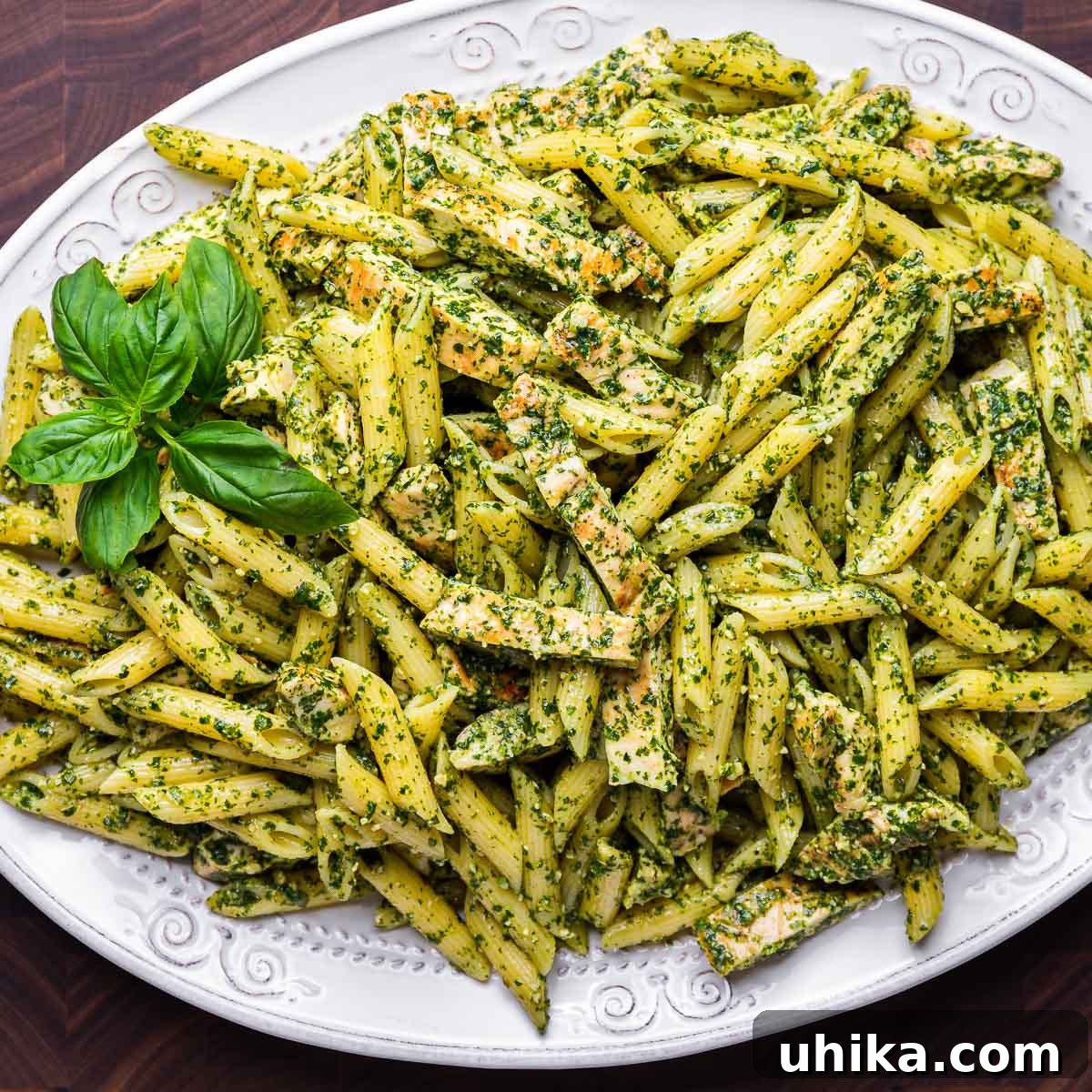
Chicken Pesto Pasta Salad: Your Ultimate Guide to a Summer Favorite
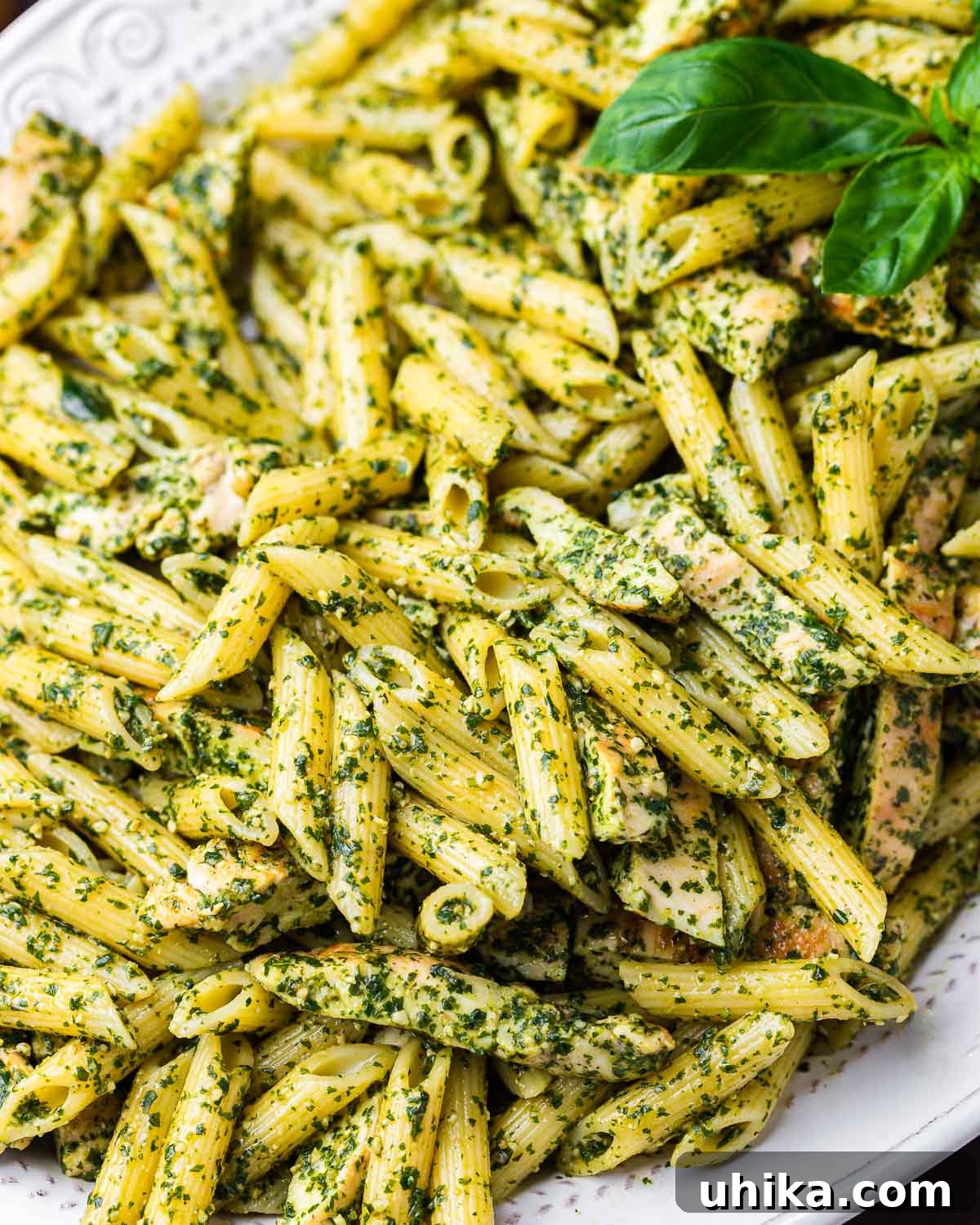
Discover the ultimate crowd-pleaser for any occasion – Chicken Pesto Pasta Salad! This vibrant and flavorful dish is a perennial favorite, perfect for warm-weather gatherings, bustling weeknight dinners, or convenient grab-and-go lunches. Imagine the freshest basil, blended with rich olive oil, crunchy pine nuts, pungent garlic, and savory cheeses to create an aromatic pesto. This exquisite sauce then lovingly coats perfectly seared chicken and al dente penne pasta, culminating in a meal that’s as delightful as it is versatile. Whether you prefer it served warm, chilled, or at room temperature, this chicken pesto pasta salad is destined to become your go-to recipe all summer long.
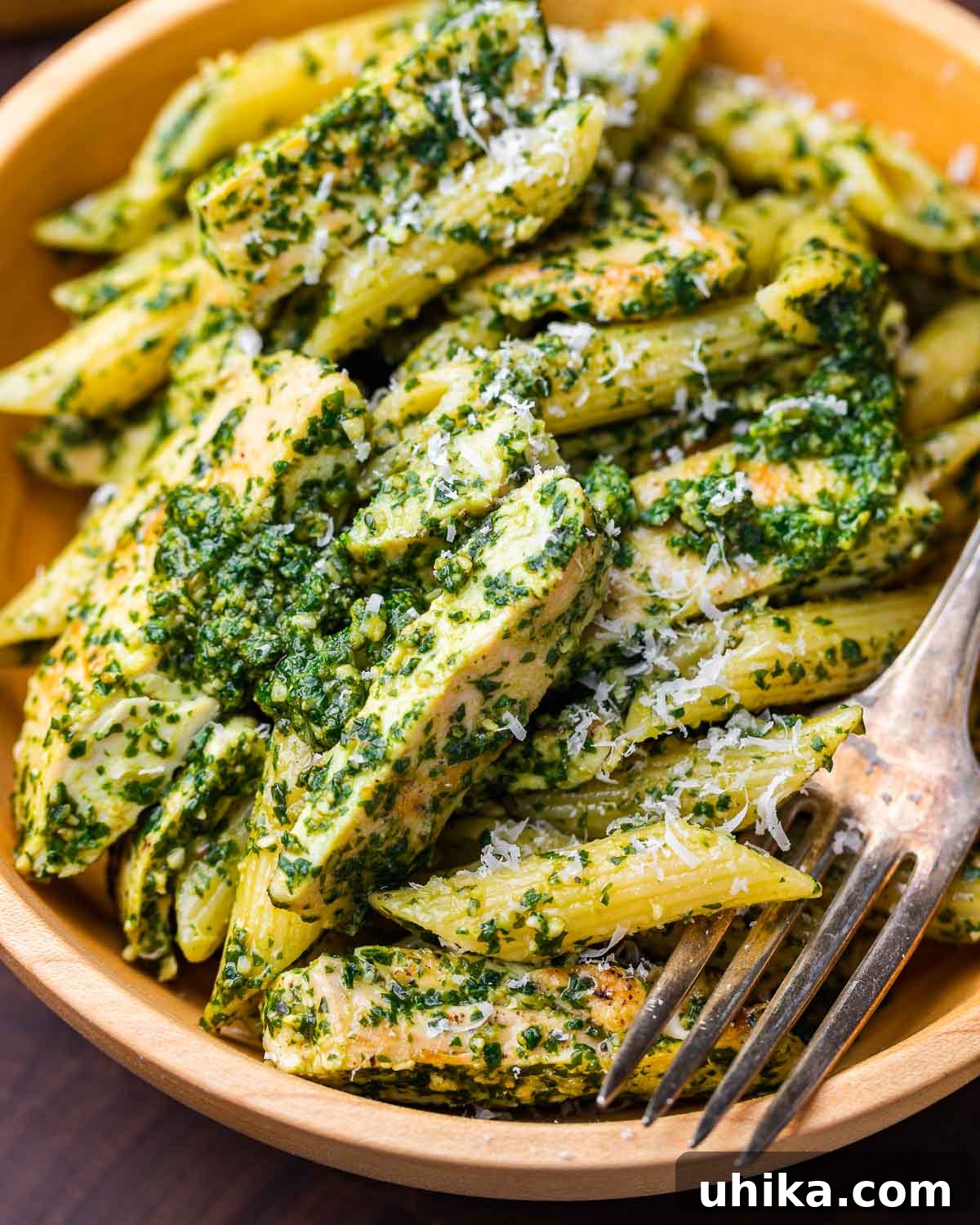
I must admit, I have a deep appreciation for a well-made pasta salad, especially when it’s served alongside perfectly grilled chicken thighs or juicy pork chops. There’s something inherently satisfying about the combination of tender pasta, fresh vegetables, and a light, flavorful dressing that truly encapsulates the spirit of summer dining.
However, this Chicken Pesto Pasta Salad elevates the traditional pasta salad experience to an entirely new level. It’s more than just a side dish; it’s a culinary masterpiece that boasts incredible flavor and impressive nutritional value. By integrating the succulent chicken directly into the mix, alongside the hearty pasta and fragrant pesto, this dish transforms into a complete, wholesome meal all on its own. This makes it an ideal choice for effortless family dinners or quick, nutritious lunches that you can easily pack and take with you.
Beyond its deliciousness and nutritional completeness, one of the most appealing aspects of this recipe is its sheer simplicity. You don’t need to be a gourmet chef to create this impressive dish. With straightforward steps and readily available ingredients, you can whip up this fantastic meal with minimal fuss, leaving you more time to enjoy the warm weather and good company.
Why You’ll Adore This Chicken Pesto Pasta Salad
This recipe isn’t just another pasta salad; it’s a celebration of fresh flavors and convenient cooking. Here’s why this chicken pesto pasta salad is poised to become a staple in your culinary repertoire:
- Effortlessly Delicious: Combining the robust flavors of homemade basil pesto with tender chicken and al dente pasta creates a harmonious dish that’s incredibly satisfying and surprisingly easy to prepare.
- A Complete Meal in One Bowl: With protein from the chicken, carbohydrates from the pasta, and healthy fats from the olive oil and pine nuts in the pesto, this salad offers a balanced meal, reducing the need for multiple side dishes.
- Incredible Versatility: Enjoy it hot, cold, or at room temperature – this salad is delicious in any form, making it perfect for picnics, potlucks, or simply a quick bite at home. Its ability to hold up well makes it a superstar for meal prepping.
- Perfect for Meal Prep: Prepare a large batch at the start of the week, and you’ll have wholesome, ready-to-eat meals for days. The flavors often deepen and improve after a day or two in the refrigerator.
- Crowd-Pleaser: From casual family dinners to festive gatherings, this pasta salad consistently receives rave reviews. Its fresh, bright flavors appeal to almost everyone.
- Customizable: Easily adapt this recipe to suit your taste or dietary needs. Add extra vegetables, different types of cheese, or even switch up the protein for endless variations.
Essential Ingredients for the Perfect Pesto Pasta Salad
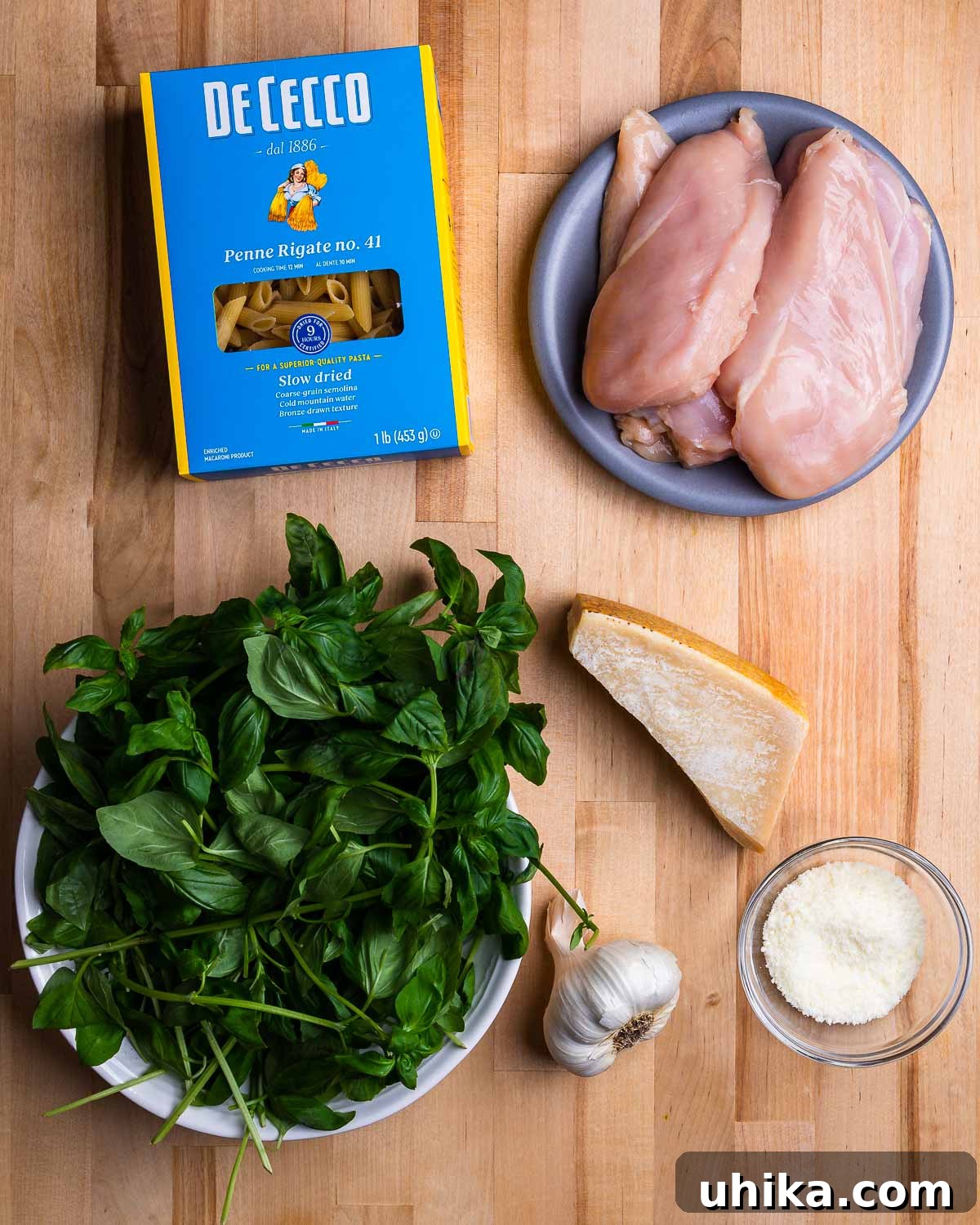
The beauty of this chicken pesto pasta salad lies in the quality and freshness of its components. Here’s a closer look at the key ingredients and what makes them crucial:
For the Pasta & Chicken:
- Penne Pasta: This tubular pasta is excellent for catching and holding the rich pesto sauce. Any short pasta shape like fusilli, rotini, or farfalle would also work beautifully. Ensure you cook it to a perfect al dente for the best texture in a cold salad.
- Chicken Breasts (Thin Sliced): Lean and versatile, chicken breasts absorb flavors wonderfully. Thinly slicing them before cooking ensures they cook quickly and evenly, remaining tender and juicy. You could also use chicken thighs for a richer flavor.
- Olive Oil (for pan frying): A good quality olive oil is essential for searing the chicken to a golden perfection, adding a subtle depth of flavor without overpowering the dish.
- Salt and Pepper: Basic seasonings that are critical for enhancing the natural flavors of the chicken and balancing the overall taste of the salad.
For the Homemade Pesto:
- Fresh Basil Leaves (about 5 cups or 8 ounces): The heart and soul of the pesto! Use the freshest, most vibrant basil you can find. Its sweet, peppery aroma is unmistakable and provides the signature flavor of the dish.
- Extra Virgin Olive Oil: This isn’t just a binding agent; it’s a key flavor component. A high-quality extra virgin olive oil contributes a fruity, slightly peppery note that enriches the pesto.
- Pignoli Nuts (Pine Nuts): These small, buttery nuts add a delightful richness and subtle crunch to the pesto. Lightly toasting them before use can intensify their flavor.
- Garlic (1 clove, grated): Fresh garlic provides a pungent kick that brightens the pesto. Grating ensures it’s finely dispersed throughout the sauce.
- Parmigiano Reggiano (grated): A classic Italian hard cheese, Parmigiano Reggiano offers a salty, nutty, and umami-rich flavor that is indispensable in authentic pesto.
- Pecorino Sardo (grated, substitute Pecorino Romano): This sheep’s milk cheese provides a sharper, tangier, and saltier counterpoint to the Parmigiano. While Pecorino Sardo is ideal, Pecorino Romano is a widely available and excellent substitute.
- Salt (to taste): Essential for balancing the flavors of the pesto. Remember to taste and adjust, as the cheeses already contribute significant saltiness.
Step-by-Step Guide: How to Make Chicken Pesto Pasta Salad
Creating this delicious chicken pesto pasta salad is a straightforward process when you follow these clear, detailed steps:
-
Cook the Pasta to Perfection: Begin by bringing a large pot of water to a rolling boil. For perfectly seasoned pasta, add about 2 tablespoons of kosher salt per gallon of water – this infuses the pasta with flavor from within. Once boiling, add your chosen pasta, like penne, and cook according to package directions until it reaches an ‘al dente’ texture. Al dente means firm to the bite, not mushy. This is crucial for pasta salad, as overcooked pasta can become soft and lose its appeal when cold. Once cooked, immediately drain the pasta and rinse it thoroughly under cold running water. This stops the cooking process and removes excess starch, preventing the pasta from clumping together and ensuring a refreshing texture for your salad. Set the cooled pasta aside while you prepare the other components.

-
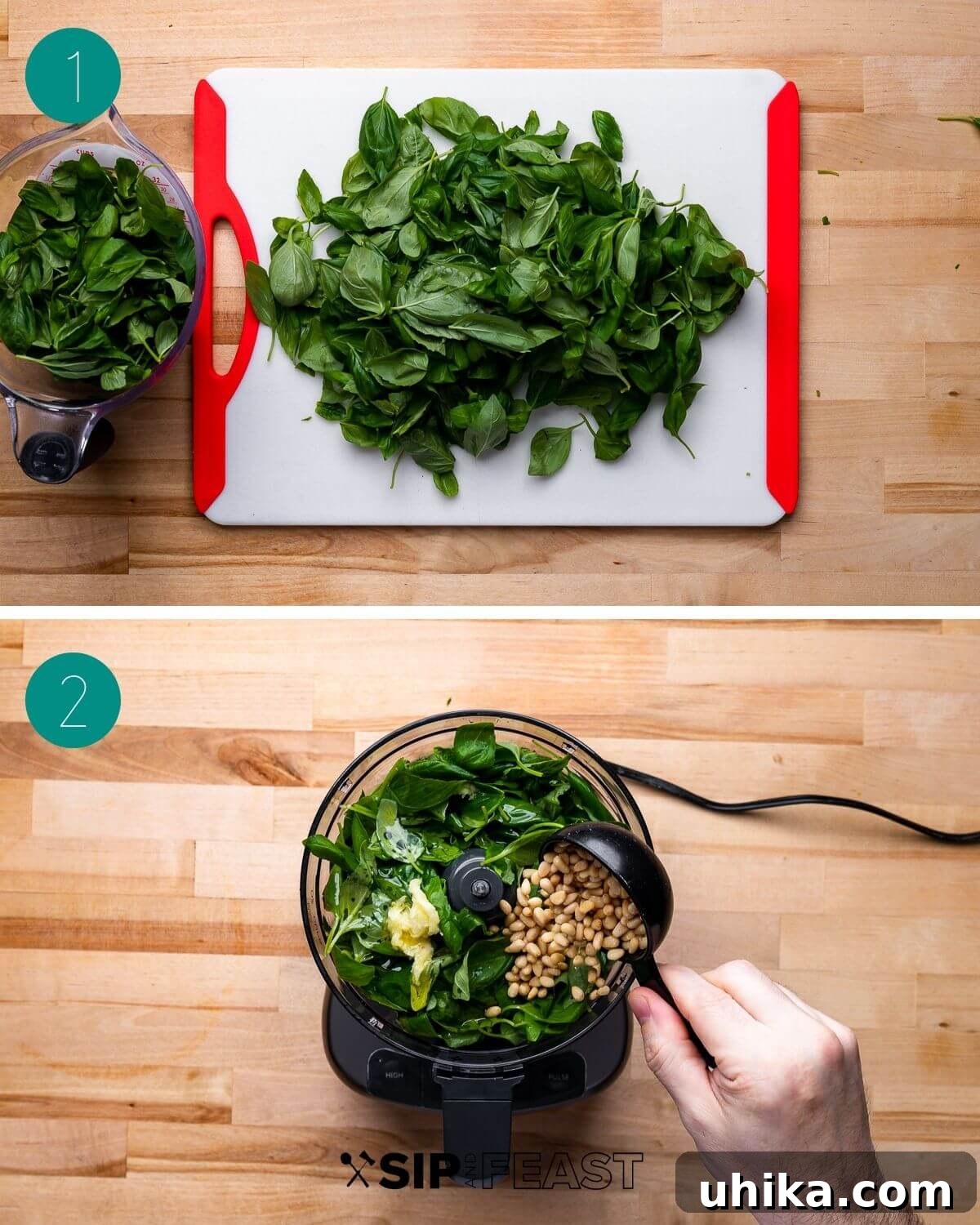
Craft Your Fresh Pesto Base: For the pesto, start by preparing your basil. Remove the stems from approximately 8 ounces (about 5 cups) of fresh basil leaves, then rinse them gently and pat them thoroughly dry to prevent a watery pesto. In the bowl of a food processor or a high-speed blender, combine the dry basil leaves, 3/4 cup of good quality extra virgin olive oil, 1/3 cup of pine nuts (also known as pignoli nuts), and 1 clove of garlic, preferably grated for even distribution. Pulse the mixture repeatedly until a thick, coarse paste begins to form. During this process, you will likely need to pause frequently and use a spatula to scrape down the sides of the bowl, ensuring all the basil is finely chopped and well-incorporated.
-
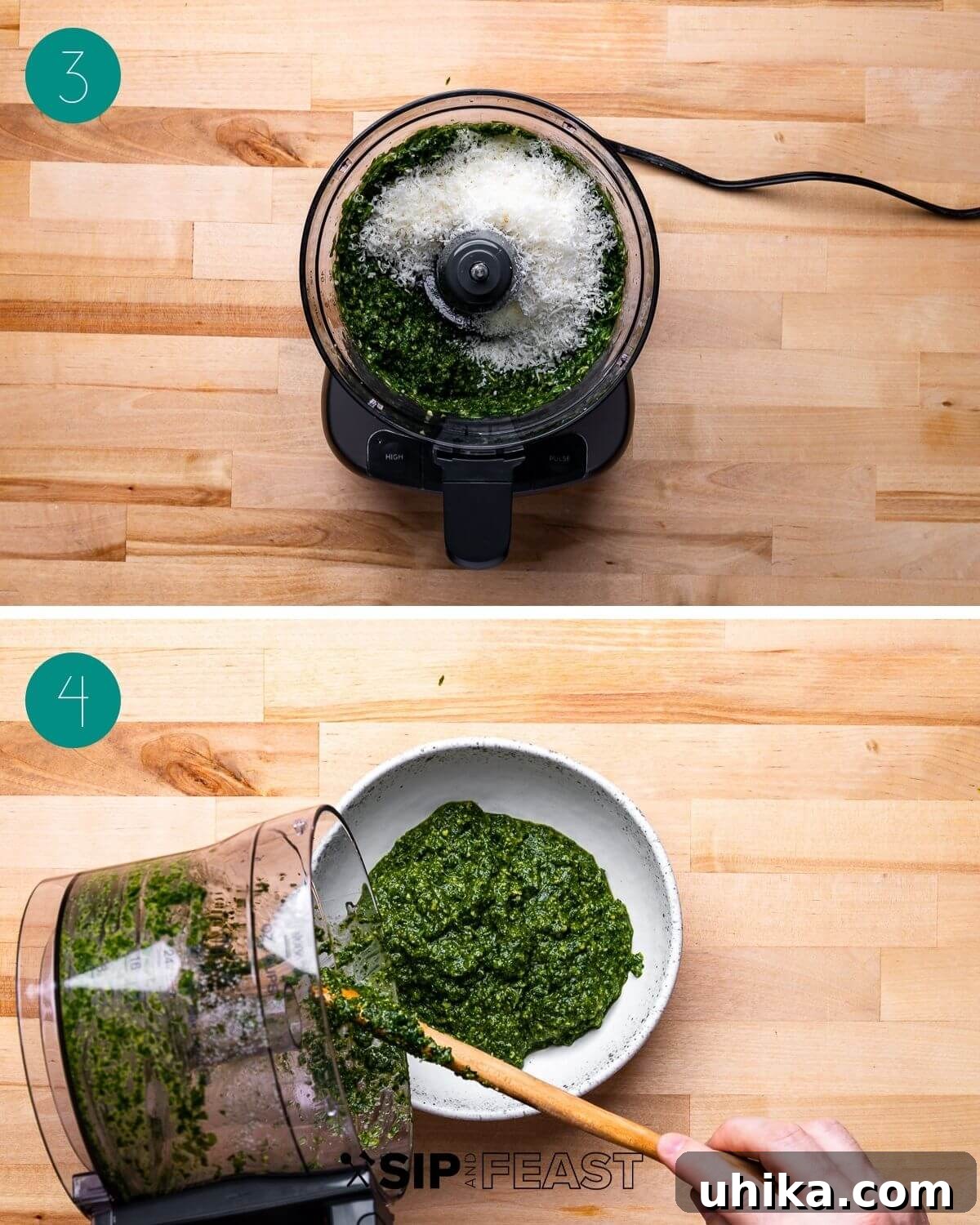
Incorporate the Cheeses: Once your basil mixture has achieved a paste-like consistency, it’s time to add the cheeses. Introduce 1/4 cup of freshly grated Pecorino Sardo (or Pecorino Romano) and 1/4 cup of freshly grated Parmigiano Reggiano to the food processor. Pulse the mixture just once or twice more, only until the cheeses are lightly combined. Avoid over-processing at this stage, as it can sometimes lead to a bitter pesto or an overly smooth, less appealing texture.
-
Season the Pesto: Before setting it aside, taste your freshly made pesto. The cheeses will contribute a significant amount of salt, but you may find it needs a little more to truly bring out all the flavors. Adjust the salt levels to your personal preference. Spoon the vibrant green pesto into a clean bowl and set it aside, ready to be tossed with the pasta and chicken.
-
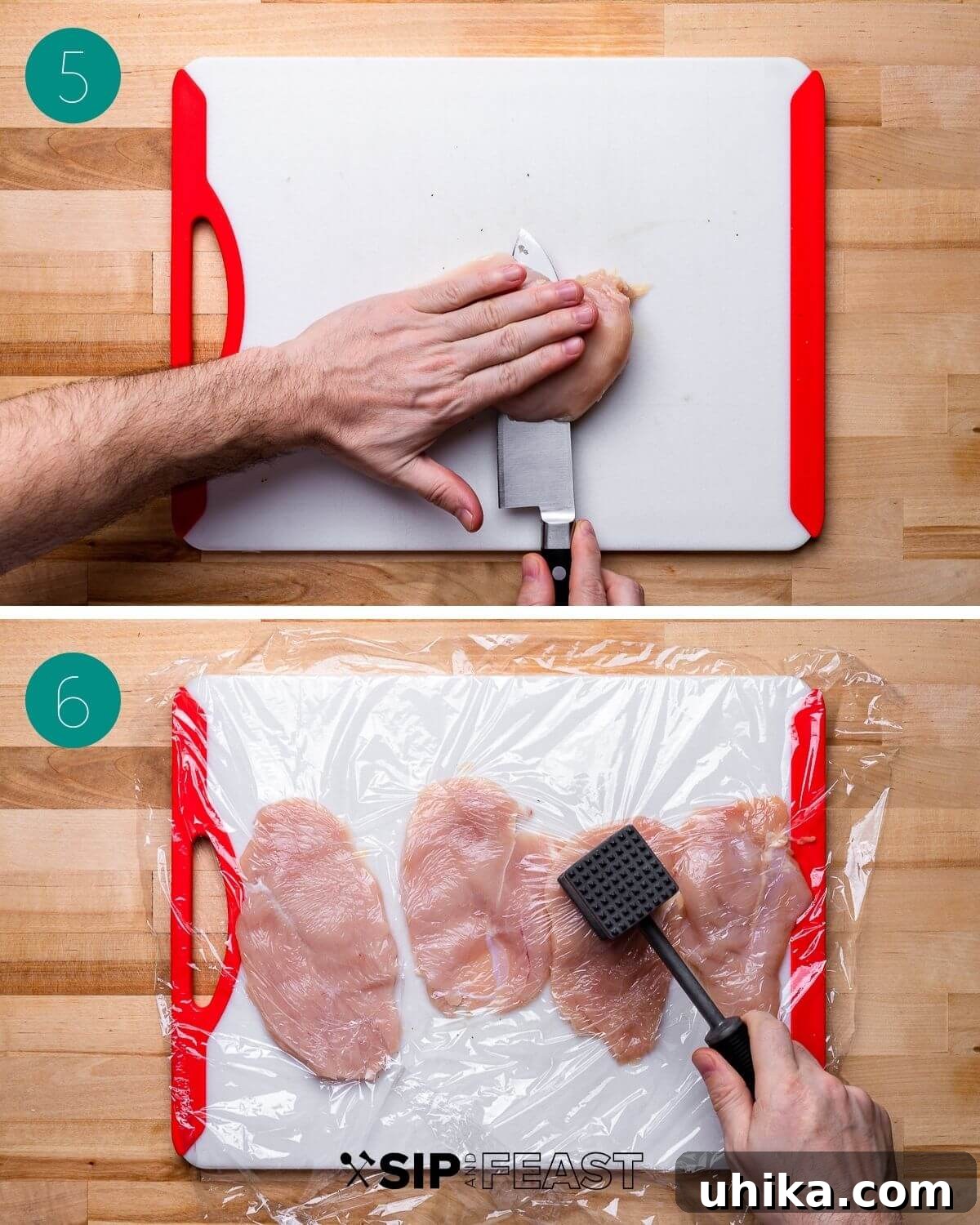
Prepare the Chicken Breasts: If you are working with whole chicken breasts, the next step is to prepare them for searing. Slice or fillet each chicken breast horizontally into thinner cutlets. Aim for an even thickness, as this will ensure they cook uniformly and quickly. This also makes the chicken easier to incorporate into the pasta salad.
-
Tenderize and Flatten the Cutlets: For even cooking and maximum tenderness, place plastic wrap over the thin chicken cutlets. Using the flat side of a meat tenderizer or even a rolling pin, gently pound the cutlets until they are uniformly thin and flat. The plastic wrap helps prevent any splatter and makes cleanup easier. This step ensures that every piece of chicken cooks through at the same rate, resulting in consistently juicy and tender meat.
-
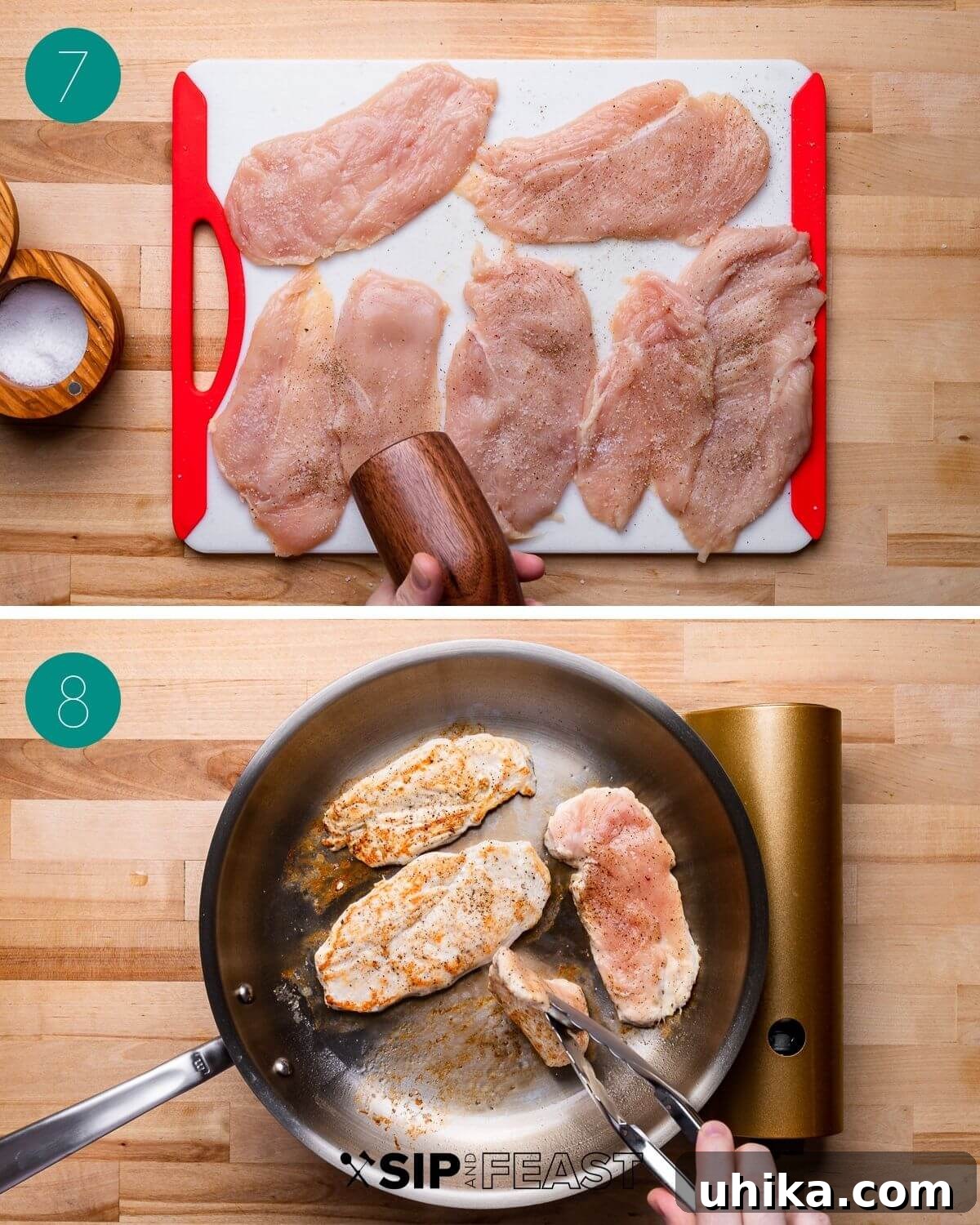
Season and Sear the Chicken: Heat a large pan over medium heat. While the pan is heating, pat the chicken cutlets thoroughly dry with paper towels – this is key for achieving a good sear. Season both sides of the chicken generously with salt and freshly ground black pepper. Once the pan is hot, add a touch of olive oil and swirl to coat the bottom. Place the seasoned chicken into the pan, being careful not to overcrowd it. Cook in batches if necessary.
-
Cook the Chicken Through: Sear the chicken for approximately 3 minutes per side, or until it is beautifully golden brown and cooked through. The internal temperature should reach 165°F (74°C). Ensure that there is no pink remaining in the center. The goal is a perfectly cooked, tender, and flavorful piece of chicken.
-
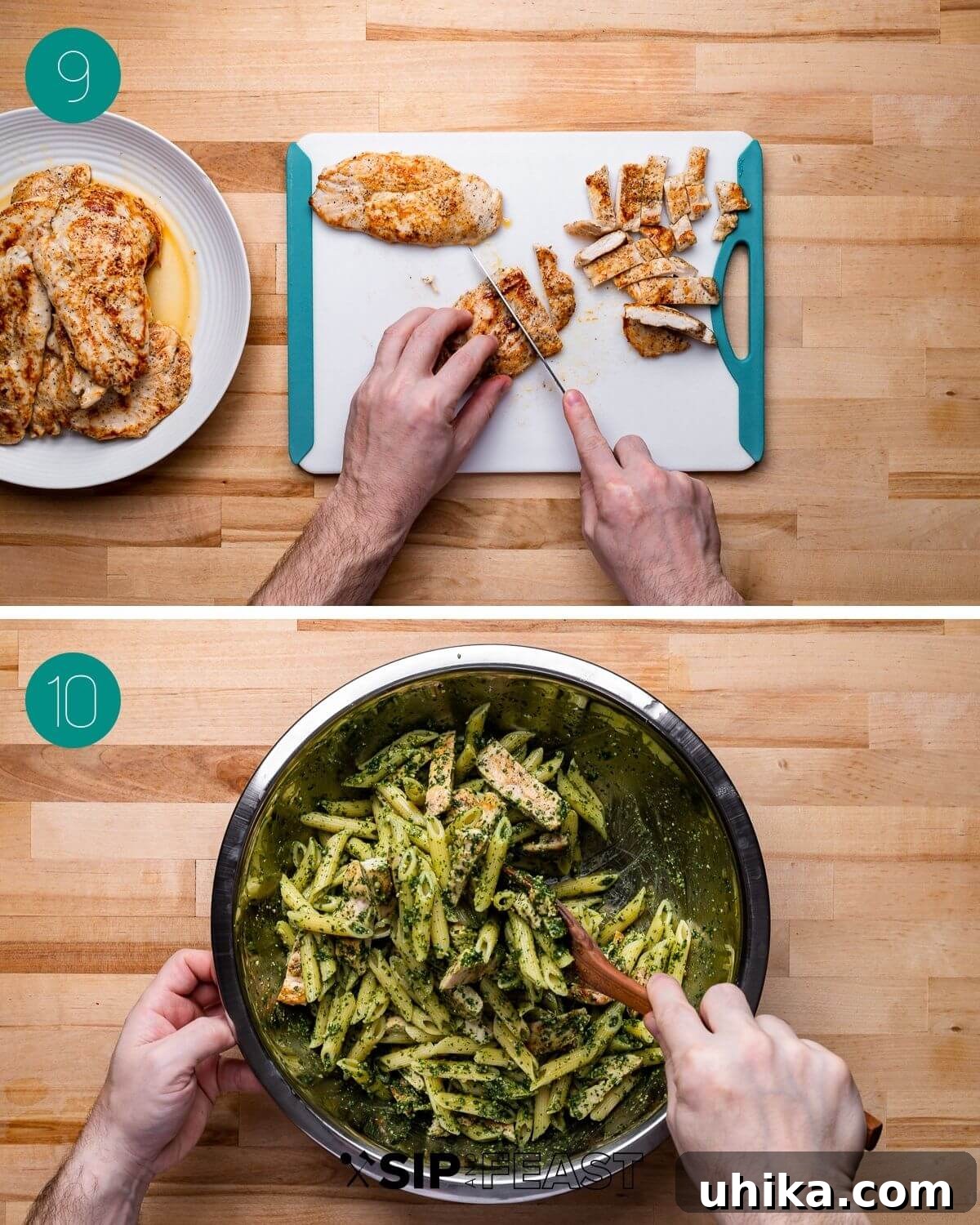
Slice the Cooked Chicken: Once cooked, transfer the chicken to a clean cutting board. Allow it to rest for a few minutes before slicing it into strips or dicing it into bite-sized pieces. Resting the chicken allows the juices to redistribute, ensuring maximum tenderness and flavor. This preparation makes it easy to mix evenly throughout the pasta salad.
-
Combine and Finalize the Salad: In a large mixing bowl, combine the cooled penne pasta, the sliced chicken, and about half of your freshly prepared pesto mixture. Toss everything thoroughly until the pasta and chicken are evenly coated with the vibrant green sauce. Evaluate the consistency and flavor; if it appears too dry or you desire a more intense pesto flavor, add a bit more pesto, a spoonful at a time, until you achieve your desired taste and texture. Any remaining pesto can be saved for future use. Finally, taste the chicken pesto pasta salad one last time and make any final adjustments to salt and pepper if required. Serve immediately and enjoy the fresh flavors, or for an even more enhanced taste, chill the salad in the refrigerator for a few hours. This allows the flavors to meld beautifully. Garnish with a few fresh basil leaves before serving, and savor every bite!
Expert Tips for the Best Chicken Pesto Pasta Salad
To truly master this chicken pesto pasta salad and ensure it’s a hit every time, keep these expert tips in mind:
- The Basil is Key: This recipe calls for a substantial amount of basil – roughly 5 cups or 8 ounces (approximately 225 grams). While this may seem like a lot, basil significantly reduces in volume when blended. Always use the freshest basil you can find; its vibrant flavor is the foundation of a great pesto. Avoid any wilted or discolored leaves.
- Choosing the Right Cheese: Authentic pesto traditionally features a blend of Pecorino Sardo and Parmigiano Reggiano cheese in equal parts. Pecorino Sardo, a sheep’s milk cheese, offers a sharper, tangier profile than the more common Pecorino Romano, which is an acceptable substitute if Sardo is hard to find. When making the pesto, add the grated cheeses at the very end and pulse only lightly to incorporate them. This prevents the pesto from becoming overly dense or oily.
- The Importance of Taste Testing: Once your pesto is blended, always give it a taste test. While the cheeses contribute saltiness, you might need to add a pinch more salt to perfectly balance the flavors, depending on your palate and the salt content of your specific cheeses. Don’t be shy about adjusting until it’s just right.
- Serving Temperature Versatility: This chicken pesto pasta salad is remarkably adaptable when it comes to serving temperature. Many, including myself, find that the flavors truly intensify and become more harmonious after the salad has been chilled in the refrigerator for a few hours. However, it’s equally delicious served at room temperature, which is convenient for potlucks, or even gently warmed if you prefer your food on the hotter side.
- Smart Leftovers and Storage: You’ll likely have some homemade pesto sauce leftover, which is a fantastic bonus! This extra pesto can be used to elevate future meals, whether it’s tossed with fresh pasta, spread on sandwiches (like an Italian hero), or dolloped onto grilled vegetables. Any leftover chicken pesto pasta salad can be stored in an airtight container in the refrigerator for up to 3 days. The leftover pesto sauce, if stored properly in the fridge, will keep for about 5 days, or you can freeze it in ice cube trays for up to 6 months for quick access to fresh flavor.
Customization and Variations
One of the best aspects of pasta salads is their adaptability. Feel free to get creative and tailor this chicken pesto pasta salad to your liking:
- Add More Veggies: Boost the nutritional content and add textural contrast by incorporating more vegetables. Cherry tomatoes (halved), diced bell peppers, Kalamata olives, sun-dried tomatoes, or even blanched green beans would be delicious additions.
- Protein Swaps: While chicken is fantastic, consider other proteins. Grilled shrimp, Italian sausage, canned chickpeas (for a vegetarian option), or even roasted tofu cubes can be excellent alternatives.
- Different Pasta Shapes: Don’t limit yourself to penne! Farfalle (bowtie), rotini, fusilli, or even orecchiette are great choices that hold pesto beautifully.
- Dietary Adjustments: For a dairy-free version, use a nutritional yeast-based Parmesan substitute. If you have nut allergies, swap pine nuts for sunflower seeds or omit them entirely, perhaps adding a bit more cheese or nutritional yeast for richness.
Storage and Make-Ahead Instructions
This chicken pesto pasta salad is an excellent candidate for make-ahead meals, as the flavors often improve after sitting for a while. Prepare the salad completely and store it in an airtight container in the refrigerator for up to 3 days. For best results, allow it to come to room temperature for about 15-20 minutes before serving, or enjoy it cold. If you plan to make a large batch, you can also prepare the pesto sauce in advance and store it separately. The homemade pesto can be kept in the fridge for up to 5 days, or frozen for up to 6 months in small portions, ready to be defrosted and used when needed.
Frequently Asked Questions (FAQ)
- Can I make pesto ahead of time?
- Absolutely! Pesto is wonderful for meal prepping. You can make it up to 5 days in advance and store it in an airtight container in the refrigerator. To prevent browning, pour a thin layer of olive oil over the top of the pesto before sealing.
- How long does chicken pesto pasta salad last in the fridge?
- When stored in an airtight container, chicken pesto pasta salad will remain fresh and delicious for up to 3 days in the refrigerator.
- Can I freeze this salad?
- Freezing the assembled pasta salad is not recommended as the pasta can become mushy upon thawing, and the vegetables might lose their crispness. However, the pesto sauce itself freezes beautifully for up to 6 months. Freeze it in ice cube trays and transfer the cubes to a freezer bag once solid for easy portioning.
More Delicious Summer Side Dishes
Looking for more inspiration to complete your summer meals? Here are some other fantastic side dishes that pair perfectly with grilled meats or stand alone as light, refreshing options:
- Grilled Fennel Salad – A sophisticated salad featuring tender grilled fennel, delicate shaved Parmigiano Reggiano, and briny oil-cured olives, tossed in a bright dressing.
- Easy Tortellini Pasta Salad – A hearty and flavorful pasta salad packed with tender tortellini, savory salami, spicy soppressata, fresh mozzarella balls, olives, and tender baby spinach.
- Spinach Gorgonzola Pasta Salad – A simple yet elegant dish with bowtie pasta, crumbled gorgonzola cheese for a sharp kick, and fresh baby spinach, all tossed in a light and tangy vinaigrette.
- Orange Fennel Salad – A refreshingly crisp salad featuring juicy orange segments, paper-thin slices of fennel and red onion, and toasted pine nuts, all brought together with a vibrant citrus vinaigrette.
- Potato Green Bean Salad – A classic combination of tender new potatoes, fresh green beans, and ripe tomatoes, dressed in a zesty and tangy vinaigrette that’s perfect for barbecues.
If you’ve enjoyed making this Chicken Pesto Pasta Salad Recipe or any other recipe you’ve found on this site, we would be incredibly grateful if you could give it a 5-star rating and share your experience in the comments section below. Your feedback helps us grow and inspires others!
We believe in reaching our audience through various learning styles. If you are someone who prefers to learn by watching, you can find most of our delicious recipes on our dedicated YouTube channel and our active Facebook Page.
Chicken Pesto Pasta Salad Recipe
by James Delmage
Prep Time: 10 mins
Cook Time: 25 mins
Total Time: 35 mins
Servings: 8
This delightful Chicken Pesto Pasta Salad features vibrant basil, rich olive oil, crunchy pine nuts, aromatic garlic, and savory cheeses combined into a fresh homemade pesto. It’s then tossed with tender, perfectly seared chicken and al dente penne pasta, creating a complete and satisfying meal that’s perfect for any occasion.
Ingredients
For the Salad
- 1 pound penne pasta
- 2 pounds chicken breasts, thin sliced
- Salt and pepper to taste
- 3 tablespoon olive oil for pan frying
For the Homemade Pesto
- 8 ounces fresh basil leaves (about 5 cups)
- 3/4 cup extra virgin olive oil
- 1/3 cup pignoli nuts (pine nuts)
- 1 clove garlic, grated
- 1/4 cup Parmigiano Reggiano, grated
- 1/4 cup Pecorino Sardo (substitute Pecorino Romano if unavailable)
- Salt to taste
Instructions
- Cook Pasta: Bring a large pot of heavily salted water (2 tablespoons kosher salt per gallon) to a boil. Cook penne pasta until al dente. Drain and rinse thoroughly under cold water until chilled to stop the cooking process and prevent sticking. Set aside.
- Prepare Pesto Base: In a food processor or blender, combine basil leaves (stems removed, rinsed, and patted dry), 3/4 cup extra virgin olive oil, 1/3 cup pine nuts, and 1 grated garlic clove. Pulse until a coarse paste forms, scraping down the sides as needed.
- Finish Pesto: Add 1/4 cup grated Pecorino Sardo (or Romano) and 1/4 cup grated Parmigiano Reggiano. Pulse briefly just to combine the cheeses. Taste and adjust salt if necessary. Spoon pesto into a bowl and set aside.
- Prepare Chicken: If using whole chicken breasts, slice or fillet them into thin cutlets. For extra tenderness, pound them flat with a meat tenderizer (using plastic wrap to prevent splatter).
- Season & Sear Chicken: Pat chicken cutlets dry and season generously with salt and pepper on both sides. Heat 3 tablespoons olive oil in a large pan over medium heat. Sear chicken until cooked through and golden brown, about 3 minutes per side.
- Slice Chicken: Transfer cooked chicken to a cutting board and let it rest for a few minutes before slicing it into strips or dicing it into bite-sized pieces.
- Assemble Salad: In a large bowl, combine the cooled pasta, sliced chicken, and about half of the prepared pesto mixture. Toss well until everything is evenly coated. Add more pesto gradually if a stronger flavor or creamier consistency is desired. Save any remaining pesto for other uses.
- Final Adjustments & Serve: Taste the salad and adjust salt and pepper if needed. Serve immediately, or for best flavor development, chill in the refrigerator for at least a few hours before serving. Garnish with fresh basil leaves and enjoy!
Recipe Notes
- Chilling the salad for a few hours before serving truly allows the flavors to meld and intensify, resulting in a more delicious experience.
- Any remaining pesto can be stored in an airtight container in the fridge for up to 5 days, or frozen for up to 6 months.
- Leftover chicken pesto pasta salad can be kept in the refrigerator for up to 3 days in an airtight container.
Nutrition Information (Approximate per serving)
Nutrition information is automatically calculated and should be used as an approximation.
- Calories: 617 kcal
- Carbohydrates: 42.8g
- Protein: 42.1g
- Fat: 31.5g
- Saturated Fat: 5.6g
- Cholesterol: 93mg
- Sodium: 433mg
- Potassium: 296mg
- Fiber: 2.4g
- Sugar: 2.1g
- Calcium: 132mg
- Iron: 4mg
Loved this recipe? Share your culinary creations with us! Follow us on Instagram @sipandfeast and make sure to tag us using #sipandfeast! We can’t wait to see your delicious dishes.