
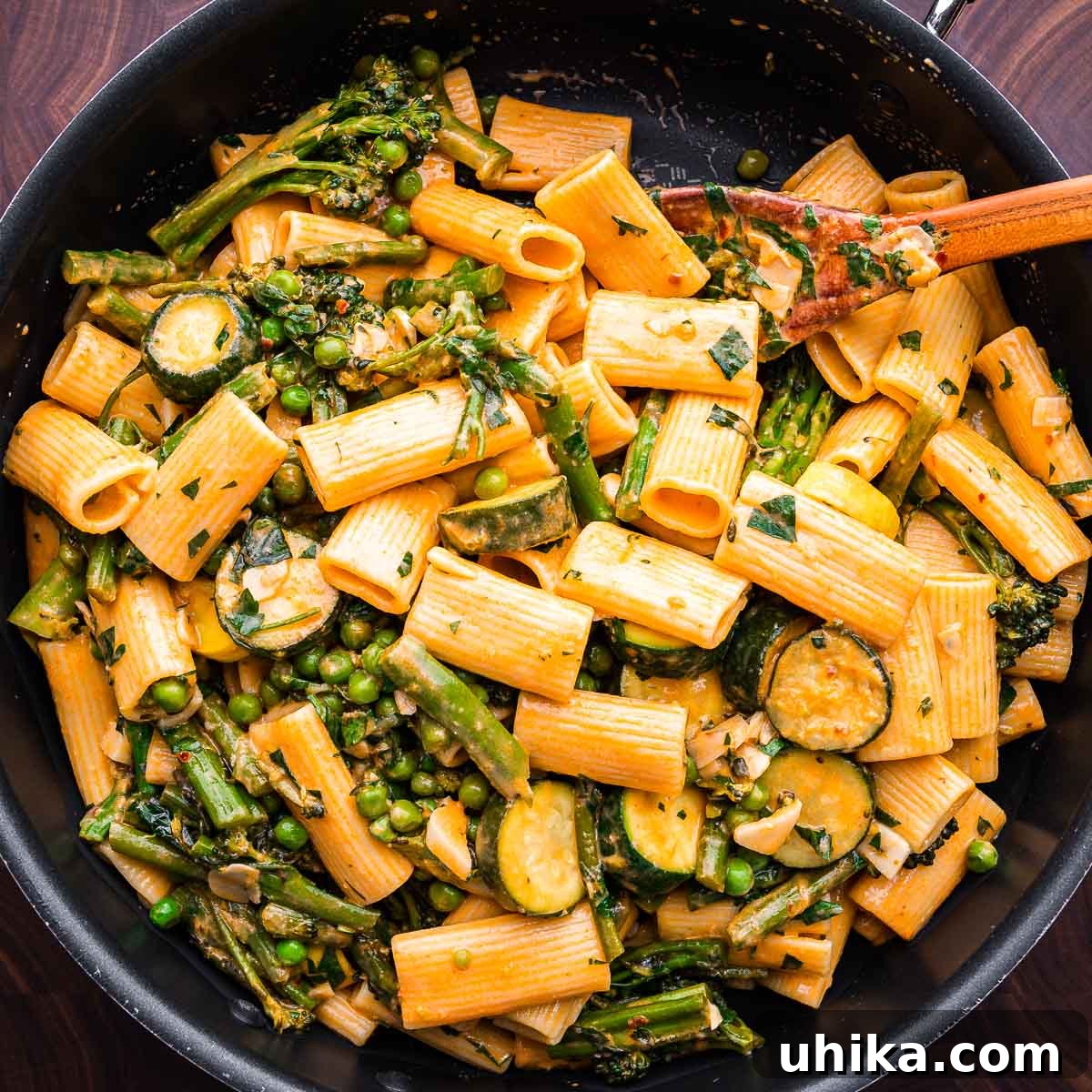
Creamy Rigatoni Primavera: Your Ultimate Spring Pasta Delight
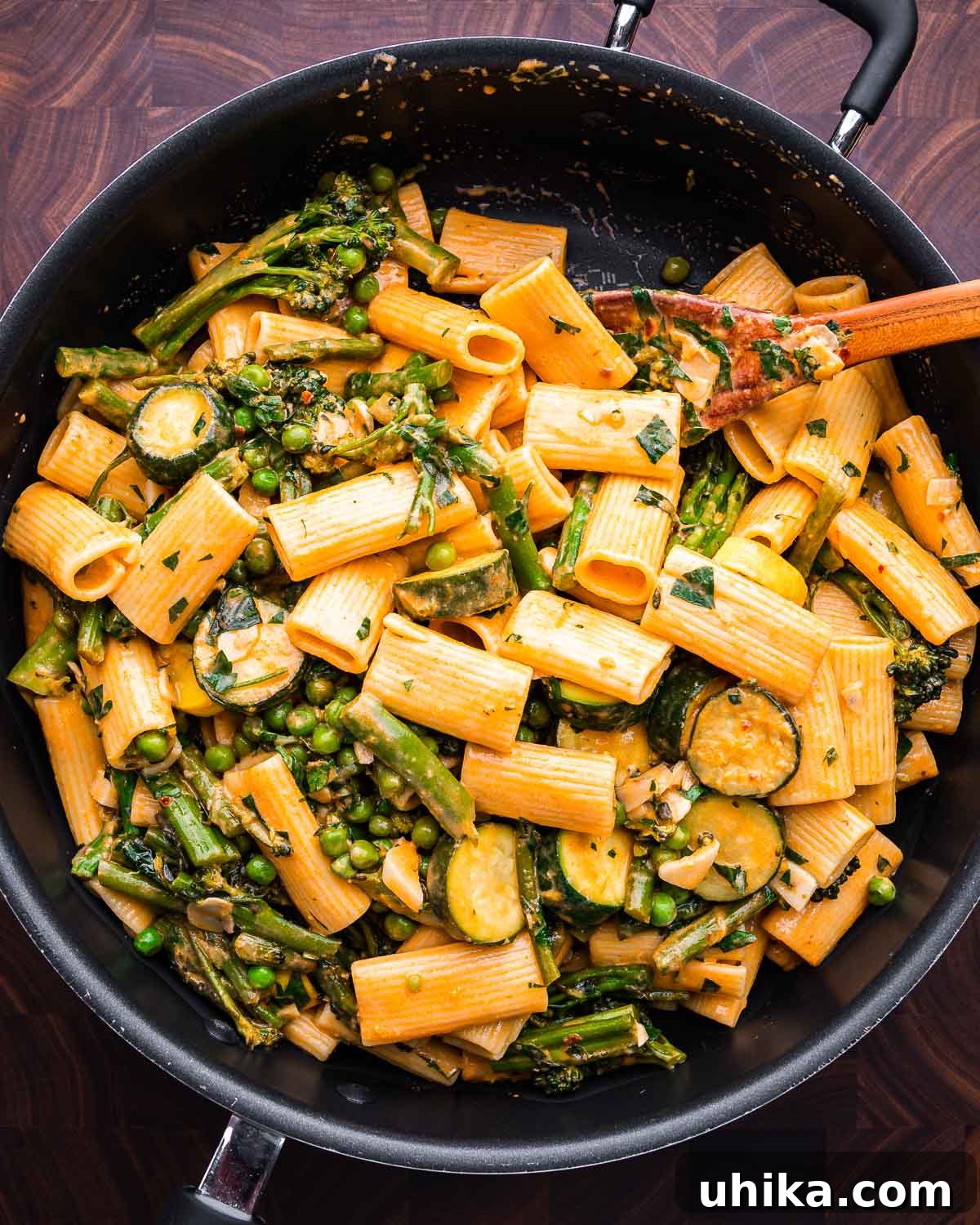
Rigatoni Primavera is the quintessential celebration of springtime produce, bringing together a vibrant medley of fresh green vegetables with robust pasta. Our signature version transcends the ordinary, featuring a remarkably luxurious, light pink sauce crafted from white wine and a hint of tomato, all brought together with a touch of cream. This unique combination delivers an unparalleled depth of flavor and a wonderfully smooth texture that transforms a classic into an extraordinary culinary experience. We’ve meticulously tested numerous approaches to Primavera, and confidently say this is the finest rendition we’ve ever created. Get ready to fall in love with your new favorite pasta dish!
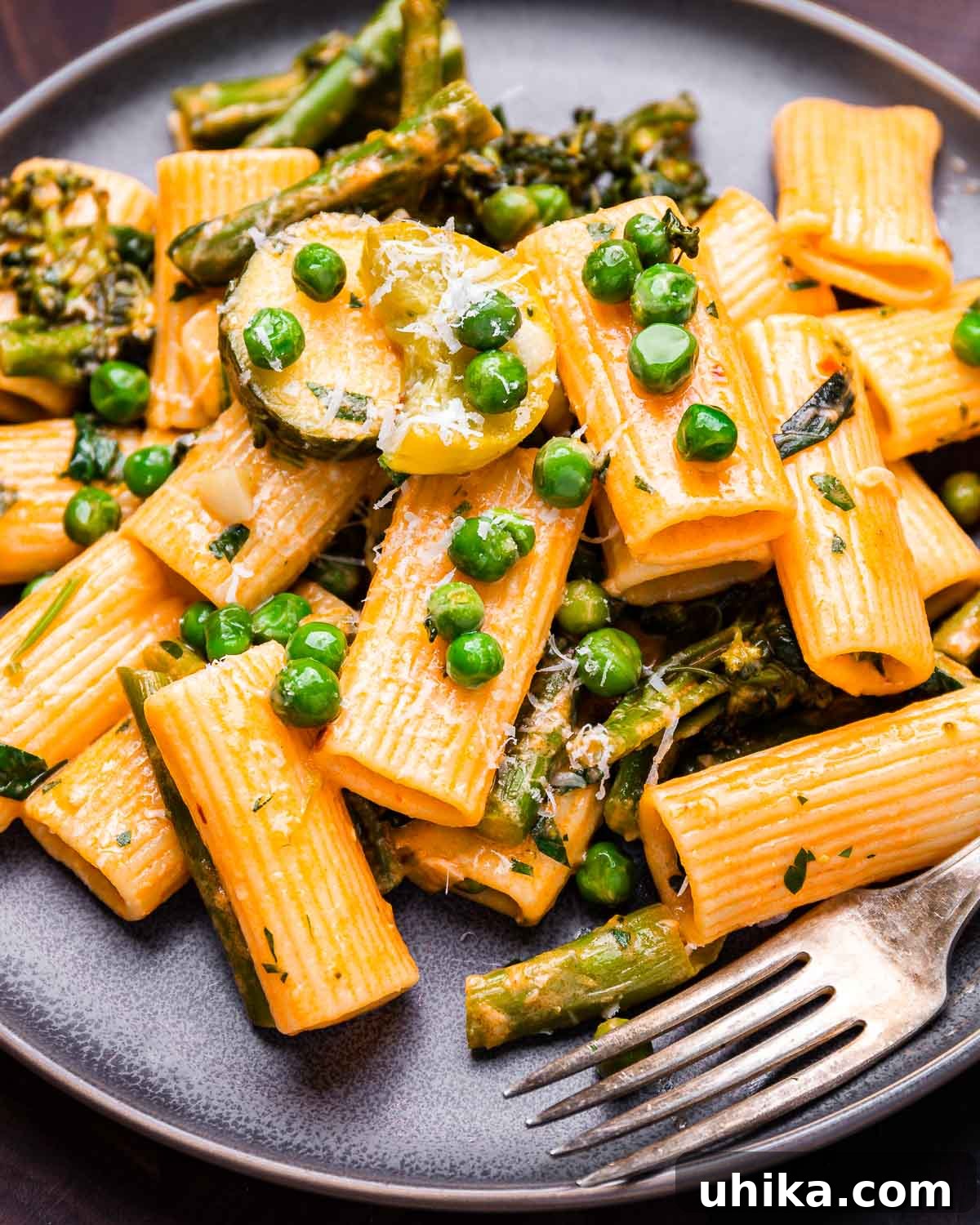
Step into nearly any Italian restaurant, especially across regions like Long Island or the wider New York metropolitan area, and you’re almost guaranteed to spot Pasta Primavera on the menu. This beloved dish, whose name literally translates to “Spring Pasta,” is traditionally conceived as a fresh, lighter option, packed with seasonal vegetables.
Typically, it’s prepared with a simple garlic and olive oil base, incorporating ingredients like zucchini, carrots, and broccoli, or a similar assortment of whatever fresh vegetables are in season. While the concept is delightful and promises freshness, the execution often leaves something to be desired.
The common challenge with many traditional pasta primavera recipes is their tendency to be somewhat bland or one-dimensional. The vegetables might be perfectly cooked, and the pasta al dente, but without a truly captivating sauce, the dish can sometimes lack that memorable “wow” factor. It’s a dish that yearns for a bit more pizzazz, a touch more character to truly live up to its vibrant name.
This is precisely why we decided to playfully diverge from the traditional blueprint and elevate our rigatoni primavera into a pasta dish that genuinely commands attention. We set out to create something that not only embraces the freshness of spring but also delivers on flavor with every single bite.
Our secret lies in a rich and creamy sauce, reminiscent of a classic Rigatoni alla Vodka (but without the vodka, making it accessible to all!), perfectly balanced with a subtle tomato presence and a splash of white wine. We also thoughtfully selected and integrated broccolini and asparagus, adding layers of texture and distinct, delicious flavors. This combination has allowed us to unlock a truly leveled-up version of Primavera, one that we are confident will become an instant favorite in your culinary repertoire.
Why Rigatoni Primavera Is Your Must-Try Spring Dish
Rigatoni Primavera isn’t just a meal; it’s an experience that encapsulates the fresh, hopeful spirit of spring. While many pasta dishes shine year-round, Primavera truly comes alive when the markets are brimming with seasonal vegetables. This particular recipe takes that inherent freshness and amplifies it with a luxurious, flavorful sauce that sets it apart from more conventional preparations. It’s a testament to how simple ingredients, when paired thoughtfully and prepared with care, can create something truly extraordinary.
The beauty of this dish lies in its versatility and nutritional value. It’s packed with vitamins and fiber from a generous amount of vegetables, making it a wholesome choice for a weeknight dinner or a special occasion. The rigatoni, with its wide, ridged tubes, is perfectly designed to capture every last drop of the creamy pink sauce and tiny bits of vegetables, ensuring a delightful burst of flavor and texture in every forkful. This isn’t just a pasta dish; it’s a vibrant, wholesome, and utterly delicious way to celebrate the bounty of spring.
Key Ingredients for an Unforgettable Rigatoni Primavera
Crafting the perfect Rigatoni Primavera starts with selecting the right components. Each ingredient plays a crucial role in building the layered flavors and textures that make this dish so special.
- Rigatoni: This tubular pasta, with its characteristic ridges, is ideal for primavera. Its shape allows it to brilliantly hold the creamy sauce and small pieces of vegetables, ensuring every bite is flavorful. While rigatoni is our top choice, other sturdy pasta shapes like penne, ziti, or even orecchiette would also work wonderfully.
- Fresh Spring Vegetables: Our selection includes broccolini, asparagus, zucchini, yellow squash, and green peas.
- Broccolini: Offers a slightly sweet, earthy flavor and tender-crisp texture.
- Asparagus: Adds a distinct spring freshness and a lovely snap.
- Zucchini and Yellow Squash: Contribute mild sweetness and a soft, yielding texture when cooked.
- Green Peas: Whether fresh or frozen, they pop with a burst of sweet flavor and vibrant color. If using fresh English peas, allow for a slightly longer cooking time.
- Aromatics: Fresh garlic is indispensable, providing a pungent, foundational flavor. A touch of crushed red pepper flakes adds a subtle warmth and gentle heat, enhancing the overall profile without overwhelming it.
- The Creamy Pink Sauce Base: This is where our Primavera truly shines.
- Extra Virgin Olive Oil: The base for sautéing vegetables and building the sauce.
- Tomato Paste: Provides concentrated tomato flavor and contributes to the beautiful pink hue of the sauce. It adds umami and depth that a simple garlic and oil sauce lacks.
- Dry White Wine: Deglazes the pan, adding acidity and a layer of sophistication. Choose a wine you’d enjoy drinking, such as a Pinot Grigio or Sauvignon Blanc.
- Heavy Cream: Creates a luxurious, velvety texture and balances the flavors beautifully.
- Fresh Herbs: Minced Italian flat-leaf parsley and hand-torn basil leaves are folded in at the end, providing bright, fresh notes that truly awaken the dish.
- Parmigiano Reggiano: A generous amount grated into the sauce and for serving adds a salty, nutty, and umami-rich finish, making the dish even more irresistible.
- Pasta Water: The unsung hero! Starchy pasta water is crucial for emulsifying the sauce, helping it cling to the pasta, and achieving the perfect consistency.
How to Make Our Exquisite Creamy Rigatoni Primavera
Follow these numbered steps to create this stunning pasta dish.
- Prepare Your Vegetables: Begin by washing and preparing your fresh vegetables. Trim the woody ends from 1 pound of asparagus, discarding the bottoms, then cut the tender stalks into 2-inch pieces. Take 1 pound of broccolini, trim the ends, and cut the florets and tender stalks into uniform 2-inch pieces. Slice 1 medium zucchini and 1 medium yellow squash into rounds or half-moons. Finally, thinly slice 6 cloves of garlic, setting them aside for later.
- Sauté the Harder Vegetables: Bring a large pot of generously salted water to a rolling boil (approximately 2 tablespoons of kosher salt per gallon of water). While the water heats, warm a large, deep pan or Dutch oven over medium heat. Add 4 tablespoons of extra virgin olive oil to the pan. Once shimmering, add all the prepared vegetables except the green peas. Sauté these vegetables for about 5 minutes, stirring occasionally, until they start to soften slightly but still retain some bite. If you are using fresh English peas (as opposed to frozen), add them now, as they require a longer cooking time than frozen varieties.
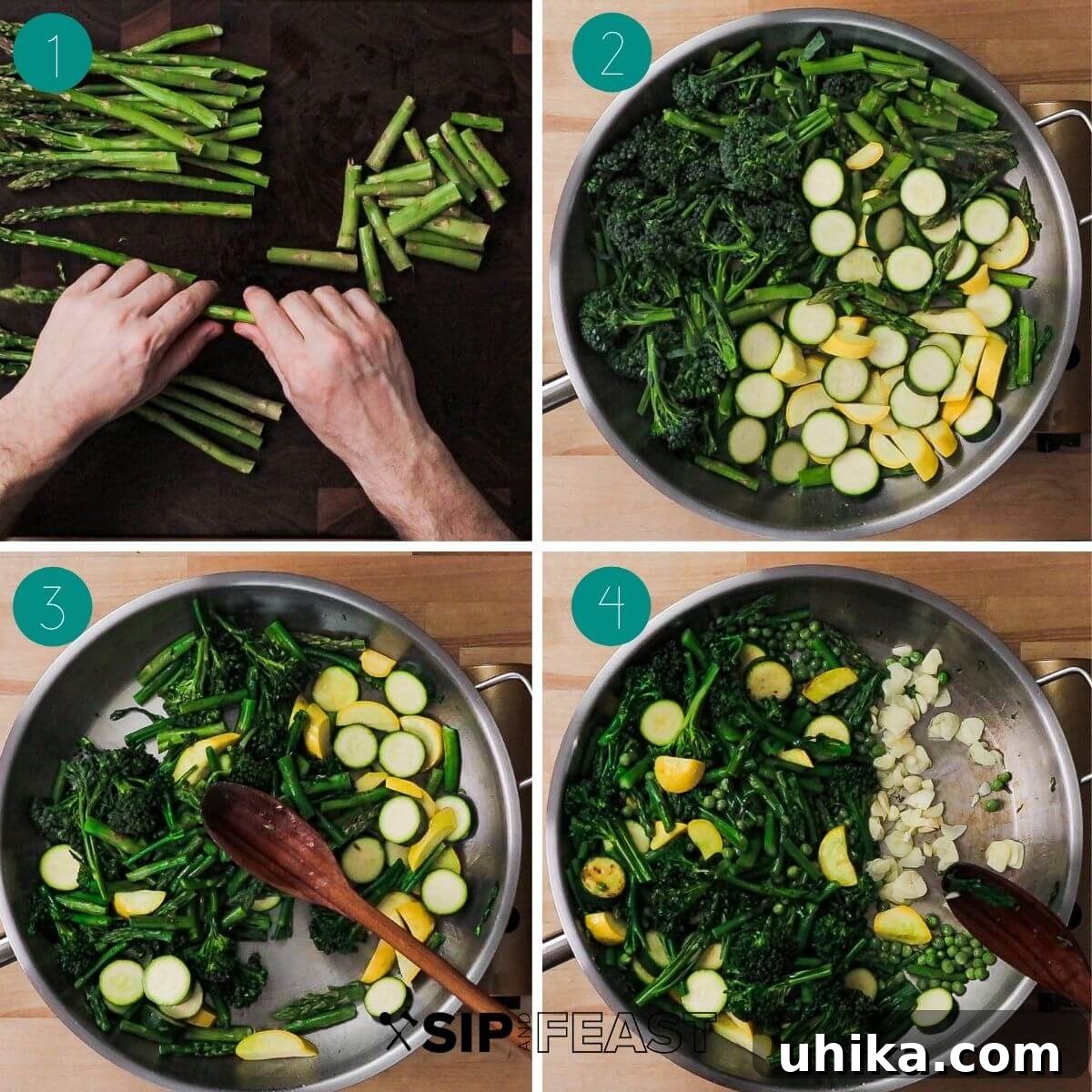
- Add Peas and Garlic: After 5 minutes, if using frozen peas, add them to the pan and continue to cook for an additional 3 minutes. The peas should be tender and bright green.
- Infuse with Garlic and Spice: Next, add the 6 cloves of thinly sliced garlic to the sautéing vegetables. If the pan appears dry, drizzle in a touch more extra virgin olive oil to prevent the garlic from burning. Cook for another 1-2 minutes, stirring constantly, until the garlic turns fragrant and lightly golden. Be careful not to let it brown too much, as burnt garlic can taste bitter. Stir in 1/4 teaspoon of crushed red pepper flakes for a subtle kick, and season the vegetables generously with salt to taste. Once done, transfer all the sautéed vegetables to a plate and set them aside.
- Cook the Pasta and Start the Sauce Base: By this point, your salted pasta water should be boiling vigorously. Add the rigatoni and cook it for 1 minute less than the package directions for al dente. This ensures the pasta finishes cooking in the sauce and absorbs maximum flavor. While the pasta cooks, return the same large pan you used for the vegetables to medium-low heat. Add the remaining extra virgin olive oil and 2 tablespoons of tomato paste. Cook the tomato paste for 5 minutes, stirring frequently, pressing it against the bottom of the pan to deepen its flavor and color. This step is crucial for developing a rich, sweet tomato base.
- Deglaze with White Wine: Increase the heat to high and pour in 1 cup of dry white wine. Using a wooden spoon, vigorously scrape the bottom of the pan to dislodge any flavorful brown bits (fond) that have accumulated. These bits are packed with flavor and will enrich your sauce significantly.
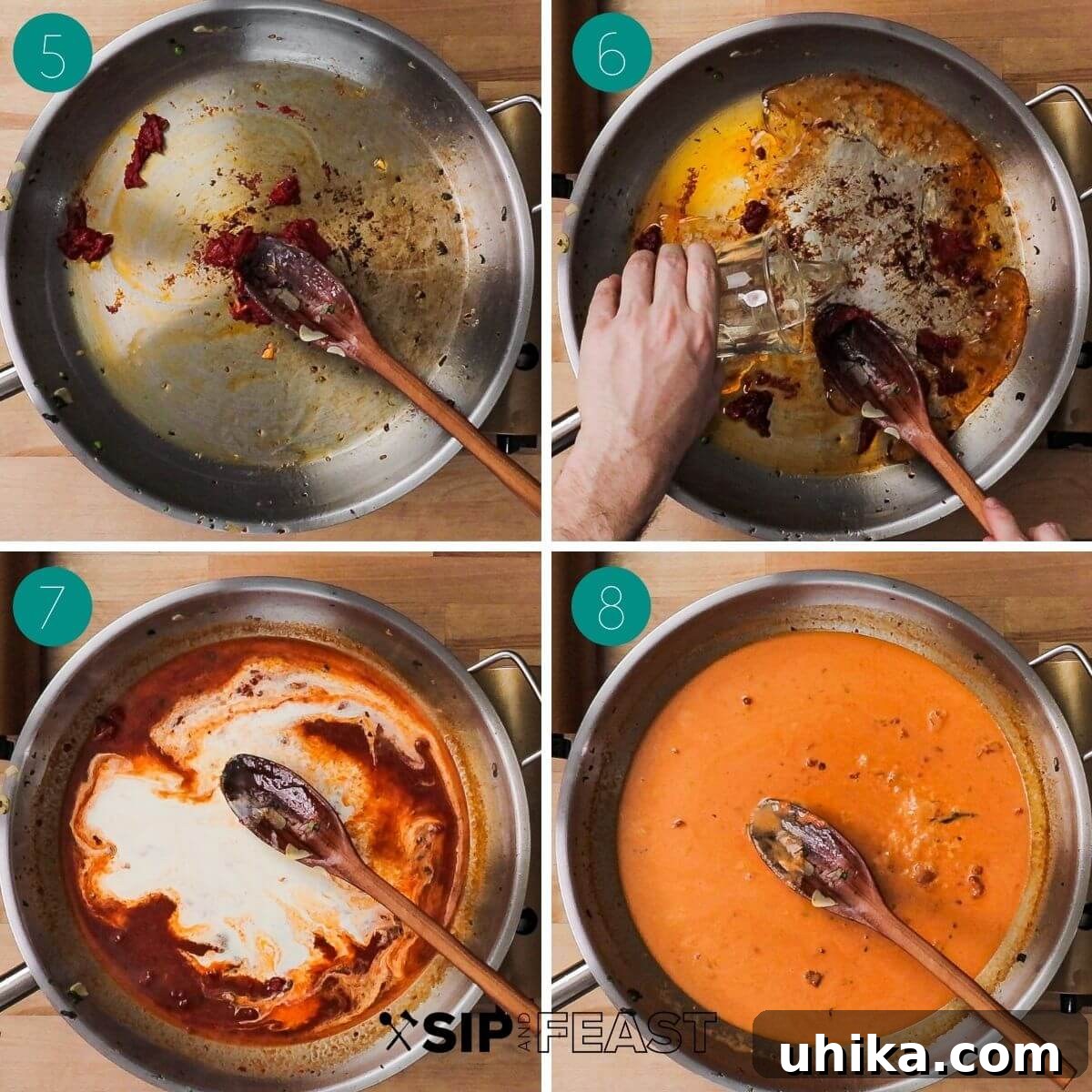
- Create the Creamy Sauce: Allow the wine to reduce by half, which usually takes about 2 minutes, intensifying its flavor. Once reduced, lower the heat to medium and stir in 1/2 cup of heavy cream. Mix thoroughly to combine the cream with the wine and tomato paste, bringing the sauce to a gentle simmer.
- Adjust Sauce Consistency with Pasta Water: Ladle in 1 cup of the reserved starchy pasta water into the sauce. This helps to thin it out to the perfect consistency while also aiding in emulsification, allowing the sauce to beautifully cling to the pasta. Continue to cook the sauce over a low simmer, allowing the flavors to meld.
- Combine Pasta and Veggies: Using tongs or a slotted spoon, transfer the slightly undercooked pasta directly from the boiling water into the simmering sauce. Add half of the sautéed vegetables to the pan with the pasta and sauce. Toss everything together vigorously to ensure the pasta is evenly coated in the rich, creamy sauce and mixed with the vibrant vegetables. If the sauce appears too thick or dry, add more of the reserved pasta water, a tablespoon at a time, until you achieve your desired consistency.
- Finish and Season: Continue cooking the pasta in the sauce for another 30-60 seconds, or until it reaches a perfect al dente texture. The pasta will absorb more of the sauce’s flavor during this final cooking stage. Remove the pan from the heat. Stir in 1/2 cup of grated Parmigiano Reggiano cheese, which will melt into the sauce, adding a wonderful savory depth. Taste the dish and season with additional salt and freshly ground black pepper as needed.
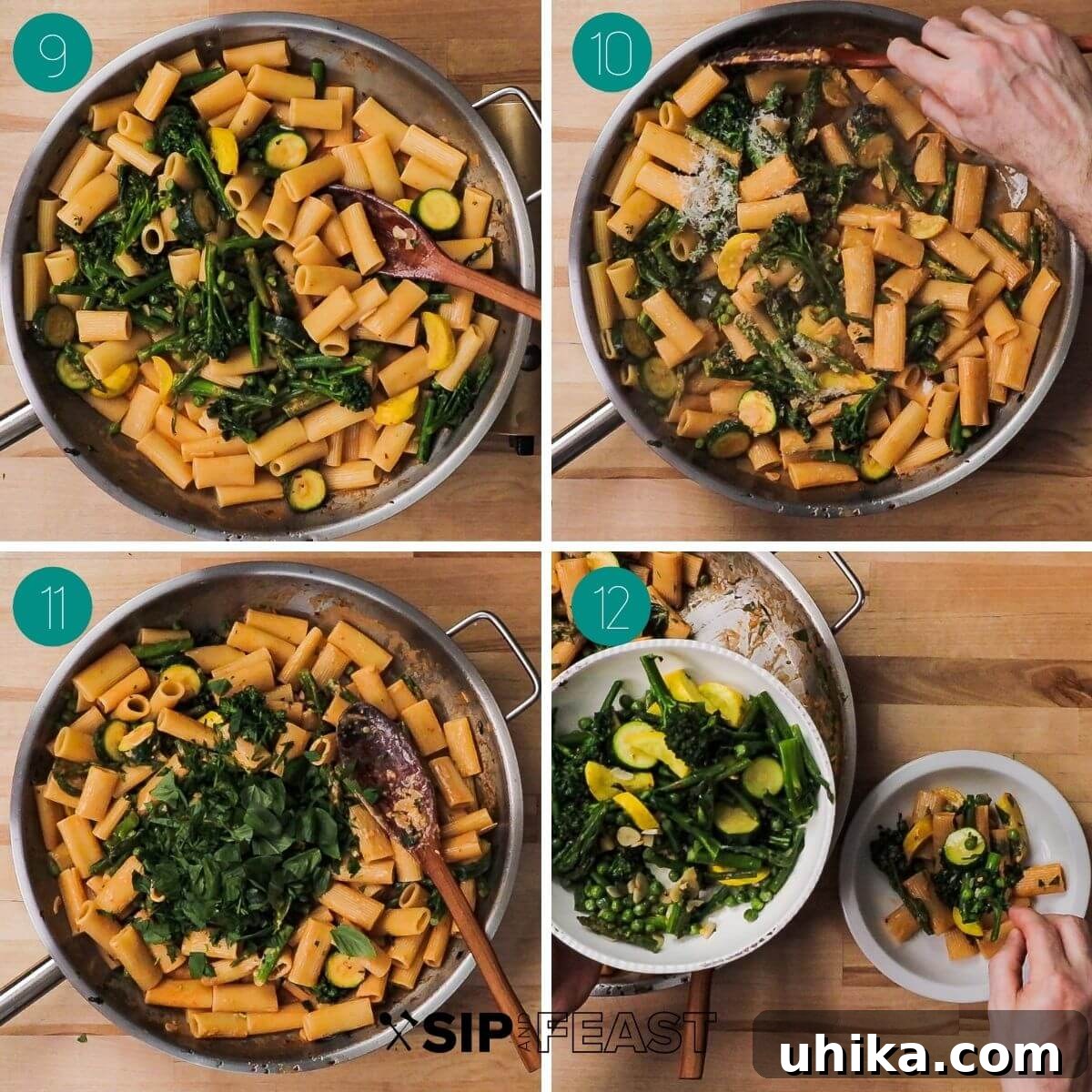
- Add Fresh Herbs: Stir in 1/4 cup of minced fresh Italian flat-leaf parsley and 1/4 cup of hand-torn basil leaves. Give the pasta one last gentle mix to incorporate these fragrant herbs. If the pasta has become a bit dry at this point, add a little more reserved pasta water, a splash at a time, to loosen it back up to a perfect, glossy consistency.
- Plate and Serve: To plate, spoon a generous portion of the pasta and veggie mixture into individual pasta bowls or plates. Top each serving with some of the remaining reserved sautéed vegetables for an extra burst of freshness and visual appeal. Finish with an additional sprinkle of grated Parmigiano Reggiano cheese, and serve immediately. Enjoy this delightful celebration of spring!
Top Tips for Perfect Rigatoni Primavera Every Time
Achieving a truly exceptional Rigatoni Primavera requires attention to a few key details. These tips will help you master the dish and ensure consistent, delicious results.
- The Magic of Pasta Water: This is arguably the most critical tip for any pasta dish, and especially for one with a creamy sauce. Always reserve at least 2 cups of your starchy pasta water before draining the pasta. The starches in this water are essential for emulsifying the sauce, helping it become silky smooth and adhere beautifully to the pasta. If your sauce ever seems too dry or thick, slowly add a few tablespoons of this liquid gold until you reach the perfect, luscious consistency. It’s far better than adding plain water, which would dilute the flavor.
- Selecting and Preparing Your Veggies: The beauty of Primavera lies in its fresh vegetables. While our combination of zucchini, asparagus, broccolini, yellow squash, and green peas offers a fantastic balance of flavor and texture, feel free to customize! Consider bell peppers, spinach, or even thinly sliced carrots. Remember to cut all your vegetables into roughly uniform sizes to ensure even cooking. For fresh English peas, which are denser than frozen, add them earlier in the sautéing process alongside the other initial vegetables to ensure they soften adequately.
- Choosing the Right Wine (or a Worthy Substitute): A dry white wine, such as Pinot Grigio, Sauvignon Blanc, or an unoaked Chardonnay, is ideal for this recipe. Its acidity brightens the sauce and adds a layer of complexity. If you prefer to avoid alcohol, you can easily substitute the white wine with an equal amount of good quality vegetable broth or even water. The flavor profile will be slightly different, but still delicious.
- Achieving the Perfect Al Dente: Cook your rigatoni for 1 minute less than the package instructions. This “under-cooking” allows the pasta to finish cooking directly in the sauce, where it absorbs all the wonderful flavors. This technique is key to preventing bland pasta and ensuring every strand is infused with the creamy goodness.
- Don’t Rush the Tomato Paste: Cooking the tomato paste for 5 minutes before adding the wine is a vital step. This process, known as “caramelizing” or “frying” the paste, deepens its flavor, removes any raw or metallic taste, and develops a richer, sweeter, and more complex base for your sauce.
- Fresh Herbs are a Must: While dried herbs have their place, fresh parsley and basil are non-negotiable for Primavera. Stirring them in at the very end ensures their vibrant flavors and aromas remain bright and fresh, cutting through the richness of the sauce and adding a final flourish.
More Warm-Weather Pasta Favorites!
While pasta is a beloved staple in our home year-round, the warmer months often inspire us to opt for lighter preparations and sauces that don’t demand hours of simmering. If you’re looking for more fresh, quick, and vibrant pasta dishes perfect for spring and summer, here are some of our absolute favorites that we highly recommend trying:
- Lemon Asparagus Pasta: A simple yet elegant dish featuring tender sliced asparagus tossed with bright lemon zest, fresh garlic, and delicate linguine. It’s a burst of sunshine in every bite.
- Lemon Arugula Pasta: This recipe is all about vibrant freshness, combining the peppery bite of baby arugula with zesty lemon and salty shaved Parmigiano Reggiano for a truly refreshing experience.
- Roasted Cherry Tomato Pasta: Incredibly easy and packed with flavor, this pasta features sweet roasted cherry tomatoes and garlic, which burst and create a natural, light sauce.
- Spaghetti alla Nerano: A classic Neapolitan dish from the Amalfi Coast, made with thinly sliced fried zucchini, rich butter, and a generous amount of cheese. Simple ingredients, extraordinary flavor.
- Pasta alla Norma: A robust and comforting Sicilian classic, featuring tender roasted eggplant, sweet tomatoes, fresh basil, and a sprinkling of salty ricotta salata.
- Roasted Zucchini Pasta: Delightful bite-sized roasted zucchini pieces tossed with ziti in a subtly spicy marinara sauce, finished with smoky mozzarella for a comforting yet fresh taste.
Customizing Your Rigatoni Primavera
One of the joys of Pasta Primavera is its adaptability. This recipe provides a fantastic foundation, but don’t hesitate to make it your own!
- Vegetable Swaps: Feel free to incorporate other seasonal vegetables. Think thinly sliced carrots, colorful bell peppers, sautéed mushrooms, or even fresh spinach stirred in at the very end. The key is to choose vegetables that cook at similar rates or adjust their cooking times accordingly.
- Adding Protein: To make this a more substantial meal, consider adding a protein. Sautéed chicken breast, shrimp, crumbled Italian sausage, or even plant-based options like cannellini beans or chickpeas would be delicious additions. Add cooked proteins towards the end, just before tossing with the pasta and sauce.
- Dietary Adjustments:
- Dairy-Free: You can achieve a creamy texture using unsweetened cashew cream or a high-quality dairy-free cream alternative. Nutritional yeast can add a cheesy flavor in place of Parmigiano Reggiano.
- Gluten-Free: Simply swap the rigatoni for your favorite gluten-free pasta. Ensure it’s a good quality brand that holds its shape well.
Serving Suggestions & Perfect Pairings
Rigatoni Primavera is a complete meal in itself, but a few complementary additions can elevate your dining experience. Serve it with a simple side salad dressed with a light vinaigrette to add more freshness. A crusty loaf of Italian bread or warm garlic bread is perfect for soaking up any remaining delicious sauce. For a beverage pairing, continue with the dry white wine you used in the recipe, or opt for a light-bodied rosé.
Storage and Reheating Tips
Leftover Rigatoni Primavera makes for a delightful next-day meal. Store any uneaten portions in an airtight container in the refrigerator for up to 3 days. When reheating, gently warm in a pan over medium-low heat, adding a splash of reserved pasta water, vegetable broth, or even a tiny bit of cream to bring the sauce back to its creamy consistency and prevent it from drying out. You can also reheat it in the microwave in short bursts, stirring in between.
Frequently Asked Questions About Rigatoni Primavera
We’ve gathered some common questions to help you master this delicious dish.
- Q: Can I make this Rigatoni Primavera vegetarian or vegan?
- A: This recipe is already vegetarian! To make it vegan, you would need to substitute the heavy cream with a plant-based cream (like full-fat coconut cream for richness, or a good quality vegan cooking cream) and replace the Parmigiano Reggiano with a dairy-free Parmesan alternative or nutritional yeast. Ensure your wine is also vegan-friendly.
- Q: What other pasta shapes work well with Primavera sauce?
- A: While rigatoni is excellent for capturing the sauce and vegetables, other shapes like penne, ziti, farfalle (bow ties), orecchiette, or even a thicker spaghetti or bucatini can work. Choose a shape that has nooks and crannies or a wide surface area for the sauce to cling to.
- Q: Can I prepare any components of the Primavera ahead of time?
- A: Yes! You can wash and chop all your vegetables a day in advance and store them in separate airtight containers in the refrigerator. The garlic can also be sliced. This will significantly cut down on your prep time when you’re ready to cook.
Rigatoni Primavera
James Delmage
Rated 5 out of 5 stars from 12 votes.
10 mins
25 mins
35 mins
4
Pin
Ingredients
- 1 pound rigatoni
- 6 tablespoons extra virgin olive oil divided
- 6 cloves garlic sliced
- 1 pound broccolini cut into 2-inch pieces
- 1 medium zucchini sliced
- 1 medium yellow squash sliced
- 1 pound asparagus bottom trimmed and discarded, cut into 2-inch pieces
- 1 1/2 cups frozen peas (see note below if using fresh English peas)
- 1/4 teaspoon crushed hot red pepper flakes
- 2 tablespoon tomato paste
- 1 cup dry white wine
- 1/2 cup heavy cream
- 2 cups reserved pasta water (will most likely not need all of it)
- 1/2 cup grated Parmigiano Reggiano (plus more for serving)
- 1/4 cup minced Italian flat-leaf parsley
- 1/4 cup basil leaves (hand-torn)
Instructions
- Bring a large pot of salted water (2 tablespoons kosher salt per gallon of water) to a boil.
- Heat a large pan to medium heat. Add 4 tablespoons of extra virgin olive oil and all of the veggies except for the peas. Sauté for about 5 minutes, then add the peas and cook for 3 more minutes.
- Next, add the garlic, and if the pan is dry, add a touch more olive oil and cook for another 1-2 minutes or until the garlic turns golden. Add the hot red pepper flakes and season the veggies with salt. Transfer the veggies to a plate and set them aside.
- At this time, add the pasta to the boiling water and cook for 1 minute less than al dente.
- Turn the pan you used for your veggies to medium-low and add the remaining olive oil along with the tomato paste. Cook the paste for 5 minutes, stirring frequently, then add the wine. Turn heat to medium-high and with a wooden spoon dislodge all of the brown bits from the bottom of the pan.
- Once the wine reduces by half (about 2 minutes), turn the heat down to medium and add the heavy cream. Mix well and bring to a simmer. Add 1 cup of pasta water to thin out the sauce and continue to cook over a low simmer.
- Add the pasta to the sauce along with 1/2 of the veggies. Toss to coat. If the sauce is too dry, add more of the reserved pasta water a bit at a time to get the consistency just right.
- Cook the pasta in the pan until it reaches al dente (about 30-60 seconds), then turn off the heat and remove the pan from the heat. Add the grated Parmigiano Reggiano cheese and season with salt and pepper to taste. Add the parsley and basil and mix once more. If the pasta is at all dry, add extra reserved pasta water, a bit at a time, to loosen it up. Plate and top each serving with the remaining veggies. Serve with more grated cheese. Enjoy!
Notes
- Always reserve pasta water. If the pasta dries out before serving, just add a few ounces of the pasta water to bring the consistency back to perfect.
- Fresh English peas might need a bit more cooking to soften up than frozen peas. If using fresh peas, they can be cooked right from the start with the other veggies.
- Leftovers can be saved for up to 3 days in the fridge. Reheat gently in the microwave or on the stovetop with a splash of water or broth.
Nutrition
Calories: 851kcal | Carbohydrates: 111.7g | Protein: 28.6g | Fat: 32.3g | Saturated Fat: 8.4g | Cholesterol: 29mg | Sodium: 766mg | Potassium: 1112mg | Fiber: 13.4g | Sugar: 14.1g | Calcium: 244mg | Iron: 9mg
Nutrition information is automatically calculated, so should only be used as an approximation.
Enjoyed this delicious Rigatoni Primavera recipe? We’d love to hear your thoughts! Please consider leaving a comment below and sharing your experience. You can also find more of our recipes and culinary inspiration by following us on Instagram at @sipandfeast or tagging your creations with #sipandfeast!