

Irresistible Baccala Fritters: A Timeless Seafood Delicacy
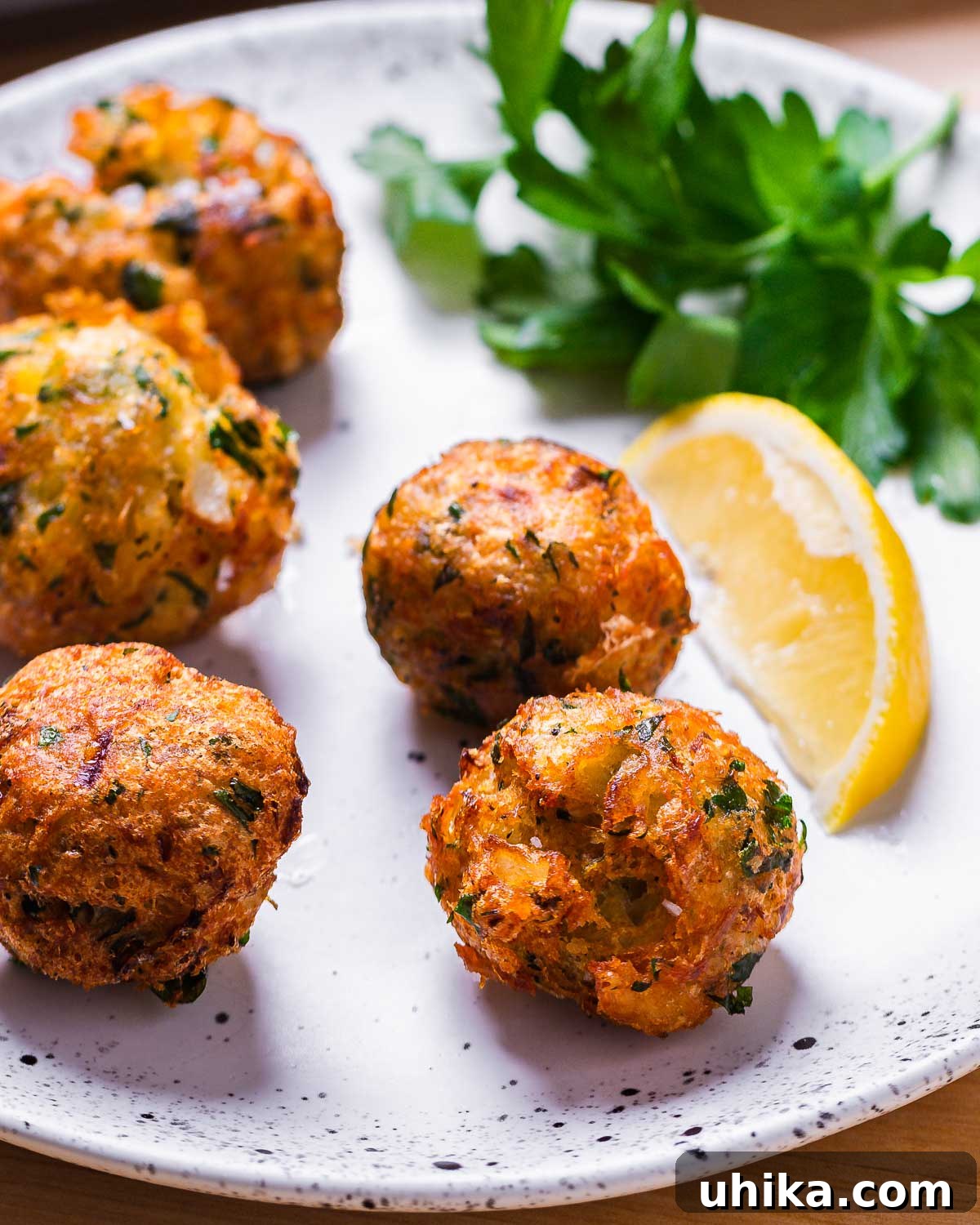
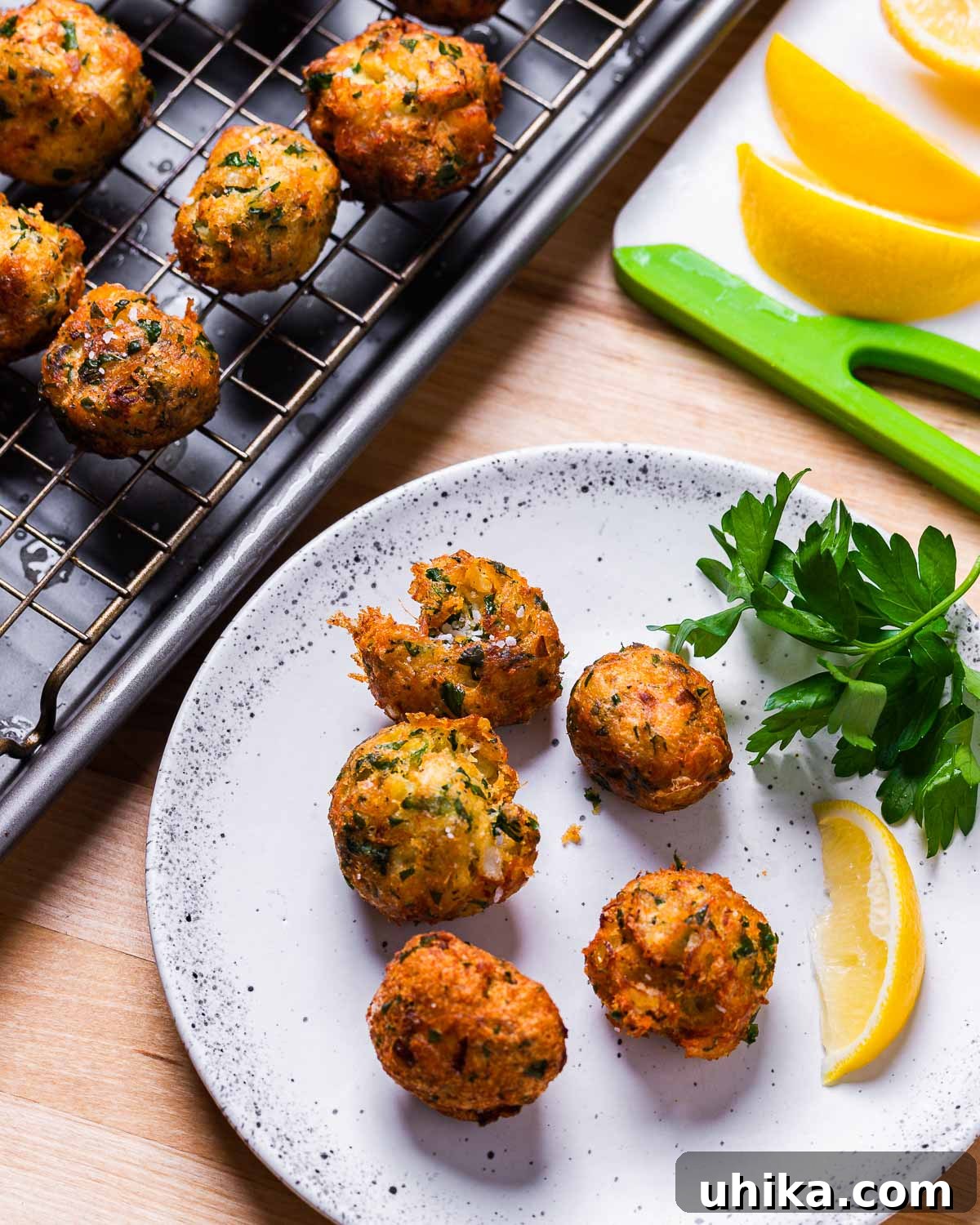
Discover the delightful tradition of Baccala Fritters, also lovingly known as Frittelle di Baccala, a cherished staple often gracing tables during Christmas Eve’s Feast of the Seven Fishes. These golden-fried morsels, crafted from a harmonious blend of tender potatoes, flavorful salt cod, aromatic onions, fresh garlic, vibrant parsley, and eggs, offer a taste and texture reminiscent of a gourmet fish cake. Served with a squeeze of fresh lemon, they are an undeniable crowd-pleaser, even captivating the palates of the most discerning seafood skeptics.
Understanding Baccala: The Art of Salt Cod
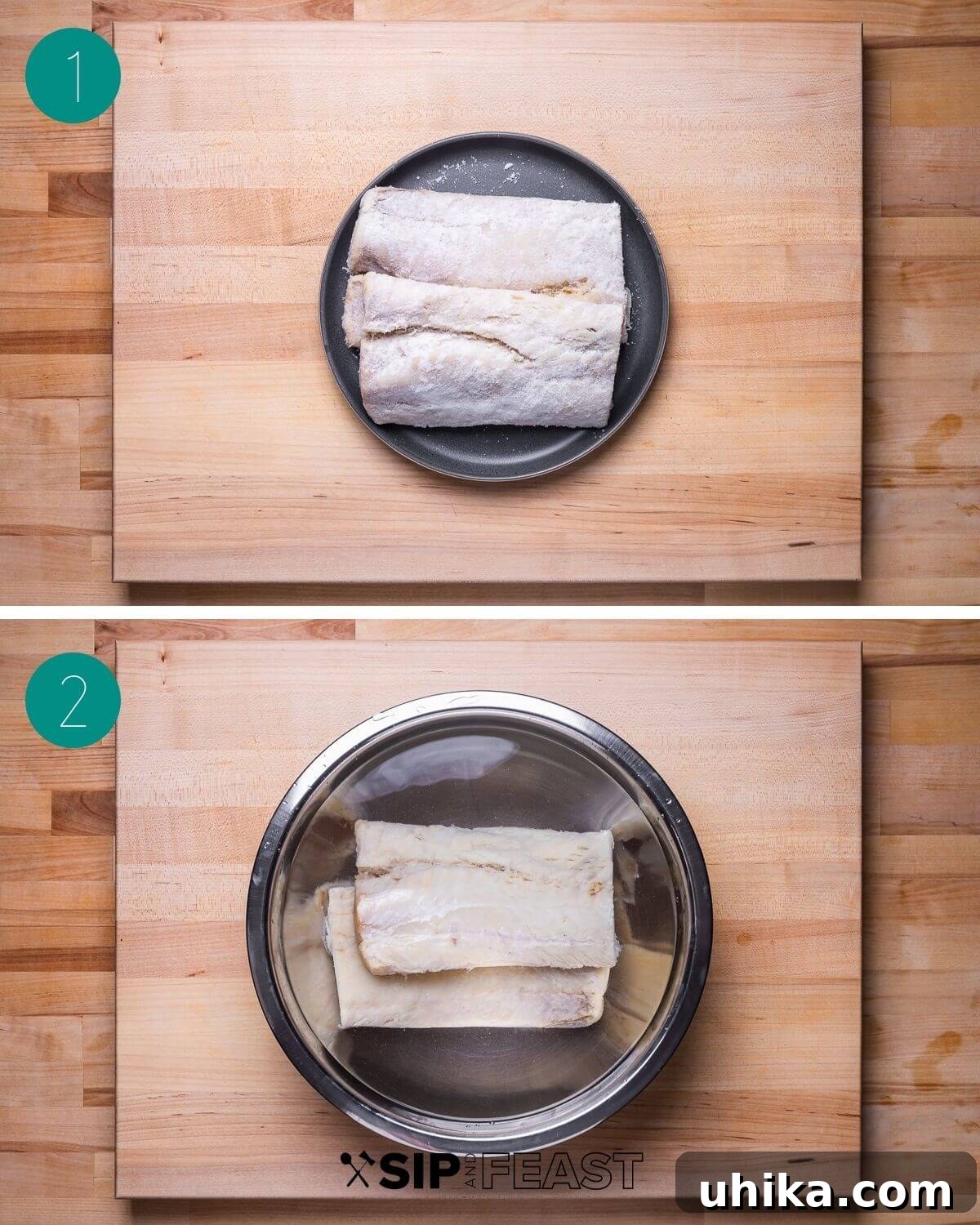
Before diving into the recipe, it’s essential to understand the star ingredient: baccala. Baccala, or salt cod, is not merely cod fish; it’s a culinary legacy. This preserved fish is essentially fresh cod that has been dried and heavily salted, a process that historically allowed it to be stored for extended periods without refrigeration. This preservation method dates back centuries, making baccala a cornerstone of cuisine in many coastal and Mediterranean cultures, particularly during religious fasting periods or special celebrations when fresh fish was scarce or expensive. The intensive salting process gives baccala its distinct texture and concentrated flavor, which, once rehydrated, transforms into a remarkably tender and flaky fish.
The journey from a heavily salted, dried fish to a succulent ingredient requires a vital first step: desalinating. This critical process is what restores the cod to its original, moist state and removes the excess salt, allowing its delicate flavor to shine through. While the general recommendation for soaking baccala is at least 24 hours, experience has taught that a more thorough soak, spanning 2 to 3 days, yields the best results, ensuring almost all the salt is effectively drawn out. This patience pays off, leading to a perfectly balanced flavor in your finished fritters. Due to this involved preparation, baccala dishes are often reserved for special occasions, such as the grand Feast of the Seven Fishes on Christmas Eve, a tradition celebrating abundance and togetherness.
For an even more in-depth guide on how to properly prepare and desalinate salt cod for any dish, you can refer to our detailed instructions in the Baccala alla Napoletana recipe. However, for these delightful baccala fritters, there’s a slight variation that can forgive a slightly shorter initial soak. The reason? The baccala is further boiled with milk as part of the fritter preparation. This additional step helps to gently extract any residual salt from the cod while simultaneously infusing it with a subtle creaminess, contributing to the fritters’ overall exquisite texture and taste.
Gathering Your Ingredients for Perfect Frittelle di Baccala
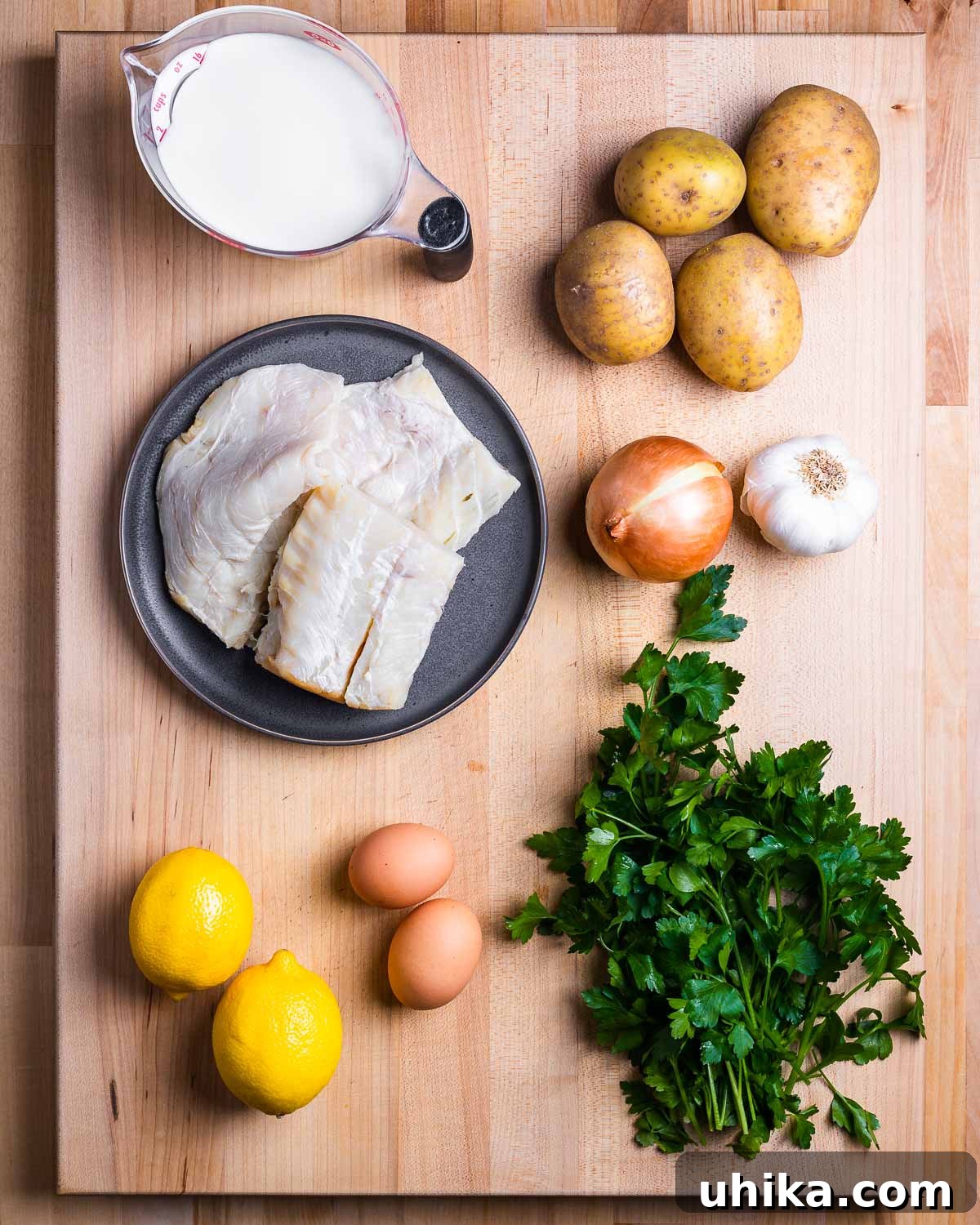
Crafting these delectable fritters begins with selecting the right components. Each ingredient plays a crucial role in achieving that perfect crispy exterior and tender, flavorful interior. Here’s a look at what you’ll need to create about 30 mouthwatering fritters:
Ingredients:
- 1 pound baccala, soaked and rinsed (see detailed notes below for soaking process)
- 1 pound Yukon Gold potatoes, peeled and boiled until fork-tender
- 1/2 cup fresh Italian parsley, finely minced
- 1 1/2 cups milk (whole or skim)
- 3 cloves garlic, grated into a paste
- 1 medium onion, very finely minced
- 2 large eggs
- Salt to taste (adjust after tasting the cooked cod)
- 1 teaspoon black pepper
- 2 large lemons, cut into wedges for serving
- Vegetable oil, enough to fill your frying pot at least 1 inch high
Step-by-Step Guide to Making Baccala Fritters
Follow these detailed instructions to create the ultimate baccala fritters, a true taste of tradition and flavor.
1. The Essential Soaking Process for Baccala
Your journey begins with desalting the baccala. Take 1 pound of dry baccala. This cured fish comes packed with a significant amount of salt, which must be removed before cooking. Start by rinsing the pieces thoroughly under cold running water to wash off any surface salt. Once rinsed, place the baccala in a large bowl and completely submerge it in cold water. Cover the bowl with plastic wrap and refrigerate for a minimum of 24 hours, ideally 2 to 3 days. It is crucial to change the water every 6-8 hours to ensure the salt is consistently leached out. This step is non-negotiable for delicious, balanced fritters.
2. Preparing Your Fresh Ingredients
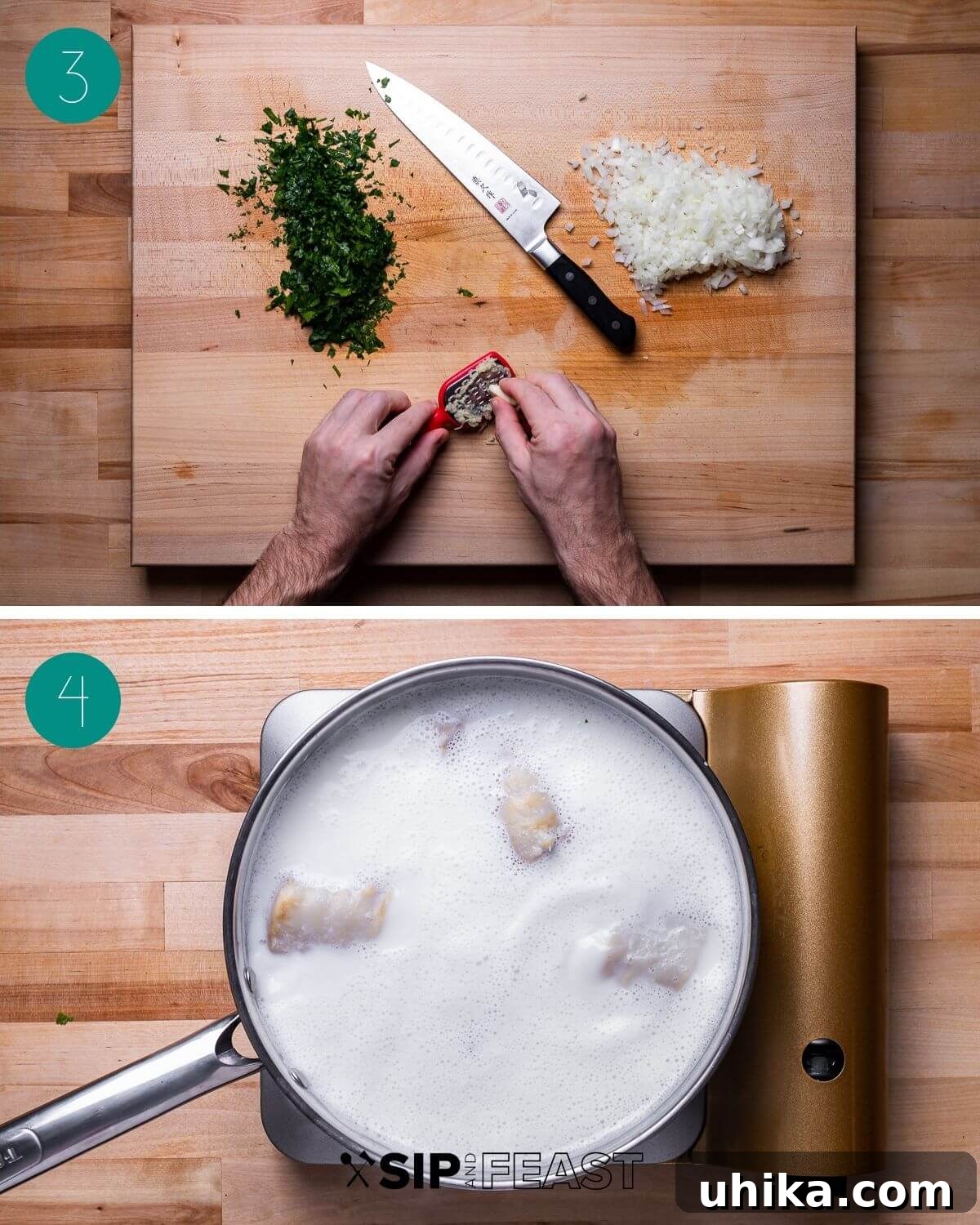
Once your baccala has completed its soaking time, you can begin preparing the other ingredients. Preheat your oven to 200°F (95°C) – this will be used later to keep your fritters warm. Peel 1 pound of Yukon Gold potatoes and boil them in a large pot of water until they are fork-tender. Drain them in a colander and allow them to cool slightly. While the potatoes cool, finely mince 1/2 cup of fresh Italian parsley and 1 medium onion. Grate 3 cloves of garlic into a smooth paste to ensure its flavor is well distributed throughout the fritter batter.
3. Cooking the Baccala and Potatoes
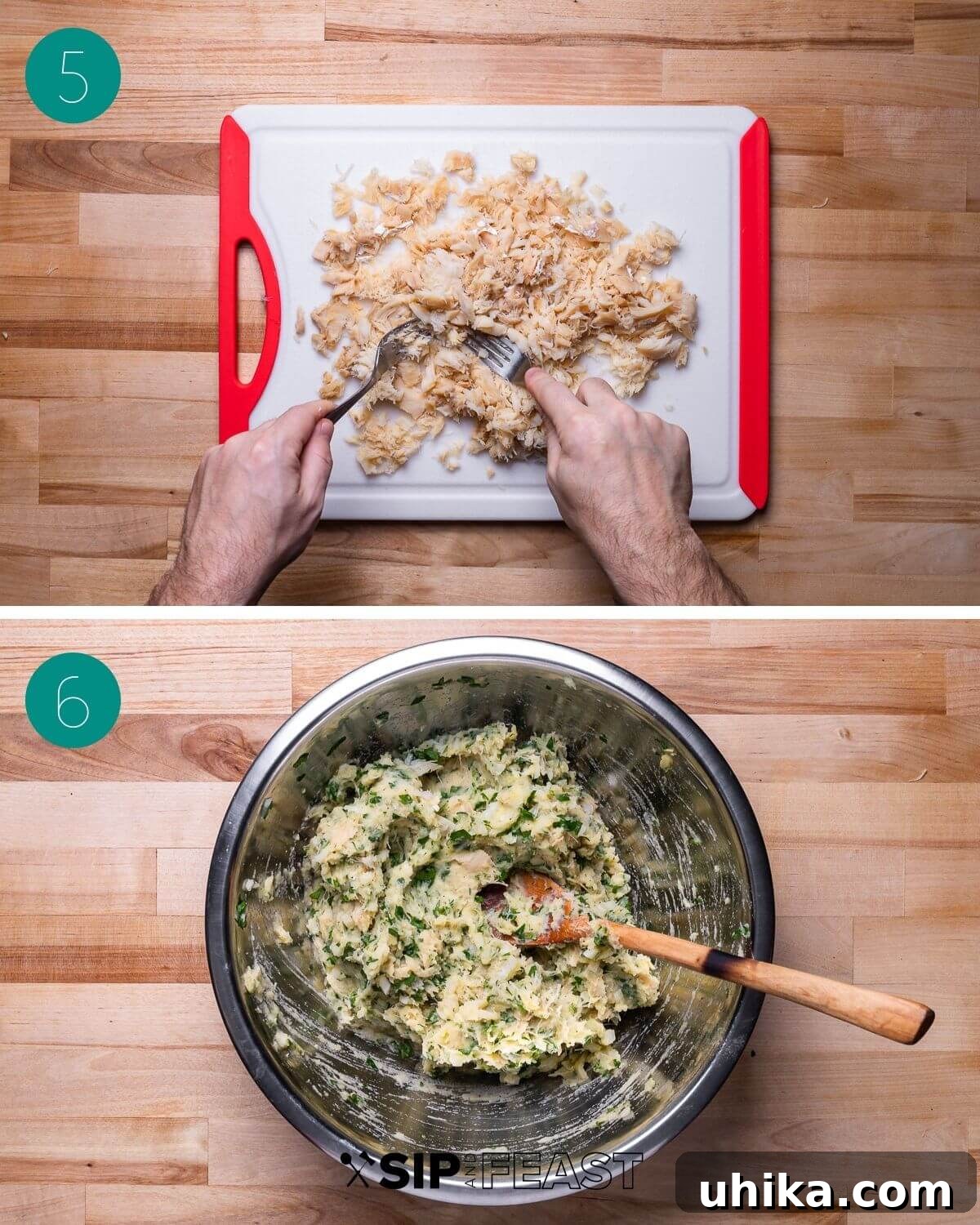
Place the desalinated baccala into a large pot or a high-walled pan. Pour in 1 1/2 cups of milk and enough additional water to completely cover the fish. Cook the baccala over a low simmer for about 20 minutes. This gentle boiling in milk not only helps to further reduce any remaining salt but also adds a subtle richness to the fish, enhancing its overall flavor and tenderness. Once cooked, carefully drain the salt cod. Allow it to cool enough to handle, then meticulously remove any bones and skin pieces. Shred the cooked cod into small, flaky pieces. At this stage, it’s vital to taste a small piece of the shredded cod. This will help you determine if any extra salt will be needed later when you season the fritter batter.
4. Assembling the Fritter Batter
In a large mixing bowl, mash the cooled, cooked potatoes until smooth. Add the shredded cod, 2 eggs, minced parsley, minced onion, grated garlic, and 1 teaspoon of black pepper to the mashed potatoes. Gently combine all the ingredients until a cohesive batter forms. Remember the taste test you performed on the cod earlier? This is the moment to decide if your batter needs an additional pinch of salt. Mix thoroughly but avoid overworking the batter, as this can lead to a tougher texture.
5. Forming the Fritters
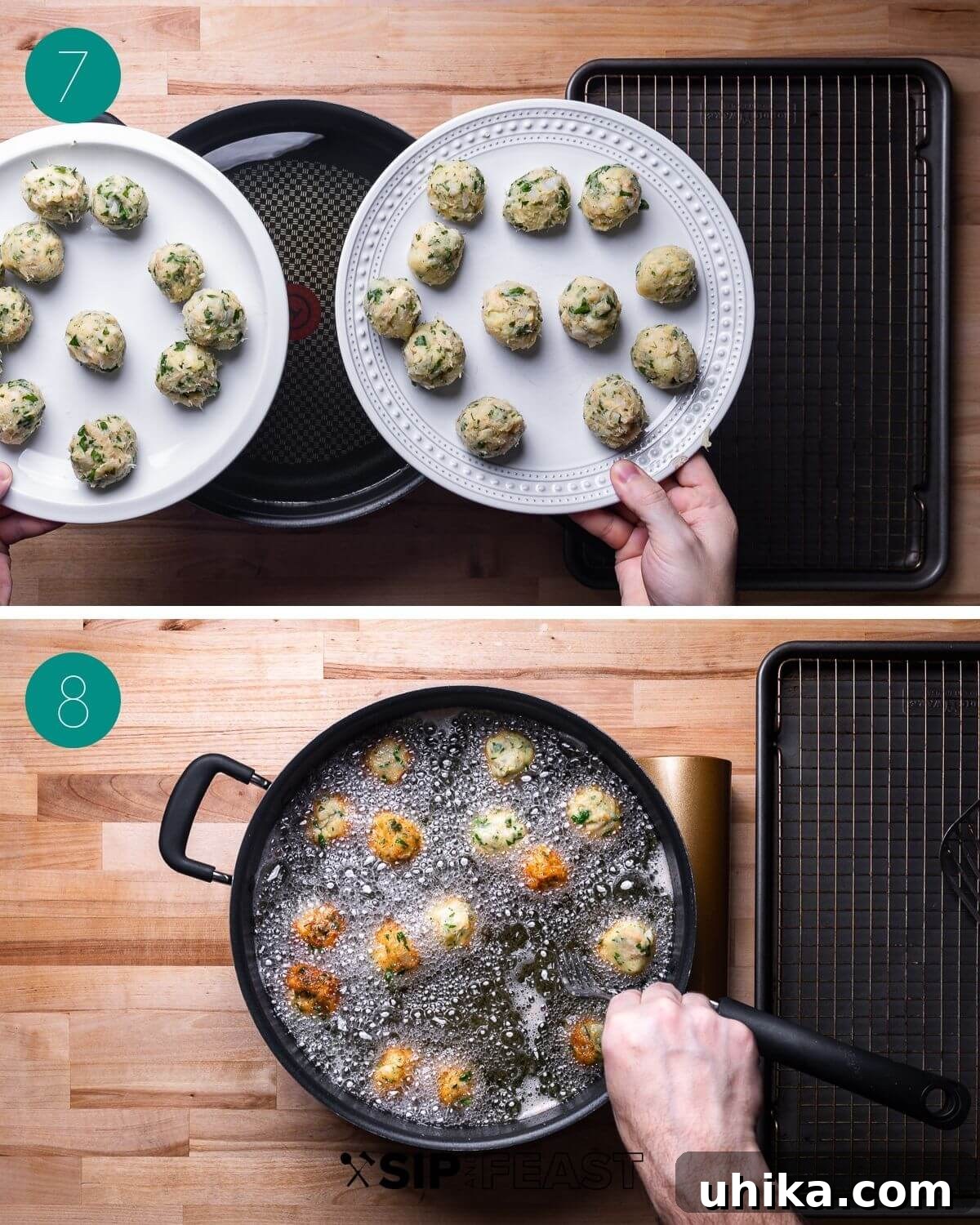
Prepare a deep, heavy pot for frying by pouring in vegetable oil to a depth of at least 1 inch. Begin heating the oil to a precise temperature of 370°F (185°C). While the oil heats, you can start forming your fritters. Take about 1 to 1 1/2 tablespoons of the prepared batter. Lightly oil your hands to prevent sticking and roll the batter into small, uniform balls. It’s best to roll all the fritter balls in advance before you start frying, ensuring a smooth and efficient frying process.
6. Frying to Golden Perfection
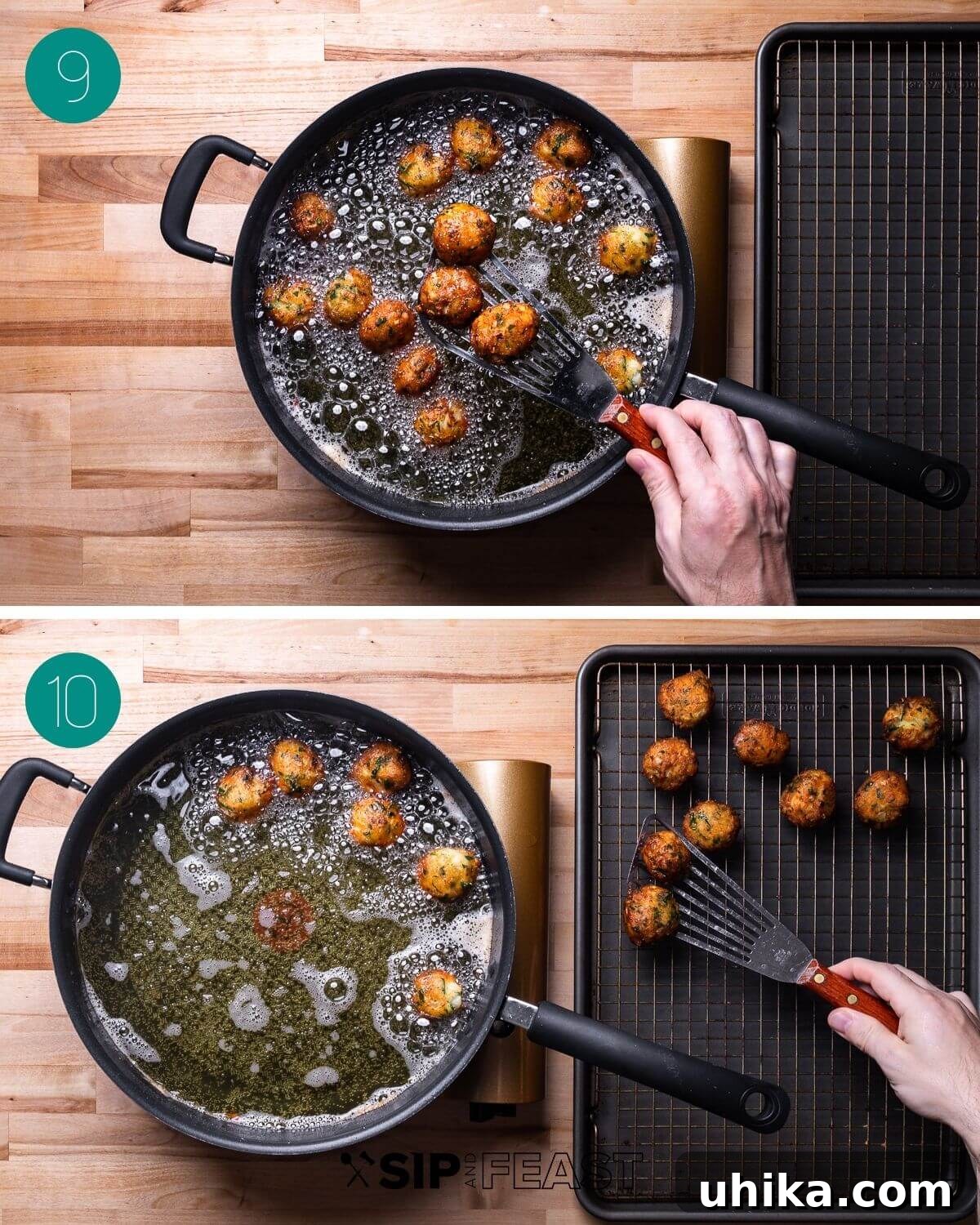
Once your oil reaches the target temperature of 370°F (185°C), carefully drop the formed baccala balls into the hot oil. Fry them for 4-5 minutes, or until they achieve a beautiful golden-brown color on all sides. It is crucial to work in small batches and avoid crowding the pan. Overcrowding will lower the oil temperature, resulting in greasy, less crispy fritters. After each batch, perform another quick taste test on one of the fritters. If they need a little extra seasoning, sprinkle a touch of salt over the fritters immediately after they come out of the oil, while they are still hot.
7. Draining and Serving
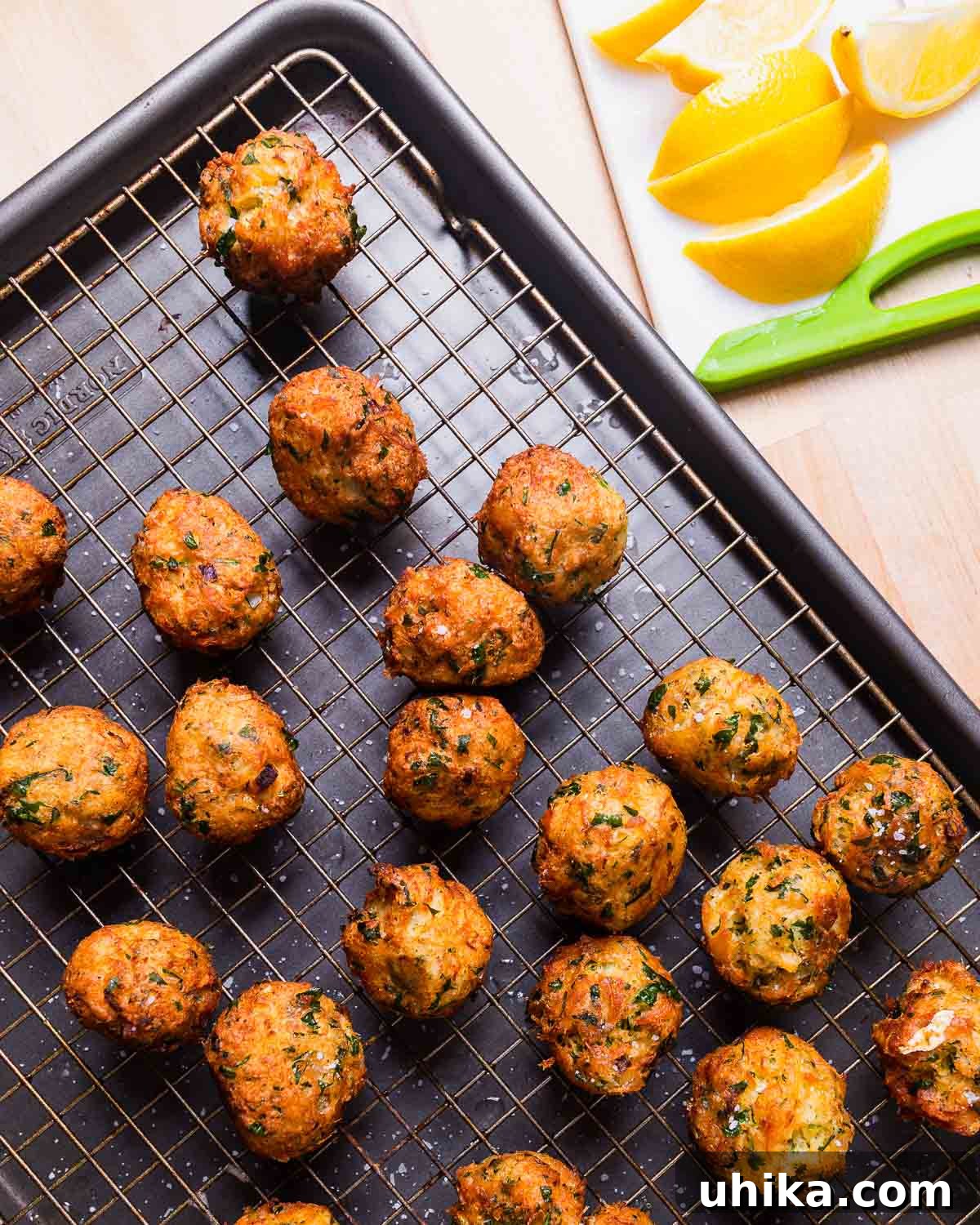
As each batch of fritters finishes frying, transfer them to a wire rack placed over a baking sheet to drain any excess oil. This ensures they remain crispy. You can keep the fried fritters warm in the preheated 200°F (95°C) oven while you fry the remaining batches. While they are delightful kept warm, baccala fritters are truly at their peak when served immediately after frying, still hot and perfectly crisp. Serve them generously with fresh lemon wedges on the side, allowing guests to add a bright, zesty counterpoint to the rich, savory flavors. Enjoy these classic homemade fritters!
Expert Tips for Flawless Baccala Fritters
To ensure your baccala fritters are nothing short of perfect every time, consider these invaluable tips:
Choosing the Right Potatoes
For the creamiest, most delicious fritters, Yukon Gold potatoes are your top choice. Their naturally buttery and waxy texture mashes beautifully, creating a smooth and cohesive base that binds well with the cod. While Russet potatoes can be used, they tend to be drier and starchier, which might result in a slightly less smooth batter and a different texture. If using Russets, you might need to add a tiny splash of milk or a bit more egg to achieve the desired consistency.
Mastering the Baccala Soak
The success of your fritters hinges on properly desalting the baccala. Do not rush this step. After an initial thorough rinse, submerging the baccala in cold water and changing the water every 6-8 hours for at least 24, but ideally 48-72 hours, is crucial. This gradual process ensures the majority of the salt is removed without compromising the fish’s delicate texture. The milk boil offers a secondary opportunity to refine the salt level, so taste testing the shredded cod before mixing is key to a perfectly seasoned fritter.
Milk Versus Water for Boiling
Boiling the baccala in milk, as suggested in the recipe, is a traditional method that imparts a lovely richness and helps mellow out any lingering saltiness. However, if you prefer not to use milk for dietary reasons or simply don’t have it on hand, you can certainly boil the baccala exclusively in water. The fritters will still be delicious; they just might have a slightly less creamy undertone.
Optimal Oil Temperature for Frying
Maintaining the correct oil temperature is paramount for crispy fritters that aren’t greasy. A temperature of 370°F (185°C) is ideal. If the oil is too cool, the fritters will absorb too much oil and become soggy. If it’s too hot, the exterior will brown too quickly while the interior remains undercooked. Using a deep-fry thermometer is highly recommended. Always fry in batches, allowing the oil to return to temperature between additions, to prevent overcrowding and temperature drops.
Serving Suggestions & Variations
While lemon wedges are the classic accompaniment, don’t hesitate to get creative. A simple homemade marinara sauce or a zesty aioli can make excellent dipping companions. For a touch of heat, a sprinkle of red pepper flakes in the batter can add a nice kick. Experiment with different herbs; a touch of dill or oregano could complement the flavors beautifully. For added texture and flavor, finely grated Parmesan cheese can be incorporated into the batter.
Making Ahead & Storage
Like most fried foods, baccala fritters are best enjoyed fresh, straight from the fryer. However, if you’re preparing for a larger gathering, you can fry them ahead of time and keep them warm in a 200°F (95°C) oven on a wire rack for up to an hour. For longer storage, allow them to cool completely, then refrigerate in an airtight container for up to 3 days. Reheat them in a single layer on a baking sheet in a preheated oven at 350°F (175°C) until crispy and warmed through. Avoid microwaving, as it can make them rubbery.
More Feast of the Seven Fishes & Seafood Delights
The Feast of the Seven Fishes is a cherished Italian-American tradition, particularly on Christmas Eve, where families gather to enjoy a grand seafood meal before the midnight mass. Baccala fritters are just one of many exquisite dishes that feature prominently. If you’re planning your own Feast or simply love seafood, here are more recipes from our collection that you’re sure to adore. We’d love to know which one is your go-to for Christmas Eve or any special occasion!
- Zuppa di Pesce: A rich seafood stew featuring squid, cod, shrimp, mussels, and clams simmered in a savory tomato, fennel, and shallot sauce, typically served with toasted, garlic-rubbed Italian bread.
- Crispy Fried Calamari: Tender calamari rings lightly dusted with flour and fried until golden, perfect with a simple marinara dipping sauce.
- Italian Calamari Salad: A refreshing chilled salad with tender calamari, crisp celery, green olives, red onion, and roasted peppers, all tossed in a bright lemon and olive oil vinaigrette.
- Salmon Oreganata: Flavorful salmon fillets baked with a crunchy topping of garlic, lemon, and herbed breadcrumbs.
- Mussels Marinara: A simple yet elegant appetizer of fresh mussels steamed in a vibrant, garlicky tomato sauce.
- Linguine alle Vongole: A classic Italian pasta dish featuring linguine tossed in a delicate white clam sauce, infused with garlic and white wine.
- Pan-Seared Swordfish with Olives and Capers: Sicilian-style swordfish steaks, pan-seared to perfection and adorned with a piquant sauce of olives and capers.
- Baked Clams Oreganata: Baked clams topped with a savory mixture of lemon, garlic, and seasoned breadcrumbs, a delightful appetizer.
- Classic Shrimp Scampi: Succulent shrimp bathed in a rich, buttery garlic sauce, perfect over pasta or with crusty bread.
We hope you enjoy preparing these traditional baccala fritters and perhaps exploring other seafood favorites for your next special meal. If you’ve enjoyed this recipe or any other on our site, we encourage you to leave a 5-star rating and share your thoughts in a review below!
For those who prefer visual learning, many of our recipes, including this one, are available on our YouTube channel and our Facebook Page.
Baccala Fritters Recipe Card

Pin Recipe
Ingredients
- 1 pound baccala soaked and rinsed (see notes below)
- 1 pound Yukon Gold potatoes peeled and boiled until fork tender
- 1/2 cup parsley minced
- 1 1/2 cups milk
- 3 cloves garlic grated
- 1 medium onion finely minced
- 2 large eggs
- salt to taste (taste test cod after boiling to determine if needed)
- 1 teaspoon black pepper
- 2 large lemons cut into wedges
- vegetable oil (enough to fill the pan up at least 1 inch high)
Instructions
- Preheat oven to 200°F (95°C). Boil potatoes until fork tender in a large pot of water, then drain in a colander and let cool.
- Meanwhile, rinse the salt cod thoroughly and place it in a large pot with the milk and enough extra water to cover. Cook at a low simmer for 20 minutes.
- Drain the cod and carefully remove any bones and skin pieces. When cool enough to handle, shred the cod into small pieces. Taste test the cod at this point to assess its saltiness and determine if any extra salt will be needed for the fritter batter.
- Prepare a deep, heavy pot for frying with vegetable oil. Pour the oil at least 1 inch high and heat to 370°F (185°C).
- Mash the potatoes and mix with the shredded cod, eggs, parsley, onion, garlic, and pepper to form the batter. To make the salt cod balls, take about 1 tablespoon of the batter and with lightly oiled hands, form a ball. Oil hands between each ball to prevent sticking.
- Once the oil hits 370°F (185°C), begin frying the cod balls for 4-5 minutes or until golden brown on all sides. Work in batches and do not crowd the pan. Taste test one of the fritters and if they need a bit of salt, add it right when the batches come out of the oil.
- Place the fried fritters onto a wire rack lined baking sheet to drain. The fritters can be kept hot in the oven while frying subsequent batches. Serve immediately with lemon wedges. Enjoy!
Notes
- Baccala should be thoroughly rinsed, then soaked in cold water. To soak, place baccala into a large bowl submerged with water and covered with plastic, storing in the refrigerator for at least 24 hours, with water changes every 8 hours or so. For best results, soak for 2-3 days.
- Always taste the cod after cooking in the milk. If most of the salt was successfully removed, you might need to add some salt back to the fritter batter.
- Fried fritters are best eaten right away but can be stored in the fridge for up to 3 days and reheated in the oven for crispiness.
Nutrition
| Carbohydrates: 2.9g
| Protein: 4.2g
| Fat: 4.1g
| Saturated Fat: 0.8g
| Cholesterol: 19mg
| Sodium: 18mg
| Potassium: 115mg
| Fiber: 0.5g
| Sugar: 0.4g
| Calcium: 8mg
Nutrition information is automatically calculated, so should only be used as an approximation.
Like this? Leave a comment below!
Check us out on Instagram at @sipandfeast or tag #sipandfeast!