
Unlocking Culinary Depth: The Essential Guide to Mirepoix
In the vast world of gastronomy, certain foundational techniques stand out for their profound impact on flavor. Among these, the French culinary art of mirepoix reigns supreme. This humble yet incredibly powerful blend of aromatic vegetables—onions, carrots, and celery—forms the savory soul of countless dishes, elevating everything from simple soups to elaborate braises. Even a small quantity of this classic medley can dramatically transform the character of your finished dish, lending a depth and complexity that is otherwise hard to achieve. If you’re looking to enhance your cooking and build truly memorable flavors, mastering mirepoix is an indispensable first step. The next time you prepare your favorite soup, stew, or sauce, try starting with this aromatic base, and experience the difference it makes firsthand.
What Exactly Is Mirepoix?
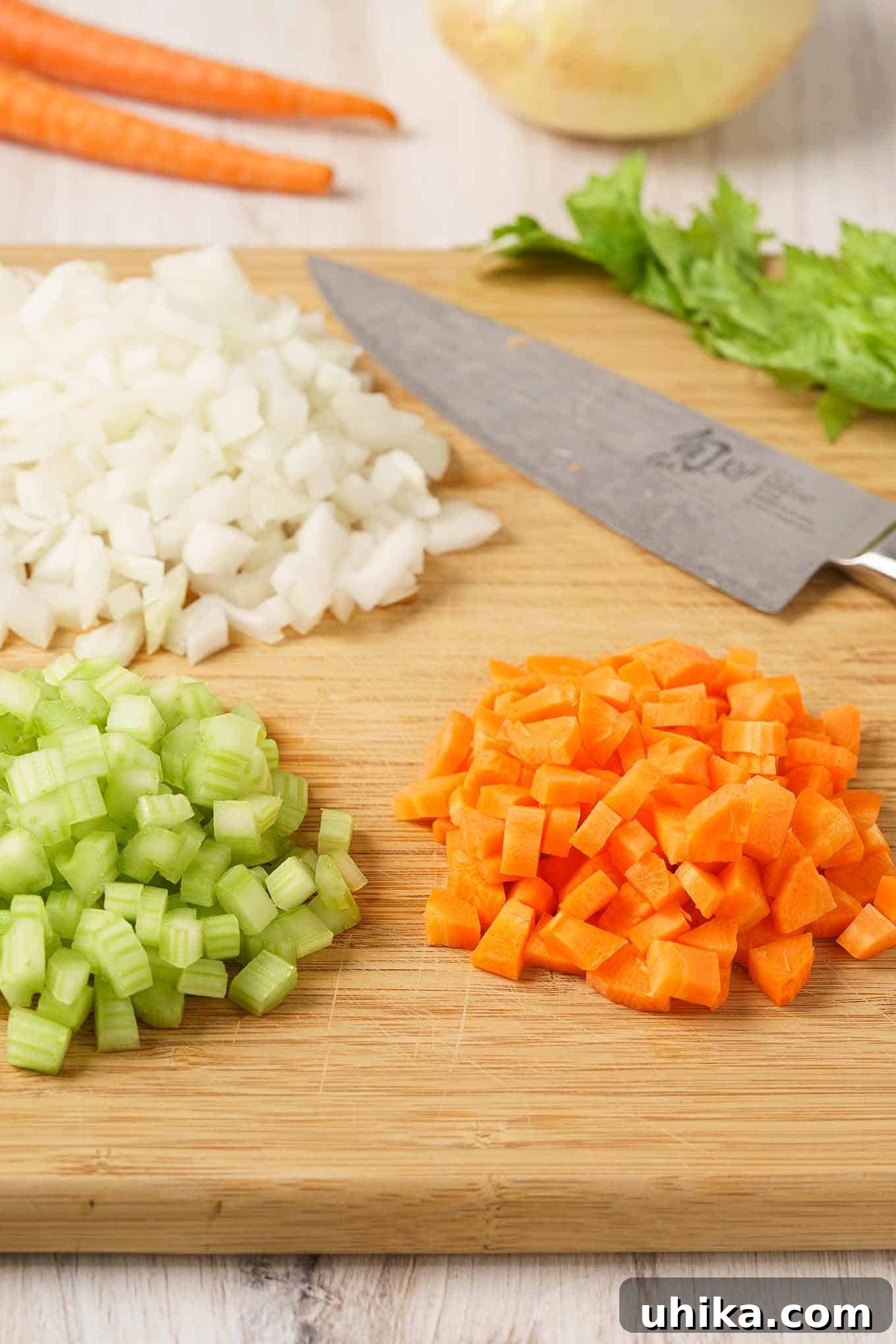
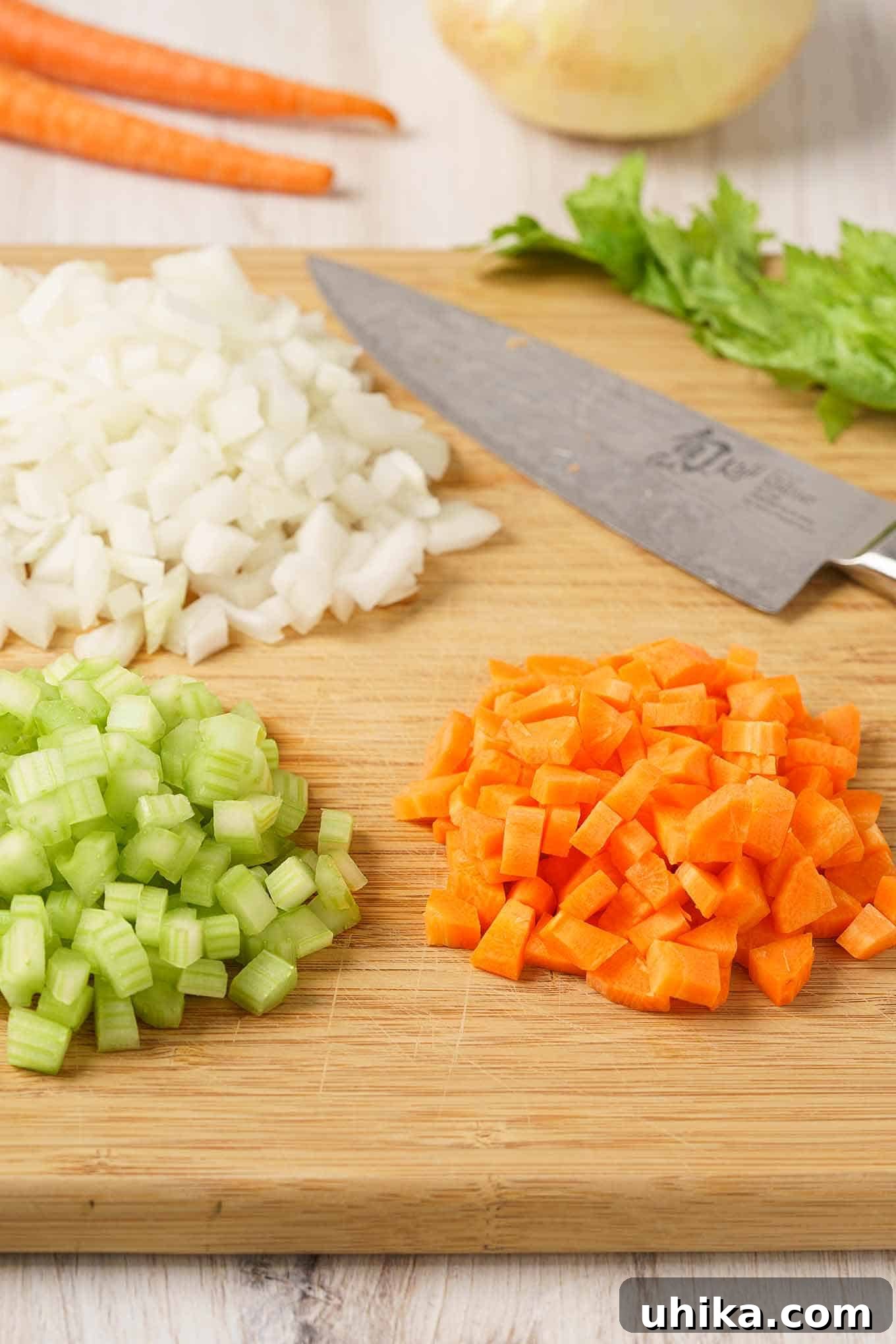
Mirepoix (pronounced meer-pwah) is a fundamental French culinary term referring to a classic combination of diced onions, carrots, and celery that are gently cooked in fat, typically butter, to create a flavor base. This aromatic trio is not merely a collection of vegetables; it’s a carefully balanced foundation designed to infuse dishes with a rich, mellow sweetness and an underlying savory depth. The standard ratio, which has been perfected over centuries, calls for two parts diced onion, one part diced celery, and one part diced carrot. This specific proportion ensures that the robust flavor of the onion is balanced by the earthy sweetness of the carrots and the subtle, peppery notes of the celery, creating a harmonious blend rather than a collection of distinct individual flavors.
The magic of mirepoix lies in its preparation: these vegetables are gently sautéed over medium-low heat until they soften and release their aromatic compounds. The goal is to “sweat” the vegetables, allowing their natural sugars to emerge and just begin to caramelize without browning them too intensely. This slow, deliberate cooking process extracts their inherent sweetness and complex savory notes, creating a rich, foundational layer of flavor that becomes the backbone of your dish.
Why Mirepoix is an Essential Culinary Foundation
Mirepoix isn’t just a recipe; it’s a technique that culinary professionals and home cooks alike rely on to build truly flavorful food. Its importance stems from its unique ability to enhance and deepen the overall taste profile of a dish without asserting itself as a dominant flavor. Here’s why mirepoix should be a staple in your cooking repertoire:
- Unparalleled Flavor Enhancement: When properly prepared, the individual flavors of onion, carrot, and celery meld together into a single, cohesive aromatic base. This blend adds a subtle sweetness, umami, and an indescribable “roundness” to dishes, making them taste richer and more complete. It’s about building layers of flavor from the ground up.
- Versatility Across Cuisines: While French in origin, the concept of an aromatic vegetable base is universal. Mirepoix, or its variations, is the starting point for an astonishing array of dishes across virtually every global cuisine. Its adaptability makes it an incredibly useful tool for any cook.
- Foundation for Classic Dishes: Many iconic recipes, from coq au vin to beef bourguignon, begin with a mirepoix. It’s the secret behind the robust flavor of homemade stocks, the comforting warmth of a hearty stew, and the complexity of a slow-simmered sauce.
- Aromatic Depth and Complexity: The slow cooking process allows the vegetables to release their essential oils and soluble solids, which then infuse into the cooking fat and the rest of the dish. This creates an aromatic depth that permeates the entire meal, making it more satisfying and delicious.
Mastering Mirepoix: When and How to Incorporate It
The beauty of mirepoix lies in its versatility. Once you understand its fundamental role, you’ll find countless opportunities to integrate this technique into your cooking. When prepared correctly, you won’t distinctly taste the individual components; instead, they will blend seamlessly to create a harmonious foundation that adds significant depth and complexity to your finished dish. Here are several basic, yet transformative, ways to incorporate this culinary secret into your kitchen:
- Soups and Stocks: Mirepoix is the quintessential starting point for nearly all homemade stocks—be it chicken, beef, vegetable, or even fish fumet. The slow simmering of these aromatics in water extracts their essence, providing a rich, savory backdrop for any soup. For example, our renowned Instant Pot Italian Chicken Soup relies heavily on a robust mirepoix to achieve its comforting flavor profile. It’s also the ideal base for creamy pureed soups, clear broths, and hearty stews.
- Stews and Braises: For dishes that undergo long, slow cooking, such as pot roasts, beef bourguignon, or chicken cacciatore, mirepoix is indispensable. Begin by seasoning your beef or poultry with salt and pepper, then sear it beautifully on all sides to develop a rich crust. Remove the meat, reduce the heat, add a little butter or oil to the pan, and then build your mirepoix. The aromatics will absorb the flavorful browned bits (fond) from the seared meat, creating a deeply flavorful liquid that tenderizes the meat as it braises.
- Roasts and Pan Gravies: Elevate your roasted meats, especially whole chickens or turkeys, by placing a bed of mirepoix at the bottom of the roasting pan. As the chicken roasts, its flavorful juices will drip down, mingling with the gently cooking mirepoix. This combination creates an incredibly rich and aromatic pan dripping, which forms the perfect base for an unforgettable pan gravy. The vegetables also help prevent the meat from sticking and can add moisture to the roasting environment.
- Sauces and Casseroles: Beyond its role in stocks and stews, mirepoix can also be the starting point for many sauces, particularly brown sauces or ragùs, where it contributes to a rich, umami-packed foundation. It can also be incorporated into casseroles, adding layers of flavor that permeate the entire dish as it bakes.
Mirepoix Perfection: Essential Tips for Culinary Excellence
Achieving a perfect mirepoix is less about complex techniques and more about attention to detail. Following these tips will ensure your aromatic base contributes maximum flavor to your dishes:
- The Art of Uniform Dicing: Precision in knife work is paramount for mirepoix. It is crucial to dice the vegetables as uniformly as possible to ensure even cooking. If some pieces are larger than others, they will cook at different rates, leading to an inconsistent flavor release. The size of the dice should also be adapted to the overall cooking time of the dish: for quick-cooking soups or delicate sauces, a smaller, finer dice (brunoise) is ideal, while for long-simmering stews and stocks, a larger dice (medium dice) is appropriate as the vegetables will have more time to break down.
- Adding Vegetables in the Right Order: Not all vegetables cook at the same pace. To ensure optimal softening and flavor release, add them to the pan in a specific sequence. Begin by adding the diced carrots to the hot fat first. Carrots are denser and take longer to soften, so give them 2-3 minutes to cook until they begin to yield slightly. Next, add the diced onions. Onions release a lot of moisture and sweetness, so cook them until they begin to soften and turn translucent, typically another 3-4 minutes. Finally, add the diced celery, which cooks the fastest. Continue cooking, stirring often, until all the vegetables are tender, translucent, and just beginning to develop a faint golden hue around the edges. Depending on your dice size, this total cooking time usually ranges from 12 to 20 minutes.
- The Gentle Art of “Sweating,” Not Browning: This is perhaps the most critical rule for a classic mirepoix. The fundamental concept is to slowly extract the mellow sweetness and aromatic compounds from the vegetables without browning them significantly. High heat causes caramelization, which, while delicious in other contexts, can impart a bitter, charred flavor that can overpower the delicate balance of mirepoix. Cook over medium-low to low heat, ensuring the vegetables soften and release their moisture gently, becoming translucent rather than deeply colored.
- Choosing the Right Cooking Fat: While the classic French mirepoix traditionally uses unsalted butter for its rich, nutty flavor, you can adapt the fat based on your dish. Olive oil is an excellent choice for a Mediterranean twist or for dishes where you prefer a lighter flavor. For richer, more savory applications, a combination of butter and olive oil can provide the best of both worlds, offering butter’s flavor and olive oil’s higher smoke point.
- Strategic Seasoning: Lightly season your mirepoix with salt and pepper during the cooking process. This helps draw out moisture from the vegetables, aiding in their softening and intensifying their flavor. However, remember that mirepoix is a base, so avoid heavy seasoning at this stage; you can always adjust the final seasoning of your dish later.
- Optional Enhancement: Adding Tomato Paste: For brown sauces, gravies, or hearty meat dishes, a small amount of tomato paste can be a wonderful addition. Stir it into the mirepoix when the vegetables are nearly finished cooking, and cook for another minute or two until it darkens slightly and caramelizes. This step adds a layer of umami depth and a subtle tang that complements richer flavors beautifully.
- Crafting a White Mirepoix (Matignon): When preparing lighter sauces, clear stocks, or white gravies where color is a concern, a “white mirepoix” is preferred. In this variation, carrots are typically replaced with chopped leeks, parsnips, or even mushrooms, which impart flavor without adding color. Sometimes, a white mirepoix might also include a small amount of parsnip or turnip for additional aromatic complexity.
A Global Palette: Aromatic Bases Around the World
The concept of building flavor with an aromatic vegetable base is universal, with many cuisines across the globe featuring their own distinctive versions of a “mirepoix.” While the core idea remains similar—gently cooking vegetables to release their essence—slight variations in the aromatics, the choice of cooking fat, and the addition of specific herbs and spices can dramatically alter the flavor profile of even the simplest dish. Exploring these global variations is a journey into the heart of diverse culinary traditions:
- France (Provençal Variation): While the classic French mirepoix is standardized, regional variations abound. In the sun-drenched Provence region, the base often shifts to olive oil as the primary cooking fat, combined with onions, garlic, leeks, and sometimes fresh tomatoes. Optional additions that evoke the Mediterranean landscape include aromatic herbs like fennel, thyme, bay leaf, rosemary, and even a hint of orange zest, lending a bright, herbaceous, and slightly citrusy character to dishes like ratatouille or fish stews.
- Italy (Soffritto): Italy’s equivalent, known as “soffritto,” shares a close kinship with mirepoix but often introduces its own unique elements. It typically begins with olive oil as the fat, followed by finely diced onions, carrots, and celery. What often sets Italian soffritto apart is the frequent addition of garlic and, for richer preparations, cured meats like pancetta or prosciutto, which render their fat and impart a savory, salty depth. Optional fresh herbs such as parsley, sage, and bay leaf are also common, making it the beloved foundation for pasta sauces, risottos, minestrone, and various braised meats.
- Spain (Sofrito): The Spanish “sofrito” is a vibrant and essential aromatic base, heavily influenced by regional ingredients. It commonly consists of onions, garlic, and tomatoes, often sautéed in olive oil or sometimes rich rendered ham fat for a more robust flavor. Bell peppers, particularly green or red, are frequently included, adding a fresh, slightly sweet, or tangy note. The flavor profile is often deepened with characteristic Spanish spices such as saffron, paprika (sweet or smoked), and dried chiles, giving it a distinctive smoky and warm character. Sofrito is the heart of paella, many Spanish stews, and rice dishes.
- India (Tadka/Bhunao): Indian cuisine boasts several aromatic bases, with “tadka” (or “tempering”) and “bhunao” being prominent. Tadka involves heating ghee (clarified butter) or vegetable oil and quickly frying whole spices like mustard seeds, cumin seeds, cardamom pods, cloves, and cinnamon sticks until fragrant. Bhunao, on the other hand, involves sautéing onions, garlic, and ginger until deeply caramelized, often with various hot peppers. These bases, sometimes combined, are then used to build complex curries, dals, and vegetable dishes, providing a foundation that is rich in flavor and aroma, with layers of warmth and spice.
- Thailand (Curry Pastes): In Thai cooking, the aromatic base often takes the form of intensely flavored curry pastes. These pastes are meticulously pounded by hand using a mortar and pestle (or blended), combining fresh aromatics like shallots, garlic, and chiles with distinct Thai ingredients such as lemongrass, galangal (a relative of ginger), kaffir lime leaves, and sometimes shrimp paste. These vibrant pastes form the aromatic backbone for the myriad of delicious Thai curries, soups, and stir-fries, delivering a burst of exotic and complex flavors.
- Cajun (USA) (Holy Trinity): In the rich culinary tradition of Cajun and Creole cooking from the American South, the “Holy Trinity” serves as the essential aromatic foundation. This iconic blend substitutes the carrot of the French mirepoix with green bell pepper, combining it with diced onions and celery. Cooked in butter or oil, and often with the addition of garlic, this trinity creates the distinctive, earthy, and slightly pungent flavor base that defines classic dishes like gumbo, jambalaya, and étouffée.
- Germany (Suppengrün): German cuisine also relies on an aromatic mix known as “Suppengrün,” which translates to “soup greens.” This base typically includes leeks, carrots, and celeriac (celery root) and is often bundled with fresh parsley. It forms the wholesome and earthy foundation for hearty German soups, stews, and broths, providing a robust flavor that stands up to richer ingredients.
- Portugal (Refogado): Similar to its Spanish and Italian counterparts, Portuguese cooking employs a “refogado.” This simple yet powerful base typically starts with olive oil, in which finely chopped onions and garlic are gently sautéed until soft and translucent. Depending on the dish, bell peppers and ripe tomatoes might also be added, creating a flavorful and aromatic foundation for a wide range of Portuguese stews, meat dishes, and seafood preparations.
Classic Mirepoix Recipe
This recipe will guide you through creating a perfect classic French mirepoix, the foundational aromatic base that will elevate your soups, stews, braises, and more.
Ingredients
- 1/3 cup diced carrot
- 2/3 cup diced onion
- 1/3 cup diced celery
- 3 tablespoons unsalted butter
- Salt and freshly ground black pepper, to taste
Instructions
- Melt the unsalted butter in a large frying pan or Dutch oven over medium-low heat. Ensure the fat is shimmering but not smoking.
- Add the diced carrots to the pan. Sauté for 2 to 3 minutes, stirring occasionally, until they begin to soften slightly. Carrots are denser and require a bit more time to cook down.
- Next, add the diced onion to the pan with the carrots. Continue cooking for another 3 to 4 minutes, stirring frequently, until the onion starts to become translucent and tender.
- Finally, incorporate the diced celery. Continue cooking, stirring regularly, for an additional 7 to 10 minutes (or until the vegetables are fully tender). The goal is for all the vegetables to be very soft, translucent, and just beginning to turn golden around the edges, indicating their sugars are gently caramelizing. Be careful not to let them brown too much, as this can impart bitterness.
- Season lightly with salt and freshly ground black pepper. Remember, mirepoix is a base, so initial seasoning should be subtle; you will adjust the main dish’s seasoning later.
- Remove the mirepoix from the heat. It is now ready to be used as the aromatic foundation for your chosen dish.
Notes
- Dicing Uniformity: For optimal and even cooking, ensure all vegetables are diced to approximately the same size. For dishes with shorter cooking times, a finer dice is recommended.
- Cooking Order: Adding vegetables sequentially (carrots first, then onions, then celery) accounts for their varying densities and cooking times, ensuring they all become tender simultaneously.
- Avoid Browning: The essence of mirepoix is to “sweat” the vegetables, drawing out their sweetness and aromas. Browning can lead to bitterness. Maintain a gentle heat throughout the process.
- Tomato Paste Option: For richer, brown sauces or gravies, consider stirring in 1-2 tablespoons of tomato paste during the last few minutes of cooking the mirepoix. Cook it briefly until it darkens to enhance umami.
- White Mirepoix Alternative: If a light-colored dish is desired (e.g., white sauces or clear broths), replace carrots with an equal amount of chopped leeks to avoid adding color.
Embrace the Foundation: Your Culinary Journey Begins with Mirepoix
Mirepoix is more than just a combination of three vegetables; it is a fundamental pillar of classic cuisine, a testament to the power of simple ingredients treated with care. By mastering the art of gently sweating onions, carrots, and celery, you unlock a profound depth of flavor that can transform everyday meals into extraordinary culinary experiences. This versatile aromatic base acts as the silent hero, providing a savory, slightly sweet foundation that supports and enhances every other ingredient in your dish.
Whether you’re simmering a comforting pot of chicken noodle soup, braising a succulent cut of beef, or crafting a complex pan gravy, mirepoix is your culinary ally. Its global counterparts further illustrate the universal appeal of this technique, proving that an aromatic vegetable base is a timeless secret to delicious food across cultures. So, embrace the mirepoix, experiment with its variations, and watch as your cooking reaches new heights of flavor and sophistication.