
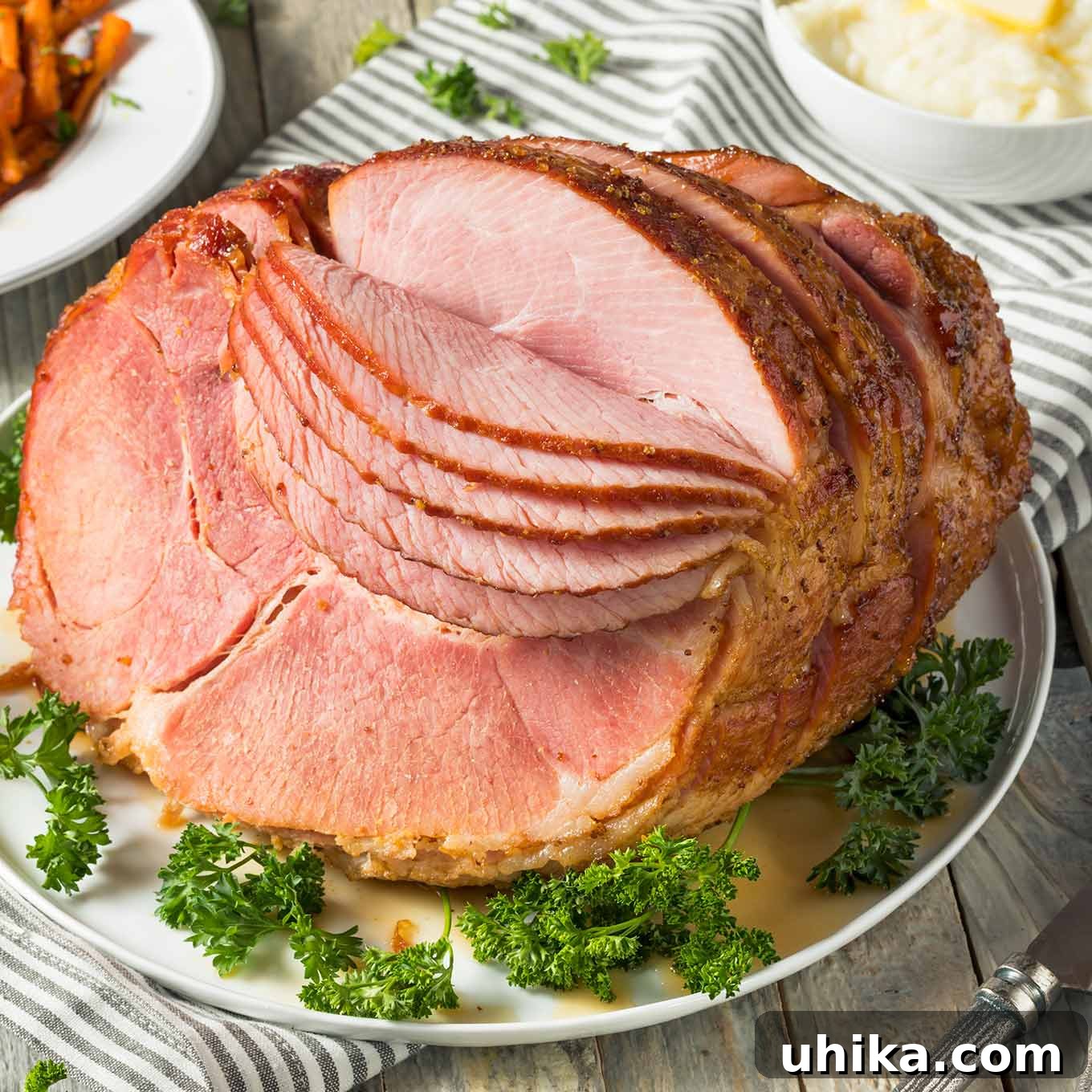
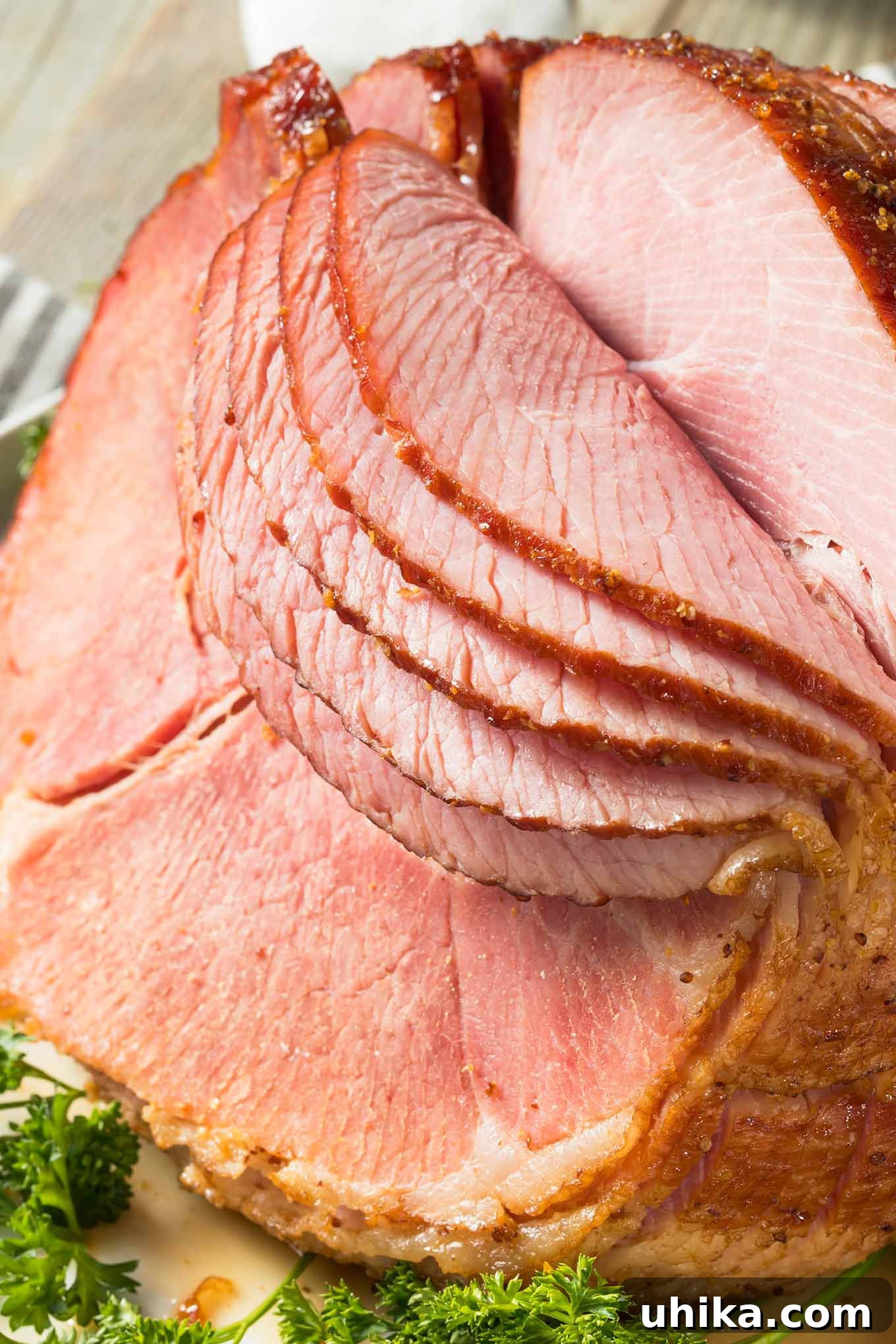
Mastering the Art of Baked Ham: Your Ultimate Guide to a Flavorful Feast
Creating a perfect baked ham doesn’t have to be a daunting task. In fact, a fully cooked ham is an excellent choice for any gathering, from casual family dinners to grand holiday feasts, offering a delightful centerpiece with minimal stress. Its inherent simplicity lies in its pre-cooked nature, meaning your primary goal is merely to rewarm it to a succulent, tender perfection. This removes any guesswork about doneness, freeing up your valuable time to concentrate on crafting exquisite side dishes and a truly memorable glaze that will elevate your ham from delicious to unforgettable.
This comprehensive guide will walk you through everything you need to know for preparing a moist, tender, and incredibly flavorful baked ham. We’ll start with a detailed shopping guide to help you confidently select the best cut and type of ham that suits your preferences and budget. Then, we’ll delve into expert cooking techniques, provide a range of delectable glaze recipes, and even offer creative ideas for utilizing any tantalizing leftovers. Prepare to impress your guests and savor every bite with our easy-to-follow instructions.
Demystifying Ham Labels: Your Essential Shopping Guide
Navigating the ham section at your local grocery store can sometimes feel overwhelming due to the array of labels and terms. Understanding these labels is key to making an informed choice that meets your culinary expectations. Ham labels provide crucial information on the type of cut, how it was processed, and its quality. Here’s a breakdown of the most common terms you’ll encounter and what they truly signify for your cooking experience.
Understanding Processing Terms:
- Fully Cooked: This label is perhaps the most common and the most reassuring. The vast majority of hams available in supermarkets today are fully cooked, regardless of whether they are cured or uncured, or the specific cut (butt, shank, spiral-sliced). This means the ham has been thoroughly cooked to a safe internal temperature by the producer and only requires reheating to 140°F (60°C) for serving. This significantly reduces preparation time and eliminates the stress of ensuring proper cooking, making it an ideal choice for busy hosts, especially during holidays when oven space and time are precious.
- Cured: Curing is a traditional preservation method that imparts ham with its signature flavor, texture, and rosy pink hue. This process typically involves injecting the meat with a brine solution containing salt, nitrates, nitrites, various seasonings, sugars, and preservatives. These additives work together to inhibit bacterial growth, extend shelf life, and develop the ham’s distinctive savory taste and firm texture that we all associate with classic ham. This method has been used for centuries to create delicious, long-lasting meat products.
- Uncured: While labeled “uncured,” these hams are still preserved, but they utilize a brine made from natural ingredients. Common natural curing agents include sea salt, celery powder (which contains naturally occurring nitrates), and beet juice, often combined with other natural seasonings. The naturally occurring nitrates in these ingredients provide a similar preserving effect to synthetic nitrates, offering a slightly milder flavor profile. For those seeking options with fewer synthetic additives, uncured hams present a wholesome and increasingly popular alternative, often found in specialty food stores.
- Smoked: After the curing process, many hams undergo a slow smoking period over wood chips (such as hickory, applewood, or pecan) for several days. This smoking not only infuses the ham with deep, aromatic flavors but also contributes to the cooking process, resulting in a richer, more complex taste profile. Smoked hams offer a distinct savory depth that can vary depending on the type of wood used, adding a layer of complexity that is highly sought after by many consumers.
- Organic or Natural: These labels typically indicate a commitment to specific farming practices. “Organic” ham comes from pigs raised without the use of antibiotics or added hormones, and often fed organic diets, adhering to strict certification standards. “Natural” usually means the product contains no artificial ingredients or preservatives and has been minimally processed. When you see these labels, it points to a product that aligns with preferences for ethically raised and less processed foods, appealing to health-conscious consumers.
Deciphering USDA Grades:
The U.S. Department of Agriculture (USDA) grades hams based on specific criteria, primarily the percentage of protein by weight and the amount of water added during the curing process. These grades can significantly influence the ham’s flavor intensity, texture, and overall value, making them important indicators for consumers. Knowing these distinctions can help you choose a ham that best suits your culinary needs and budget:
- Ham: This top-tier designation indicates a minimum of 20.5% protein content and no more than 2% added water. Hams labeled simply “Ham” offer the most concentrated flavor and firmest texture, representing a premium choice for connoisseurs who prioritize traditional ham flavor and quality. They tend to be the most expensive but deliver an unparalleled taste experience.
- Ham with natural juices: Slightly less concentrated in flavor than “Ham,” this category requires a minimum of 18.5% protein and allows for no more than 8% added water. These hams retain more natural moisture, resulting in a tender and juicy product that is still rich in flavor. They strike a good balance between moisture and intensity, making them a popular choice for many families.
- Ham, water added: These hams contain a minimum of 17% protein and no more than 10% added water. The additional water makes them particularly moist and often more budget-friendly, while still delivering a satisfying ham experience. They are great for those who prefer a juicier ham or are cooking for a crowd on a tighter budget.
- Ham and water product: This designation refers to products with less than 17% protein and more than 10% added water. While still a viable option, they tend to have a milder flavor and softer texture due to the higher water content. It’s important to note that these are often used for deli slices or processed ham products rather than whole baked hams, and are typically the most economical choice.
Selecting the Right Size: How Much Ham Do You Need?
Choosing the correct size ham is crucial to ensure you have enough for your guests while ideally leaving some delicious leftovers. The weight and size of hams can vary significantly based on the breed of pig, the specific cut, and the processing method. To help you plan for your next meal or special occasion, here’s a general guide to ham sizes:
- Whole Hams: These grand cuts typically weigh between 12 to 18 pounds, making them suitable for very large gatherings, holiday feasts, or when you desire a substantial amount of leftovers for future meals. They offer an impressive presentation but require considerable oven space.
- Half Hams (Butt or Shank): A more manageable option for many families, half hams range from 5 to 10 pounds. These are excellent for medium-sized dinners, allowing for both a generous main course and a few days of delightful leftovers.
- Spiral-Sliced Hams: Convenient and popular for their ease of serving, spiral-sliced hams usually fall between 7 to 10 pounds. Their pre-sliced nature makes serving effortless, as the meat is already cut around the bone.
- Boneless Hams: For ultimate ease of carving and minimal waste, boneless hams are available in a broad range from 2 to 8 pounds. These are perfect for smaller gatherings, quick family meals, or when you want maximum meat per pound without the hassle of a bone.
When calculating portions, always consider whether your ham includes a bone. The bone contributes to the overall weight but is not edible, so you’ll need a bit more raw weight per person for bone-in varieties:
- For a bone-in ham, a good rule of thumb is to plan on purchasing approximately 1/2 pound per guest. This generous allowance ensures ample portions for everyone at the table and usually leaves you with some coveted leftovers for sandwiches, soups, or other delightful creations throughout the week.
- For a boneless ham, which offers more usable meat per pound due to the absence of bones, plan on about 6 ounces per guest. This portion size is typically sufficient for a satisfying meal and should still provide enough for a second meal or future culinary adventures, making it a very efficient choice.
Always consider the occasion and the appetites of your guests. If you’re hosting a lavish holiday meal with many other rich dishes, guests might eat slightly less ham. If it’s the main attraction, err on the side of generosity to ensure everyone is well-fed and happy.
Exploring Cuts of Ham: Butt vs. Shank and Beyond
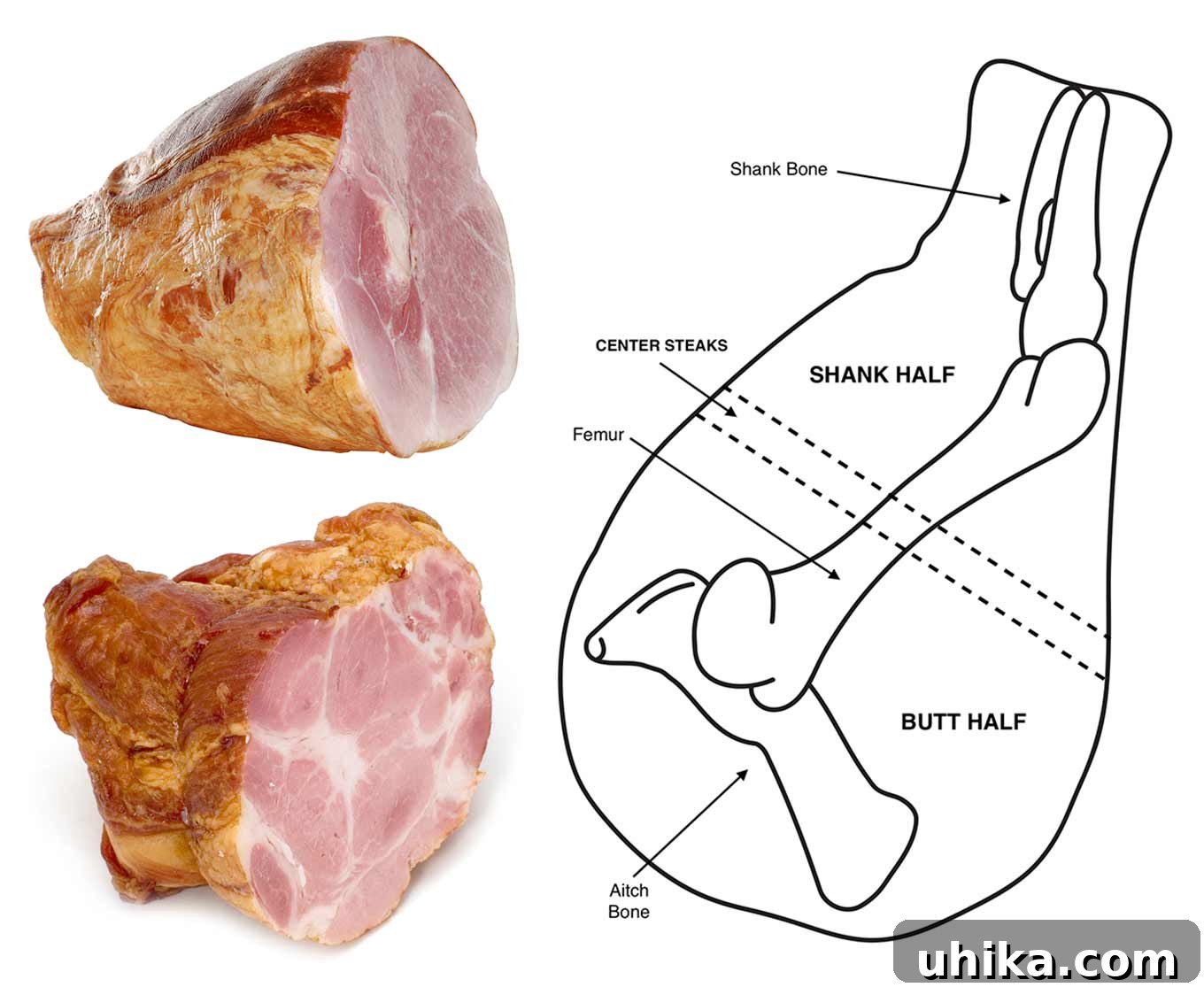
Understanding the different cuts of ham can significantly impact your cooking and carving experience. Each cut offers unique characteristics in terms of flavor, texture, and ease of preparation. Let’s explore the most common varieties to help you make the best choice for your table:
- Butt (Top) Half: This bone-in cut originates from the upper portion of a hog’s hind leg, closer to the pig’s hip. Renowned for its tenderness and rich, savory flavor, the butt half is often preferred by those who enjoy a succulent texture. It typically contains a more complex bone structure (including the aitch bone), which can sometimes make carving a bit more intricate, though it may sometimes be labeled “semi-boneless” if the “aitch” bone has been partially or fully removed, making the carving process considerably simpler. The butt half generally contains more meat than the shank and is an excellent choice for a flavorful, easy-to-manage roast that yields beautiful slices.
- Shank (Bottom) Half: The shank is a bone-in cut taken from the lower half of a hog’s hind leg, extending towards the ankle. It is easily identifiable by its distinct funnel-like shape and typically contains a single, straight bone. While this bone makes carving a bit more straightforward than a butt half, the meat itself is slightly tougher due to the muscle’s activity during the pig’s life. However, what it lacks in tenderness, it makes up for in robust and intensely flavorful profile, often favored for its savory depth. This cut is also excellent for making ham bone soup or stock after the meat has been enjoyed.
- Butt or Shank Portion: When you see either “butt” or “shank” followed by the term “portion,” it indicates that the central slices of the ham have been removed prior to packaging. These center slices are often sold separately as ham steaks, leaving a smaller, more compact piece of ham. These portions are ideal for smaller families or when you need ham for specific recipes where a full half is too much, offering convenience without committing to a larger roast.
- Spiral Sliced: A marvel of convenience and a popular choice for holiday meals, spiral-sliced hams are created using a special machine that expertly cuts the ham around the bone into thin, uniform slices, while leaving the femur bone intact to hold the ham’s shape. This innovative preparation means that after heating, the ham slices are ready to serve with virtually no additional carving required, making it an incredibly popular choice for holiday meals and large gatherings. The pre-cut channels also allow glazes to penetrate beautifully into the slices, ensuring flavor in every bite.
- Boneless: As the name clearly suggests, boneless hams have had all bones meticulously removed. The remaining meat is then firmly pressed into a uniform shape, which makes for incredibly easy carving and minimal waste, as there’s no bone to contend with. With many reputable brands of boneless ham, the salt used during the curing process aids in breaking down some meat proteins, allowing them to naturally rebind and fill any gaps left by the removed bones, resulting in a cohesive product. However, it’s worth noting that some brands might use ground ham and/or various binders to achieve this consistent shape. If you have concerns about additives or specific ingredients, it is always advisable to carefully read the product label before making your selection. Boneless hams are perfect for those prioritizing ease and efficiency.
How to Cook and Glaze a Ham – A Quick Overview
Rewarming a fully cooked ham is a straightforward process, but a few key steps will ensure it emerges from the oven moist, tender, and incredibly flavorful. These basic best practices are applicable whether you’re working with a bone-in, boneless, or spiral-sliced ham. For precise, step-by-step instructions and detailed measurements, be sure to consult the printable recipe card located further down the page.
PREP (Prepare for Success): Approximately one hour before you plan to cook, remove your ham from the refrigerator and allow it to come closer to room temperature. This crucial step helps ensure even heating throughout the ham and prevents it from drying out in the oven. While it rests, preheat your oven to the specified temperature (typically 325°F/160°C). Grab a sturdy roasting pan, pour about 3/4 inch of water into the bottom, and place a wire rack inside. The water creates a moist, steaming environment within the pan, which is essential for preventing the ham from becoming dry during reheating.
BAKE (Gentle Reheating): Carefully place your ham onto the roasting rack, ideally cut side down if it’s a half ham, as this helps retain juices. Cover the entire roasting pan tightly with heavy-duty aluminum foil, crimping the edges to create a good seal. This tight cover is essential for trapping steam and moisture, ensuring your ham remains juicy and tender. Bake for approximately 15 to 18 minutes per pound, or a little longer for larger hams (over 10 pounds), until the internal temperature reaches a safe and delicious 140°F (60°C). While your ham is gently rewarming, this is the perfect time to prepare your chosen glaze from our selection below, ensuring it’s ready for the final step.
GLAZE (The Grand Finish): Once the ham reaches its target internal temperature of 140°F (60°C), remove it from the oven and carefully uncover it. Increase the oven temperature significantly, usually to 400°F (200°C), to prepare for rapid caramelization. Liberally brush your chosen glaze all over the ham’s surface, ensuring good coverage, especially if it’s spiral-sliced, so the glaze can seep into the cuts. Return the glazed ham to the hotter oven for a final 10 to 15 minutes, or until the glaze has beautifully caramelized, developing a rich, sticky, and slightly browned crust. This high-heat finish adds an incredible depth of flavor and appealing texture. After glazing, remove the ham from the oven and let it rest for at least 15 minutes before carving. Resting allows the juices to redistribute throughout the meat, resulting in an even more tender and succulent ham, ensuring every slice is perfect.
Perfect Pairings: What to Serve with Baked Ham
Baked ham is a versatile main course that pairs wonderfully with a variety of side dishes, making it suitable for any season or occasion. The key to a balanced and satisfying meal lies in choosing accompaniments that complement its savory, often sweet, flavor profile without overpowering it. Here are some classic and delightful suggestions to create a memorable feast:
Traditional sides that beautifully complement ham often include hearty potato dishes. Scalloped potatoes, with their creamy layers, rich sauce, and tender slices, provide a comforting and indulgent counterpoint to the ham’s savory notes. Alternatively, smooth and fluffy mashed potatoes are always a crowd-pleaser, perfect for soaking up any delicious ham juices or glaze, and offering a blank canvas for butter and herbs. For a touch of green and freshness, especially during spring holidays or warmer months, roasted asparagus with lemon butter offers a crisp, vibrant, and slightly acidic element that beautifully cuts through the richness of the ham and brightens the entire plate. And to complete a festive spring meal, a classic carrot cake with cream cheese frosting provides a sweet, spiced finish that’s universally loved.
When serving ham during the cooler winter holidays, consider embracing richer, more warming side dishes that evoke comfort and festivity. Roasted pearl onions with thyme offer a delicate sweetness and earthy aroma that beautifully caramelizes, adding a sophisticated side. Tangy and colorful braised red cabbage provides a lovely contrast in flavor and texture, with its sweet and sour notes that pair exquisitely with ham. For a timeless green vegetable, simply prepared green beans with toasted walnuts and shallots add a sophisticated touch and a satisfying crunch, making even a simple vegetable feel special.
To enhance your dining experience, consider thoughtful beverage pairings. For wine lovers, a dry rosé is an exceptionally versatile and refreshing choice that beautifully cuts through the richness of the ham, offering a crisp palate cleanser. Pinot Noir, with its light fruitiness and earthy notes, also pairs nicely, as do crisp, dry Rieslings, which often have a subtle sweetness that harmonizes with glazed ham. If you prefer beer, opt for something light and refreshing, like a classic lager or a pilsner, which won’t overpower the ham’s distinct flavor but rather complement it with effervescence.
Six Irresistible and Easy Glazes for Your Baked Ham
A delicious glaze is the crowning glory of a perfectly baked ham, adding a layer of sweetness, tang, and beautiful caramelization that makes it truly special. These six simple glaze recipes are not only fantastic on ham but can also elevate oven-baked chicken, pork chops, or pork roasts, offering incredible versatility. Each recipe yields approximately 1-1/4 cups of glaze and can be prepared in less than 15 minutes, making them incredibly convenient for busy cooks. Remember that glazes naturally thicken as they cool, so avoid over-reducing them over heat to ensure they remain brushable and spreadable for easy application.
BROWN SUGAR-HONEY GLAZE
This classic glaze offers a comforting balance of deep sweetness from brown sugar and honey with a subtle tang from apple cider vinegar, creating a beautifully caramelized crust. To prepare, melt 2 tablespoons of butter in a small saucepan over medium heat. Add 1 clove of minced garlic and cook gently until fragrant and just barely golden, being careful not to let it brown, which can make it bitter. Stir in 1 cup light brown sugar, 1/2 cup honey, 3 tablespoons apple cider vinegar, and 1 tablespoon Dijon mustard. Continue to cook over medium-low heat, stirring frequently, until the brown sugar has completely dissolved and the glaze is smooth and syrupy. This glaze adds a wonderful depth, richness, and shine to your ham.
CIDER BOURBON GLAZE
For a sophisticated twist, this cider bourbon glaze combines fruity apple notes with a hint of warmth and complexity from the bourbon. In a small saucepan, combine 1 cup apple cider, 1-3/4 cups light brown sugar, 3 tablespoons bourbon, and 1 teaspoon dry mustard. Place over medium heat and bring the mixture to a rapid simmer, stirring continuously until the brown sugar has fully dissolved. Reduce the heat to low and allow it to simmer gently for 5 to 7 minutes, or until the glaze thickens to a rich, syrupy consistency. The bourbon flavor mellows beautifully during cooking, leaving a wonderful aroma and subtly boozy taste that enhances the ham without overpowering it.
PINEAPPLE GINGER GLAZE
A bright and zesty glaze that provides an irresistible tropical flair, perfect for a festive ham, especially popular for Easter. To make it, combine 1 cup pineapple juice, 1-3/4 cups brown sugar, 2 teaspoons freshly grated ginger, and 1 tablespoon Dijon mustard in a small saucepan. Bring the mixture to a rapid simmer over medium heat, stirring until the brown sugar has completely dissolved. Reduce the heat and gently simmer until the glaze becomes beautifully syrupy. The fresh ginger adds a delightful warmth and aromatic spice that perfectly complements the sweet and tangy pineapple, creating a lively flavor profile.
TANGY APRICOT GLAZE
This vibrant and fruity glaze offers a wonderful balance of sweet and tangy, with a lovely citrus undertone, making for a very bright and appealing ham. In a small saucepan over medium heat, combine 1 cup apricot preserves, 1/3 cup orange juice, 3/4 cup brown sugar, 1 tablespoon lemon juice, and 1 teaspoon fresh lemon zest. Cook the mixture, stirring frequently, until the brown sugar fully dissolves and the preserves are well incorporated. Reduce the heat to low and continue to cook for 6 to 8 minutes, allowing the glaze to thicken to a rich, syrupy consistency. It provides a beautiful sheen and delightful, sunny flavor that is often a crowd-pleaser.
CHERRY PORT GLAZE
Indulge in the rich, deep flavors of this elegant cherry port glaze, which offers a sophisticated sweetness with a hint of berry and wine, perfect for a more refined meal. Combine 1 cup cherry preserves, 1/3 cup ruby port, 3/4 cup brown sugar, and 1/2 teaspoon vanilla extract in a small saucepan over medium heat. Stir continuously until the brown sugar dissolves and the ingredients are well blended. Reduce the heat to low and simmer gently for 6 to 8 minutes, or until the glaze reaches a thick, syrupy texture. This glaze creates a gorgeous, dark, and intensely flavorful crust on your ham, with notes of dark fruit and subtle warmth.
SAVORY CRUMB CRUST
While not a liquid glaze in the traditional sense, this unique coating bakes to form a delightfully crunchy, sweet-and-savory crust that adds incredible texture and flavor to the exterior of your ham. To create this distinctive crust, stir together 3 beaten egg yolks, 2/3 cup unseasoned dry breadcrumbs, 1/3 cup whole grain mustard, 1/2 cup brown sugar, 2 teaspoons apple cider vinegar, and 1/2 teaspoon ground ginger in a bowl until well combined. The mixture should be thick and spreadable. Apply this crumb mixture generously to the ham as you would a liquid glaze, following the same instructions for the final glazing step. Return the ham to a 400°F (200°C) oven for about 20 minutes, or until the crumb crust is beautifully golden brown and crispy. This provides a fantastic textural contrast to the tender ham, adding a rustic yet refined finish.
Creative Cuisine: What to Do With Leftover Ham
One of the best parts of serving a delicious baked ham is the promise of flavorful leftovers! Ham is incredibly versatile and can be transformed into a variety of exciting dishes, ensuring no delicious morsel goes to waste. Proper storage is key to enjoying your leftovers safely and for longer. Wrap any remaining ham tightly in aluminum foil and store it in the refrigerator for up to three days. For optimal reheating and ease of use in other recipes, we recommend slicing or dicing it first before refrigerating. To freeze leftover ham, place foil-wrapped slices or diced portions into a high-quality zip-top freezer bag, removing as much air as possible, and it will keep beautifully for up to three months, ready to be thawed and enjoyed later.
Beyond simple sandwiches, diced ham can be a star ingredient in many recipes, adding a smoky, savory depth to everyday meals. One of our all-time favorite ways to use leftover ham is to dice it into small batches and freeze it, ready to be added to comforting dishes like Classic Split Pea Soup, where its smoky flavor truly shines. Here are a few other inspiring ideas for incorporating diced ham into your meals:
- FRIED RICE: Transform last night’s plain rice into a vibrant and satisfying meal. Quickly stir-fry leftover cooked rice with diced ham, a scrambled egg, frozen peas, finely chopped onion, minced garlic, and a touch of freshly grated ginger. Season generously with soy sauce, a drizzle of hoisin for sweetness, and a dash of sriracha for a gentle kick. This is a perfect weeknight dinner that comes together quickly.
- MAC AND CHEESE: Elevate a classic comfort food by stirring some savory diced ham into your macaroni and cheese casserole before baking. The ham adds a wonderful boost of protein and infuses the dish with a subtle smoky flavor that perfectly complements the creamy cheese sauce. It’s a fantastic way to make mac and cheese a more substantial and flavorful main course.
- HEARTY SALAD: Turn a simple green salad into a complete and satisfying dinner by adding diced ham and a sliced hard-boiled egg. Combine with mixed greens, cherry tomatoes, cucumber, your favorite cheese (like Swiss or Cheddar), and a light vinaigrette for a fresh and protein-packed meal that’s both delicious and easy, especially for lunch.
- BRUNCH EGGS: Start your day with a delightful breakfast or brunch by gently folding warmed diced ham into fluffy scrambled eggs for extra flavor and substance. Or, for a more gourmet touch, create a savory omelet, generously filling it with diced ham and a sprinkling of shredded Cheddar or Gruyère cheese. The ham adds a fantastic salty depth to any egg dish.
- QUICHES AND FRITTATAS: Diced ham is an ideal addition to quiches and frittatas. Combine it with cheese, vegetables like spinach, mushrooms, or bell peppers, and a custardy egg base for a versatile dish that’s great for breakfast, lunch, or a light dinner. It’s also excellent for meal prepping.
- HAM AND BEAN SOUP: Beyond split pea, use the ham bone (if you have one) and diced ham to create a rustic and flavorful ham and bean soup. This is a hearty, budget-friendly meal that’s perfect for chilly days, offering deep flavors and comforting warmth.

Easy Oven Baked Glazed Ham: A Holiday Centerpiece
Lynne Webb
10 minutes
2 hours
15 minutes
2 hours
25 minutes
12
servings
Save Recipe
Saved Recipe
Pin Recipe
Rate Recipe
Print Recipe
Equipment
-
Roasting pan with rack
-
Heavy-duty aluminum foil
-
Instant-read thermometer
Ingredients
-
5 to 8
lb
bone-in, spiral-sliced, or boneless ham -
Water
(for roasting pan) -
1
cup
ham glaze
(see above for options)
Instructions
-
Remove your fully cooked ham from the refrigerator approximately one hour before you plan to cook it. This allows the ham to come closer to room temperature, promoting more even heating throughout the meat.
-
Preheat your oven to 325°F (160°C). This moderate temperature ensures the ham reheats gently without drying out.
-
Pour about 3/4 inch of water into the bottom of a sturdy roasting pan. This water will create steam, ensuring your ham stays incredibly moist and succulent during the reheating process.
-
Position a wire rack inside the roasting pan and carefully place the ham onto the rack, ideally with the cut side facing down (if applicable). Cover the entire pan completely and tightly with heavy-duty aluminum foil, sealing the edges firmly to trap all the moisture within.
-
Bake the ham for approximately 15 to 18 minutes per pound, or until its internal temperature reaches 140°F (60°C) when measured with an instant-read thermometer inserted into the thickest part of the meat, avoiding the bone. Note: This time per pound is generally accurate for hams up to 10 pounds. Larger hams (over 10 pounds) may require a slightly longer cooking time, so always rely on the thermometer reading.
-
While the ham is gently reheating in the oven, take this opportunity to prepare your chosen glaze. Refer to the “Six Irresistible and Easy Glazes for Your Baked Ham” section above for a variety of delicious options, ensuring it’s ready for the final step.
-
Once the ham’s internal temperature registers 140°F (60°C), carefully remove it from the oven. Increase your oven temperature to a higher heat, typically 400°F (200°C), to prepare for the glazing and caramelization process.
-
Uncover the ham and generously brush it with your prepared glaze. Ensure thorough coverage over the entire surface. Return the glazed ham to the hotter oven for a final 10 to 15 minutes, or until the glaze is beautifully caramelized, slightly bubbly, and forms a glistening, sticky crust. Keep a close eye on it to prevent burning.
-
Remove the ham from the oven and allow it to rest, uncovered, for at least 15 minutes before carving. This crucial resting period permits the juices to redistribute evenly throughout the meat, ensuring a tender, succulent, and flavor-packed result with every single slice.
Notes
Brown Sugar-Honey Glaze
Melt 2 tablespoons of butter in a small saucepan over medium heat. Add 1 clove of minced garlic and cook gently until fragrant and barely golden, being careful not to brown. Stir in 1 cup brown sugar, 1/2 cup honey, 3 tablespoons apple cider vinegar, and 1 tablespoon Dijon mustard. Cook over medium-low heat, stirring frequently, until the brown sugar dissolves and the glaze becomes smooth and syrupy.
Cider-Bourbon Glaze
Combine 1 cup apple cider, 1-3/4 cups light brown sugar, 3 tablespoons bourbon, and 1 teaspoon dry mustard in a small saucepan over medium heat. Bring to a rapid simmer, stirring until the brown sugar dissolves. Reduce heat and simmer gently for 5 to 7 minutes until syrupy.
Pineapple-Ginger Glaze
Combine 1 cup pineapple juice, 1-3/4 cups brown sugar, 2 teaspoons grated fresh ginger, and 1 tablespoon Dijon mustard in a small saucepan. Bring to a rapid simmer and stir until the brown sugar dissolves. Reduce heat and simmer gently until syrupy.
Tangy Apricot Glaze
In a small saucepan over medium heat, combine 1 cup apricot preserves, 1/3 cup orange juice, 3/4 cup brown sugar, 1 tablespoon lemon juice, and 1 teaspoon fresh lemon zest. Cook, stirring frequently, until the brown sugar dissolves. Reduce heat to low and cook for 6 to 8 minutes until thick and syrupy.
Cherry-Port Glaze
Combine 1 cup cherry preserves, 1/3 cup ruby port, 3/4 cup brown sugar, and 1/2 teaspoon vanilla extract in a small saucepan over medium heat. Cook, stirring frequently, until the brown sugar dissolves. Reduce heat to low and cook for 6 to 8 minutes until thick and syrupy.
Important Note: The nutrition information provided below is for a 4-ounce portion of plain ham only. It does not account for any additional calories, sugars, or other nutrients contributed by the glaze you choose, which can vary significantly depending on the ingredients used.
Nutrition
Serving:
4
ounces
,
Calories:
169
,
Total Fat:
9
g
,
Cholesterol:
83
mg
,
Sodium:
658
mg
,
Protein:
21
g
Nutrition information is automatically calculated, so should only be used as an approximation.
Enjoyed this recipe? Share your thoughts and rate it below!