
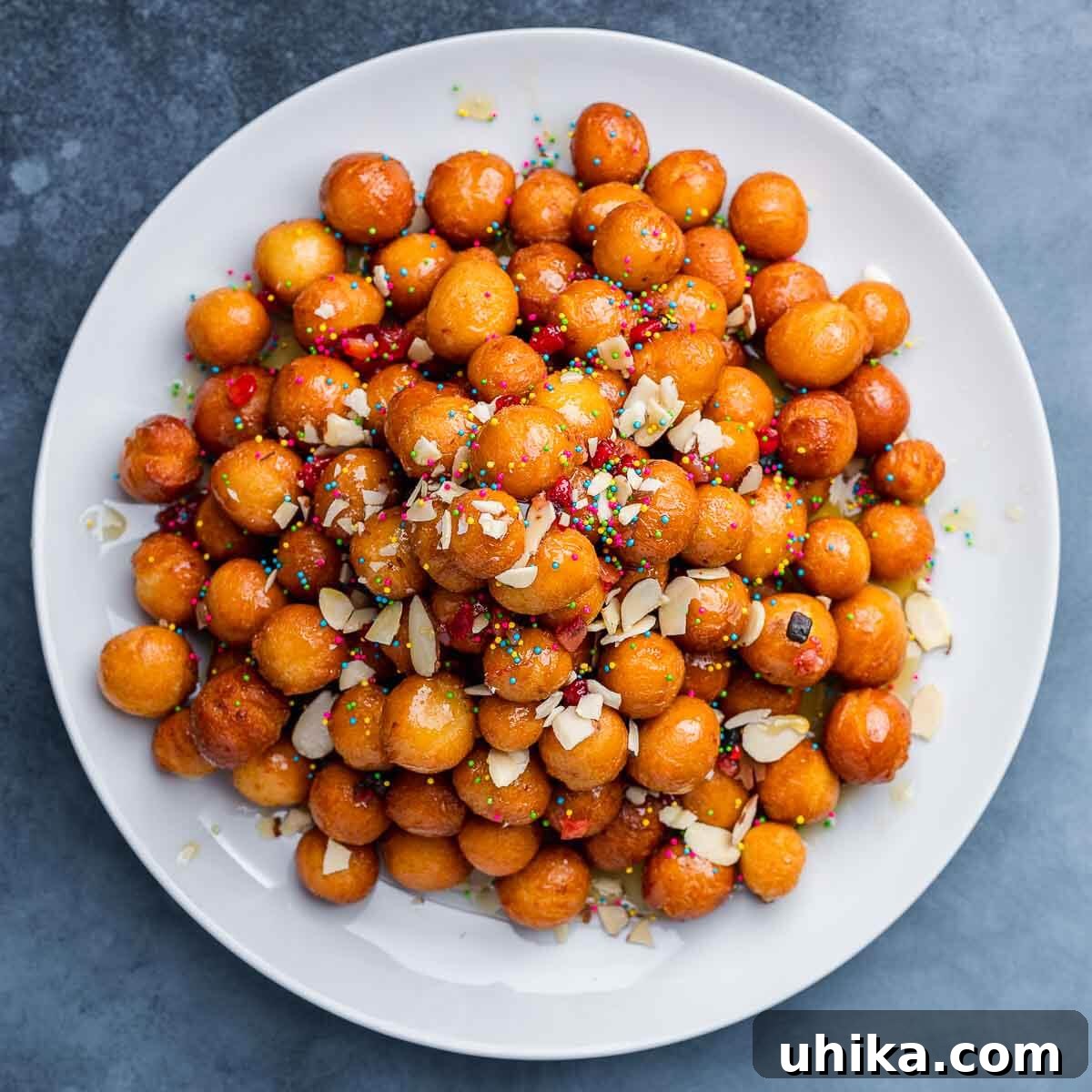
Struffoli: A Timeless Neapolitan Tradition of Sweet Honey Balls
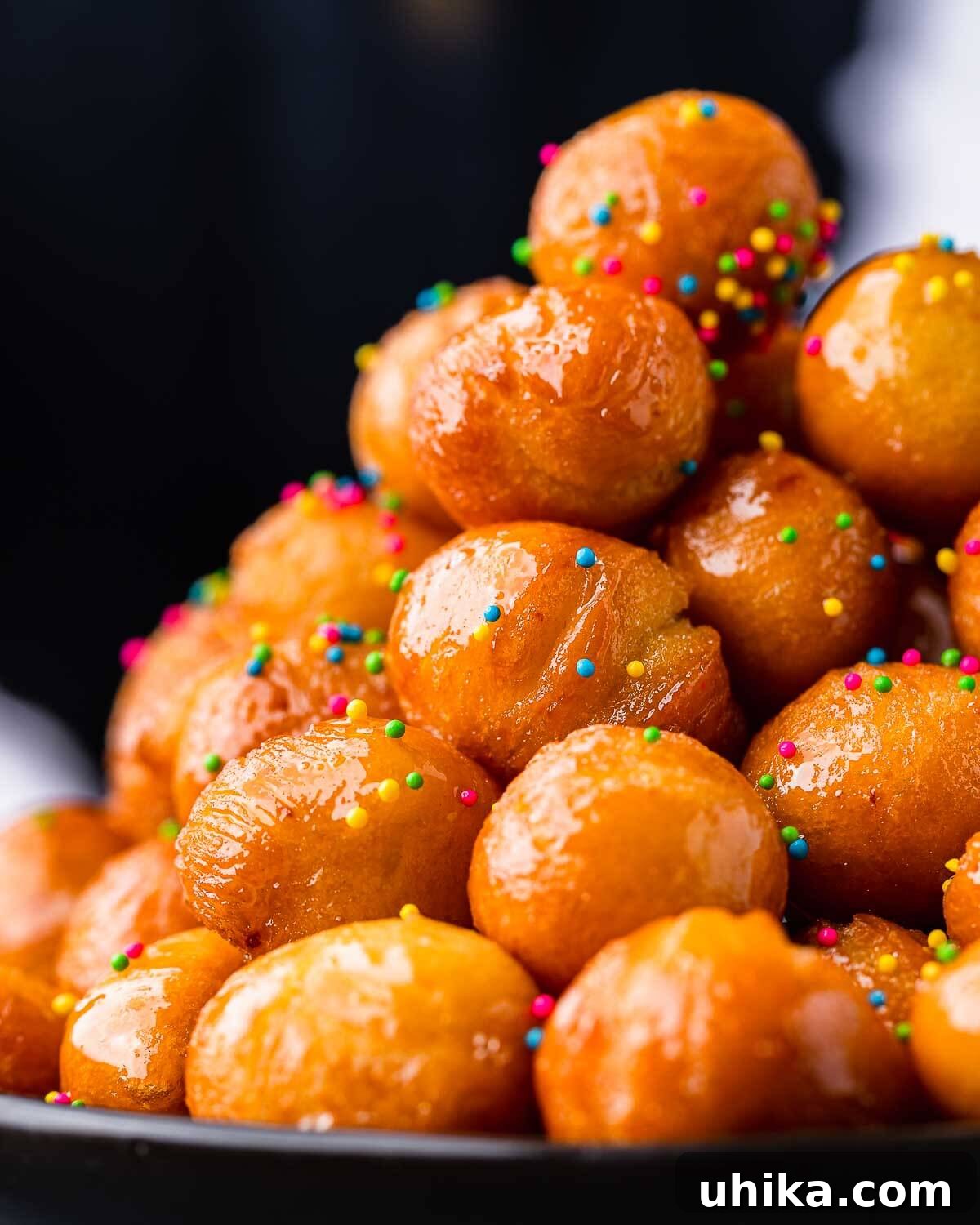
Struffoli, often affectionately known as Italian honey balls or cicerchiata in some regions, are a delightful Neapolitan dessert that captures the heart and palate. These tiny spheres of delicate dough are deep-fried until perfectly golden, then generously coated in warm, fragrant honey, and finally adorned with a vibrant medley of nonpareil sprinkles, colorful candied fruit, and often slivered almonds. While they truly shine as a beloved centerpiece during cherished holiday seasons like Christmas and Easter, struffoli are such an irresistible indulgence that they make a welcome treat at any time of the year.
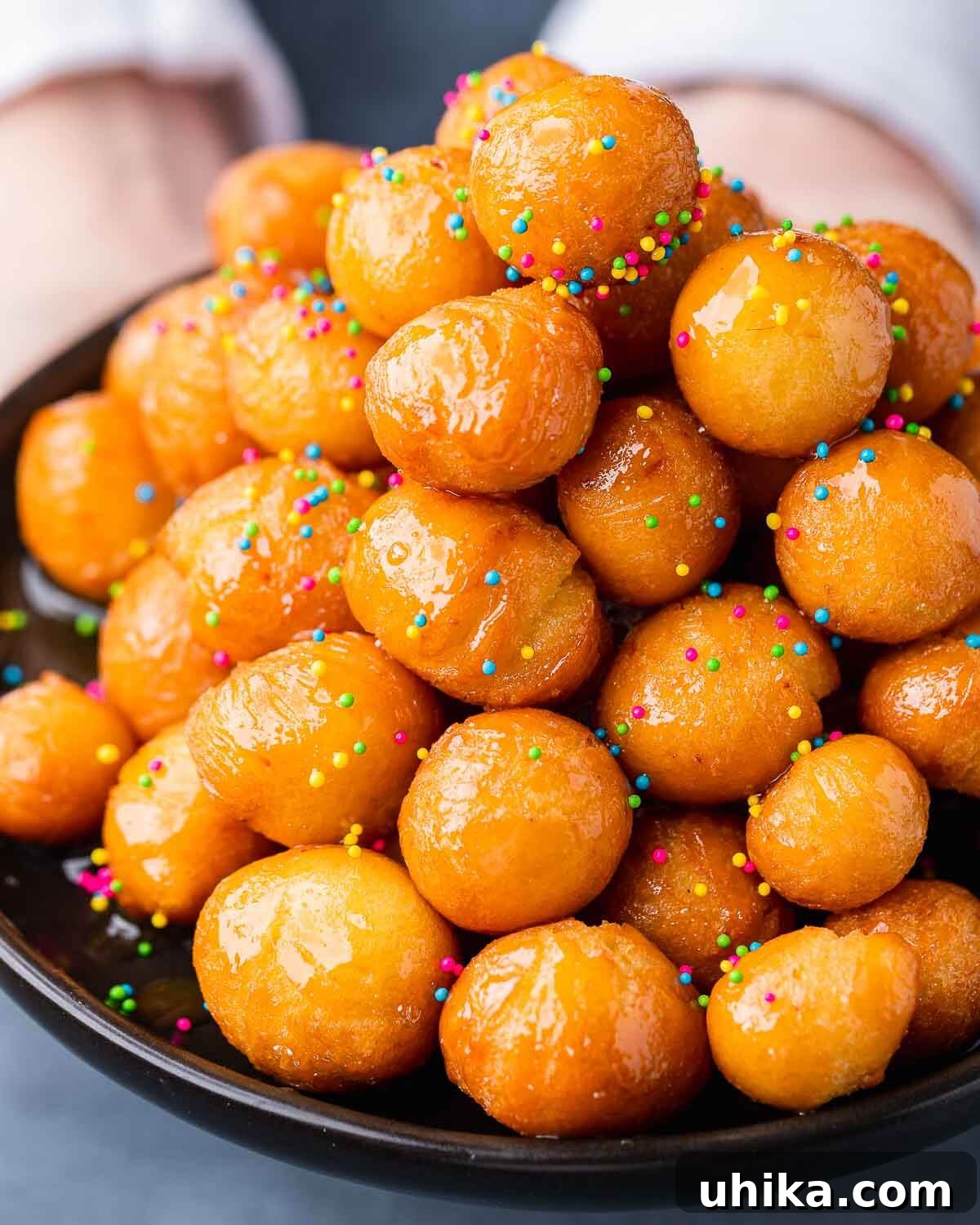
For many, struffoli represent more than just a dessert; they are a symbol of celebration, family gatherings, and the rich culinary heritage of Southern Italy. Piled high on elegant platters, these glistening honey balls are a traditional staple, often served alongside other iconic holiday sweets. Imagine a festive Easter table graced with Pastiera Napoletana and delicate cream puffs, or a cozy Christmas Eve featuring cuccidati alongside a mountain of struffoli. Their presence instantly elevates any festive occasion.
The Irresistible Charm of Struffoli: Flavor and Texture
What truly sets struffoli apart is their exquisite balance of flavors and textures. Each miniature ball bursts with a wonderful citrus essence, thanks to the infusion of lemon and orange zest in the dough. Despite being thoroughly drenched in a luscious orange juice and honey glaze, these delightful treats are surprisingly not overly sweet. The honey provides a natural, aromatic sweetness that beautifully complements the subtle tang of citrus and the crispiness of the fried dough. The contrast between the slightly crunchy exterior and the soft, tender interior is utterly captivating, making each bite a miniature explosion of joy.
While distinctive, struffoli share a kinship with other cherished Mediterranean desserts. They bear a resemblance to the Sicilian pignolata, which features similar honey-coated dough balls often studded with pine nuts, and the Greek loukoumades, slightly larger fried dough balls also bathed in sweet syrup. Regardless of regional variations or different names, the core concept remains the same: small, fried dough morsels transformed into an unforgettable dessert with the magic of honey. No matter what you call them, their deliciousness is universally acknowledged.
Crafting Homemade Struffoli: A Step-by-Step Guide
Making struffoli from scratch is a rewarding experience that fills your kitchen with the enticing aromas of citrus and honey. This detailed guide will walk you through each stage, ensuring your homemade Neapolitan honey balls are nothing short of spectacular.
First, Prepare the Dough
Creating the perfect dough is the foundation of exceptional struffoli. Follow these steps carefully to achieve the ideal texture for frying.
- Begin by whisking 6 large eggs in a medium-sized bowl and set them aside. In a separate saucepan, melt 10 tablespoons of butter and allow it to cool slightly.
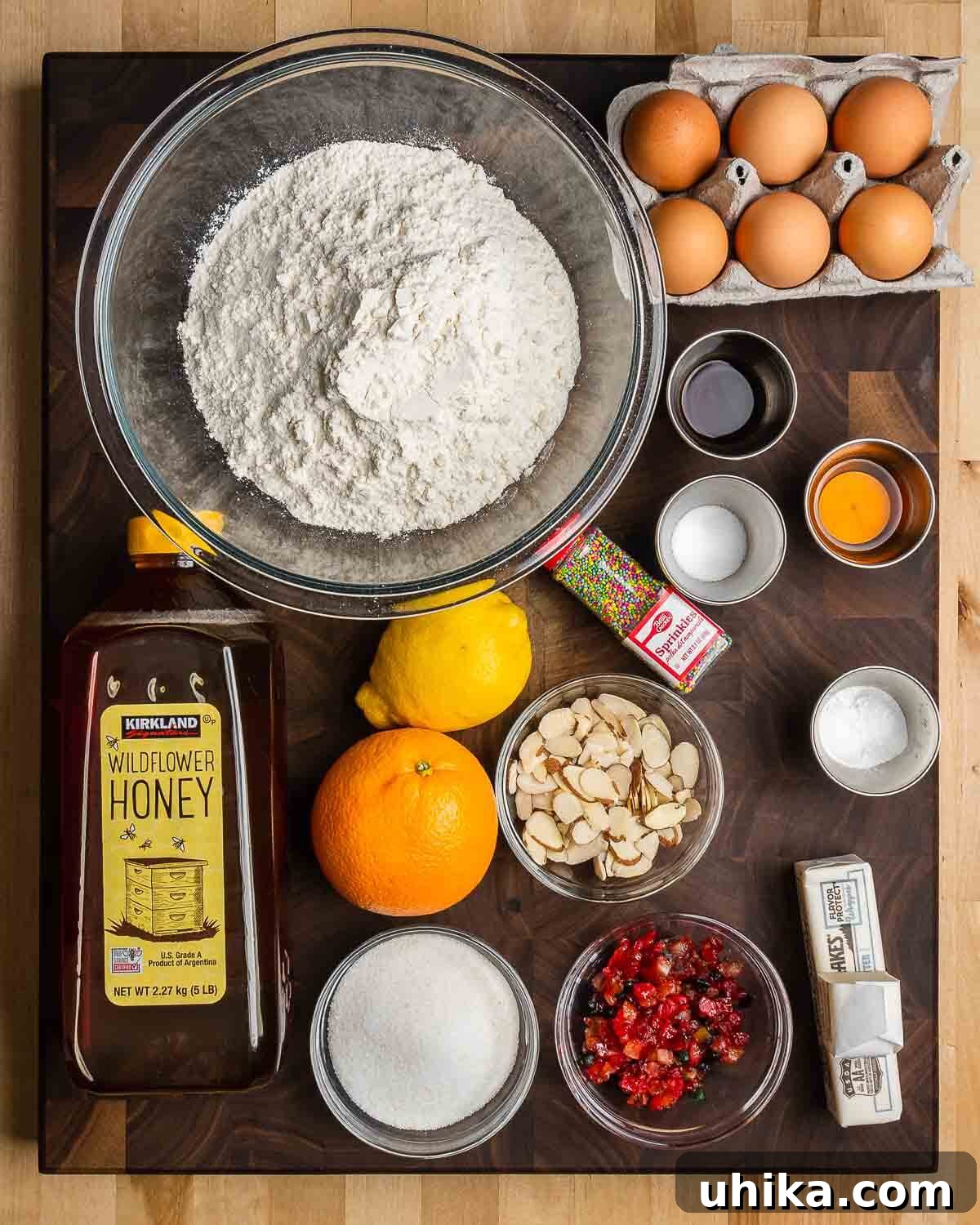
- Into the bowl of a stand mixer, fitted with a paddle attachment, add 4 cups (500g) of all-purpose flour, 1/2 teaspoon of salt, 2 teaspoons of baking powder, 1/2 cup (120g) of granulated sugar, 1 tablespoon of fresh lemon zest, and 1 tablespoon of fresh orange zest. Mix these dry ingredients on low speed until they are just combined. The citrus zests are crucial here, providing that signature bright flavor.
- Gradually add the beaten eggs, the melted butter, 1 tablespoon of vanilla extract, and 2 tablespoons of orange liqueur (such as Grand Marnier or Cointreau) to the flour mixture. Continue to mix on low speed for about 60 to 120 seconds, or until all ingredients are thoroughly incorporated and a shaggy dough begins to form.
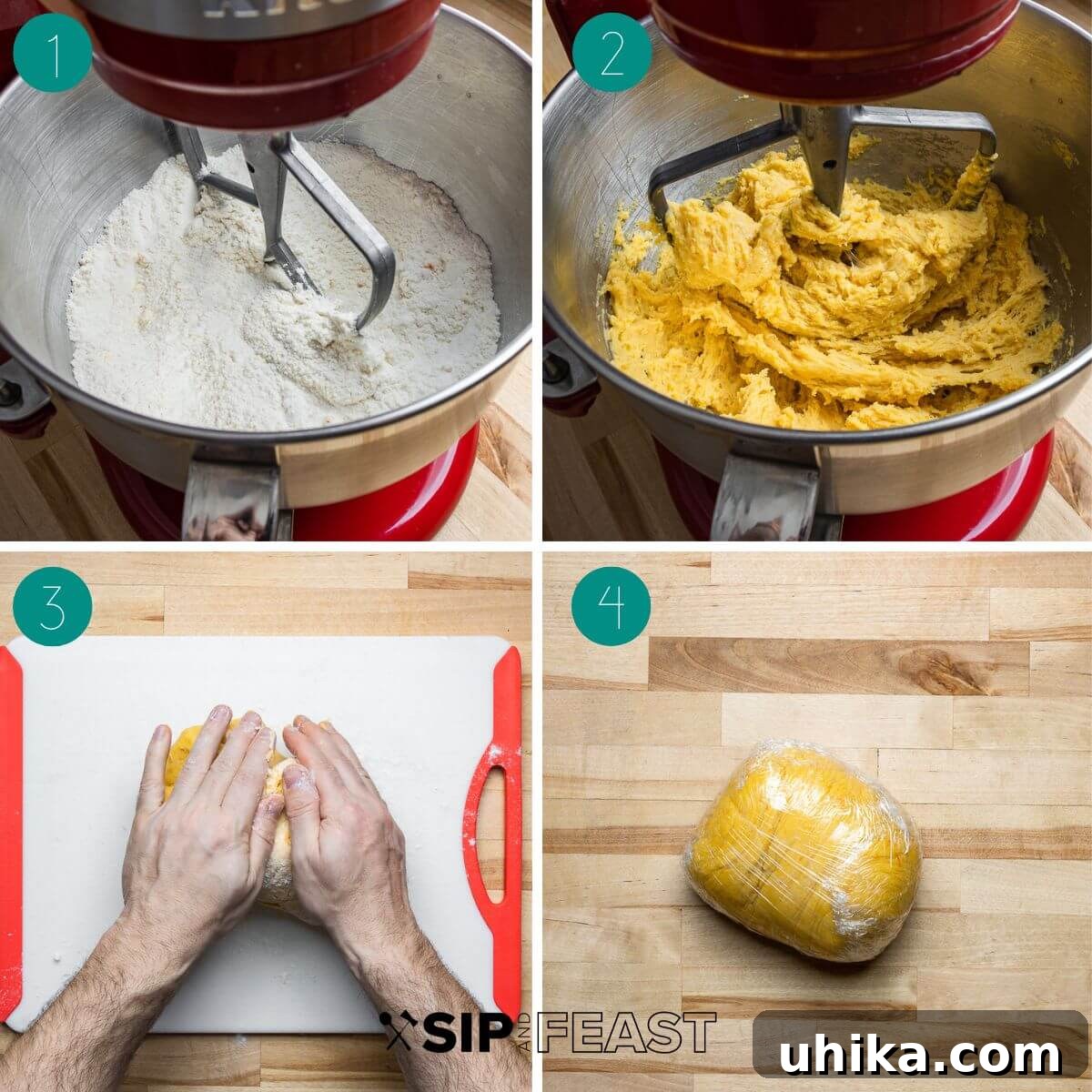
- Carefully remove the dough from the mixer bowl and transfer it to a lightly floured work surface. Knead the dough for just a few seconds until it comes together into a cohesive, rough ball. Avoid over-kneading, as this can make the struffoli tough.
- Wrap the dough tightly with plastic wrap and let it rest at room temperature for at least 30 minutes. This resting period is essential, allowing the gluten to relax, making the dough easier to work with and resulting in a more tender fried product.
Next, Fry Them Up to Golden Perfection
The frying process transforms the delicate dough into crispy, golden honey balls. Precision in this step ensures the best results.
- After the dough has rested for 30 minutes, unwrap it and divide the large dough ball into 4 equal sections. Then, cut each of these sections in half, yielding a total of 8 manageable dough portions.
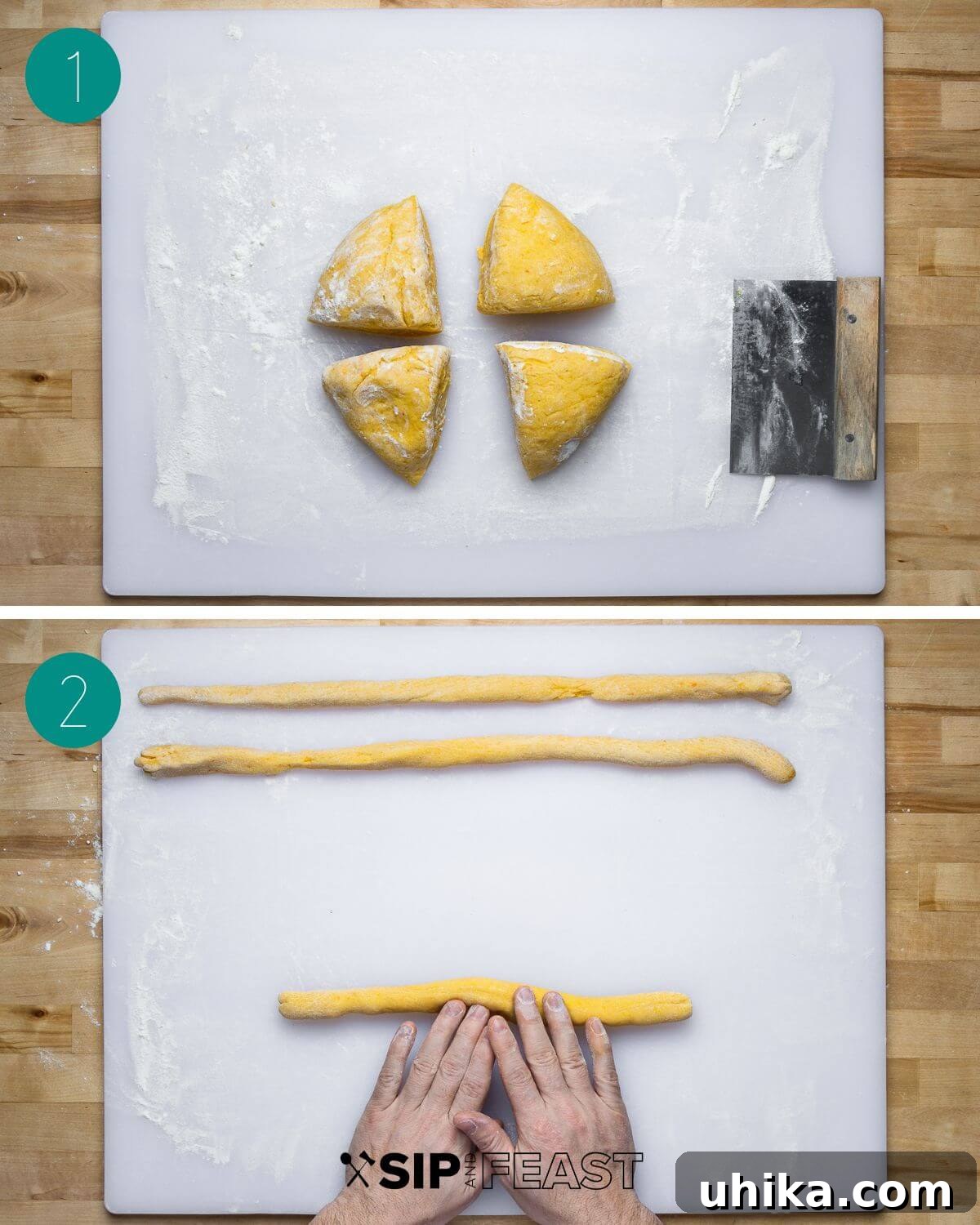
- Take one section of dough and roll it into a long, thin rope, approximately 1/2-inch thick. You may use a minimal amount of flour on your work surface, but try to keep the dough slightly tacky. This tackiness helps in rolling the smaller pieces later and ensures they absorb the honey glaze effectively.
- Repeat this rolling process for all 8 sections of dough. Working systematically will ensure a uniform batch of struffoli.
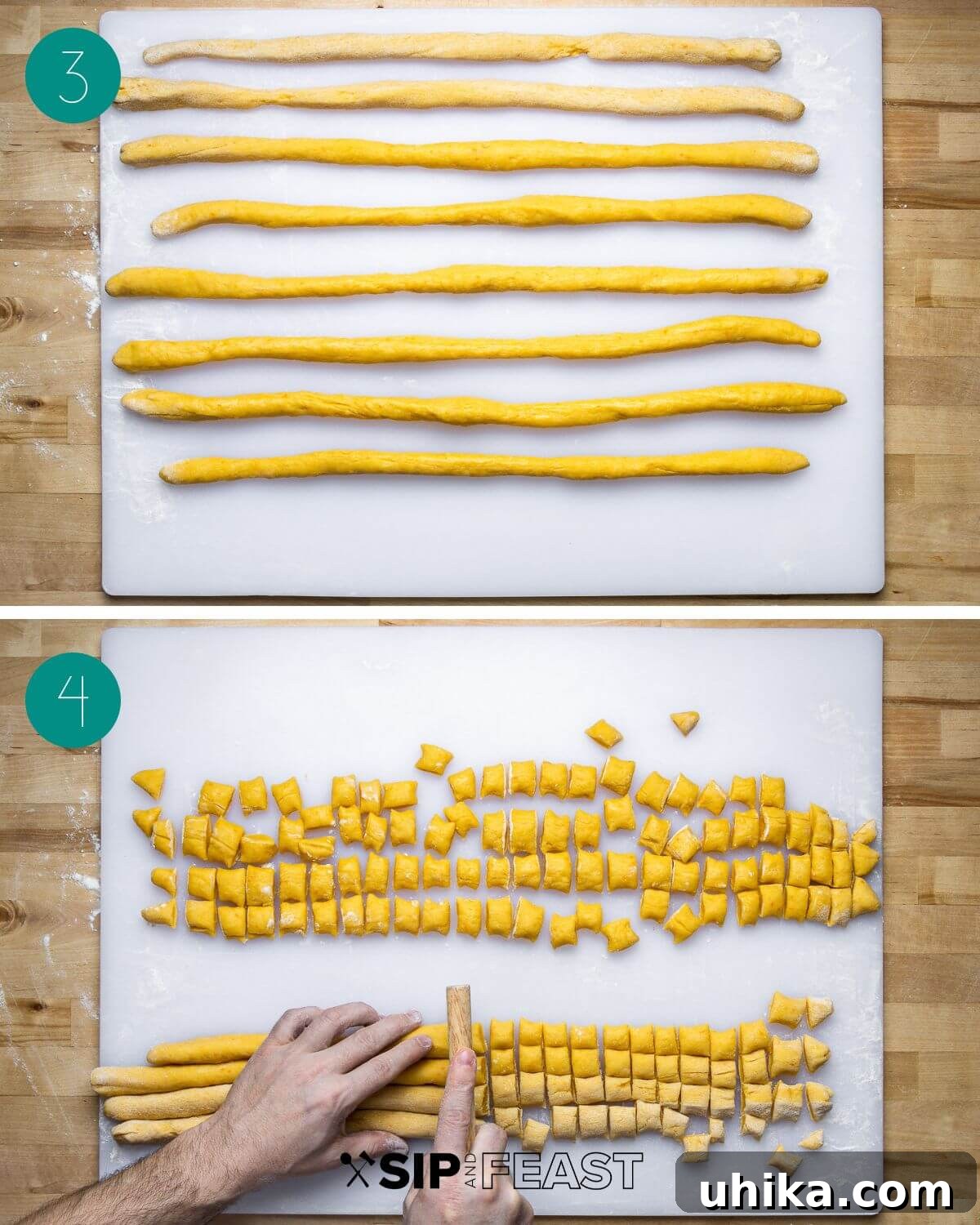
- Using a pastry cutter or a thin, sharp knife, cut the dough ropes into small 1/2-inch squares. To save time, you can align several ropes next to each other and cut them all at once, as depicted in culinary guides.
- Now, for the classic struffoli shape: gently roll each small square between your palms to form a tiny ball. Place these un-fried dough balls on parchment paper-lined baking sheets to prevent sticking. Note: If time is of the essence, or you prefer a more rustic look, you can absolutely skip the rolling step and fry the dough as small squares. They will be equally delicious!
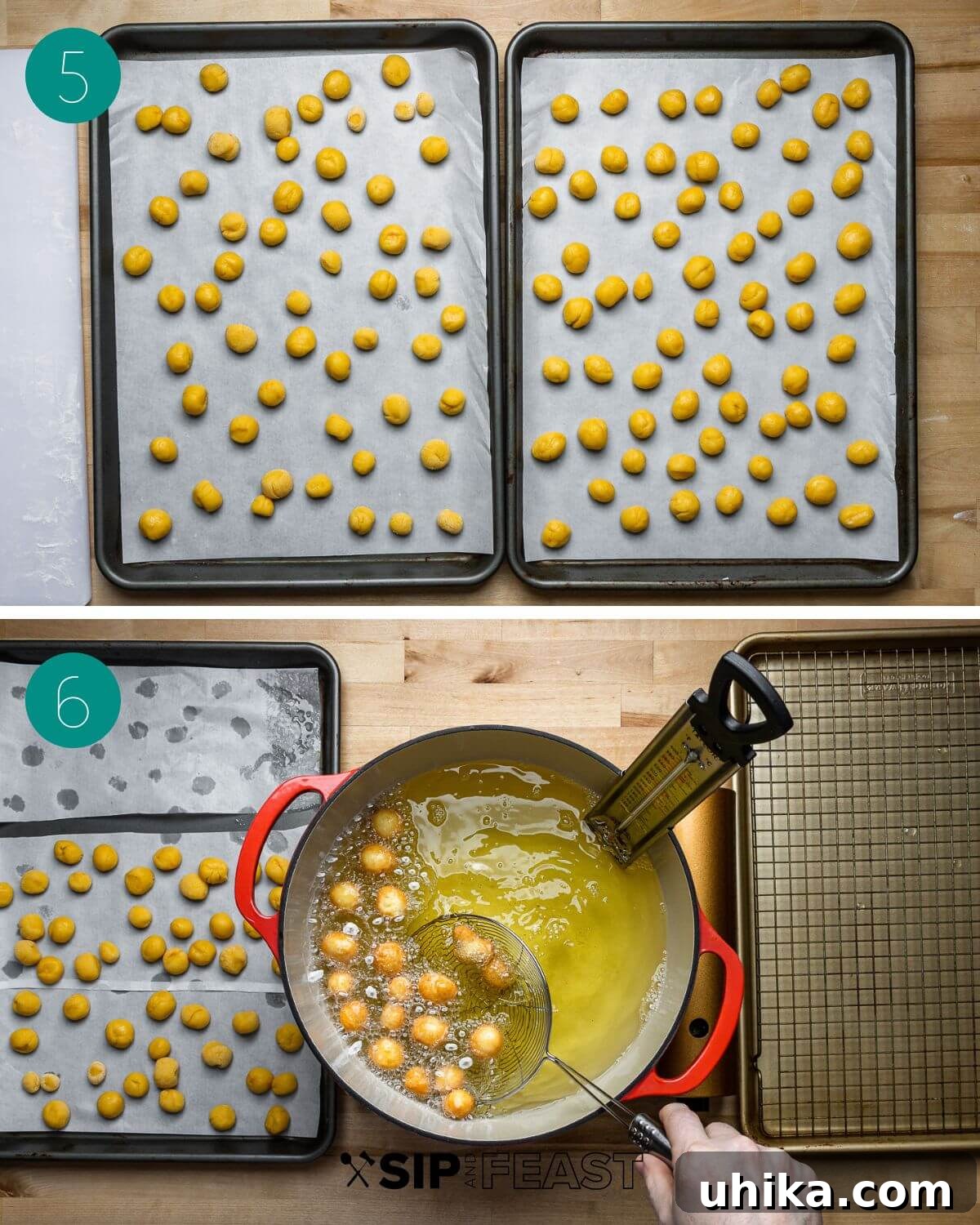
- Prepare for frying: Pour approximately 7 cups of vegetable oil into a large, heavy-bottomed pot, ensuring the oil fills the pot to about 3 inches high. Heat the oil over medium-high heat until it reaches a temperature of 360°F (180°C). Using a candy or oil thermometer is highly recommended for accuracy. Once the oil is hot, carefully drop about 15-20 dough balls into the pot at a time. Fry them until they turn a beautiful golden brown, which typically takes only about 45-60 seconds per batch. Be diligent not to overcrowd the pot, as this can lower the oil temperature and result in greasy, unevenly cooked struffoli.
- Once golden, use a slotted spoon or spider to remove the struffoli from the hot oil. Transfer them to a paper towel-lined baking sheet or a wire rack set over paper towels to drain any excess oil. This step is crucial for achieving that desirable light and crisp texture.
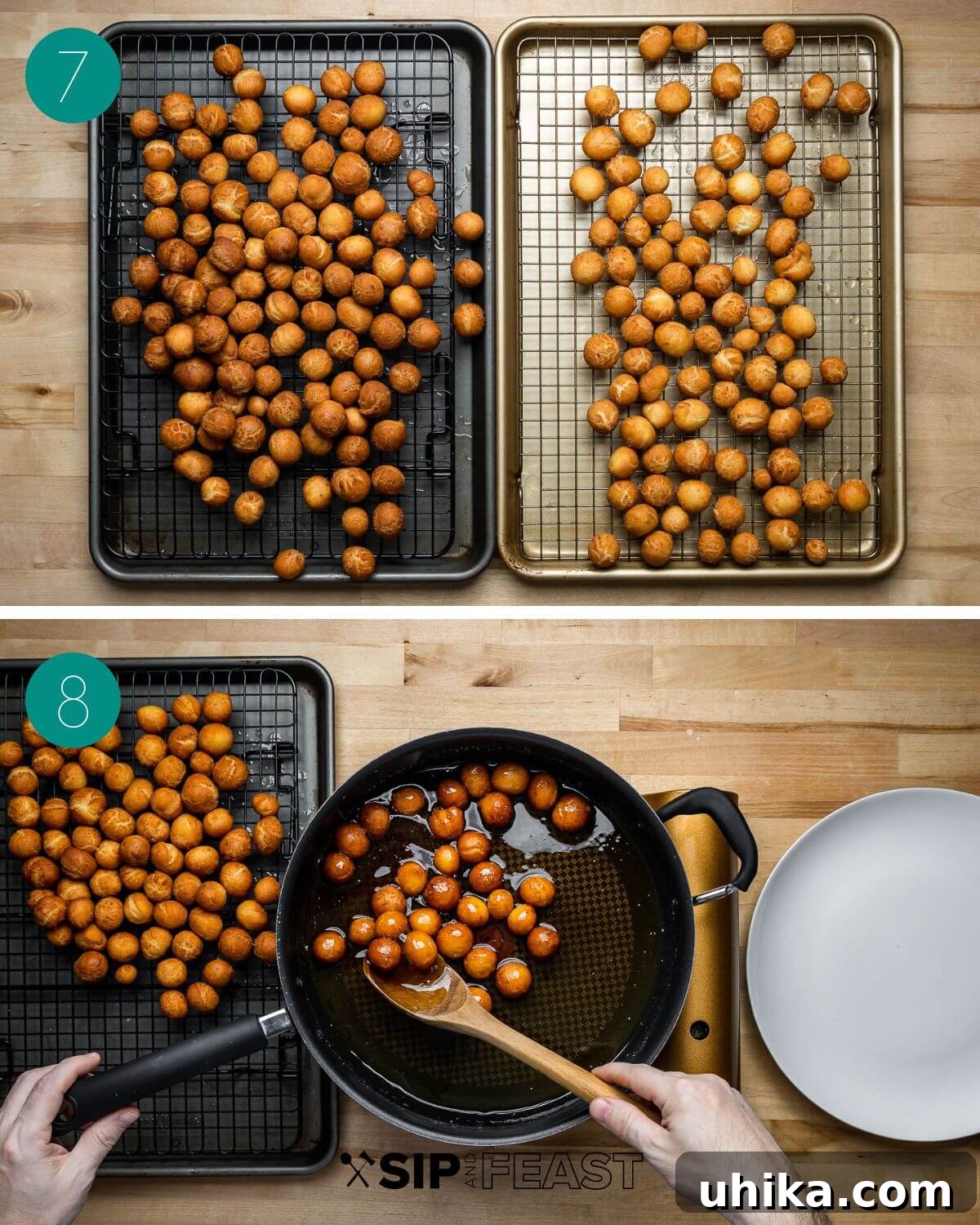
- Now, for the signature honey glaze: In a large saucepan, combine 1 1/2 cups of honey and 1/4 cup of fresh squeezed orange juice. Heat this mixture over low heat until it is warm and fluid, ensuring it doesn’t boil. Add about a quarter of the fried struffoli to the warm honey mixture and gently baste them for approximately 1 minute, ensuring each little ball is thoroughly coated.
- Using a slotted spoon, carefully remove the honey-coated struffoli from the saucepan and arrange them artfully on a large serving platter. Traditionally, they are piled high to create a mountain-like shape or formed into an elegant wreath. Repeat this process for the remaining batches of struffoli until all are glazed and placed on the platter.
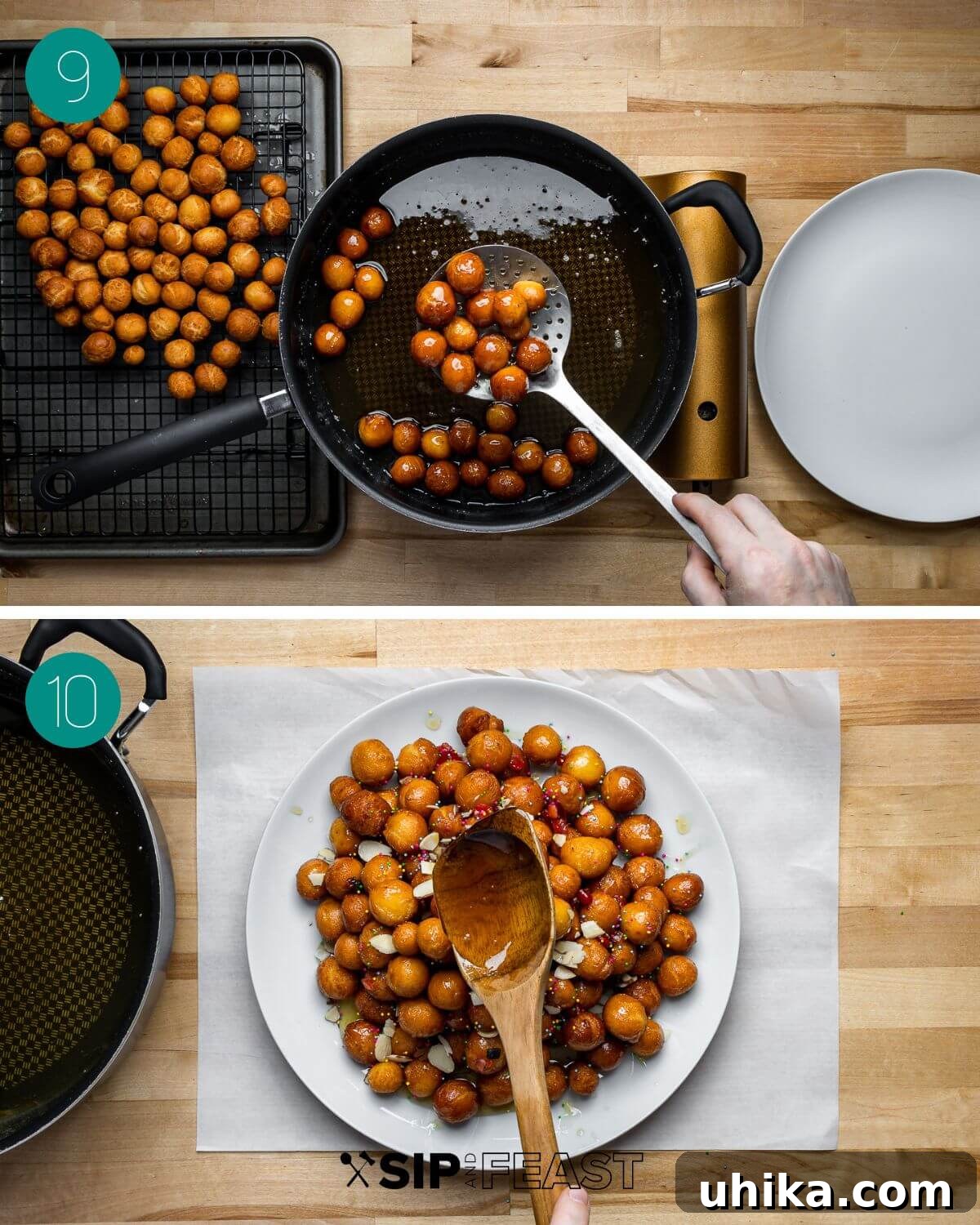
- To finish, drizzle any remaining honey mixture over the plated struffoli for an extra layer of glistening sweetness. Then, liberally sprinkle with colored nonpareils. For added texture and flavor, you can also add candied fruit and sliced or slivered almonds. The visual appeal is as important as the taste! Serve and enjoy these beautiful, sweet treasures.
Top Tips for Perfect Struffoli Every Time
- Dough Ball Shaping: While the traditional shape is a small ball, feel free to skip the rolling step. The struffoli will be just as delicious if fried as tiny squares or rectangles, offering a delightful rustic charm. If you do opt for rolling, aim for a size similar to a chickpea for truly traditional, bite-sized morsels. This recipe yields about 150 tiny dough balls, but commercially sold struffoli are often even smaller – the tinier, the more delicate!
- Frying Technique: As with any deep-fried delicacy, such as zeppole, maintaining the correct oil temperature is paramount. Invest in a reliable candy or oil thermometer to ensure the oil stays consistently at 360°F (180°C). This prevents the dough from becoming greasy (if too cool) or burning (if too hot), guaranteeing a light, crispy texture. Fry in small batches to avoid overcrowding and temperature drops.
- Honey Selection: This recipe calls for a generous amount of honey – 1 1/2 cups, and you might even find yourself needing a little more depending on how thoroughly you coat them. For cost-effectiveness, consider purchasing honey in bulk from stores like Costco or BJ’s. A high-quality, flavorful honey will make a noticeable difference in the final taste of your struffoli.
- Creative Shapes and Presentation: While a volcano-shaped pile is a classic and visually stunning presentation for struffoli, you can also arrange them in a festive wreath shape. A clever trick for a wreath is to place a glass in the center of your platter, pile the honey balls around it, and then carefully remove the glass once the honey has cooled and the struffoli have set, creating a perfect circular void.
- Topping Variations: Don’t limit yourself to just nonpareil sprinkles, candied fruit, and slivered almonds. Get creative with your toppings! A drizzle of melted chocolate, a dusting of powdered sugar, or even finely chopped pistachios can add wonderful dimensions of flavor and visual appeal to your struffoli.
- Make-Ahead & Storage: Struffoli are best enjoyed fresh, but they can be stored in an airtight container at room temperature for up to 4 days. If the honey glaze hardens too much, you can gently warm them in a very low oven for a few minutes to soften the glaze slightly before serving.
Ingredients for Authentic Struffoli (Serves 12)
For the Dough:
- 4 cups (500 grams) all-purpose flour
- 2 teaspoons baking powder
- 1/2 teaspoon salt
- 1/2 cup (120 grams) granulated sugar
- 2 tablespoons Grand Marnier or any orange liqueur
- 1 tablespoon lemon zest
- 1 tablespoon orange zest
- 10 tablespoons butter, melted
- 6 large eggs, beaten
- 1 tablespoon vanilla extract
- 7 cups vegetable oil (enough for frying)
For the Honey Glaze and Toppings:
- 1 1/2 cups honey
- 1/4 cup fresh squeezed orange juice
- Colored nonpareil sprinkles
- Candied fruit (optional)
- Slivered almonds (optional)
More Traditional Italian Desserts to Explore
- Classic Cannoli
- Reginelle (Sesame Seed Cookies)
- Pignoli Cookies
Struffoli are more than just a dessert; they are a delightful testament to the rich culinary traditions of Naples, offering a joyful burst of flavor and a beautiful centerpiece for any celebration. Whether you’re making them for a holiday feast or simply to satisfy a sweet craving, these honey-kissed dough balls are guaranteed to bring smiles.