
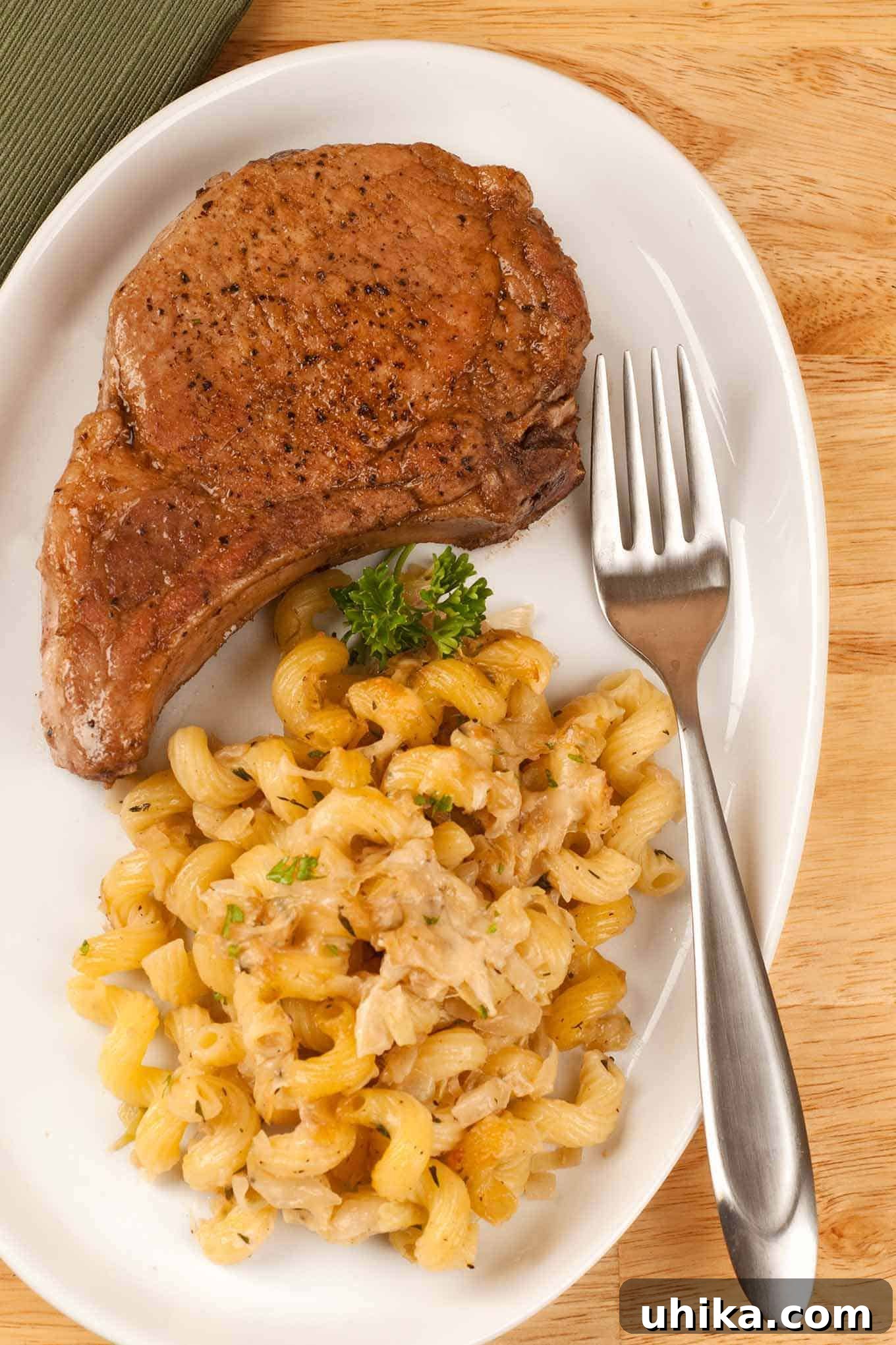
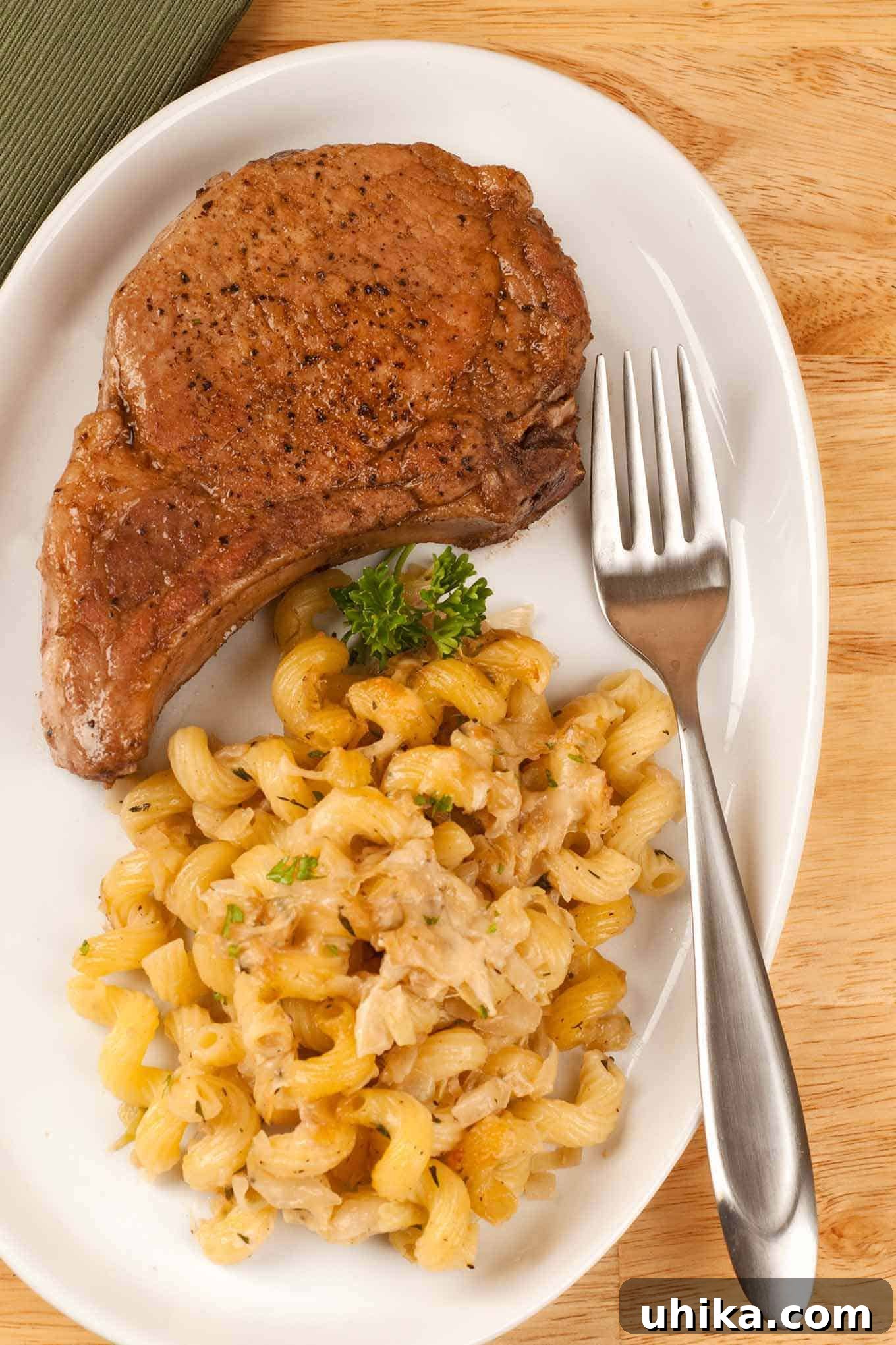
Welcome to the ultimate guide for creating perfectly Pan-Seared Balsamic Glazed Pork Rib Chops. This isn’t just a recipe; it’s an invitation to elevate your weeknight meals or impress dinner guests with minimal effort and maximum flavor. Our straightforward approach focuses on juicy, bone-in pork rib chops, seasoned simply, seared to a beautiful golden-brown in fragrant garlic-infused olive oil, and then finished with a vibrant splash of balsamic vinegar that transforms into a rich, tangy glaze. The result? Tender, flavorful pork that’s anything but ordinary.
In today’s fast-paced world, finding recipes that deliver both convenience and gourmet quality is a treasure. This pan-seared pork chop recipe stands out for its incredible speed, requiring only 15 minutes from start to finish, yet it tastes like it took hours. Forget dry, overcooked pork. We’ll show you how to lock in moisture and create an irresistible crust, ensuring every bite is a delight.
To complement these exquisite chops, we highly recommend serving them alongside our Parmesan Pasta with Cabbage and Thyme – a comforting and flavorful side that pairs wonderfully with the savory pork and bright balsamic glaze. Add a fresh, tossed salad for a complete, well-balanced meal that’s both satisfying and surprisingly quick to prepare.
Pan-Seared Balsamic Glazed Pork Rib Chops
By Lynne Webb
These juicy, bone-in pork rib chops are pan-seared in garlic-flavored oil and expertly glazed with a touch of balsamic vinegar for an incredible depth of flavor. A perfect main course that’s both elegant and easy to prepare.
Average Rating: 4.56 out of 5 stars (from 9 votes)
Prep Time: 5 minutes
Cook Time: 10 minutes
Total Time: 15 minutes
Servings: 4 servings
Print Recipe
Rate Recipe
Ingredients
- 4 bone-in pork rib chops, approximately 1-inch thick
- 2-3 tablespoons olive oil, plus more for seasoning
- Salt and freshly ground black pepper, to taste
- 6 cloves garlic, peeled
- 1/4 cup balsamic vinegar
Instructions
- Begin by preparing your pork chops. Drizzle both sides of each bone-in pork rib chop with a generous amount of olive oil. Using your hands, rub the oil evenly over the surface of the meat. Season generously with salt and freshly ground black pepper on both sides. Set the seasoned chops aside on a clean plate or cutting board while you prepare the pan.
- Next, prepare the garlic. Place the 6 peeled garlic cloves on a cutting board. Using the flat side of a large chef’s knife, lightly smash each clove. This action helps to release their aromatic oils and distinct flavor without mincing them, making them perfect for infusing the cooking oil.
- Select a heavy-bottomed skillet, preferably cast iron or stainless steel, that is large enough to comfortably hold all four pork chops in a single layer without overcrowding. Heat approximately 2 tablespoons of olive oil over medium heat. Once the oil is shimmering, add the smashed garlic cloves to the pan. Cook the garlic, stirring frequently with a wooden spoon or spatula, until it becomes soft and fragrant, turning a very light golden color. It’s crucial not to let the garlic brown or burn, as this can impart a bitter taste to your dish. This step infuses the oil with a wonderful garlic aroma, which will then permeate the pork chops.
- Once the garlic is fragrant and tender, carefully remove all the garlic cloves from the pan using tongs or a slotted spoon. You can discard them or reserve them for another culinary use, such as mashing into potatoes or spreading on crusty bread. Increase the heat to medium-high. Once the pan is hot and slightly smoking, carefully add the seasoned pork chops in a single layer. Sear the chops until they develop a beautiful, deep golden-brown crust on the first side, which should take about 1 1/2 minutes. Flip the chops and sear for another 1 1/2 minutes on the second side. Once browned, transfer the chops back to the clean plate you used earlier and temporarily reduce the heat in the skillet to medium.
- With the heat lowered, carefully pour the 1/4 cup of balsamic vinegar into the still-warm skillet. Immediately use a wooden spoon or spatula to scrape up any delicious browned bits (fond) stuck to the bottom of the pan. These bits are packed with flavor and will contribute significantly to your glaze. Return the partially cooked pork chops to the pan. Continue cooking, turning the chops over several times with tongs, ensuring they are thoroughly coated and glazed by the rich balsamic pan juices. Cook until the pork is just barely pink in the center, which should take an additional 2 to 4 minutes, depending on the thickness of your chops. For optimal safety and tenderness, an instant-read meat thermometer inserted into the thickest part of the chop (avoiding the bone) should register an internal temperature of 145°F (63°C).
- As soon as the chops reach the desired internal temperature, transfer them to individual serving plates. Allow the chops to rest for a crucial 5 minutes before serving. This resting period is vital: it allows the muscle fibers to relax and the internal juices to redistribute throughout the meat, resulting in an exceptionally tender, moist, and flavorful pork chop. Do not skip this step!
Why Pan-Searing is the Secret to Juicy Pork Chops
Pan-searing is a culinary technique revered for its ability to create an incredibly flavorful crust while keeping the interior of the meat tender and moist. For pork chops, especially bone-in varieties, this method is particularly effective. The high heat of the skillet rapidly caramelizes the exterior, forming a delicious, golden-brown crust known as the Maillard reaction. This process not only locks in the natural juices but also develops complex, savory flavors that are impossible to achieve with other cooking methods.
Unlike baking or grilling, pan-searing gives you precise control over the heat and cooking time, allowing you to achieve that perfect sear without overcooking the delicate pork. The bone in the rib chop also plays a role, acting as a natural insulator to prevent the meat closest to it from drying out, contributing to an overall more succulent result. When combined with a quick balsamic glaze, pan-searing allows the glaze to cling beautifully to the crust, enhancing every bite with a sweet and tangy finish.
Choosing the Perfect Pork Rib Chops for Your Dish
The success of this recipe begins with selecting the right pork chops. Bone-in pork rib chops are preferred for several reasons: the bone adds flavor during cooking and helps retain moisture, preventing the chop from drying out. Look for chops that are about 1-inch thick; this thickness allows for a good sear on the outside while ensuring the inside cooks to a tender, juicy medium. Thinner chops tend to cook too quickly and can easily become dry, while much thicker chops might require a longer cooking time or finishing in the oven.
When at the butcher or grocery store, observe the marbling – thin streaks of fat throughout the lean meat. Good marbling indicates a more flavorful and tender chop. Also, aim for chops with a consistent thickness across the cut to ensure even cooking. Fresh pork should have a light reddish-pink color and appear moist, not dry or discolored. Don’t be afraid to ask your butcher for guidance; they can often provide the best cuts for your specific needs.
The Magic of Garlic-Infused Oil and Balsamic Glaze
This recipe truly shines due to two simple yet powerful flavor enhancers: garlic-infused oil and a balsamic glaze. Infusing the olive oil with smashed garlic cloves before searing the pork imbues the entire dish with a subtle, aromatic garlic foundation. By cooking the garlic gently until soft and fragrant, but not browned, we extract its sweet, mellow notes without any bitterness. This garlic-kissed oil then becomes the medium in which our pork chops are seared, ensuring that every chop absorbs that delightful aroma.
The balsamic glaze is the grand finale. Balsamic vinegar, with its complex sweet and tart profile, undergoes a magical transformation when heated in the pan with the browned bits from the pork chops. As it reduces slightly, it thickens into a glossy, sticky glaze that perfectly coats the pan-seared chops. The acidity of the vinegar cuts through the richness of the pork, creating a balanced flavor profile that is both bright and savory. It’s an effortless way to add a gourmet touch, creating a restaurant-quality meal right in your own kitchen.
Elevate Your Meal: Serving Suggestions and Side Dishes
While these Pan-Seared Balsamic Glazed Pork Rib Chops are undeniably the star of the show, the right accompaniments can truly elevate your dining experience. The original recommendation for Parmesan Pasta with Cabbage and Thyme is an excellent choice, offering a rustic and flavorful contrast to the rich pork. The savory pasta with tender cabbage provides a comforting base, while the thyme adds an earthy aroma.
Beyond this, consider these versatile side dishes:
- Creamy Mashed Potatoes: A classic pairing that beautifully soaks up the balsamic glaze.
- Roasted Asparagus or Green Beans: Simple, elegant, and healthy, these vegetables offer a crisp texture and vibrant color. Toss them with a little olive oil, salt, and pepper, then roast until tender-crisp.
- Sautéed Spinach with Garlic: A quick and easy green that complements the garlic notes in the pork.
- Wild Rice Pilaf: For a heartier grain option, a nutty wild rice pilaf provides a wonderful texture and absorbent quality.
- Sweet Potato Puree: The subtle sweetness of a sweet potato puree can balance the tanginess of the balsamic glaze beautifully.
- Fresh Garden Salad: A light, crisp salad with a vinaigrette dressing offers a refreshing contrast and cuts through the richness of the meat.
No matter your choice, aim for sides that balance the flavors and textures of the pork, creating a cohesive and delightful meal.
Tips for Perfect Pan-Seared Pork Chops Every Time
Achieving perfectly cooked pork chops is simple when you follow a few key guidelines:
- Room Temperature Meat: Before searing, allow your pork chops to sit out at room temperature for about 15-20 minutes. This helps the chops cook more evenly and prevents the outside from burning before the inside is done.
- Pat Dry for a Better Sear: Moisture is the enemy of a good sear. Pat your pork chops thoroughly dry with paper towels before seasoning. This ensures a crispier, more caramelized crust.
- Don’t Overcrowd the Pan: If your skillet isn’t large enough to hold all four chops in a single layer with some space between them, cook them in batches. Overcrowding lowers the pan’s temperature, leading to steamed (not seared) pork and a less desirable crust.
- Hot Pan, Not Smoking: Ensure your skillet is adequately hot before adding the chops. You should see a slight shimmer in the oil, but it shouldn’t be violently smoking. A hot pan is essential for an immediate, effective sear.
- Resist the Urge to Flip Constantly: Once the chops are in the pan, let them cook undisturbed for the recommended time on each side to allow that beautiful crust to form.
- Use a Meat Thermometer: The most reliable way to ensure perfectly cooked and safe pork is to use an instant-read meat thermometer. For medium doneness, aim for 145°F (63°C) in the thickest part of the chop.
- Rest the Meat: As emphasized in the instructions, allowing the chops to rest for 5 minutes after cooking is non-negotiable. This step locks in the juices, resulting in incredibly tender and moist pork.
Frequently Asked Questions (FAQs) About Pan-Seared Pork Chops
Q: How can I tell if my pork chops are done without a thermometer?
A: While a meat thermometer is the most accurate tool, you can gauge doneness by touch. Gently press the center of the chop with your finger or tongs. Rare meat will feel very soft, medium-rare will have some give, and well-done will feel firm. For pork, a slight pink in the center (145°F / 63°C) is now considered safe and desirable for tenderness and juiciness. Avoid cooking until it’s completely white and dry.
Q: Can I use boneless pork chops for this recipe?
A: Yes, you can. Boneless pork chops will cook even faster, so reduce the searing time slightly and monitor the internal temperature carefully to prevent them from drying out. They may not be quite as juicy as bone-in chops, but the flavor profile will remain delicious.
Q: What if I don’t have balsamic vinegar?
A: While balsamic vinegar offers a unique flavor, a substitute could be red wine vinegar or apple cider vinegar combined with a pinch of sugar or honey to replicate the sweetness. However, the depth of flavor might not be exactly the same.
Q: My garlic browned too quickly. What should I do?
A: If your garlic browns too quickly or even burns, it will become bitter. It’s best to remove it and discard it. Wipe the pan clean and start again with fresh olive oil and garlic. The key is to keep the heat on medium and stir frequently to achieve soft, fragrant garlic without burning.
Q: How can I make this dish spicier?
A: To add a kick, consider seasoning the pork chops with a pinch of cayenne pepper or red pepper flakes along with the salt and black pepper. You could also add a dash of hot sauce to the balsamic glaze at the very end of cooking.
With these comprehensive tips and a delicious recipe at your fingertips, you’re ready to conquer the kitchen and create a meal that will earn rave reviews. These Pan-Seared Balsamic Glazed Pork Rib Chops are not just food; they are an experience – easy enough for a busy weeknight, yet elegant enough for a special occasion. Enjoy the journey of cooking and savor every mouthwatering bite!
Enjoyed this recipe? Please take a moment to rate it and share your thoughts in the comments below!