
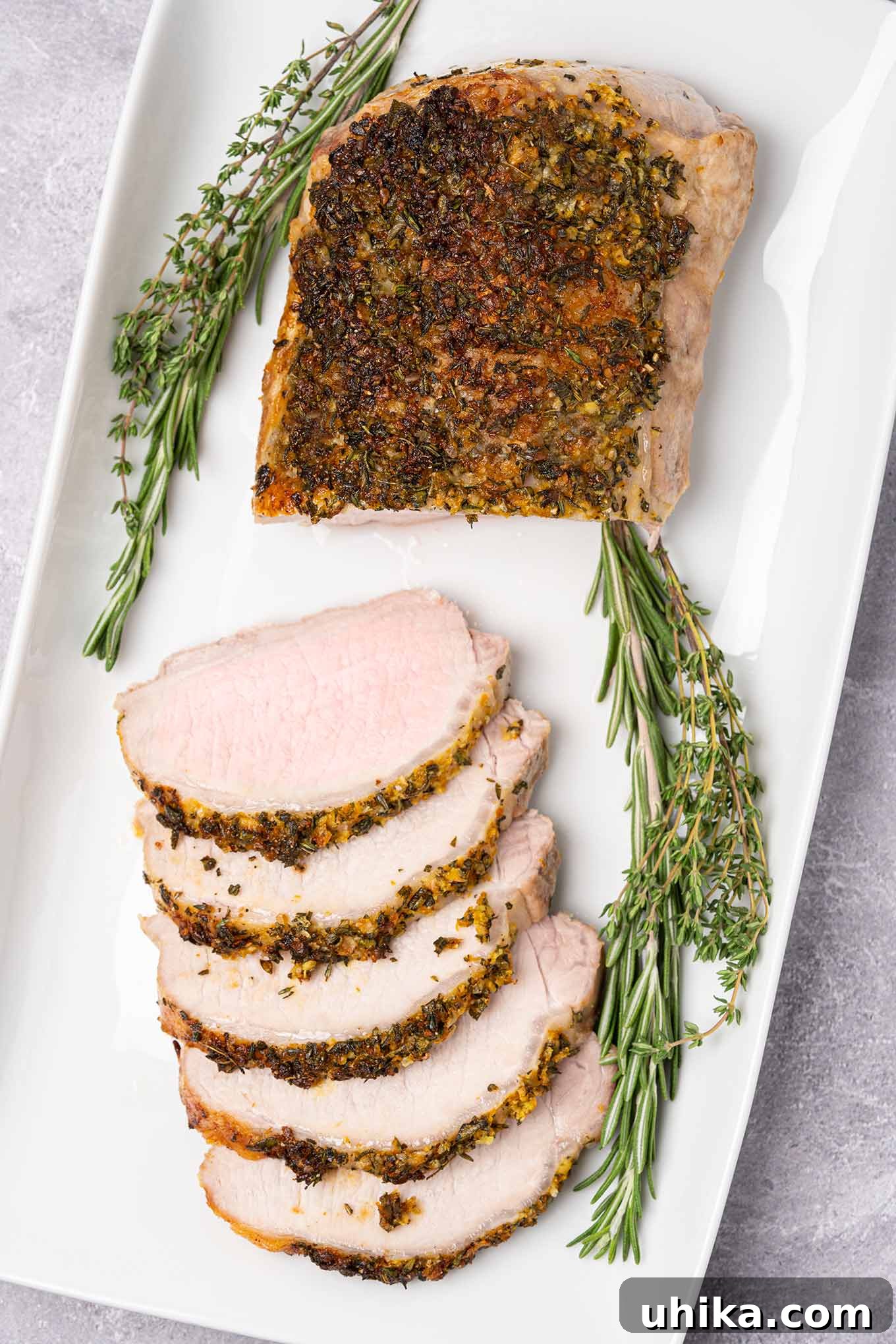
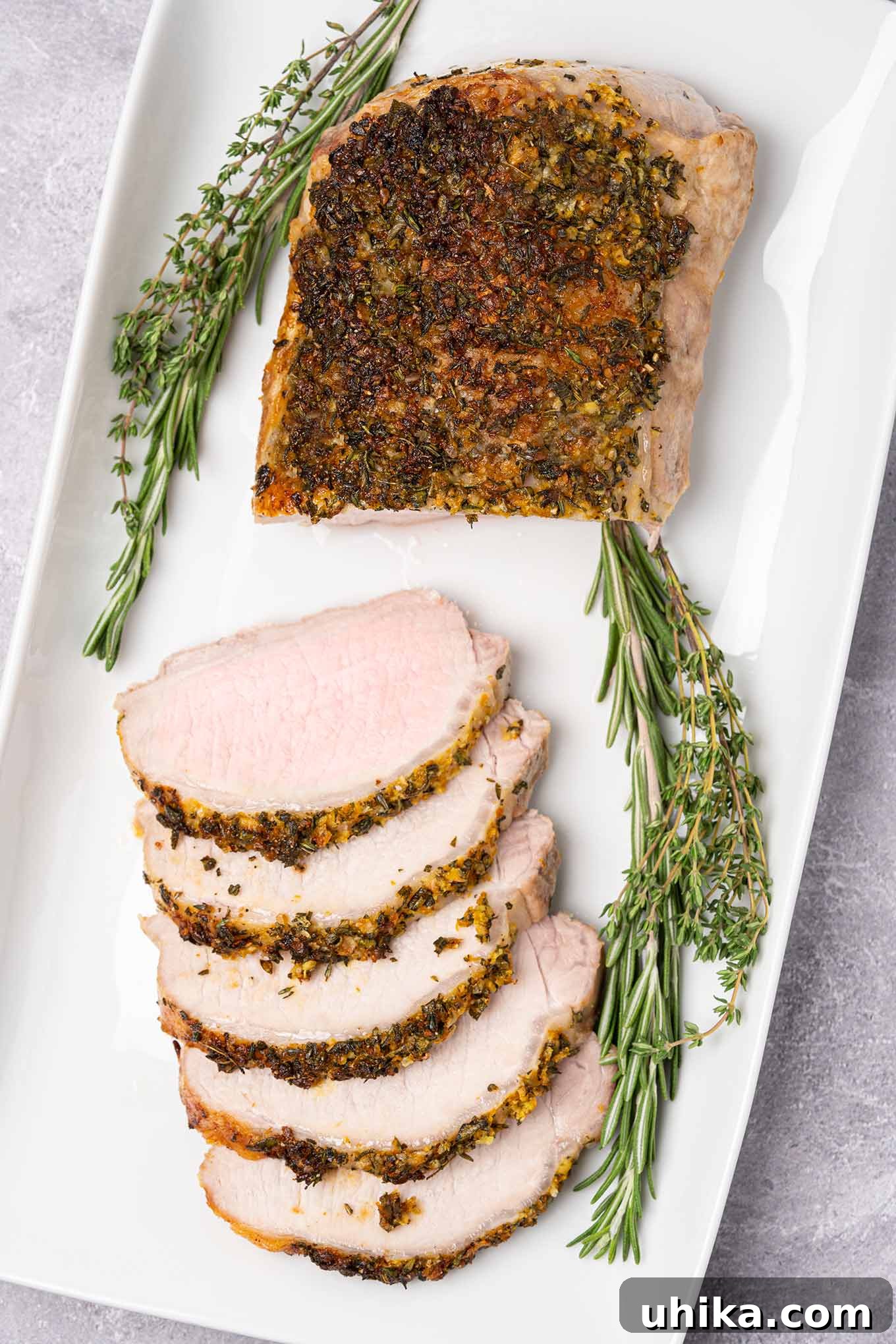
Exquisite Garlic & Herb Crusted Boneless Pork Roast: A Masterclass in Flavor and Tenderness
Embark on a culinary journey with our incredibly popular Garlic and Herb Crusted Boneless Pork Roast recipe. This Italian-inspired dish consistently delivers a tender, juicy, and flavor-packed experience, making it a stellar choice for any occasion – from intimate Sunday dinners to festive holiday gatherings. Our readers have cherished this recipe for its simplicity and consistently perfect results, transforming a straightforward cut of meat into an unforgettable centerpiece. Get ready to discover the secrets to a perfectly roasted pork, including expert shopping advice, detailed flavor profiles, and crucial cooking tips to ensure your roast is moist and succulent every single time.
Why Choose a Boneless Pork Roast for Your Next Meal?
The boneless pork sirloin roast, often referred to as a center-cut pork loin roast, is a true kitchen hero. Sourced from the lean, flavorful area between the shoulder and back legs of the animal, it’s a versatile cut that marries convenience with gourmet potential. Its boneless nature makes it exceptionally easy to prepare and carve, eliminating fuss and maximizing enjoyment. Unlike other cuts, a boneless pork roast cooks relatively quickly, allowing you to spend less time in the kitchen and more time with your guests. When cooked to the ideal internal temperature – a crucial step we’ll guide you through – it emerges from the oven wonderfully tender, bursting with flavor, and irresistibly juicy.
Typically weighing between 2.5 and 3 pounds, this roast is perfectly portioned to serve 4 to 6 people, making it an excellent option for smaller family dinners or a casual get-together with friends. For larger celebrations, its scalability is a significant advantage; simply prepare two roasts side-by-side to effortlessly cater to a bigger crowd without compromising on quality or cooking consistency. This adaptability is just one of the many reasons why this cut has become a beloved staple in countless kitchens.
Selecting the Perfect Pork Loin Roast: A Butcher’s Secret
Choosing the right cut of pork is the first step towards a spectacular roast. When you’re at the butcher counter, ask for a boneless pork sirloin roast or a center-cut pork loin roast. While both are excellent choices, a crucial tip for maximizing flavor and moisture is to request that your butcher leaves a thin layer of fat on top of the roast. This seemingly small detail makes a significant difference. As the roast cooks, this thin fat layer will render down, effectively self-basting the pork and infusing it with unparalleled juiciness and flavor. This natural basting process helps prevent the lean meat from drying out, ensuring a consistently succulent result.
Look for a roast that has a uniform shape, which will ensure even cooking. The color of the meat should be a consistent rosy pink, and the fat should be white. Avoid any cuts that appear gray or discolored. A fresh, high-quality roast is the foundation of this incredible dish, so take a moment to select the best possible piece for your culinary masterpiece.
The Heart of the Flavor: Our Italian-Inspired Garlic and Herb Rub
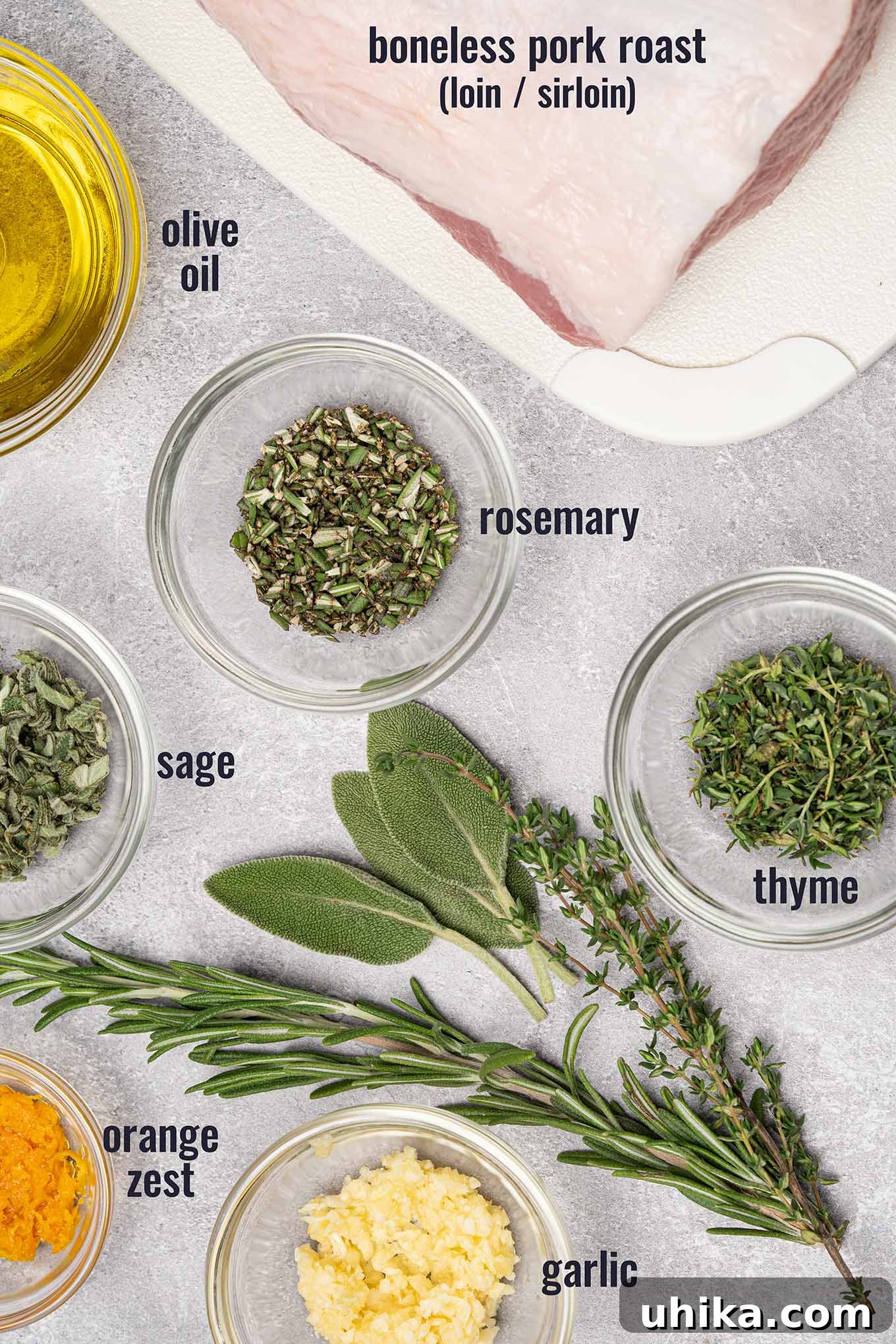
The secret to this recipe’s irresistible charm lies in our signature Italian-inspired garlic and herb rub. This aromatic blend transforms a simple pork roast into a vibrant culinary experience. It’s not just fantastic on this boneless cut but also elevates its more elaborate cousin, the crown roast, to new heights. Beyond the essential olive oil, kosher salt, and freshly ground black pepper, the rub’s magic comes from a carefully selected combination of fresh ingredients:
- Minced Garlic: As the name suggests, fresh garlic is the undisputed star of this rub. Its pungent, savory notes permeate the pork, creating a deeply satisfying flavor profile. Feel free to adjust the amount to your personal taste – garlic lovers, don’t hold back!
- Fresh Thyme: Thyme contributes an earthy, slightly minty undertone that beautifully complements pork and poultry. It provides a robust background flavor, weaving through the other herbs to create a harmonious blend.
- Fresh Rosemary: Rosemary’s distinctive, piney, and highly aromatic flavor is incredibly delicious when used judiciously. Its assertive character means that a little goes a long way. Always measure carefully and strip the tender leaves from their woody stems before finely chopping to ensure an even distribution of flavor without overwhelming the dish.
- Fresh Sage: Similar to rosemary, fresh sage offers a powerful, somewhat peppery and slightly bitter flavor that requires mindful application. For optimal results, chop small, tender leaves along with their thinner stems. For larger, more fibrous leaves, it’s best to strip them from the stems before chopping to achieve the desired texture and flavor intensity.
- Orange Zest: This ingredient is a game-changer, adding a bright, zesty citrus note and a delicate touch of sweetness that cuts through the richness of the pork and the earthiness of the herbs. It provides a delightful aromatic lift. Crucially, always use fresh orange zest; dried zest will harden during roasting, altering the texture of your delectable herb crust.
When combined, these ingredients create a fragrant, vibrant rub that not only seasons the pork but also forms a delightful, flavorful crust during the roasting process, locking in moisture and delivering an explosion of Italian-inspired taste with every bite.
Mastering the Roast: Step-by-Step for Garlic and Herb Crusted Boneless Pork
Achieving a perfectly cooked, tender, and juicy boneless pork roast is simpler than you might think. This overview provides a clear path to success, ensuring your roast comes out perfectly every time. For precise measurements, detailed ingredients, and full instructions, refer to the printable recipe card below.
- Bring to Room Temperature: Remove the pork roast from the refrigerator at least 30 minutes before cooking. Allowing the meat to come closer to room temperature promotes more even cooking and helps prevent the exterior from overcooking while the interior remains underdone.
- Prepare Your Roasting Environment: Preheat your oven to 350°F (or 325°F for convection ovens). Place a rack inside a roasting pan or a straight-sided casserole dish that’s just large enough to comfortably hold your roast. Lightly coat the rack with nonstick spray to prevent sticking. Adding approximately 1/2-inch of water to the bottom of the roasting pan is a smart technique; it creates a moist heat environment in the oven, which helps keep the pork from drying out and can also prevent drippings from burning.
- Craft the Aromatic Rub: In a small bowl, combine your finely chopped fresh herbs (sage, rosemary, thyme), minced garlic, freshly grated orange zest, extra virgin olive oil, kosher salt, and freshly ground black pepper. Mix well until all ingredients are thoroughly incorporated, forming a fragrant paste.
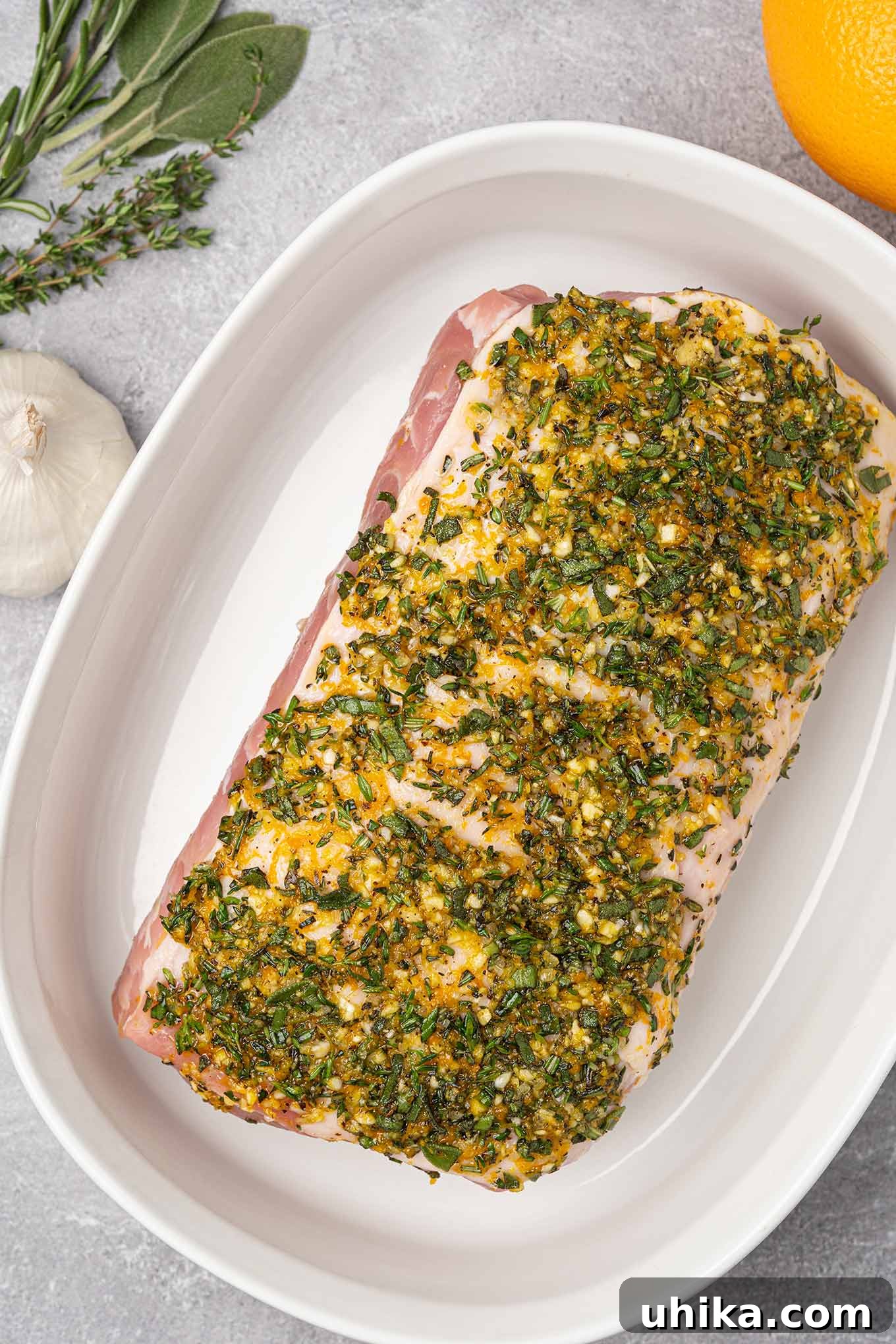
- Apply the Flavorful Crust: Generously spoon the prepared rub over the entire surface of the pork roast. Using your hands, spread the rub evenly, pressing it gently to adhere to the meat as thoroughly as possible. This ensures every bite is infused with our delicious Italian-inspired flavors.
- Position for Perfect Roasting: Place the seasoned pork roast, fat side up, directly onto the prepared rack in the roasting pan. The fat layer will render and baste the meat as it cooks, contributing significantly to its tenderness and flavor.
- Roast to Perfection: Transfer the roasting pan to the preheated oven. Roast the pork until an instant-read thermometer inserted into the thickest part of the roast registers an internal temperature of 140°F. This typically takes about 45 to 60 minutes for a 2.5 to 3-pound roast. Begin checking the internal temperature after 35 minutes to avoid overcooking.
- Rest for Juiciness: Once the roast reaches 140°F, remove it from the oven. Tent it loosely with aluminum foil and let it rest undisturbed for 15 minutes before carving. This resting period is critical; it allows the juices to redistribute evenly throughout the meat, resulting in an exceptionally tender and moist roast.
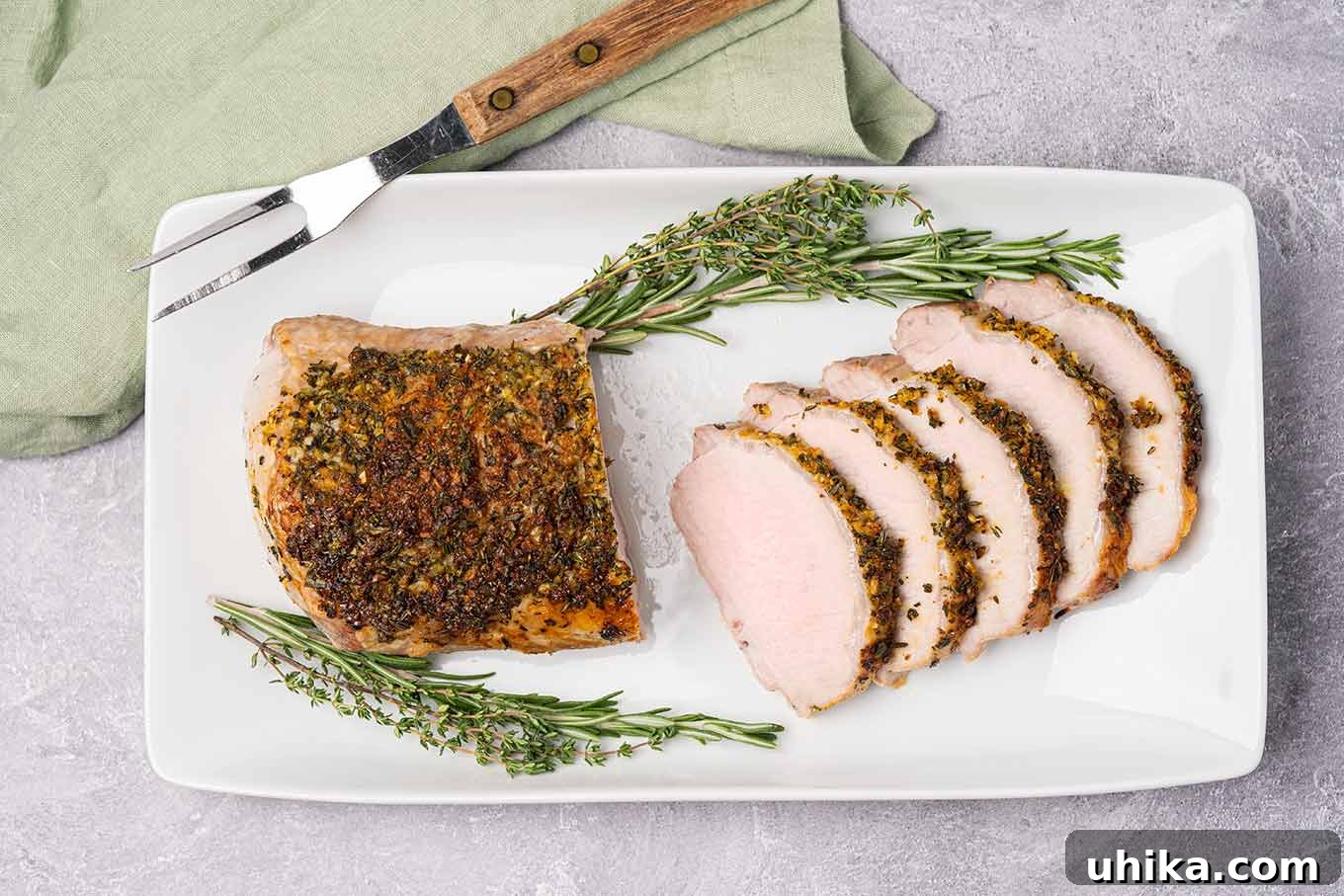
- Slice and Serve: After resting, slice the pork roast against the grain into desired portions. Arrange the slices beautifully on a serving platter, garnished with fresh sprigs of rosemary and thyme for an elegant touch.
Pro Tip for Tender, Juicy Pork: The Science of Carry-Over Cooking
Achieving a perfectly tender and juicy pork roast hinges on understanding and utilizing the principle of carry-over cooking. Lean cuts of pork, such as sirloin or loin roasts, contain minimal marbling (intramuscular fat), making them particularly susceptible to drying out if overcooked. This is why precise temperature monitoring is paramount.
We strongly recommend removing your roast from the oven when its internal temperature reaches 140°F. While the roast rests, covered loosely with foil, it will continue to cook from its residual heat. This “carry-over cooking” will naturally raise the internal temperature by at least another 5-10°F, bringing it to the safe and perfectly succulent range of 145-150°F. Always use an accurate instant-read thermometer and ensure you test the temperature in the thickest part of the roast, away from any bones (if applicable) or pockets of fat. Trusting your thermometer and the resting process will guarantee a moist, flavorful roast every time.
Scaling This Recipe: From Intimate Dinners to Grand Feasts
This versatile recipe can be easily scaled to fit your needs, whether you’re cooking for a cozy dinner for two or hosting a larger gathering. For a smaller portion, such as a table for two, simply cut your boneless pork roast in half. You can then wrap and freeze the other portion for future use, either as another small roast or sliced into individual boneless chops – perfect for our Pork Chops with Pears and Blue Cheese recipe.
When cooking a half roast, adjust the rub ingredients by reducing their quantities by approximately one-third. The cooking time will also need to be reduced significantly. Start checking for doneness after about 20 minutes, using your instant-read thermometer. For larger groups, as mentioned, preparing two roasts simultaneously in a larger pan or separate pans is the most effective approach, ensuring ample servings without overstuffing your oven.
Creative Leftover Ideas
Should you find yourself with any delicious leftover pork, don’t let it go to waste! Slice it as thinly as possible – this enhances its texture and versatility. Leftover garlic-herb pork makes for incredible sandwiches. Imagine it piled high on a soft roll with a spread of honey mustard, a few thin slices of sweet onion for a subtle bite, and a layer of mild white Cheddar cheese. It’s also fantastic in wraps, quesadillas, or as a flavorful addition to salads and pasta dishes.
Make It a Meal: Our Complete Italian-Inspired Menu
To fully embrace the vibrant Italian flavors of this garlic and herb crusted pork roast, we’ve curated a complete menu featuring easy, make-ahead dishes that perfectly complement the star of the show. This thoughtful selection includes a delightful appetizer, two flavorful side dishes, and a sweet, aromatic dessert, ensuring a cohesive and unforgettable dining experience.
- Spinach Stuffed Mushrooms: These savory bites are filled with fresh spinach, sun-dried tomatoes, and topped with melted Asiago cheese. They’re not only incredibly flavorful but also conveniently prepared in advance, allowing you to focus on your main course closer to serving time.
- Parmesan Pasta with Cabbage and Thyme: A delightful twist on a classic, this dish features tender sautéed cabbage, al dente pasta, fresh thyme, aromatic garlic, and rich Parmesan cheese. It’s an Italian-inspired variation of our cherished family recipe for Hungarian Cabbage Noodles, offering a comforting and uniquely delicious side.
- Green Beans and Tomatoes Oreganata: This elegant casserole combines fresh green beans and diced tomatoes under a savory, crispy breadcrumb topping. It’s the quintessential make-ahead side dish, as its flavors meld and deepen upon reheating, often tasting even better the next day.
- Orange Rosemary Biscotti: Conclude your meal with these exquisite biscotti, delicately flavored with fragrant rosemary, a hint of orange liqueur, bright orange zest, and crunchy pine nuts. They offer a perfect balance of sweet and herbal notes, ideal for dipping into coffee or espresso.
Exquisite Wine Pairing Recommendations
Finding the perfect wine to accompany this rich and aromatic pork roast can elevate your dining experience even further. The bold, herbaceous, and slightly citrusy notes of the rub pair beautifully with a variety of wines. For those who appreciate red wines, we highly recommend a Barbera, known for its bright acidity and cherry notes that cut through the richness of the pork, or a Pinot Noir, which offers elegant fruitiness and earthy undertones that harmonize with the herbs. White wine enthusiasts will find an excellent match in a crisp Soave Classico, with its almond and floral hints, or a fragrant Riesling, whose balanced sweetness and acidity provide a refreshing contrast.
Garlic and Herb Crusted Boneless Pork Roast
Lynne Webb
20 minutes
1 hour
1 hour 20 minutes
6 servings
Print Recipe
Ingredients
- 2-1/2 to 3- pound boneless pork roast, (loin/sirloin)
For the rub:
- 3 tablespoons extra virgin olive oil
- 2 to 3 teaspoons fresh garlic, pressed or finely minced
- 3/4 teaspoon kosher salt
- 1/2 teaspoon freshly ground black pepper
- 1-1/2 teaspoons fresh sage leaves, finely chopped
- 1-1/2 teaspoons fresh rosemary (leaves only), finely chopped
- 2 teaspoons fresh thyme leaves, finely chopped
- 2 teaspoons orange zest, freshly grated
Instructions
-
Remove the roast from the refrigerator 30 minutes ahead of time to bring it to room temperature.
-
Preheat the oven to 350°F (325°F convection) and fit a rack inside a roasting pan (or straight-sided casserole dish) just large enough to accommodate the roast. Coat with nonstick spray and set aside.
-
Make the rub by combining the olive oil, garlic, salt, pepper, sage, rosemary, thyme, and orange zest in a small bowl.
-
Spoon the rub onto the pork roast and using your hands, spread to coat the roast as thoroughly as possible.
-
Pour 1/2-inch of water into the bottom of the roasting pan (this creates moist heat) and place the pork roast fat side up on the rack.
-
Roast the pork until a thermometer inserted into the thickest part of the roast registers 140°F, 45 to 60 minutes. Start checking after 35 minutes (see notes).
-
Remove from the oven, tent loosely with foil, and allow the roast to rest for 15 minutes before carving.
-
Slice and serve on a platter garnished with sprigs of fresh herbs.
Notes
We recommend removing your roast from the oven when the internal temperature reaches 140°F. Carry-over heat will raise the temperature by at least 5° as the roast rests.
Be sure to measure the temperature in the thickest part of the roast and use an accurate instant-read thermometer.
Nutrition
Total Fat: 15g,
Cholesterol: 119mg,
Sodium: 384mg,
Carbohydrates: 1g,
Fiber: 0.2g,
Sugar: 0.01g,
Protein: 42g
Nutrition information is automatically calculated, so should only be used as an approximation.