
Mastering the art of seasoning is arguably one of the most crucial skills any home cook or professional chef can cultivate. At the heart of this mastery lies salt – not merely as an additive, but as a transformative tool that unlocks, amplifies, and harmonizes the natural flavors inherent in your ingredients. Thinking of salt as a critical component for flavor development rather than a simple seasoning will elevate your culinary creations from good to truly extraordinary. With a thoughtful approach and consistent practice, the ability to season food perfectly will soon become an intuitive part of your cooking repertoire. For those looking to add another dimension of flavor, consider experimenting with a meticulously crafted homemade all-purpose seasoning blend, which can complement your precise salting techniques.
The Art of Salting: A Guide to Enhancing Flavors
The judicious application of salt throughout the cooking process is fundamental to creating dishes that are rich in flavor and perfectly balanced. Salt works its magic by intensifying, developing, blending, and balancing the myriad flavors of your ingredients. It’s a powerful flavor enhancer that requires a little time to integrate and work its transformative effect. Therefore, the key to truly remarkable taste lies in adding salt incrementally at various stages of preparation, rather than a single, large application at the end.
As culinary experts often advise, kosher salt stands out as the best choice for general cooking purposes. Its coarse, flaky texture makes it incredibly easy to control when you grab a “pinch” from your salt cellar, allowing for precise adjustments to seasoning. Furthermore, kosher salt adheres well to food surfaces and dissolves readily, ensuring even distribution of flavor without creating an overly salty crust or pockets of unmixed salt. Keeping your chosen cooking salt within easy reach is essential for this continuous seasoning method. A dedicated container, such as an elegant salt pig, a functional wooden saltbox, or even a simple small prep bowl strategically placed near your stove, ensures that this indispensable ingredient is always at your fingertips for those crucial, small additions.
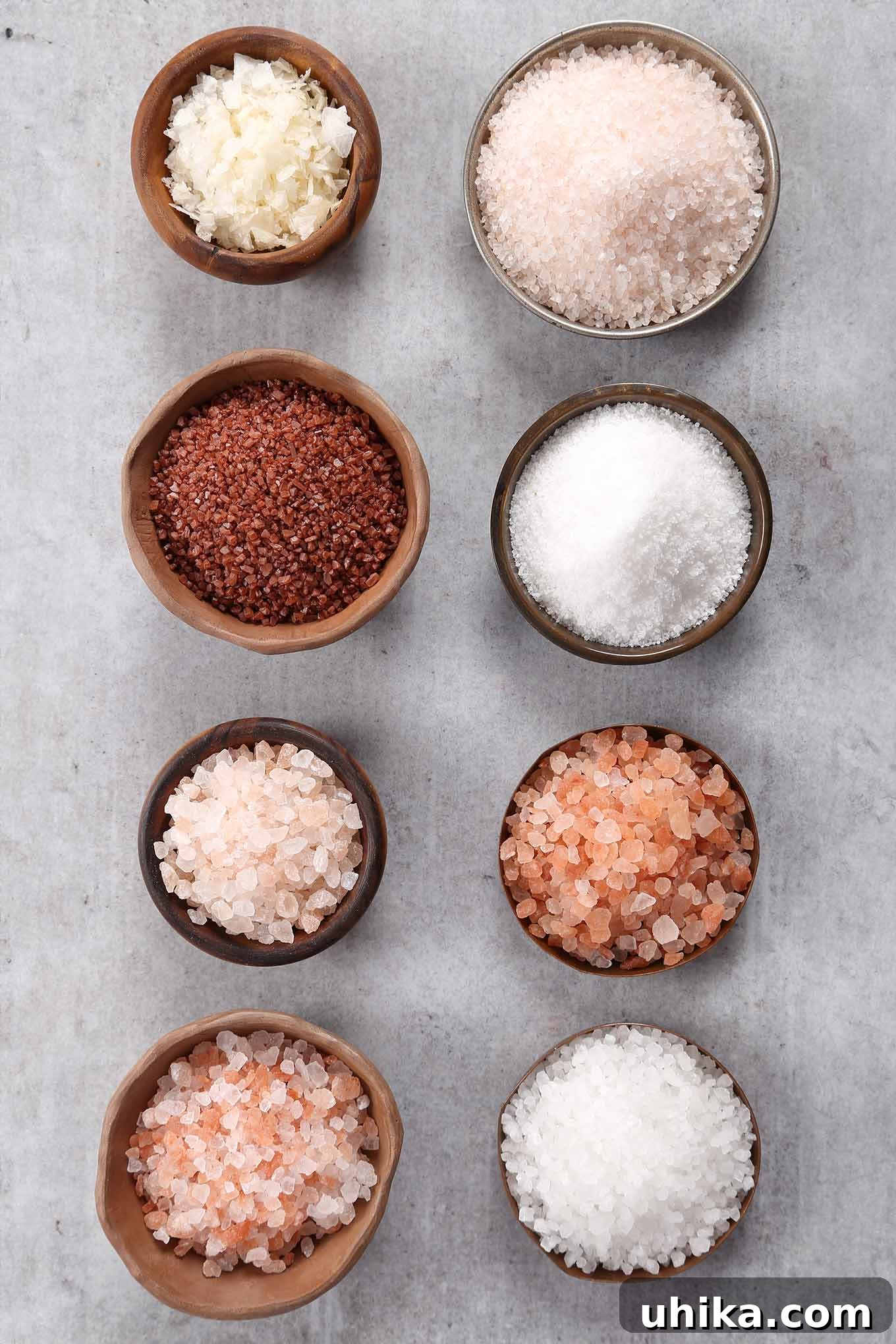
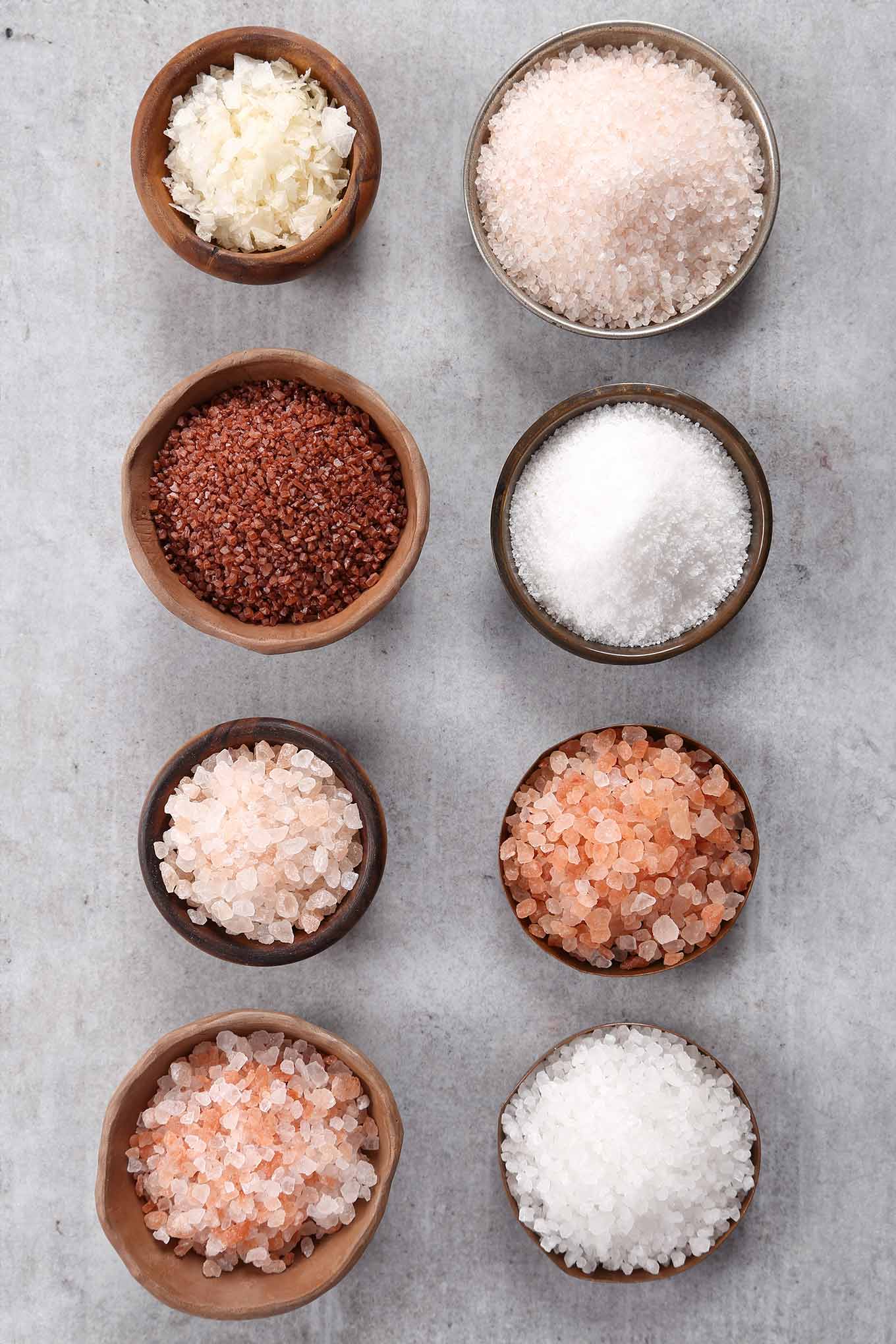
While kosher salt is ideal for cooking, the world of artisanal salts offers a diverse array of unique flavor profiles and textures. These gourmet varieties, often characterized by their distinct origins, mineral compositions, and harvesting methods, should be reserved for use as a finishing element. Sprinkling them just before serving allows their individual nuances—be it a delicate minerality, a smoky note, or a bright brininess—to shine through unimpeded, providing an extra layer of complexity and an exquisite sensory experience that would otherwise be lost or muted during the heat of the cooking process.
Exploring the Spectrum: A Comprehensive Guide to Different Salt Varieties
Developing a sophisticated palate and mastering the technique of salting your food correctly during preparation are among the most valuable cooking skills you can acquire. A significant part of this mastery involves understanding the distinct characteristics and optimal applications of the various types of salt available. Each salt possesses unique qualities that can profoundly impact the final taste and texture of your dishes. Here’s an in-depth look at the most common and celebrated varieties, helping you choose the right salt for every culinary endeavor.
Everyday Essentials: Table Salt and Kosher Salt
Table salt and kosher salt represent the foundational duo of salts found in most kitchens, each serving distinct purposes based on their processing and crystal structure.
- TABLE SALT: This ubiquitous salt is perhaps the most recognized variety, a practical and economical choice that holds a place in virtually every household. Primarily sourced from underground salt mines, table salt undergoes extensive processing to remove impurities and is typically ground into very fine, uniform crystals. A common characteristic of table salt is the addition of iodine, an essential micronutrient, for nutritional value (hence “iodized salt”). Anti-caking agents are also frequently added to prevent the fine grains from clumping together, ensuring easy pouring. While its fine texture makes it dissolve quickly and consistently, particularly beneficial in baking where precise measurements are crucial, its dense nature means a small amount can deliver a strong salty punch, requiring careful measurement to avoid over-seasoning.
- KOSHER SALT: Revered by professional chefs and serious home cooks alike, kosher salt is distinguished by its coarser, irregular, and often flaky grain. This unique texture makes it incredibly easy to grasp a “pinch” – a common culinary measurement – allowing for greater control and intuitive adjustment of seasoning during cooking. Like table salt, kosher salt is typically mined from underground deposits. Its name, “kosher,” refers not to its conformity with Jewish dietary laws (as almost all salt is inherently kosher), but rather to its traditional use in the koshering process for meat. This process involves drawing out blood from meat surfaces, a task for which the coarse, flat crystals of kosher salt are optimally suited due to their excellent adherence and moisture-absorbing properties. Unlike most table salt, kosher salt generally does not contain iodine, though anti-caking agents may sometimes be present. It’s important to note that different brands of kosher salt (e.g., Morton vs. Diamond Crystal) have varying densities due to crystal shape, meaning a “cup” of one may contain more actual salt than the other, though a “pinch” generally translates consistently in terms of perceived saltiness during cooking.
It is worth reiterating that both table and kosher salt are predominantly composed of pure sodium chloride. The key differences lie in their crystal structure, the absence or presence of iodine for nutritional purposes, and the controlled addition of anti-caking substances designed to improve usability.
The Bounty of the Ocean: Understanding Sea Salt
Sea salts offer a captivating departure from their mined counterparts, distinguished by their origin: they are harvested through the evaporation of seawater, a process that can take place in natural salt ponds or through controlled evaporation techniques. Beyond mere sodium chloride, sea salts contain a rich tapestry of trace elements and minerals, such as magnesium, calcium, and potassium, which are naturally present in the seawater of their specific geographic origins. These minerals contribute subtle, yet distinct, flavor profiles and complexities not found in highly refined salts.
Characterized by their often flaky, irregular crystals and inherent moisture content, sea salts are frequently celebrated and utilized as finishing salts. Their delicate texture allows them to dissolve easily on the palate while adhering beautifully to a wide array of foods, providing a satisfying textural crunch and a burst of flavor. Exploring different varieties of sea salt is a journey of discovery; once you sample a few, you may find yourself curating a small collection, each reserved for specific culinary applications where its unique characteristics can truly shine.
Among the most esteemed sea salts are Sel Gris and Fleur de Sel, both originating from the renowned salt marshes of the Brittany region of France. Sel Gris, or “grey salt,” is composed of heavier, larger crystals that settle at the bottom of the salt ponds during the evaporation process. Its distinctive grey hue is a natural result of contact with the clay lining of the ponds, from which it also acquires a subtle minerality. This robust salt is excellent for grilling, roasting, or in dishes requiring a stronger saline presence. In contrast, Fleur de Sel, or “flower of salt,” consists of the delicate, feather-light crystals that form a thin crust on the surface of the salt ponds. These precious crystals are hand-skimmed before they have a chance to sink, resulting in a fine, moist, and intensely flavorful salt with a unique crunchy texture. Its nuanced flavor profile and delicate structure make it a highly prized finishing salt, perfect for salads, roasted vegetables, grilled fish, or even desserts like chocolate chip cookies.
Beyond these French treasures, other notable varieties of sea salt include Maldon, Hawaiian “Red” Alaea, and Trapani. Maldon Sea Salt, hand-harvested from the pristine waters off the east coast of England, is famed for its distinctive pyramid-shaped, flaky crystals. These unique flakes provide a clean, mild, and wonderfully crunchy burst of saltiness, making Maldon an exceptional finishing salt, particularly effective on everything from fresh bread and butter to seared scallops or grilled steak. Hawaiian “Red” Alaea Sea Salt is a striking variety, distinguished by its beautiful brick-red color. This mellow-tasting salt is naturally enriched with trace minerals and electrolytes derived from Alaea, a specific type of volcanic clay indigenous to Hawaii. The clay not only imparts its signature color but also contributes a subtle, earthy flavor profile that pairs beautifully with traditional Hawaiian cuisine and grilled meats. Trapani Sea Salt, harvested for centuries from the sun-drenched Mediterranean coast of Sicily, is known for its balanced flavor and relatively lower percentage of sodium chloride compared to other salts. Its crystal structure and mineral balance make it a versatile cooking salt, adding depth without overpowering dishes.
The Ancient Treasure: Himalayan Pink Salt
Himalayan pink salt occupies a class entirely of its own, revered for its purity, unique mineral composition, and striking aesthetic. Painstakingly mined by hand from deep within the ancient Khewra Salt Mine, nestled in the foothills of the majestic Himalayan Mountains in Pakistan, these extraordinary salt deposits were formed hundreds of millions of years ago. Trapped within the geological shifts that created the world’s highest mountain range, this salt remained pristine, untouched by modern pollutants for eons.
Considered one of the purest and most mineral-rich salts on Earth, Himalayan Pink Salt boasts an impressive array of dozens of essential trace elements and minerals. These include vital nutrients like magnesium, calcium, potassium, and copper, alongside a minute amount of iron oxide, which is responsible for its characteristic and delicate pink hue, ranging from light rose to a vibrant salmon. Beyond its undeniable visual appeal, Himalayan salt is often lauded for its perceived health benefits, though scientific consensus on these specific claims for dietary salt is still evolving. What is undisputed is its distinctive subtle flavor profile—a less sharp, more complex salinity with a hint of earthy sweetness—that makes it an unparalleled choice as a finishing salt. Its beautiful appearance and nuanced taste elevate everything from a simple green salad to a gourmet main course, making it a favorite among discerning cooks who seek both aesthetic beauty and exquisite flavor in their ingredients.
Optimal Timing: When to Incorporate Salt Into Your Dishes
The timing of salt application is just as critical as the amount used. Strategic salting ensures that flavors are fully developed and properly distributed throughout your dish. Here are detailed guidelines for salting common food categories, emphasizing the “why” behind each recommendation:
- MEAT, FISH, AND POULTRY: For maximum flavor enhancement, generously salt cuts of meat, whole fish, or poultry just before you are ready to cook them. A common misconception suggests that salting meats in advance draws out juices, leading to a dry end product. However, this is largely untrue. When meat is salted well in advance (e.g., 40 minutes to overnight), initial surface moisture is indeed drawn out by osmosis. But over time, the salt dissolves into this moisture, creating a brine that is then reabsorbed by the meat. This process not only deeply seasons the meat but can also break down muscle fibers, leading to a more tender and juicy result. The only potential downside of salting meats too far in advance, particularly when aiming for a deeply browned crust, is that the excess surface moisture might inhibit the Maillard reaction (browning) initially. For optimal browning, ensure the surface is patted very dry before cooking, or salt just before searing.
- SAUCES AND LIQUIDS: When building a sauce, adopt a layering approach to salting. Begin by adding a pinch of salt to aromatic ingredients like minced garlic and diced onions while they are sautéing. This helps draw out their moisture and concentrate their flavors. Once your liquids are added (broth, wine, tomatoes, etc.), season again lightly. Continue cooking and allow the flavors to meld and deepen. Crucially, taste your sauce just before serving and make any final adjustments to the salt. While this staged approach might seem like you’re using more salt, it often leads to using less overall, because the gradual development of flavors means each ingredient is perfectly seasoned, contributing to a more complex and harmonious taste, making a heavy hand at the end unnecessary.
- VEGETABLES: The timing for salting vegetables varies significantly depending on the cooking method:
- Blanched or Boiled Vegetables: Always salt the water generously before adding vegetables. This allows the salt to penetrate the vegetable cells, seasoning them from the inside out and enhancing their natural sweetness and color. Think of it like cooking pasta – you want well-seasoned water.
- Steamed Vegetables: Since steaming doesn’t involve salted water, vegetables should be salted immediately after cooking, while they are still hot, to ensure the salt adheres and dissolves properly.
- Roasted and Grilled Vegetables: Season these vegetables thoroughly with salt and pepper (and perhaps a little oil) prior to cooking. The salt will help draw out moisture and allow for better caramelization and flavor concentration as they cook.
- Raw Vegetables (Salads): For salads, salt the vegetables just before serving. If you salt too early, the salt will draw moisture out of the greens and other vegetables, leading to a wilted, soggy salad. For vinaigrettes, dissolve salt into the vinegar first before adding oil, as oil and salt don’t mix easily. Then, add a final pinch of salt to your greens just before tossing with the dressing for an extra pop of flavor.
- HOMEMADE STOCK: When preparing homemade stock, resist the urge to heavily salt the liquid at the beginning. Instead, focus on salting your flavoring ingredients (like roasted bones or sautéed vegetables) during their initial preparation stages. Once the stock has simmered and reduced, concentrating its flavors, taste it and adjust the salt accordingly. This prevents over-salting, which is particularly easy to do with stock that will be further reduced or used in other seasoned dishes.
- PASTA AND BOILING POTATOES: This is a non-negotiable rule in Italian cooking and beyond. Always, always salt your water generously before adding pasta or boiling potatoes. For pasta, the water should taste “like the sea” – intensely salty. This is the only opportunity to truly season the pasta itself, imbuing it with flavor from the inside. Similarly, potatoes absorb water and salt during boiling, resulting in a more flavorful and well-seasoned final product.
Guidelines for Salting Proportions: Achieving Perfect Balance
While intuitive salting and tasting throughout the cooking process are paramount, having a general set of guidelines for salt proportions can be incredibly helpful, especially when you’re starting out or working with specific ingredient quantities. These measurements provide a solid foundation for achieving well-balanced flavors:
- FOR SOUPS, STOCKS, SAUCES, AND GRAVIES: A good starting point is approximately 1-1/2 teaspoons of Kosher salt per quart (or liter) of liquid. If you are using fine-grained table salt, which is denser and provides more sodium chloride per volume, reduce the quantity to about 1-1/8 teaspoons per quart to avoid over-salting. Remember to taste and adjust as the liquid reduces and flavors concentrate.
- FOR RAW MEATS, POULTRY, FISH, AND SEAFOOD: When seasoning raw proteins, aim for 3/4 to 1 teaspoon of Kosher salt per pound (approximately 450 grams). This range allows for variations in personal preference and the natural saltiness of the protein itself. If you’re using table salt, which is more potent by volume, reduce the amount to 1/2 to 3/4 teaspoons per pound. This provides a deep seasoning that penetrates the protein as it rests before cooking.
- FOR SALTING PASTA WATER: Achieving perfectly seasoned pasta is all about the water. The general rule of thumb is to add a generous 1 teaspoon of Kosher salt (or 3/4 teaspoon of table salt) for each quart (or liter) of water used. For a typical pound of pasta, which usually requires at least 4 quarts of water for proper cooking, this translates to about 4 teaspoons of Kosher salt. The water should genuinely taste salty, akin to the sea, to properly season the pasta from within.
Important Note: It is crucial to understand that these recommended proportions serve as a general starting point and should not be strictly applied when using pre-prepared ingredients. Items like store-bought broths, canned soups, bottled sauces, or pre-seasoned meats often contain significant amounts of sodium already. Always taste these ingredients first and adjust your added salt accordingly to prevent dishes from becoming excessively salty. The goal is always balance and enhancement, not overwhelming salinity.