
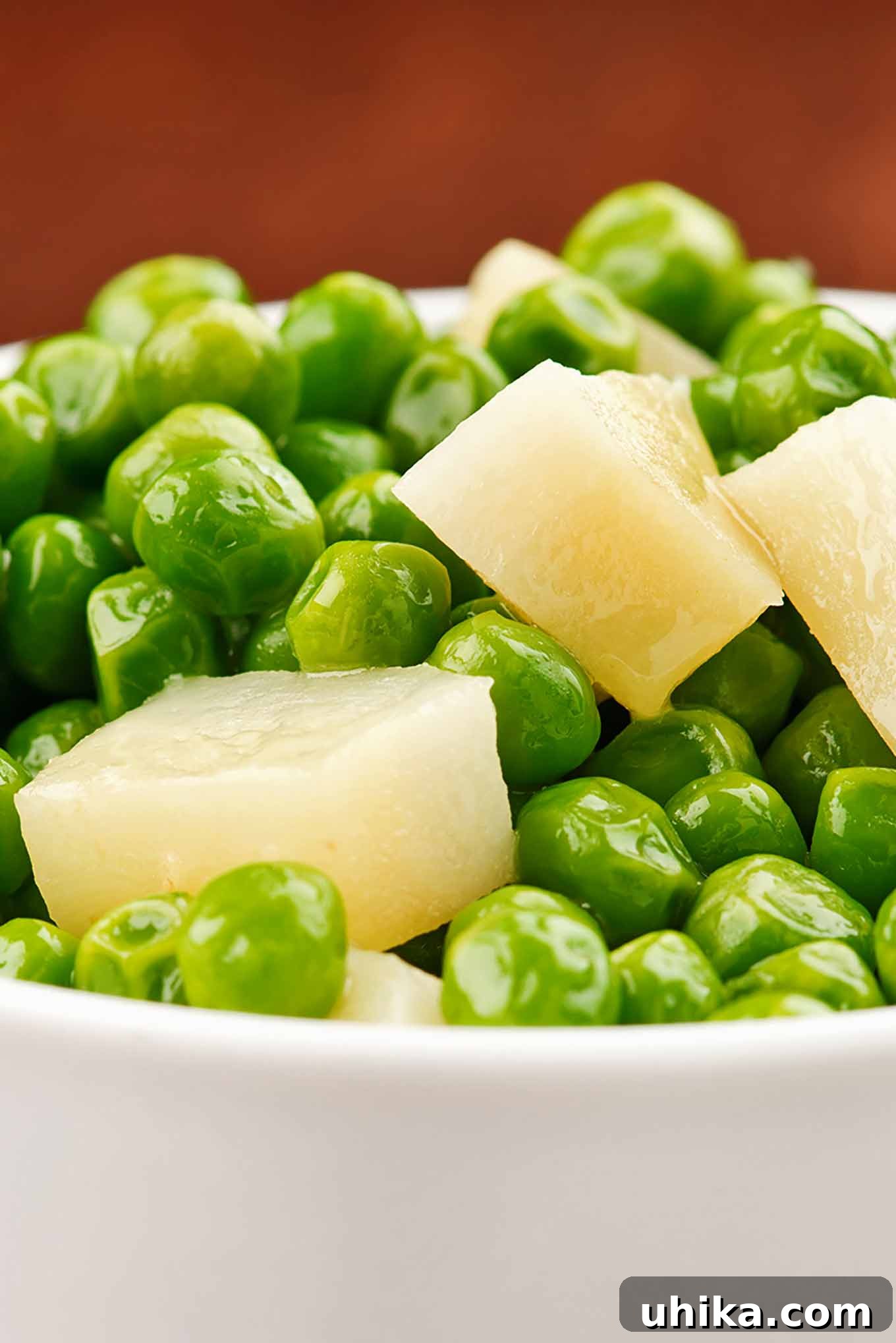
Buttered Peas and Parsnips: A Deliciously Simple Side Dish to Elevate Any Meal
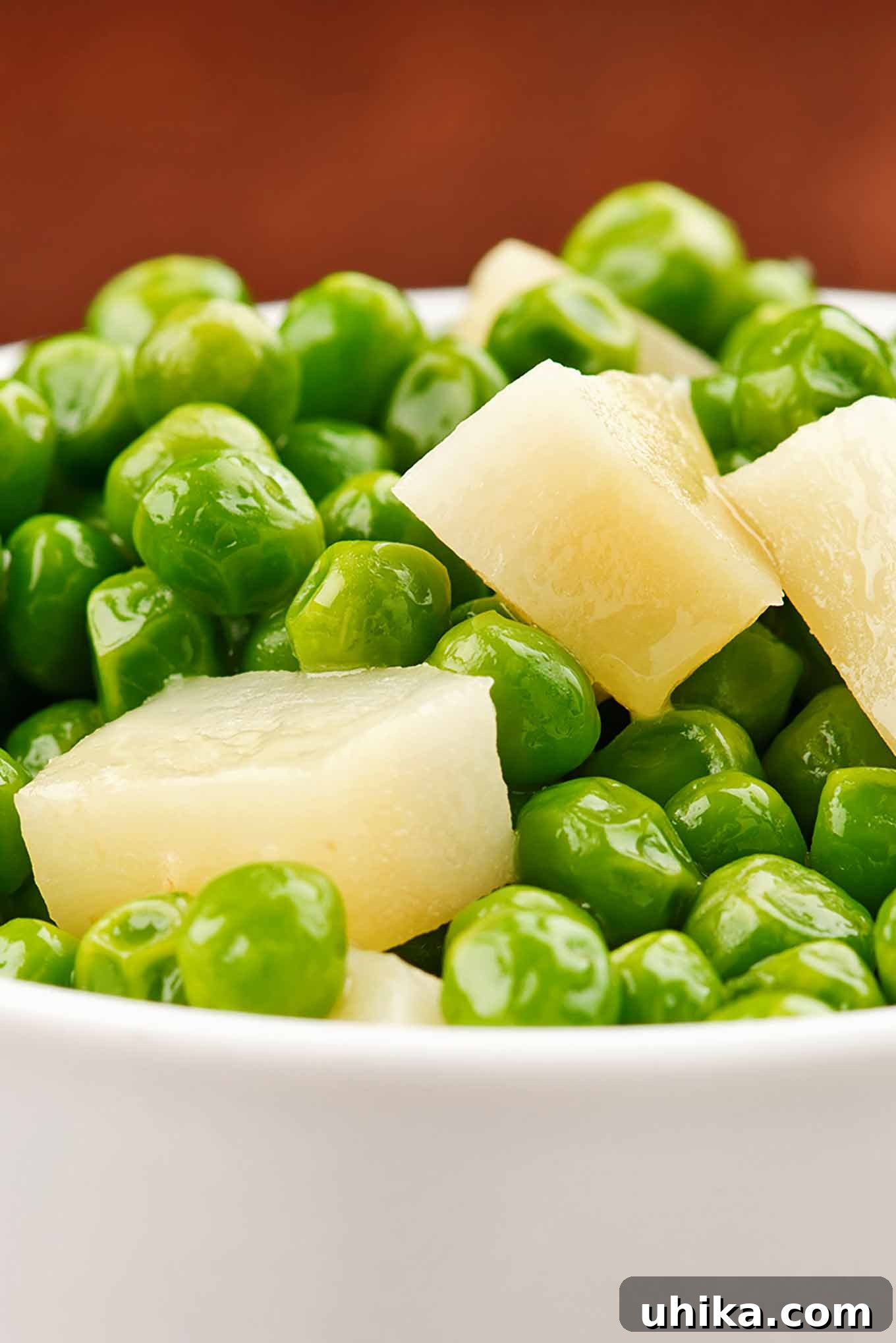
In the realm of side dishes, few can rival the elegant simplicity and delightful flavor profile of buttered peas and parsnips. This humble combination transforms two everyday vegetables into a culinary highlight, offering a harmonious balance of sweetness, earthiness, and a comforting buttery finish. Parsnips, with their creamy white appearance and a flavor often described as a sweeter, more aromatic cousin to carrots, provide a wonderful foundation. When paired with the bright, slightly sweet pop of green peas, and then gently coated in rich butter, the result is a side dish that is both sophisticated enough for a holiday table and quick enough for a weeknight dinner. It’s a versatile companion to a wide array of main courses, promising to add a touch of wholesome goodness and irresistible taste to your plate.
Unveiling the Root of Sweetness: All About Parsnips
Parsnips are often overshadowed by their more colorful relative, the carrot, but these unassuming root vegetables boast a unique charm all their own. With their pale, off-white skin and elongated shape, parsnips might initially seem plain, but their flavor is anything but. Raw, they possess a somewhat starchy and faintly bitter taste. However, once cooked, especially when roasted, boiled, or sautéed, their natural sugars caramelize, releasing an incredible sweetness that is subtly nutty and deeply earthy. This characteristic sweetness is more pronounced than that of carrots, making them an excellent choice for dishes that benefit from a touch of natural sugar without being overly saccharine.
Historically, parsnips were a staple crop in Europe before potatoes gained widespread popularity. They thrive in cooler climates, and their flavor is said to improve significantly after the first frost, which helps convert their starches into sugars. Beyond their delicious taste, parsnips are also a nutritional powerhouse. They are an excellent source of dietary fiber, which aids digestion and promotes satiety. Furthermore, they are rich in Vitamin C, crucial for immune function, and Vitamin K, important for blood clotting and bone health. Folate, potassium, and manganese are also found in significant amounts, contributing to overall well-being. When selecting parsnips, look for firm, small to medium-sized roots, as larger ones can sometimes be woody or have a tough core that needs to be removed. Their distinct flavor makes them a wonderful addition to stews, soups, purees, and, of course, simple buttered preparations like this recipe.
The Humble Powerhouse: A Closer Look at Peas
Green peas, those tiny, vibrant spheres, are much more than just a colorful garnish. They are a staple in cuisines worldwide, celebrated for their delicate sweetness, satisfying texture, and impressive nutritional profile. Technically a legume, peas are often treated culinarily as a vegetable, and for good reason. They offer a burst of freshness and a mild, pleasant sweetness that complements a vast array of other ingredients. Whether fresh, frozen, or canned, peas bring a distinct character to any dish.
While fresh peas harvested directly from the pod are a seasonal delight, high-quality frozen peas are a fantastic, convenient alternative that often surpasses the taste and texture of fresh peas that have traveled long distances. Freezing peas quickly after harvesting locks in their nutrients and preserves their vibrant color and crisp-tender bite. Canned peas, on the other hand, tend to be softer and less flavorful due to the canning process, making them generally less suitable for dishes where texture and fresh taste are paramount, such as this buttered side dish. Nutritionally, peas are champions. They are a good source of plant-based protein, making them valuable for vegetarian and vegan diets. Packed with fiber, they contribute to digestive health and help regulate blood sugar. They also provide significant amounts of Vitamin A (in the form of beta-carotene), Vitamin K, and several B vitamins, along with minerals like iron, magnesium, and zinc. Their low calorie count combined with high nutrient density makes them an excellent addition to a balanced diet, offering both flavor and health benefits in every bite.
Why This Duo Works: The Perfect Harmony of Flavors
The magic of buttered peas and parsnips lies in the beautiful synergy created by their individual flavors and textures. Parsnips, once cooked, deliver a deep, earthy sweetness with a hint of spice, mellowing into a comforting creaminess. This robust flavor provides a wonderful base for the lighter, brighter notes of green peas. Peas, with their distinct grassy sweetness and tender-crisp texture, offer a refreshing contrast to the parsnips’ more substantial bite. The interplay of these two vegetables creates a layered flavor experience: the initial sweetness of the parsnips gives way to the fresh pop of the peas, all tied together by the rich, aromatic embrace of melted butter.
Butter is not merely an additive here; it’s an essential element that unifies and enhances. It coaxes out the natural sweetness of both vegetables, adds a luxurious mouthfeel, and imparts a nutty, savory depth that makes the dish utterly irresistible. A pinch of sugar, often added to buttered peas, further accentuates their sweetness and helps them caramelize slightly in the butter, creating an even more appealing glaze. This combination isn’t just about taste; it’s also about contrasting textures. The soft, yielding parsnips provide comfort, while the slightly firmer peas offer a delightful pop, ensuring each spoonful is an engaging experience. This simple yet profound harmony is what makes buttered peas and parsnips a timeless and beloved side dish, capable of complementing a wide variety of main courses with grace and deliciousness.
Classic Buttered Peas and Parsnips Recipe
Author: Lynne Webb
Summary: This simple twist on classic peas and carrots creates an easy, versatile, and incredibly flavorful side dish perfect for any meal.
Prep Time: 5 minutes
Cook Time: 10 minutes
Total Time: 15 minutes
Servings: 4 servings
Ingredients
- 1/2 lb parsnips, peeled and cut into 1/2-inch pieces
- 2 tablespoons unsalted butter
- 2 cups frozen peas, defrosted
- Pinch of sugar (optional, enhances natural sweetness)
- Salt and freshly ground black pepper, to taste
Instructions
- Prepare the Parsnips: Place the peeled and uniformly cut parsnips into a medium saucepan. Add about 1/2 teaspoon of salt, then cover the parsnips generously with cold water. Bring the water to a gentle simmer over medium-high heat. Continue to cook the parsnips until they are tender when easily pierced with a fork, which typically takes between 5 to 7 minutes. Once tender, carefully drain all the water from the parsnips and return the empty saucepan to the stove.
- Combine with Peas and Butter: Add the butter to the saucepan with the drained parsnips. Allow the butter to melt completely over low heat. Once melted, add the defrosted peas and the pinch of sugar to the pan. Cook the mixture for 2 to 3 minutes, stirring gently, until the peas are thoroughly heated through and vibrant green.
- Season and Serve: Season the buttered peas and parsnips generously with salt and freshly ground black pepper to your preferred taste. Give it a final gentle stir. Transfer the delicious side dish to a warm serving bowl and serve immediately to enjoy its best flavor and texture.
Tips for Perfect Buttered Peas and Parsnips
While this recipe is wonderfully straightforward, a few expert tips can elevate your buttered peas and parsnips from great to absolutely exceptional. Paying attention to these details ensures a dish that is perfectly cooked, seasoned, and bursting with flavor.
Selecting the Best Ingredients:
- Parsnips: Always opt for firm, small to medium-sized parsnips. These tend to be sweeter and less fibrous than larger ones. Avoid any parsnips that appear soft, shriveled, or have green tinges around the top, as these might indicate an older vegetable with a tougher core or bitter taste. Organic parsnips often have a more intense flavor.
- Peas: High-quality frozen peas are usually your best bet for convenience and consistent results. They are flash-frozen at their peak ripeness, preserving their vibrant color and sweet flavor. If you have access to fresh peas in season, they are a fantastic choice, but require a bit more preparation (shelling). Avoid canned peas, as their texture is often too soft for this dish.
- Butter: Use good quality unsalted butter. This allows you to control the saltiness of the dish more precisely. If you only have salted butter, reduce the amount of added salt in the recipe.
Achieving Optimal Texture:
- Don’t Overcook Parsnips: The goal is tender parsnips, not mushy ones. Keep an eye on them during boiling; they should be easily pierced with a fork but still hold their shape. Overcooked parsnips will lose their distinct texture and might become waterlogged.
- Quick Cook for Peas: Peas cook very quickly. Since frozen peas are already blanched, you only need to heat them through until they are tender-crisp and bright green. Overcooking peas can make them dull in color and mushy.
Enhancing the Flavor Profile:
- Fresh Herbs: A sprinkle of fresh, finely chopped herbs like mint, parsley, chives, or dill at the very end can add a wonderful layer of freshness and aroma. Mint, in particular, pairs beautifully with peas.
- A Hint of Acid: A small squeeze of fresh lemon juice just before serving can brighten the flavors and cut through the richness of the butter.
- Garlic or Onion: For an extra savory kick, you can sauté a minced garlic clove or a tablespoon of finely chopped shallots in the butter for a minute before adding the peas.
- Brown Butter: For a deeper, nuttier flavor, cook the butter slightly longer until it turns a light golden brown and smells nutty before adding the peas. Be careful not to burn it!
- Nutmeg: A tiny pinch of freshly grated nutmeg can enhance the sweetness and warmth of the parsnips, adding a subtle, sophisticated note.
By keeping these simple tips in mind, you can consistently prepare a batch of buttered peas and parsnips that will impress with its balanced flavors and perfect textures, making it a truly unforgettable side dish.
Serving Suggestions: Elevating Your Side Dish
The beauty of buttered peas and parsnips lies not only in its delicious taste but also in its incredible versatility. This side dish is truly a chameleon, adapting effortlessly to various main courses and dining occasions. From a casual weeknight dinner to an elaborate holiday feast, these tender, sweet vegetables bring comfort and elegance to the table.
Perfect Pairings with Proteins:
- Roasted Poultry: It’s a classic accompaniment to roasted chicken, turkey, or duck. The sweetness of the vegetables provides a lovely contrast to the savory, rich flavors of the poultry.
- Fish and Seafood: Delicate white fish like pan-seared cod, baked halibut, or grilled salmon find a wonderful partner in this dish. The buttered vegetables complement the seafood without overpowering it.
- Pork and Lamb: Whether it’s grilled pork chops, a tender pork loin, or succulent lamb chops, the earthy sweetness of parsnips and peas provides a balanced counterpoint to these meats.
- Beef Dishes: For a heartier meal, serve alongside a perfectly cooked steak, roasted beef, or even beef stew. The freshness of the peas helps to lighten the richness of the beef.
- Vegetarian Mains: This side dish shines next to vegetarian main courses like a lentil loaf, mushroom Wellington, or a hearty vegetable gratin, adding essential flavor and nutrition.
Complementary Flavors and Textures:
- Aromatic Herbs: Garnish with extra fresh herbs like parsley, chives, or a sprig of mint for a pop of color and an added layer of aroma.
- Toasted Nuts: For a delightful textural contrast, sprinkle a few toasted slivered almonds or chopped pecans over the dish just before serving. Their crunch and nutty flavor beautifully complement the soft vegetables.
- Citrus Brightness: A final squeeze of lemon or a dash of lemon zest can lift the flavors and add a refreshing brightness to the buttery vegetables.
- Cheese: A light dusting of finely grated Parmesan cheese can add a savory, umami note, though this dish is often best enjoyed without to let the vegetables shine.
Whether you’re planning a sophisticated dinner party or simply seeking to enhance a family meal, buttered peas and parsnips offer a simple yet profound way to add wholesome flavor and elegance to any plate. Its universal appeal makes it a go-to choice for any occasion.
Variations to Explore: Customizing Your Dish
While the classic buttered peas and parsnips recipe is undeniably delicious, it also serves as an excellent canvas for culinary creativity. Don’t hesitate to experiment with different ingredients and flavor profiles to make this versatile side dish truly your own. Here are a few ideas to inspire your variations:
Herbal Infusion:
- Minty Fresh: Mint and peas are a match made in heaven. Add a generous handful of freshly chopped mint leaves along with the peas for a burst of refreshing flavor.
- Parsley & Chive Boost: Incorporate finely chopped fresh parsley and chives at the end of cooking for a mild oniony note and a touch of vibrant green.
- Dill Delight: Dill offers a unique, slightly tangy flavor that pairs surprisingly well with both peas and the sweetness of parsnips.
Garlic & Herb Butter:
- Garlic Lover’s Dream: Sauté 1-2 cloves of minced garlic in the butter for about 30 seconds before adding the peas. Be careful not to burn the garlic.
- Rosemary & Thyme: Infuse the butter with a small sprig of fresh rosemary and thyme while it melts. Remove the sprigs before adding the peas, or finely chop the leaves for a more integrated flavor.
Sweet & Spicy Twists:
- Maple Glaze: For an even richer, deeper sweetness, add a teaspoon of maple syrup or a drizzle of honey along with the butter. This enhances the parsnips’ natural sugars beautifully.
- Subtle Spice: A tiny pinch of red pepper flakes added with the butter can introduce a gentle warmth and a hint of unexpected zest to the dish.
- Nutmeg Warmth: As mentioned before, a small grating of fresh nutmeg can add a cozy, aromatic depth, particularly pleasing in cooler months.
Creamy Indulgence:
- Rich & Creamy: For a more decadent version, stir in a splash (1-2 tablespoons) of heavy cream or half-and-half at the very end of cooking, allowing it to gently warm through. This adds a luxurious texture and richness.
- Parmesan Finish: Once transferred to the serving dish, sprinkle with a tablespoon of freshly grated Parmesan cheese. The cheese will melt slightly from the residual heat, adding a savory tang.
These variations demonstrate how easily you can adapt this foundational recipe to suit different tastes, occasions, or ingredients you have on hand. Don’t be afraid to experiment and discover your favorite rendition of buttered peas and parsnips!
Nutritional Highlights of Peas and Parsnips
Beyond their delightful taste and versatility, buttered peas and parsnips offer a substantial boost of nutrition, making this side dish a smart choice for a balanced diet. Both vegetables are packed with essential vitamins, minerals, and dietary fiber, contributing significantly to overall health and well-being.
Parsnips: A Powerhouse Root
- Rich in Fiber: Parsnips are an excellent source of dietary fiber, crucial for digestive health. Fiber aids in regulating bowel movements, preventing constipation, and promoting a feeling of fullness, which can be beneficial for weight management.
- Vitamins and Minerals: They provide a significant amount of Vitamin C, a powerful antioxidant that supports the immune system and skin health. Parsnips are also a good source of Vitamin K, essential for blood clotting and bone health, and Folate (Vitamin B9), which is vital for cell growth and function. Other minerals include potassium, manganese, and magnesium.
- Antioxidants: Parsnips contain various antioxidants, which help protect the body’s cells from damage caused by free radicals.
Peas: Small but Mighty Legumes
- Plant-Based Protein: Green peas are notable for their plant-based protein content, making them a valuable component for vegetarians, vegans, and anyone looking to increase their protein intake. Protein is fundamental for building and repairing tissues.
- Fiber-Rich: Like parsnips, peas are high in dietary fiber, contributing to gut health, regular digestion, and helping to stabilize blood sugar levels.
- Abundant Vitamins: Peas are packed with Vitamin A (as beta-carotene), which is vital for vision and immune function, and Vitamin K, crucial for blood coagulation. They also provide a range of B vitamins, including thiamine, riboflavin, and niacin, which play key roles in energy metabolism.
- Minerals: They offer a good supply of essential minerals such as iron (important for oxygen transport), magnesium (involved in over 300 enzymatic reactions), and zinc (supports immune function and wound healing).
Together, buttered peas and parsnips create a side dish that is not only delicious and comforting but also a fantastic source of vital nutrients. The addition of butter, in moderation, also provides essential fatty acids and fat-soluble vitamins, enhancing the absorption of nutrients from the vegetables. This makes it an ideal choice for a wholesome, flavorful, and healthy addition to any meal.
Storing and Reheating Leftovers
Having leftovers of delicious buttered peas and parsnips is a delightful bonus, but proper storage and reheating are key to maintaining their quality and flavor. With a few simple steps, you can enjoy this tasty side dish for a couple more days.
Storing Leftovers:
- Cool Completely: Before storing, allow the buttered peas and parsnips to cool down to room temperature. This prevents condensation from forming inside the container, which can lead to sogginess and spoilage.
- Airtight Container: Transfer the cooled vegetables to an airtight container. This helps to prevent the absorption of odors from other foods in the refrigerator and keeps the dish fresh.
- Refrigeration: Store the airtight container in the refrigerator for up to 3-4 days. While they might still be safe to eat after this period, the texture and flavor will start to diminish.
Reheating Tips:
- Stovetop (Recommended): For best results, reheat leftovers on the stovetop. Place the buttered peas and parsnips in a saucepan over medium-low heat. Add a tiny splash of water or a small knob of fresh butter to help rehydrate and prevent sticking. Stir gently and heat until warmed through, usually 3-5 minutes. This method helps restore a good texture.
- Microwave: If you’re in a hurry, the microwave is a convenient option. Place the vegetables in a microwave-safe dish, cover loosely, and heat in 30-second intervals, stirring in between, until hot. Be careful not to overheat, as this can make the peas mushy.
- Oven: For a slightly crispier finish, especially if you added herbs or nuts originally, spread the leftovers on a baking sheet and reheat in a preheated oven at 300°F (150°C) for about 10-15 minutes, or until warmed through.
No matter which reheating method you choose, always check the temperature to ensure the dish is heated thoroughly before serving. Enjoying your leftovers means you get to savor the deliciousness of buttered peas and parsnips for even longer!