
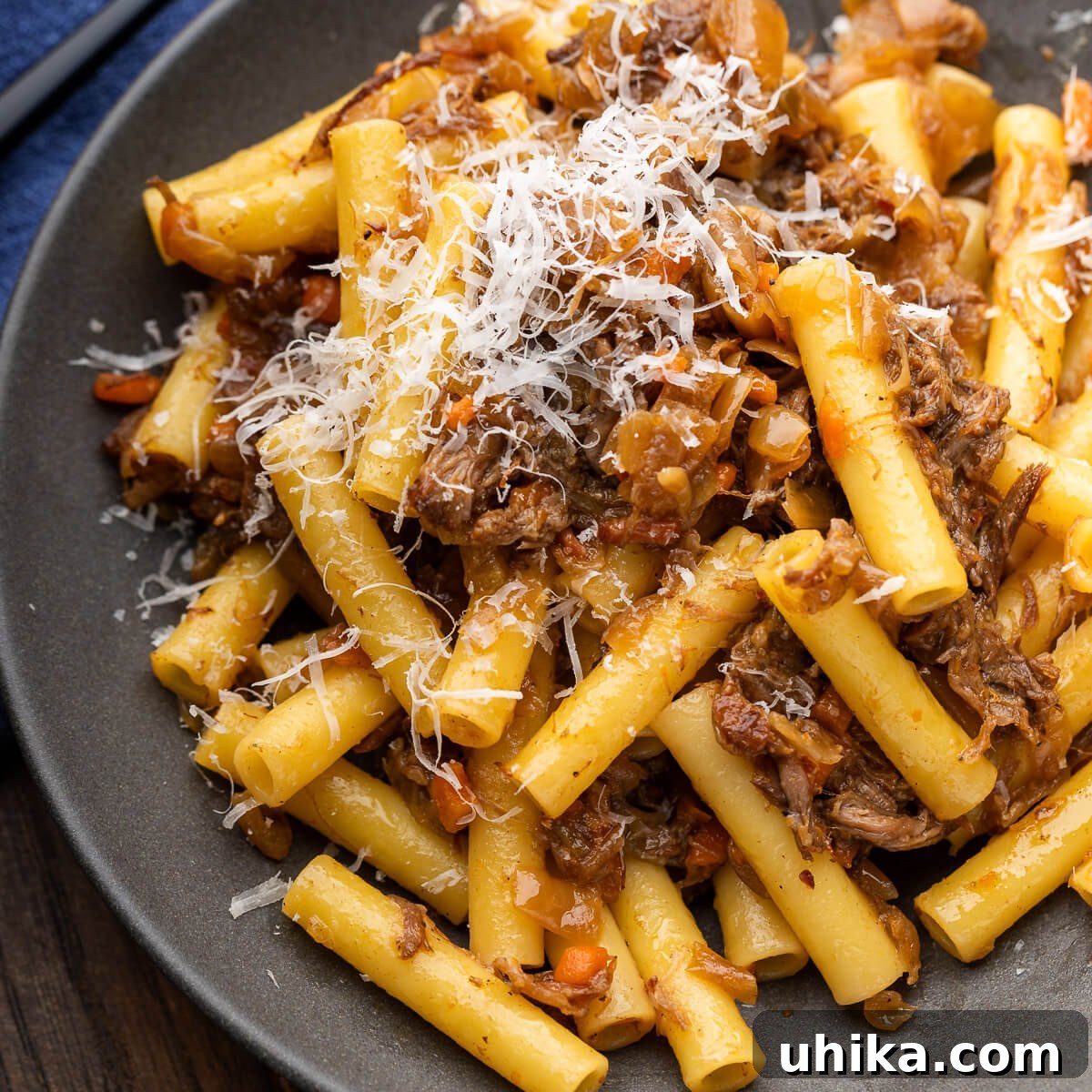
Authentic Pasta alla Genovese: A Neapolitan Slow-Cooked Beef and Onion Ragu Recipe
Hearty, deeply flavorful, and incredibly comforting, Pasta alla Genovese is a true culinary masterpiece from Naples. This remarkable dish brings together succulent, tender shredded beef in a luscious, almost creamy onion sauce, expertly tossed with al dente pasta and a generous sprinkle of Parmigiano Reggiano. Often considered a hidden gem of Italian cuisine, it’s the perfect robust meal for crisp Fall and cold Winter Sundays, promising warmth and satisfaction with every forkful.
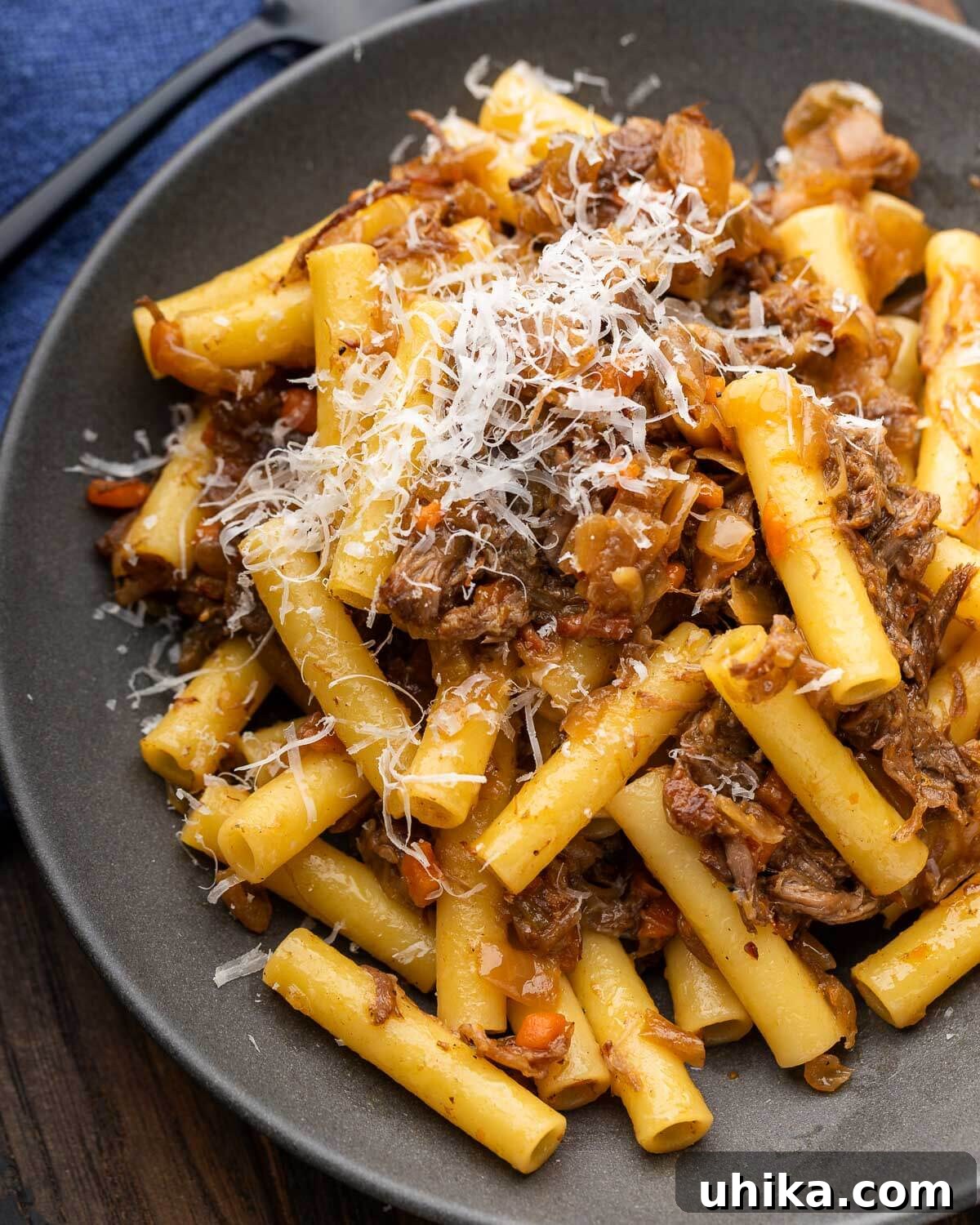
(This article was originally published on November 13, 2019, and underwent a comprehensive update on November 1, 2024. The latest version features enhanced ingredient visuals, refined process photography, and expanded, detailed information to guide you in creating the finest Pasta alla Genovese.)
Unveiling Pasta alla Genovese: A Neapolitan Culinary Treasure
Despite its name, Pasta alla Genovese does not hail from Genoa, but is a proud and iconic creation from the vibrant city of Naples, Italy. This extraordinary dish is a testament to the beauty of slow cooking, showcasing an incredibly rich, onion-based sauce braised for hours with a substantial beef roast until it reaches peak tenderness. The culinary magic unfolds as five pounds of humble onions gradually cook down, slowly caramelizing and transforming into a deeply sweet, savory, and wonderfully creamy foundation for the sauce. The beef, typically a chuck roast known for its marbling and flavor, becomes incredibly fork-tender, offering a melt-in-your-mouth experience that perfectly complements the silky sauce.
While traditionalists might serve the braised beef as a separate course, or reserve it for another delightful meal, our preferred method for the most integrated and profound flavor is to shred the tender beef and gently fold it back into the glorious onion ragu. This ensures that every single strand of pasta is coated in the rich, complex essence of both the beef and the intensely flavorful onions. The flavor profile of Pasta alla Genovese often draws comparisons to the beloved French onion soup, sharing that deep, sweet, and comforting caramelized onion taste. However, Genovese takes this foundation to a whole new level, offering a much heartier and more substantial meal thanks to the slow-cooked beef and the unctuous, thick sauce. It’s a dish that truly embodies warmth and comfort, making it an ideal choice for gathering around the table with loved ones on a chilly evening, providing a culinary hug that satisfies both body and soul.
Perfect Pairings and Serving Suggestions for Genovese
To beautifully balance the inherent richness of La Genovese, I highly recommend serving it alongside a bright, fresh, or sautéed green vegetable. A classic and highly complementary choice is garlicky broccoli rabe; its slight bitterness and vibrant flavor provide a wonderful contrast that cuts through the sweetness of the onion sauce. Alternatively, a crisp and peppery green salad dressed with a simple vinaigrette offers a refreshing counterpoint, cleansing the palate between each savory bite. For those who appreciate a fine wine pairing, a full-bodied red wine, such as an Aglianico, Barbera, or even a robust Sangiovese, would beautifully complement the deep, complex flavors of the slow-cooked beef and caramelized onions, elevating the entire dining experience to new heights. Consider a warm, crusty loaf of bread to sop up any leftover sauce – a true sign of a well-loved meal!
Essential Ingredients for Crafting Authentic Pasta alla Genovese
Creating an authentic Pasta alla Genovese requires a careful selection of a few core ingredients, each playing an indispensable role in developing its signature depth and complexity of flavor. Below, you’ll find a detailed overview of what you’ll need, along with specific notes to help you select the best components for this revered Neapolitan classic.
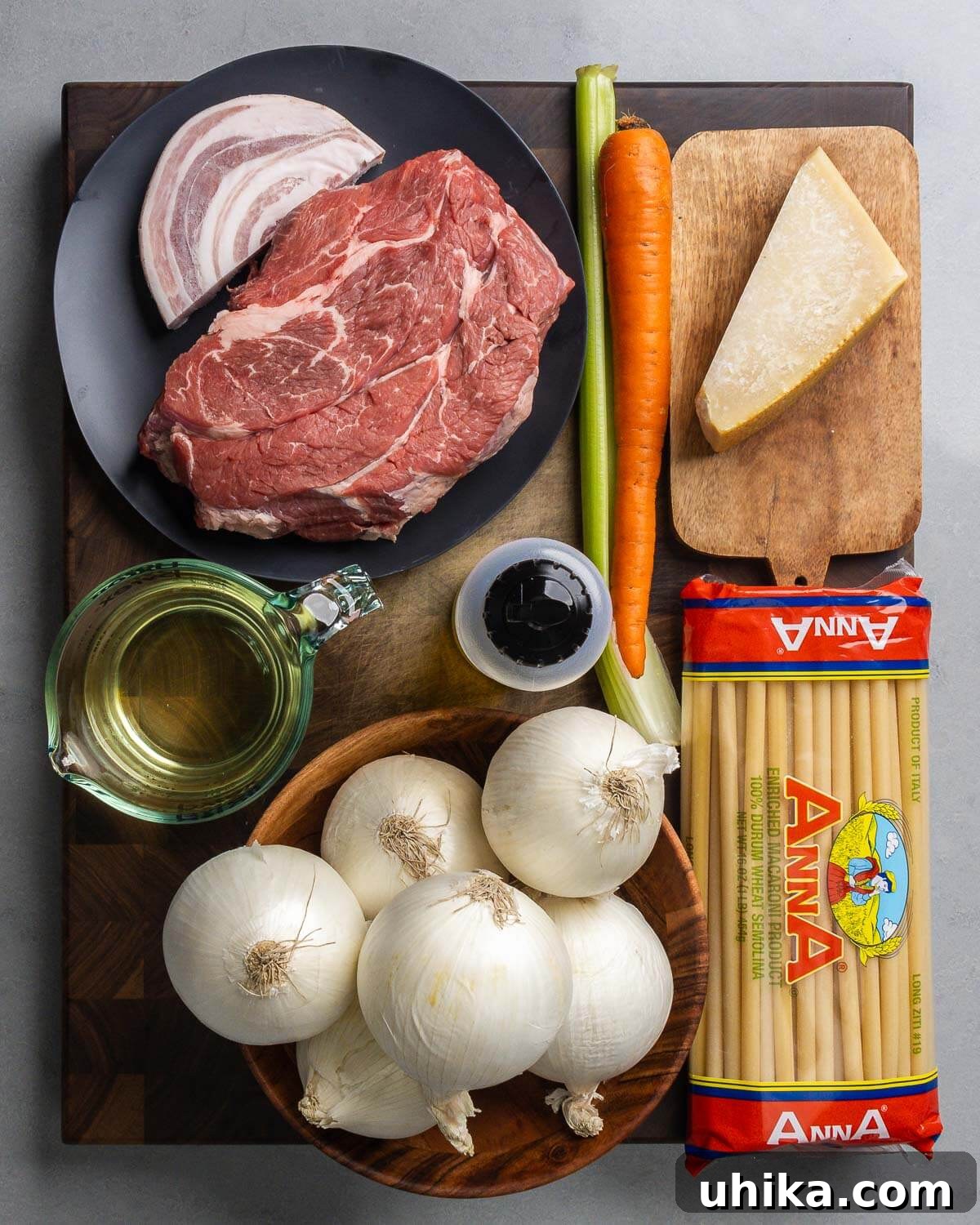
- Onions: The True Star of the Show. This dish is unapologetically onion-forward, demanding a generous quantity – typically around 5 pounds of onions! This might initially seem like an overwhelming amount, but it is absolutely crucial. These onions will cook down dramatically over several hours, transforming into a rich, sweet, savory, and almost jam-like sauce base that is truly the soul of Genovese. While I often opt for white onions for their delicate sweetness and consistent caramelization, yellow or Spanish onions are excellent, readily available alternatives that will yield equally delicious results. The secret lies in the long, slow cooking process that coaxes out their natural sugars and deepens their flavor.
- Beef: The Hearty Core of the Ragu. My top choice for the beef component in Pasta alla Genovese is a well-marbled chuck roast. This cut is ideally suited for slow braising due to its excellent fat content and connective tissue, which break down over hours of cooking to create incredibly tender, succulent strands of beef. Chuck roast is also typically a budget-friendly option, making this hearty dish accessible to many. You have a couple of options for preparation: you can braise the chuck roast whole, which allows it to be removed and served as a separate course or a second meal, letting the onion sauce shine with the pasta. Alternatively, for the most integrated and robust flavor, you can cut the roast into large, substantial chunks before searing. This method allows the beef to shred more readily and become an integral part of the onion sauce, creating a truly unified and rich ragu that clings beautifully to every piece of pasta. Either approach works wonderfully, depending on your culinary preference.
- Pasta: The Perfect Canvas for the Sauce. Traditionally, long ziti, often broken by hand before boiling, is the pasta shape of choice for Genovese. However, long ziti can sometimes be a bit challenging to manage and serve. For greater convenience without sacrificing authenticity, I often opt for regular cut ziti, which perfectly captures and holds the thick, clingy sauce. If ziti isn’t readily available, or if you simply prefer another shape, penne or rigatoni are fantastic substitutes. Their tubular shapes and ridged surfaces are excellent for trapping and delivering the rich onion and beef ragu, ensuring a flavorful and satisfying bite every single time.
- Pancetta: The Foundation of Flavor. A modest amount of diced pancetta is crucial at the beginning of the cooking process. As it renders, the fat it releases provides a deeply flavorful base for searing the beef and sautéing the soffritto. The crispy bits of pancetta themselves also add wonderful texture and an intense burst of savory depth to the finished dish.
- Soffritto: The Aromatic Enhancers. Alongside the substantial quantity of onions, finely diced carrots and celery form the classic Italian soffritto. These humble aromatic vegetables slowly cook down with the onions, adding essential sweet undertones and a subtle earthy fragrance that beautifully rounds out the overall flavor profile of the rich sauce.
- Dry White Wine: Deglazing and Depth. A dry white wine, such as a crisp Pinot Grigio, Sauvignon Blanc, or Vermentino, serves a vital purpose: deglazing the pot after searing the beef and sautéing the soffritto. This step is essential for lifting all those delicious browned bits (known as “fond”) from the bottom of the pot, incorporating them into the nascent sauce, and adding a layer of acidic complexity that brightens the otherwise rich and deep flavors.
- Parmigiano Reggiano: The Indispensable Finishing Touch. No authentic Italian pasta dish would be complete without a generous shower of freshly grated Parmigiano Reggiano cheese. Its salty, nutty, and umami notes perfectly complement the sweet and savory Genovese sauce, bringing all the elements together in harmonious and irresistible balance. Always opt for a good quality block of cheese and grate it fresh for the best flavor.
- Olive Oil, Salt, and Pepper: The Fundamental Elements. High-quality extra virgin olive oil is used for initial sautéing. Liberal seasoning with both salt and freshly ground black pepper throughout the various stages of the cooking process is absolutely fundamental for developing the full, nuanced flavor potential of this exquisite dish.
For precise measurements and a comprehensive breakdown of each ingredient, please refer to the detailed recipe card provided below.
Crafting Authentic Pasta alla Genovese: A Detailed Step-by-Step Guide
Creating this Neapolitan masterpiece is a labor of love that promises unparalleled flavor as a reward for your patience. Follow these meticulous steps to achieve a rich, tender, and truly authentic Pasta alla Genovese that will delight and impress even the most discerning palates.
- Prepare Your Workspace and Ingredients: Preheat your oven to 300°F (150°C). Position an oven rack in the center, ensuring there’s ample room to comfortably accommodate a large Dutch oven with its lid. Dice 1/3 pound (150g) of pancetta. Finely dice 1 large carrot, 1 celery rib, and all 5 pounds (2.2kg) of your chosen onions (white, yellow, or Spanish). Cut a 2 to 2 1/2 pound (1.2kg) chuck roast into large, approximately 2-inch chunks. Pat the beef pieces thoroughly dry with paper towels – this is a critical step for achieving a proper, deep sear. Season the dried beef chunks liberally on all sides with salt and freshly ground black pepper.
- Render the Pancetta: Place your large Dutch oven or a heavy-bottomed pot over medium heat. Add the diced pancetta and cook, stirring occasionally, until it renders most of its fat and becomes delightfully crispy. Using a slotted spoon, carefully remove the cooked pancetta pieces and set them aside on a plate lined with paper towels to drain. Crucially, leave the flavorful rendered fat in the pot, as it will form the foundation for the subsequent cooking steps.
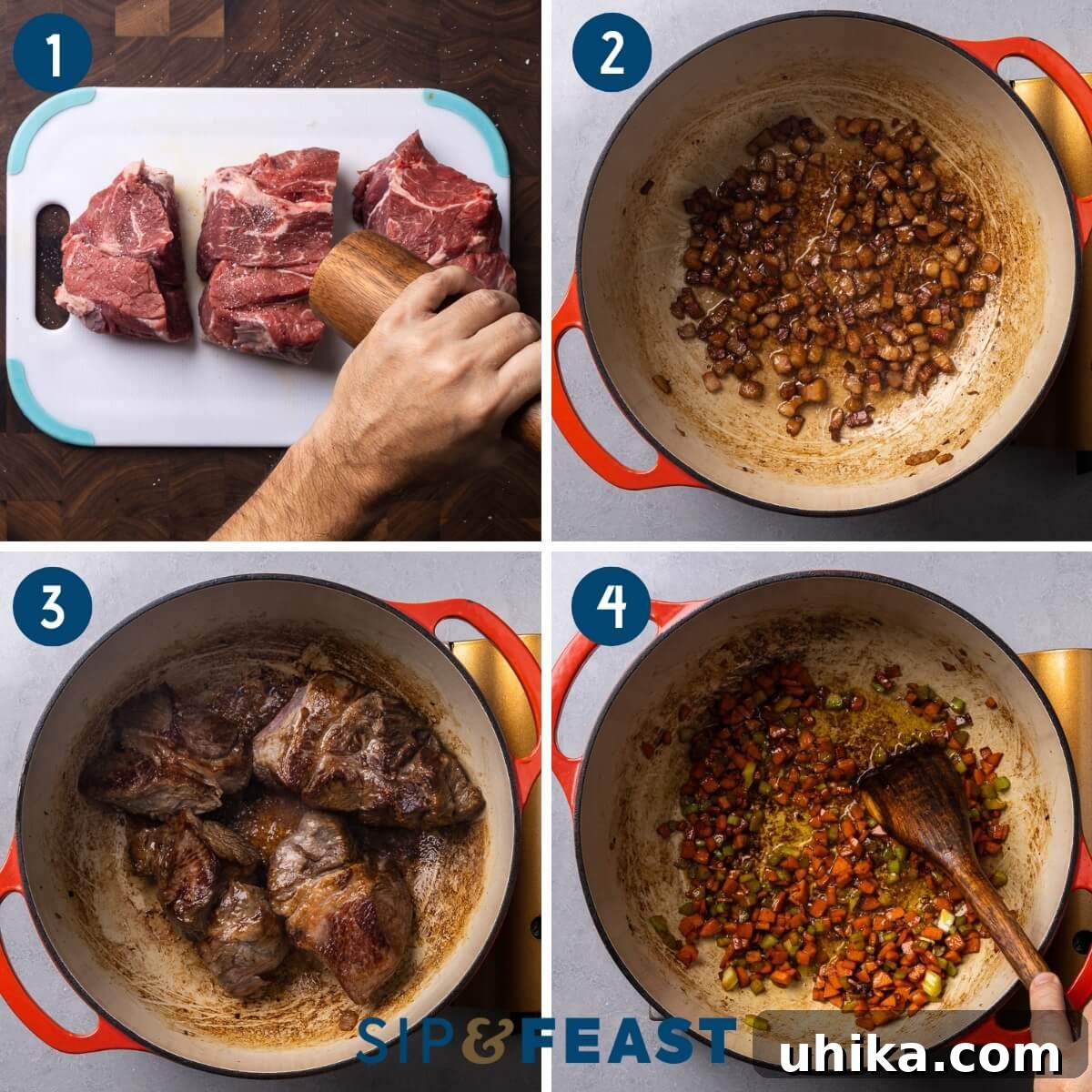
- Sear the Beef: Increase the heat slightly to medium-high if necessary. Add the seasoned chuck roast chunks to the pot in batches if needed to avoid overcrowding. Sear them on all sides until they develop a deep, rich brown crust. This browning creates “fond” – the flavorful caramelized bits stuck to the bottom of the pot – which will add immense depth to your sauce. Once thoroughly seared, remove the beef to the same plate with the crispy pancetta.
- Sauté the Soffritto: Reduce the heat to medium. Add 1/4 cup (60g) of extra virgin olive oil to the pot, followed by the finely diced carrots and celery. Cook these aromatic vegetables for approximately 10 minutes, stirring occasionally, until they are very soft and fragrant. They should not brown, but rather soften and release their subtle sweetness.
- Deglaze with White Wine: Turn the heat to high. Pour in 1 1/2 cups (360g) of dry white wine. Bring the wine to a vigorous simmer and cook, vigorously scraping the bottom of the pot with a wooden spoon to dislodge all the browned bits (the fond). Continue to cook until the wine reduces by approximately half, concentrating its flavors and integrating them into the pot.
- Add Onions, Beef, and Pancetta for Braising: Add all 5 pounds of the diced onions to the pot, along with 1/2 cup of water and a pinch of salt. Stir everything thoroughly to combine, ensuring the onions are well coated and beginning to soften slightly. Gently return the seared beef chunks and the reserved rendered pancetta to the pot, nestling them amongst the generous bed of onions.
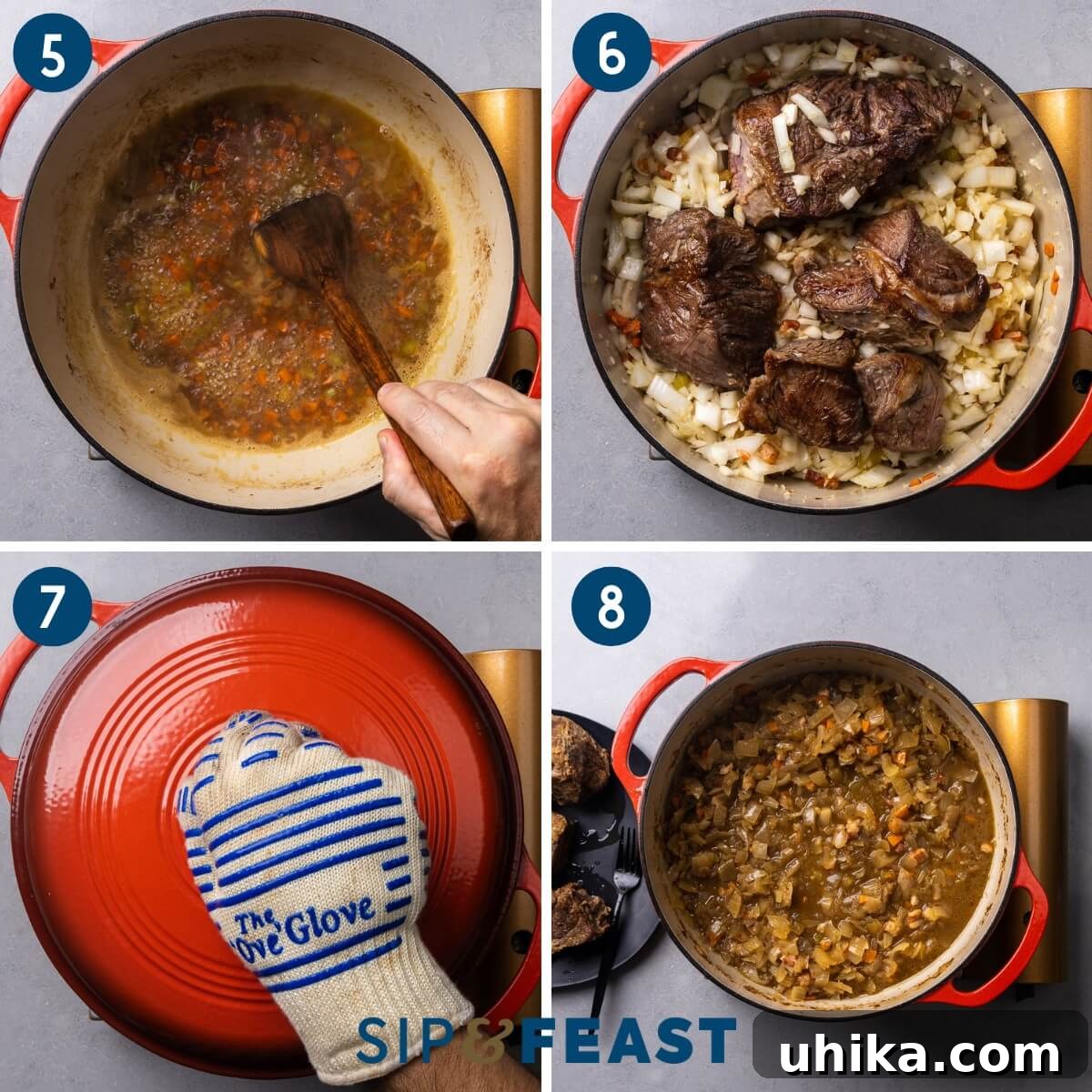
- Slow Cook the Ragu: Cover the pot with a tight-fitting lid and carefully transfer it to the preheated oven. Cook for 3 hours. At the halfway point (after 1.5 hours), quickly check the ragu; if it appears too dry or is sticking to the bottom, add a splash of water to maintain moisture.
Note: Stovetop Method: If you prefer to cook on the stovetop, cover the pot tightly and simmer over very low heat for 3 hours. Be diligent about checking and stirring the onions every 30 minutes, adding a small amount of water as needed to prevent burning and ensure even cooking. - Check and Shred the Beef: After the initial 3 hours of cooking, carefully remove the pot from the oven (or stovetop) and check the beef for tenderness. It should be incredibly soft and easily pierced and pulled apart with a fork. If it’s not quite tender enough, return it to the oven or stovetop for another 30 minutes, then check again. Once perfectly tender, remove the beef chunks from the pot and allow them to cool slightly before shredding them into succulent strands using two forks.
- Caramelize the Onions (Uncovered): With the shredded beef removed, return the pot to the stovetop (if it was in the oven) and turn the heat to medium. Continue to cook the onions, uncovered, for an additional 45-60 minutes. During this crucial stage, the onions will further soften, reduce significantly, and develop a beautiful, deep golden caramelization, creating that desired creamy, almost jam-like texture and intensely sweet-savory flavor. Stir frequently to prevent any burning. If at any point the onions start to stick or brown too quickly, add a splash of water or white wine and slightly lower the heat. This slow caramelization is what makes the Genovese sauce truly special.
- Combine and Final Seasoning: Return the shredded beef to the pot with the deeply caramelized onion sauce. Stir everything together thoroughly to ensure the beef is well incorporated into the rich ragu. Taste the sauce and adjust the seasoning with salt and freshly ground black pepper as needed; remember, the flavors will have concentrated significantly. Keep the sauce on a very low simmer to stay warm while you prepare the pasta. Bring a large pot of heavily salted water to a rolling boil. Add 1 pound (454g) of ziti, penne, or your chosen pasta shape and cook it to 1 minute less than al dente, according to the package directions. Before draining the pasta, crucially reserve at least 2 cups (480g) of the starchy pasta water.
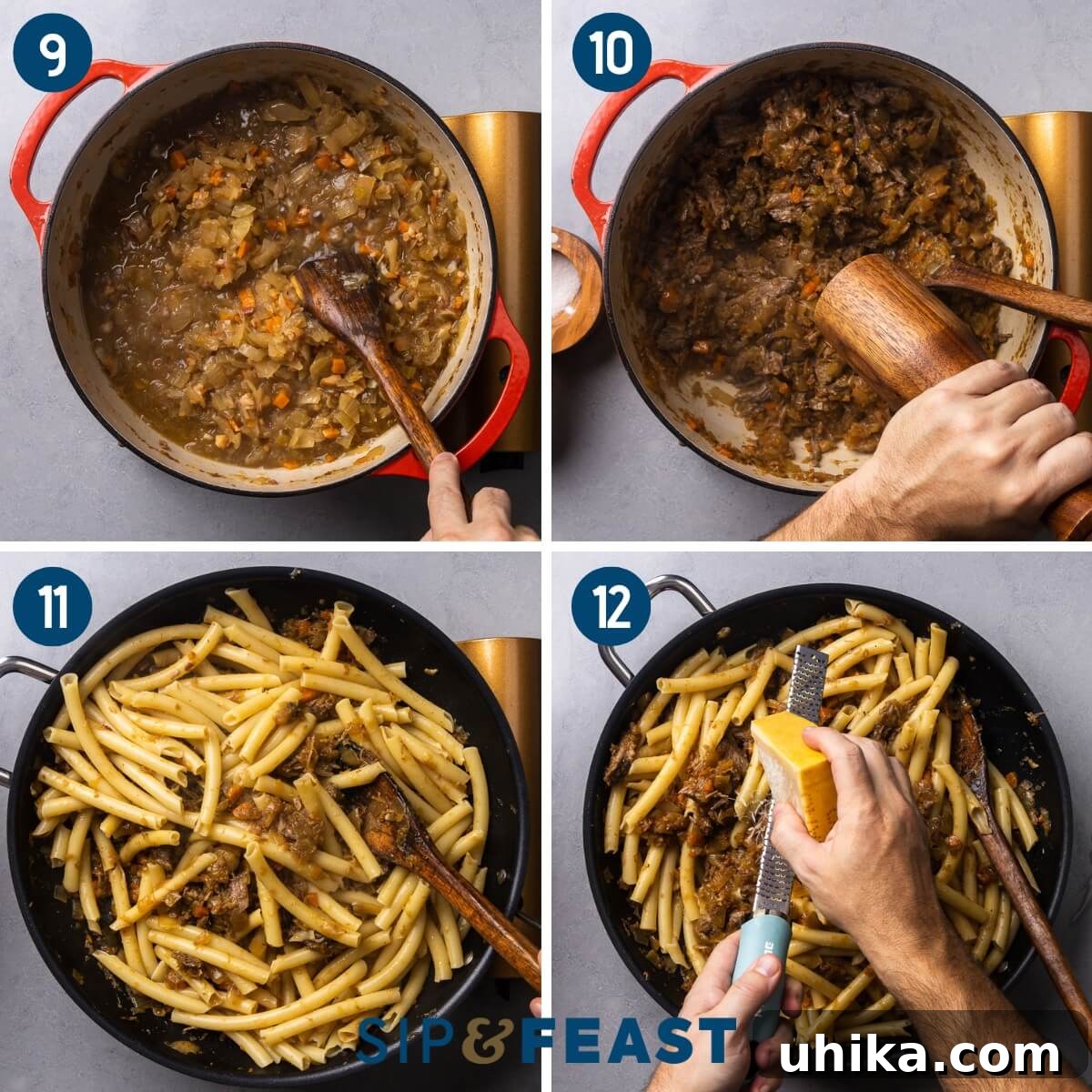
- Finish the Pasta in the Sauce: Heat a large, wide pan or skillet over medium heat and add about 3 cups of the Genovese sauce. Using tongs, transfer the slightly undercooked pasta directly into the pan with the sauce. Add a splash of the reserved starchy pasta water. Stir frequently, allowing the pasta to finish cooking and absorb the incredible flavors of the sauce, until it reaches a perfect al dente texture. Add more pasta water or sauce as needed to achieve your desired consistency – the pasta water is key to creating a silky, emulsified sauce that beautifully coats every piece of pasta. Remove the pan from the heat.
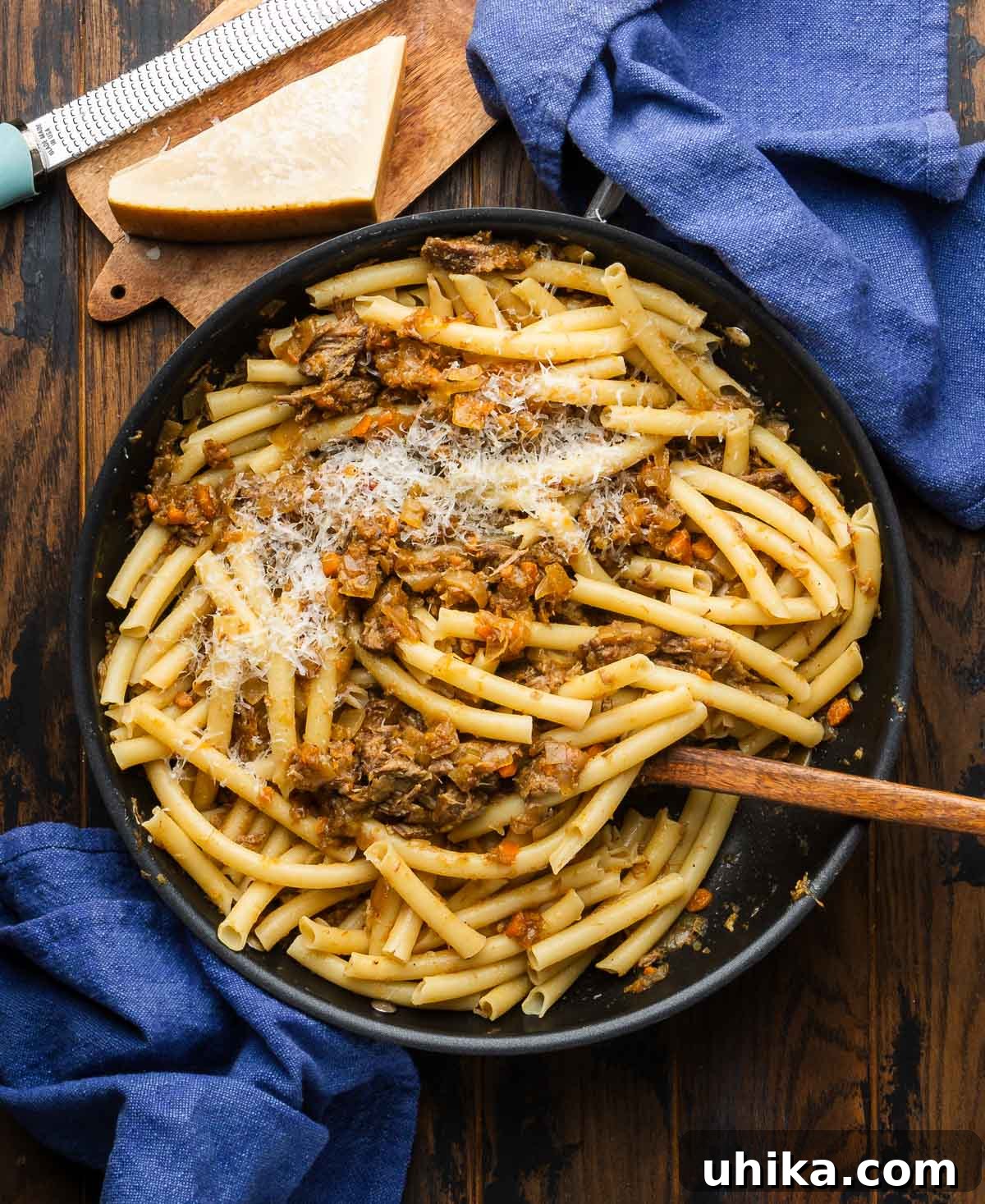
- Serve Immediately: Stir in 1/2 cup (45g) of freshly grated Parmigiano Reggiano cheese until it melts into the sauce, creating an even richer and creamier texture. Serve the Pasta alla Genovese immediately, garnishing each plate with additional freshly grated cheese if desired. Savor and enjoy this truly incredible Neapolitan delight!
Chef’s Note: Any extra sauce can be served tableside for those who desire more, or conveniently stored for another delightful meal.
Expert Tips for a Perfect Pasta alla Genovese
To ensure your homemade Pasta alla Genovese is nothing short of spectacular and truly rivals the best trattorias in Naples, keep these valuable expert tips in mind:
- Leverage the Oven for Braising: While Pasta alla Genovese can certainly be cooked entirely on the stovetop, I enthusiastically recommend utilizing the oven for the initial long braising stage. The oven provides significantly more consistent and even heat distribution, which dramatically reduces the risk of the sauce sticking to the bottom of the pot and potentially burning – a common challenge with such an extended cooking time. If you do choose the stovetop method, be extra diligent: check and stir the contents every 30 minutes or so, adding small amounts of water as necessary to maintain moisture and prevent any scorching.
- Always Reserve Your Pasta Water: This is an essential golden rule for virtually all authentic Italian pasta dishes, and Genovese is certainly no exception. The starchy pasta water is your secret weapon to achieving a perfectly emulsified, glossy sauce that expertly clings to every piece of pasta. If your Genovese sauce appears too thick or dry during the final tossing with the pasta, a splash or two of this reserved starchy water will help to loosen it up to the ideal consistency, creating a luscious, restaurant-quality finish.
- A Knob of Butter for Decadence (Optional but Recommended): For an added layer of pure decadence and an even silkier, more luxurious texture, consider stirring in a knob of unsalted butter (approximately 2 tablespoons) at the very end, just as you’re tossing the pasta with the finished sauce. While not strictly traditional and therefore not listed in the main ingredients, this simple addition significantly enriches the dish and helps the sauce and pasta meld together seamlessly, creating an unforgettable experience.
- Patience is Key for the Onions: The extensive, slow cooking time allocated for the onions is absolutely non-negotiable. Their gradual transformation from pungent and firm to incredibly sweet, savory, and tender is what defines the profound depth of flavor in Genovese. Resist any urge to rush this crucial step; your patience will be amply rewarded with an unparalleled and complex onion flavor that forms the soul of this dish.
- Taste and Adjust Seasoning Religiously: Throughout the entire cooking process, but especially after adding the beef back into the sauce and just before final serving, make sure to taste the sauce frequently. As the flavors concentrate and develop over hours, you’ll need to adjust the salt and freshly ground black pepper to achieve a perfect, harmonious balance. This consistent tasting ensures your Genovese is perfectly seasoned and truly delicious.
More Hearty Italian Recipes You’ll Absolutely Love
If the comforting richness and profound flavors of Pasta alla Genovese have captivated your culinary imagination, then you’ll undoubtedly appreciate these other hearty and authentic Italian classics from our collection. They offer similar depth and satisfaction, perfect for any occasion:
- Pappardelle with Short Rib Ragu: Indulge in a robust and luxurious ragu featuring incredibly tender short ribs, slow-braised to perfection in red wine, served gloriously with wide, luscious pappardelle pasta.
- Rigatoni with Lamb Ragu: Discover the deeply savory and rich notes of a slow-cooked lamb ragu, prepared with aromatic vegetables and herbs, then tossed with sturdy rigatoni pasta that beautifully captures every drop of sauce.
- Pasta alla Bolognese: Master the quintessential meat sauce from Bologna – a complex, slow-simmered ragu that is a beloved staple in Italian cuisine, perfect with tagliatelle or pappardelle.
- Sicilian Pork Ragu: Explore the unique and vibrant flavors of a Sicilian-inspired pork ragu, featuring tender pork slowly cooked with Mediterranean influences, offering a truly distinctive and satisfying taste experience.
We Value Your Feedback!
If you’ve thoroughly enjoyed preparing and tasting this Pasta alla Genovese Recipe or any other delightful recipe featured on our site, we would be absolutely thrilled if you could take a moment to give it a 5-star rating and share your thoughts and experiences in the comments section below. Your invaluable feedback inspires us to continually create and share more delicious, authentic recipes with our community!
We understand that everyone has unique learning preferences. If you are someone who prefers to learn by watching, you’re in luck! You can find most of our recipes, including many Italian favorites and detailed cooking demonstrations, on our official YouTube channel and our dedicated Facebook Page. Follow us for engaging cooking demonstrations, insightful tips, and daily culinary inspiration!
For exclusive, never-before-seen FULL MEAL RECIPE VIDEOS, behind-the-scenes content, and early access to new recipes, consider becoming a cherished Patreon member today! Join our growing community of food lovers and unlock a world of culinary delights.
Recipe Card: Pasta Alla Genovese
Prep Time: 20 minutes
Cook Time: 4 hours
Total Time: 4 hours 20 minutes
Yields: 6 servings
Author: James Delmage
Description: Pasta alla Genovese, a Neapolitan classic, features incredibly tender shredded beef enveloped in a rich, creamy, and deeply caramelized onion sauce, expertly tossed with pasta and finished with fresh Parmigiano Reggiano cheese.
Watch Our Video Guide:
Ingredients
- 1 pound (454g) penne or ziti pasta
- 1/3 pound (150g) pancetta, finely diced
- 2 1/2 pounds (1.2kg) chuck roast, cut into large chunks
- Salt and freshly ground black pepper, to taste
- 1/4 cup (60ml) extra virgin olive oil
- 1 large carrot, finely diced
- 1 rib celery, finely diced
- 1 1/2 cups (360ml) dry white wine
- 1/2 cup (120ml) water
- 5 pounds (2.2kg) onions, diced (white, yellow, or Spanish work well)
- 1/2 cup (45g) grated Parmigiano Reggiano cheese
- 2 cups (480ml) reserved pasta water (you will likely not use all of it)
Instructions
- Preheat oven to 300°F (150°C). Position an oven rack to fit a large Dutch oven. In the Dutch oven, cook diced pancetta over medium heat until most fat renders and pancetta is crispy. Remove crispy pancetta with a slotted spoon, leaving rendered fat in the pot.
- Pat chuck roast chunks thoroughly dry, then season liberally with salt and pepper on all sides. Add beef to the pot and sear on all sides until deeply browned. Remove seared beef to the plate with pancetta.
- Add 1/4 cup olive oil, finely diced carrot, and celery to the pot. Cook over medium heat for about 10 minutes, stirring occasionally, until vegetables are very soft.
- Increase heat to high, then add 1 1/2 cups dry white wine. Bring to a simmer, scraping the bottom of the pot with a wooden spoon to deglaze and release any browned bits. Reduce wine by half.
- Add all 5 pounds of diced onions, 1/2 cup water, and a pinch of salt to the pot. Stir well to combine. Return the seared beef chunks and reserved pancetta to the pot, nestling them among the onions.
- Cover the pot with a tight-fitting lid and place it in the preheated oven. Cook for 3 hours. Check halfway through and add a splash of water if the sauce appears too dry. (Alternatively, cook on the stovetop over very low heat for 3 hours, stirring every 30 minutes and adding water as needed to prevent burning.)
- After 3 hours, check the beef for fork-tenderness. If it’s not tender enough, cook for another 30 minutes and check again. Once tender, remove the beef from the pot and allow it to cool slightly before shredding it with two forks.
- With the beef removed, return the pot to medium heat on the stovetop. Cook the onions uncovered for an additional 45-60 minutes, stirring frequently, until they become creamy, very soft, and lightly caramelized but not burnt. If the onions start to stick or brown too quickly, add a splash of water or white wine and slightly lower the heat.
- Return the shredded beef to the pot with the caramelized onion sauce. Stir everything together to combine thoroughly. Taste the sauce and adjust the seasoning with salt and pepper as needed. Keep the sauce at a low simmer to stay warm.
- Bring a large pot of heavily salted water to a rolling boil. Add 1 pound of ziti or penne pasta and cook until 1 minute less than al dente, according to package directions. Before draining, reserve at least 2 cups of the starchy pasta water.
- In a large, wide pan, heat about 3 cups of the Genovese sauce over medium heat. Transfer the slightly undercooked pasta directly into the pan with the sauce, using tongs. Add a splash of the reserved pasta water. Toss frequently, allowing the pasta to finish cooking and absorb the flavors of the sauce, until it reaches a perfect al dente consistency. Add more pasta water or sauce as needed to achieve your desired thickness.
- Remove the pan from the heat. Stir in 1/2 cup of freshly grated Parmigiano Reggiano cheese until it melts and creates a rich, creamy sauce. Serve immediately, garnishing with additional grated cheese if desired. Enjoy!
Notes
- Any extra Genovese sauce can be served tableside for those who prefer more, or stored in an airtight container for later use.
- The calorie information provided is an approximation calculated assuming the full 2 pounds of beef are shredded and incorporated into the pasta. For a lighter dish, you can choose to serve some of the braised beef as a separate course or save it for another meal.
- While cooking the initial braise in the oven is generally easier and helps to prevent sticking and burning, this ragu can absolutely be made entirely on the stovetop. If opting for the stovetop method, remember to check the pot diligently every 30 minutes and add a splash of water if the sauce appears too dry.
- Leftover Genovese sauce can be stored in an airtight container in the refrigerator for up to 3 days. It also freezes exceptionally well for up to 3 months, providing a convenient and delicious option for quick weeknight meals.
Nutrition (Approximate per serving)
- Calories: 858 kcal
- Carbohydrates: 77.7g
- Protein: 65.8g
- Fat: 27.2g
- Saturated Fat: 8.3g
- Cholesterol: 221mg
- Sodium: 967mg
- Potassium: 1196mg
- Fiber: 8.4g
- Sugar: 16.5g
- Calcium: 111mg
- Iron: 9mg
Nutrition information is automatically calculated and should be used as an approximation. Actual values may vary based on specific ingredients and preparation methods.
Enjoyed this recipe? Leave a comment below!Check us out on Instagram at @sipandfeast or tag #sipandfeast!