
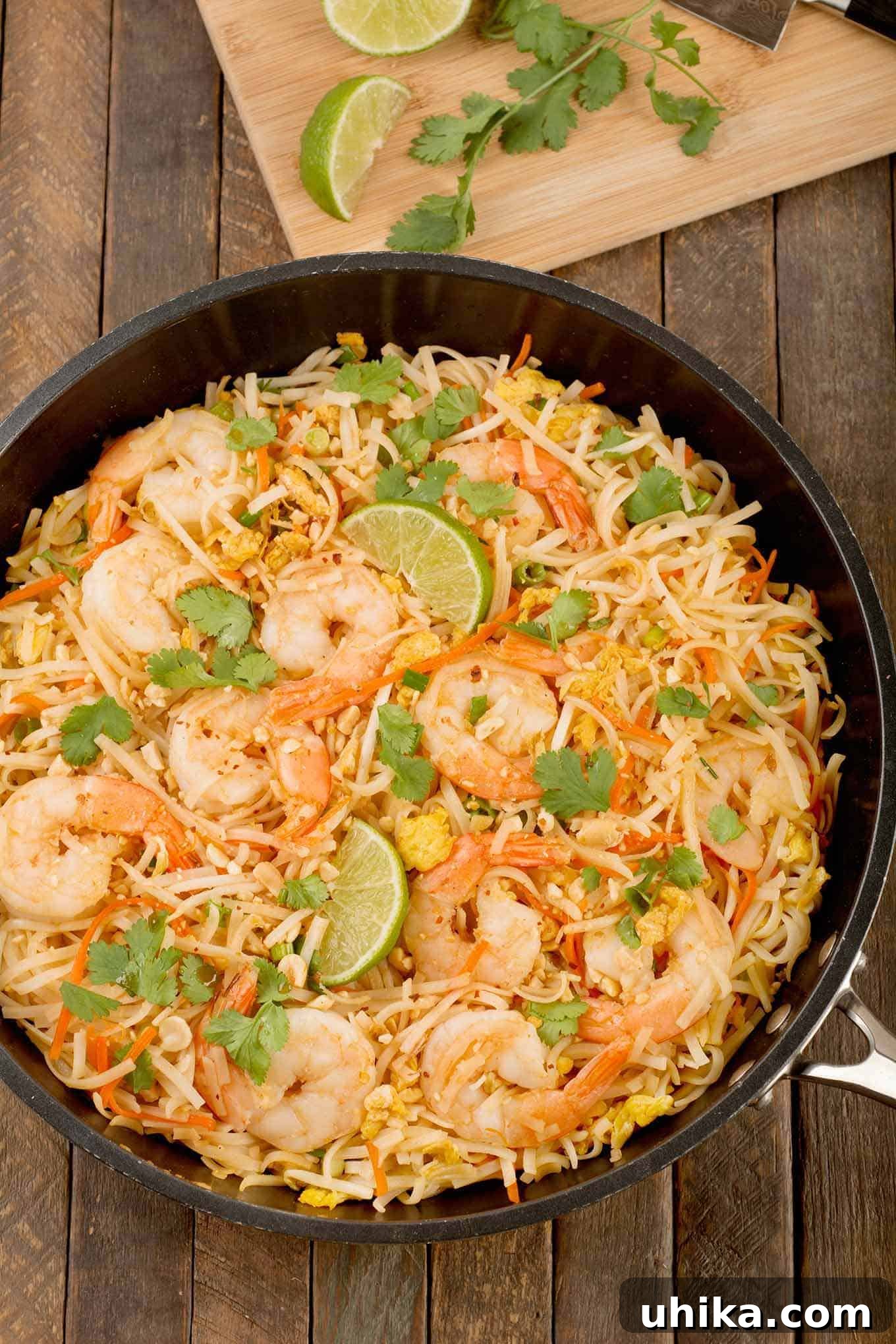
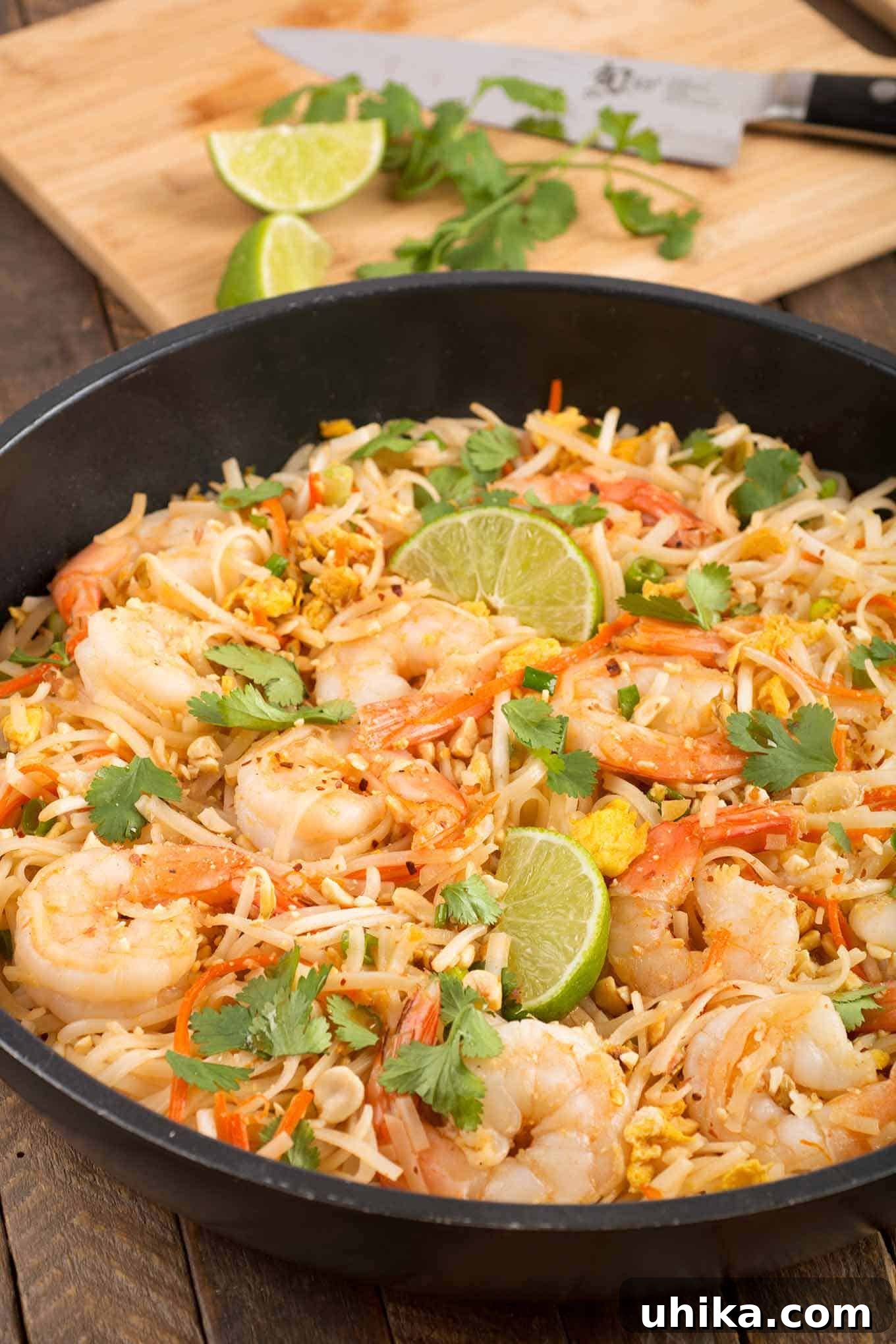
Mastering Homemade Shrimp Pad Thai: Your Guide to a Takeout Favorite
Craving the vibrant, complex flavors of authentic Thai cuisine but don’t want to leave your kitchen? Look no further than this incredible homemade Shrimp Pad Thai recipe. This beloved stir-fried noodle dish is a cornerstone of Thai culinary tradition, celebrated for its perfect balance of sweet, sour, salty, and spicy notes. While it might seem intimidating to recreate at home, our detailed guide makes it accessible for every home cook, whether you’re a seasoned chef or a beginner eager to explore the world of Thai food. Get ready to transform simple ingredients into a restaurant-quality meal that’s both satisfying and surprisingly quick to prepare.
Pad Thai has a rich history, evolving from a dish introduced to Thailand from Vietnam, eventually becoming a national dish promoted for its nutritional value and ease of preparation during World War II. Its popularity soared globally, making it one of the most recognized and adored Thai dishes. The beauty of homemade Pad Thai lies in its freshness, allowing you to control the quality of ingredients and tailor the flavors to your preference. Forget lengthy waits for takeout; this easy Pad Thai recipe brings the essence of Thailand directly to your dining table in approximately 30 minutes, proving that delicious, authentic-tasting meals don’t always require hours of effort.
Crafting the Perfect Pad Thai Sauce: Pantry-Friendly & Authentic Options
The soul of any great Pad Thai lies in its sauce. Traditionally, this tangy, sweet, and savory elixir features tamarind paste or concentrate as its star ingredient, providing a distinctive sourness that is central to Thai flavor profiles. However, for many home cooks, authentic tamarind can be a specialty item that isn’t always readily available at local supermarkets. This common challenge often leads aspiring Thai food enthusiasts to shy away from making Pad Thai from scratch. But fear not! Our easy Pad Thai recipe offers two fantastic approaches to the sauce, ensuring you can enjoy this classic dish regardless of your pantry’s exotic ingredient supply.
Our Pantry-Friendly Pad Thai Sauce: A Clever Tamarind Substitute
We understand the importance of convenience without compromising on flavor. That’s why we’ve developed a brilliant homemade Pad Thai sauce that skillfully replicates the unique taste of tamarind using more common pantry staples. By expertly combining brown sugar, freshly squeezed lime juice, fish sauce, soy sauce, a touch of ketchup, and Worcestershire sauce, we create a harmonious blend that hits all the right notes: the sweetness of sugar, the bright acidity of lime, the umami depth of fish and soy sauces, and the subtle tang contributed by ketchup and Worcestershire sauce. A hint of sriracha is optional but highly recommended for those who appreciate a fiery kick.
This innovative sauce, when harmoniously combined with succulent shrimp, fluffy scrambled eggs, aromatic garlic, crunchy bean sprouts, fresh cilantro, and toasted peanuts, delivers a light yet intensely flavorful dish. While it might not adhere to every strict detail of traditional Pad Thai, its deliciousness is undeniable. And the best part? This version of homemade Pad Thai is designed for speed, taking approximately 30 minutes from start to finish, making it a perfect solution for weeknight dinners when you crave something special without the fuss.
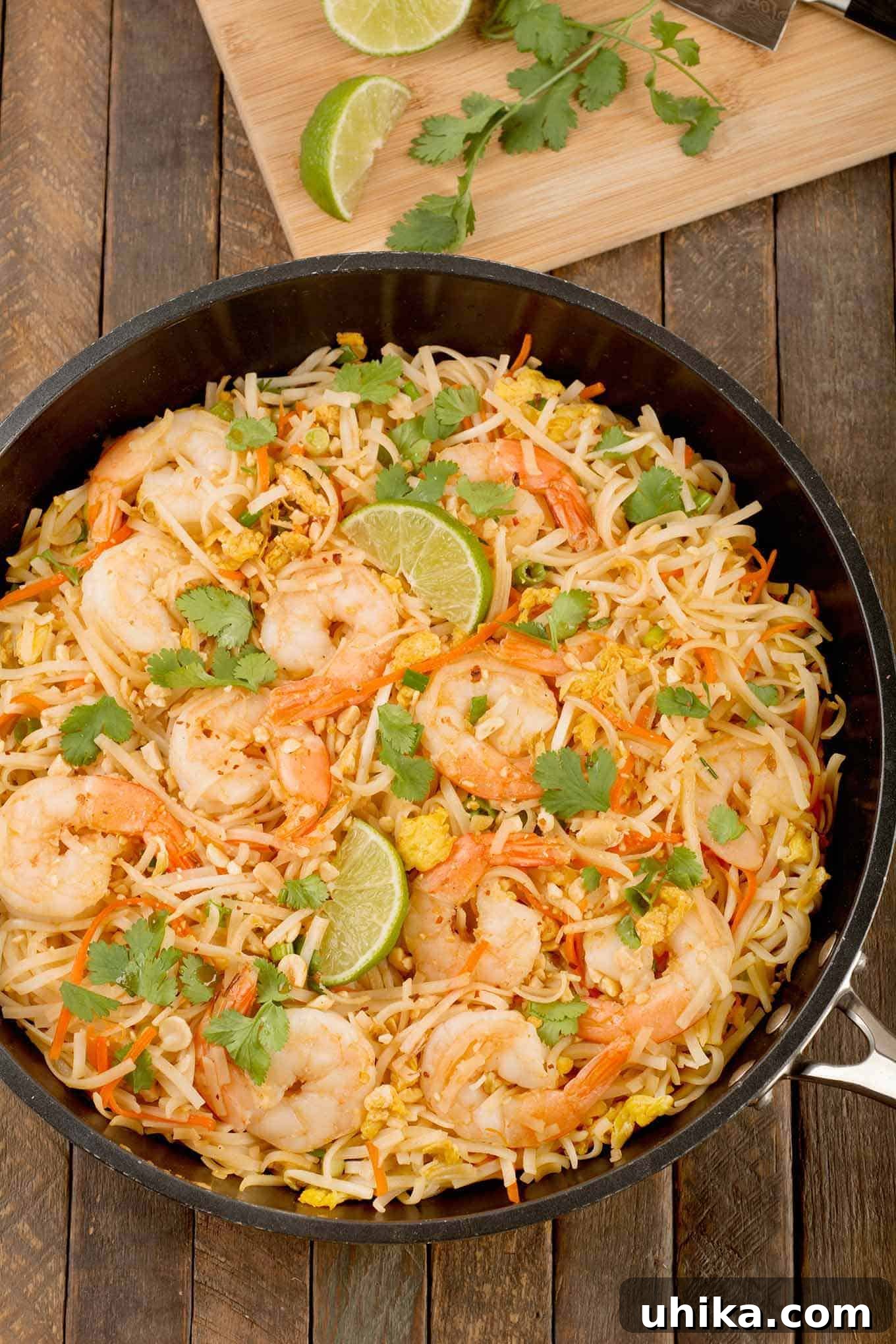
Embracing Authenticity: The Traditional Tamarind Pad Thai Sauce
For those eager to delve deeper into authentic Thai flavors and who have access to tamarind, we also provide the traditional sauce recipe. Tamarind is the secret ingredient that gives Pad Thai its signature sour-sweet profile, distinct from the acidity of lime. If you’re ready to elevate your homemade Pad Thai to an even more traditional level, gathering a few key ingredients will unlock an unparalleled depth of flavor. To create a truly authentic Pad Thai sauce, you’ll need:
- 1 tablespoon tamarind paste (or concentrate)
- 1/4 cup water
- 1/4 cup brown sugar
- 3 tablespoons fish sauce
- Sriracha to taste (optional, for heat)
The tamarind paste is typically mixed with water to create a thinner consistency, making it easier to incorporate into your stir-fry. This combination provides the essential backbone for a truly traditional Pad Thai experience, showcasing the intricate balance of flavors that Thai cuisine is famous for.
What Exactly is Tamarind? Unveiling a Tropical Treasure
Tamarind, a fascinating fruit pod native to India and Asia, holds a pivotal role in many regional cuisines, especially Thai cooking. The tree, known scientifically as Tamarindus indica, thrives in tropical climates and produces long, curved pods filled with a sticky, dark brown pulp. This pulp is the culinary treasure, boasting an intensely unique sweet and sour flavor that is difficult to replicate. It’s this distinct taste that defines the authentic flavor profile of many Southeast Asian dishes.
In Thai kitchens, tamarind is often purchased as a block of pulp, a thick paste, or a concentrated liquid. When using the block form, it needs to be soaked in hot water and strained to remove seeds and fibers, yielding a smooth, tangy liquid. Tamarind paste and concentrate offer a more convenient option, simply requiring dilution with water before use. Beyond its essential role in Pad Thai, tamarind paste is a versatile ingredient found in a wide array of dishes. It lends its characteristic tang to savory curries, sweet and spicy chutneys, refreshing drinks, and even serves as a key component in the Worcestershire sauce that many of us are familiar with. Its complex flavor profile adds a depth that brightens dishes and excites the palate.
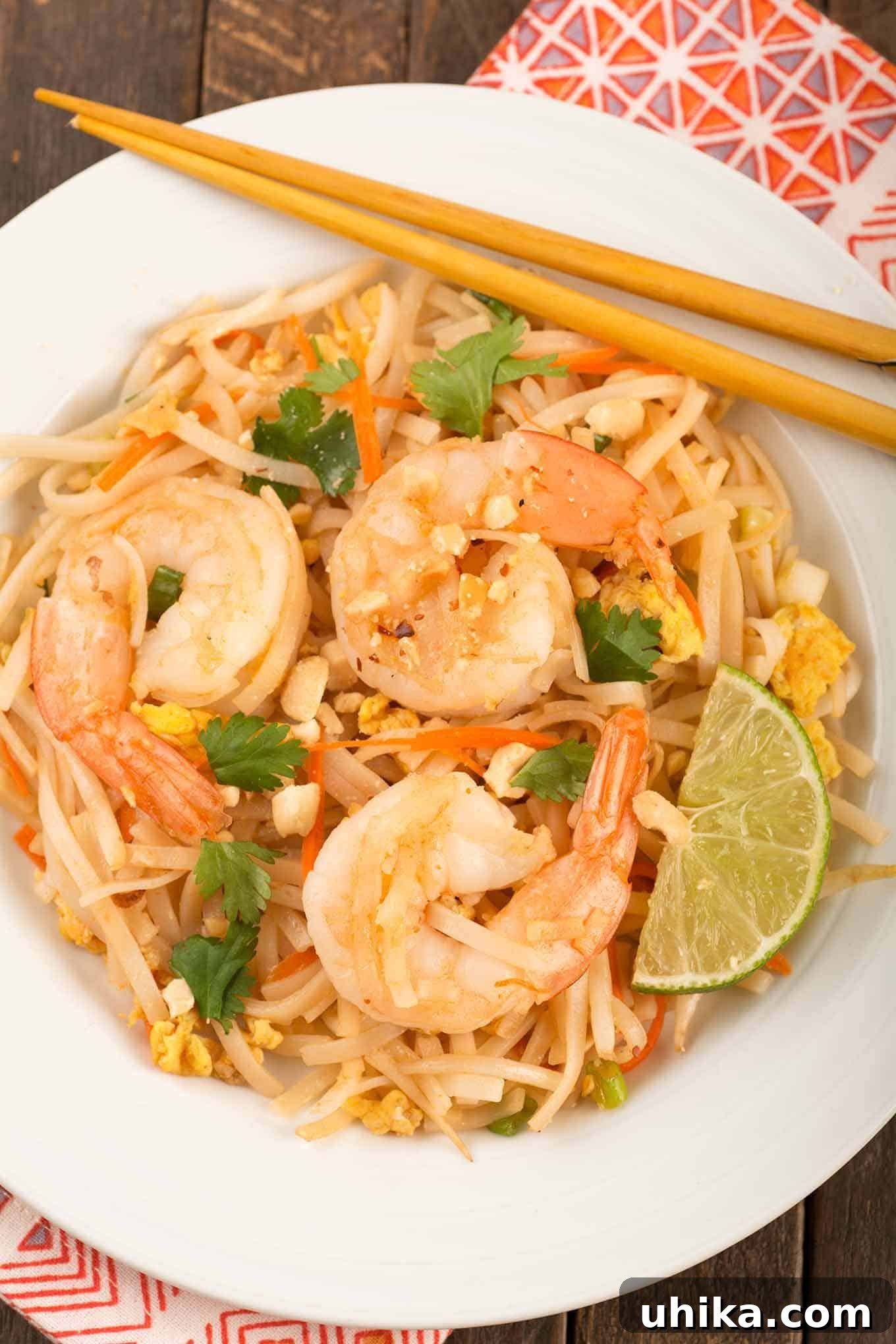
Customizing Your Pad Thai: Beyond Shrimp
While this recipe highlights the delightful combination of shrimp and Pad Thai, its versatility is one of its greatest strengths. If shrimp isn’t your preferred protein, or if you simply want to try something new, Pad Thai welcomes a variety of substitutions. Chicken, pork, or tofu are excellent choices that can easily stand in for shrimp, allowing you to tailor the dish to your taste or dietary needs.
- Chicken Pad Thai: Cut boneless, skinless chicken breast or thigh into bite-sized pieces. Stir-fry until cooked through, typically taking slightly longer than shrimp.
- Pork Pad Thai: Thinly slice lean pork loin or tenderloin. Stir-fry quickly to keep it tender.
- Tofu Pad Thai: For a vegetarian or vegan option (ensure fish sauce is replaced with a vegan alternative like tamari or specific vegan fish sauce), press extra-firm tofu to remove excess water, then cut into cubes. Pan-fry or bake the tofu until golden and slightly crispy before adding it to the stir-fry.
When making substitutions, remember to adjust the stir-fry time accordingly. Lighter proteins like tofu and shrimp cook quickly, while chicken and pork might require a few extra minutes to ensure they are fully cooked. Always cut your protein into uniform, bite-sized pieces to ensure even cooking and easy mixing with the noodles and vegetables.
Key Ingredients for an Unforgettable Pad Thai Experience
Beyond the magnificent sauce, the success of your homemade Pad Thai relies on a few core ingredients working in harmony. Each component plays a crucial role in creating the texture and flavor symphony that makes Pad Thai so universally loved.
- Rice Noodles: The foundation of Pad Thai. Wide, flat rice noodles (often labeled as Pad Thai noodles) are essential. Their chewy texture absorbs the sauce beautifully. Proper preparation is key – perfectly cooked noodles are tender but still have a slight bite, never mushy.
- Jumbo Shrimp: Plump, juicy shrimp add a wonderful seafood sweetness and satisfying texture. Peeling and deveining them (leaving tails on for presentation, if desired) ensures they cook quickly and are easy to eat.
- Eggs: Lightly beaten and quickly scrambled, eggs add richness and another layer of texture, distributed throughout the noodles in delicate wisps.
- Aromatics: Minced garlic is indispensable, providing a pungent, aromatic base that infuses the entire dish with flavor.
- Fresh Vegetables: Shredded carrots add a hint of sweetness and vibrant color, while chopped scallions contribute a mild oniony bite. Bean sprouts are crucial for that signature fresh crunch, offering a delightful contrast to the soft noodles.
- Garnishes: These are not optional! Chopped unsalted peanuts provide a nutty crunch and earthy flavor. Fresh cilantro brightens the dish with its herbaceous notes. Finally, lime wedges are vital for a squeeze of fresh acidity just before eating, enhancing all the other flavors and adding a final, zesty flourish.
Having all your ingredients prepped and ready (mise en place) before you start cooking is vital for stir-frying. Pad Thai cooks very quickly, and you’ll want everything within arm’s reach.
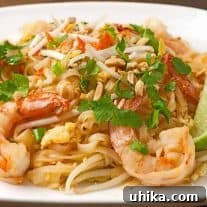
Shrimp Pad Thai
Ingredients
- 3/4 lb jumbo shrimp, peeled and deveined (tails left on)
- 6 ounces wide rice noodles
- 2-1/2 tablespoons vegetable oil, divided
- 3 cloves garlic, minced
- 2 large eggs, lightly beaten
- 1 cup shredded carrots
- 4 scallions, chopped
- 2 cups bean sprouts
- 1/4 cup chopped fresh cilantro
- 1/4 cup chopped unsalted peanuts
- 4 lime wedges
For the sauce:
- 3 tablespoons brown sugar
- 3 tablespoons freshly squeezed lime juice
- 2 tablespoons fish sauce
- 1 tablespoon soy sauce, substitute tamari for gluten-free
- 2 teaspoons ketchup
- 1/2 teaspoon Worcestershire sauce
- 1/2 to 1 teaspoon sriracha, optional
Instructions
-
Prepare the rice noodles according to package directions (or start them soaking as per the directions in the recipe notes below). Once tender, rinse the noodles in cool water, drain, and return them to the pan (off heat).
-
While the noodles soak, make the sauce by combining the brown sugar, lime juice, fish sauce, soy sauce, ketchup, Worcestershire and sriracha in a microwave-safe measuring cup. Heat for 30 seconds on high, then stir until the mixture is smooth and the sugar is dissolved. Set aside.
-
Heat a wok or large frying pan over medium-high heat and add 1 tablespoon of the vegetable oil. Pour in the eggs, scramble until set, then break them into small pieces with your spatula. Add them to the pan with the noodles and return the pan to the stove.
-
Add about 2 teaspoons of the remaining oil to the pan along with the garlic, and stir-fry until fragrant, 20 to 30 seconds. Add the carrots and scallions and cook for 20 to 30 seconds longer, to soften them.
-
Add the carrots and scallions to the pan with the noodles and gently toss everything together until well combined.
-
Return the frying pan to the stove, add the remaining oil, and stir-fry the shrimp until pink, about 1-1/2 minutes. Working quickly, add the noodle and veggie mixture to the shrimp, reduce the heat to medium, and pour on the sauce.
-
Toss everything together and heat just long enough to re-warm the noodles, about 1 minute. Remove from the heat and mix in the bean sprouts and cilantro. Toss again.
-
To serve, divide the Pad Thai between four serving plates, top with crushed peanuts and garnish with a wedge of lime.
Notes
How To Cook Rice Noodles
Bring a pot of water to a boil, remove it from the heat and add the noodles. Stir frequently and test every 2 minutes until the noodles are softened. The time will vary between brands, but 8 minutes is average for the flat Pad Thai-style noodles used in this recipe. Once the noodles are tender, drain and rinse with cool water to prevent them from sticking together.
Nutrition
Calories: 824,
Total Fat: 23g,
Cholesterol: 378mg,
Sodium: 1335mg,
Carbohydrates: 117g,
Fiber: 8g,
Sugar: 29g,
Protein: 41g
Nutrition information is automatically calculated, so should only be used as an approximation.
Tips for Perfect Pad Thai Every Time
Achieving Pad Thai perfection at home involves more than just following a recipe; it’s about understanding the techniques and making smart choices. Here are some essential tips to ensure your homemade Pad Thai is consistently delicious:
- Mise en Place is Crucial: Since Pad Thai is a stir-fry, everything cooks very quickly over high heat. Have all your ingredients chopped, measured, and ready before you even turn on the stove. This prevents burning and ensures a smooth cooking process.
- Don’t Overcook the Noodles: Soggy noodles are the enemy of good Pad Thai. Follow the package directions carefully, often soaking in hot water rather than boiling vigorously. Rinse them in cold water immediately after they’re tender to stop the cooking process and prevent sticking.
- High Heat, Quick Cooking: A wok or a large, heavy-bottomed frying pan is ideal. Ensure your pan is very hot before adding ingredients. This creates that characteristic “wok hei” (breath of the wok) and ensures ingredients cook quickly while maintaining their texture. Cook in batches if your pan isn’t large enough to avoid overcrowding, which steams ingredients instead of stir-frying them.
- Balance the Flavors: Pad Thai is all about the harmony of sweet, sour, salty, and spicy. Taste your sauce before adding it to the pan and adjust if needed. A final squeeze of fresh lime juice at the end is non-negotiable for brightening all the flavors.
- Garnish Generously: Don’t skip the garnishes! Crushed peanuts add texture, fresh cilantro brings herbaceous notes, and a lime wedge provides essential acidity. These elements complete the dish and elevate the eating experience.
- Adjust Heat to Your Liking: The amount of sriracha is entirely up to you. Start with a smaller amount and add more at the table if you prefer a spicier dish.
Serving Suggestions and Enhancements
Your homemade Shrimp Pad Thai is a complete meal in itself, but a few additions can make the experience even more delightful:
- Extra Lime Wedges: Always serve with plenty of extra lime wedges on the side, as the fresh zest is crucial for balancing the dish.
- Chili Flakes or Sriracha: Offer a small bowl of dried chili flakes or an extra bottle of sriracha for those who like to customize their spice level.
- Fresh Herbs: Beyond cilantro, a sprinkle of fresh mint or Thai basil can add an aromatic twist.
- Crispy Shallots: For an additional layer of crunch and savory flavor, sprinkle some store-bought or homemade crispy fried shallots over the finished dish.
Whether you’re serving it for a casual weeknight dinner or as part of a larger Asian-themed feast, this Shrimp Pad Thai is sure to be a crowd-pleaser.
Like this recipe? Share your thoughts below!
We love hearing from our community about their culinary adventures.