
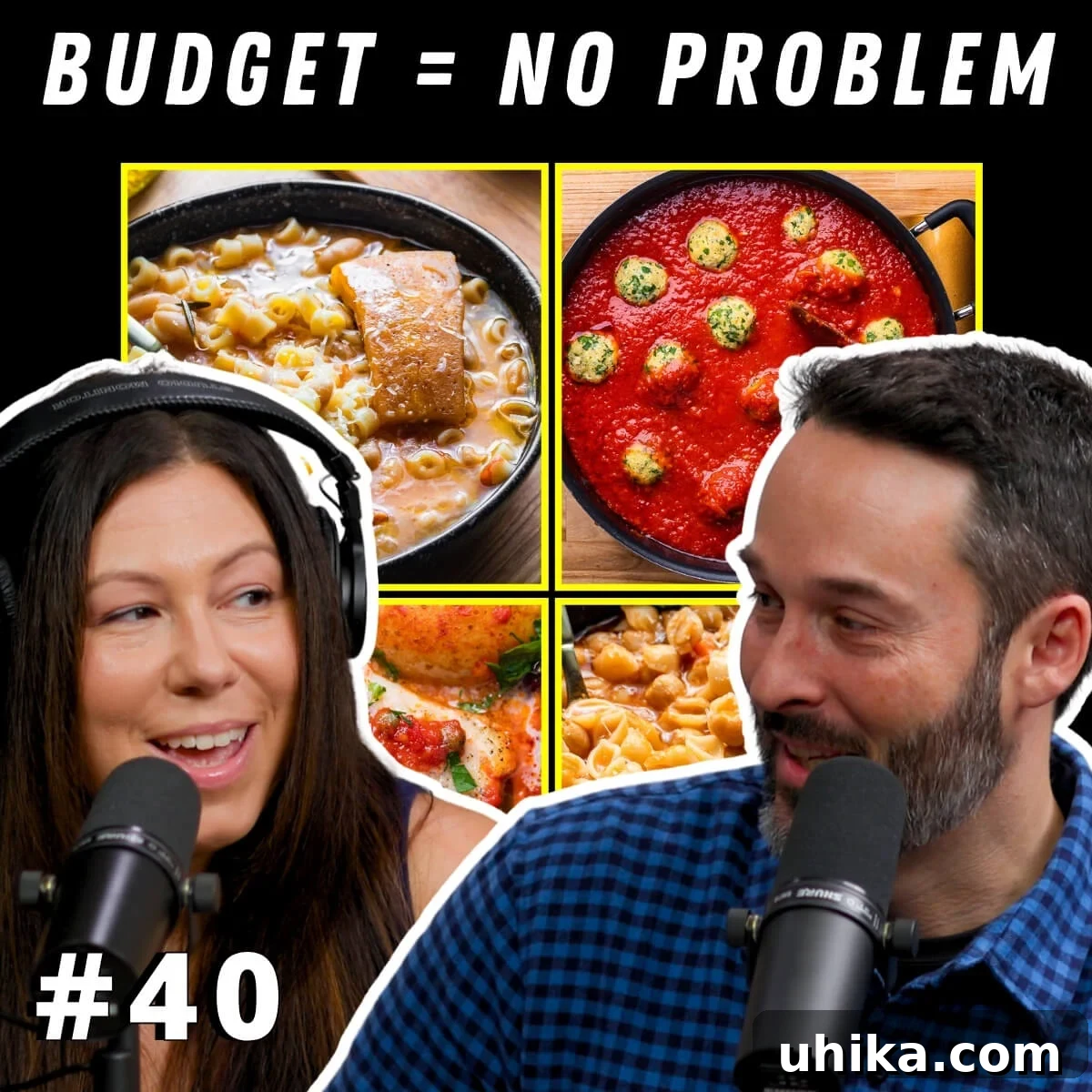
Podcast: Play in new window | Download (Duration: 1:00:23 — 92.5MB)
Subscribe or Follow: Apple Podcasts | Spotify | Amazon Music | RSS | More
In an era where grocery bills and dining out costs seem to climb relentlessly, many of us find ourselves scrutinizing our food expenditures more than ever. The challenge of creating delicious, satisfying meals on a tight budget is a prevalent concern for households worldwide. Fortunately, this isn’t a modern dilemma, and by looking to the culinary wisdom of our ancestors, we can uncover timeless strategies for making incredible food without breaking the bank.
Watch on YouTube
Table of Contents
- Watch on YouTube
- Navigating Rising Food Costs
- Modern Day Cucina Povera: The Art of Frugal and Flavorful Cooking
- Practical Strategies for Budget-Friendly Eating
- Taste Tests Are Back!
- Resources
Navigating Rising Food Costs
Recent reports, including those from the Wall Street Journal, indicate that food expenses now consume a larger portion of our income than they have in three decades. This economic shift is palpable, whether you’re navigating the aisles of a grocery store, ordering at your favorite restaurant, or simply grabbing a meal on the go. The rising cost of living, coupled with supply chain disruptions, inflation, and global events, has created a landscape where making every dollar count in the kitchen is more important than ever.
This economic reality shows no signs of abating soon, making it crucial for us to adapt our culinary habits. However, a tight budget doesn’t mean sacrificing the joy of eating. You absolutely can continue to prepare amazing, flavorful, and enjoyable meals, even when funds are limited. The key lies in smart planning, resourceful ingredient usage, and embracing the wisdom of traditional, budget-conscious cooking.
Modern Day Cucina Povera: The Art of Frugal and Flavorful Cooking
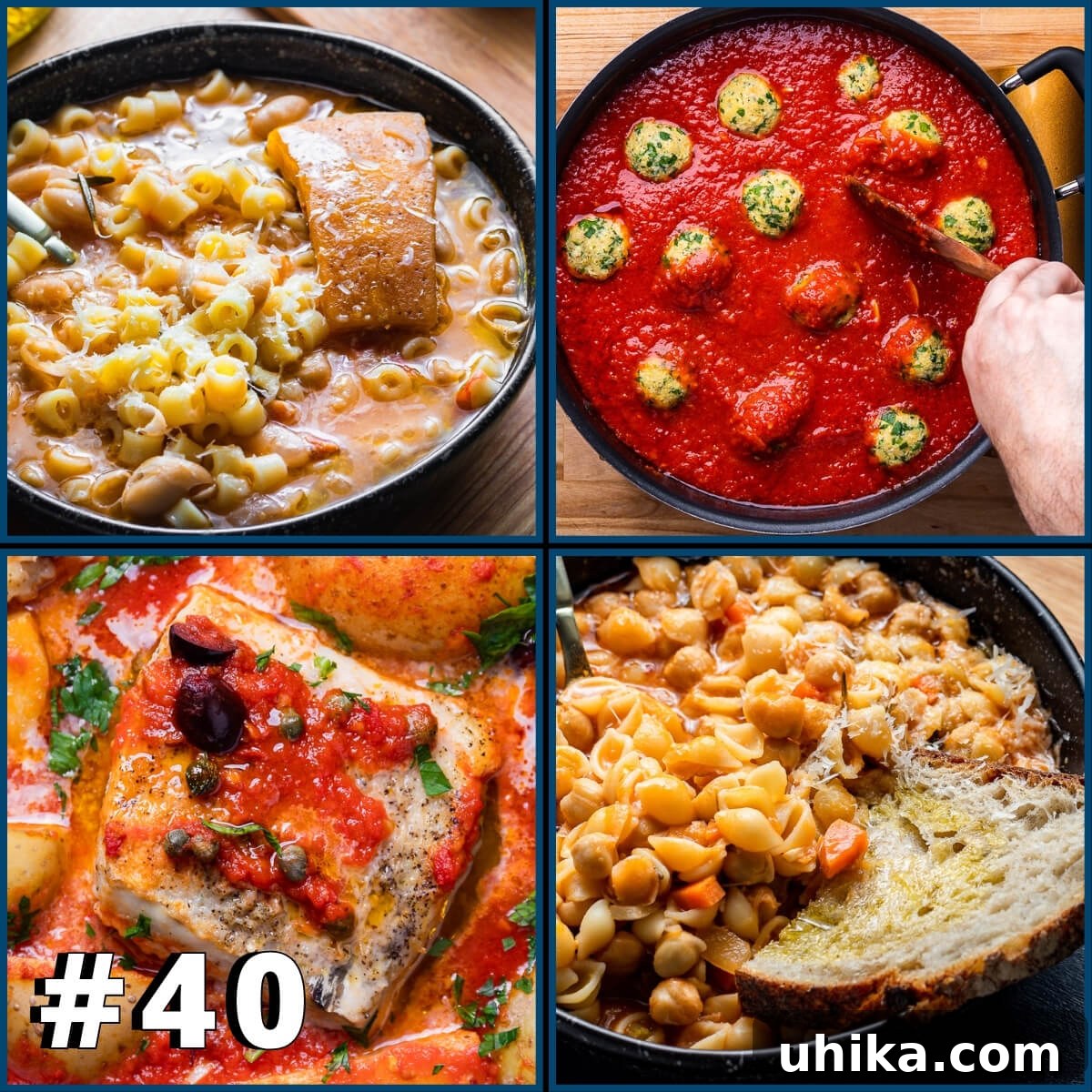
The Italian phrase, cucina povera, literally translates to “poor kitchen,” but its meaning extends far beyond mere poverty. It embodies a philosophy of resourcefulness, creativity, and deep respect for every ingredient. This concept is not exclusive to Italy; cultures worldwide have developed similar traditions of making delicious meals from humble beginnings. It’s about elevating simple, inexpensive, and often pantry-stable ingredients into culinary masterpieces, ensuring nothing goes to waste.
Historically, cucina povera was born out of necessity, transforming readily available and often overlooked ingredients into hearty, nutritious, and flavorful dishes. For example, stale bread, rather than being discarded, would be given new life in dishes like polpette di pane (bread meatballs) or a refreshing panzanella salad. Vegetable scraps and bone offcuts, which many modern kitchens might discard, were historically simmered into rich broths and stocks, forming the foundation of countless recipes.
Central to the cucina povera approach is the prominent use of legumes and grains. These staples are not only affordable but also incredibly versatile and nutritious, forming the backbone of many traditional dishes. Meat, if present at all, was typically reserved for special occasions or utilized in its entirety, often including cuts like offal (organ meats) that are less common in modern diets but highly prized for their flavor and nutritional value in frugal cooking traditions.
For many Italian-American families, meals rooted in cucina povera principles remain a regular part of their culinary repertoire, especially during periods like Lent, when abstaining from meat on Fridays, or for the entire season, is a common practice. These dishes often highlight the incredible potential of plant-based ingredients to create deeply satisfying and nourishing meals.
Some of the most cherished examples of grain and legume-based meals include the iconic pasta fagioli (pasta and beans), the comforting pasta e ceci (pasta and chickpeas), and the hearty pasta e lenticchie (pasta and lentils). While each recipe boasts its unique regional variations and flavor profiles, they share a common thread: they are remarkably budget-friendly, incredibly delicious, and deeply satisfying.
Embracing cucina povera in your own kitchen isn’t just about saving money; it’s about connecting with a rich culinary heritage that values sustainability, flavor, and community. It encourages creativity, reduces food waste, and often leads to healthier eating habits by focusing on whole, unprocessed ingredients.
Practical Strategies for Budget-Friendly Eating
In this episode of our podcast, we delve deep into the challenge of rising food costs and explore tangible solutions inspired by the spirit of cucina povera. Our discussion covers a range of practical tips designed to help you stretch your food budget further without compromising on taste:
- Strategic Shopping: We discuss the benefits of buying in bulk from stores like Costco for non-perishable staples. Beyond this, consider shopping at local farmers’ markets for seasonal produce, which is often fresher and more affordable. Look out for sales, use coupons, and don’t shy away from store-brand products, which can offer significant savings.
- Mastering Meal Planning: A well-thought-out meal plan is your best defense against impulse buys and food waste. Plan your meals for the week, create a precise shopping list, and stick to it. This approach helps you utilize ingredients efficiently and avoid unnecessary purchases.
- Creative Leftover Transformation: Leftovers shouldn’t be boring! We share ideas on how to repurpose uneaten portions into entirely new and exciting dishes. A leftover roast chicken, for example, can become the base for tacos, a hearty soup, or a flavorful stir-fry. Embracing this creativity is a cornerstone of the “poor kitchen” philosophy.
- Embrace Inexpensive Protein Sources: Prioritize legumes, eggs, and cheaper cuts of meat. Beans, lentils, and chickpeas are powerhouse ingredients that provide fiber, protein, and incredible versatility for a fraction of the cost of prime cuts of meat. When cooking with meat, explore options like chicken thighs, ground meat, or even offal, which can be incredibly delicious when prepared correctly.
- Batch Cooking and Freezing: Prepare larger quantities of staples like grains, beans, or even entire meals, and portion them for freezing. This saves time and ensures you always have a quick, homemade, and budget-friendly option readily available, preventing costly last-minute takeout orders.
- Homemade Staples: Making certain items from scratch, such as bread, sauces, or stocks, can be more economical and flavorful than store-bought versions.

Taste Tests Are Back!
Fans of our product taste tests on our main YouTube channel will be thrilled to hear that this popular segment is making a triumphant return, albeit with a fresh twist. We’ve decided to incorporate these fun and informative taste tests into the end of each podcast episode.
At the close of every podcast, we’ll be trying a new food or drink product, offering our honest opinions and insights. This segment not only adds an element of surprise and entertainment but also ties back into our broader mission of exploring all aspects of food and drink, including how to find delicious options at various price points.
In this particular episode, we put two delightful Italian pastries to the test: a packaged Italian pastry, reminiscent of a classic cornetto, and one of my very own homemade zeppole di San Giuseppe. Join us at the end of the episode to discover our thoughts and see which treat reigns supreme!
Resources
For further reading and delicious recipes that align with budget-friendly cooking principles, please explore the following resources:
- Nerdwallet article: Food Prices: As Dining Out Costs Climb in 2024, It May Pay to Eat In
- Wall Street Journal article: It’s Been 30 Years Since Food Ate Up This Much of Your Income
- Potato Frittata Recipe
- Pasta and Peas in Red Sauce Recipe
- Pasta Piselli Recipe
- Pasta e Patate Recipe
- Shepherd’s Pie Recipe
- Corned Beef and Cabbage Recipe
- Irish Soda Bread Recipe
- Guinness Beef Stew Recipe
If you enjoyed this episode, “Amazing Food on an Extremely Tight Budget Plus Italian Pastry Taste Test,” and found our discussion on cucina povera and frugal cooking inspiring, please leave us a comment below! Your feedback means a lot to us.
We love hearing from our listeners. Please send any questions you have to [email protected]. No question is too small or insignificant; we’re here to help you explore the world of food and drink!
If you appreciate our weekly podcast and want to help us continue creating valuable content, consider supporting us on Patreon. As a patron, you’ll gain access to two exclusive bonus episodes each month!
Thank you for listening and joining us on this culinary journey!
For a comprehensive list of all our podcast episodes, visit our podcast episode page.