
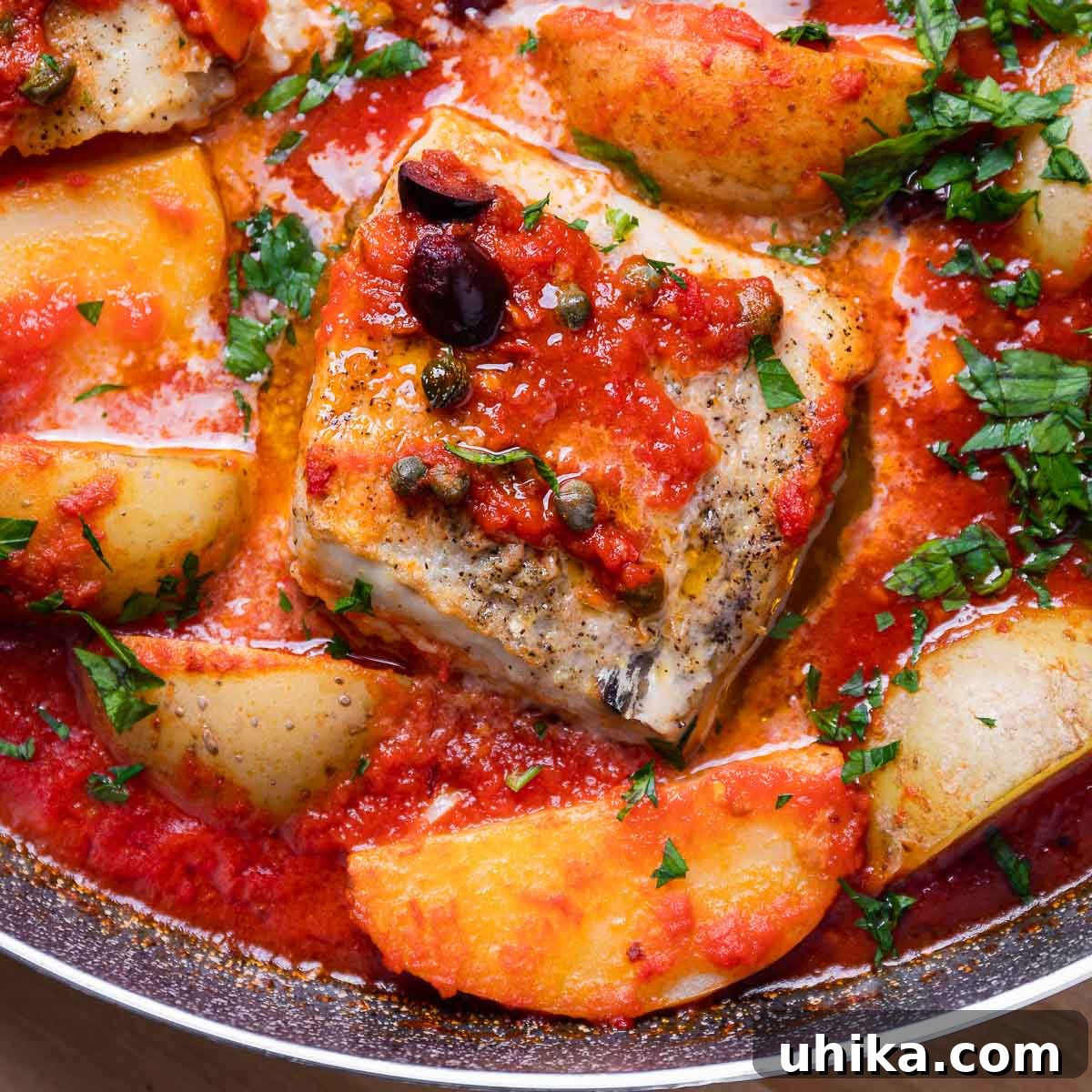
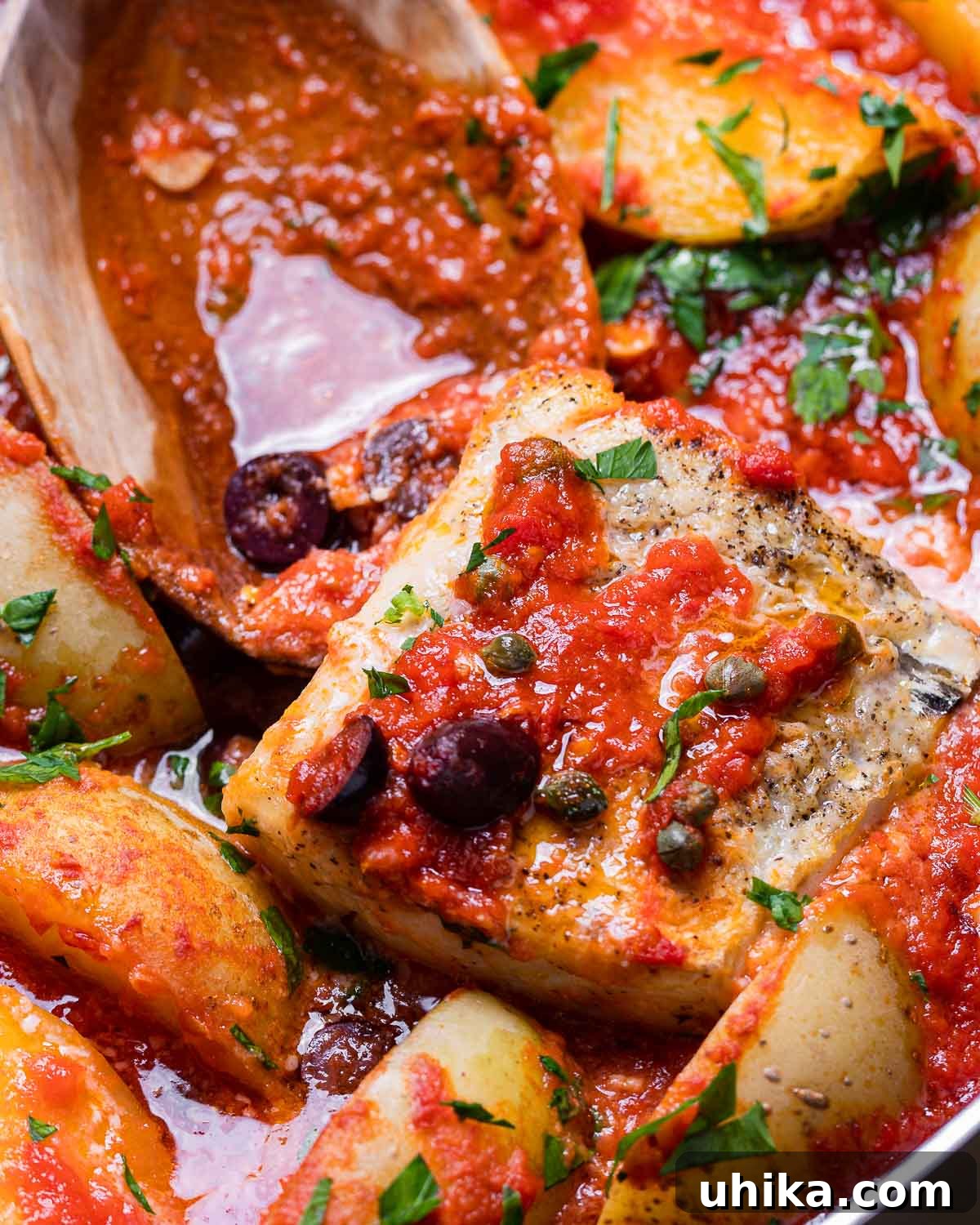
Baccala alla Napoletana is more than just a dish; it’s a culinary journey steeped in history and tradition, especially beloved during the holiday season. This classic Italian creation features baccalà (salt cod) as its star, slow-cooked with a vibrant medley of olives, juicy tomatoes, briny capers, and tender potatoes. It’s an iconic centerpiece for the Feast of the Seven Fishes, a cherished Italian-American custom observed on Christmas Eve.
Authentic Baccala alla Napoletana: Your Guide to a Traditional Italian Christmas Eve Feast
For many Italian-American families, particularly in regions like New York and New Jersey, the sight of baccalà appearing in local Italian grocery stores signals the joyful approach of Christmas. This salted, preserved cod isn’t just an ingredient; it’s a link to generations past, a testament to resourcefulness, and a cornerstone of festive meals.
The Enduring Tradition of Baccalà on Christmas Eve
While fresh cod is readily available today, the tradition of preparing baccalà, or salted preserved cod, elevates Baccala alla Napoletana to a truly special status. This dish embodies the spirit of the Feast of the Seven Fishes, a profound culinary and cultural event on Christmas Eve. This historic feast typically features various fish dishes, each offering unique flavors and textures, like calamari salad, baked clams, or lobster oreganata. The preparation of baccalà, with its meticulous soaking process, is a heartwarming nod to ancestral traditions, harkening back to a time when preserving food was essential and ingredients were not as abundant.
The culinary heritage behind baccalà is deeply rooted in Mediterranean history, particularly in areas like Naples. Salt cod allowed communities to enjoy fish far from the coast or during times of scarcity. This preservation method transformed a simple fish into a versatile and flavorful ingredient, demanding respect and patience in its preparation. It’s this very act of patient preparation that makes serving Baccala alla Napoletana a profound expression of love and heritage, connecting modern families to the culinary practices of their forebears.
Understanding Baccalà: Salt Cod vs. Fresh Cod
The fundamental difference between baccalà and fresh cod lies in its preservation. Baccalà is Atlantic cod that has been dried and cured with salt, a method dating back centuries. This process removes moisture and inhibits bacterial growth, allowing the fish to be stored for extended periods without refrigeration. The result is a dense, intensely flavorful fish that requires rehydration and desalting before cooking.
This comprehensive recipe will guide you through the traditional route of preparing baccalà, ensuring its perfect texture and balanced flavor. However, for those seeking a quicker alternative, the dish can indeed be made with fresh cod fillets. While the distinctive taste and firm texture of properly soaked salt cod are irreplaceable for purists, using fresh cod allows you to enjoy the wonderful flavors of the Neapolitan sauce without the extensive soaking time. Simply skip the soaking steps and proceed directly to cooking, adjusting seasoning as needed.
Why You’ll Love This Baccala alla Napoletana Recipe
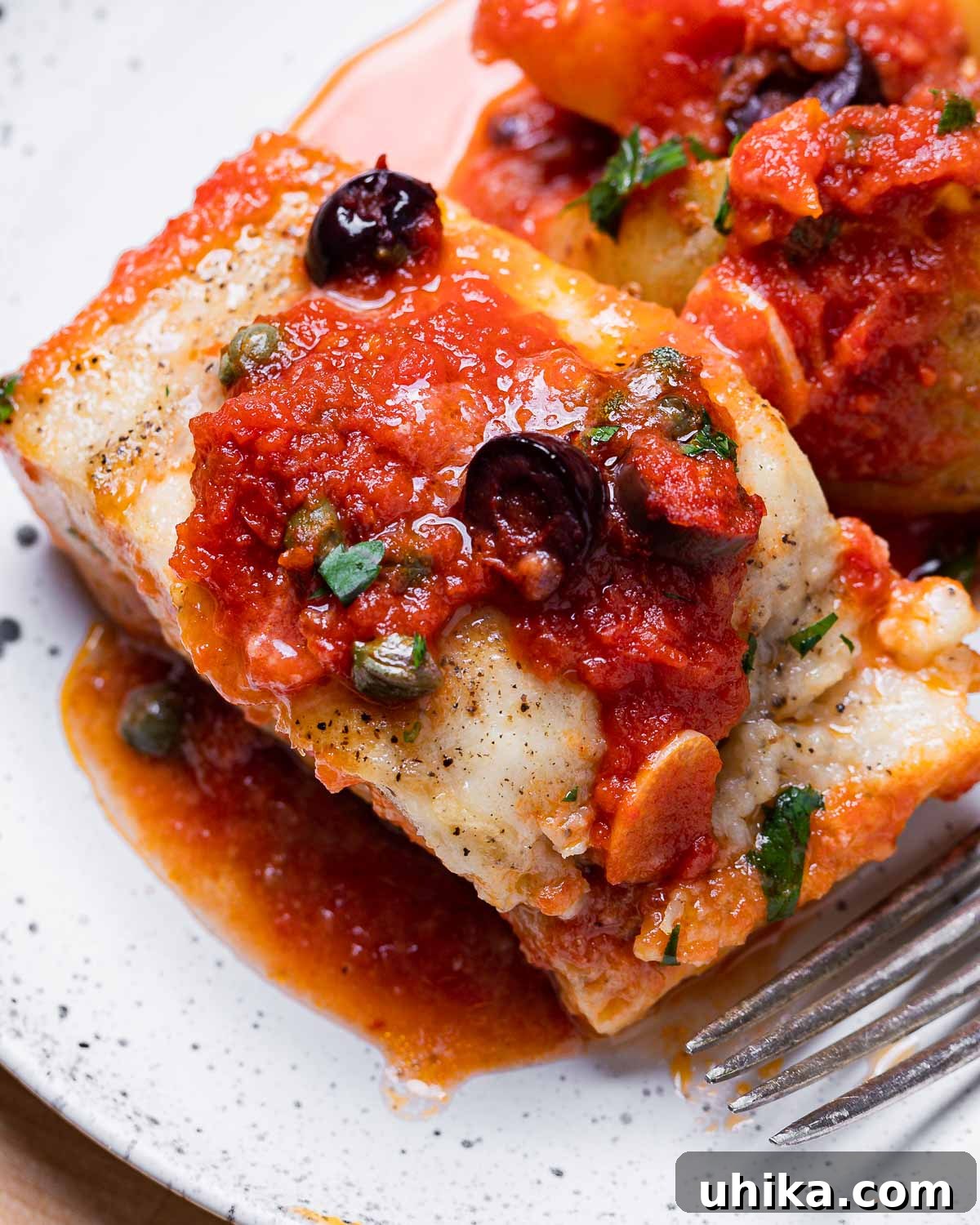
There are countless reasons why Baccala alla Napoletana remains a beloved dish. Its rich, savory flavor profile, enhanced by the sweet acidity of tomatoes and the piquant notes of olives and capers, is utterly captivating. The tender, flaky cod perfectly complements the soft, earthy potatoes, all bathed in a Mediterranean-inspired sauce reminiscent of Puttanesca. It’s a complete meal in one pan, bursting with wholesome ingredients and offering a taste of authentic Italian comfort. This recipe is designed to simplify the process while honoring the traditional methods, making it accessible for both seasoned cooks and adventurous beginners.
How to Make Baccala alla Napoletana: A Step-by-Step Guide
Crafting this traditional dish involves a few key stages, most notably the preparation of the salt cod. Each step is crucial for achieving the perfect balance of flavors and textures.
Phase 1: Preparing Your Baccalà (The Essential Soaking Process)
- Your journey begins with 1 1/2 pounds of baccalà, which typically comes heavily packed in salt. This salt is vital for preservation but must be thoroughly removed before cooking to ensure the fish is palatable and not overwhelmingly briny.
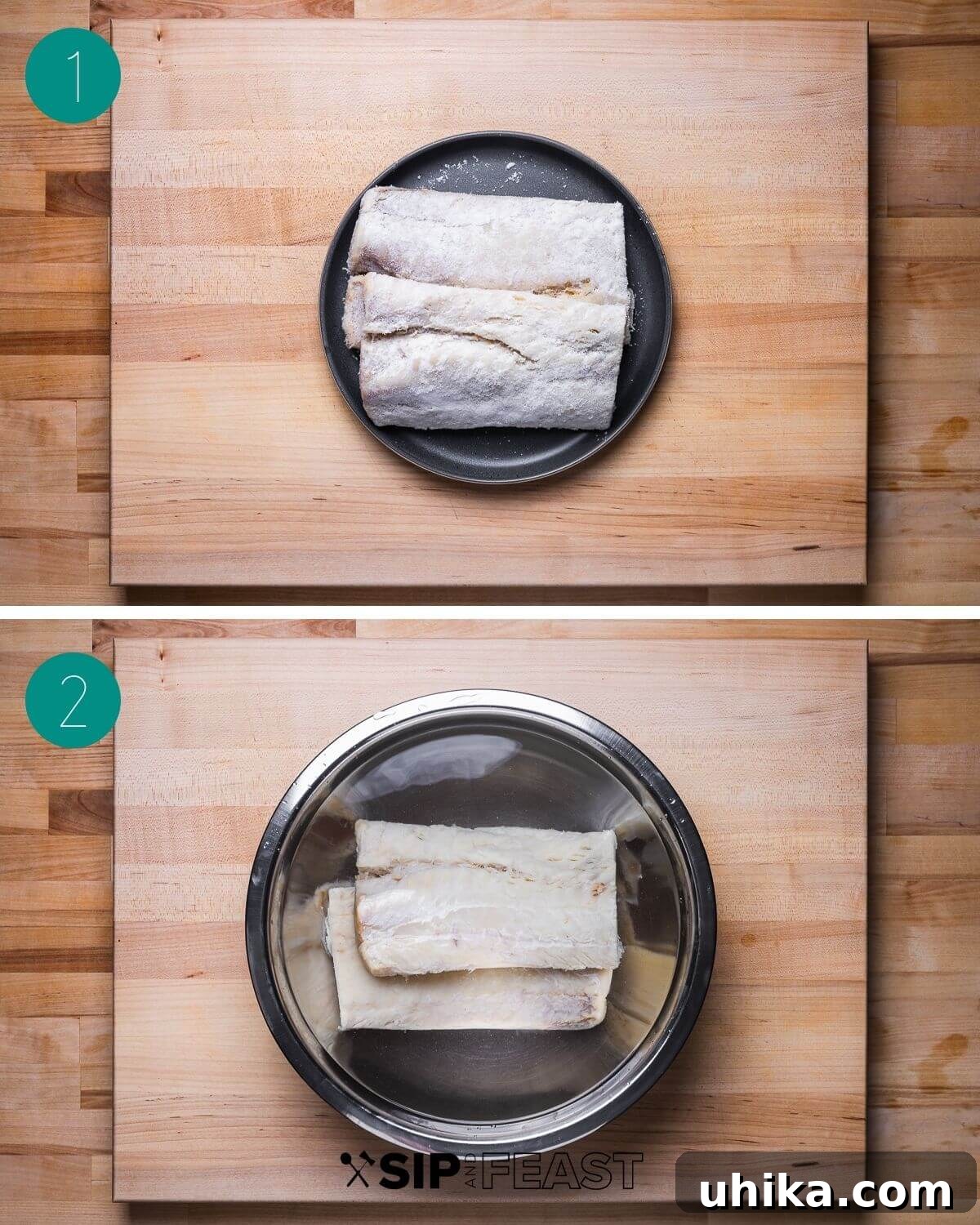
- Begin by rinsing each piece of baccalà under cold running water to remove as much external salt as possible. Once rinsed, place the cod into a very large bowl, completely submerge it in cold water, and cover the bowl tightly with plastic wrap. This bowl must then be refrigerated. The desalting process requires patience: change the water every 6-8 hours for at least 2-3 days. This continuous changing of water is crucial as it slowly draws out the salt, reconstituting the cod and preparing it for cooking. For best results with this dish, opt for thicker baccalà fillets. Save any thinner pieces for other preparations like baccalà fritters or salads, if you plan to make multiple dishes.
Phase 2: Prepping Your Vegetables and Preheat Oven
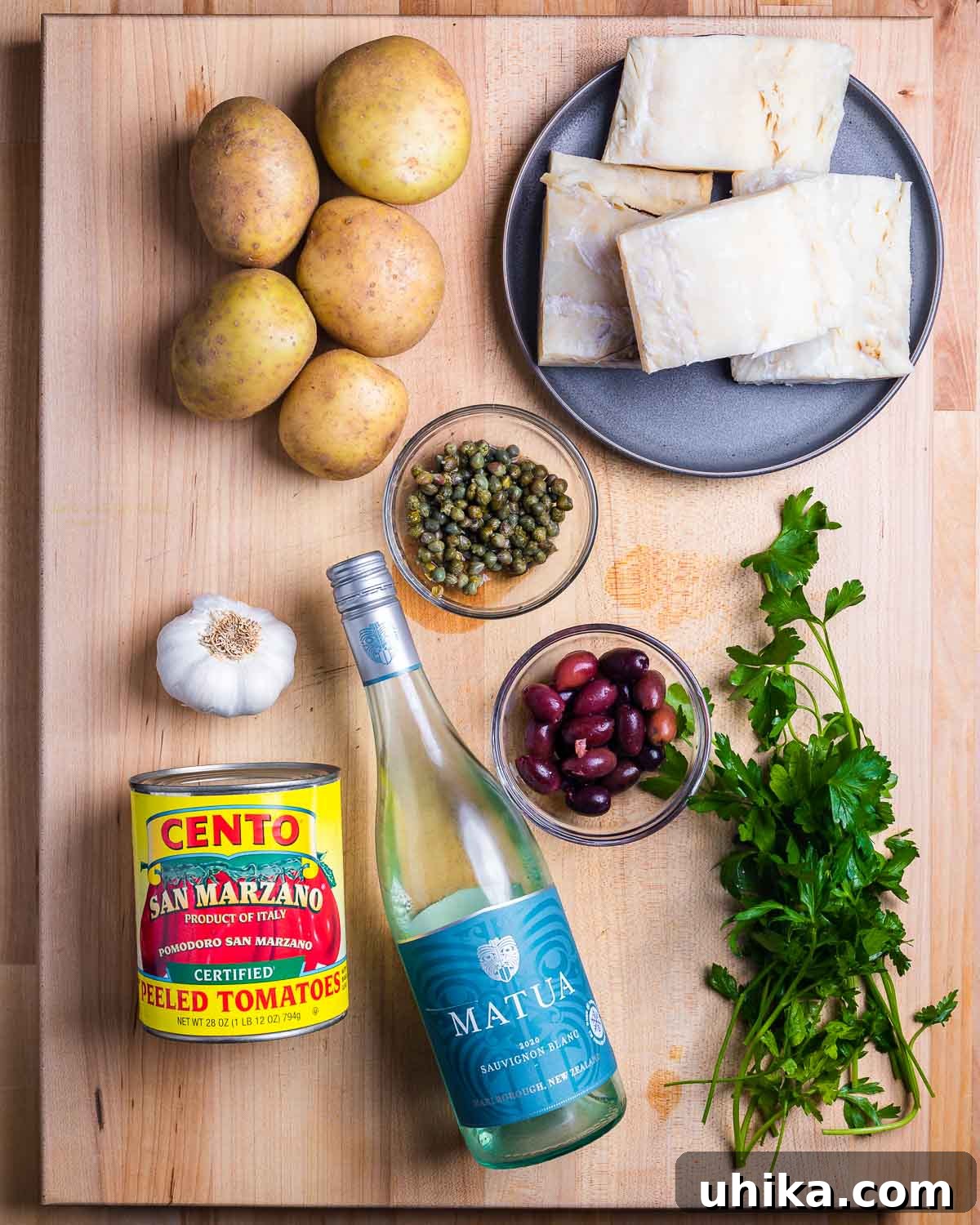
- Once the baccalà has been sufficiently desalted (after 2-3 days), it’s time to prepare the remaining ingredients. Mince 1/4 cup of fresh parsley, thinly slice 3 cloves of garlic, and slice 1/4 cup of pitted Gaeta olives (Kalamata or Sicilian olives also make excellent substitutes). Next, parboil 2 pounds of quartered Yukon Gold potatoes until they are nearly tender but still hold their shape; then drain them and set aside. At this point, preheat your oven to 400°F (200°C) and position the rack in the middle.

Phase 3: Crafting the Neapolitan Sauce
- In a very large oven-safe pan (a braiser or Dutch oven works perfectly), warm 1/4 cup of extra virgin olive oil over medium heat. Add the sliced garlic and sauté until it turns a delicate golden brown, typically about 2 minutes. Then, pour in 1/2 cup of dry white wine (such as Pinot Grigio or Sauvignon Blanc) and increase the heat to medium-high. Allow it to cook for about 90 seconds to burn off some of the alcohol, infusing the pan with a subtle depth of flavor.
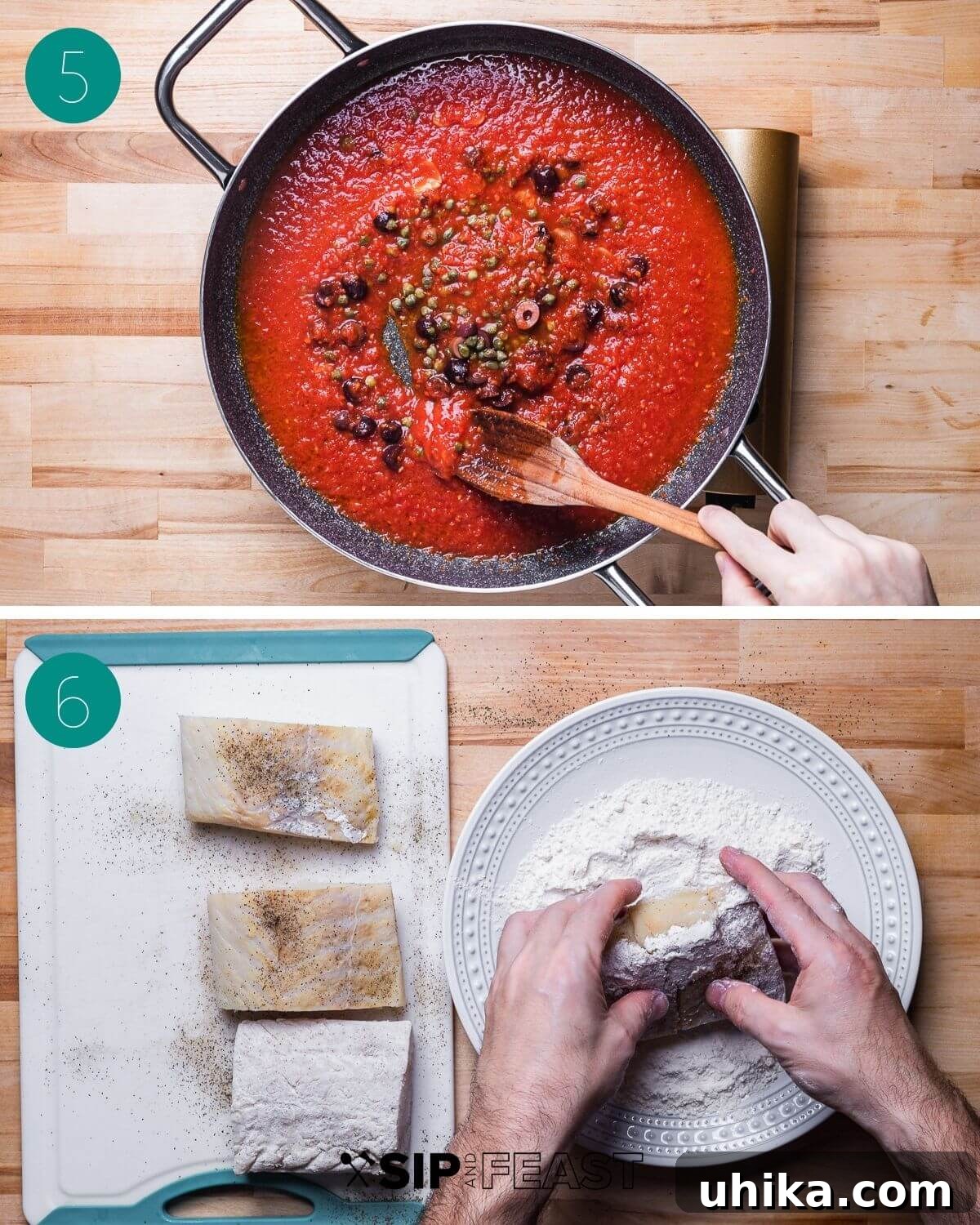
- Next, add the plum tomatoes (hand-crushed or pulsed in a blender), the sliced olives, and the rinsed capers to the pan. Stir all the ingredients together gently. Once the sauce begins to simmer, reduce the heat to low to maintain a gentle, consistent simmer, allowing the flavors to meld beautifully.
Phase 4: Searing the Cod
- Carefully pat the desalted baccalà pieces completely dry with paper towels. Season them generously with freshly ground black pepper on all sides. Dredge each piece lightly in flour, shaking off any excess. This light coating will help create a beautiful sear and protect the delicate fish.
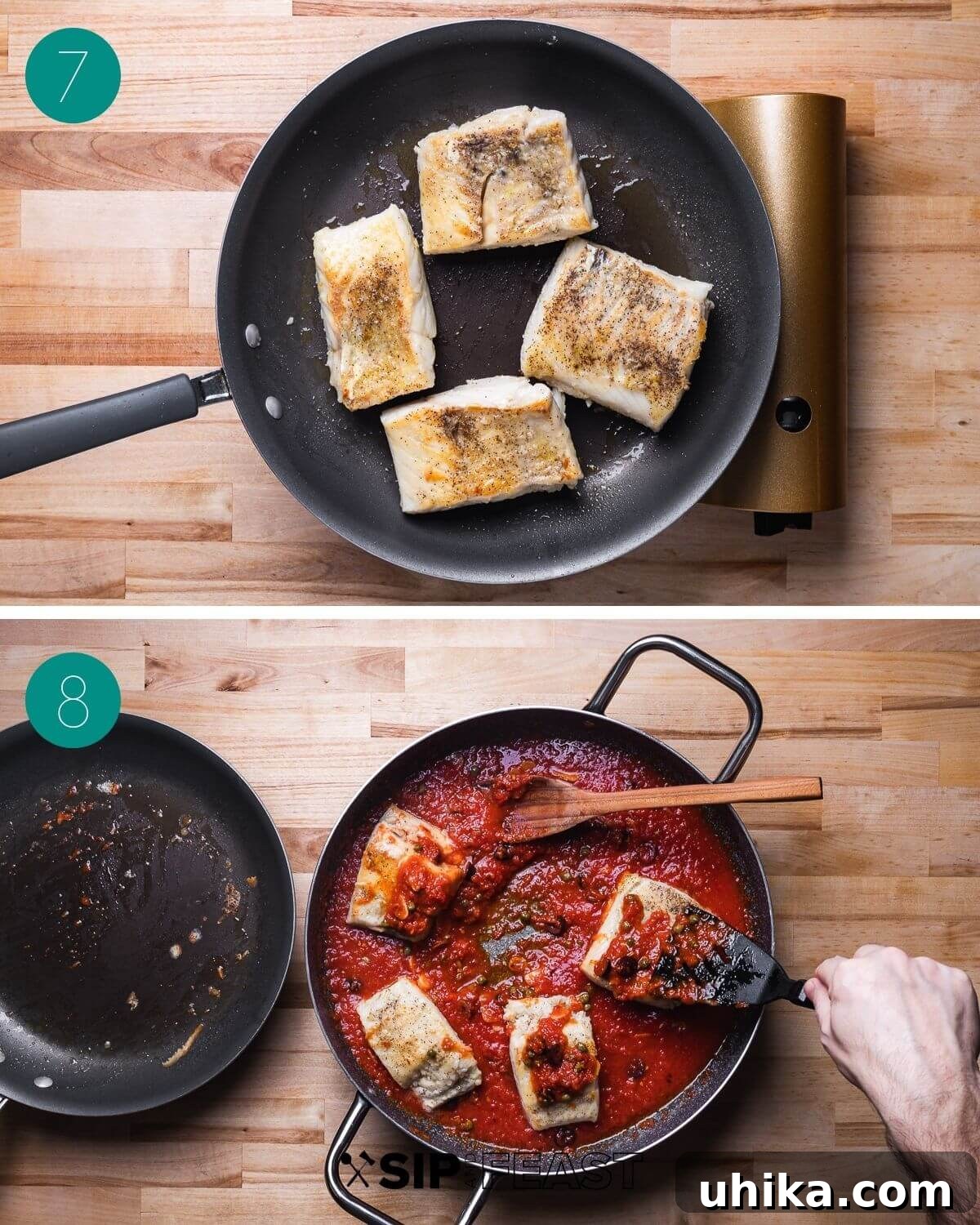
- Heat a nonstick pan to medium heat with 2 tablespoons of extra virgin olive oil. Sear the floured baccalà pieces for 2-3 minutes on each side until they develop a light golden-brown crust. Work in batches if necessary to avoid overcrowding the pan, ensuring an even sear on all pieces.
Phase 5: Baking to Perfection
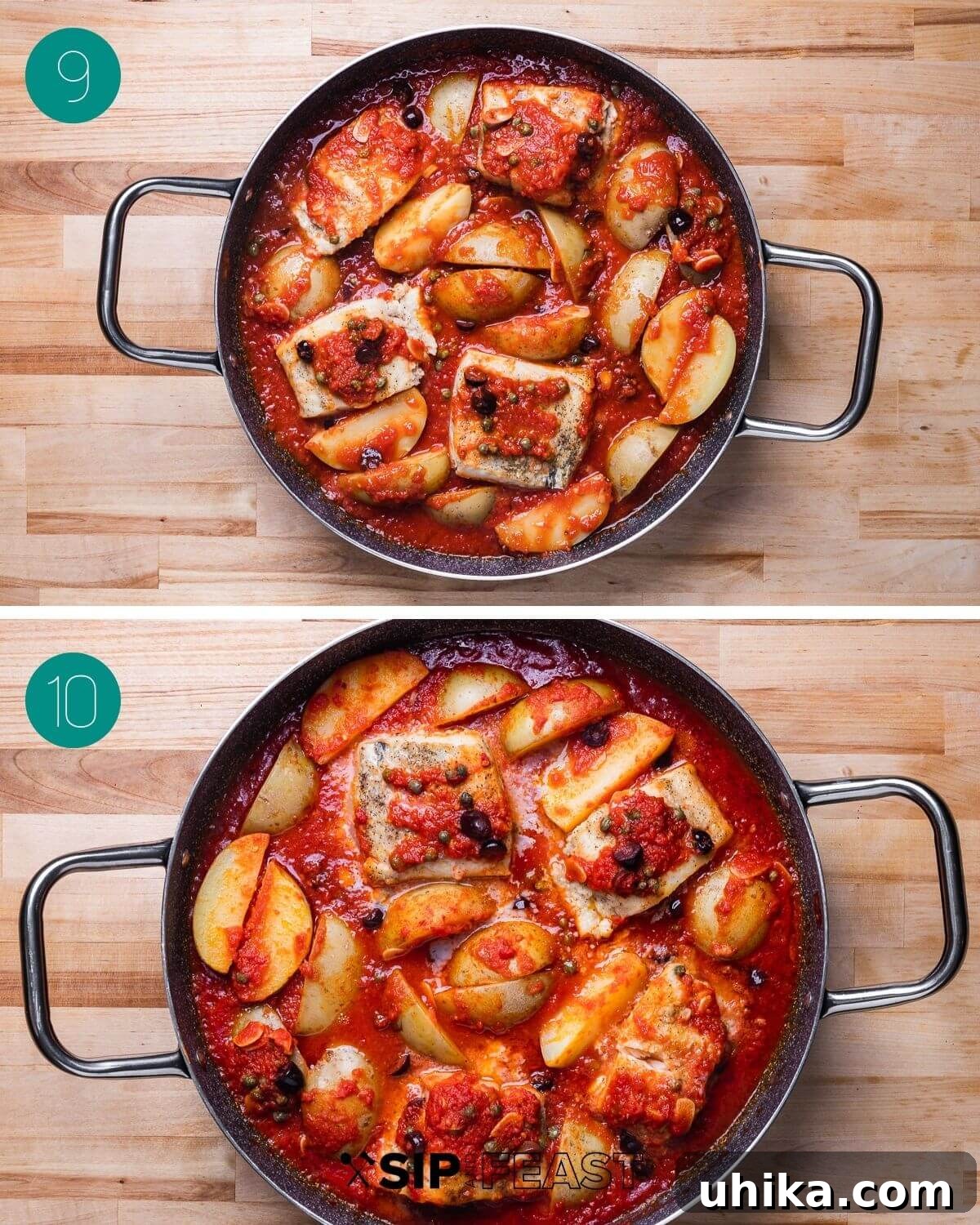
- Gently transfer the seared baccalà pieces into the simmering Neapolitan sauce in your oven-safe pan. Spoon a bit of the flavorful sauce over the top of each piece of fish, ensuring it’s well coated.
- Arrange the parboiled potatoes around the cod pieces, nestling them into the sauce. Bake the entire dish in the preheated oven for approximately 20-25 minutes.
Phase 6: The Finishing Touches and Serving
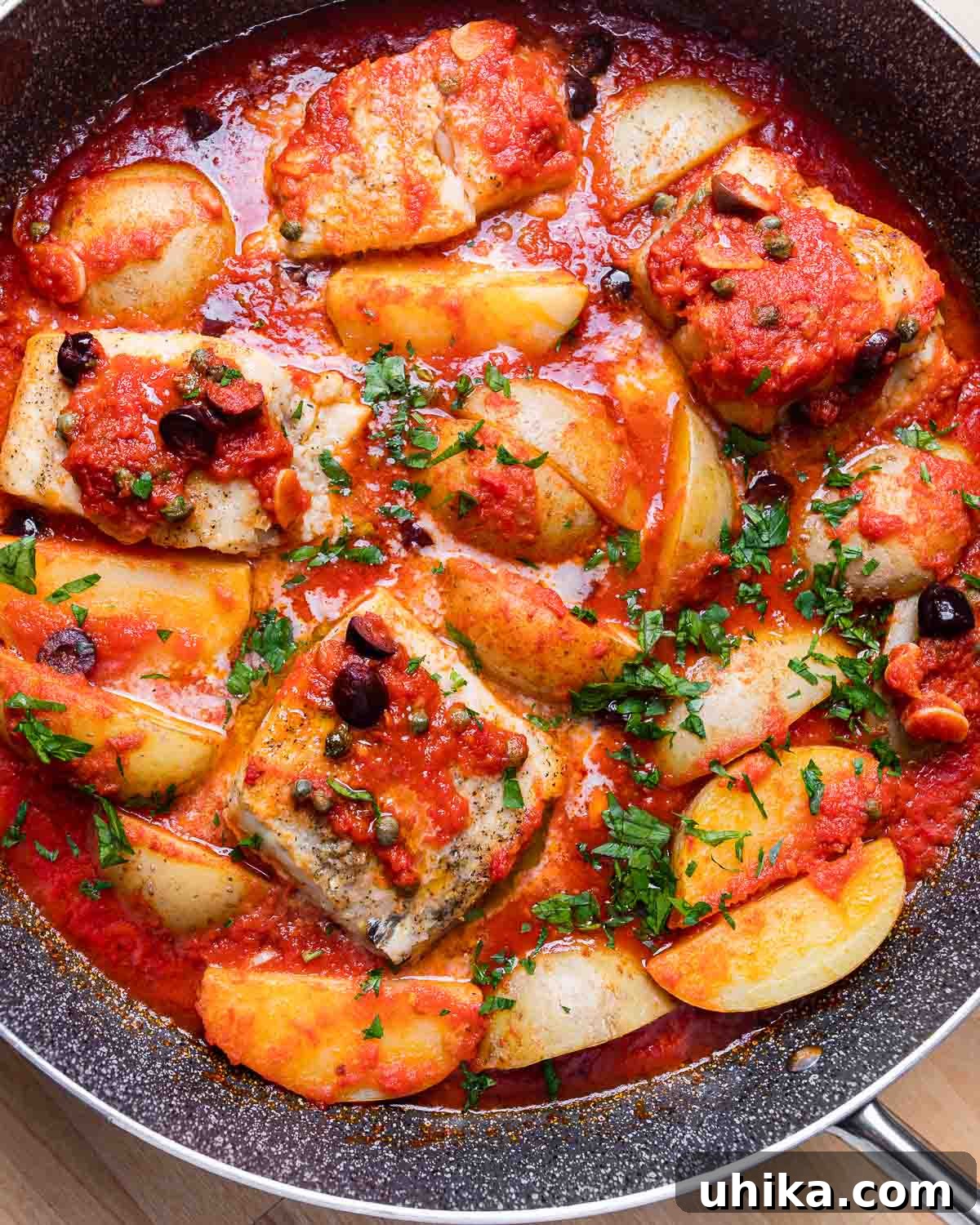
- After about 20-25 minutes of baking, the baccalà should be cooked through and begin to flake easily with a fork. Perform a quick taste test of both the fish and the sauce. If desired, add more black pepper or a pinch of hot red pepper flakes for an extra kick. While unlikely due to the inherent saltiness of baccalà, capers, and olives, you may add a tiny bit of salt if absolutely necessary. Finally, generously sprinkle the minced fresh parsley all over the Baccala alla Napoletana. Serve immediately, perhaps with a final drizzle of high-quality extra virgin olive oil over each plate for a fragrant finishing touch.
Expert Tips for the Best Baccala alla Napoletana
- The Critical Role of Water Changes: This is arguably the most important step when working with salt cod. Baccalà contains a significant amount of salt, and rushing the desalting process will inevitably lead to an overly salty and inedible dish. Thicker fillets require at least 48 hours, and often up to 3 days, for proper desalting. Resist the temptation to follow online recipes that suggest a mere 24-hour soak; in our experience, this is insufficient. To confirm the cod is ready, after 48 hours, break off a small piece, boil it until cooked, and taste it. If it’s still too salty, continue soaking for another day with fresh water changes. This simple test is your best guide!
- Using Fresh Cod as an Alternative: If you find it challenging to source quality baccalà, or if time is a constraint, fresh cod fillets can be used. Simply omit the entire soaking process. The cooking time will remain approximately the same, allowing you to enjoy the delicious tomato, olive, and caper sauce with a readily available fish. Remember that fresh cod will inherently have a milder flavor profile than properly prepared baccalà.
- Serve Promptly for Optimal Flavor: Baccala alla Napoletana is at its peak when served immediately after cooking. The fish is tender, the potatoes are warm, and the sauce is vibrant. While leftovers can be refrigerated for up to 3 days, the texture and freshness are best enjoyed straight from the oven.
Frequently Asked Questions About Baccala alla Napoletana
- Can I prepare Baccala alla Napoletana ahead of time?
The dish is best served fresh. However, you can prepare the sauce a day in advance and store it in the refrigerator. The baccalà soaking process, of course, must also be started days prior. On the day of serving, sear the fish and parboil potatoes, then combine everything and bake. - What kind of tomatoes should I use for the sauce?
High-quality canned whole plum tomatoes (San Marzano are excellent) are recommended. Hand-crushing them or pulsing them briefly in a blender creates a rustic texture that’s perfect for this dish. - Is Baccala alla Napoletana naturally very salty?
Properly soaked baccalà should not be overly salty. The soaking process removes the excess salt. The capers and olives in the sauce also contribute saltiness, so usually, no additional salt is needed in the recipe. Always taste before adding more salt. - Can I add other vegetables to this dish?
While the traditional recipe focuses on cod and potatoes, some variations might include bell peppers, onions, or zucchini for added flavor and nutrients. Feel free to experiment based on your preferences.
More Feast of the Seven Fishes Dishes
Planning a full Feast of the Seven Fishes? Here are a few more of our favorites to complete your Christmas Eve celebration:
- Baccala Fritters
- Fried Calamari
- Mussels Marinara
- Linguine alle Vongole
- Pan-Seared Swordfish with Olives and Capers
- Classic Shrimp Scampi
If you’ve enjoyed this Baccala alla Napoletana Recipe or any recipe on this site, we encourage you to give it a 5-star rating and share your experience in the comments below. Your feedback helps us continue to provide delicious and authentic recipes!
We aim to cater to diverse learning styles. If you prefer visual instruction, many of our recipes are available on YouTube and our Facebook Page.
For exclusive, never-before-seen FULL MEAL RECIPE VIDEOS, consider becoming a Patreon member today!
Baccala alla Napoletana
James Delmage
10 minutes
40 minutes
3 days
3 days 50 minutes
4
Pin
Ingredients
-
1 1/2 pounds baccala soaked and rinsed then cut into 4 equal size pieces – see notes below -
2 tablespoons extra virgin olive oil -
1 cup flour for dredging, will not use all of it -
pepper to taste -
1 1/2 pounds Yukon Gold potatoes quartered
For the sauce
-
1/4 cup extra virgin olive oil -
3 cloves garlic sliced -
1 28-ounce can plum tomatoes hand crushed or blender pulsed -
1/4 cup Gaeta olives pitted and sliced -
2 tablespoons capers rinsed -
1/2 cup dry white wine -
1/4 cup parsley minced -
1/4 teaspoon crushed hot red pepper flakes
Instructions
Soaking Instructions
-
Rinse baccala pieces of all salt, then place them into a very large bowl, submerged with water and covered with plastic. Store in the refrigerator for at least 2 days (thicker pieces might need 3 days).
-
The water needs to be changed every 8 hours to help flush the baccala of its saltiness.
Baccala alla Napoletana Instructions
-
Preheat oven to 400°F (200°C). Parboil the potatoes to almost, but not quite, fork-tender (about 10 minutes). Drain and let cool.
-
In a large oven-safe pan, sauté the garlic over medium-low heat in extra virgin olive oil until lightly golden (about 2 minutes). Add the hot red pepper flakes, cook for 30 seconds, then add the wine. Turn heat to medium-high and cook for 1-2 minutes to burn off some of the alcohol.
-
Turn the heat back down to medium-low and add the tomatoes, capers, and olives. Let the sauce simmer over very low heat, stirring occasionally.
-
Heat a large nonstick frying pan to medium heat with 2 tablespoons of extra virgin olive oil. Season the baccala with pepper on both sides, then dredge into the flour and shake off the excess. Fry pieces in the pan until brown on both sides (about 2-3 minutes per side). If required, work in batches.
-
Place the seared fish into the sauce along with potatoes and bake for 20-25 minutes.
-
Remove from the oven and add the parsley, mix, and serve. A healthy drizzle of extra virgin olive oil on top of each piece is a good idea. Enjoy!
Notes
- Baccala should be rinsed then soaked. To soak, place baccala into a very large bowl submerged with water and covered with plastic and store in the refrigerator for at least 2 days (thicker pieces might need 3 days) with water changes every 6-8 hours.
- Because baccala is so salty, no extra salt was added to the dish. You can test a piece of cooked fish right before serving and add extra salt if needed, but because of the salty capers and olives, no extra salt is usually required.
- Cooked baccala can be saved for up to 3 days, but is best served and eaten right after cooking.
Nutrition
Carbohydrates: 42.7g |
Protein: 44.6g |
Fat: 24.1g |
Saturated Fat: 3.5g |
Cholesterol: 94mg |
Sodium: 355mg |
Potassium: 1627mg |
Fiber: 7.1g |
Sugar: 7.5g |
Calcium: 76mg |
Iron: 3mg
Nutrition information is automatically calculated, so should only be used as an approximation.
Like this? Leave a comment below!
Check us out on Instagram at @sipandfeast or tag #sipandfeast!