
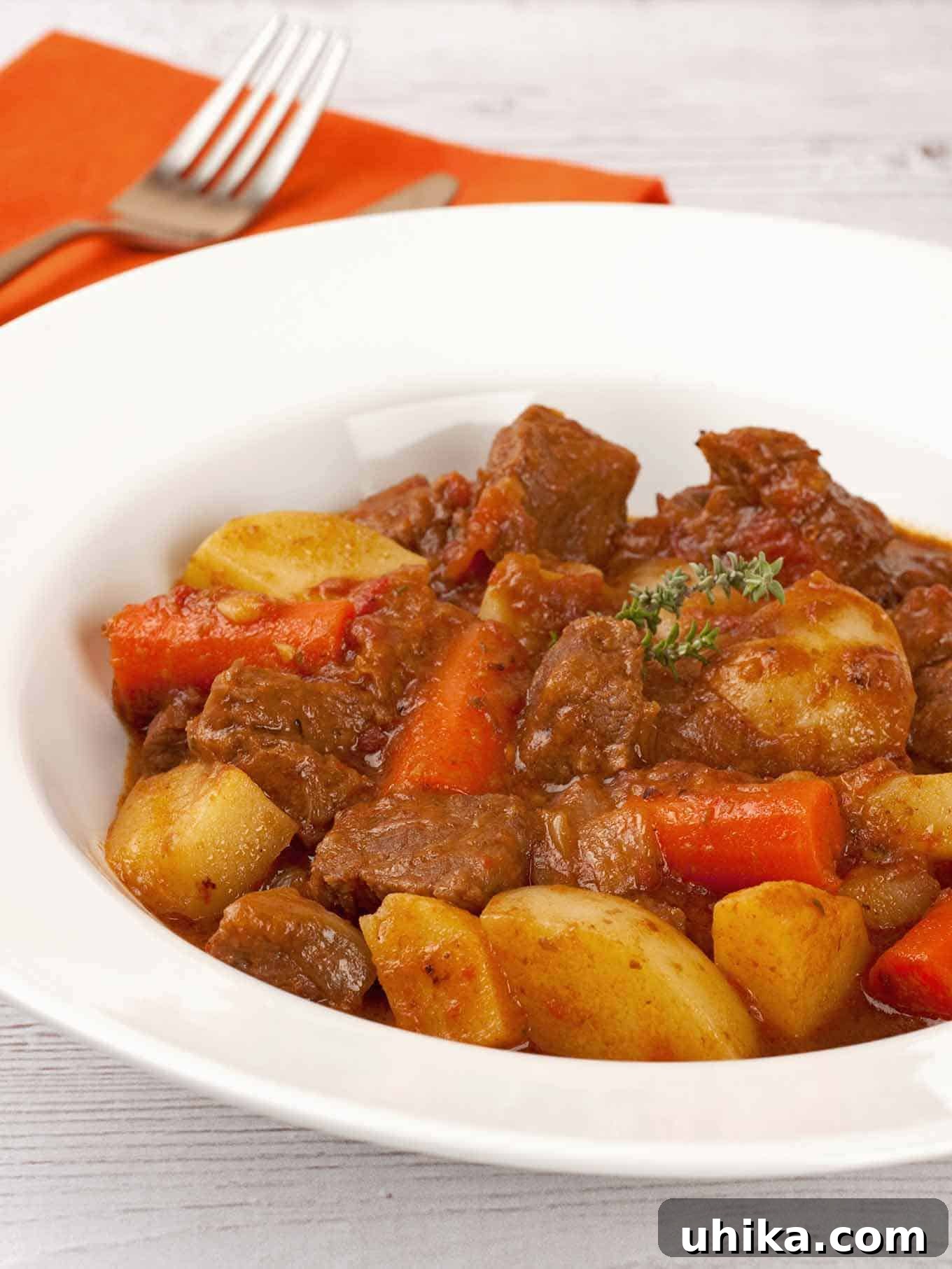
Ultimate Pressure Cooker Beef Stew: Tender, Flavorful, and Fast
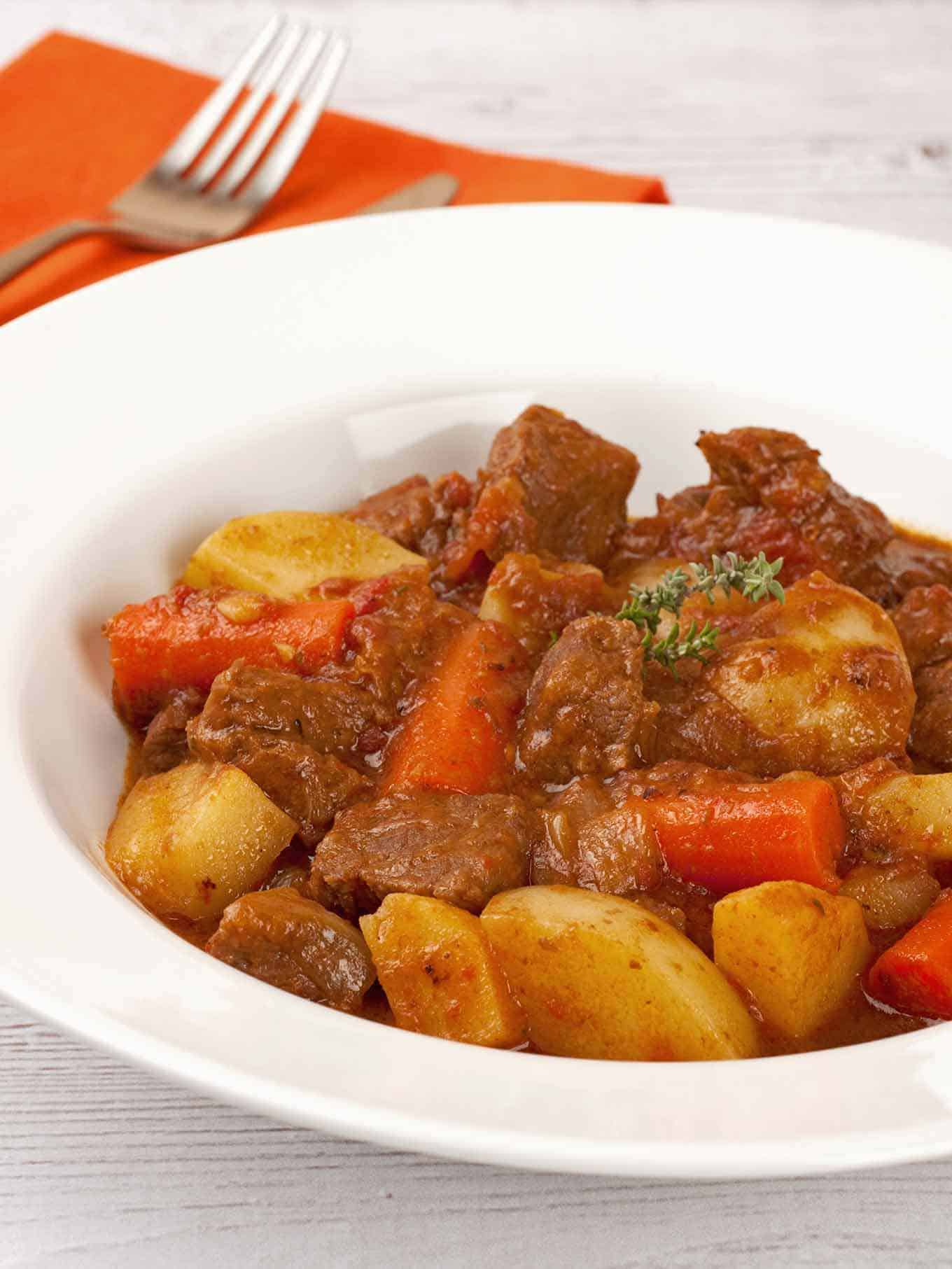
Tired of waiting hours for a traditional beef stew to slowly simmer to perfection? The pressure cooker is your culinary hero, transforming tough cuts of beef into melt-in-your-mouth tenderness in a fraction of the time. But speed isn’t its only superpower; a pressure cooker masterfully locks in all the natural moisture and rich flavors of your ingredients, creating a deeply satisfying stew that tastes like it’s been cooking all day.
Our go-to pressure cooker beef stew recipe is a testament to simple ingredients coming together to create extraordinary flavor. This hearty dish, brimming with tender beef, wholesome vegetables, and a savory gravy, is guaranteed to become a family favorite. Get ready to elevate your weeknight dinner game!
Why a Pressure Cooker is Your Secret Weapon for Beef Stew
The beauty of using a pressure cooker for beef stew extends far beyond mere time-saving. This kitchen appliance excels at breaking down tough muscle fibers in stew beef, resulting in unparalleled tenderness that’s often only achieved after hours of conventional simmering. The high-pressure environment also means that flavors are infused more deeply into every ingredient, from the succulent beef chunks to the earthy vegetables. This intensive flavor development is a hallmark of pressure cooking, making every bite incredibly rich and complex.
Furthermore, the sealed environment of a pressure cooker minimizes evaporation, preserving the precious moisture and nutrients of your ingredients. This means your gravy will be naturally richer and more concentrated, without losing any essential liquid to the air. Say goodbye to dry, bland stew and hello to a luscious, flavorful masterpiece that will have everyone asking for seconds. It’s truly a game-changer for hearty, slow-cooked meals, making them accessible even on busy weeknights. The efficiency and superior results make the pressure cooker an indispensable tool for achieving culinary excellence in a fraction of the time.
Pressure Cooker Beef Stew
By Lynne Webb
This is our favorite beef stew recipe – a simple combination of ingredients cooked to flavorful perfection in a pressure cooker. Achieve incredibly tender beef, perfectly cooked vegetables, and a rich, savory gravy in a fraction of the time, making it ideal for a comforting meal any day of the week. Prepare to impress with this easy yet gourmet-quality dish.
Pin Recipe
Ingredients
- 1-1/2 lbs stew beef, cut into 1-inch cubes (chuck roast works well)
- 1/4 cup all-purpose flour
- 1 teaspoon salt
- 1/2 teaspoon freshly ground black pepper
- 2 cups beef broth (low sodium preferred for better control over seasoning)
- 2 teaspoons Worcestershire sauce
- 1 tablespoon Dijon-style mustard
- 2 tablespoons olive oil (divided use)
- 1 medium yellow onion, chopped
- 2 cloves garlic, minced
- 1-1/2 cups diced tomatoes, undrained (canned for convenience)
- 2 to 3 medium potatoes, peeled and cut into 1-inch cubes (e.g., russet or Yukon Gold for best texture)
- 2 to 3 carrots, peeled and cut into 1-inch pieces
- 1 medium turnip, peeled and cut into 1-inch pieces (adds a lovely earthy flavor)
- 1 tablespoon fresh thyme leaves (plus more for garnish)
Ingredient Tip: For the best results, use good quality stew beef and fresh, firm vegetables. Adjust seasoning to your preference and consider organic options for an even healthier meal.
Instructions
- In a shallow dish, combine the all-purpose flour, salt, and freshly ground black pepper. Thoroughly dredge the beef cubes in the flour mixture, ensuring they are evenly coated. Shake off any excess flour and set the beef aside on a plate. This coating helps create a delicious crust and thickens the stew.
- In a separate measuring cup or small bowl, whisk together the beef broth, Worcestershire sauce, and Dijon-style mustard until well combined. This forms the flavorful liquid base for your stew. Set this liquid mixture aside.
- Heat 1 tablespoon of olive oil in your pressure cooker (or Instant Pot on sauté mode) over medium-high heat. Add the floured beef in batches, making sure not to overcrowd the pot. Cook, turning frequently, until all sides are lightly browned. This step is crucial for developing deep, rich flavor through the Maillard reaction. Transfer the browned beef to a clean plate and discard any excess fat remaining in the cooker.
- Reduce the heat to medium. Add the remaining 1 tablespoon of olive oil to the pressure cooker. Add the chopped yellow onion and cook, stirring occasionally, until it becomes soft and translucent, which should take approximately 4 to 5 minutes. Stir in the minced garlic and cook for 1 minute longer until fragrant. Be careful not to burn the garlic.
- Pour in the reserved beef broth mixture and the undrained diced tomatoes. Use a wooden spoon or spatula to scrape up any browned bits (fond) from the bottom of the pot. These flavorful bits are essential for enriching your gravy. Return the browned beef to the cooker and bring the mixture to a gentle simmer, increasing the heat slightly if necessary.
- Secure the lid on your pressure cooker, ensuring it is properly locked into place. Bring the cooker to high pressure according to your appliance’s instructions. Once high pressure is reached, cook for 20 minutes. After 20 minutes, remove the cooker from the heat and allow the pressure to release naturally for about 5-10 minutes, then use the quick release method carefully to release any remaining pressure. Open the lid, stir the gravy, and taste. Adjust seasoning (salt and pepper) as needed.
- Carefully add the peeled and cubed potatoes, carrots, turnip, and fresh thyme leaves to the stew in the cooker. Stir gently to combine them with the beef and gravy.
- Re-cover the cooker, locking the lid securely in place. Bring the cooker back to high pressure. Cook the stew for an additional 5 minutes at high pressure. This shorter cooking time ensures the vegetables are tender but not mushy.
- Once the second cooking cycle is complete, remove the cooker from the heat. Allow the pressure to drop naturally for about 10 minutes before carefully opening the lid. This natural release helps prevent the vegetables from becoming overly soft and further tenderizes the beef.
- Ladle the hearty pressure cooker beef stew into individual bowls. Garnish with a sprinkle of fresh thyme leaves, if desired, for an aromatic finish. Serve immediately with your favorite accompaniments and enjoy a truly comforting meal.
Pro Tips for the Best Pressure Cooker Beef Stew
- Brown Your Beef Thoroughly: Don’t skip this step! Browning the beef creates a flavorful crust through the Maillard reaction, which is essential for a rich-tasting stew. Work in batches to avoid overcrowding the pot, which can steam the meat instead of browning it, leading to less flavor development.
- Deglaze the Pot: After browning the beef and sautéing the aromatics, pouring in the liquid and scraping up the “fond” (browned bits stuck to the bottom) adds immense depth of flavor to your gravy. This process, known as deglazing, is a chef’s secret for building complex tastes.
- Cut Vegetables Evenly: Ensure your potatoes, carrots, and turnip are cut into roughly 1-inch pieces. This promotes even cooking and prevents some vegetables from becoming overcooked while others are still hard. Uniformity is key for texture.
- Don’t Overcook Vegetables: Adding the root vegetables in a second, shorter pressure cooking phase helps them retain their texture and prevents them from turning into mush. This two-stage cooking method is ideal for mixed tenderness levels.
- Adjust Seasoning at the End: Pressure cooking concentrates flavors, so it’s always best to taste and adjust the salt and pepper after the pressure release. You might find it needs less salt than you expect initially.
- Fresh Thyme is Best: While dried thyme can be substituted (use about 1/3 the amount of fresh), fresh thyme adds a brighter, more vibrant, and aromatic flavor to the stew, elevating its overall freshness.
- Natural Release for Tenderness: Allowing for some natural pressure release (even if followed by quick release) helps the meat remain incredibly tender and prevents the vegetables from bursting.
Delicious Variations and Customizations
This classic pressure cooker beef stew recipe is wonderfully versatile. Feel free to adapt it to your taste or what you have on hand, making it uniquely yours:
- Add More Vegetables: Consider adding other hearty vegetables like parsnips, celery (sautéed with onions), peas, or corn (stirred in at the very end after pressure release to prevent overcooking). Mushrooms can be sautéed with onions for an umami boost.
- Herb Alternatives: If you don’t have fresh thyme, rosemary or bay leaves make excellent substitutes. For bay leaves, add 1-2 to the pot before pressure cooking and remove before serving. A blend of Italian herbs can also be used.
- Wine for Depth: For an even richer, more sophisticated flavor profile, deglaze the pot with 1/2 cup of dry red wine (like Cabernet Sauvignon or Merlot) after sautéing the onions and garlic. Let it simmer until reduced by half before adding the beef broth mixture, allowing the alcohol to evaporate and concentrate the wine’s flavor.
- Spicy Kick: A pinch of red pepper flakes added with the garlic can introduce a subtle warmth and complexity, balancing the rich flavors.
- Gluten-Free Option: Substitute the all-purpose flour with a gluten-free all-purpose flour blend for dredging. Alternatively, use cornstarch (mixed with a little cold water to form a slurry) to thicken the gravy after pressure cooking, if a thicker consistency is desired.
- Different Cuts of Beef: While stew beef is traditional, you can also use chuck roast cut into cubes for excellent results. For an alternative to stew beef, try our recipe for Pressure Cooker Pot Roast which is made with a rump roast for a different kind of tender beef dish.
- Tomato Paste: For a deeper tomato flavor, add a tablespoon of tomato paste to the onions and garlic, cooking it for a minute before adding liquids.
What to Serve with Your Hearty Beef Stew
A comforting bowl of pressure cooker beef stew is a meal in itself, but a few simple additions can make it even more satisfying and complete:
- Crusty Bread: Absolutely essential for soaking up every last drop of that rich, savory gravy. A warm baguette, sourdough loaf, or artisanal roll is ideal.
- Mashed Potatoes: If you want extra potatoes, a side of creamy mashed potatoes makes a luxurious accompaniment, creating a delightful texture contrast.
- Fluffy Rice or Noodles: White rice, brown rice, or egg noodles provide a wonderful, neutral base that absorbs the stew’s flavors beautifully.
- Green Salad: A simple, crisp green salad with a light vinaigrette dressing can offer a refreshing contrast to the richness and heartiness of the stew.
- Cornbread: Sweet or savory cornbread complements the rustic flavors of the stew beautifully, adding another layer of comfort.
- Roasted Vegetables: A side of roasted Brussels sprouts or asparagus can add an extra layer of flavor and nutrition.
Storage and Meal Prep
Pressure cooker beef stew is an excellent candidate for meal prepping as it often tastes even better the next day, allowing the flavors to meld and deepen.
- Storage: Allow the stew to cool completely at room temperature (within 2 hours) before storing. Transfer it to airtight containers and refrigerate for up to 3-4 days. Ensure containers are sealed properly to maintain freshness.
- Freezing: For longer storage, freeze individual portions in freezer-safe containers or heavy-duty freezer bags for up to 2-3 months. Label with the date. Thaw overnight in the refrigerator before reheating for best results.
- Reheating: Gently reheat the stew on the stovetop over medium-low heat, stirring occasionally, until heated through to an internal temperature of 165°F (74°C). You can also reheat individual portions in the microwave, stirring halfway through. If the gravy has thickened too much during storage, you can add a splash of beef broth or water to reach your desired consistency.
- Food Safety: Always ensure the stew is reheated thoroughly, especially if frozen. Do not refreeze thawed stew.