
Pastitsio: The Ultimate Greek Meat and Pasta Bake for Comfort and Flavor
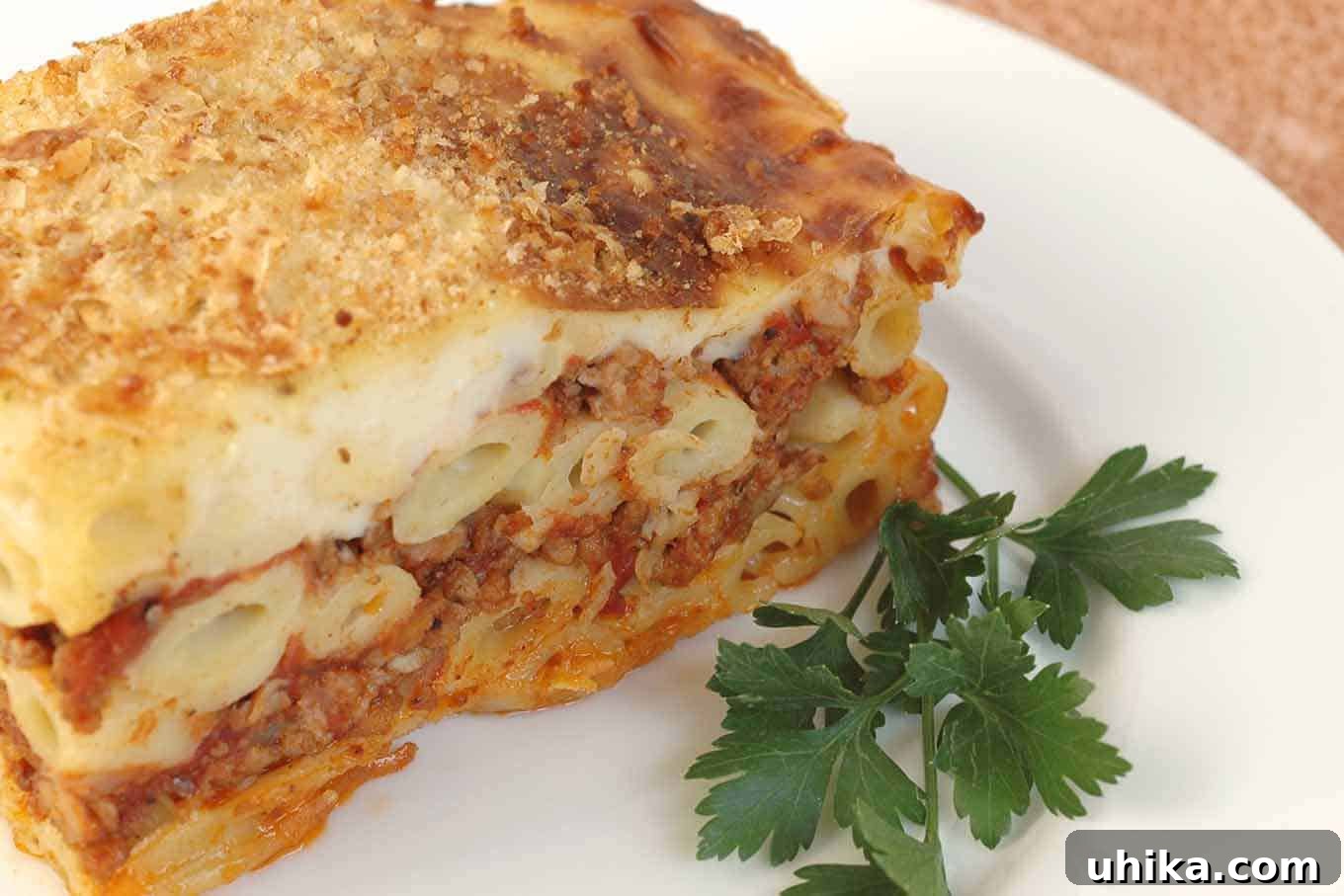
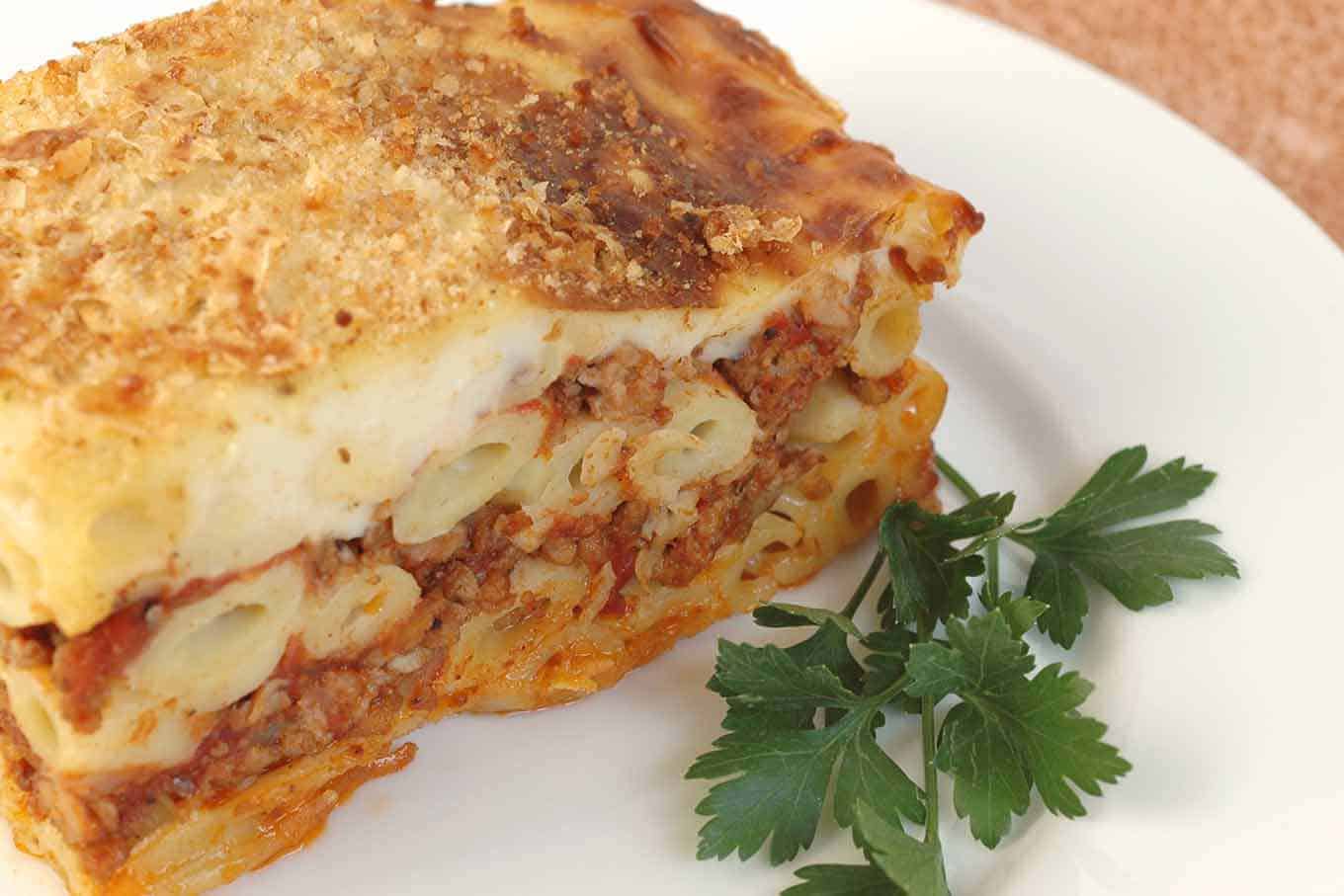
Pastitsio, often hailed as the “Greek lasagna,” is a magnificent layered pasta bake that embodies the heart and soul of Greek comfort food. While sharing structural similarities with its Italian cousin, Pastitsio carves its own distinct identity through a blend of unique ingredients and traditional preparation methods. It features a base of tubular pasta, typically ziti or penne, generously coated in a rich, savory ground meat sauce infused with warm spices. This hearty layer is then crowned with a thick, velvety béchamel sauce, creating an irresistible golden crust upon baking. This culinary masterpiece is more than just a meal; it’s an experience, a staple at family gatherings, and a dish that truly shines when made with love.
What makes Pastitsio truly special is its incredible depth of flavor and satisfying texture. Unlike lasagna, which often relies on ricotta cheese, Pastitsio achieves its creamy top layer with a meticulously prepared béchamel, subtly scented with nutmeg and sometimes a hint of cheese. While it requires a bit of dedication in the kitchen due to its multi-layered nature, the effort is undeniably rewarding. Pastitsio is not only economical, making it a fantastic choice for feeding a crowd, but it also freezes beautifully and reheats exceptionally well. In fact, many connoisseurs agree that its flavors deepen and meld even further on the second day, making leftovers an eagerly anticipated treat. Whether you’re planning a weeknight dinner, preparing for a special occasion, or simply craving a taste of authentic Greek cuisine, Pastitsio stands as a testament to hearty, wholesome, and profoundly delicious cooking.
A Culinary Journey: The Rich History and Evolution of Pastitsio
The story of Pastitsio is a fascinating blend of culinary traditions, reflecting Greece’s rich historical tapestry. While often associated with modern Greek cuisine, the roots of this baked pasta dish can be traced back to influences from both Italian and Ottoman culinary practices. The term “Pastitsio” itself is derived from the Italian “pasticcio,” meaning a “mess” or “pie,” particularly a baked dish often made with pasta, meat, and béchamel. This connection highlights the strong culinary exchange between Italy and Greece, especially during periods of Venetian rule and cultural intermingling.
The initial versions of pastitsio in Greece likely emerged in the early 20th century, notably popularized by Nikolaos Tselementes, a renowned Greek chef and cookbook author. Tselementes, who trained extensively in France and Austria, played a pivotal role in standardizing and “Europeanizing” Greek cuisine, often incorporating French techniques like the classic béchamel sauce into traditional Greek dishes. His adaptation of pastitsio, complete with its distinct layers of pasta, spiced meat, and creamy white sauce, quickly became a national favorite, solidifying its place in Greek households and tavernas across the country.
Over the decades, Pastitsio has evolved while retaining its core essence. Each family often has its own subtle variations, passed down through generations, making every homemade Pastitsio a unique reflection of its creator’s heritage and taste. From the specific cut of pasta to the blend of spices in the meat sauce, and even the thickness and richness of the béchamel, these nuances contribute to the beloved diversity of this iconic Greek dish. It stands today as a symbol of Greek hospitality, a comforting culinary hug, and a delicious reminder of a vibrant food history that continues to delight palates worldwide.
The Pillars of Pastitsio: Understanding Its Key Layers
At its heart, Pastitsio is a symphony of three distinct yet harmoniously blended layers, each contributing its unique texture and flavor profile to the final, comforting dish. Understanding these components is key to appreciating the masterful construction and incredible taste of this Greek classic.
The Robust Meat Filling (Kima)
The savory depth of Pastitsio is founded upon its slow-cooked meat sauce, affectionately known as “kima.” Traditionally prepared with lean ground beef, this sauce is far from a simple mince; it’s a rich, aromatic concoction. The process begins with a careful sauté of finely diced aromatics, typically onion, celery, and garlic, which build a foundational layer of sweet and pungent flavor. Once the vegetables are tender, the ground beef is browned thoroughly, with any excess fat meticulously drained to ensure a clean, rich taste. The meat is then simmered with vibrant chopped tomatoes, a concentrated tablespoon of tomato paste for umami depth, and a splash of red wine, which adds a subtle acidity and complexity. What truly distinguishes the kima, however, is the generous incorporation of warm, earthy spices. Cinnamon and allspice are non-negotiable, imparting that signature Mediterranean aroma that is both unexpected and utterly delightful in a savory dish. Dried oregano and bay leaves further enhance its herbal notes, creating a complex and deeply satisfying sauce that forms the hearty core of the Pastitsio. This long, gentle simmer allows all these incredible flavors to meld and deepen, transforming simple ingredients into a truly unforgettable culinary experience.
The Perfectly Cooked Pasta Layer
Beneath the luxurious béchamel and enveloping the savory kima is the crucial pasta layer, which provides both substance and structure. While various tubular pastas can be employed, penne or ziti are the most common and ideal choices due to their ability to hold the sauce and maintain their shape. The critical step here is to cook the pasta until it’s just `al dente` – meaning it should be tender but still possess a slight, pleasant firmness when bitten. Overcooked pasta will become mushy and compromise the overall texture and integrity of the casserole. After draining the pasta thoroughly, it is gently tossed with a generous knob of butter for richness, a few lightly beaten eggs that act as a binder, and a good helping of grated Parmesan cheese, adding a salty, nutty flavor. Crucially, a portion of the prepared béchamel sauce is also mixed in, creating a creamy, cohesive base that perfectly complements the meat filling and ensures a stable, delicious foundation for the entire layered pie. This thoughtful preparation of the pasta layer is essential for a Pastitsio that is structurally sound and delightfully toothsome.
The Velvety Béchamel Sauce (Besamel)
Crowning the Pastitsio is its signature béchamel sauce, often referred to as “besamel” in Greece. This is not just any white sauce; it’s a luscious, thick, and incredibly smooth blanket that transforms the dish from a simple pasta bake into something truly extraordinary. The béchamel begins as a classic roux, meticulously crafted from melted butter and all-purpose flour, slowly cooked until it achieves a pale golden hue and a nutty aroma. Warm milk, often gently infused with a bay leaf and a few whole allspice berries, is then gradually whisked into the roux, creating a creamy emulsion free of lumps. The subtle infusion of these spices in the milk adds an extra layer of nuanced aroma, distinguishing it from a standard French béchamel and giving it a distinctly Greek character. Once thickened to a velvety, pouring consistency, the sauce is removed from the heat and finished with a generous grating of fresh nutmeg and a substantial amount of grated Parmesan cheese, which imparts a salty, nutty depth and further enhances its richness. This creamy, perfectly seasoned béchamel not only protects the layers below but also forms a magnificent golden-brown crust during baking, adding an irresistible textural contrast to the soft, tender interior.
Pastitsio – Greek Meat and Pasta Pie
Lynne Webb
25 mins
1 hr 20 mins
1 hr 45 mins
10 servings
Rate Recipe
Print Recipe
Ingredients
For the meat filling:
- 3 tablespoons olive oil
- 1 large onion, peeled and diced
- 2 celery stalks, peeled and diced
- 3 garlic cloves, finely chopped
- 1-1/2 lbs lean ground beef
- 1/3 cup red wine
- 2 cups chopped tomatoes
- 1 tablespoon tomato paste
- 1 teaspoon cinnamon
- 1/2 teaspoon allspice
- 1 teaspoon dried oregano
- 2 bay leaves
- Salt and freshly ground black pepper to taste
- 2 tablespoons chopped fresh parsley
For the Béchamel sauce:
- 4 cups milk
- 1 bay leaf
- 3 or 4 whole allspice berries
- 8 tablespoons (1 stick) unsalted butter
- 1 cup all-purpose flour
- 3 tablespoons grated parmesan cheese
- 1/2 teaspoon freshly ground nutmeg
For the pasta mixture:
- 1 lb penne
- 2 tablespoons butter
- 2 eggs, lightly beaten
- 3 tablespoons grated parmesan cheese
- 1 cup bechamel sauce
For the topping:
- 1/4 cup fresh breadcrumbs
- 3 tablespoons grated parmesan cheese
Instructions
First, prepare the meat filling:
- Heat 2 tablespoons olive oil in a large skillet over a medium-high heat and add the onion, celery, and garlic. Sauté for about 5 minutes until the onion becomes soft and translucent. Transfer mixture to a bowl and set aside.
- Add the remaining tablespoon of oil to the pan and add the ground beef. Cook thoroughly, breaking up chunks as much as possible. Once the meat is cooked, drain any excess fat.
- Stir in the red wine, tomatoes, tomato paste, cinnamon, allspice, oregano, bay leaves, and salt and pepper. Simmer for about 5 minutes, then return the onion, garlic, celery mixture to the pan.
- Simmer the mixture over a low heat for 30 to 40 minutes to allow flavors to blend and develop.
- Remove from heat and stir in fresh parsley. Makes 5 cups.
Prepare the béchamel sauce:
- Heat the milk together with the bay leaf and the allspice berries in a saucepan over low heat.
- In a separate pan, melt the butter. Add the flour and cook, stirring constantly, until the paste is smooth and well blended.
- Remove the bay leaves and allspice from the milk and begin adding it to the flour mixture slowly, whisking constantly to form a smooth, thick sauce.
- Remove the sauce from the heat and allow to cool slightly before adding the cheese and nutmeg. Set aside. Makes 4 cups.
Cook the pasta:
- Cook pasta in large pot of boiling salted water until tender but still firm to the bite (al dente). Drain and transfer to a large mixing bowl and set aside to cool slightly. Once the pasta has cooled, add the butter, beaten eggs, parmesan cheese, and 1 cup of the prepared béchamel sauce. Combine well.
Assemble the pastitsio:
- Preheat the oven to 350°F. Grease the bottom and sides of a 13 x 9 inch baking dish with butter.
- Layer 1/3 of the pasta mixture in the bottom of the dish, spreading as evenly as possible. Layer 1/2 of the meat mixture on top of the pasta. Layer another third of the pasta over the first layer of meat. Top that with the rest of the meat mixture, then spread the remaining pasta on top. Spread the remaining 3 cups of béchamel sauce over the entire surface.
- Top with the breadcrumbs and parmesan cheese.
- Bake for about 40 minutes, until the top is golden brown.
- Remove from the oven and allow to rest for 10 minutes before cutting.
Notes
Recipe Notes:
This recipe traditionally calls for ground beef, which provides a classic flavor profile. However, we encourage you to experiment with other ground meats or combinations to suit your preference. A blend of ground chicken and pork, or even lamb, can offer a delightful variation and a different depth of flavor. Don’t hesitate to customize your meat choice to find your perfect Pastitsio experience!
Tips for Pastitsio Perfection: Ensuring a Delicious Outcome
Creating a truly exceptional Pastitsio involves more than just following the steps; it’s about understanding the nuances that elevate this dish from good to magnificent. Here are some expert tips to help you achieve Pastitsio perfection in your own kitchen:
- Mastering the Pasta: The choice of tubular pasta, such as penne or ziti, is crucial for Pastitsio’s structure. Cook it `al dente` – it should be tender but still have a slight bite. Remember, the pasta will continue to cook slightly in the oven, so avoid overcooking it beforehand. This ensures your Pastitsio holds its shape beautifully when cut.
- Flavorful Meat Sauce: Don’t rush the simmering of your meat filling (kima). The longer it simmers over low heat, the more the flavors of the tomatoes, wine, and spices (especially cinnamon and allspice) will meld and deepen. This slow process is key to developing that rich, aromatic profile characteristic of authentic Greek Pastitsio. Always drain excess fat from the ground beef after browning to prevent a greasy final dish.
- Smooth Béchamel is Key: The béchamel sauce is the crowning glory of Pastitsio. To ensure a perfectly smooth sauce, whisk constantly when adding the milk to the flour-butter roux. Use warm milk to prevent lumps. If any small lumps do form, a quick pass through a fine-mesh sieve or a few pulses with an immersion blender can rescue your sauce. Don’t forget the freshly grated nutmeg and Parmesan cheese for that essential creamy, savory finish.
- Cool the Pasta: Allow the cooked pasta to cool slightly before mixing in the butter, eggs, and béchamel. Adding eggs to hot pasta can cause them to scramble. Cooling ensures the eggs incorporate smoothly, acting as a binder without cooking prematurely.
- Layering with Care: While Pastitsio is a layered dish, don’t feel the need for overly precise, ruler-straight layers. Focus on distributing each component as evenly as possible to ensure every slice has a balanced taste and texture. The pasta at the bottom helps absorb the meat sauce, while the top pasta layer acts as a delicious foundation for the béchamel.
- The Importance of Resting: This might be the most crucial tip! After baking, resist the urge to cut into your Pastitsio immediately. Let it rest for at least 10-15 minutes, or even longer, after removing it from the oven. This allows the layers to set and firm up, making for cleaner, more defined slices and preventing the dish from falling apart.
- Make Ahead & Freeze: Pastitsio is an excellent make-ahead meal. You can assemble the entire dish a day in advance, cover it, and refrigerate before baking. Add an extra 10-15 minutes to the baking time if cooking from cold. For freezing, bake it completely, let it cool, then slice into portions. Wrap individual portions tightly in plastic wrap and foil. It can be frozen for up to 3 months and reheated in the oven for a convenient, delicious meal anytime.
Serving Suggestions & Pairings
Pastitsio is a substantial and satisfying meal on its own, but it pairs beautifully with simple accompaniments that cut through its richness and add a refreshing element. A crisp, vibrant Greek salad with a light vinaigrette is the classic choice, offering a bright contrast to the hearty bake with its fresh vegetables and tangy dressing. Crusty bread, perfect for soaking up any lingering sauce or béchamel, is also a welcome addition to any table. For a complete Mediterranean experience, consider serving it alongside some briny Kalamata olives or a side of simply steamed green beans with a squeeze of fresh lemon juice. To complement the savory meat sauce, a light-bodied red wine, such as a local Greek Agiorgitiko or a Pinot Noir, would be an excellent choice, enhancing the meal without overpowering it.
Customizing Your Pastitsio: Creative Variations
While the traditional Pastitsio recipe is a cherished classic, there’s ample room for creative customization to suit different tastes, dietary preferences, or simply to add a unique twist to this beloved dish.
- Alternative Meats: As mentioned in the recipe notes, feel free to substitute or combine ground beef with other meats. Ground lamb offers a distinctly Hellenic flavor, providing a richer and more aromatic profile. Ground chicken or turkey can be used for a lighter, leaner version without sacrificing flavor, especially when seasoned well. For an even richer taste, a mix of beef and pork is also an excellent option, blending the best qualities of both.
- Vegetarian Pastitsio: Transform this comforting dish into a hearty vegetarian delight by replacing the ground meat with a rich mushroom and lentil ragout. Sauté finely chopped mushrooms with brown or green lentils, carrots, and celery, simmering them in a tomato-based sauce infused with the same aromatic spices like cinnamon and allspice. This creates a deeply savory and satisfying plant-based alternative.
- Cheese Variations: While Parmesan cheese is standard for its salty, nutty notes, consider adding a layer of tangy kefalotyri or robust graviera cheese for a more authentic Greek touch and a sharper flavor profile. A blend of different hard cheeses can also add complexity and a delightful cheesy crust.
- Herb Enhancements: Beyond the traditional oregano and parsley, consider adding a pinch of fresh mint to the meat sauce for a brighter, more Mediterranean zest, or a touch of fresh dill to the béchamel for an intriguing and aromatic twist. Fresh thyme or rosemary could also be incorporated into the meat sauce for a different herbal depth.
- Spicier Kick: For those who enjoy a bit of heat, a pinch of red pepper flakes added to the meat sauce can introduce a subtle warmth without overpowering the traditional flavors. Adjust the amount to your personal spice preference.
Conclusion: A Timeless Greek Delicacy
Pastitsio is more than just a recipe; it’s a culinary legacy, a comforting embrace from Greek culture, and a celebration of rich flavors and satisfying textures. Its intricate layers of perfectly seasoned pasta, aromatic meat sauce, and creamy béchamel combine to create a dish that is both satisfyingly hearty and elegantly flavorful. Whether you are preparing it for a festive family dinner, a cozy evening at home, or introducing friends to the wonders of Greek cuisine, Pastitsio promises to be a memorable and much-loved centerpiece on your table. Embrace the process, savor the tantalizing aromas that fill your kitchen, and enjoy the delicious rewards of this timeless Greek delicacy. Kalí órexi! (Bon appétit!)