

Podcast: Play in new window | Download (Duration: 45:27 — 63.7MB)
Subscribe or Follow Apple Podcasts | Spotify | Amazon Music | RSS | More
Essential Italian Condiments: A Connoisseur’s Guide to Elevating Every Meal
Condiments, whether lovingly crafted in a home kitchen or conveniently sourced from a specialty store, hold the power to utterly transform a meal. In Italian cuisine, this principle rings especially true. The right condiment doesn’t just add a touch of flavor; it can introduce complexity, balance richness, or provide a vibrant counterpoint that elevates a simple dish into a memorable culinary experience.
Join us as we embark on a delectable journey through the world of top Italian condiments, exploring their unique characteristics, traditional uses, and innovative ways you can integrate them into your cooking to unlock new depths of flavor in your favorite Italian and Italian-American meals.
Watch Our Discussion on YouTube
For those who prefer a visual and auditory experience, our latest podcast episode provides an engaging discussion on these very condiments. We delve into their nuances, share personal anecdotes, and offer practical tips that will inspire you to experiment in your own kitchen.
The Allure of Italian Condiments: Store-Bought Staples
While homemade condiments offer unparalleled freshness, many incredible Italian flavors are readily available in stores, ready to enhance your culinary creations. Let’s explore some of our favorites.
Cherry Peppers: The Northeast’s Tangy Secret
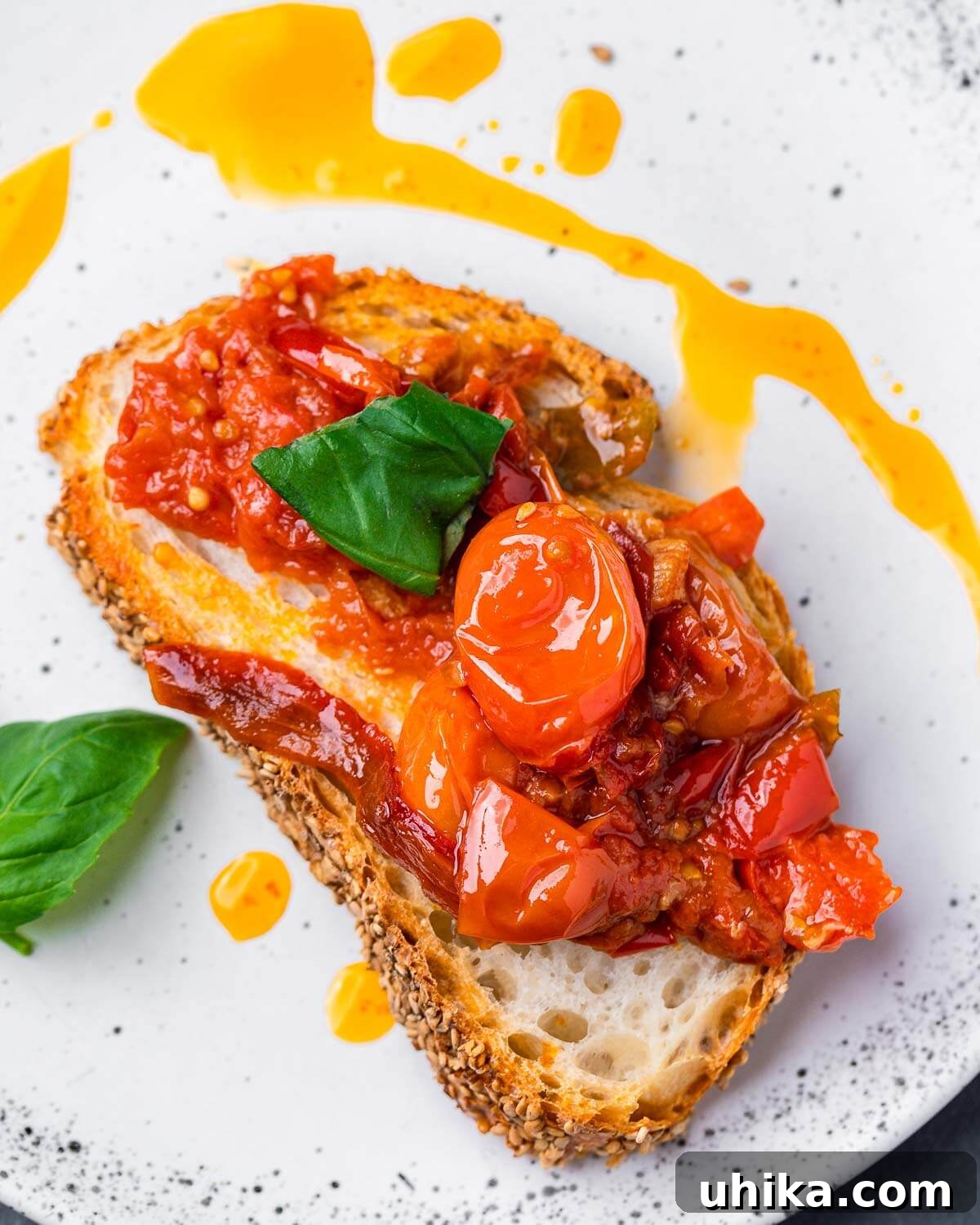
Cherry peppers, often affectionately called “vinegar peppers,” are a beloved staple, particularly in Italian-American kitchens across the Northeast United States. These small, round peppers (Capsicum annuum, also known as pimientos) are typically sold pickled in vinegar, which imparts their characteristic tangy, slightly sweet, and mild-to-medium heat. With a Scoville rating often around 5,000 units, they offer a pleasant warmth without overwhelming the palate, making them distinct from the sharper heat of jalapeños or the mildness of banana peppers.
Their history in the region predates the widespread popularity of Calabrian chilis, cementing their status as a classic. Fans of “The Sopranos” might recall Vito’s famous pork chops with vinegar peppers, a testament to their enduring presence in Italian-American culinary tradition. Beyond pork chops, cherry peppers are incredibly versatile:
- Sausage Dishes: An indispensable ingredient in dishes like sausage with broccoli rabe, where their acidity cuts through the richness of the sausage and greens.
- Sandwiches: A fantastic addition to Italian heroes, complementing cured meats, provolone, lettuce, tomato, oil, and vinegar.
- Spreads and Relishes: Cooked down with cherry tomatoes, they create a vibrant and addictive spread perfect for crostini or as an accompaniment to grilled meats.
- Antipasti: Often served whole or sliced as part of an antipasto platter, offering a burst of flavor.
- Pasta Sauces: Finely chopped, they can add a subtle tang and warmth to tomato-based pasta sauces.
Many brands offer cherry peppers whole, sliced, or even as a prepared “Hoagie spread,” making them easily accessible and convenient for a variety of uses.
Calabrian Chilis: Italy’s Fiery Trendsetter

Hailing from the sun-drenched region of Calabria in Southern Italy, Calabrian chilis have seen a significant surge in popularity over the last decade. Unlike the vinegary punch of cherry peppers, Calabrian chilis offer a complex flavor profile: often smoky, fruity, and robust, with a heat that can range from a gentle tingle to a powerful kick. While some sources claim they reach 40,000 Scoville units, many commercially available varieties tend to be milder, making them approachable for a wider audience.
Their distinct character makes them generally non-interchangeable with cherry peppers. Calabrian chilis, particularly in paste or oil-packed form, have become a trendy ingredient, appearing on restaurant menus and in home kitchens with increasing frequency. Popular brands like Tutto Calabria, Trader Joe’s Italian Bomba, and Cento offer various preparations, from whole chilis in oil to crushed pastes.
How to best utilize these captivating chilis:
- Infused Oils: Stir a spoonful into hot olive oil with garlic to create a spicy base for pasta, seafood, or bruschetta.
- Pasta Dishes: Essential for dishes like “Assassin’s Pasta,” a fiery spaghetti from Bari, or to add a vibrant heat to creamy mushroom pasta or arrabbiata.
- Sandwiches and Eggs: A dollop on an egg sandwich or a gourmet deli hero adds an exciting layer of flavor and heat.
- Pizza and Flatbreads: Drizzle over freshly baked pizza or flatbreads for a spicy, smoky finish.
- Marinades and Rubs: Incorporate into marinades for grilled chicken, pork, or steak.
- Charcuterie Boards: Serve alongside cheeses and cured meats for a spicy counterpoint.
Experimenting with different brands is recommended to find your preferred heat and flavor intensity, as variations can be significant.
Sun-Dried Tomatoes & Peppers: Concentrated Italian Sunshine

Sun-drying is an ancient preservation method that intensifies the flavors of fruits and vegetables, transforming them into potent culinary powerhouses. In Italy, this technique is famously applied to tomatoes and, less commonly, to peppers.
Sun-Dried Tomatoes
Sun-dried tomatoes, bursting with sweet and tangy umami, became particularly popular in the 1990s but remain a versatile and delicious condiment. They are typically sold in two forms:
- Oil-Packed: Softer, more pliable, and infused with the flavor of olive oil and sometimes herbs. Perfect for adding directly to dishes or blending into spreads.
- Dry-Packed: More intensely flavored and chewy, requiring rehydration in warm water or oil before use, though some enjoy them as a chewy addition to sandwiches.
Their applications are extensive:
- Pestos & Tapenades: A cornerstone of “pesto rosso” (red pesto) or a flavorful tapenade for crostini.
- Pasta Dishes: Add depth and sweetness to pasta sauces, especially those featuring chicken, spinach, or cream.
- Salads & Sandwiches: Provide a chewy texture and concentrated flavor to green salads, grain bowls, and various sandwiches (e.g., grilled chicken with fresh mozzarella and balsamic).
- Baked Goods: Incorporate into savory muffins, bread, or focaccia for bursts of flavor.
- Dressings & Marinades: Blend into vinaigrettes or marinades for a rich, tomatoey note.
Sun-Dried Peppers
While less common, sun-dried peppers offer a unique and delightful experience. These peppers, often sweet red varieties, undergo the same dehydration process, concentrating their natural sugars and imparting a rich, almost smoky sweetness. They are typically sold packed in oil and are a rare treat that can be surprisingly difficult to find outside of specialty Italian stores.
Their intense, concentrated flavor makes them fantastic on their own or as an accompaniment:
- Antipasto: A gourmet addition to a cheese and charcuterie board, pairing beautifully with cured meats and crusty bread.
- Sandwiches: Elevate a simple prosciutto and fresh mozzarella sandwich with their sweet and savory depth.
- Infused Oil: The oil they are packed in can be used to dress salads or bread, carrying their exquisite flavor.
Despite their higher price point and smaller jars, the concentrated flavor of sun-dried peppers is truly a revelation for those seeking unique Italian tastes.
Balsamic Vinegar: The Sweet and Tangy Elixir

True balsamic vinegar, Aceto Balsamico Tradizionale, is a protected designation of origin (DOP) product hailing from Modena or Reggio Emilia. It is made from cooked grape must, aged for years (sometimes decades) in a series of wooden barrels, resulting in a rich, syrupy, complex, and intensely flavorful condiment. This traditional balsamic is a far cry from the more common, cheaper commercial balsamic vinegars that are a blend of grape must and wine vinegar, often with caramel coloring.
While commercial balsamic vinegar is widely used for everyday dressings, the traditional, aged variety is savored more like a precious elixir. Its uses span both savory and sweet:
- Traditional Pairings: Drizzled sparingly over aged Parmigiano-Reggiano cheese, enhancing its nutty and salty notes.
- Desserts: A surprising but delightful addition to fresh strawberries, raspberries, or even vanilla gelato, where its acidity and sweetness complement the fruit and cream.
- Glazes & Reductions: A balsamic glaze (often a reduction of commercial balsamic) is fantastic over roasted vegetables, grilled meats, and caprese salads. Many convenient store-bought glazes offer this intense flavor without the lengthy reduction process.
- Salad Dressings: The most common use for everyday balsamic, forming the base of many vinaigrettes.
- Marinades: Adds a beautiful tang and tenderizing quality to marinades for chicken, pork, and beef.
Exploring the range of balsamic vinegars, from light and fruity white balsamics to fig-infused varieties, opens up a world of flavor possibilities beyond the traditional dark balsamic.
The Art of Homemade Italian Condiments
Some of the most exquisite Italian flavors are created fresh in the home kitchen, offering unparalleled vibrancy and customization. Here are a few must-try homemade Italian condiments.
Gremolata: The Brightening Herb Mix

Gremolata is a classic Italian condiment known for its ability to “brighten” and cut through the richness of hearty, slow-cooked dishes. Originating from Northern Italy, it’s traditionally served with Osso Buco, a braised veal shank dish. The purpose of gremolata is not just to add flavor but to provide a fresh, aromatic counterpoint that prevents heavy meals from feeling too cloying.
The core ingredients are elegantly simple, yet profoundly impactful:
- Fresh Parsley: Finely chopped, it provides a verdant, herbaceous base.
- Lemon Zest: The aromatic oils from the zest offer a pungent, fresh citrus note.
- Garlic: Minced, it adds a sharp, savory kick.
Variations can include orange or grapefruit zest (used sparingly for bitterness control), a drizzle of olive oil, or even a few finely minced anchovies for an extra layer of umami depth. Gremolata is typically prepared by hand-chopping the ingredients, resulting in a slightly chunky texture, and is best served immediately to preserve its freshness.
Beyond Osso Buco, gremolata can transform:
- Braised Meats: Lamb shanks, pot roasts, or any slow-cooked, rich meat dish.
- Roasted Vegetables: Tossed with roasted potatoes, asparagus, or broccoli for a vibrant finish.
- Grilled Fish: A sprinkle over grilled salmon or swordfish adds a burst of freshness.
- Soups & Stews: A spoonful stirred into hearty minestrone or bean stews just before serving.
Pestos: The Versatile Pounded Sauces
The word “pesto” comes from the Italian verb pestare, meaning “to pound” or “to crush,” referring to the traditional method of preparation using a mortar and pestle. While the most famous is Pesto alla Genovese, the concept of pesto extends to any sauce made by pounding ingredients together, resulting in an incredibly versatile category of condiments.
Pesto alla Genovese (Basil Pesto)
Hailing from Genoa in the Liguria region, this iconic green sauce is made with:
- Fresh basil leaves
- Pine nuts
- Garlic
- Parmigiano-Reggiano and Pecorino Sardo cheeses
- Extra virgin olive oil
While often associated with pasta, Pesto Genovese shines as a condiment in numerous ways:
- Sandwiches & Wraps: Spread on bread with fresh mozzarella, grilled chicken, or cured meats.
- Pizza Topping: Drizzled over a hot pizza fresh out of the oven.
- Marinades: A flavorful base for marinating chicken, fish, or vegetables.
- Soup Garnish: Swirled into minestrone or vegetable soups.
- Dips & Spreads: Mixed with ricotta or cream cheese for a flavorful dip for vegetables or crackers.
Homemade pesto can be easily frozen in ice cube trays for convenient portioning, allowing you to enjoy fresh basil flavor year-round.
Other Delicious Pestos
The world of pesto is rich with regional variations:
- Artichoke Pesto: A creamy, earthy pesto perfect for pasta, bruschetta, or as a spread.
- Sun-Dried Tomato Pesto (Pesto Rosso): Made with sun-dried tomatoes, nuts, garlic, and cheese, offering a richer, tangier flavor.
- Walnut Pesto (Salsa di Noci): A creamy, nutty pesto from Liguria, often made with walnuts, bread, garlic, and olive oil, ideal for delicate pasta shapes.
- Pistachio Pesto: A Sicilian specialty, made with pistachios, olive oil, basil, and cheese, fantastic with mortadella on focaccia.
Each pesto offers a unique flavor profile, proving that the simple act of pounding ingredients can yield incredible culinary diversity.
Salsa Verde: The Zesty Herbaceous Sauce
Not to be confused with its Mexican counterpart, Italian salsa verde is a vibrant, herbaceous, and piquant sauce that serves as a fantastic accompaniment to grilled meats and fish. It’s smoother than a gremolata, often prepared in a food processor or with a mortar and pestle, yielding a uniform consistency.
Key ingredients typically include:
- Fresh flat-leaf parsley (the star ingredient)
- Extra virgin olive oil
- Lemon juice or red wine vinegar for acidity
- Anchovy fillets (for umami depth, not a fishy taste)
- Capers (for briny tang)
- Garlic
- Optional: Dijon mustard, red pepper flakes for a kick
The beauty of Italian salsa verde lies in its ability to add a fresh, zesty, and savory dimension to a variety of dishes:
- Grilled Meats: An absolute essential for grilled steak, chicken thighs, lamb chops, or pork tenderloin.
- Seafood: Drizzled over grilled or baked fish, calamari, or shrimp.
- Roasted Vegetables: A dollop over roasted potatoes, cauliflower, or asparagus.
- Eggs: A bright addition to scrambled eggs or frittatas.
- Crusty Bread: Simply served with good quality bread as an appetizer.
Like gremolata, salsa verde is a testament to how fresh herbs and simple ingredients can transform a meal with minimal effort.
Explore More Italian Recipes and Ideas
Dive deeper into the world of Italian cuisine with these related recipes that perfectly showcase the condiments discussed:
- Pork Chops with Cherry Peppers
- Cherry Pepper Spread
- Orecchiette with Sausage and Broccoli Rabe
- Pepper and Egg Sandwich
- Potato and Egg Sandwich
- Assassin’s Pasta
- Penne al Baffo
- Artichoke Pesto
- Sun Dried Tomato Pesto
- Walnut Pesto
- Spicy Creamy Mushroom Pasta
- Grilled Chicken Thighs
- Steak Pinwheels
Final Thoughts on Italian Condiments
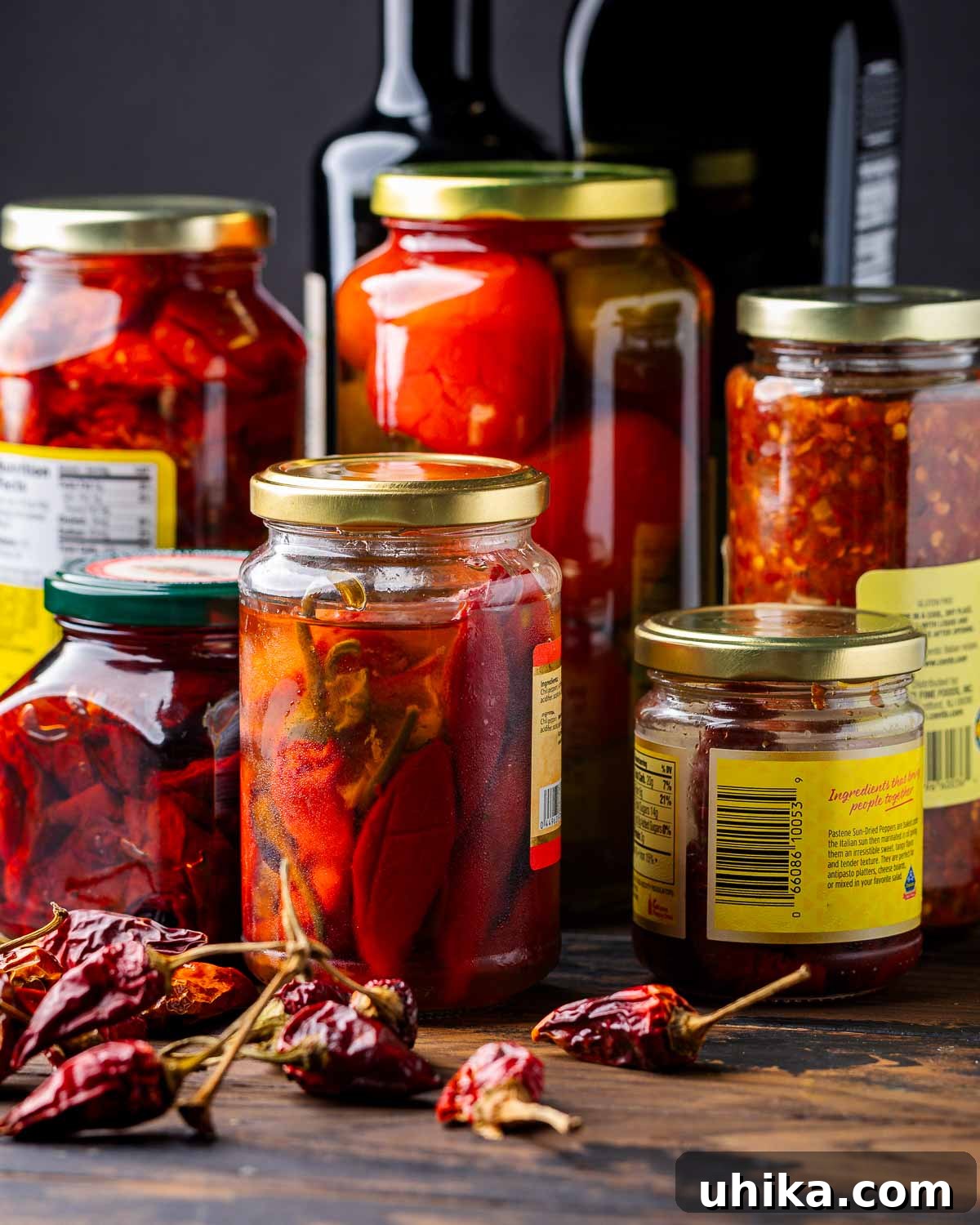
From the robust heat of Calabrian chilis to the vibrant freshness of gremolata and the complex tang of balsamic vinegar, Italian condiments are more than just additions to a meal; they are integral components that define and enhance the dining experience. Whether you’re a seasoned chef or a home cook looking to infuse your dishes with authentic Italian flair, exploring these condiments will undoubtedly inspire new culinary adventures.
We encourage you to experiment, taste, and discover which of these essential Italian flavors resonate most with your palate. Share your favorite uses or any questions you might have with us!