
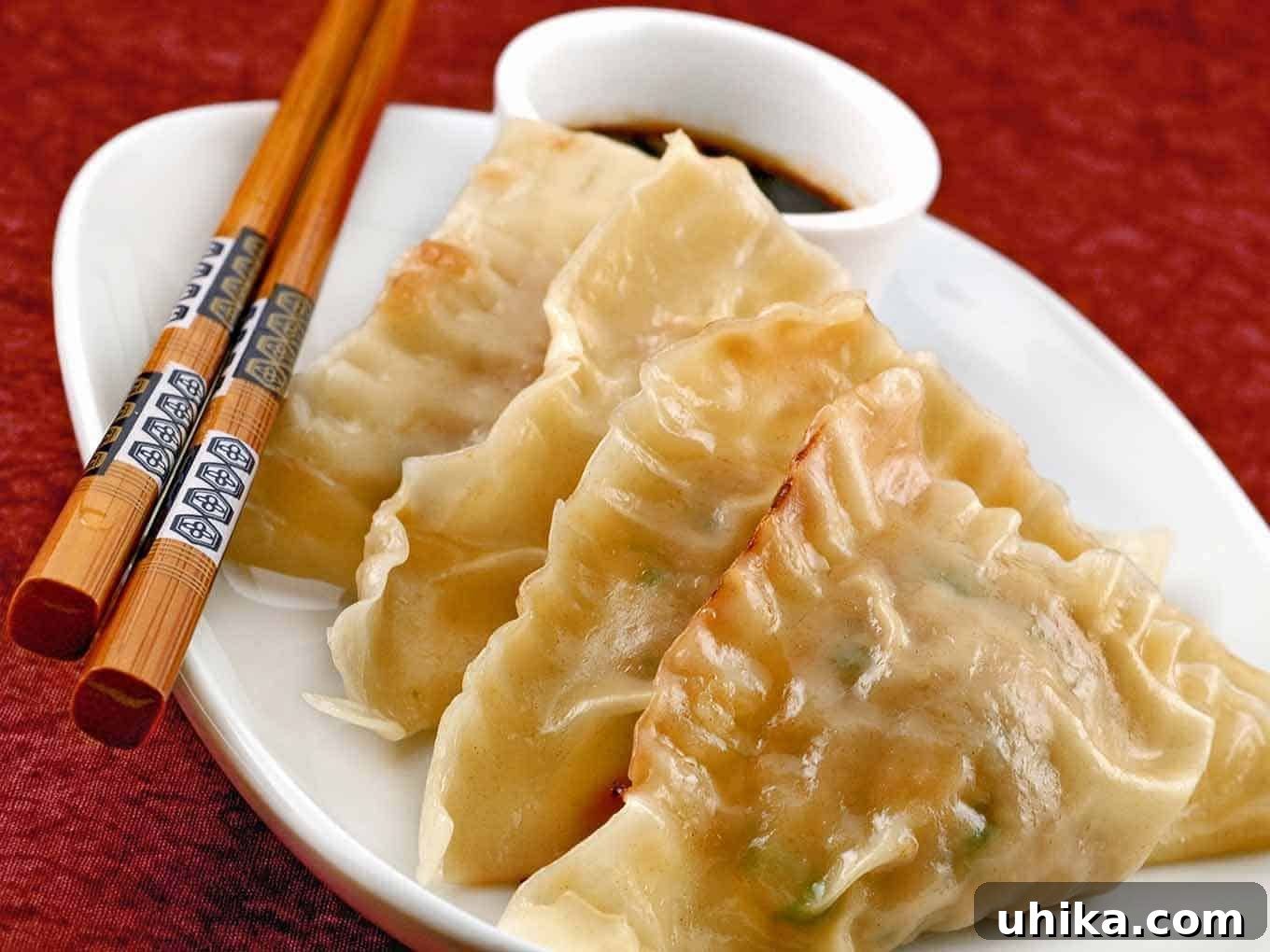
Savor the Flavor: Mastering Homemade Pork and Shrimp Dumplings
Few dishes evoke the comfort and rich culinary heritage of Asia quite like a perfectly crafted dumpling. These delectable pockets of flavor are a staple in many cuisines, celebrated for their versatility, satisfying texture, and ability to bring people together around the table. While often considered a treat best enjoyed at your favorite Asian restaurant, mastering homemade pork and shrimp dumplings is surprisingly accessible, especially with a few smart shortcuts. Using readily available store-bought wonton wrappers significantly streamlines the process, transforming what might seem like an intimidating task into an enjoyable cooking adventure.
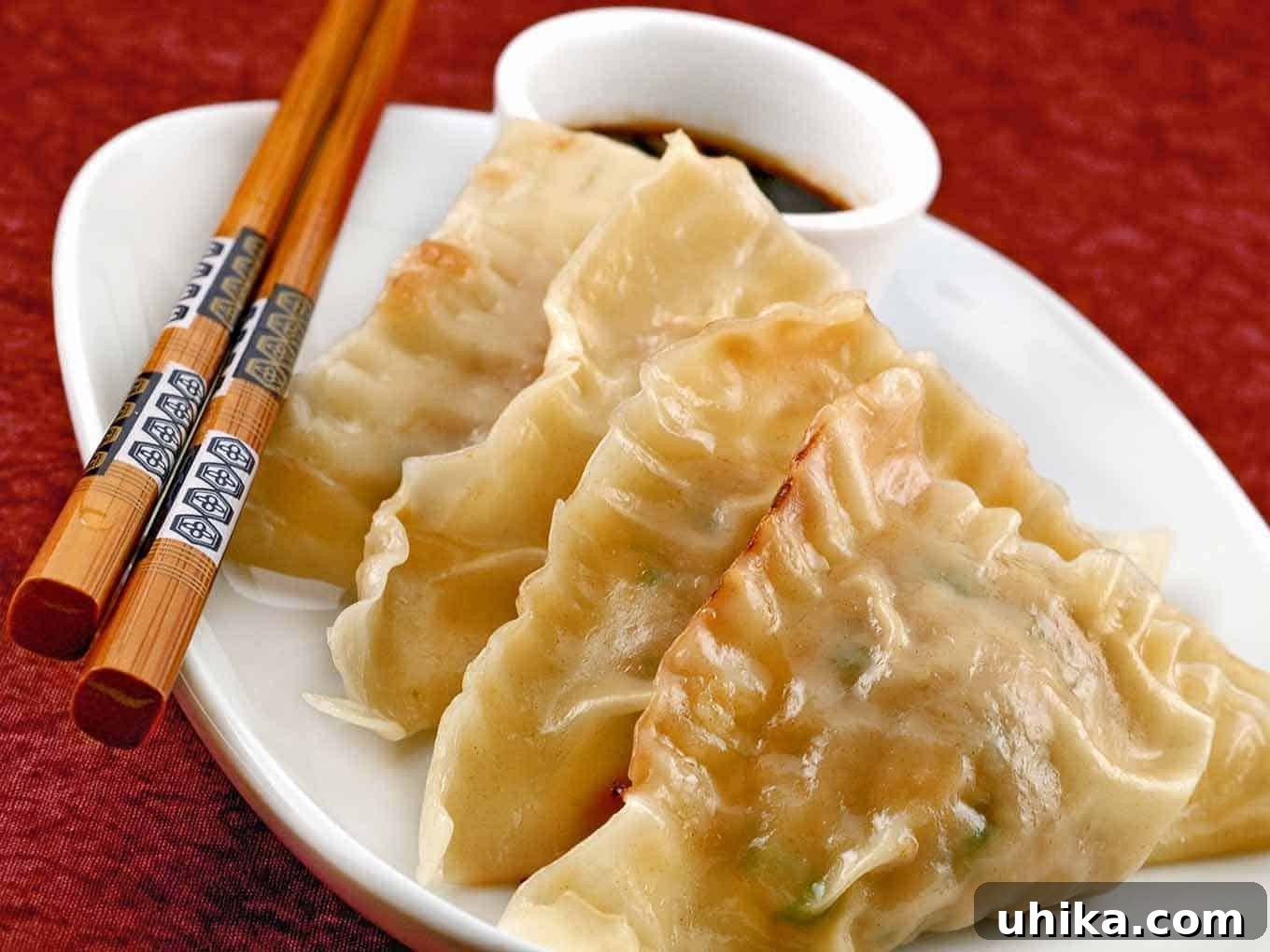
This recipe for pork and shrimp potstickers yields approximately four dozen delicious dumplings, making it ideal for both immediate enjoyment and future indulgence. While they require a bit of hands-on time during the assembly phase, the effort is well worth it, as you’ll have plenty to freeze and pull out for a quick, gourmet meal or appetizer on a busy weeknight. Imagine biting into a crispy-bottomed, tender-steamed dumpling, bursting with a savory filling, all made fresh in your own kitchen!
Why Make Homemade Dumplings?
There’s a unique satisfaction that comes from creating your own dumplings. Beyond the incredible taste and texture that often surpasses takeout versions, homemade dumplings offer several compelling advantages:
- Unmatched Freshness: You control the quality of every ingredient, ensuring peak freshness and vibrant flavors in your filling. No mystery meat or questionable additives here!
- Customization at Your Fingertips: Want more ginger? A touch less salt? Prefer a spicier dipping sauce? When you make them yourself, you can tailor every aspect to your personal preferences and dietary needs.
- A Fun Culinary Project: Dumpling making can be a wonderfully engaging activity, perfect for a quiet afternoon or even a social gathering with friends and family. The repetitive but rewarding process of filling and folding is almost meditative.
- Cost-Effective: Producing a large batch of dumplings at home is significantly more economical than ordering the same quantity from a restaurant, allowing you to enjoy this popular dish more often without breaking the bank.
- Meal Prep Perfection: As this recipe makes a generous quantity, it’s an excellent candidate for meal prepping. Having a freezer full of ready-to-cook dumplings means you’re always just minutes away from a wholesome and delicious meal.
The Heart of the Dish: Key Ingredients for Pork and Shrimp Dumplings
The secret to truly exceptional pork and shrimp dumplings lies in a carefully balanced blend of fresh, high-quality ingredients that contribute to both flavor and texture. Beyond common pantry staples like fresh garlic, soy sauce, sugar, cornstarch, and vegetable oil, here’s a closer look at the essential components you’ll need to elevate your dumpling game:
- Cabbage: We opt for plain green cabbage in this recipe, chosen for its mild flavor and crisp texture when finely chopped. When pulsed in the food processor, it integrates beautifully into the filling, providing a subtle crunch without overpowering the other ingredients. Ensure it’s finely minced to prevent large chunks that could tear the wrappers.
- Scallions (Green Onions): These provide a delicate, sweet onion flavor without introducing excess moisture, which can make the filling watery and difficult to work with. They also add a lovely pop of color and freshness. Use both the white and green parts, finely chopped.
- Fresh Ginger: This is a non-negotiable ingredient for authentic Asian flavor. Freshly grated ginger offers a pungent, zesty aroma and a warm, slightly spicy kick that ground ginger simply cannot replicate. It brightens the entire filling. Always choose fresh ginger root for the best results.
- Shrimp: There’s no need to splurge on extra-large or jumbo shrimp for this recipe. Medium or large-sized shrimp are perfectly fine, as they will be finely chopped and mixed into the filling. The key is using raw, peeled, and deveined shrimp to ensure a tender, succulent texture and clean flavor.
- Ground Pork: The recipe calls for ground pork, which provides a rich, savory base for the filling. For the best flavor and juiciness, we recommend choosing ground pork with a moderate fat content. If you’re looking for a leaner alternative, ground turkey or chicken can be substituted, but be mindful not to select the “all white meat” varieties, as the dumpling filling might turn out a little too dry. A slight amount of fat is crucial for a moist and flavorful interior.
- Shaoxing Wine: This traditional Chinese cooking wine is a cornerstone of authentic Chinese cuisine, imparting a complex, slightly nutty, and savory depth to the filling. If you have an Asian market nearby, you’ll likely find Shaoxing wine in stock. However, don’t let its absence deter you; dry sherry makes an excellent and readily available substitute, offering a similar flavor profile.
- Wonton Wrappers: The ultimate time-saver! Ready-made wonton wrappers are typically found in the refrigerated section of your supermarket’s produce aisle. They are thin, pliable, and perfectly sized for dumplings. Make sure to keep them covered with a damp cloth while working to prevent them from drying out, which can make them crack.
- Toasted Sesame Oil: This intensely aromatic oil adds a distinctive, deep, nutty flavor that is characteristic of many Asian dishes. It’s potent, so a little goes a long way. You’ll usually find it in the ethnic or international foods aisle of your local grocery store. Remember to store it in the refrigerator after opening, as its delicate flavor can degrade more quickly than other cooking oils like canola or olive oil.
- Chinese Black Vinegar: Made from fermented sticky or glutinous rice, Chinese black vinegar is less acidic than typical white vinegars and boasts a subtly sweet, malty, and sometimes smoky flavor profile. It’s a key component in the dipping sauce, providing a wonderful counterpoint to the savory dumplings. Balsamic vinegar is a surprisingly acceptable substitute if Chinese black vinegar is unavailable, offering a similar dark, sweet-sour complexity.
Crafting Your Dumplings: Filling, Folding, and Sealing
The assembly of the dumplings is where the magic truly happens, transforming simple ingredients into delightful parcels. Begin by preparing the filling with precision. Combining finely chopped cabbage, green onions, garlic, and ginger in a food processor ensures a uniform texture, preventing any single ingredient from dominating. Adding the raw shrimp, ground pork, and an array of seasonings—soy sauce, Shaoxing wine, sugar, cornstarch, and black pepper—before pulsing further creates a cohesive mixture where all flavors meld seamlessly. This process is crucial for a tender, well-seasoned filling that holds together during cooking.
Once your filling is ready, the folding process begins. Set up a neat workstation with a flat surface covered in wax paper and a small bowl of water within easy reach. The wax paper prevents sticking, and the water is your essential sealant. Work with one wonton wrapper at a time to prevent them from drying out. Place about two teaspoons of filling in the center of a wrapper. Dip your index finger in the water and lightly moisten the entire outer edge of the wrapper. Carefully fold the wrapper in half, creating a semi-circle or triangle shape, and press the edges firmly together to seal. For an attractive finish and an extra-secure seal, gently crimp the edges with a fork. This not only makes your dumplings look professional but also helps contain the delicious filling as they cook. Arrange the completed dumplings on the wax paper-lined surface, ensuring they don’t touch, ready for cooking or freezing.
Perfecting the Cook: From Potstickers to Steamed Delights
Our recipe focuses on the beloved potsticker method, which yields a dumpling with a wonderfully crispy, golden-brown bottom and a tender, steamed top. For each batch of about 12 dumplings, you’ll heat 1-1/2 tablespoons of vegetable oil in a large frying pan over medium-high heat. An enameled cast iron pan is highly recommended for its even heat distribution and non-stick properties, ensuring perfect browning. Arrange the dumplings in a single layer, making sure not to overcrowd the pan, and cook until their bottoms are beautifully golden brown, which typically takes 2-1/2 to 3 minutes. This initial searing creates that signature potsticker crispness.
After achieving the desired crispness, reduce the heat to medium, carefully add 1/3 cup of water to the pan, and immediately cover it tightly. The steam generated from the water will cook the dumplings through, making the filling firm and tender. Cook for another 3 to 4 minutes, or until the water has completely evaporated and the filling is thoroughly cooked. For an extra layer of texture, once the water has evaporated, you can add a small amount of additional oil and continue cooking for another minute or two to further crisp the exterior of the dumplings. Repeat this process with the remaining dumplings, or prepare them for freezing as described below. Serve these delightful potstickers immediately with individual bowls of the savory soy dipping sauce.
While potstickers are incredibly popular, these versatile dumplings can also be prepared using other methods. For a lighter option, you can steam them entirely in a bamboo steamer over boiling water until cooked through, resulting in a soft, delicate wrapper. Alternatively, boiling them in a pot of simmering water is another simple method, often preferred for a chewier texture. Each cooking method offers a unique experience, allowing you to enjoy these homemade treasures in various ways.
The Irresistible Dipping Sauce: A Flavorful Companion
No dumpling experience is complete without the perfect dipping sauce. It’s the essential accompaniment that elevates every bite, adding a burst of complementary flavors that highlight the savory notes of the filling. Our recommended soy dipping sauce is a harmonious blend of contrasting tastes, designed to cut through the richness of the pork and shrimp while adding its own layer of complexity.
To prepare this irresistible sauce, simply whisk together 1/3 cup of soy sauce for its umami depth, 2 tablespoons of Chinese black vinegar (or balsamic vinegar) for its sweet-sour tang, 1 crushed clove of garlic for a pungent kick, 1 teaspoon of fragrant toasted sesame oil for its distinctive nutty aroma, and 1/2 teaspoon of sriracha for a touch of heat. The sriracha can be adjusted to your taste, allowing you to control the level of spiciness. This combination creates a balanced sauce that is savory, tangy, a little sweet, and subtly spicy—the ideal partner for your homemade pork and shrimp dumplings. Prepare it in advance and set it aside, allowing the flavors to meld, ready to serve alongside your freshly cooked potstickers.
Planning Ahead: Freezing and Enjoying Later
One of the greatest benefits of making a generous batch of these pork and shrimp dumplings is the ability to freeze them for future enjoyment. This foresight ensures you always have a convenient, delicious meal or appetizer ready to go, perfect for busy evenings or unexpected cravings. Proper freezing techniques are key to maintaining their quality and flavor.
Once you have folded and sealed your uncooked potstickers, arrange them in a single layer on a parchment-lined baking sheet. It’s crucial that they do not touch each other at this stage, as they will stick together if they freeze in contact. Place the baking sheet in the freezer and allow the dumplings to freeze solid. This “flash freezing” technique prevents them from clumping together once transferred to a bag.
After they are frozen solid—typically a few hours—transfer the dumplings into airtight freezer bags. Squeeze out as much air as possible before sealing to prevent freezer burn. Store the bags on top of other frozen items in your freezer, avoiding crushing them, which could damage their delicate structure. For optimal freshness and flavor, plan to use your frozen homemade dumplings within 3 to 4 months. When you’re ready to cook them, there’s no need to thaw them first; simply cook them directly from frozen, adding a few extra minutes to the cooking time to ensure they heat through properly. This makes spontaneous dumpling feasts incredibly easy!
More Asian-Inspired Recipes to Explore
If you’ve enjoyed making these delicious pork and shrimp dumplings, you’re sure to love exploring other authentic Asian flavors right from your kitchen. Broaden your culinary horizons with these fantastic Chinese recipes:
- Quick and Easy Moo Shu Pork
- Sweet and Sour Chicken with Pineapple
- Egg Foo Young
- Egg Drop Soup
Pork and Shrimp Dumplings
Rate Recipe
Print Recipe
Ingredients
- 2/3 cup cabbage, chopped
- 4 green onions, chopped (about 1/3 cup)
- 3 cloves garlic, chopped
- 2 teaspoons grated fresh ginger
- 1/2 lb shrimp, raw, peeled and deveined
- 1/2 lb ground pork
- 1-1/2 tablespoons soy sauce
- 1 tablespoon Shaoxing wine, or dry sherry
- 2 teaspoons sugar
- 2 teaspoons cornstarch
- 1/4 teaspoon freshly ground black pepper
- 48 wonton wrappers, (refrigerated, 12-ounce package)
- 6 tablespoons vegetable oil, divided
- Water for steaming
For the soy dipping sauce:
- 1/3 cup soy sauce
- 2 tablespoons Chinese black (or balsamic) vinegar
- 1 clove garlic, crushed
- 1 teaspoon sesame oil
- 1/2 teaspoon sriracha , use more or less to taste
Instructions
Prepare the filling:
-
Combine the cabbage, green onions, garlic, and ginger in the work bowl of a food processor and pulse until very finely chopped.
-
Add the raw shrimp, ground pork, soy sauce, Shaoxing wine, sugar, cornstarch, and black pepper and pulse until thoroughly mixed and the filling is uniform.
Fill and seal the dumplings:
-
Cover a flat work surface with wax paper to prevent sticking and place a small bowl of water within easy reach for sealing.
-
Working with one wonton wrapper at a time, place about 2 teaspoons of the prepared filling in the center.
-
Lightly moisten the entire outer edge of the wrapper around the filling with your index finger, then fold the wrapper in half to form a semi-circle. Press the sides firmly together to seal and gently crimp with a fork for a decorative and secure edge.
Prepare the soy dipping sauce:
-
In a small bowl or measuring cup, whisk together the soy sauce, Chinese black (or balsamic) vinegar, crushed garlic, sesame oil, and sriracha until well combined. Set aside until ready to serve.
Cook the dumplings:
-
For each batch of 12 dumplings, heat 1-1/2 tablespoons of vegetable oil in a large frying pan (an enameled cast iron pan is highly recommended) over medium-high heat.
-
Carefully add about 12 potstickers to the hot pan in a single layer. Cook without moving until the bottoms are deeply golden brown and crispy, about 2-1/2 to 3 minutes.
-
Reduce the heat to medium, then carefully add 1/3 cup of water to the pan. Immediately cover tightly with a lid to steam the dumplings.
-
Continue to cook until the filling is firm and cooked through, and all the water has evaporated, typically 3 to 4 more minutes. If a crispier exterior is desired, add a little more oil after the water has evaporated and cook for an additional minute.
-
Transfer cooked dumplings to a serving platter. Repeat with the remaining potstickers, or freeze them according to the instructions provided below.
-
Serve your delicious homemade pork and shrimp dumplings hot with individual bowls of the prepared soy dipping sauce.
Notes
How to Freeze Pork and Shrimp Dumplings
- To freeze uncooked potstickers, arrange them in a single layer on a parchment-lined baking sheet, ensuring they do not touch each other.
- Place the baking sheet in the freezer and freeze until the dumplings are completely solid (this prevents them from sticking together).
- Once frozen solid, transfer the dumplings into airtight freezer bags or containers. Label with the date.
- Store on top of other frozen items to prevent them from getting crushed and maintain their shape.
- For the best taste and texture, use frozen dumplings within 3 to 4 months. Cook directly from frozen, adding a few extra minutes to the cooking time as needed.
Nutrition
Nutrition information is automatically calculated, so should only be used as an approximation.