
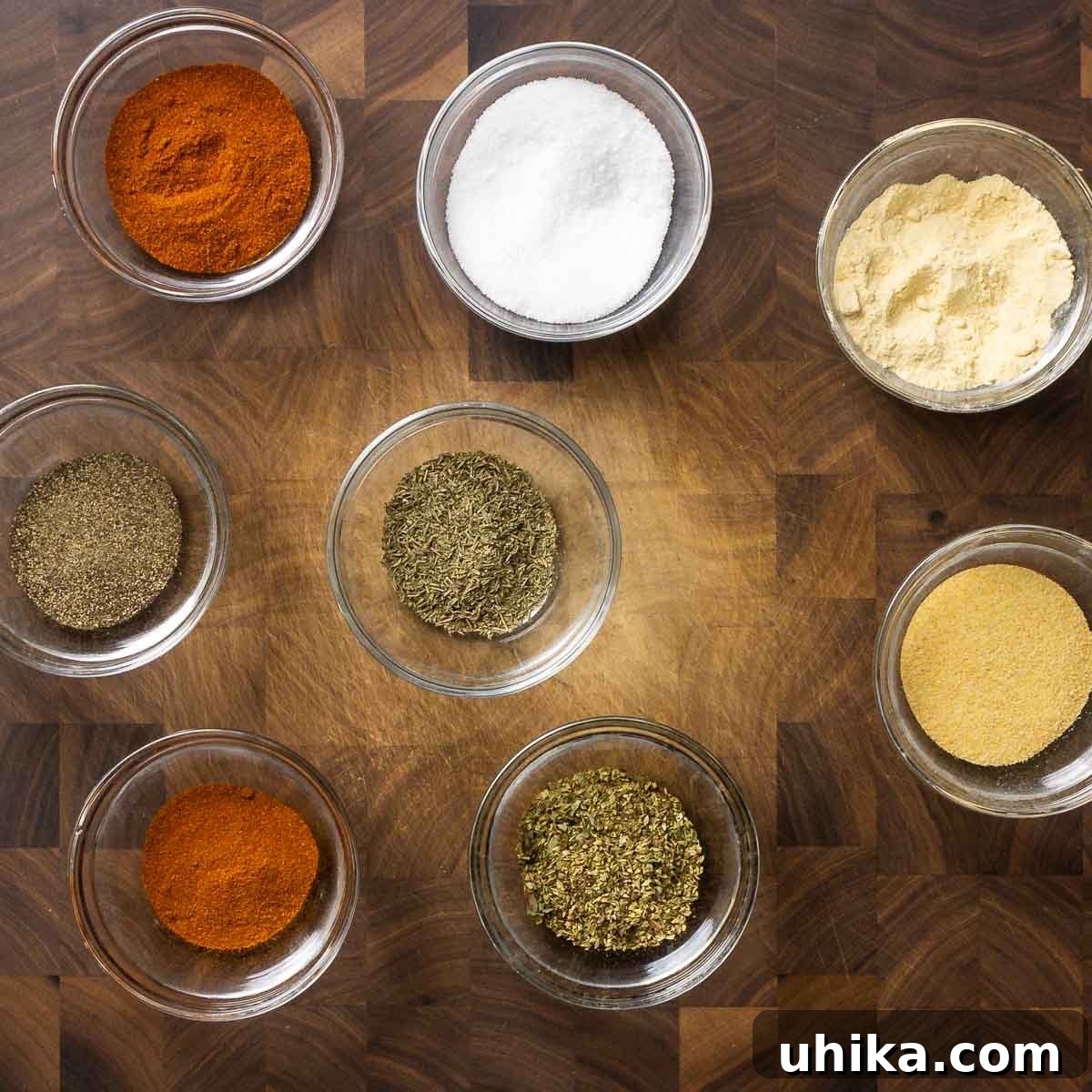
Unlocking the vibrant, spicy, and deeply savory flavors of Louisiana cuisine starts with one fundamental ingredient: Cajun seasoning. While store shelves offer countless options, crafting your own homemade Cajun seasoning is a culinary game-changer. It’s not just a pantry staple; it’s a secret weapon that empowers you to control the quality, freshness, and sodium content of your dishes, elevating everything from simple baked chicken legs to elaborate feasts.
What is Cajun Seasoning? The Soul of Louisiana Flavor
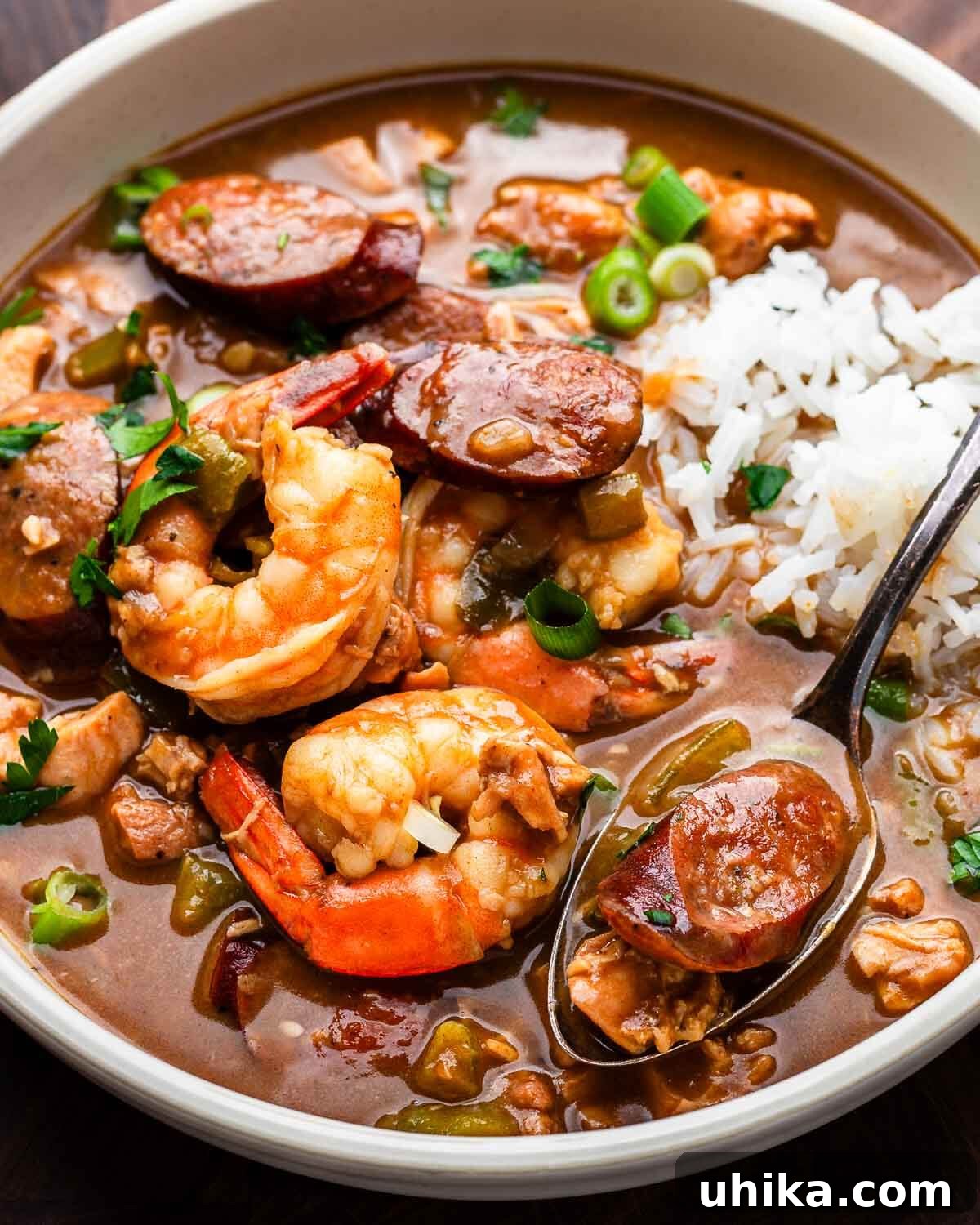
Cajun seasoning is much more than just a spice blend; it’s the aromatic heartbeat of Southern Louisiana cooking. Rooted in the rustic, hearty traditions of the Acadian descendants who settled in the bayous, this distinctive mix embodies a bold and robust flavor profile. It’s characterized by its earthy notes, pungent garlic and onion, herbaceous undertones, and a signature kick from various peppers, most notably cayenne. This blend doesn’t just add heat; it layers complex flavors that are essential for iconic dishes such as gumbo, shrimp and grits, and jambalaya. Its versatility, however, extends far beyond traditional Cajun recipes, making it a fantastic enhancer for almost any savory dish you can imagine.
Homemade vs. Store-bought: Why DIY is Superior
While commercially prepared Cajun seasoning is readily available, opting for a homemade version offers several significant advantages that discerning home cooks will appreciate. Firstly, it allows for unparalleled control over the ingredients. Many store-bought blends contain excessive amounts of sodium, anti-caking agents, or artificial flavors. By making your own, you dictate the quality of each spice, ensuring freshness and purity. This control is particularly beneficial for those managing dietary restrictions or simply preferring a cleaner, more natural approach to cooking.
Secondly, homemade Cajun seasoning is often more economical. Purchasing individual spices in bulk and blending them yourself typically costs less in the long run than repeatedly buying pre-mixed packets. Furthermore, fresh spices, when stored correctly, retain their potency and aroma for much longer, meaning your homemade blend will deliver a more vibrant and impactful flavor every time you use it. This freshness translates directly into richer, more authentic tasting dishes that store-bought alternatives often struggle to match.
Cajun vs. Creole Seasoning: Understanding the Nuances
Often, Cajun seasoning and Creole seasoning are used interchangeably, and while they share similarities, there are distinct differences that influence their flavor profile and culinary application. Both originate from Louisiana and feature a base of garlic powder, onion powder, and various peppers. However, the core distinction lies in their emphasis.
Cajun seasoning, like the blend we’re making, tends to be spicier and more peppery, with a prominent heat from cayenne. Its flavor profile is often described as rustic and bold, reflecting its origins in rural, working-class kitchens. It relies heavily on paprika, black pepper, and cayenne to build its characteristic warmth and zest.
Creole seasoning, on the other hand, typically incorporates a wider array of herbs, often including bay leaf, celery seed, white pepper, and sometimes even dried mustard. This gives it a more nuanced, herbaceous, and complex flavor, often with a slightly milder heat profile. Creole cuisine developed in the more cosmopolitan city of New Orleans, blending French, Spanish, African, and Caribbean influences, resulting in a seasoning that is often considered more refined and layered. While you can certainly substitute one for the other in a pinch, understanding these subtle differences can help you tailor your dishes to achieve the desired authentic flavor.
Essential Ingredients for Your Homemade Cajun Spice Blend
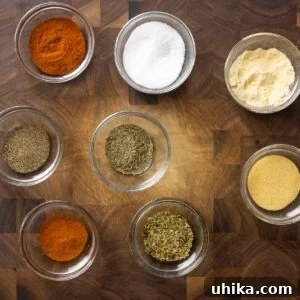
Crafting the perfect Cajun seasoning starts with selecting the right individual spices. Each ingredient plays a crucial role in building the blend’s characteristic depth and heat. Below, we delve into the key components and offer some helpful tips for optimal flavor.
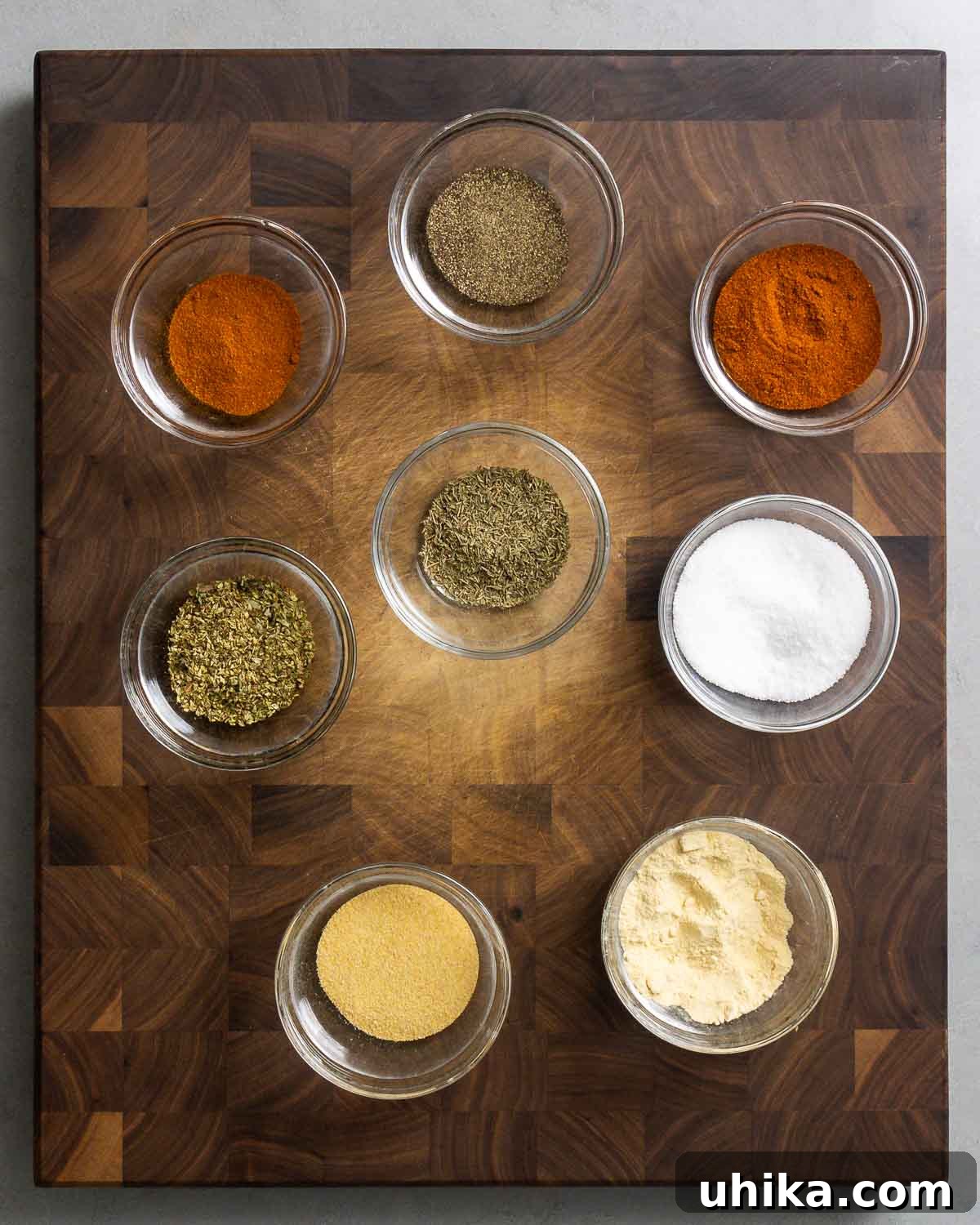
- Kosher Salt. For this Cajun spice blend, we recommend using Diamond Crystal Kosher salt. It has a unique flake structure that makes it less dense than other salts, allowing for easier control and distribution. It’s crucial to note that if you’re using another brand or type of salt (such as table salt or fine sea salt), the amount measured in tablespoons will vary significantly by weight. To ensure accuracy and consistency, especially when adjusting recipes, we strongly suggest using a kitchen scale and measuring salt by weight, aiming for approximately 50 grams for the specified quantity. This method prevents over-salting and guarantees a balanced blend.
- Granulated Garlic. While garlic powder is common, granulated garlic is a superior choice for spice blends. Its slightly coarser texture prevents clumping, ensuring better dispersion throughout the mix and a more even flavor distribution in your cooking. Granulated garlic also tends to have a more potent and fresh garlic flavor compared to finely ground powder, which can sometimes taste starchy or stale.
- Paprika. Regular sweet paprika forms the beautiful reddish-orange color and provides an earthy, slightly sweet base note to this Cajun blend. While regular paprika is sufficient, experimenting with smoked paprika can add a wonderful smoky depth, or a touch of hot paprika can intensify the overall heat without solely relying on cayenne.
- Onion Powder. Essential for that savory, pungent onion flavor without the moisture or texture of fresh onion. Like granulated garlic, ensure your onion powder is fresh and aromatic for the best results.
- Dried Oregano. This herb contributes an earthy, slightly peppery, and subtly bitter note that is quintessential to Cajun flavor. Dried oregano is generally more concentrated in flavor than fresh, making it ideal for spice blends.
- Dried Thyme. Thyme adds a warm, savory, and slightly minty-lemon undertone that perfectly complements the other spices. It’s another herb that performs exceptionally well in its dried form for seasoning mixes.
- Black Pepper. Freshly ground black pepper is paramount here. It provides a sharp, woody heat and aromatic complexity that a pre-ground, stale pepper simply cannot. You can also add a touch of white pepper if you’d like for a different kind of heat – white pepper offers a less pungent, more earthy heat profile, often favored in Creole blends.
- Cayenne Pepper. This is the ingredient that delivers the characteristic spicy kick of Cajun seasoning. The amount of cayenne can be adjusted to your personal preference for heat. If you like it very spicy, feel free to add a bit more; for a milder blend, reduce the quantity.

How to Make Your Own Cajun Seasoning Blend
Creating your homemade Cajun seasoning is incredibly simple and takes mere minutes. The key is ensuring all ingredients are thoroughly combined for an even distribution of flavor.
- In a large bowl, combine the following ingredients: 5 tablespoons (50g) of Diamond Crystal Kosher salt, 4 tablespoons (28g) of paprika, 3 1/2 tablespoons (28g) of onion powder, 3 1/2 tablespoons (30g) of granulated garlic, 2 1/2 tablespoons (10g) of dried oregano, 2 1/2 tablespoons (10g) of dried thyme, 1 1/2 tablespoons (11g) of black pepper, and 1 1/2 tablespoons (11g) of cayenne pepper.
- Using a whisk or a spoon, mix all the spices together very well, ensuring there are no clumps and that all components are evenly distributed throughout the blend. This thorough mixing guarantees a consistent flavor profile in every spoonful you use.
- Once mixed, carefully pour the contents into airtight spice shakers or a tight-fitting mason jar. Store your freshly made Cajun seasoning in a cool, dark cabinet, away from direct sunlight and heat, to preserve its potency and aroma. It will remain fresh and flavorful for several months.
Now you have a versatile, flavor-packed seasoning ready to elevate countless dishes. Enjoy the incredible depth and zest of your homemade Cajun spice!
Unleash the Flavor: More Ways to Use Your Homemade Cajun Spice
The beauty of homemade Cajun seasoning lies in its incredible versatility. Beyond the classic Louisiana dishes, this vibrant spice blend can transform everyday meals into extraordinary culinary experiences. Here are just a few more of our favorite ways to incorporate your freshly made Cajun seasoning into your cooking:
- Season Proteins:
- Creamy Cajun Chicken Pasta: Generously season chicken thighs or breasts before searing them, and sprinkle a little extra at the end to enhance the sauce.
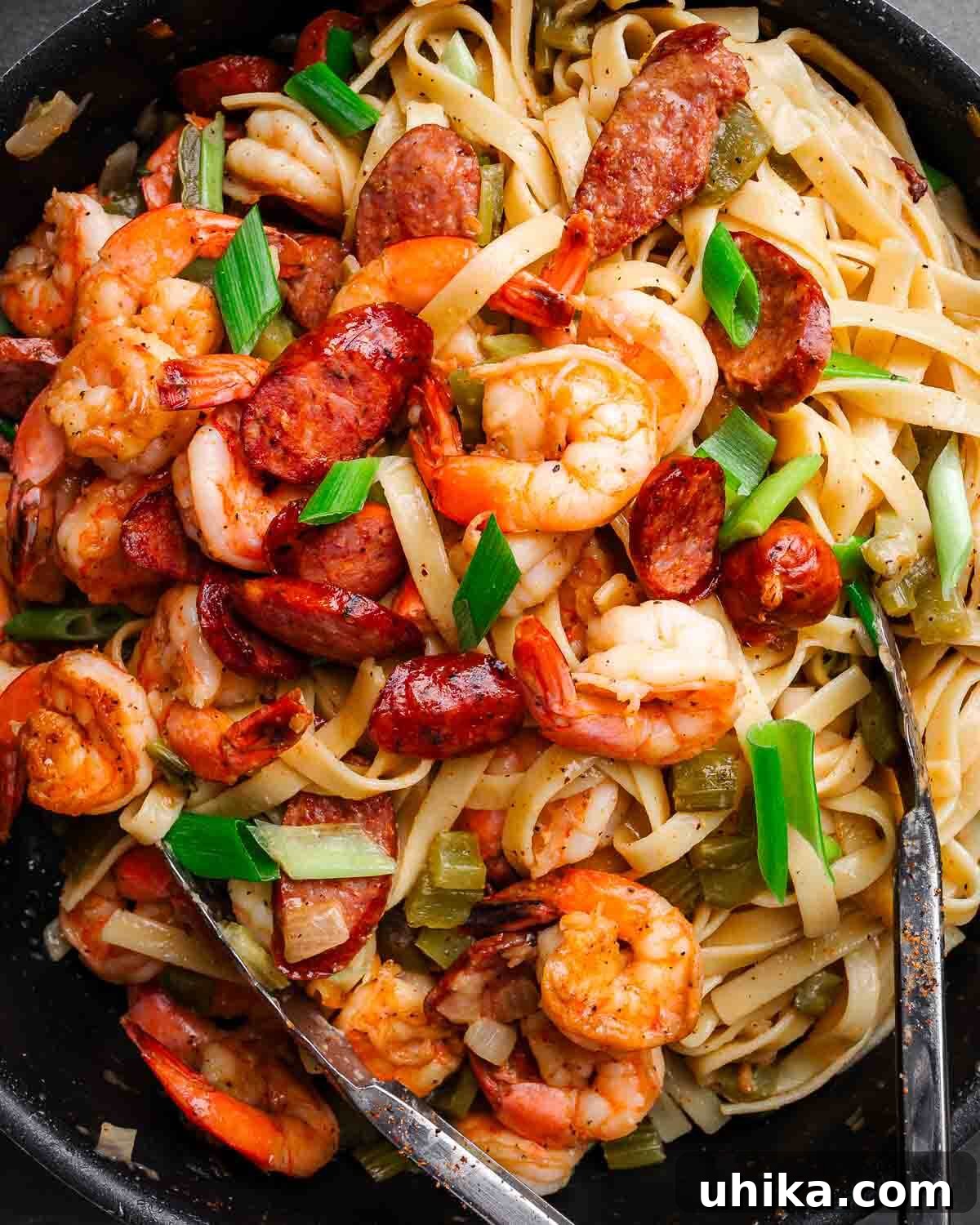
- Shrimp and Andouille Cajun Pasta: Toss shrimp with a healthy amount of Cajun spice before quickly sautéing them to perfection.
- Blackened Fish or Chicken: Create an authentic blackened crust on white fish (like cod or snapper) or chicken breasts. The spices caramelize beautifully, forming an intense, flavorful exterior.
- Steak or Pork Rub: Apply a generous rub to your favorite cuts of steak, pork chops, or tenderloin before grilling, roasting, or pan-searing for a bold and zesty flavor.
- Tofu or Tempeh: For plant-based meals, crumble or slice tofu/tempeh and marinate it in olive oil and Cajun seasoning before baking or frying.
- Elevate Vegetables:
- Roasted Potatoes: Toss diced potatoes, sweet potatoes, or even wedges with olive oil and Cajun seasoning before roasting for a savory side dish with a kick.
- Grilled Corn: Sprinkle over grilled corn on the cob with a pat of butter for an irresistible smoky, spicy side.
- Sautéed Greens: Add a pinch to collard greens, kale, or spinach as they sauté for an added layer of flavor.
- Boost Soups, Stews & Grains:
- Chili or Lentil Soup: Stir into your favorite chili recipe or a hearty lentil soup for an unexpected depth of flavor.
- Rice Dishes: Mix into plain rice, dirty rice, or red beans and rice for an instant flavor upgrade.
- Marinades and Dressings: Whisk into olive oil and vinegar for a zesty salad dressing or a vibrant marinade for meats and vegetables.
- Snacks and Appetizers:
- Popcorn: Sprinkle over freshly popped popcorn for a gourmet, spicy snack.
- Roasted Nuts: Toss mixed nuts with a little oil and Cajun seasoning, then roast until golden for a crowd-pleasing appetizer.
- Eggs: A dash of Cajun seasoning on scrambled eggs, omelets, or fried eggs adds a delightful morning kick.
We hope you enjoy experimenting with this versatile homemade Cajun seasoning blend and discovering all the delicious ways it can enhance your culinary creations!
If you’ve enjoyed this Homemade Cajun Seasoning Recipe or any recipe on this site, we encourage you to give it a 5-star rating and share your thoughts in the comments below. Your feedback helps us grow and inspires other home cooks!
We believe in reaching all learning styles. If you prefer to learn by watching, you can find most of our recipes on YouTube and our Facebook Page. Connect with us and become part of our culinary community.
Cajun Seasoning
by James Delmage
This recipe has a 5 out of 5 stars rating based on 3 votes.
Prep time: 10 mins | Total time: 10 mins
Yields: 44 teaspoons
Print Recipe |
Pin Recipe
This is the Cajun seasoning blend every home cook should have in their pantry! Use it on anything, from Cajun pastas, jambalaya, and gumbo to chicken, shrimp, and steak!
Ingredients
- 5 (50g) tablespoons Diamond Crystal Kosher salt
- 4 (28g) tablespoons paprika
- 3 1/2 (28g) tablespoons onion powder
- 3 1/2 (30g) tablespoons granulated garlic
- 2 1/2 (10g) tablespoons dried oregano
- 2 1/2 (10g) tablespoons dried thyme
- 1 1/2 (11g) tablespoons black pepper
- 2 (5g) teaspoons white pepper (optional)
- 1 1/2 (11g) tablespoons cayenne pepper
Want To Save This Recipe?
Enter your email and we’ll send it to you. Plus, get great new recipes from us every week!
(Please note: The email submission form functionality is not included in this HTML output.)
Instructions
- Combine all of the ingredients in a large bowl and mix very well.
- Pour the contents into spice shakers or a tight-fitting mason jar. Store Cajun spice in a dark cabinet for use whenever a recipe calls for it. Enjoy!
Nutrition
- Serving:
- 4g
- Calories:
- 8kcal
- Carbohydrates:
- 1.8g
- Protein:
- 0.4g
- Fat:
- 0.2g
- Sodium:
- 404mg
- Potassium:
- 39mg
- Fiber:
- 0.6g
- Sugar:
- 0.5g
- Calcium:
- 13mg
- Iron:
- 1mg
Nutrition information is automatically calculated, so should only be used as an approximation.
Like this? Leave a comment below!
Check us out on Instagram at @sipandfeast or tag #sipandfeast!