
Exquisite Châteaubriand: The Ultimate Gourmet Recipe for Two
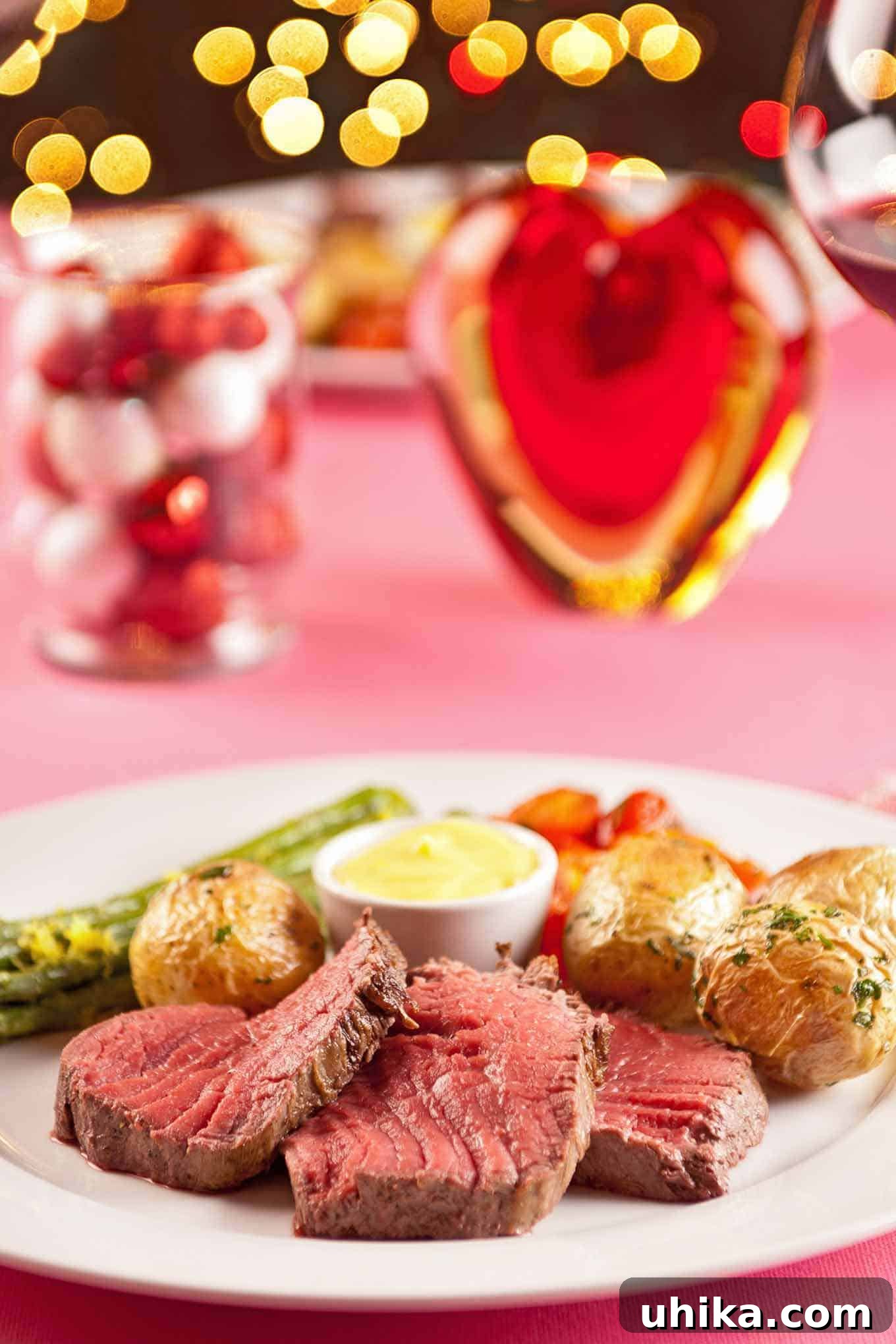
Embark on a culinary journey to France with one of the most revered beef dishes: Châteaubriand. This isn’t just a meal; it’s an experience, a statement of elegance and refined taste, yet surprisingly within reach for the enthusiastic home cook. Made from the most prized section of the beef tenderloin and traditionally served with a luscious Béarnaise sauce, Châteaubriand promises an unparalleled melt-in-your-mouth tenderness that transforms any dinner into a special occasion.
The name “Châteaubriand” harks back to the 19th century, attributed to François René de Chateaubriand, a French author and statesman whose chef reportedly created this magnificent preparation. While many mistakenly believe it’s a specific cut, Châteaubriand actually refers to the culinary technique and the specific central portion of a whole beef tenderloin prepared as a small roast. This method ensures maximum tenderness and flavor, making it the perfect centerpiece for a romantic dinner, an anniversary celebration, or simply an evening when you wish to indulge in something truly extraordinary.
Our comprehensive guide will walk you through everything you need to know: from selecting the perfect cut of beef and mastering the two-step cooking process to creating a flawless Béarnaise sauce from scratch. We’ll also explore ideal side dishes that complement this gourmet masterpiece without overshadowing its delicate flavors. Prepare to impress and delight with this surprisingly achievable luxury meal!
Châteaubriand Explained: Essential FAQs
Although both Châteaubriand and filet mignon originate from the beef tenderloin, they represent distinct preparations. Filet mignon typically refers to individual, smaller steaks cut from various parts of the trimmed tenderloin, known for their lean and butter-soft texture. Châteaubriand, on the other hand, specifically utilizes the thickest, most uniform central section of the entire beef tenderloin. Instead of being portioned into individual steaks before cooking, this larger piece is prepared as a whole, small roast. This allows for a unique cooking method that results in an exceptionally tender interior and a beautifully seared exterior, creating a more dramatic presentation and a richer, more profound beef flavor. It’s the specific cut from the tenderloin’s heart and the traditional preparation that distinguishes Châteaubriand as a unique, gourmet dish.
The optimal way to cook Châteaubriand involves a classic two-stage technique: pan-searing followed by oven-roasting. This method, often referred to as the “reverse sear” or “sear-roast” technique, ensures that the tenderloin develops a magnificent, deeply flavorful crust while maintaining a succulent, perfectly cooked interior. First, the beef is seared over high heat in an oven-safe skillet to create a rich Maillard reaction on its surface, locking in juices and developing complex flavors. Then, it’s transferred to a preheated oven to finish cooking gently and evenly to the desired internal temperature. This controlled roasting prevents overcooking and allows the heat to penetrate uniformly, yielding a consistently tender and juicy Châteaubriand that is ideally served medium-rare for peak flavor and texture.
The tradition of serving Châteaubriand specifically for two stems from the ideal size and presentation of the central beef tenderloin cut. This premium section, after being trimmed by the butcher, typically weighs between 12 to 16 ounces. When prepared as a single, elegant roast, it provides generous, perfectly portioned servings for two diners. This approach creates a beautiful tableside presentation, often carved directly for guests, and emphasizes the intimate and romantic nature of the meal. Beyond aesthetics, cooking a larger, thicker piece allows for more consistent heat penetration and less risk of overcooking compared to smaller cuts, ensuring both diners enjoy an equally tender and flavorful experience. It’s the perfect size for a luxurious, shared dining moment without any waste.
While Béarnaise sauce is the undisputed classic and most popular choice for Châteaubriand—its creamy, tangy, tarragon-infused richness perfectly complementing the beef—it is certainly not the only option. The key is to select a sauce that enhances the delicate flavor of the premium tenderloin rather than overpowering it. Excellent alternatives include a refined red wine reduction, which adds depth and a hint of fruitiness; a mushroom-port wine sauce for an earthy, savory note; or even a simple yet aromatic compound butter infused with herbs like rosemary or thyme. The elegance of Châteaubriand calls for a sauce with a delicate and sophisticated flavor profile, ensuring that the star of the dish—the tender beef—remains the focal point of the culinary experience. Experimenting with other subtle, wine-based sauces can also yield delicious results.
The Perfect Ensemble: What to Serve with Châteaubriand
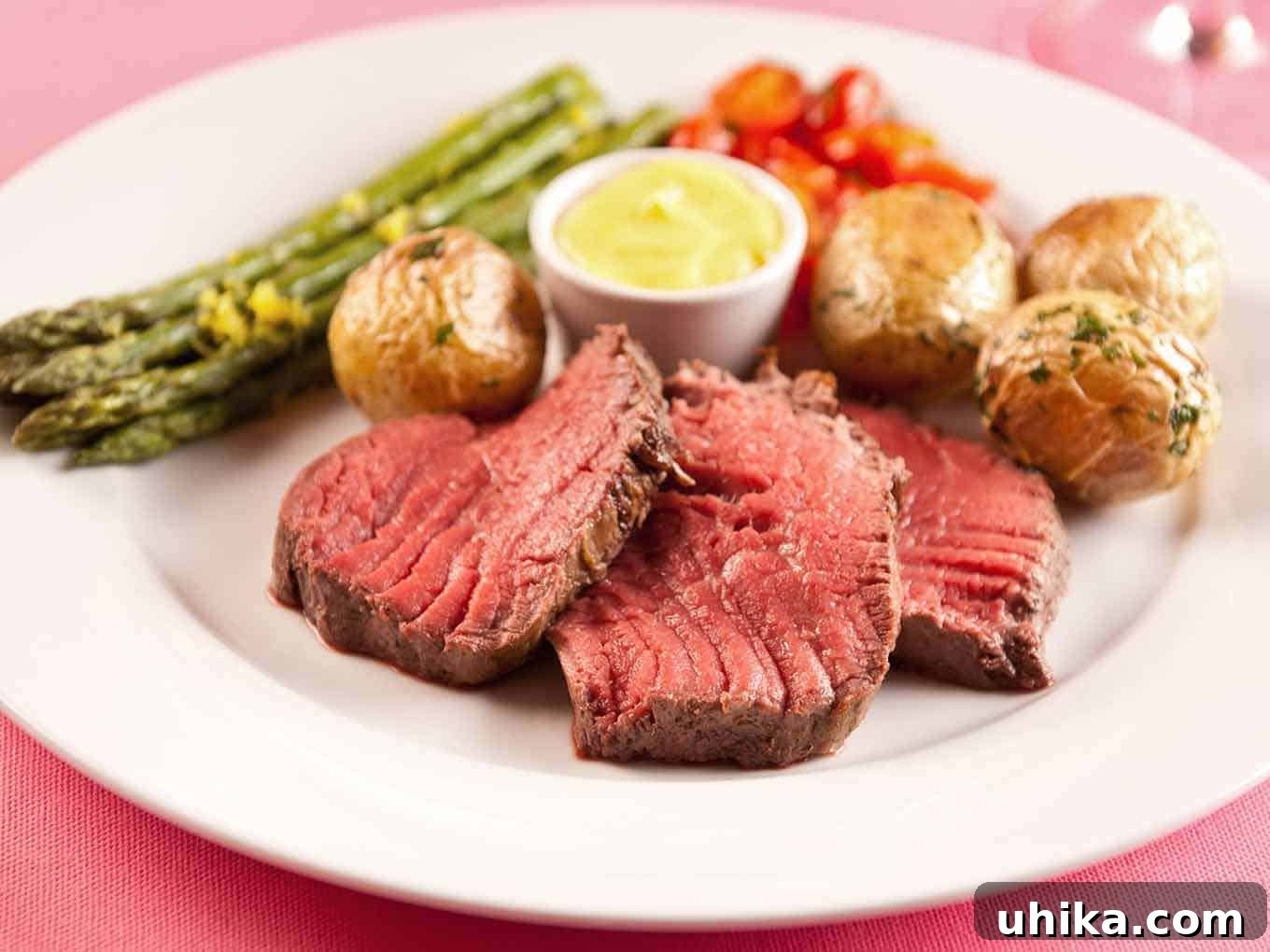
To fully appreciate the sublime tenderness and delicate flavor of Châteaubriand, along with its rich Béarnaise sauce, the accompanying side dishes should be carefully chosen to complement without competing. Simplicity and elegance are key, allowing the premium beef to remain the undisputed star of your plate. Here are some ideal pairings that offer a delightful contrast in texture and flavor, creating a truly harmonious gourmet meal:
- Roasted Baby Potatoes with Fresh Tarragon: Lightly tossed with butter, olive oil, and fresh tarragon, these small potatoes roast to a golden crispness on the outside and a fluffy interior. The tarragon subtly echoes the herb in the Béarnaise, tying the flavors together beautifully.
- Roasted Asparagus with Lemon Butter: Fresh asparagus spears, simply roasted until tender-crisp and drizzled with a vibrant lemon butter, provide a refreshing, slightly acidic counterpoint that balances the richness of the beef and sauce.
- Sautéed Grape Tomatoes: Quickly sautéing grape tomatoes in a touch of butter brings out their natural sweetness and juiciness, adding a burst of fresh flavor and a pop of color to the plate.
- Creamed Spinach: A timeless steakhouse accompaniment, creamed spinach offers a comforting, velvety texture and earthy notes that perfectly complement the lean beef. Its richness pairs wonderfully with the Châteaubriand.
- Gratin Dauphinois: For a more decadent starch option, thinly sliced potatoes baked in layers with cream, garlic, and sometimes Gruyère cheese create a luxurious, savory side that is utterly irresistible.
- Haricots Verts Amandine: French green beans (haricots verts), lightly steamed or blanched and then tossed with toasted slivered almonds and a touch of butter, offer a delicate crunch and nutty flavor that is both elegant and simple.
Choosing sides that are flavorful yet not overwhelming ensures that every bite of your Châteaubriand meal is a celebration of exquisite taste and texture.
Explore More Magnificent Beef Tenderloin Creations
The beef tenderloin is a culinary gem, celebrated for its unparalleled tenderness and delicate flavor. Beyond the classic Châteaubriand, this versatile cut can be transformed into a variety of stunning dishes perfect for any gourmet occasion. If you appreciate the premium quality of tenderloin, consider these other delectable recipes:
- Roasted Beef Tenderloin with Mushroom-Port Sauce: A show-stopping whole roasted tenderloin, finished with a rich, savory sauce infused with earthy mushrooms and robust port wine. Ideal for larger gatherings.
- Individual Beef Wellington: Experience elegance with tender beef tenderloin medallions encased in a delectable mushroom duxelles and delicate puff pastry, baked to golden perfection. A true culinary masterpiece.
- Classic Pan-Seared Filet Mignon: Master the art of achieving a perfect sear and desired doneness on individual filet mignon steaks for a quick yet luxurious weeknight meal or an impressive dinner party.
- Beef Medallions with Green Peppercorn Sauce: Quick-cooking tenderloin medallions served with a creamy, piquant green peppercorn sauce offer a vibrant flavor contrast and a touch of French bistro flair.
- Beef Tenderloin Steaks with Red Wine Reduction: Simple yet sophisticated, this involves perfectly cooked steaks drizzled with a rich, concentrated red wine sauce, highlighting the beef’s natural flavor.
Each recipe showcases the exceptional qualities of beef tenderloin, proving its adaptability for both elaborate preparations and more straightforward, yet equally delicious, gourmet meals.
★★★★★
Châteaubriand Recipe for Two: A Special Occasion Masterpiece
Lynne Webb
This Châteaubriand recipe, paired with a classic Béarnaise sauce, is surprisingly simple to prepare and guarantees a truly memorable and romantic dinner for two. Impress your loved one with this gourmet experience, perfect for special celebrations.
5
15
20
2 servings
Pin Recipe
Print Recipe
Ingredients
- 12 ounces beef tenderloin, center cut, fully trimmed of silver skin and excess fat (see notes below)
- 1-1/2 tablespoons olive oil
- Salt and freshly ground black pepper, to taste, for liberal seasoning
For the Classic Béarnaise Sauce
- 1/4 cup champagne vinegar, or high-quality white wine vinegar
- 1/4 cup dry white wine, such as Sauvignon Blanc or Pinot Grigio
- 1 tablespoon shallots, finely minced for maximum flavor extraction
- 3 tablespoons fresh tarragon leaves, finely chopped (2 tbsp for reduction, 1 tbsp for finishing)
- 1/2 teaspoon black peppercorns, lightly crushed or coarsely ground
- 1/4 teaspoon salt
- 10 tablespoons unsalted butter, melted and carefully skimmed of foam (clarified if preferred)
- 3 large egg yolks
Instructions
-
Preheat your oven to 400°F (200°C). Prepare the Châteaubriand by liberally seasoning all sides with salt and freshly ground black pepper. Allow the beef to rest at room temperature for at least 30 minutes while you proceed with preparing the Béarnaise sauce. Bringing the meat to room temperature ensures a more even cook.
Crafting the Velvety Béarnaise Sauce
-
In a small, non-reactive saucepan, combine the champagne vinegar, dry white wine, minced shallots, 2 tablespoons of the fresh tarragon leaves, crushed black peppercorns, and salt. Bring this mixture to a rapid simmer over medium-high heat. Allow it to cook for 6 to 8 minutes, or until the liquid has reduced by approximately 75%. This creates a highly concentrated and aromatic reduction, forming the flavor base of your sauce.
-
Remove the saucepan from the heat and let the reduction cool for a few minutes. Once slightly cooled, strain the liquid into a small, heatproof bowl, firmly pressing the shallot and tarragon solids with the back of a spoon to extract every drop of liquid. You should aim for about 2 tablespoons of strained reduction. If you have slightly less, add a tiny amount of water to reach the desired volume.
-
Rinse and thoroughly dry the saucepan. Add the 10 tablespoons of unsalted butter to the clean saucepan and melt it completely over medium heat. Once melted, let it stand off the heat for 2 to 3 minutes. Carefully skim off and discard most of the white foam that rises to the surface with a spoon. This crucial step helps to clarify the butter and prevents the Béarnaise sauce from breaking during emulsification.
-
Prepare a double boiler setup: Fill a larger saucepan with approximately 1/2 to 3/4-inch of water and bring it to a gentle simmer over medium heat. Select a heatproof bowl (such as a stainless steel mixing bowl) that fits snugly over the simmering water without its bottom touching the water. Ideally, there should be about 1 to 1-1/2 inches of space between the water and the bowl.
-
Place the three large egg yolks and the strained vinegar reduction into the heatproof bowl. Whisk these ingredients vigorously until they are well blended and slightly frothy. Position the bowl over the simmering water and continue to whisk constantly and energetically. As the egg mixture gradually warms, it will begin to thicken and increase in volume. Frequently scrape down the sides of the bowl with a spatula to ensure the mixture cooks evenly. You must whisk continuously for about 5 minutes, or until the eggs have thickened to a “ribbon stage”—meaning when you lift the whisk, the mixture forms thin ribbons that momentarily hold their shape on the surface before dissolving.
-
To finish the sauce, begin to slowly drizzle in the melted, skimmed butter into the egg yolk mixture while continuously whisking vigorously. Add the butter very gradually, ensuring each small addition is fully emulsified into the sauce before adding the next. The sauce will progressively thicken and develop a beautiful, glossy, and smooth sheen. Once all the butter is incorporated, stir in the remaining 1 tablespoon of fresh chopped tarragon.
-
To keep the Béarnaise sauce warm for a short period while you finish cooking the beef, simply remove the double boiler from the stove and leave the bowl containing the sauce nestled over the hot water (off the heat). For longer storage, transfer the sauce to a preheated insulated mug or thermos to maintain its ideal temperature and prevent it from separating.
Perfectly Roasting the Châteaubriand
-
Heat the olive oil in a heavy, ovenproof skillet (a cast-iron skillet works exceptionally well) over medium-high heat until the oil begins to shimmer, indicating it’s hot enough. Carefully place the seasoned beef tenderloin into the hot skillet. Sear the beef until a beautiful, deep golden-brown crust forms on all sides, turning with tongs as needed. This process usually takes about 3 minutes in total, aiming for even browning.
-
Once seared, immediately transfer the skillet containing the Châteaubriand to the preheated 400°F (200°C) oven. Roast for 10 to 12 minutes, or until an instant-read thermometer inserted into the thickest part of the beef registers your desired internal temperature. For Châteaubriand, medium-rare is highly recommended for optimal tenderness and flavor:
- Rare: 120-125°F (49-52°C)
- Medium-Rare: 125-130°F (52-54°C)
- Medium: 130-135°F (54-57°C)
-
Remove the skillet from the oven. Loosely tent the Châteaubriand with aluminum foil and allow it to rest undisturbed for a full 15-20 minutes before carving. Resting is a critical step; it allows the muscle fibers to relax and the internal juices to redistribute evenly throughout the meat, resulting in an incredibly moist, tender, and flavorful final product. Skipping this step can lead to a dry steak. After resting, slice the Châteaubriand into thick medallions and serve immediately with the warm Béarnaise sauce and your chosen side dishes.
Chef’s Notes & Expert Tips for Châteaubriand Success
Selecting the Perfect Cut: The quality of your beef is paramount for Châteaubriand. When visiting your butcher, specifically ask for a “Châteaubriand cut” or request the center section of a whole beef tenderloin. Emphasize that you need it fully trimmed of any silver skin (a tough, silvery membrane that won’t break down during cooking) and excess fat. A properly prepared Châteaubriand should be a lean, impeccably uniform cut, typically measuring about 2.5 to 3 inches in diameter and 5 to 6 inches in length. This precise cut ensures even cooking and optimal tenderness.
Room Temperature is Non-Negotiable: Always allow your beef tenderloin to come to room temperature for at least 30-60 minutes before you begin cooking. This seemingly small step is vital because it helps the meat cook more evenly from edge to center. If you cook chilled meat, the exterior can easily overcook while the interior remains undercooked or cold.
The Art of the Sear: A superb crust is key to Châteaubriand’s flavor. Ensure your heavy-bottomed skillet (cast iron is ideal) is screaming hot before adding the beef. Don’t overcrowd the pan, and only turn the meat once it has developed a rich, dark brown crust and naturally releases from the pan. A proper sear locks in juices and builds incredible flavor through the Maillard reaction.
Never Skip Resting the Meat: This is arguably the most crucial step for a tender, juicy steak. During cooking, the muscle fibers contract, forcing juices to the center of the meat. Resting allows these fibers to relax and the precious juices to redistribute throughout the entire cut. Tent the cooked Châteaubriand loosely with foil for 15-20 minutes. Cutting it too soon will result in juices spilling out onto your cutting board, leaving you with dry meat.
Mastering Béarnaise Sauce: When preparing your Béarnaise, maintaining a consistent, gentle heat in your double boiler and whisking continuously are critical for preventing the egg yolks from scrambling and ensuring a smooth emulsion. If your sauce ever threatens to break (looking oily or curdled), immediately remove it from the heat, add a teaspoon of cold water or cream, and whisk vigorously to bring it back together.
Following these detailed tips will elevate your Châteaubriand from a simple meal to an unforgettable gourmet experience that truly lives up to its legendary name.
Nutrition Facts (Approximate Per Serving)
Calories: 641
,
Total Fat: 52g
,
Cholesterol: 145mg
,
Sodium: 245mg
,
Protein: 41g
Nutrition information is automatically calculated and should be considered an approximation based on the ingredients listed. Actual values may vary depending on specific product brands, portion sizes, and preparation methods.
Inspired to create this gourmet delight? Share your culinary success below!
We’d love to hear about your Châteaubriand experience!