
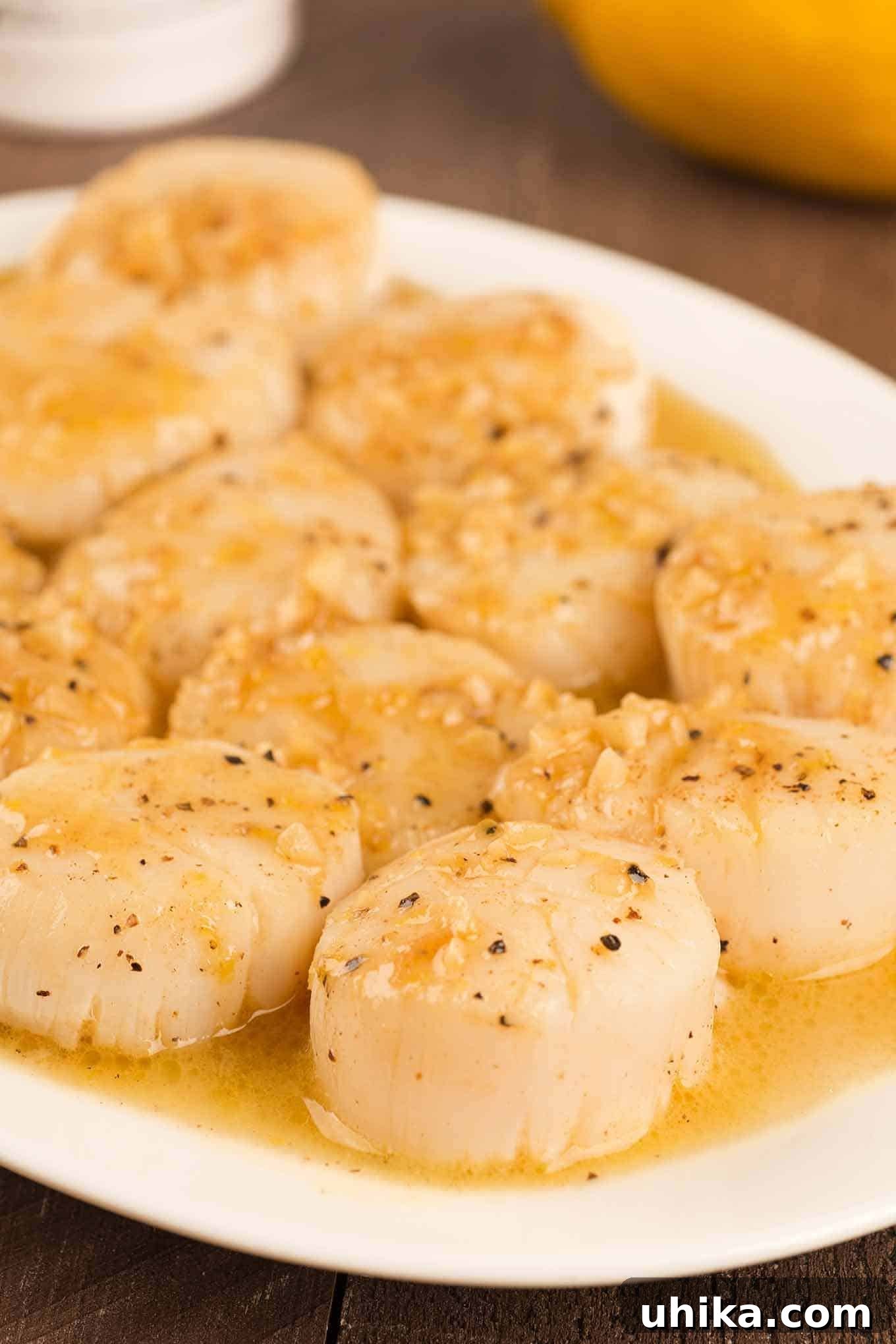
Mastering Restaurant-Quality Pan-Seared Scallops with Lemon Garlic Sauce at Home
Imagine a dish so elegant, so flavorful, yet so remarkably simple to prepare that it rivals your favorite restaurant meal. That’s precisely what you get with perfectly pan-seared sea scallops, especially when they’re draped in a luscious lemon garlic pan sauce. This recipe demystifies the art of cooking scallops, guiding you through the essential steps to achieve that coveted golden crust and tender, sweet interior every single time. Forget complicated techniques or long hours in the kitchen; this is quick gourmet cooking at its finest, transforming fresh scallops into an unforgettable dining experience in mere minutes.
Sea scallops are a true delicacy, prized for their sweet, mild flavor and delicate texture. Many home cooks shy away from preparing them, intimidated by the thought of overcooking or improper searing. However, with a few crucial tips and a hot pan, you can confidently create a dish that impresses. Our recipe pairs these succulent morsels with a vibrant pan sauce crafted from butter, fragrant garlic, a splash of dry white wine, bright lemon, and a hint of cream. It’s a harmonious blend that enhances the natural sweetness of the scallops without overpowering them, delivering a balanced and exquisite flavor profile. Serve these beauties alongside creamy mashed potatoes or a simple green vegetable like sautéed spinach for a complete meal that feels both luxurious and comforting.
Why Scallops Deserve a Spot on Your Dinner Table
Scallops are an excellent choice for a variety of reasons, making them a fantastic addition to any home chef’s repertoire. Beyond their undeniable deliciousness, they offer a compelling combination of speed, health, and versatility. They cook incredibly fast, often taking less than five minutes from pan to plate, making them ideal for busy weeknights or impromptu dinner parties. Nutritionally, scallops are a lean source of protein, rich in essential minerals like selenium, zinc, and B vitamins, and low in fat. This makes them a smart choice for those seeking healthy yet satisfying meal options. Furthermore, their delicate flavor acts as a blank canvas, readily absorbing the nuances of different sauces and seasonings, allowing for endless culinary creativity. Whether you’re aiming for a romantic dinner for two or a sophisticated meal for guests, scallops consistently deliver a touch of elegance and gourmet appeal with minimal effort.
Understanding “Dry” Scallops: The Secret to a Perfect Sear
Before you even think about heating your pan, understanding the difference between “dry” and “wet” scallops is paramount. This distinction is the single most critical factor in achieving that beautiful, golden-brown crust we all desire. “Dry” scallops are natural, meaning they have not been treated with any additives. They are shucked, cleaned, and immediately flash-frozen or refrigerated, retaining their natural moisture content and sweet flavor. They might feel slightly tacky to the touch, and when patted dry, they will readily release excess surface moisture.
On the other hand, “wet” scallops have been soaked in a solution of sodium tripolyphosphate (STP) during processing. This chemical causes the scallops to absorb water, increasing their weight and making them appear whiter. While this might seem appealing, it significantly impacts their culinary performance. The added water prevents them from browning properly, leading to a steamed rather than seared result. They tend to stick to the pan and release excessive liquid, diluting any sauce you try to make. Always ask your fishmonger for “dry” scallops, or look for packaging clearly labeled as “dry-packed” or “chemical-free.” Investing in dry scallops ensures superior flavor and texture, guaranteeing a successful sear every time.
The Art of the Perfect Sear: Achieving Golden-Brown Perfection
Searing scallops to restaurant-quality perfection is less about magic and more about technique. The goal is a beautifully caramelized exterior and a tender, slightly translucent interior. Here’s how to master it:
Preparation is Key
Even with dry scallops, moisture is the enemy of a good sear. Thoroughly pat your scallops dry with paper towels on all sides. This step is non-negotiable, as any surface moisture will steam the scallops instead of searing them, preventing the Maillard reaction (the chemical reaction responsible for browning and flavor development). Once dry, season them generously with salt and freshly ground black pepper. Don’t be shy with the seasoning; scallops love it.
The Right Pan and Heat
A heavy-bottomed skillet, such as cast iron or stainless steel, is ideal. These pans retain heat exceptionally well, which is crucial for searing. Place your skillet over medium-high heat and let it get screaming hot for 1-2 minutes. You want to see a slight shimmer or a wisp of smoke when you add the oil. Add a tablespoon of olive oil and a tablespoon of butter. The olive oil helps prevent the butter from burning too quickly, while the butter adds a rich, nutty flavor and contributes to the golden crust.
Don’t Overcrowd the Pan
This is another critical mistake many home cooks make. Overcrowding lowers the pan’s temperature, causing the scallops to steam rather than sear. Work in batches if necessary, ensuring there’s ample space between each scallop. Each batch should have enough room for heat to circulate and moisture to evaporate quickly. This ensures even cooking and a consistent sear.
Timing is Everything
Once the butter starts to foam in the hot pan, carefully place the seasoned scallops in a single layer. Sear them for approximately 1 to 1-1/2 minutes per side, depending on their size and thickness. Resist the urge to move them too soon; let them develop that beautiful crust. You’ll know they’re ready to flip when the edges turn golden brown and they release easily from the pan. After flipping, cook for another 1 to 1-1/2 minutes. The center should still be slightly translucent and creamy. Transfer cooked scallops to a plate and cover loosely with foil to keep warm while you prepare the sauce. Overcooked scallops become rubbery and tough, losing their delicate appeal.
Crafting the Irresistible Lemon Garlic Pan Sauce
The pan sauce is the crowning glory of this dish, transforming simple seared scallops into a truly gourmet experience. It’s built right in the same pan, capturing all the delicious fond (browned bits) left behind by the scallops.
Ingredients Breakdown
This sauce is a symphony of simple, yet potent flavors:
- Butter: Provides richness, body, and contributes to the silky texture.
- Garlic: Adds an aromatic depth and pungent warmth that beautifully complements seafood.
- Dry White Wine: Such as Sauvignon Blanc or Pinot Grigio, acts as a deglazing liquid, lifting the browned bits from the pan and adding a crisp acidity.
- Freshly Squeezed Lemon Juice & Zest: The star of the show, providing a bright, zesty counterpoint that cuts through the richness and enhances the scallops’ natural sweetness.
- Cream: A splash of heavy cream or half-and-half adds luxurious body and a velvety finish, mellowing the acidity of the lemon and wine.
Building Flavor: Deglazing and Emulsifying
After searing the scallops, you’ll notice browned bits sticking to the bottom of the pan. These are packed with flavor! Add another tablespoon of butter and sauté the finely chopped garlic until fragrant. Then, deglaze the pan with the dry white wine, using a wooden spoon to scrape up all those flavorful bits. Stir in the lemon juice, lemon zest, and any juices that have accumulated on the plate with the resting scallops. Finally, stir in the cream and the last tablespoon of butter, removing the pan from the heat as soon as the butter melts. The residual heat will continue to thicken the sauce to a perfect consistency, creating a rich, emulsified sauce that coats the scallops beautifully.
The Recipe: Seared Scallops with Lemon and Garlic Pan Sauce
This quick and elegant dish brings restaurant-quality flavors to your home kitchen in just 20 minutes.
Seared Scallops with Lemon and Garlic Pan Sauce
For a quick, yet delicious dinner, try these perfectly-cooked, pan seared sea scallops served with a flavorful pan sauce of butter, garlic, white wine, lemon and cream.
Prep Time: 10 mins | Cook Time: 10 mins | Total Time: 20 mins | Servings: 4
Ingredients
- 1-1/4 lbs dry sea scallops, 16 to 20 per lb – see notes below
- Salt and freshly ground black pepper, to taste
- 3 tablespoons unsalted butter, divided
- 1 tablespoon olive oil
- 2 cloves garlic, very finely chopped
- 2 tablespoons dry white wine (e.g., Sauvignon Blanc, Pinot Grigio)
- 2 tablespoons freshly squeezed lemon juice
- Zest of 1 lemon
- 2 tablespoons heavy cream
Instructions
- Thoroughly pat the scallops dry on both sides with paper towels. Season generously with salt and freshly ground black pepper and set aside. Ensure all other ingredients for the sauce are prepped and within reach of the stove, as this dish cooks quickly.
- Heat a large, heavy-bottomed skillet (cast iron or stainless steel works best) over medium-high heat until it is very hot, about 1 to 2 minutes. Add the olive oil and 1 tablespoon of the butter. As soon as the butter begins to foam and turn slightly golden, add the scallops in a single layer. If your pan is not large enough, work in two batches to avoid overcrowding, which can lead to steaming instead of searing.
- Sear the scallops for 1 to 1-1/2 minutes per side, depending on their size. You are looking for a beautiful golden-brown crust on both sides and a creamy, slightly translucent center. As each scallop finishes cooking, transfer it to a plate. Loosely cover the plate with aluminum foil to keep the scallops warm while you prepare the sauce.
- Using the same skillet, add another tablespoon of butter and heat until foamy. Add the very finely chopped garlic and sauté for about 1 minute until fragrant, being careful not to burn it.
- Deglaze the pan by pouring in the dry white wine. Use a wooden spoon to scrape up any browned bits (fond) from the bottom of the pan; these bits are full of flavor. Stir in the freshly squeezed lemon juice, lemon zest, and any accumulated juices from the plate of cooked scallops.
- Combine well, then stir in the heavy cream and the final tablespoon of butter. Remove the pan from the heat as soon as the butter is fully melted and the sauce is emulsified. Do not boil the sauce after adding the cream.
- To serve, arrange the seared scallops on individual plates and generously drizzle with the warm lemon garlic pan sauce. Enjoy immediately!
Chef’s Tips & Notes
Choosing the Right Scallops:
Always opt for “dry” sea scallops. “Wet” scallops, treated with a brine-like solution, contain excess water that prevents proper searing and browning, leading to a less flavorful and rubbery texture. If not clearly marked, ask your fishmonger for clarification.
Heat Management:
A truly hot pan is crucial for a great sear. Don’t rush this step. The oil and butter should be shimmering and lightly foaming before adding the scallops.
Don’t Overcook:
Scallops cook very quickly. Overcooking is the most common mistake and results in tough, rubbery scallops. Aim for a beautiful golden crust on the exterior and a tender, slightly translucent, creamy center. They will continue to cook slightly from residual heat after being removed from the pan.
Serving Suggestions:
This dish pairs wonderfully with simple sides. Creamy mashed potatoes are excellent for soaking up the delicious sauce. Sautéed spinach, roasted asparagus, or a light green salad also make perfect accompaniments. For a heartier meal, consider serving alongside risotto or pasta tossed in a light olive oil and herb sauce.
Variations and Customizations for Your Seared Scallops
While this lemon garlic pan sauce is a classic for a reason, don’t hesitate to experiment with variations to suit your taste or what you have on hand. Scallops are versatile and welcome new flavors:
- Herbaceous Twists: Finish the sauce with a sprinkle of fresh chopped parsley, chives, or tarragon for an added layer of freshness.
- A Hint of Spice: For those who enjoy a little kick, a pinch of red pepper flakes added with the garlic will infuse the sauce with a subtle warmth.
- Tomato Brilliance: Add a handful of halved cherry tomatoes to the pan along with the garlic for a burst of color and a touch of sweet acidity in the sauce.
- Different Liquids: If you prefer not to use wine, chicken broth or even a good quality vegetable broth can be used for deglazing. Just ensure it’s low-sodium so you can control the seasoning.
- Pancetta or Bacon: For an extra layer of savory depth, cook some finely diced pancetta or bacon until crispy before searing the scallops. Remove the crispy bits, then use a tablespoon of the rendered fat for searing, along with the olive oil. Crumble the crispy pancetta/bacon over the finished dish.
- Brown Butter Sage Sauce: For an autumnal twist, brown the butter until it’s nutty, then add fresh sage leaves and a splash of lemon juice.
Common Questions About Cooking Scallops
Cooking scallops can feel daunting, but addressing common concerns will build your confidence:
How do I know when scallops are cooked through?
Scallops are cooked when they have developed a golden-brown crust on both sides and their centers are opaque, but still slightly creamy and translucent. They should feel firm to the touch, but not hard or rubbery. The internal temperature, if you’re using an instant-read thermometer, should be around 120-130°F (49-54°C) for medium-rare, though visual cues are often sufficient given their quick cooking time.
Why are my scallops rubbery?
Rubbery scallops are almost always a sign of overcooking. Because they are so lean, scallops cook very quickly. Remove them from the heat as soon as they reach the desired doneness. Also, ensure you are using “dry” scallops; “wet” scallops, due to their higher water content, can sometimes have a tougher texture.
Can I use frozen scallops for this recipe?
Yes, you can use frozen scallops, but ensure they are properly thawed and thoroughly dried. Thaw them overnight in the refrigerator or quickly under cold running water. Once thawed, it’s even more crucial to pat them extremely dry with paper towels, as frozen scallops tend to release more moisture. Look for “dry-packed” frozen scallops if possible.
What kind of pan is best for searing scallops?
A heavy-bottomed skillet that retains heat well is best for searing. Cast iron, stainless steel, or carbon steel pans are excellent choices. Non-stick pans can work, but they may not achieve as deep a sear or maintain a consistent high temperature as effectively.
How do I prevent scallops from sticking to the pan?
Ensuring your scallops are completely dry and your pan is very hot with enough fat (oil and butter) are key. Don’t overcrowd the pan, and resist the urge to move the scallops until they have developed a crust and naturally release from the pan, typically after 1 to 1-1/2 minutes.
Conclusion
You now have all the knowledge and techniques to create truly spectacular pan-seared scallops with lemon garlic sauce right in your own kitchen. This recipe proves that gourmet cooking doesn’t have to be complicated or time-consuming. With careful attention to detail—especially when it comes to choosing dry scallops and achieving a proper sear—you can consistently deliver an elegant, flavorful, and impressive seafood dish that will delight your palate and impress your guests. So, grab your skillet, gather your ingredients, and prepare to elevate your weeknight dinner or special occasion meal with these irresistible scallops!