
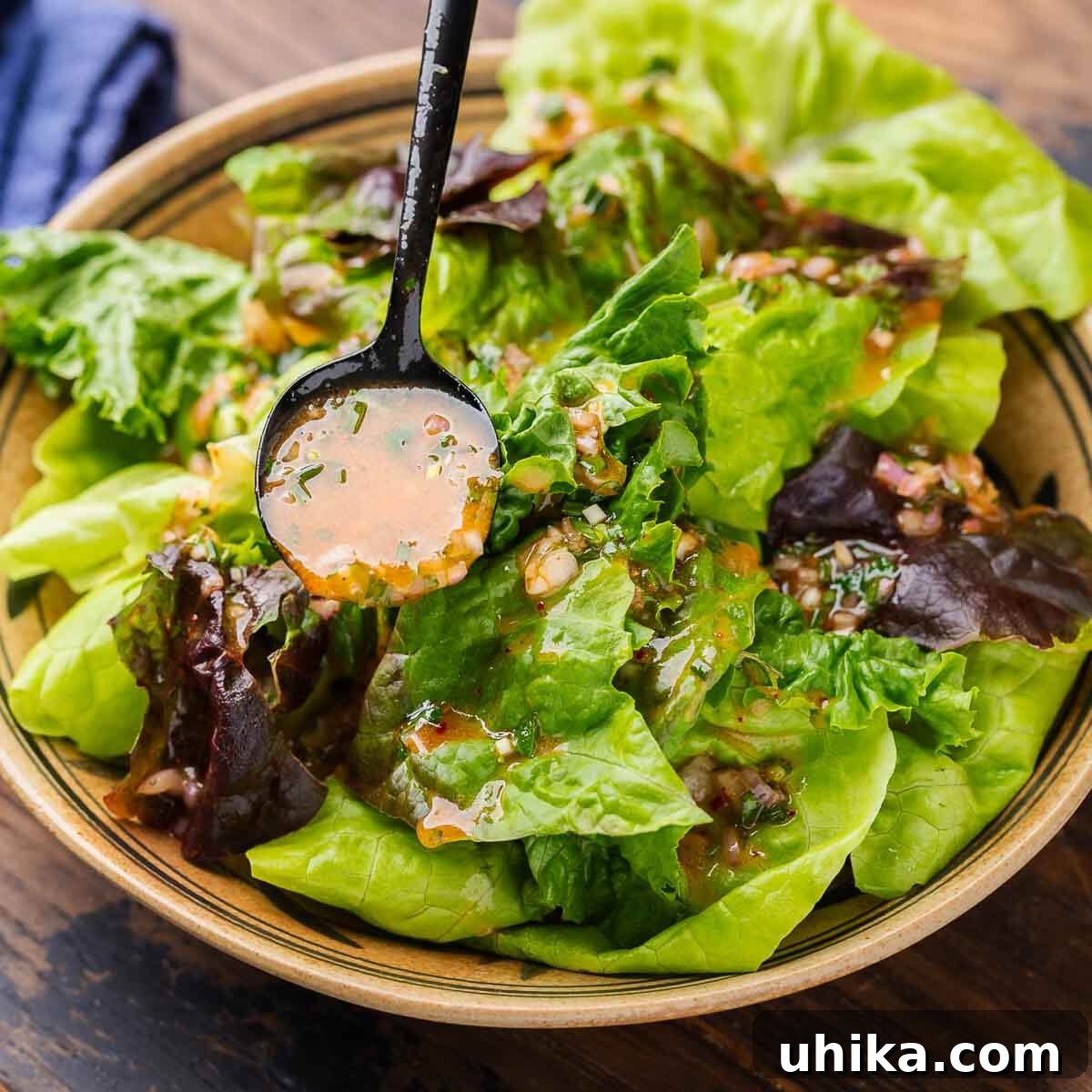
Homemade French Vinaigrette is a culinary delight that transcends anything you’ll find bottled in a store. This exquisite dressing comes together in mere minutes, transforming simple salads into gourmet experiences, adding zest to warm vegetables, and acting as a fantastic marinade for various proteins. Once you master this simple recipe, you’ll wonder why you ever bought store-bought dressings!
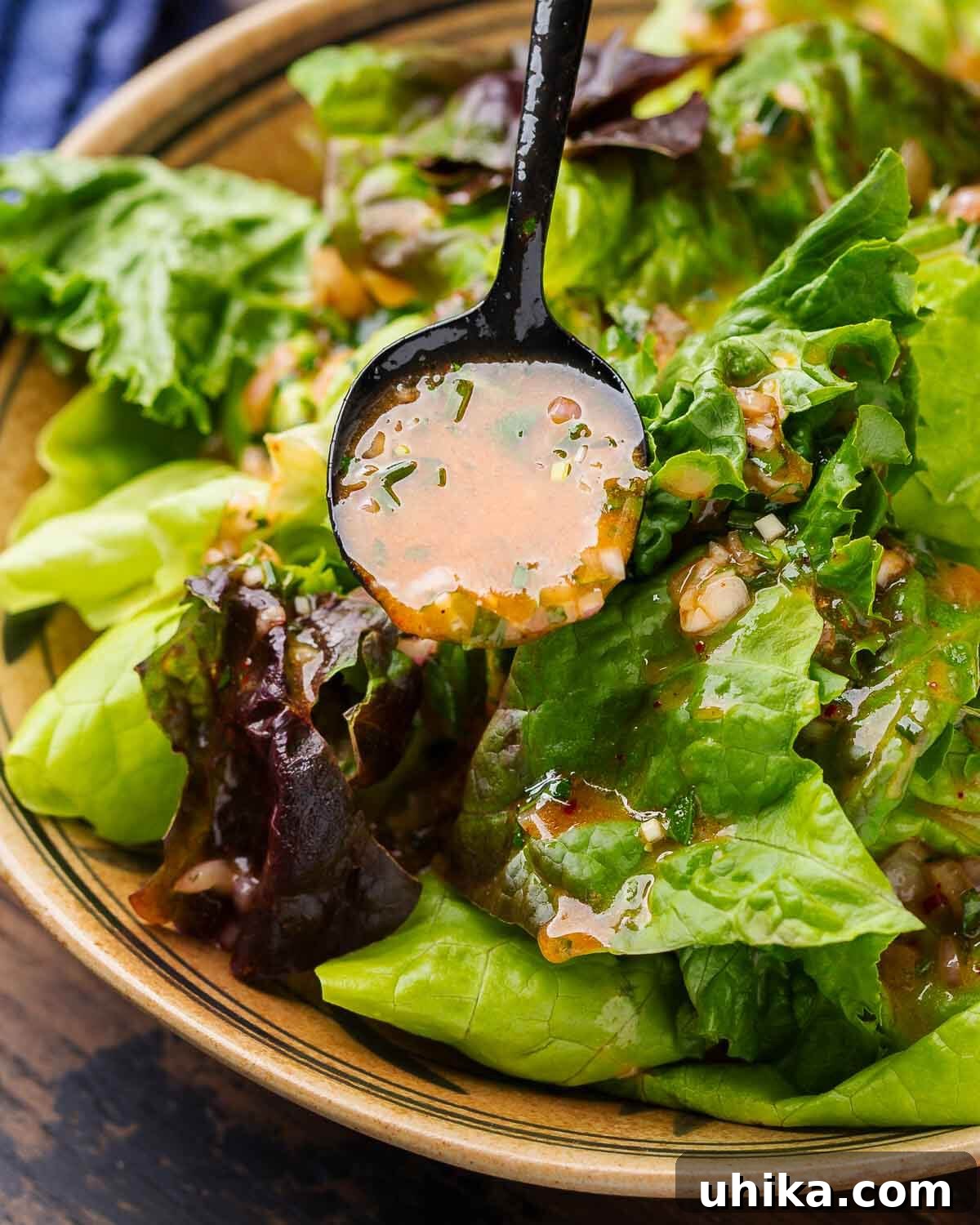
In our home, a green salad frequently graces our dinner table, serving as the perfect refreshing accompaniment to almost any meal. While our Italian vinaigrette has long been a cherished favorite, this classic French vinaigrette has recently captured our hearts and become our go-to choice.
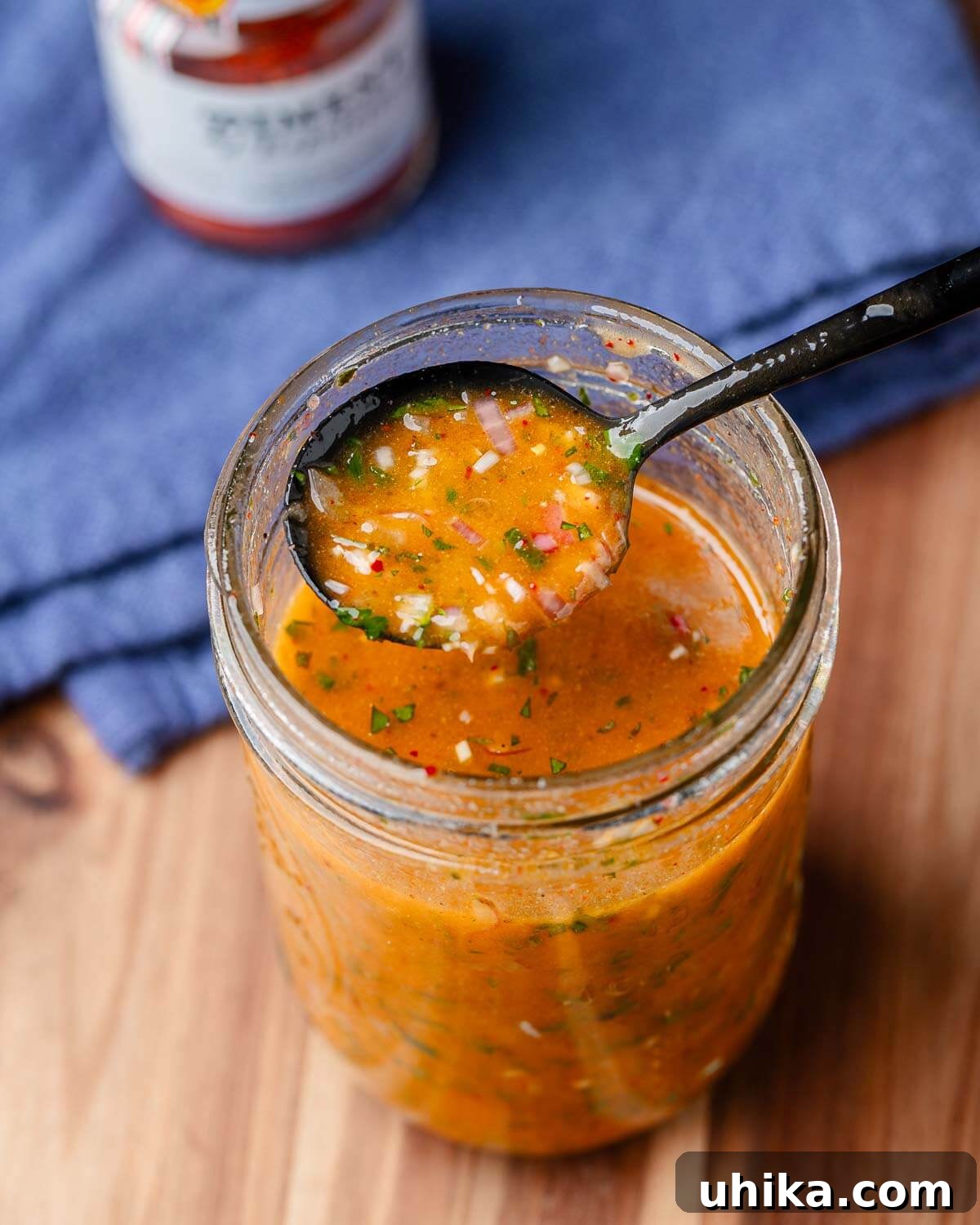
What truly sets this French vinaigrette apart is its sophisticated blend of fresh shallots and aromatic herbs, combined with a subtle hint of Piment d’Espelette. This unique French chili pepper not only imparts a delightful, nuanced flavor but also contributes to the dressing’s characteristic golden-orange hue, giving it that unmistakable French flair. The result is a dressing that is both vibrant and deeply satisfying, proving that gourmet flavors don’t have to be complicated.
The beauty of this recipe lies in its simplicity. You can whip up a batch of this flavorful vinaigrette in just minutes, making it incredibly convenient for busy weeknights or impromptu gatherings. Its superior taste and freshness will undoubtedly convince you to ditch bottled dressings forever.
Why Make Your Own French Vinaigrette?
There are numerous compelling reasons to embrace homemade vinaigrette over its store-bought counterparts. Beyond the unparalleled freshness, crafting your own dressing offers a host of benefits:
- Superior Flavor: Fresh ingredients simply taste better. Without the need for artificial preservatives or stabilizers, each component of your homemade vinaigrette shines through, creating a more vibrant and authentic flavor profile that store-bought dressings simply cannot replicate.
- Control Over Ingredients: When you make it yourself, you dictate what goes in. This means no unhealthy additives, excessive sugar, or high levels of sodium often found in commercial dressings. You can choose high-quality oils, fresh herbs, and adjust seasoning to your dietary needs and preferences.
- Cost-Effective: Buying individual ingredients for a homemade dressing is often more economical in the long run than repeatedly purchasing expensive bottled versions. Many of the base ingredients are pantry staples, making it a budget-friendly option.
- Customization: Homemade allows for endless customization. Want it sweeter? Add more honey. Prefer more tang? A splash more vinegar will do the trick. You can experiment with different herbs, vinegars, and oils to perfectly match your palate or the meal you’re serving.
- Healthier Option: By eliminating artificial colors, flavors, and preservatives, you create a dressing that is naturally healthier. You control the quality of fats and the amount of sugar, leading to a more wholesome addition to your meals.
The Classic French Vinaigrette: A Culinary Staple
The French vinaigrette is more than just a dressing; it’s a cornerstone of French cuisine, embodying elegance through simplicity. Its enduring popularity stems from a perfect balance of acidity, richness, and herbaceous freshness. Traditionally, it forms the foundation for many French salads, providing a bright counterpoint to crisp greens and other fresh vegetables.
What defines a “French” vinaigrette often boils down to a few key elements: a good quality vinegar, Dijon mustard (which acts as a crucial emulsifier and flavor agent), a blend of oils, and a selection of fresh, aromatic herbs. The addition of a finely minced shallot adds a delicate, savory depth that elevates it beyond a basic oil-and-vinegar mix. It’s a dressing that speaks to the French philosophy of letting high-quality ingredients shine, enhancing rather than overpowering the dish it accompanies.
Key Ingredients for an Authentic French Vinaigrette
Achieving the perfect French vinaigrette starts with selecting the right ingredients. Here’s a detailed look at each component and why it’s essential:
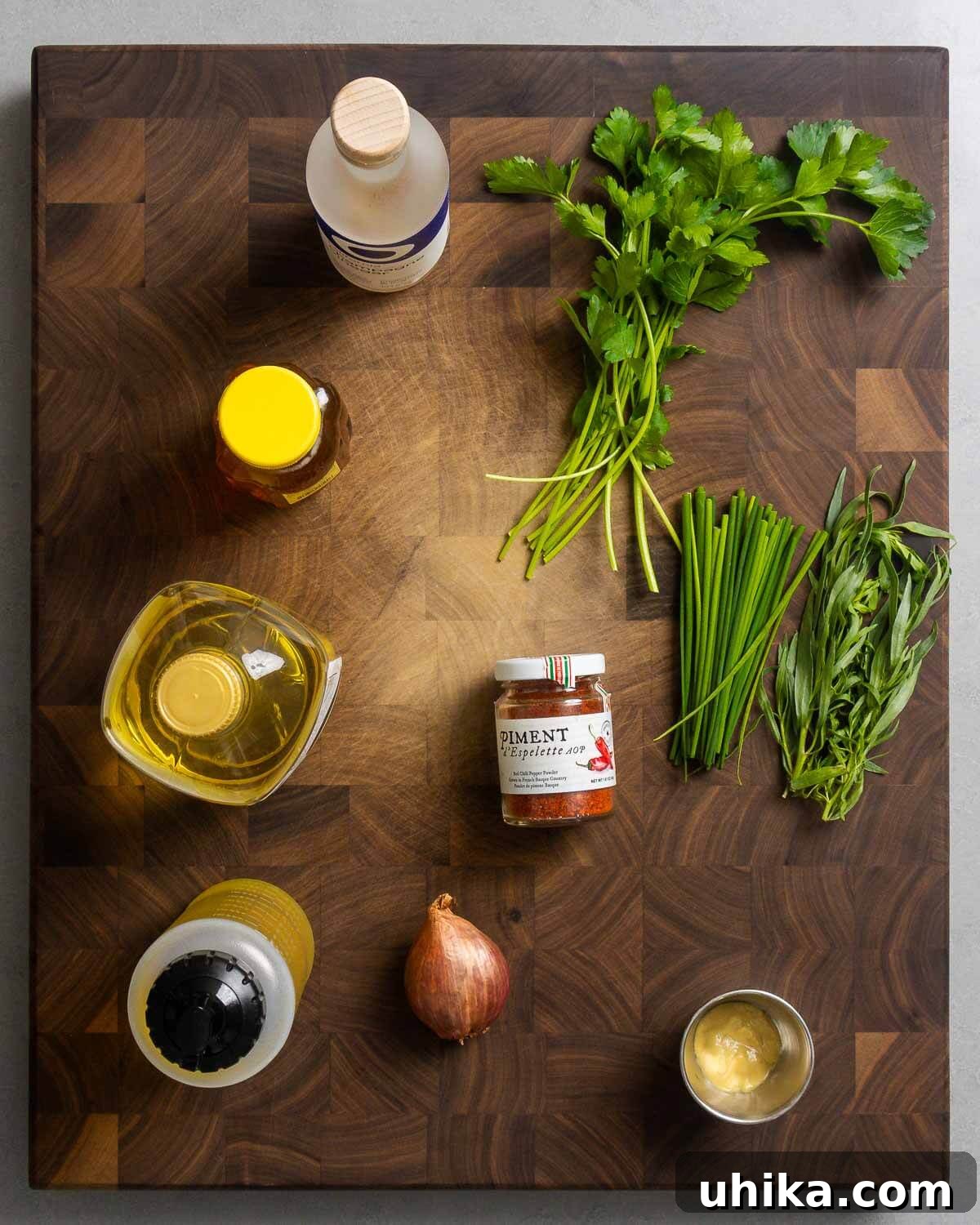
- Fresh Herbs: We rely on a trio of fresh parsley, chives, and tarragon for unparalleled freshness and flavor.
- Parsley (Flat-leaf): Adds a vibrant, clean, slightly peppery note.
- Chives: Contribute a delicate, mild oniony flavor without the pungency of raw onion.
- Tarragon: This is the secret weapon for an authentic French touch, offering a distinctive anise-like, slightly sweet, and peppery flavor. It’s a classic pairing in French cooking.
- Substitution Tip: While fresh herbs are highly recommended for their aromatic intensity, if absolutely necessary, you can use dried herbs. Use about one-third of the fresh herb quantity for dried, and allow them to rehydrate in the vinaigrette for at least 15-20 minutes before serving.
- Shallot: Essential for both flavor and a delicate texture. Shallots are milder and sweeter than onions, providing a nuanced allium note without overwhelming the dressing. Mincing them finely and letting them macerate in vinegar helps to mellow their sharpness even further.
- Substitution Tip: If you can’t find shallots, one clove of finely grated fresh garlic can be used, though it will yield a sharper, more pronounced garlic flavor.
- Vinegar: We prefer champagne vinegar for its delicate, mild, and slightly floral acidity, which beautifully complements the other flavors.
- Substitution Tip: Excellent alternatives include apple cider vinegar (which offers a fruity, slightly bolder tang) or sherry vinegar (providing a nutty, complex depth that is also very French). White wine vinegar is another viable option for its crisp acidity.
- Oils: A harmonious blend of oils is key. We use extra virgin olive oil for its rich, fruity flavor, combined with a neutral-flavored oil to prevent the olive oil from becoming too dominant and to provide a smoother texture.
- Extra Virgin Olive Oil (EVOO): Provides a robust, peppery, or fruity backbone, depending on its origin.
- Neutral-Flavored Oil: Sunflower oil is a great choice, but avocado oil, grapeseed oil, or canola oil also work wonderfully to create a lighter, more balanced dressing.
- Piment d’Espelette: This dried red pepper, hailing from the Basque region of France, is what gives traditional French vinaigrette its distinctive subtle warmth, fruity notes, and characteristic reddish-orange color. It’s a mild chili with a beautiful aroma, far less intense than cayenne pepper. You can often find it in specialty food stores or conveniently online.
- Optional: While highly recommended for authenticity, if you can’t find Piment d’Espelette, you can omit it. The dressing will still be delicious, but it will lack that unique French character and color.
- Dijon Mustard: This ingredient plays a dual role. Firstly, it’s a critical emulsifier, helping the oil and vinegar stay combined and preventing separation. Secondly, it adds a signature tangy, slightly spicy, and pungent flavor that is quintessential to French vinaigrettes.
- Tip: You can use either smooth (classic) or grainy Dijon mustard, depending on your preferred texture. Grainy mustard will add a slight textural element.
- Honey: A touch of honey perfectly balances the acidity of the vinegar and the sharpness of the mustard, adding a subtle sweetness that rounds out the flavor profile.
- Substitution Tip: Maple syrup can be used as a vegan alternative or if you prefer its distinct flavor.
- Salt and Pepper: Essential for seasoning. Always use freshly ground black pepper for the best flavor.
For precise measurements, refer to the full recipe card below.
Step-by-Step Guide: How to Make French Vinaigrette from Scratch
Crafting this homemade French vinaigrette is incredibly straightforward. Follow these simple steps for a perfect batch every time:
- Prepare the Shallot and Vinegar Infusion: Begin by mincing one medium shallot very finely. Place the minced shallot in a bowl or, for even easier mixing later, a mason jar. Add 1/2 cup of champagne vinegar to the shallots. Allow this mixture to sit for at least 5 minutes. This crucial step helps to mellow the shallot’s pungency and infuse the vinegar with its delicate flavor, creating a more harmonious base for your dressing. While the shallot infuses, finely mince 1 tablespoon each of fresh chives, flat-leaf parsley, and fresh tarragon.
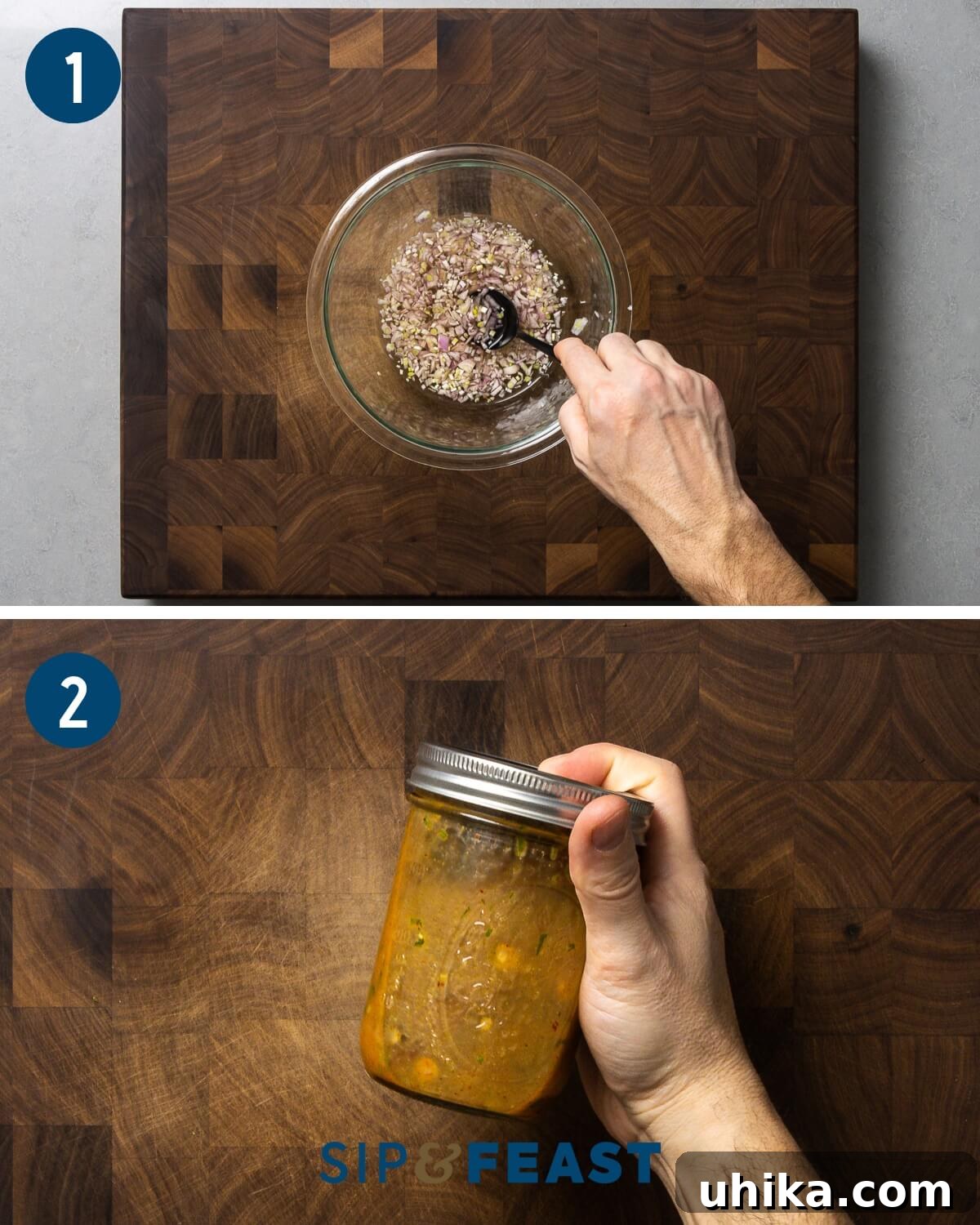
- Combine and Emulsify: To the shallot and vinegar mixture, add 1 tablespoon of Dijon mustard, 2 tablespoons of honey, and 3/4 teaspoon of Piment d’Espelette (if using). Next, pour in 1/2 cup of extra virgin olive oil and 1/4 cup of sunflower oil (or your chosen neutral oil). Whisk all the ingredients thoroughly in the bowl until they are well combined and emulsified. If you are using a mason jar, securely fasten the lid and shake aggressively for about 30-60 seconds until the dressing appears creamy and homogenous.
- Add Fresh Herbs and Final Seasoning: Finally, add the minced chives, tarragon, and parsley to the emulsified dressing. Give it one more gentle mix to evenly distribute the herbs.
- Taste and Adjust: This is a critical step! Taste the vinaigrette and adjust the seasoning as needed. You might want to add a pinch more salt or freshly ground black pepper. If you prefer a sweeter dressing, incorporate a little more honey. If you desire more tang, a dash more vinegar can be added. Serve your freshly made French vinaigrette with your favorite salad greens, drizzled over warm vegetables, or use it as a flavorful marinade. Enjoy the exquisite taste!
Pro Tips for the Perfect French Vinaigrette Every Time
- Always Taste Test and Adjust: The beauty of homemade dressing is the ability to tailor it to your exact preference. Before tossing it with your salad, give your vinaigrette a good taste. Does it need more salt to brighten the flavors? A touch more pepper for a gentle kick? If you prefer a sweeter dressing, don’t hesitate to add a bit more honey. Conversely, if you crave more tang, a small splash of vinegar can make all the difference. Aim for a balanced blend of sweet, sour, savory, and a hint of spice.
- Efficient Mixing for Emulsification: While a whisk in a bowl works perfectly fine to emulsify the dressing, using a mason jar is an even easier and more effective method. Simply add all ingredients to the jar, secure the lid tightly, and shake vigorously for 30-60 seconds. The friction from shaking helps the oil and vinegar bind together, creating a smooth, creamy, and stable emulsion that won’t separate as quickly. For an extra smooth consistency, a stick blender or a small food processor can also be used.
- Versatile Serving Suggestions: This French vinaigrette is incredibly versatile. Our absolute favorite way to enjoy it is with a simple green salad. For a visually appealing and delicious salad, select 2-4 different types of fresh greens, such as buttery butter lettuce, crisp romaine, delicate red leaf lettuce, or slightly bitter frisée. Beyond salads, this vinaigrette shines when drizzled over grilled or roasted vegetables like asparagus, broccoli, carrots, or warm potatoes. It also makes an exceptional marinade for chicken, pork, or even firm fish, tenderizing the protein while infusing it with fantastic flavor. You can also use it as a dipping sauce for crusty bread.
- Storage and Shelf Life: Store any leftover French vinaigrette in an airtight container or a sealed mason jar in the refrigerator. It will keep well for up to 5-7 days. It’s natural for the oil and vinegar to separate slightly over time; simply give it a good shake or whisk before each use to re-emulsify.
French Vinaigrette Variations to Explore
While the classic recipe is perfect as is, feel free to experiment and customize your French vinaigrette to suit your taste or specific meal:
- Citrus Boost: For an extra layer of brightness, add the zest of half a lemon or lime along with a teaspoon of its juice. This complements the vinegar beautifully.
- Herbal Exploration: Beyond the classic parsley, chives, and tarragon, consider adding other fresh herbs. A sprig of finely minced rosemary or thyme can add an earthy, aromatic note. Fresh dill can provide a refreshing, slightly tangy twist, especially good with fish or potato salads.
- Spicy Kick: If you enjoy a bit more heat, a tiny pinch of red pepper flakes or a dash of your favorite hot sauce can be added along with the Piment d’Espelette (or as a substitute if you don’t have it).
- Creamy Texture: For a richer, creamier vinaigrette, whisk in a tablespoon of Greek yogurt, crème fraîche, or even a small amount of mayonnaise. This will give it a lusher mouthfeel, perfect for heartier salads.
- Nutty Notes: Replace a portion of the sunflower oil with walnut oil or hazelnut oil for a pronounced nutty flavor, which pairs wonderfully with goat cheese or beet salads.
Frequently Asked Questions About French Vinaigrette
How long does homemade French vinaigrette last?
When stored in an airtight container in the refrigerator, homemade French vinaigrette typically lasts for 5 to 7 days. The fresh herbs are often the limiting factor for shelf life. Always give it a good shake before each use, as oil and vinegar naturally separate.
Can I use dried herbs instead of fresh?
While fresh herbs are highly recommended for the best flavor and aroma, you can use dried herbs if fresh ones are unavailable. As a general rule, use about one-third of the amount of dried herbs compared to fresh. Allow the dressing to sit for at least 15-20 minutes after adding dried herbs to give them time to rehydrate and release their flavors.
Why did my vinaigrette separate after sitting?
Separation of oil and vinegar is completely normal for a vinaigrette. Oils and vinegars are immiscible, meaning they don’t naturally mix permanently without the aid of strong emulsifiers or stabilizers. Dijon mustard helps to create a temporary emulsion, but over time, they will separate. Simply give your vinaigrette a vigorous shake or whisk before serving to bring it back together.
Is homemade French vinaigrette healthier than store-bought?
Generally, yes! Homemade vinaigrette is typically much healthier because you have complete control over the ingredients. You can avoid excessive amounts of sugar, sodium, unhealthy oils, artificial flavors, and preservatives that are often found in commercial dressings. This allows you to create a fresh, wholesome, and delicious dressing tailored to your dietary needs.
What kind of salads pair best with French vinaigrette?
French vinaigrette is incredibly versatile. It’s fantastic with simple green salads featuring crisp lettuce (like romaine, butter lettuce, or mixed greens), cherry tomatoes, and thinly sliced cucumbers. It also complements salads with goat cheese, nuts, apples, or roasted vegetables beautifully. Its bright, tangy profile makes it a refreshing choice for almost any salad combination.
More Delicious Dressings and Condiments
If you loved making this French vinaigrette, here are a few more homemade dressings and condiments we know you’ll adore:
- Buttermilk Ranch Dressing – A creamy, tangy dressing that’s perfect for salads, as a dip for fresh vegetables, or even with chicken wings.
- Easy Balsamic Vinaigrette – Featuring the rich depth of balsamic vinegar, combined with Dijon mustard, shallots, and a touch of honey for a perfectly balanced classic.
- Cannellini Bean Dip – Ready in moments, this dip is garlicky, incredibly creamy, and utterly delicious, ideal for entertaining or a healthy snack.
If you’ve enjoyed this Homemade French Vinaigrette Recipe or any recipe on this site, please consider leaving a 5-star rating and sharing your feedback in the comments below. Your input helps us create more content you’ll love!
We strive to satisfy a number of learning styles. If you are someone who prefers to learn by watching, you can find many of our recipes on YouTube and our Facebook Page.
Classic French Vinaigrette Recipe
by James Delmage
Rating: 5 from 6 votes
Prep Time: 10 mins | Total Time: 10 mins
Servings: 16

Print Recipe
Pin Recipe
Homemade French vinaigrette is better than anything in a bottle and incredibly easy to make! Perfect for salads, drizzled over warm veggies, and an excellent marinade for various meats.
Ingredients
- 1 medium shallot, minced
- 1/2 cup champagne vinegar
- 1 tablespoon Dijon mustard (grainy or smooth)
- 2 1/2 tablespoons honey (plus more to taste)
- 3/4 teaspoon Piment d’Espelette (optional, but recommended for authentic flavor)
- 1/2 cup extra virgin olive oil
- 1/4 cup sunflower oil (or another neutral-flavored oil, such as avocado or grapeseed oil)
- 1 tablespoon chives, minced
- 1 tablespoon tarragon, minced
- 1 tablespoon flat leaf parsley, minced
- Salt and freshly ground black pepper to taste
Instructions
- Add the finely minced shallot and champagne vinegar to a bowl or a large mason jar. Allow the mixture to sit for 5 minutes to mellow the shallot and infuse the vinegar.
- To the shallot-vinegar mixture, add the Dijon mustard, honey, Piment d’Espelette (if using), extra virgin olive oil, and sunflower oil. Whisk vigorously until all ingredients are well combined and the dressing is emulsified. If using a mason jar, shake vigorously until creamy.
- Stir in the minced chives, tarragon, and parsley. Mix once more to ensure the herbs are evenly distributed throughout the dressing.
- Taste the vinaigrette and adjust the seasoning as necessary. Add more salt, pepper, or honey to achieve your desired flavor balance. Serve immediately with your favorite salad greens or other dishes, and enjoy!
Notes
- Piment d’Espelette adds both a distinctive flavor and color to the vinaigrette but is optional if you can’t find it.
- For the vinegar, apple cider vinegar or sherry vinegar are excellent substitutes for champagne vinegar, each offering a slightly different but equally delicious flavor profile.
- Store homemade French vinaigrette in an airtight container in the refrigerator for up to 5-7 days. Shake well before each use as natural separation may occur.
Nutrition
Nutrition information is automatically calculated and should only be used as an approximation.
- Calories: 96 kcal
- Carbohydrates: 12.4g
- Protein: 0.9g
- Fat: 4.8g
- Saturated Fat: 0.6g
- Sodium: 76mg
- Potassium: 117mg
- Fiber: 0.6g
- Sugar: 10.5g
- Calcium: 42mg
- Iron: 1mg
Check us out on Instagram at @sipandfeast or tag #sipandfeast!