
Mastering Clarified Butter: Your Essential Guide to High-Heat Cooking and Enhanced Flavor
Have you ever encountered a recipe that specifically called for “clarified butter” and felt a twinge of intimidation? Perhaps you were tempted to simply substitute regular butter or, worse, skip the recipe entirely. It’s a common dilemma, but one that’s easily overcome! Clarifying butter is a straightforward culinary technique that unlocks a world of benefits, transforming humble butter into a versatile cooking fat with a higher smoke point, purer flavor, and extended shelf life. Far from being a complicated chef’s secret, it’s an accessible process that can be done ahead of time and stored, making it a valuable addition to any home cook’s repertoire.
What Exactly Is Clarified Butter?
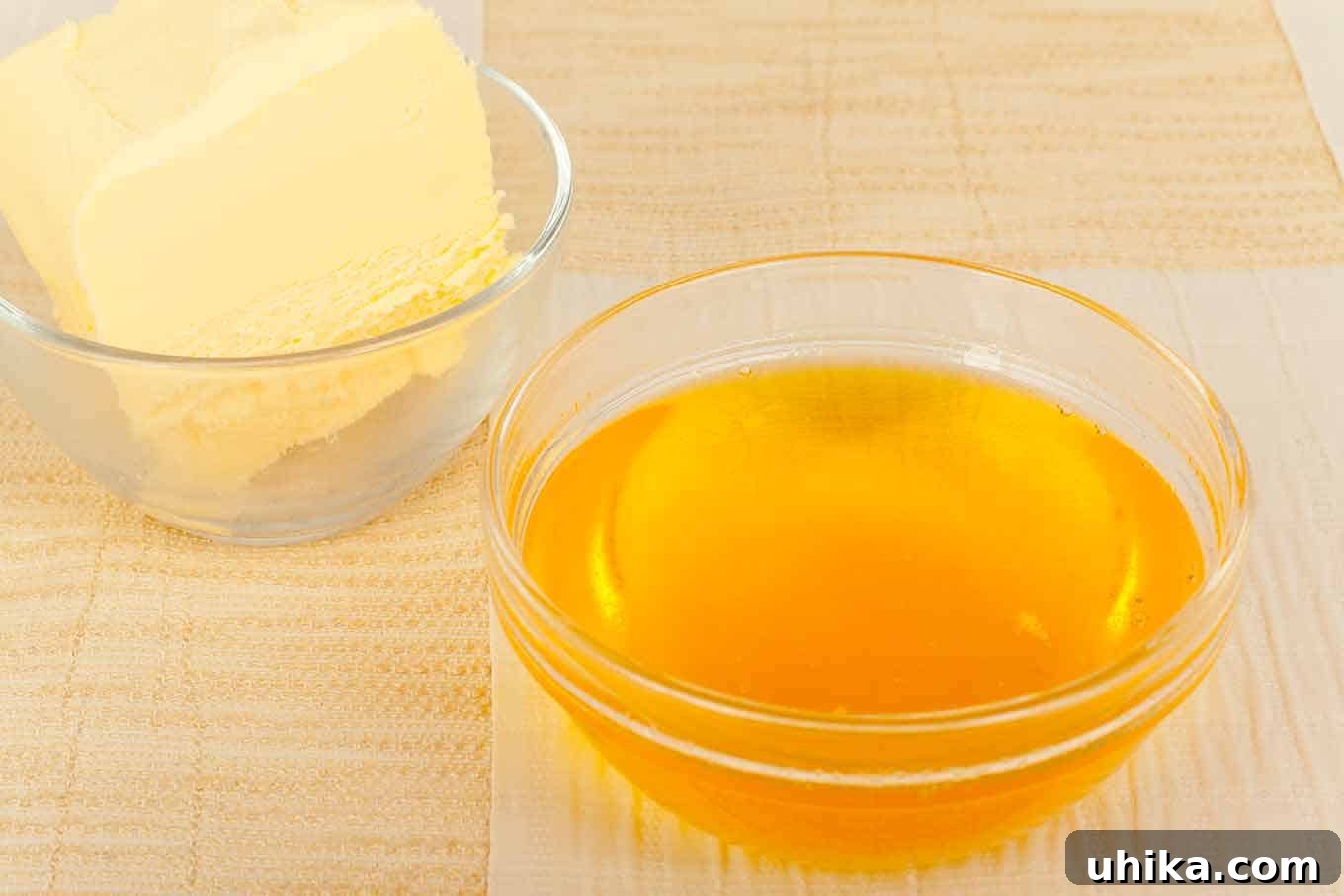
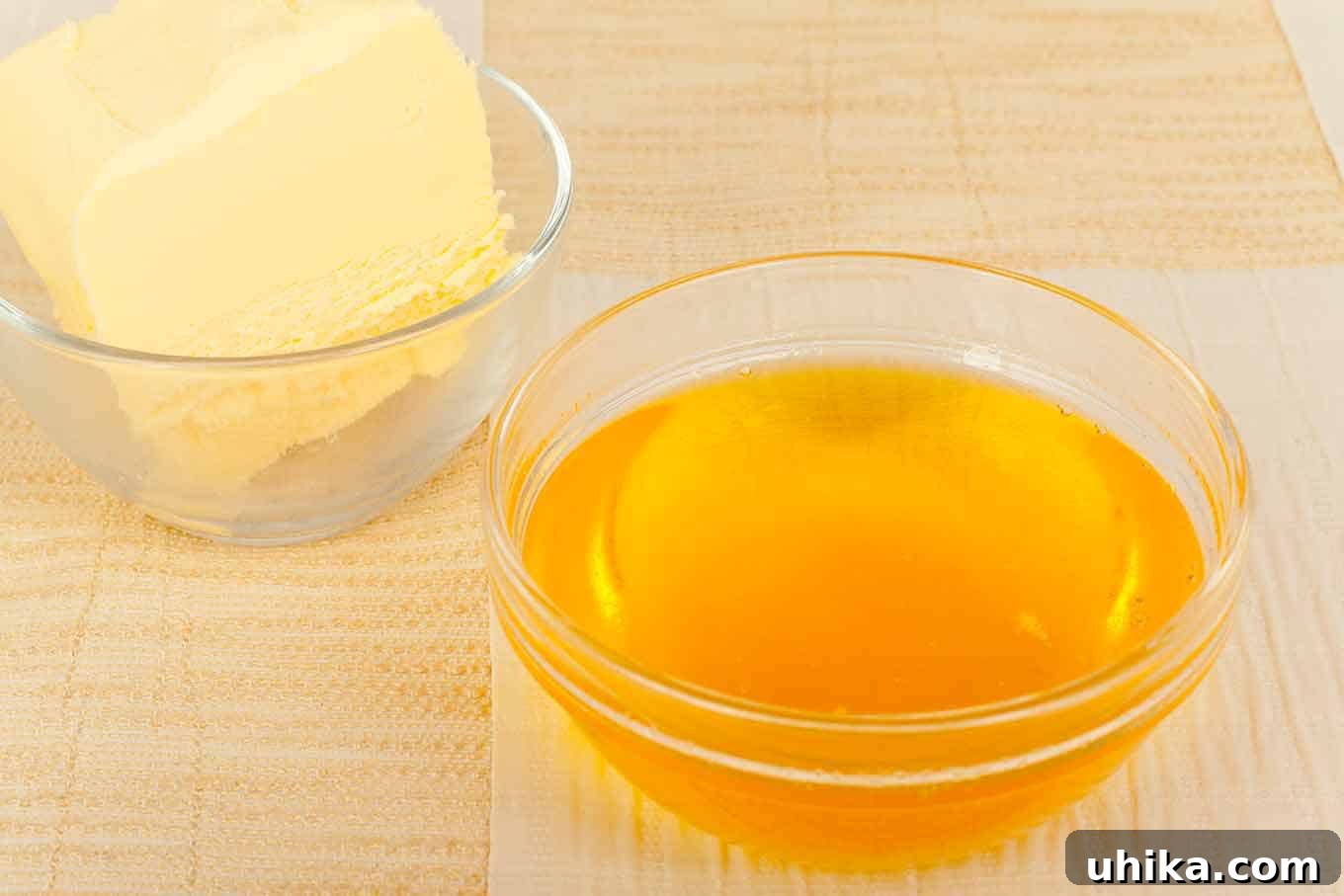
At its core, clarified butter is butter that has undergone a gentle heating process to separate and remove its water content and milk solids. Regular butter is an emulsion of butterfat, water, and milk proteins (solids). When these elements are present, they can burn easily at higher temperatures, leading to a scorched flavor and ruined dishes. By carefully melting and simmering butter, the water evaporates, and the milk solids coagulate and separate – either rising to the top as foam or sinking to the bottom of the pan. The pure, golden liquid left behind is the clarified butter.
It’s crucial not to confuse clarified butter with “drawn butter.” Drawn butter is simply melted regular butter, often served warm for dipping seafood like lobster or crab. While delicious, it still contains all the water and milk solids and has not been subjected to the clarifying process, meaning it still has a low smoke point and is prone to burning.
Why Should You Use Clarified Butter? Unlocking Culinary Excellence
The benefits of incorporating clarified butter into your cooking are numerous and significant, making it a favorite among professional chefs and home cooks alike. Its unique properties address several common cooking challenges, particularly concerning heat and flavor.
Superior Smoke Point for High-Heat Cooking
The primary reason chefs reach for clarified butter is its significantly higher smoke point. Regular butter typically has a smoke point around 302-350°F (150-177°C). This low threshold means it can quickly burn and smoke when exposed to moderate or high heat, imparting a bitter, acrid taste to your food. Clarified butter, with its water and milk solids removed, boasts a smoke point closer to 450-485°F (232-252°C). This allows you to cook at much higher temperatures without fear of scorching, making it perfect for a variety of cooking methods:
- Sautéing and Pan-Frying: Achieve a beautiful golden crust on fish fillets, chicken breasts, or vegetables without the butter burning.
- Searing: Ideal for searing steaks, scallops, or other proteins, developing a rich, caramelized exterior.
- Omelettes and Crepes: Cook delicate dishes evenly and without browning too quickly.
- Roasted Vegetables: A fantastic option for roasting vegetables at higher oven temperatures, ensuring they become tender and slightly crispy without burning the fat.
Purer, More Intense Buttery Flavor
While regular butter offers a complex flavor profile, the milk solids can sometimes obscure the pure taste of the butterfat, especially when cooked. Clarified butter offers a cleaner, more pronounced buttery essence. It provides the luxurious flavor of butter without the risk of browning or burning, ensuring that the flavor you intend for your dish shines through. It’s a wonderful alternative to plain cooking oils when you want to infuse a distinct butter note into your cuisine, striking a perfect balance between flavor and functionality.
Suitable for Dairy Sensitivities: Lactose and Casein-Free
For individuals with lactose intolerance or a sensitivity to casein (a protein found in milk), clarified butter is a fantastic solution. The process of clarifying butter effectively removes almost all of the lactose and casein, making it a dairy-friendly fat that many with sensitivities can enjoy without discomfort. This opens up a world of culinary possibilities for those who love the taste of butter but struggle with traditional dairy products.
Extended Shelf Life
The removal of water and milk solids also significantly extends the shelf life of butter. Water content can promote bacterial growth, and milk solids are more prone to spoiling. Clarified butter, being almost pure fat, is far more stable. When stored properly, it can last for several weeks in the refrigerator and even longer in the freezer, making it a convenient staple to prepare in larger batches.
Essential for Classic Sauces and Roux
Clarified butter is indispensable for preparing many classic French sauces and culinary foundations:
- Emulsified Sauces: It’s the fat of choice for delicate emulsified sauces like Hollandaise and Béarnaise. The absence of milk solids prevents the sauce from breaking or separating, ensuring a smooth, stable emulsion.
- Roux: When making a roux for thickening sauces or soups, clarified butter allows you to cook the flour to the desired color without the milk solids burning and turning bitter, which is a common issue with regular butter.
How to Make Clarified Butter: A Simple Step-by-Step Guide
Making clarified butter at home is surprisingly simple and requires minimal equipment. The key is patience and a low heat. Always start with unsalted butter, as the salt content in salted butter can interfere with the separation process and yield unpredictable results.
Ingredients and Equipment:
- 1 pound (450g) unsalted butter (for a larger yield, you can use more)
- Heavy-bottomed saucepan
- Shallow spoon or fine-mesh skimmer
- Heat-proof container for storage (jar, airtight container)
- Optional: Fine-mesh strainer lined with cheesecloth for extra clarity
Step-by-Step Instructions:
- Prepare the Butter: Start with one pound of high-quality unsalted butter. Cut the butter into tablespoon-sized chunks. This helps it melt more evenly and quickly.
- Gentle Melting: Place the butter chunks in a heavy-bottomed saucepan. Heat over a very low flame. The goal is to melt the butter slowly and gently, not to brown or cook it. As it melts, you’ll notice it separates into three layers: a foamy layer on top, a clear yellow liquid in the middle, and milky white solids at the bottom.
- Simmer and Separate: Continue to cook over low heat. As the butter gently simmers (you should only see tiny bubbles, not a rolling boil), the water content will evaporate, and the milk solids will begin to coagulate. Some solids will rise to the surface, forming a white foam, while others will sink to the bottom of the pan. This process typically takes about 10-15 minutes for a pound of butter.
- Skim the Foam: Using a shallow spoon or a fine-mesh skimmer, carefully skim off the white foam that rises to the top. Discard this foam. Repeat this process a few times until most of the foam has been removed from the surface. Be gentle to avoid disturbing the layers.
- Remove from Heat and Settle: Once the foam has been mostly removed and you can clearly see the golden liquid below, take the pan off the heat. Allow the butter to stand undisturbed for a few minutes (5-10 minutes) to ensure that any remaining milk solids have fully settled at the bottom of the pan. Patience here is key for maximum clarity.
- Pour and Strain: Carefully and slowly pour the clear, golden clarified butter into your heat-proof storage container. Be very gentle to leave the milky white solids at the bottom of the pan undisturbed. For an even purer result, you can pour the clarified butter through a fine-mesh strainer lined with two layers of cheesecloth. Discard the leftover milk solids in the bottom of the saucepan.
- Storage: Allow the clarified butter to cool completely before covering and storing. It will solidify as it cools. Store in an airtight container in the refrigerator for several weeks, or freeze it for up to six months.
A half-pound of butter will typically yield about ¾ cup of clarified butter, as the process reduces the overall volume by approximately 25% due to the removal of water and solids.
A Word About Ghee: A Nutty, Aromatic Cousin
While often used interchangeably, ghee is a form of clarified butter that takes the process a step further, resulting in a distinct flavor profile and even higher smoke point. Originating from ancient India and deeply embedded in Ayurvedic culinary and medicinal traditions, ghee is made by continuing to simmer the butter after the milk solids have separated.
The key difference is that with ghee, the milk solids at the bottom of the pan are allowed to gently brown and caramelize. This slow browning process, often described as ‘nutty,’ ‘toasted,’ or ‘caramelized,’ infuses the butterfat with rich, complex flavors that are absent in standard clarified butter. Once the solids turn golden brown, the heat is removed, and the ghee is strained, leaving behind a fragrant, golden liquid.
Ghee boasts an even higher smoke point than clarified butter, often reaching around 485°F (252°C), making it incredibly stable for very high-heat cooking. Its robust, distinctive flavor makes it a staple in Indian and Middle Eastern cuisines for curries, sautés, flatbreads, and rice dishes, but its versatility extends to any cooking where a rich, slightly toasted butter flavor is desired. You can find high-quality ghee at most Indian grocery stores or specialty food shops, or you can easily make it at home following a similar process to clarified butter, just allowing the solids to brown before straining.
Conclusion: Embrace the Power of Clarified Butter
Clarified butter is a simple yet profound culinary tool that can elevate your cooking to new heights. Its high smoke point makes it perfect for searing, frying, and sautéing without fear of burning, while its pure, intense butter flavor enhances a wide array of dishes. Moreover, its longer shelf life and suitability for those with dairy sensitivities further underscore its value in the kitchen. Whether you’re making delicate sauces, trying to achieve a perfect crisp on your fried foods, or simply looking for a more stable and flavorful cooking fat, mastering the art of clarified butter is a rewarding endeavor that will undoubtedly expand your culinary horizons. So, next time a recipe calls for it, don’t shy away – embrace the golden liquid and experience the difference!