
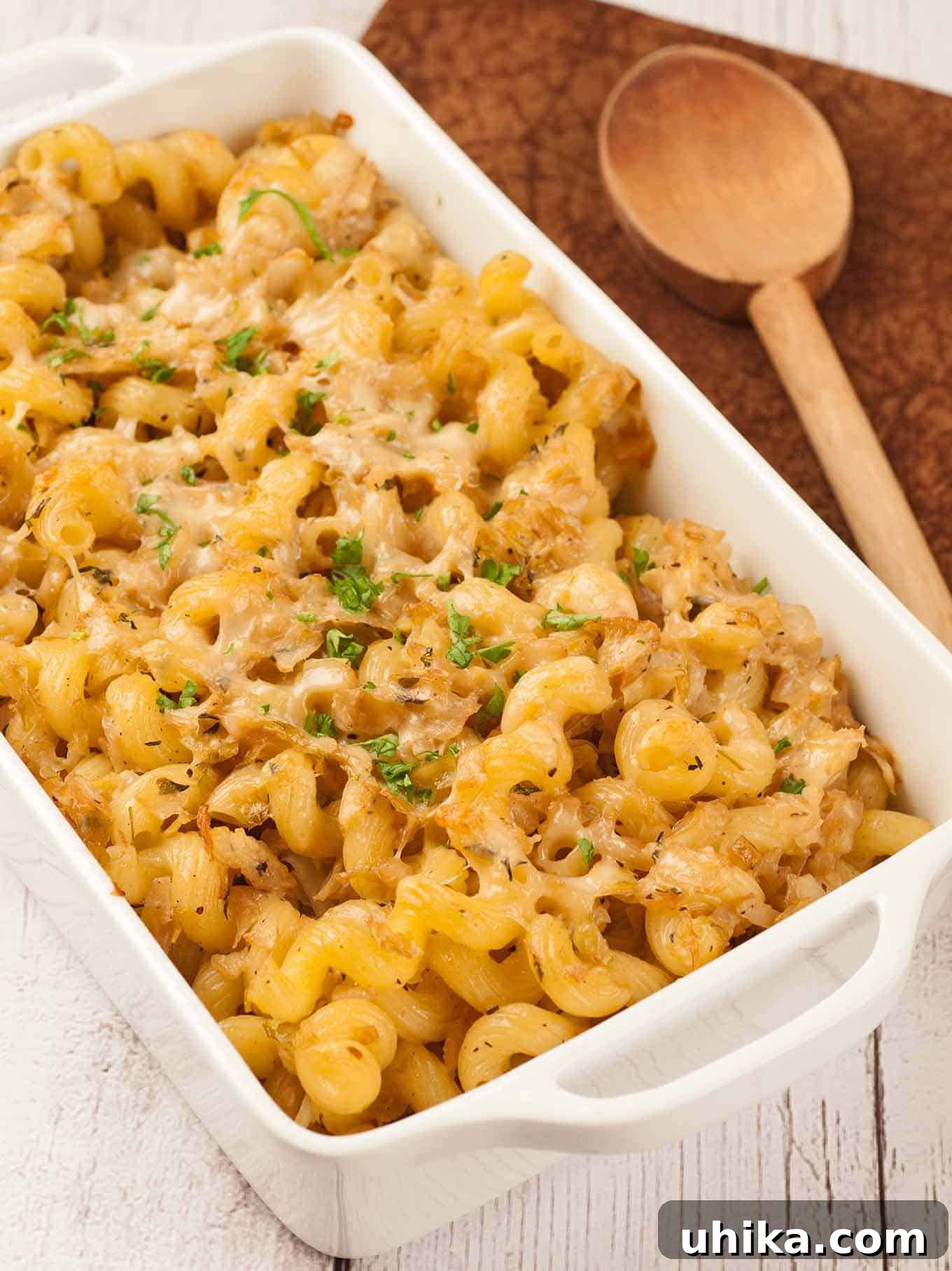
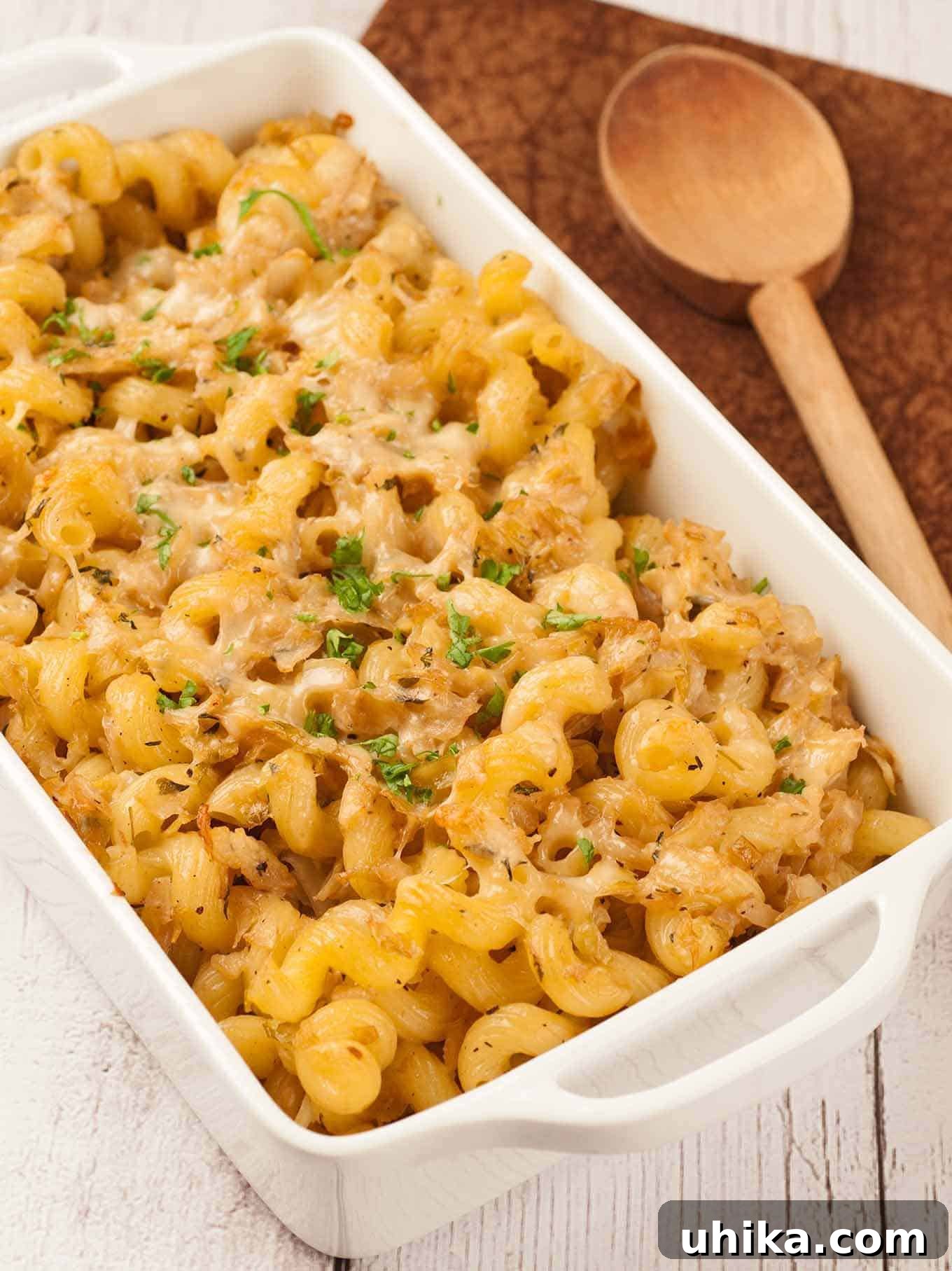
Parmesan Pasta with Cabbage and Thyme: An Irresistible Italian-Inspired Side
Discover a delightful twist on comfort food with our recipe for Parmesan Pasta with Cabbage and Thyme. This dish takes the rustic charm of traditional cabbage and noodles and infuses it with vibrant Italian-inspired flavors, creating a side that’s both familiar and exciting. If you’re a fan of savory, comforting meals with a fresh herbaceous touch, this recipe is sure to become a new favorite in your culinary repertoire.
Inspired by the hearty flavors of Hungarian Cabbage Noodles, this rendition elevates the humble cabbage with a sophisticated blend of ingredients. We introduce aromatic garlic, fragrant fresh thyme, and a subtle hint of balsamic vinegar, all crowned with a generous topping of grated Parmesan cheese. The result is a beautifully balanced dish where the natural sweetness of sautéed cabbage meets savory depths and a delightful tang, lending it a distinctly Italian flair.
Perfect as a versatile side dish or a light main course, this Parmesan Pasta with Cabbage and Thyme offers a wonderful way to enjoy vegetables in a comforting and satisfying manner. It’s surprisingly easy to prepare, making it ideal for weeknight dinners, yet elegant enough to grace your holiday table. Get ready to transform simple ingredients into a dish that’s rich in flavor and wonderfully aromatic.
Why This Cabbage and Pasta Recipe Will Become Your Go-To
There are countless reasons to fall in love with this Parmesan Pasta with Cabbage and Thyme. Beyond its incredible taste, this recipe brings together convenience, health, and satisfying flavors in one enticing package. It’s a testament to how simple, wholesome ingredients can create something truly extraordinary with just a few thoughtful additions.
Firstly, the ease of preparation makes this dish a winner for busy evenings. With a prep time of just 10 minutes and a total cooking time of around an hour, you can have a flavorful, homemade meal on the table without feeling overwhelmed. Most of the cooking time involves the gentle caramelization of the cabbage, a process that builds incredible depth of flavor with minimal effort on your part.
Secondly, it offers a fantastic way to incorporate more vegetables into your diet. Cabbage, often overlooked, is a powerhouse of nutrients and offers a wonderful texture and sweetness when properly cooked. Paired with pasta, it creates a balanced meal that is both hearty and nutritious. The addition of fresh herbs like thyme not only enhances the flavor but also adds antioxidant benefits.
Finally, the unique flavor profile is what truly sets this dish apart. The sweet, tender cabbage combined with pungent garlic, earthy thyme, and the sharp, salty notes of Parmesan creates a harmonious blend that tantalizes the taste buds. A splash of balsamic vinegar cuts through the richness, adding a bright, acidic counterpoint that makes every bite intriguing. Whether you’re seeking a comforting side, a meatless main, or a creative way to use cabbage, this recipe is designed to impress and delight.

Parmesan Pasta with Cabbage and Thyme
Rate Recipe
Print Recipe
Ingredients
- 10 ounces pasta, such as cavatappi, rotini, or penne
- 3 tablespoons olive oil
- 1 tablespoon butter
- 1 cup onion, finely chopped
- 5 cups cabbage, finely chopped (approximately 1-1/4 to 1-1/2 lbs)
- Salt and freshly ground black pepper, to taste
- 6 cloves garlic, very finely chopped
- 2 tablespoons fresh thyme leaves, finely chopped
- 1 tablespoon balsamic vinegar
- 1/4 cup half-and-half or light cream
- 1/3 cup grated Parmesan cheese
Instructions
-
Bring a large pot of salted water to a rolling boil for the pasta. Meanwhile, preheat your oven to 350°F (175°C). Lightly coat a medium-sized baking dish with nonstick cooking spray and set it aside.
-
In a large skillet, heat the olive oil and butter over medium heat until the butter is melted and shimmering. Add the finely chopped onion and sauté for 1 minute until it begins to soften. Then, add half of the finely chopped cabbage to the skillet. Continue cooking, stirring occasionally, until the cabbage wilts and cooks down slightly, about 3 to 4 minutes. Add the remaining cabbage and season lightly with salt and freshly ground black pepper.
-
Continue cooking the cabbage mixture, stirring frequently, for another 12 to 15 minutes. During this time, the cabbage should become tender and develop a beautiful light caramelization, enhancing its natural sweetness. Once tender, stir in the very finely chopped garlic and fresh thyme leaves, and cook for an additional 3 to 4 minutes until fragrant. Be careful not to burn the garlic.
-
Stir in the balsamic vinegar and cook for 1 minute, allowing it to deglaze the pan and meld with the other flavors. Taste the cabbage mixture and adjust the seasoning (salt and pepper) as needed. Finally, stir in the half-and-half or light cream and cook for just 1 minute longer to gently warm through. Remove the skillet from the heat and set the cabbage mixture aside.
-
Cook the pasta according to the package directions until it is al dente (firm to the bite). Drain the pasta thoroughly and then transfer it to the skillet with the prepared cabbage mixture. Toss everything together until the pasta is evenly coated with the flavorful cabbage and herb sauce. Transfer this combined mixture into your prepared baking dish.
-
Sprinkle the top of the pasta and cabbage with the grated Parmesan cheese. Bake, uncovered, in the preheated oven for 15 to 18 minutes, or until the cheese is beautifully melted, bubbly, and golden brown on top. Serve hot and enjoy!
Mastering the Ingredients: Tips for the Best Cabbage Pasta
The success of this Parmesan Pasta with Cabbage and Thyme lies in the quality of its ingredients and a few key preparation techniques. Let’s dive into each component to ensure your dish is as flavorful and comforting as possible.
Choosing Your Pasta
While the recipe suggests cavatappi, rotini, or penne, feel free to use your favorite short pasta shape. The corkscrew shape of cavatappi or rotini and the tubes of penne are excellent for trapping the flavorful cabbage and cream sauce. Other great options include farfalle (bow-tie pasta), orecchiette, or even elbow macaroni. The most important tip for cooking pasta is to always cook it al dente. This means it should be firm to the bite, providing a pleasing texture that holds up well in the baked dish. Overcooked pasta will become mushy and won’t absorb the sauce as effectively.
The Humble Cabbage Transformed
Cabbage is the star of this dish, and proper preparation is key. Finely chopping the cabbage ensures it cooks down evenly and becomes wonderfully tender and sweet. We recommend using green cabbage, which offers a robust flavor and texture. For a milder taste or a slightly different texture, savoy cabbage can be a good alternative. Don’t be shy about cooking the cabbage until it’s lightly caramelized; this browning brings out its natural sugars and adds a rich, complex sweetness that balances the savory elements.
Aromatics and Herbs: The Flavor Foundation
Onion and garlic form the aromatic base, building layers of flavor. Finely chopping the onion allows it to soften and meld seamlessly into the dish. The six cloves of garlic might seem like a lot, but when finely chopped and gently cooked, they lend a deep, savory aroma without overpowering the other ingredients. Fresh thyme is essential for its earthy, peppery notes. While dried thyme can be used in a pinch, fresh thyme offers a brighter, more vibrant flavor. If you don’t have thyme, fresh rosemary or sage could offer a different but equally delicious herbaceous profile.
The Balancing Act: Balsamic Vinegar and Cream
Balsamic vinegar is a crucial ingredient that might surprise you. Its tangy, sweet, and slightly acidic notes provide a perfect counterpoint to the sweetness of the cabbage and the richness of the butter and cream. It brightens the entire dish, preventing it from tasting too heavy. When adding the balsamic, allow it to cook for a minute to reduce slightly and concentrate its flavors. The half-and-half or light cream adds a touch of luxurious creaminess without making the dish overly rich. It brings all the ingredients together into a cohesive sauce.
The Golden Finish: Parmesan Cheese
Parmesan cheese provides the perfect salty, nutty, and umami finish. We recommend freshly grated Parmesan for the best flavor and melt. Pre-grated cheeses often contain anti-caking agents that can affect their melting consistency. A generous sprinkle over the top creates a golden, bubbly crust that adds a fantastic textural contrast to the tender pasta and cabbage below. For variations, consider Pecorino Romano for a sharper bite or even a blend of Italian cheeses.
Serving Suggestions and Delicious Variations
This Parmesan Pasta with Cabbage and Thyme is incredibly versatile, making it suitable for a variety of meals and occasions. Whether you’re looking for a delightful side dish or a satisfying main course, this recipe can be easily adapted to suit your needs and preferences.
As a Perfect Side Dish
This dish shines as a robust and flavorful side. It pairs beautifully with a range of proteins. Imagine it alongside a perfectly roasted chicken, tender pork chops, or a juicy steak. The savory notes and comforting texture make it an excellent accompaniment that won’t overshadow your main protein but will complement it wonderfully. For a lighter meal, serve it with simple grilled fish or a crisp green salad.
Transforming It into a Main Course
To elevate this side dish to a full meal, consider adding a protein component. Cooked Italian sausage (mild or spicy, depending on your preference), crispy bacon bits, or even shredded ham would all be delicious additions. For a vegetarian option that’s equally satisfying, stir in some cooked chickpeas or white beans during the last few minutes of cooking the cabbage mixture. They add substance and a boost of plant-based protein, making it a hearty and healthy vegetarian main.
Creative Variations to Explore
- Herb Swaps: While fresh thyme is fantastic, don’t hesitate to experiment with other herbs. Fresh rosemary, finely chopped, would add a more piney, earthy note. A combination of parsley and chives stirred in at the end could offer a fresh, bright finish.
- Cheese Alternatives: If you’re looking for a different cheese profile, try using grated Asiago for a nuttier flavor, or Pecorino Romano for a sharper, saltier kick. A sprinkle of crumbled goat cheese could also add a creamy tang before baking.
- Add More Vegetables: This dish is very forgiving when it comes to adding more vegetables. Sautéed mushrooms, thinly sliced carrots, or even a handful of spinach or kale (added at the very end with the cabbage to wilt) would blend in seamlessly and boost the nutritional content.
- Spicy Kick: For those who enjoy a little heat, a pinch of red pepper flakes added with the garlic would provide a pleasant warmth.
Feel free to experiment with these suggestions to make this Parmesan Pasta with Cabbage and Thyme truly your own. Its adaptability is part of its charm, allowing you to enjoy a slightly different version each time you make it.
Storage and Reheating Tips
One of the many benefits of this Parmesan Pasta with Cabbage and Thyme is how well it keeps, making it an excellent candidate for meal prep or enjoying leftovers. Properly stored, the flavors tend to meld even further, sometimes tasting even better the next day.
To store leftovers, allow the pasta dish to cool completely to room temperature. Transfer it to an airtight container and refrigerate for up to 3-4 days. This ensures its freshness and prevents bacterial growth.
When reheating, you have a few options. For individual servings, the microwave works well: simply heat on medium power, stirring occasionally, until warmed through. If you’re reheating a larger portion or prefer a crispier top, you can reheat it in the oven. Place the pasta in an oven-safe dish, cover loosely with foil to prevent drying out, and bake at 325°F (160°C) for about 15-20 minutes, or until thoroughly heated. For a slightly re-crisped cheese topping, remove the foil for the last few minutes of heating.
A splash of milk or broth can be added before reheating if the pasta seems a bit dry, helping to restore some of its original moisture and creamy texture. With these simple tips, you can enjoy this delicious dish for days to come!
Like this recipe? Rate and comment below!