
Podcast: Play in new window | Download (Duration: 59:43 — 83.1MB)
Subscribe or Follow Apple Podcasts | Spotify | Amazon Music | RSS | More
Debunking Common Culinary Myths: The Sip and Feast Podcast Episode 10
Welcome to The Sip and Feast Podcast, where we dive deep into the fascinating world of food, cooking, and everything in between. In this enlightening Episode 10, we’re on a mission to bust some of the most pervasive culinary myths that have circulated through kitchens and dinner tables for generations. From old wives’ tales passed down through families to widespread misinformation propagated online, it’s often hard to distinguish fact from fiction when it comes to cooking. Join us as we explore these popular food claims and determine which ones truly hold water and which are ready to be tossed out.
Cooking should be an enjoyable and straightforward process, but sometimes, well-intentioned but incorrect advice can complicate things. Our goal is to empower you with accurate information, helping you become a more confident and efficient cook. Many of these enduring food myths lead to unnecessary steps, wasted ingredients, or even less flavorful results. By understanding the truth, you can streamline your kitchen processes, improve your dishes, and impress your guests with your informed culinary prowess. So, grab a cup of coffee or a glass of wine, and let’s uncover the truth behind some of the most talked-about culinary misconceptions. Get ready to rethink everything you thought you knew about cooking!
Prefer to watch? Catch the full Episode 10 YouTube video version here.
The Eggplant Gender Myth: Separating Fact from Culinary Fiction
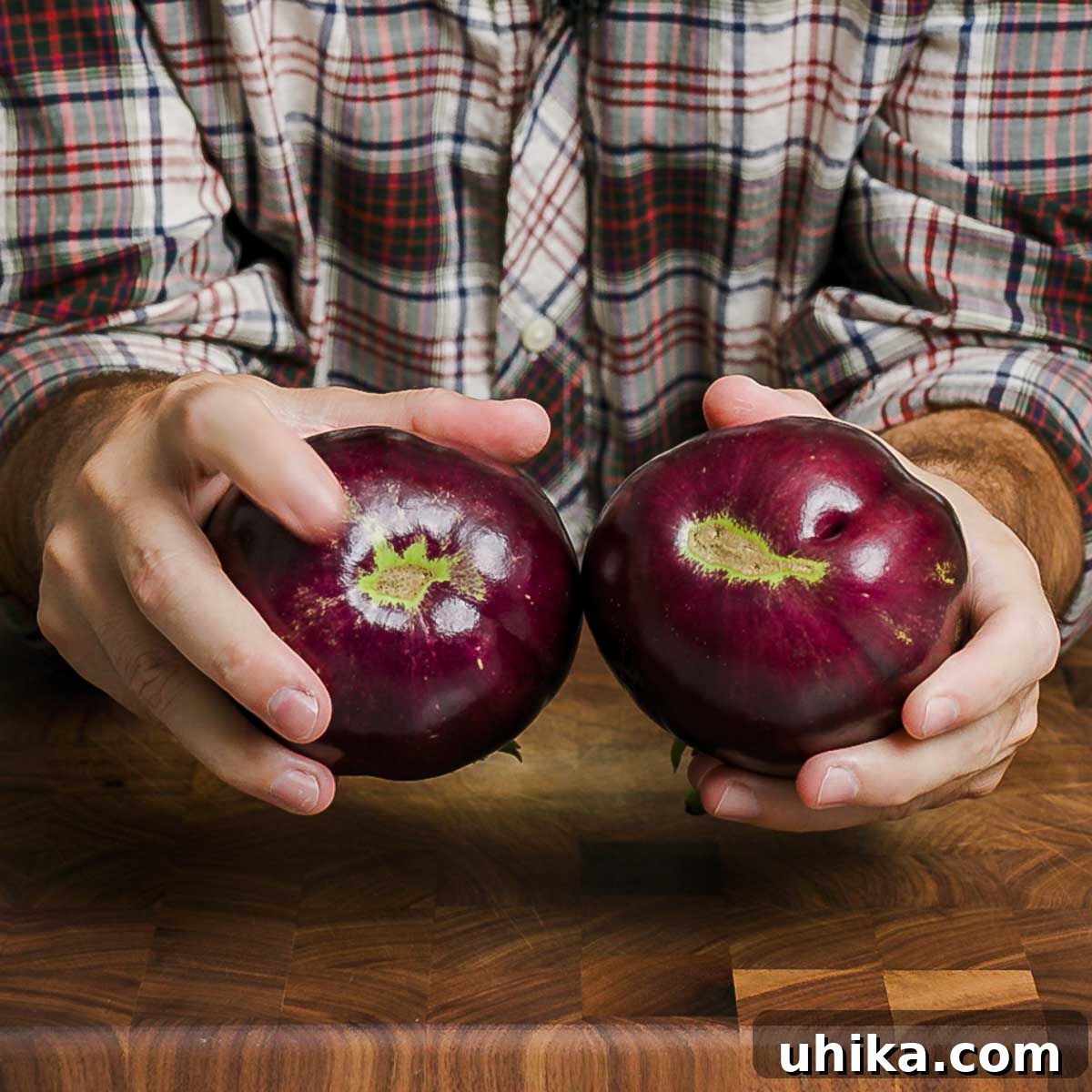
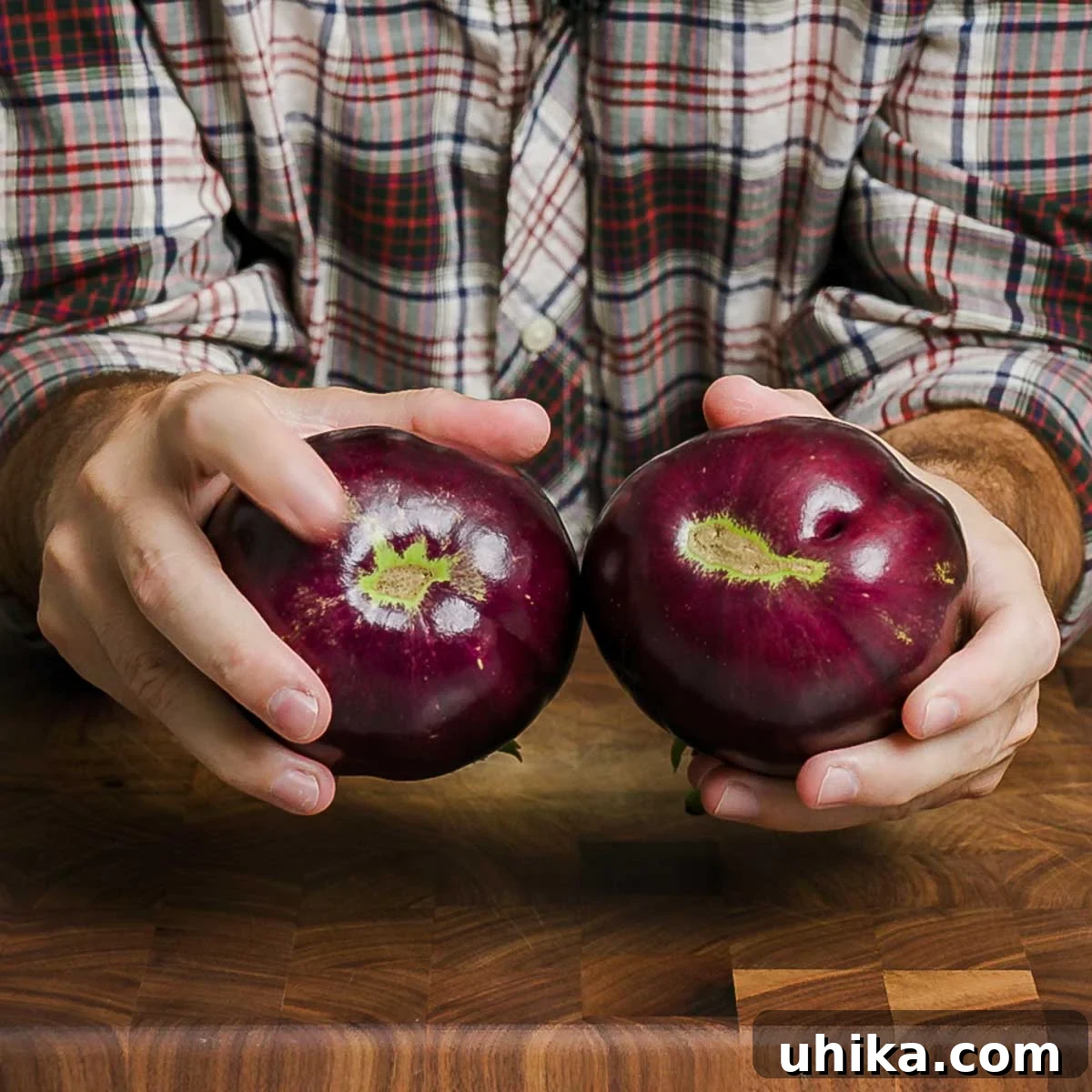
Not long after we shared our cherished recipe video for Pasta alla Norma, a traditional Sicilian dish highlighting the versatile eggplant, our comments section was abuzz with a peculiar piece of advice. Many viewers insisted we should have chosen a “male” eggplant because they supposedly contain fewer seeds and are less bitter. This claim struck a chord with me, as it’s a piece of kitchen lore I’d heard countless times during my own childhood. For years, I wondered about its validity, and it turns out, the truth is far simpler and scientifically sound.
After a little digging, I discovered this widely held belief is, in fact, nothing more than a culinary myth. The notion of “male” and “female” eggplants is botanically incorrect. Eggplants, like many other flowering plants, are hermaphroditic, meaning each individual plant and its fruit contain both male and female reproductive parts. There’s no scientific basis for categorizing them by sex or suggesting that one type has fewer seeds than another based on external characteristics like the indentation at the bottom. The “dimple” or “belly button” at the base of an eggplant fruit, which some claim indicates its gender (a small, round dimple for males; a larger, elongated dash for females), is simply the remnant of where the flower was attached. Its size and shape can vary due to genetics, growing conditions, and maturity, but it has absolutely no bearing on the number of seeds inside or the bitterness of the fruit.
So, what *does* affect an eggplant’s seed count or bitterness? Primarily, it’s the variety of eggplant, its maturity when harvested, and the conditions under which it was grown. Overly mature eggplants or those grown in stressful conditions can indeed have more seeds and a slightly bitter taste. The best way to choose a good eggplant, regardless of its mythical gender, is to select one that is firm, glossy, and feels heavy for its size. The skin should be taut and unblemished. For those concerned about bitterness, salting sliced eggplant before cooking can draw out some moisture and any potential bitterness, though modern eggplant varieties are often bred to be less bitter than their predecessors. Discarding the “male” or “female” concept frees you to pick truly great eggplants every time.
More Culinary Conundrums: Unraveling Common Cooking Myths for Better Results
Beyond the intriguing eggplant myth, our Episode 10 podcast delves into a host of other fascinating culinary claims and misconceptions that can impact your cooking. We tackle everything from seafood cooking techniques to achieving pasta perfection and even debunk the truth about that infamous post-Thanksgiving food coma. Let’s peel back the layers and get to the bottom of these kitchen mysteries, providing you with practical, evidence-based advice to elevate your home cooking.
1. The Shrimp Shape Saga: C vs. O – A Myth of Overcooking
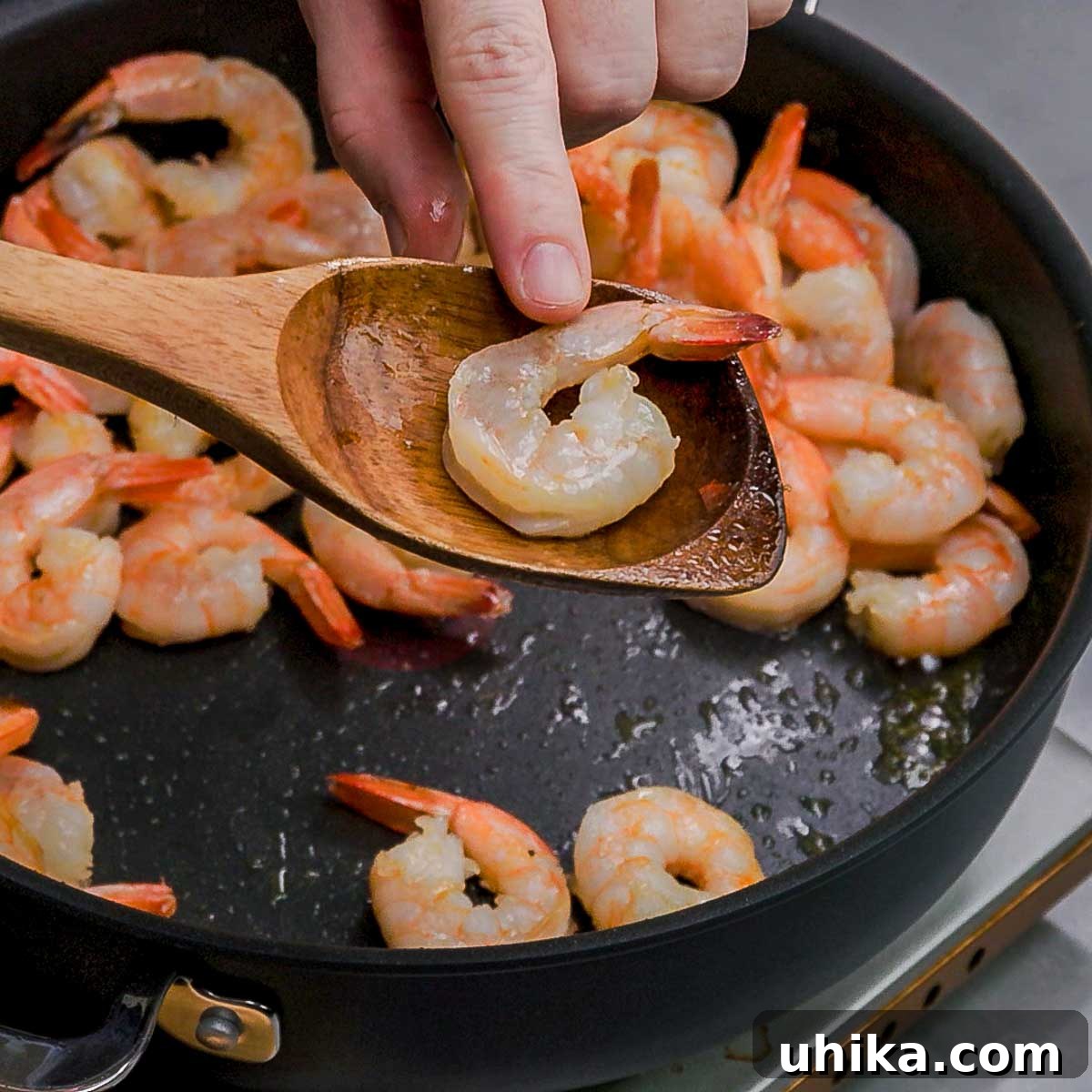
Have you ever been told that perfectly cooked shrimp should form a gentle “C” shape, and if they curl into a tight “O,” they’re definitely overcooked? This is a common piece of advice, often shared as a golden rule for cooking shrimp. While a tightly curled “O” can indeed be a sign of overcooked, rubbery shrimp, the ideal “C” shape isn’t always a hard-and-fast rule, nor is it the sole indicator of doneness.
The most reliable indicator of perfectly cooked shrimp is an opaque, pink color throughout, with a slight firmness to the touch. Overcooked shrimp become tough, chewy, and dry, losing their delicate texture and sweet flavor. The degree of curl can be influenced by the size of the shrimp, the intensity of the heat, and even the cooking method. To avoid overcooking, which is the most common mistake with shrimp, cook them quickly over medium-high heat until they just turn opaque, usually 2-3 minutes per side, depending on their size. Don’t be afraid to take one out and cut it open to check for doneness. Trust your eyes and your touch more than the precise curl of the shell. Recipes like our Shrimp alla Vodka and Shrimp Tomato Basil Pasta are perfect for practicing this delicate balance.
2. Salting Pasta Water: As Salty as the Sea? Understanding the Flavor Impact
“Salt your pasta water until it tastes like the sea.” This directive is practically etched into every Italian grandmother’s culinary gospel and is widely preached by chefs. But is it really necessary to make it *that* salty? While the exact salinity of the Mediterranean might be a slight exaggeration for most palates, the underlying principle is absolutely true: adequately salting your pasta water is crucial for flavorful pasta.
Pasta absorbs salt as it cooks, seasoning the noodles from the inside out. If the water isn’t salty enough, the pasta itself will taste bland and flat, no matter how delicious your sauce is. This is because pasta is essentially a blank canvas, and its primary seasoning comes from the cooking liquid. The recommended ratio is typically 1-2 tablespoons of kosher salt (or fine sea salt) per gallon of water. Don’t worry about consuming too much sodium; most of the salt stays in the cooking water. This process creates a harmonious base for any sauce, enhancing its overall flavor profile. So yes, be generous with the salt, but perhaps aim for a slightly less intense “sea” flavor – more like a well-seasoned broth – that you’d enjoy sipping.
3. The Turkey Takedown: Does Tryptophan Really Make You Tired? The Truth Behind Post-Meal Drowsiness
The myth that turkey, due to its tryptophan content, is solely responsible for that post-Thanksgiving dinner nap is one of the most enduring food myths. Tryptophan is an amino acid that can be converted into serotonin and then melatonin, which promotes sleep. However, turkey doesn’t contain an exceptionally high amount of tryptophan compared to other common foods like chicken, cheese, or nuts.
The real culprits behind holiday food comas are more likely a combination of factors. First, the sheer volume of food consumed, especially large quantities of high-carbohydrate dishes like mashed potatoes, stuffing, and desserts. These foods trigger an insulin response that helps amino acids, *other than* tryptophan, get absorbed into the bloodstream more quickly, indirectly allowing more tryptophan to reach the brain. Second, the general relaxation and often sedentary nature of a holiday meal, coupled with alcohol consumption, significantly contribute to drowsiness. Your body is working hard to digest a massive meal, diverting energy to your gut. So, while turkey plays a small role, it’s not the primary sedative. Blaming the bird alone lets the other contributing factors off the hook!
4. Washing Chicken: A Risky Habit That Spreads Bacteria
Many home cooks grew up with the habit of washing raw chicken before cooking, believing it cleans the meat and removes harmful bacteria. However, this practice has been largely debunked by food safety experts and is strongly discouraged. Washing raw chicken under the tap actually increases the risk of cross-contamination.
Splashing water can spread harmful bacteria like Salmonella and Campylobacter from the chicken to your sink, countertops, utensils, and other foods, potentially leading to foodborne illness. These bacteria are too small to be washed away by water; they require heat to be destroyed. The heat from cooking is what effectively kills bacteria on chicken, making washing unnecessary and potentially dangerous. Instead of washing, simply pat chicken dry with clean paper towels (and immediately discard them) before cooking. Ensure your cooking surfaces, cutting boards, and any utensils that came into contact with raw poultry are cleaned thoroughly with hot, soapy water, or run through a dishwasher, immediately after use. Always cook chicken to an internal temperature of 165°F (74°C) to ensure safety.
5. Rinsing Pasta After Cooking: A Flavor Faux Pas You Should Avoid
Should pasta be rinsed after cooking? For most dishes, especially those intended to be served hot with sauce, the answer is a resounding no. Rinsing cooked pasta under cold water removes the thin layer of starchy film that naturally coats the noodles. This starchy coating is absolutely vital for helping your sauce adhere to the pasta, allowing the flavors to meld beautifully and creating a cohesive dish. Rinsing also cools down the pasta, which isn’t ideal for hot dishes and can make your sauce less appealing.
The only time rinsing might be acceptable is if you’re making a cold pasta salad and specifically want to prevent the noodles from sticking together while cooling, or if you need to stop the cooking process immediately for a very specific culinary reason. Otherwise, drain your pasta quickly in a colander, reserving some of the starchy pasta water. Immediately toss the drained pasta with your sauce. The reserved pasta water can then be used to loosen the sauce to the desired consistency and help emulsify it, creating a richer, glossier coating.
6. Fresh vs. Canned Tomatoes: When is Fresh Always Best?
It seems intuitive that fresh ingredients are always superior, and for many items, this holds true. However, when it comes to tomatoes for sauce, the “fresh is always best” rule isn’t quite so black and white. Out-of-season fresh tomatoes, often picked green and ripened artificially, frequently lack the deep, concentrated flavor, sweetness, and acidity needed for a truly rich, vibrant sauce. During peak harvest season, typically summer, fresh, ripe, local tomatoes are undeniably fantastic for dishes where their bright, raw flavor shines, like bruschetta, fresh salsas, or simple salads.
For cooked sauces, especially those simmered for an extended period, high-quality canned tomatoes (like San Marzano from Italy or good quality domestic whole peeled tomatoes) are often the superior choice. They are picked and processed at their absolute peak ripeness, locking in an intense, balanced flavor that can far surpass mediocre fresh tomatoes available off-season. Always opt for whole peeled canned tomatoes for sauces, as they tend to be higher quality and less processed than diced or crushed varieties, and you can crush them by hand to your preferred texture. Our Ciambotta and Ratatouille recipes demonstrate how versatile tomatoes can be in different forms, highlighting when fresh might be preferred for brightness versus when canned offers depth.
7. Aluminum Foil: The Shiny and Dull Side Myth Debunked
There’s a persistent belief that the shiny and dull sides of aluminum foil have different cooking purposes – one side for heating, the other for cooling, or reflecting heat differently. This is a common misconception that has baffled home cooks for generations. The truth is much simpler. The difference in appearance between the two sides is simply a byproduct of the manufacturing process and has no functional significance in the kitchen.
During production, aluminum foil is rolled in large sheets. To prevent tearing as it’s stretched to its desired thinness, two layers are often pressed together and run through the rolling mill simultaneously. The side that comes into contact with the highly polished steel rollers becomes shiny, while the side that rubs against another layer of aluminum foil remains dull. Scientifically, there’s no significant difference in their ability to retain or reflect heat. Both sides perform identically when it comes to cooking, wrapping, or storing food. So, feel free to use whichever side you prefer – or whichever side happens to be facing up when you unroll it – without worrying about affecting your cooking results.
8. Oil in Pasta Water: Does It Prevent Sticking? Why This Myth Harms Your Sauce
Adding a splash of oil to your pasta water is a widespread practice, often taught with the belief that it prevents the pasta from sticking together. While it might seem like a logical solution, this is another myth that can actually hinder your cooking and negatively impact the final dish. Oil and water don’t mix, so when you add oil to boiling water, it simply floats on the surface. It doesn’t effectively coat the pasta in a way that prevents sticking.
More importantly, if any oil does cling to the pasta as it’s drained, it can create a slick barrier on the noodles. This barrier then prevents your delicious sauce from properly adhering to the pasta, leading to a less flavorful and unsatisfying dish where the sauce slides right off instead of coating each strand. The best ways to prevent pasta from sticking are far simpler and more effective: use plenty of water (at least 4-6 quarts per pound of pasta), ensure the water is at a vigorous rolling boil before adding pasta, and stir the pasta frequently, especially during the first few minutes of cooking. This ensures the starch is released evenly and the pasta cooks properly without clumping.
Conclusion: Embrace Knowledge, Enhance Your Cooking Experience
As we’ve journeyed through these common culinary myths, it becomes clear that separating fact from fiction can significantly elevate your cooking experience. Understanding the science and reasoning behind common kitchen practices not only makes you a better, more efficient cook but also instills confidence in your culinary choices. From selecting the right eggplant to properly salting your pasta water and understanding vital food safety protocols, debunking these myths helps us all approach cooking with greater insight and enjoyment.
Every home cook, regardless of experience level, has encountered these pervasive food myths. By dispelling them, we empower ourselves to make smarter decisions in the kitchen, leading to tastier meals and a more rewarding cooking process. We hope this episode of The Sip and Feast Podcast has been an engaging and informative listen, prompting you to question culinary wisdom and seek out the truth. Continue to question, learn, and experiment in your kitchen. Every meal is an opportunity to create something delicious, informed by knowledge rather than unfounded tales.
Resources from The Sip and Feast
Explore these related recipes and podcast episodes for more culinary inspiration and to put your new knowledge into practice:
- Pasta alla Norma
- Shrimp alla Vodka
- Shrimp Tomato Basil Pasta
- Ratatouille
- Ciambotta
- Pasta Fagioli
- Olive Bread
If you enjoyed this episode on Busting Culinary Myths, we’d love to hear from you! Leave us a comment below and share your thoughts or any other food myths you’d like us to tackle in future episodes. Your feedback and questions are invaluable to us!
We value your questions and encourage you to send them our way. Please email your culinary queries to [email protected]. There’s no question not worth asking when it comes to cooking!
If you enjoy our weekly podcast and want to support our mission of bringing you delicious recipes and debunking food myths, consider joining us on Patreon. As a patron, you’ll receive 2 exclusive bonus episodes each month, giving you even more culinary insights and entertainment!
Thanks for listening and happy cooking, myth-free!
For a complete list of all our podcast episodes, visit our podcast episode page.