
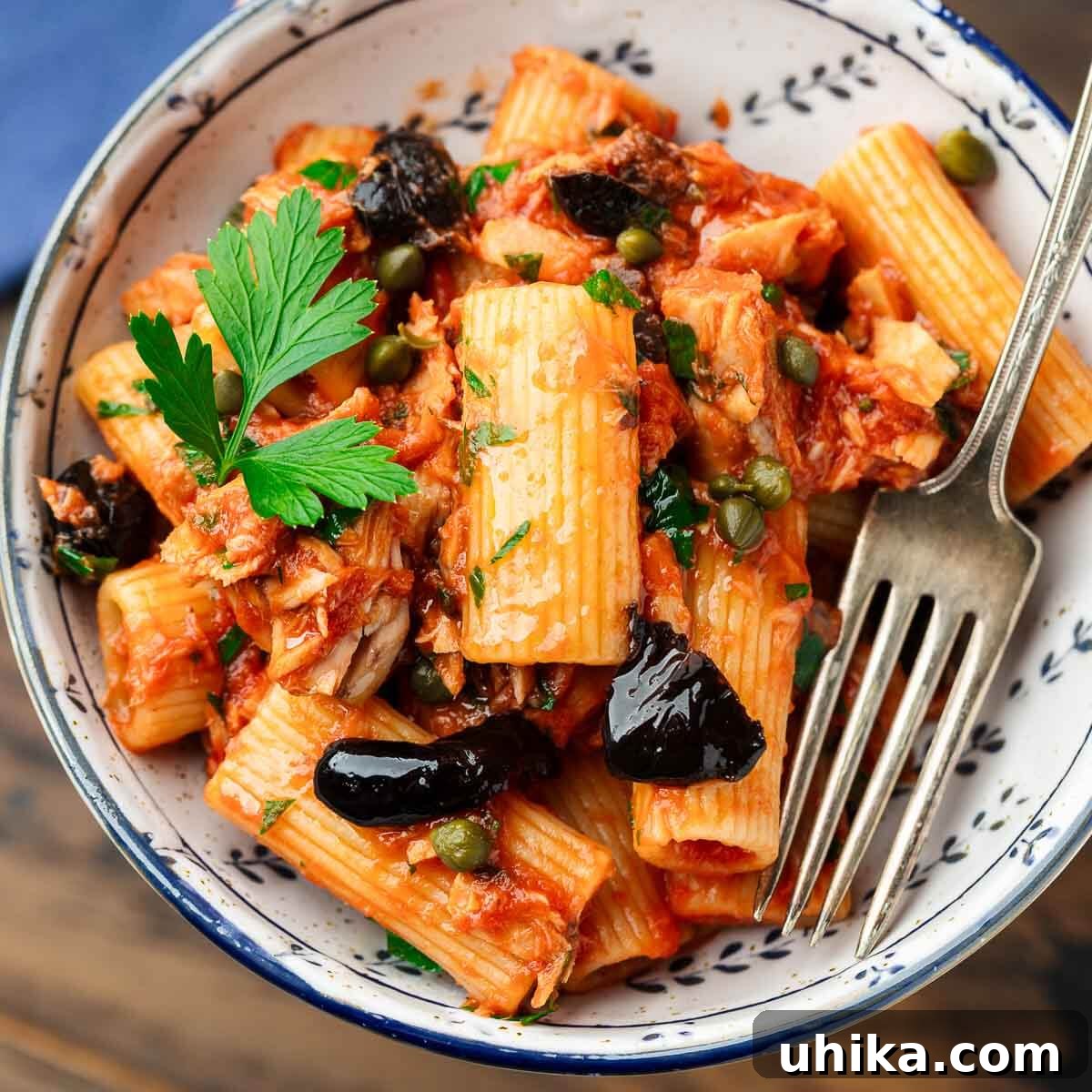
Discover the ultimate weeknight savior: a delightful Pasta al Tonno recipe that’s incredibly simple, budget-friendly, and bursting with Mediterranean flavors. This Italian classic, featuring canned yellowfin tuna, briny capers, savory olives, and a rich tomato sauce, comes together in just about 35 minutes, making it an indispensable staple for busy evenings.
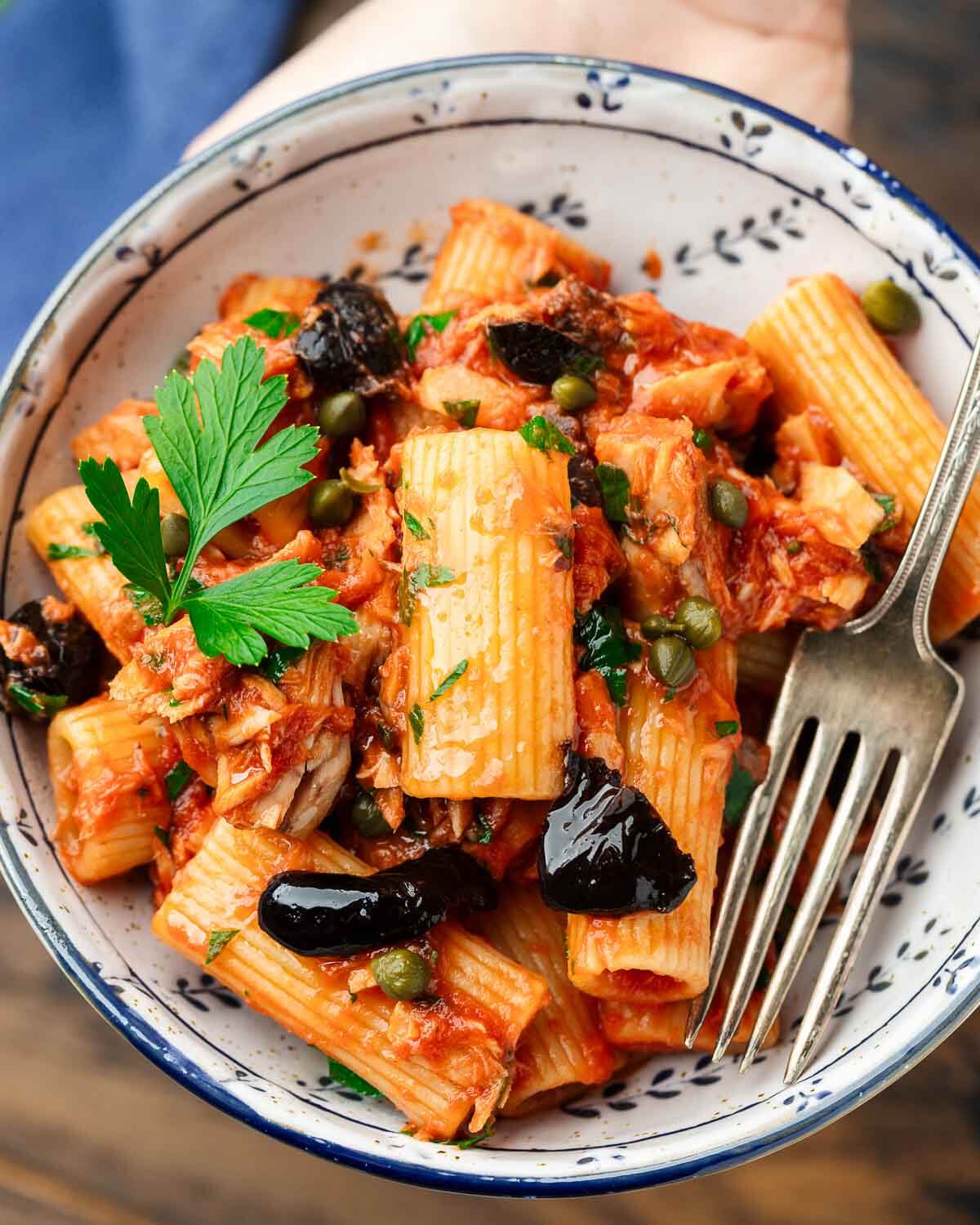
Delicious Pasta al Tonno: Your Go-To Weeknight Italian Tuna Pasta Recipe
Pasta al Tonno, or pasta with tuna sauce, is a beloved dish in Italian households, including our own. Its enduring popularity stems from its incredible simplicity and the fact that it relies on ingredients most people always have in their pantry. This makes it an ideal choice for those evenings when time is short but you crave a satisfying, flavorful meal that feels both comforting and authentic.
Imagine this: by the time your pasta water comes to a boil and your chosen pasta shape is cooked to al dente perfection, the robust tuna rosso sauce will be ready to embrace it. This recipe is a testament to the magic of minimal effort yielding maximum taste, transforming humble canned tuna into a gourmet experience.
Our version of Pasta al Tonno proudly features premium canned or jarred oil-packed yellowfin tuna, combined with the distinct briny notes of capers and olives, and a hint of anchovy for an umami depth. This combination lends it a delightful similarity to the renowned Pasta Puttanesca, but with the star power of tuna. The inclusion of smooth passata (tomato puree) creates a vibrant rosso, or red sauce, setting it apart from lighter, cream-based tuna pasta recipes. It’s a hearty, balanced dish that brings the soul of Italy right to your kitchen.
Why You’ll Love This Easy Tuna Pasta Recipe
This simple pasta dish shines brightly on its own, a complete and satisfying meal that requires little else. However, for those looking to elevate the experience, it pairs beautifully with a side of sautéed broccoli rabe for a touch of bitter green contrast or followed by a crisp green salad dressed with a bright Italian vinaigrette. Here are just a few reasons why Pasta al Tonno will quickly become a favorite in your culinary repertoire:
- Unbeatable Speed: With a total time of just 35 minutes from start to finish, this recipe is designed for maximum efficiency without compromising on taste.
- Budget-Friendly Brilliance: Utilizing affordable pantry staples like canned tuna, olives, and pasta, it’s a smart choice for delicious dining on a budget.
- Pantry Powerhouse: Most ingredients are shelf-stable or readily available, making it easy to whip up even on a whim.
- Rich Mediterranean Flavors: The combination of tuna, tomatoes, capers, olives, and anchovy creates a harmonious blend of savory, salty, and slightly piquant notes that transport you straight to the Italian coast.
- Versatility at its Best: While perfect as is, this recipe is also a fantastic base for customization. Add extra vegetables, different herbs, or a squeeze of lemon to suit your preference.
Essential Ingredients for the Perfect Pasta al Tonno
The beauty of Pasta al Tonno lies in its humble yet powerful ingredients. Each component plays a crucial role in building the dish’s distinct flavor profile. Below is a visual guide to the core ingredients, along with special notes to help you select the best for an authentic taste.
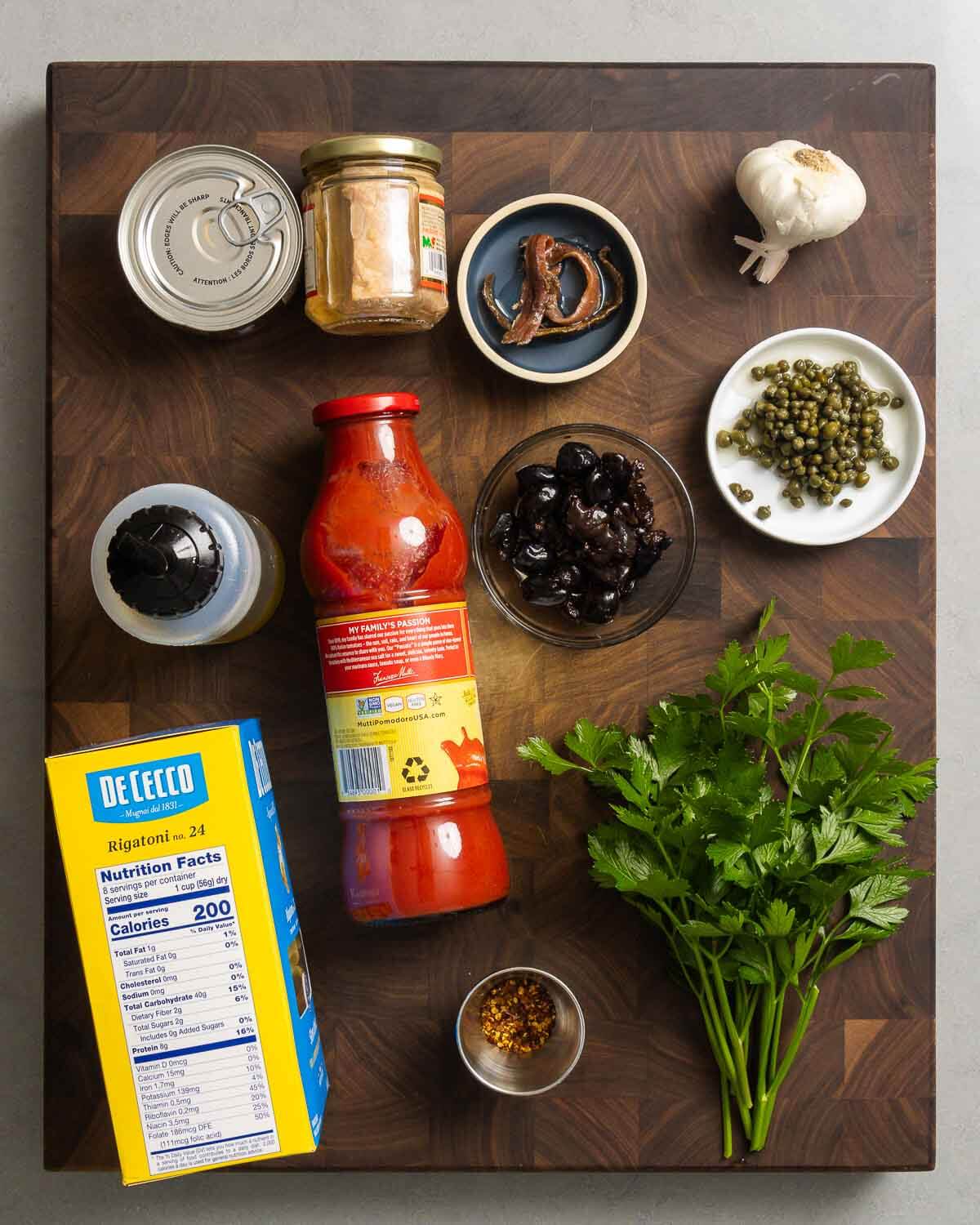
- Tuna: The Star. Since tuna is the cornerstone of this dish, invest in the highest quality canned or jarred tuna your budget allows. For Pasta al Tonno, oil-packed yellowfin tuna is highly preferred over albacore in water. The oil not only infuses the tuna with flavor but also contributes to the richness of the sauce, providing a more tender texture.
- Olives and Capers: The Briny Boost. These two ingredients are fundamental to the dish’s signature salty and tangy character, working in harmony with the anchovies. It’s crucial to rinse the olives and capers thoroughly before adding them to prevent the pasta from becoming overly salty. Choose pitted oil-cured black olives for the best flavor and texture.
- Passata: The Tomato Base. We opt for passata, which is essentially a strained tomato puree, for its smooth texture and concentrated tomato flavor. It creates a thick, vibrant sauce quickly. If passata isn’t available, high-quality crushed or whole canned San Marzano tomatoes, crushed by hand, can be used as a delicious alternative.
- Anchovies: The Secret Umami. Don’t let anchovies intimidate you! When cooked in olive oil, they melt into the sauce, providing a profound depth of savory, umami flavor without making the dish taste “fishy.” They are a secret weapon in many Italian sauces and are highly recommended here.
- Garlic and Red Pepper Flakes: The Aromatic Foundation. Fresh garlic, sliced or minced, forms the aromatic base, while crushed red pepper flakes add a subtle warmth and gentle heat, characteristic of many southern Italian pasta dishes. Adjust the amount of flakes to your preferred spice level.
- Fresh Parsley: The Finishing Touch. A generous amount of fresh flat-leaf Italian parsley, minced just before serving, adds a bright, herbaceous freshness that cuts through the richness of the sauce and elevates the overall flavor.
- Extra Virgin Olive Oil: The Italian Gold. A good quality extra virgin olive oil is essential for sautéing and forms the base of the sauce, imparting its fruity, peppery notes.
- Pasta: The Canvas. While rigatoni is specified in the recipe card, any sturdy, tubular pasta like penne, ziti, or even spaghetti or linguine would work wonderfully, allowing the sauce to cling to every strand or fill every crevice.
For precise measurements and detailed quantities, please refer to the comprehensive recipe card located at the end of this article.
How to Make Pasta al Tonno: Step-by-Step Guide
Creating this flavorful Pasta al Tonno is a straightforward process, perfectly designed for efficiency and delicious results. Follow these numbered steps, which correspond to the visual cues in the process shots below, to achieve a perfectly balanced and incredibly tasty meal.
- Prepare Your Ingredients & Start the Sauce: Begin by bringing a large pot of generously salted water to a rolling boil for your pasta. While the water heats, prepare your aromatics and briny components: rinse and drain 2 tablespoons of capers, thinly slice 6 cloves of fresh garlic, and finely mince 1/4 cup of flat-leaf Italian parsley. For the olives, soak 1/4 cup of pitted oil-cured olives in water for 5-10 minutes to reduce their saltiness, then rinse them well and chop them roughly. Heat a large, sturdy pan over medium heat, then add 1/4 cup of extra virgin olive oil, the sliced garlic, and 3 small anchovy fillets. Sauté this mixture for 2-3 minutes, stirring occasionally, until the garlic turns a beautiful golden hue and the anchovies have completely melted into the oil, creating a rich, savory base.
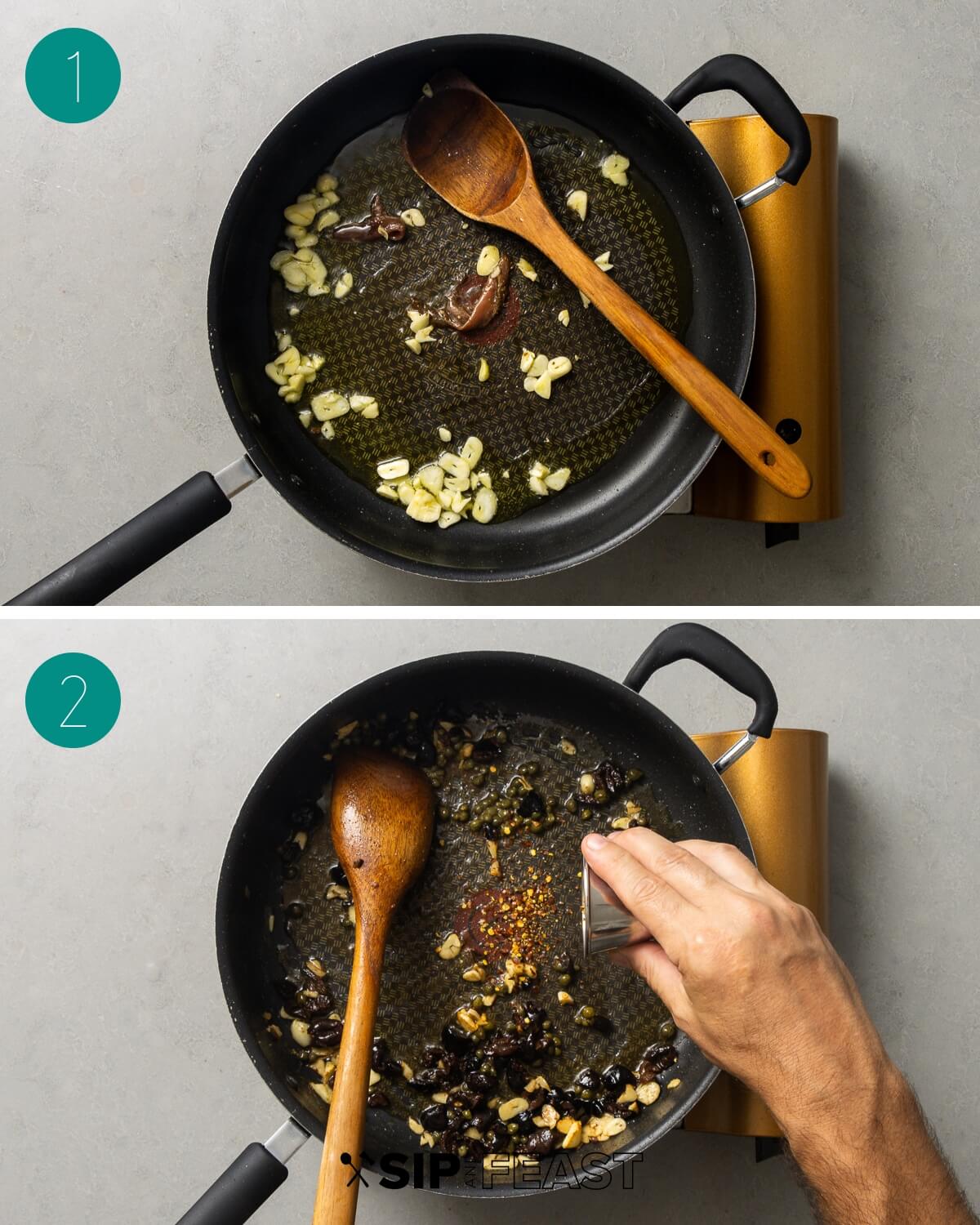
- Layer the Flavors: Add the prepared capers and chopped olives to the pan with the garlic and anchovy oil. Cook for a quick 30 seconds, allowing their flavors to meld with the aromatics. Next, stir in 1/2 teaspoon of crushed red pepper flakes and continue to cook for another 30 seconds. This brief cooking time helps to release the capers’ essence and bloom the spice of the red pepper flakes.
- Incorporate the Tuna: Gently add 10-12 ounces of canned or jarred yellowfin tuna (drained, if packed in water, though oil-packed is recommended) to the pan. Use a wooden spoon to gently break the tuna into smaller, flaky pieces, ensuring it combines well with the developing sauce base. Be careful not to mash it too much; we want some texture.
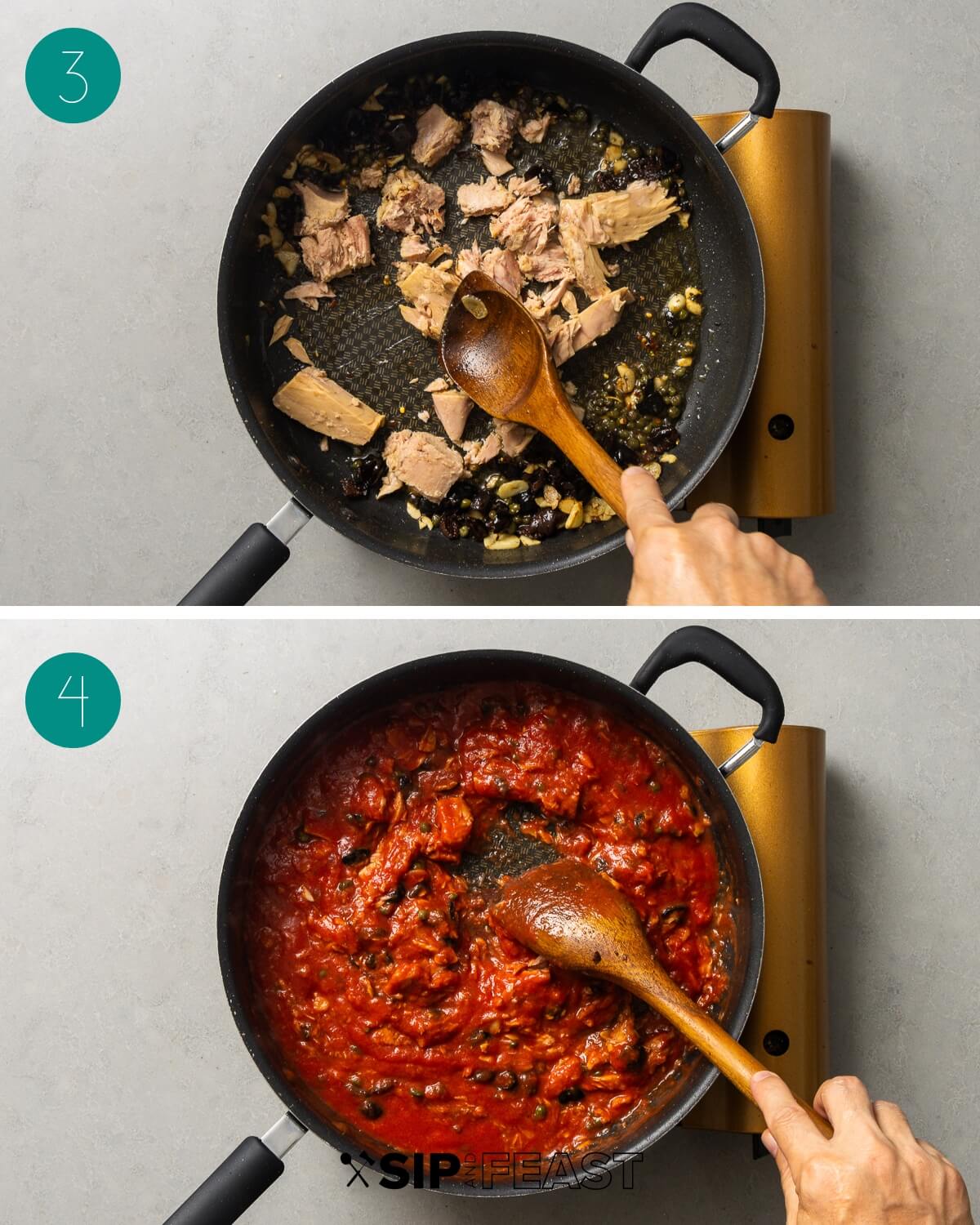
- Simmer the Sauce & Cook the Pasta: Pour in one 24-ounce jar of passata (tomato puree) into the pan. Stir everything together thoroughly and bring the sauce to a gentle simmer. Reduce the heat slightly to maintain a low simmer while the flavors marry. At this point, add 1 pound of rigatoni or your preferred tubular pasta to the vigorously boiling salted water. Cook the pasta until it is about 1 minute less than al dente. This slight undercooking is crucial, as the pasta will finish cooking directly in the sauce.
- Combine Pasta and Sauce: Using tongs, transfer the slightly undercooked pasta directly from the boiling water into the simmering red tuna sauce in the pan. Don’t worry about carrying over a little pasta water – it’s a valuable asset! Toss the pasta vigorously with the sauce, ensuring every piece is beautifully coated.
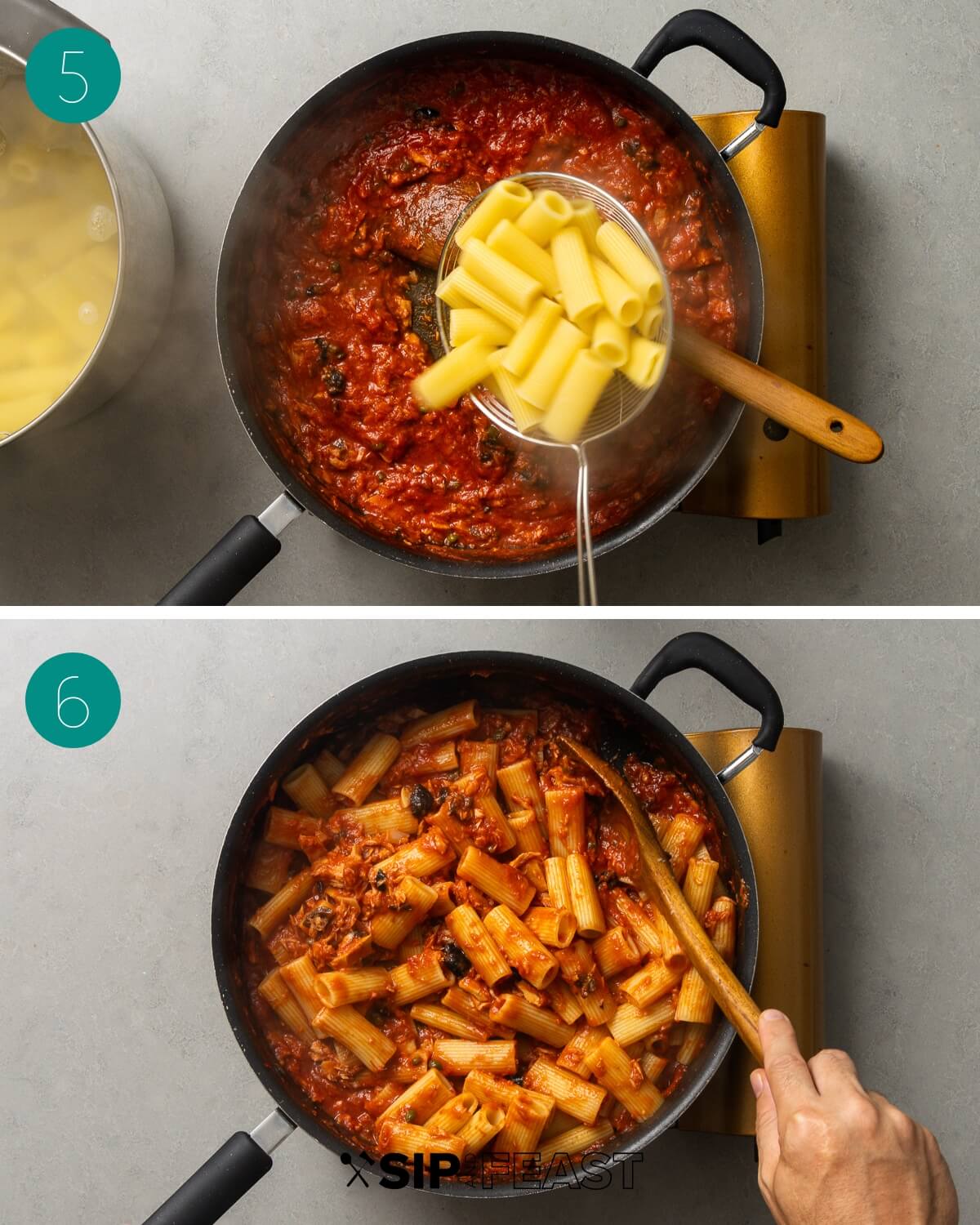
- Finish and Serve: If the sauce appears too dry or thick, add a splash of the reserved pasta water, a little at a time, stirring until the desired silky consistency is achieved. Continue to cook, stirring frequently, until the pasta reaches a perfect al dente texture. Remove the pan from the heat. Taste test the pasta and sauce, adjusting for salt (you’ll likely need very little, if any, due to the capers, olives, and anchovies) and freshly ground black pepper to your preference. Finally, stir in the minced fresh parsley. Serve immediately and savor every delicious forkful of your homemade Pasta al Tonno!
Pro Tips for the Best Tuna Pasta Sauce
Achieving the perfect Pasta al Tonno is easy with a few key considerations. These tips will help you maximize flavor and ensure your dish is nothing short of exceptional.
- Prioritize Ingredient Quality: With a recipe as simple as Pasta al Tonno, where only a handful of ingredients shine, the quality of each component truly matters. Opt for high-quality, oil-packed yellowfin tuna, fresh garlic, robust extra virgin olive oil, and flavorful olives and capers for the most authentic and delicious result.
- Never Discard Pasta Water Too Soon! This is a golden rule in all our pasta recipes. The starchy pasta water is your best friend for achieving a luscious, perfectly emulsified sauce. Reserve at least 1.5 cups (though you might not need all of it) and add it gradually, a tablespoon at a time, to help the sauce cling beautifully to the pasta and reach your desired consistency. It prevents the sauce from becoming too thick or dry.
- Balance the Saltiness: Capers, olives, and anchovies are all inherently salty. Rinsing the capers and soaking the oil-cured olives is a crucial step to prevent the dish from becoming overwhelmingly salty. Always taste your sauce before adding any additional salt. You’ll often find it needs very little, if any, extra seasoning.
- Don’t Overcook the Tuna: Canned tuna is already cooked, so it only needs to be gently warmed through and incorporated into the sauce. Excessive cooking can make the tuna dry and less flavorful. Add it towards the middle of the sauce preparation and break it up gently.
- Fresh Herbs Make a Difference: While dried herbs have their place, fresh parsley provides a vibrant, clean finish that brightens the entire dish. Don’t skimp on the fresh parsley – it adds a beautiful pop of color and essential freshness.
- Adjust Spice to Your Liking: The crushed red pepper flakes add a pleasant warmth. If you prefer more heat, feel free to increase the amount. For a milder dish, you can reduce or even omit them.
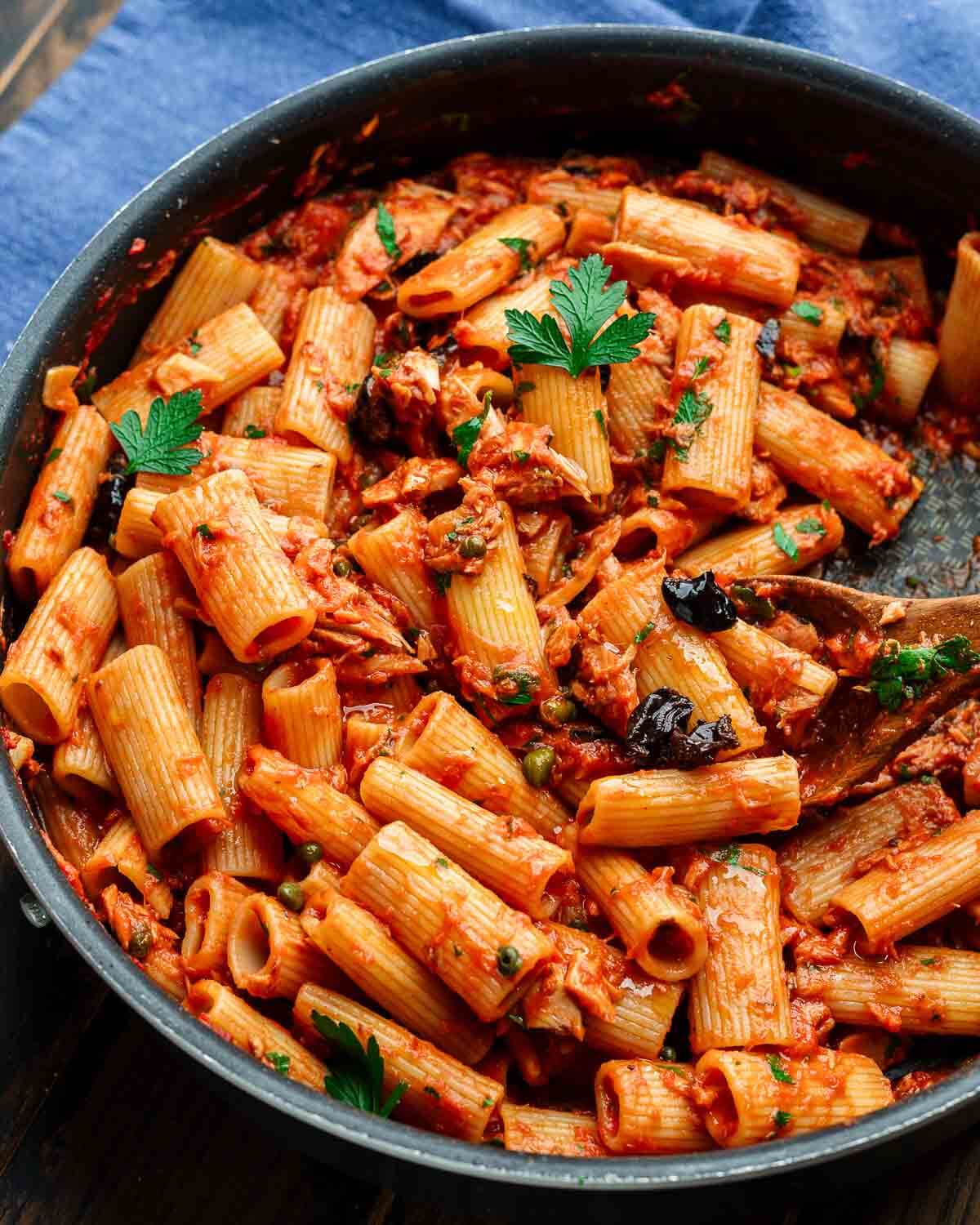
Serving Suggestions & Perfect Pairings
Pasta al Tonno is wonderfully satisfying on its own, but it also welcomes complementary side dishes that can elevate your meal. For a classic Italian experience, consider serving it with:
- Crisp Green Salad: A simple mixed green salad with a light Italian vinaigrette provides a refreshing contrast to the rich pasta.
- Sautéed Greens: Bitter greens like sautéed broccoli rabe or spinach with garlic and olive oil make an excellent pairing, offering a delightful counterpoint to the tuna and tomato.
- Crusty Bread: Don’t forget a loaf of fresh, crusty Italian bread to soak up every last drop of the delicious sauce.
- Wine Pairing: A dry white wine such as a crisp Pinot Grigio, Vermentino, or a light-bodied rosé would complement the flavors beautifully.
Variations to Customize Your Pasta al Tonno
While this recipe delivers a traditional and delicious Pasta al Tonno, don’t hesitate to personalize it with your favorite ingredients or pantry staples:
- Add More Vegetables: Sauté some cherry tomatoes, finely diced bell peppers, or a handful of fresh spinach along with the garlic for added nutrients and color.
- Herb Enhancements: Beyond parsley, a pinch of dried oregano or fresh basil added at the end can introduce different aromatic dimensions.
- A Zesty Finish: A squeeze of fresh lemon juice or a sprinkle of lemon zest just before serving can brighten the flavors and add a refreshing tang.
- Spicy Kick: If you love heat, increase the red pepper flakes or add a dash of your favorite chili oil at the end.
Storing and Reheating Leftovers
Pasta al Tonno makes for fantastic leftovers, often tasting even better the next day as the flavors have more time to meld. Store any leftover pasta in an airtight container in the refrigerator for up to 3-4 days.
To reheat, gently warm the pasta in a pan over medium-low heat, adding a splash of water or vegetable broth to loosen the sauce and prevent it from drying out. Stir frequently until heated through. Alternatively, you can reheat it in the microwave, stirring halfway through.
Frequently Asked Questions (FAQs)
Here are answers to some common questions about making Pasta al Tonno:
- Can I use tuna packed in water instead of oil? While oil-packed yellowfin tuna is recommended for its superior flavor and texture, you can use tuna packed in water. Be sure to drain it well and consider adding a little extra olive oil to the sauce to compensate for the richness lost from the tuna oil.
- What type of pasta works best? Tubular pasta shapes like rigatoni, penne, or ziti are excellent as they capture the sauce wonderfully. However, long pasta like spaghetti or linguine also pairs beautifully with this robust sauce.
- Is this dish spicy? The recipe calls for 1/2 teaspoon of crushed red pepper flakes, which provides a gentle warmth rather than intense heat. You can easily adjust this amount to suit your spice preference.
- Can I make this sauce ahead of time? The tuna sauce can be prepared a day in advance and stored in the refrigerator. Reheat gently and then add freshly cooked pasta when ready to serve. This can further cut down on weeknight cooking time!
More Delicious Pasta Recipes You’ll Love
- Pasta con le Sarde – A Sicilian delight featuring pasta with canned sardines, wild fennel, pine nuts, and toasted breadcrumbs.
- Linguine with Canned Clams – The easiest white clam sauce recipe, perfect for a quick and flavorful seafood pasta.
- Lemon Garlic Shrimp Pasta – A bright and zesty dish with seared shrimp, fragrant lemon zest, fresh garlic, and parsley.
We hope you’ve enjoyed this Pasta al Tonno Recipe! If you’ve tried it or any other recipe on this site, we encourage you to share your experience by leaving a 5-star rating and telling us about it in the comments below.
We believe in providing content for various learning styles. If you are someone who prefers to learn by watching, you can find many of our recipes, including similar ones, on our YouTube channel and our Facebook Page.
Pasta al Tonno Recipe Card
James Delmage
5
30
35
4
Pin
Ingredients
- 1 pound rigatoni
- 1/4 cup extra virgin olive oil
- 6 cloves garlic sliced
- 10-12 ounces canned yellowfin tuna
- 2 tablespoon capers rinsed and drained
- 1/2 teaspoon crushed hot red pepper flakes
- 1/4 cup parsley minced
- 1 1/2 cups pasta water (will not need all of it)
- 3 small anchovy fillets
- 1/4 cup pitted oil-cured black olives (chopped and soaked in water)
- 1 24-ounce jar passata
Instructions
- Bring a large pot of salted water to boil.
- Heat a large pan to medium with extra virgin olive oil and add the garlic and anchovies. Saute until the garlic is golden (2-3 minutes) then add the capers and olives to the pan and cook for 30 seconds.
- Next add the crushed red pepper flakes and cook for 30 seconds before adding the tuna pieces to the pan. Lightly break the tuna apart with a wooden spoon. Add the passata and bring the sauce to a gentle simmer. At this time begin cooking the pasta until 1 minute less than al dente.
- Add the pasta to the tuna sauce and toss to coat well. If the sauce is too dry, add a touch of reserved pasta water. Cook, stirring frequently, until the pasta reaches al dente then remove the pan from the heat.
- Taste test and adjust salt and pepper to taste. Mix in the parsley and serve. Enjoy!
Notes
- No extra salt was added due to the addition of the capers, olives, and anchovies. Adjust according to personal taste.
- Use the pasta water to get the sauce just right and to avoid it drying out before serving.
- Yellowfin tuna fillets packed in oil are preferred, but canned albacore can be used.
Nutrition
Nutrition information is automatically calculated, so should only be used as an approximation.
Like this? Leave a comment below!
Check us out on Instagram at @sipandfeast or tag #sipandfeast!