
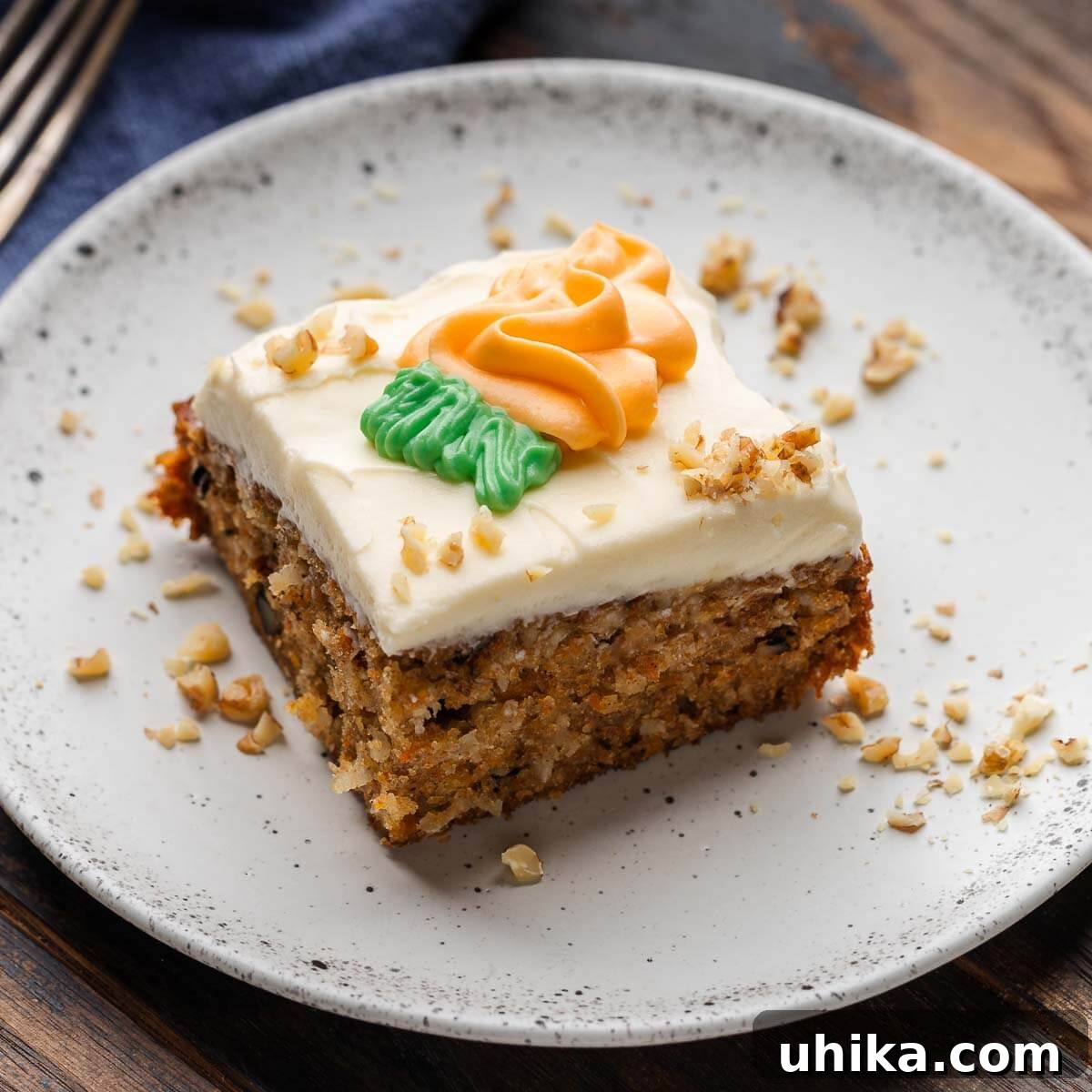
Indulge in the ultimate culinary delight with this recipe for the Best Carrot Cake you’ll ever taste! This cake stands out for its incredibly moist texture, perfectly balanced sweetness, and a cream cheese frosting that is simply unforgettable. It’s surprisingly easy to prepare, making it the ideal dessert for any occasion – from festive holidays like Easter to special birthdays, or just when you’re craving a truly exceptional homemade treat.
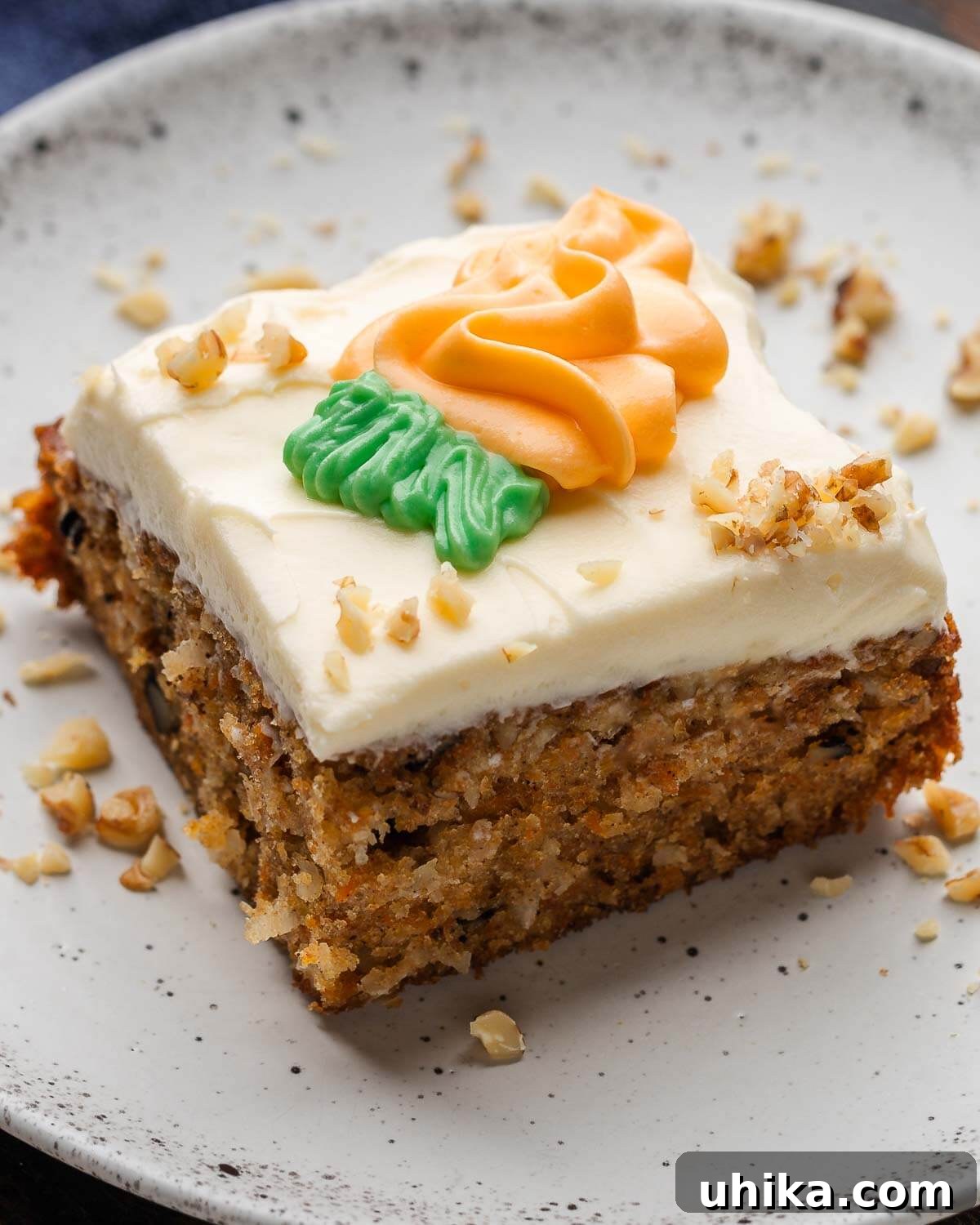
There truly is nothing quite like a slice of homemade carrot cake with cream cheese frosting. The magic of this classic dessert lies in the harmonious blend of textures and flavors. Each bite delivers a delightful chewiness from the freshly shredded carrots, a satisfying crunch from the nuts, and an aromatic warmth from the carefully selected spices. These elements combine to create a deeply flavorful cake that is wonderfully complemented by a cream cheese frosting that is not overly sweet, but perfectly tangy and rich. This recipe has been perfected to ensure a consistently moist crumb and a frosting that is simply irresistible.
The Irresistible Allure of Carrot Cake
Carrot cake has a rich history, believed to have originated from medieval European carrot puddings, which were a sweet alternative when sugar was expensive. Over centuries, it evolved into the beloved dessert we know today. What makes this particular recipe the “best” is its commitment to maximizing moisture, balancing sweetness with spice, and achieving that iconic, irresistible cream cheese frosting. It’s a cake that satisfies on every level – visually appealing, wonderfully fragrant, and exquisitely delicious. Perfect for gatherings, it’s a proven crowd-pleaser that will have everyone asking for the recipe.
Essential Cake Ingredients for a Moist & Flavorful Bake
Crafting the perfect carrot cake begins with high-quality ingredients. Below, you’ll find a detailed look at the components that make this cake so special, along with specific tips to ensure the best outcome. The visual reference for all ingredients is available in the image provided.
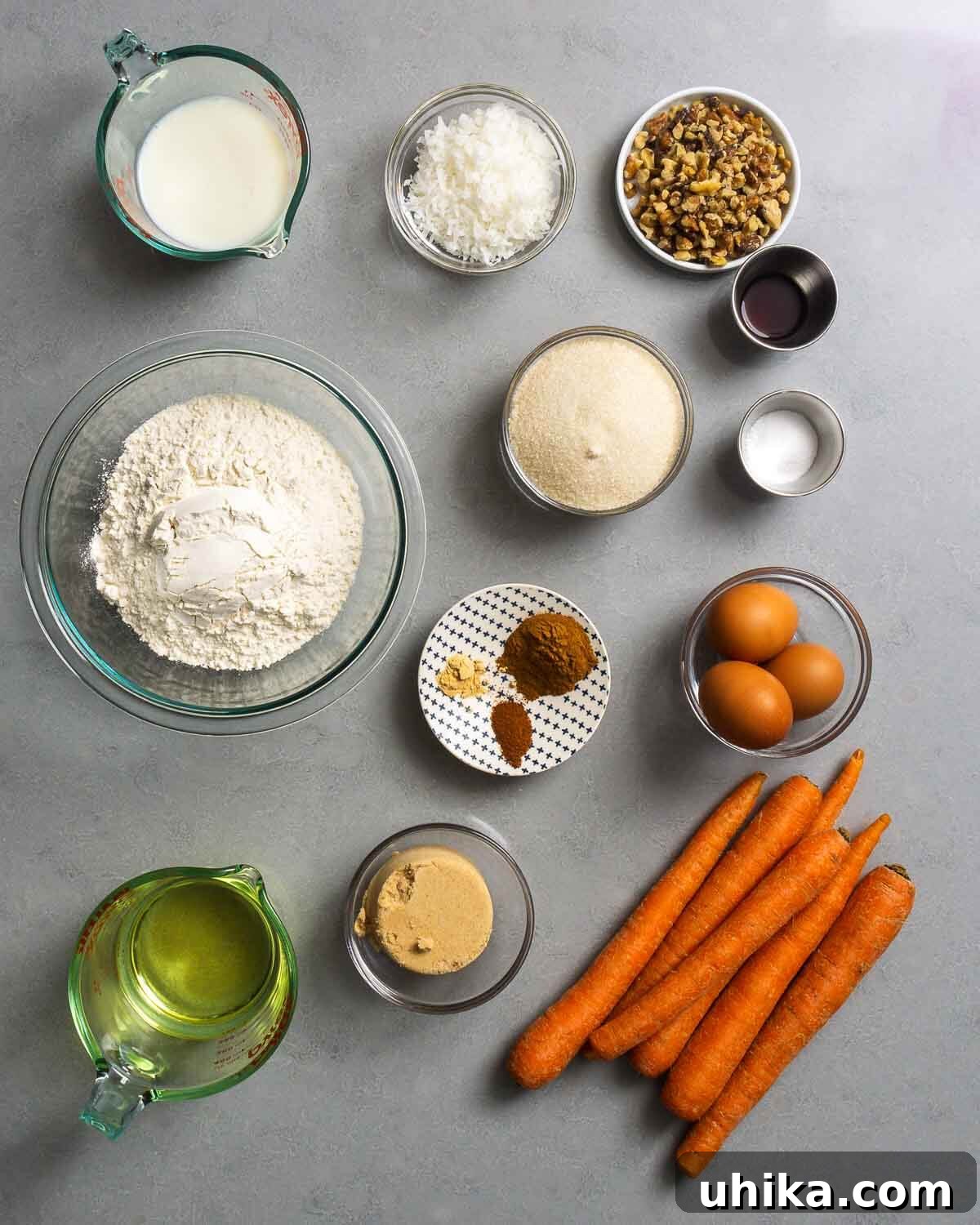
- Carrots: The star of the show! Always opt for whole carrots and shred them yourself just before baking. Pre-shredded carrots from the grocery store tend to be drier and can lack the essential moisture and fresh flavor needed for an exceptionally moist cake. Freshly grated carrots release more natural juices, which are key to this cake’s tenderness.
- Oil: A neutral-flavored oil like vegetable oil or avocado oil is recommended. Oil contributes to the cake’s moisture and tender crumb more effectively than butter in many cake recipes, preventing it from drying out over time.
- Buttermilk: This ingredient adds a subtle tang and react with the baking soda to create a lighter, more tender crumb. If you don’t have buttermilk on hand, you can easily make your own. Simply add 1 tablespoon of white vinegar or lemon juice to a measuring cup, then fill the rest of the cup with regular milk (any fat percentage) and let it sit for 5-10 minutes until it slightly curdles. This DIY buttermilk works perfectly.
- Sweetened Coconut: We use Baker’s sweetened coconut flakes. This addition is not just for flavor, but also significantly enhances the texture and boosts the cake’s moisture content, adding a delightful chewiness.
- Walnuts: Chopped walnuts provide a wonderful crunch and nutty flavor that complements the spices and carrots beautifully. If you’re not a fan of walnuts, pecans make an excellent alternative and can be swapped in equal measure. For an even richer flavor, you can lightly toast the nuts before adding them to the batter.
- Spices (Cinnamon, Nutmeg, Ginger): This trio of warming spices is crucial for the classic carrot cake flavor profile. Ensure your spices are fresh for maximum aroma and impact. Old, stale spices lose their potency and won’t deliver the vibrant taste you desire.
- Sugars (Granulated & Brown): The combination of both white and brown sugar provides depth of flavor and moisture. Brown sugar, with its molasses content, helps keep the cake moist and adds a subtle caramel note.
For precise measurements and a comprehensive list of all ingredients and quantities, please refer to the recipe card at the end of this article.
Crafting the Perfect Cream Cheese Frosting
No carrot cake is complete without a luscious, tangy cream cheese frosting. The secret to its velvety texture and balanced flavor lies in the quality and temperature of your ingredients. The image below showcases the simple yet powerful ingredients that create this iconic frosting.
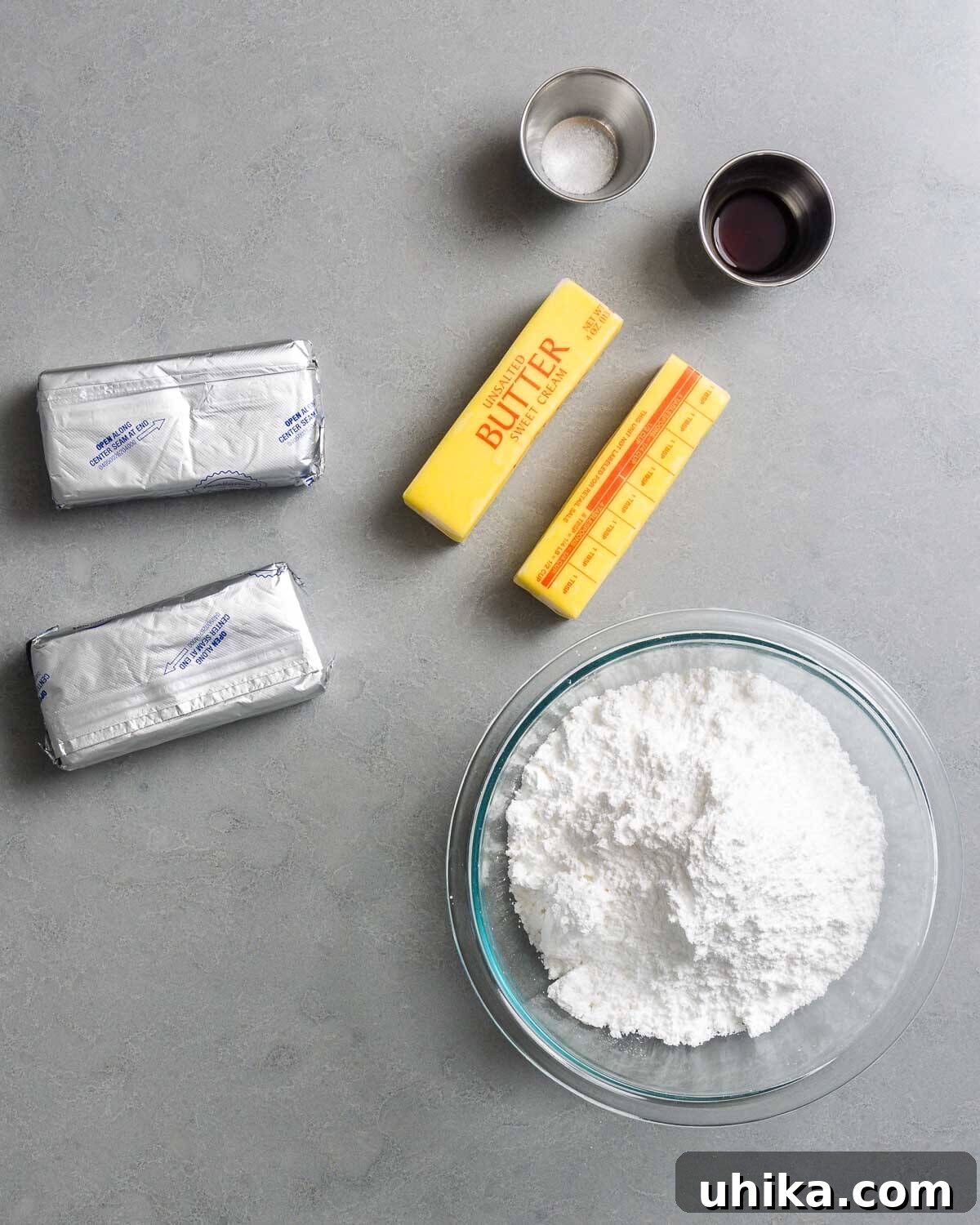
- Unsalted Butter: It is imperative that your butter is at true room temperature. This means it should be soft enough to indent with your finger but not melted. Room temperature butter creams beautifully with the cream cheese, creating a smooth, lump-free frosting with the perfect consistency. Using unsalted butter allows you to control the overall saltiness of the frosting.
- Cream Cheese: Just like the butter, your cream cheese must be at room temperature. This is vital for achieving a smooth, well-combined frosting without lumps. Always use full-fat brick cream cheese, not the whipped or spreadable varieties, as these have a different consistency and water content that will not yield the desired frosting texture. The tanginess of the cream cheese perfectly cuts through the sweetness of the cake, creating a delightful contrast.
- Vanilla Extract: A good quality vanilla extract enhances the overall flavor profile of the frosting, adding a warm, aromatic note.
- Confectioner’s Sugar (Powdered Sugar): This fine sugar dissolves smoothly into the frosting, preventing a grainy texture. Adjust the amount to achieve your preferred level of sweetness and thickness.
For precise measurements of these essential ingredients, please consult the detailed recipe card provided at the end of this culinary guide.
Step-by-Step: Making the Perfect Carrot Cake
Follow these detailed instructions to bake a wonderfully moist and flavorful carrot cake from scratch. Precision in preparation ensures the best results.
- Prepare Your Baking Environment: Preheat your oven to 350°F (175°C) and position an oven rack in the middle. Line a 9×13 inch sheet pan with parchment paper, leaving an overhang on the sides for easy lifting, or thoroughly grease and flour the pan with cooking spray. Set this prepared pan aside.
- Combine Dry Ingredients: In a large mixing bowl, whisk together 2 1/2 cups (325g) of all-purpose flour (spooned and leveled), 2 teaspoons of baking soda, 1/4 teaspoon of baking powder, 1 teaspoon of fine sea salt, 1/4 teaspoon of ground nutmeg, 1/4 teaspoon of ground ginger, and 2 teaspoons of ground cinnamon. Whisk well to ensure all leavening agents and spices are evenly distributed throughout the flour.
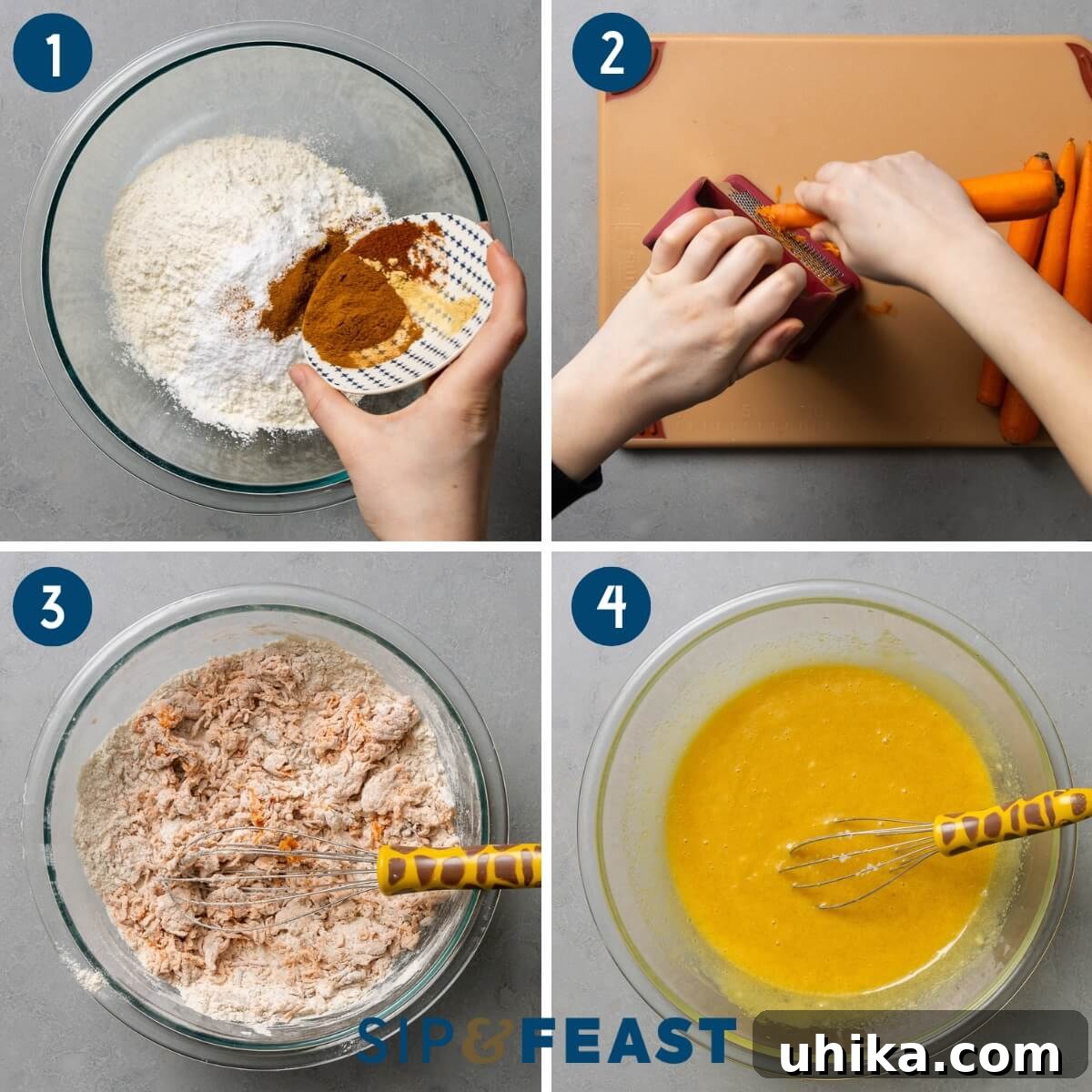
- Prepare the Carrots: Using a box grater or food processor, shred 2 1/2 cups (approximately 300g) of whole carrots. This ensures maximum moisture. Add these freshly grated carrots to your dry ingredient mixture and toss gently until the carrots are fully coated with the flour mixture. This step prevents the carrots from clumping together and ensures they are evenly dispersed throughout the cake batter, also helping to prevent them from sinking during baking.
- Combine Wet Ingredients: In a separate large bowl or the bowl of a stand mixer fitted with a paddle attachment, beat together 1 cup (200g) of granulated sugar, 1/2 cup (106g) of packed light or dark brown sugar, and 1 cup (216g) of vegetable oil until light and creamy. Incorporate 4 large eggs, adding them one at a time and beating well after each addition until fully combined. Finally, mix in 2 teaspoons of vanilla extract.
- Integrate Wet and Dry: Add 3/4 cup (168g) of buttermilk to the wet ingredients and mix until just combined. Then, gently fold in 1 cup (85g) of sweetened coconut flakes until they are evenly distributed. Gradually add the prepared dry ingredient mixture (with the coated carrots) to the wet ingredients. Mix on low speed for about 1 minute, or until just combined. Be careful not to overmix the batter; overmixing can develop the gluten in the flour, leading to a tough cake.
- Add Walnuts: Gently fold in 3/4 cup (84g) of chopped walnuts using a spatula or spoon until they are evenly dispersed throughout the batter.
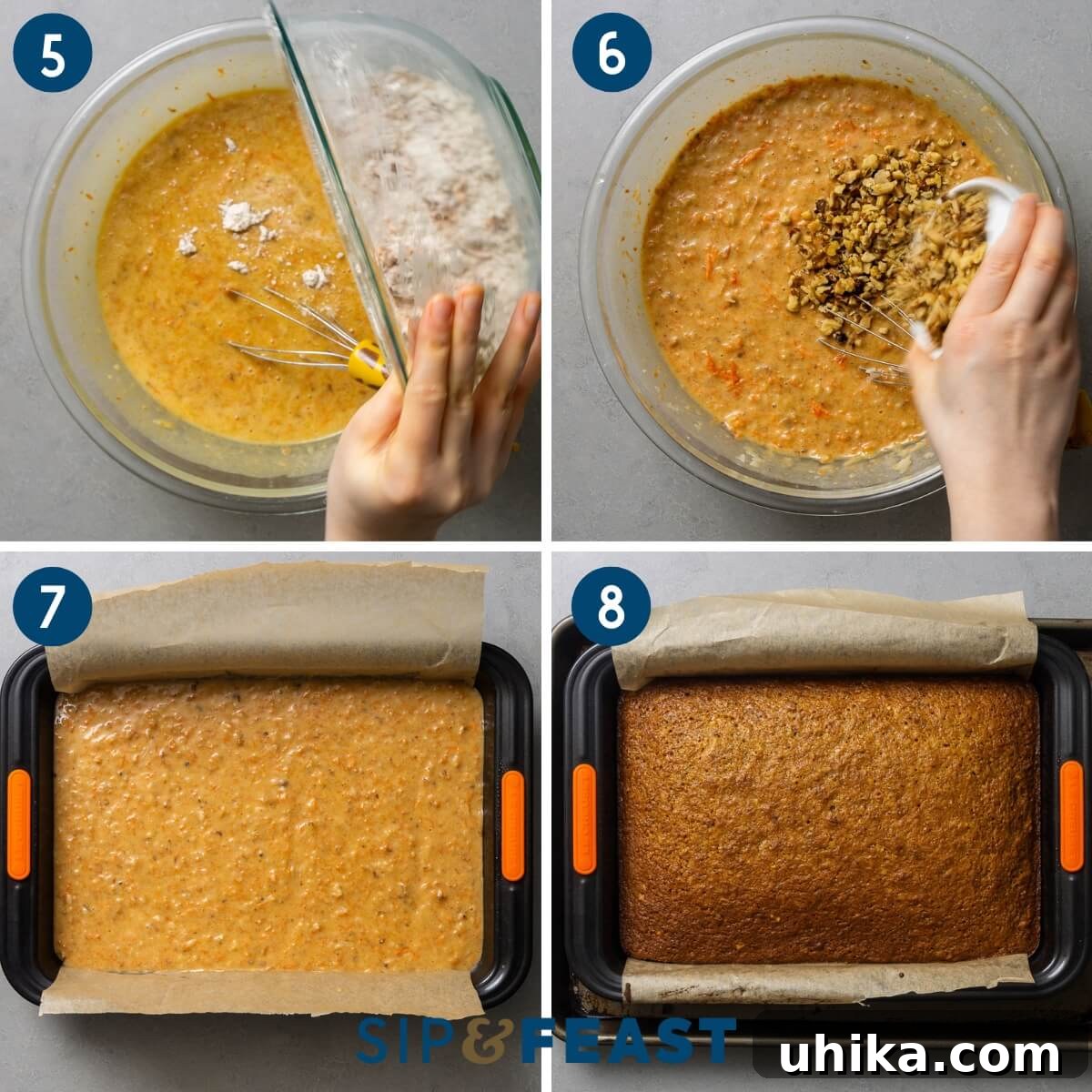
- Bake the Cake: Pour the evenly mixed carrot cake batter into your prepared sheet pan, spreading it out smoothly with an offset spatula to ensure even baking. Bake for 40-50 minutes. Start checking for doneness at the 40-minute mark by inserting a wooden toothpick into the center of the cake. The cake is fully baked when the toothpick comes out clean or with only a few moist crumbs attached.
- Cooling Process: Once baked, remove the carrot cake from the oven. Allow it to cool in the baking pan for at least 10 minutes. This resting period helps the cake set and prevents it from breaking. After 10 minutes, carefully invert the cake onto a wire rack to allow it to cool completely to room temperature before applying any frosting. Frosting a warm cake will cause the frosting to melt and slide off.
Perfecting the Cream Cheese Frosting and Finishing Touches
Once your carrot cake has cooled completely, it’s time to prepare and apply the dreamy cream cheese frosting. Follow these steps for a smooth and delicious finish.
- Cream Butter and Cream Cheese: In a large mixing bowl or the bowl of a stand mixer fitted with a paddle attachment, beat together 1 cup (226g) of room temperature unsalted butter and 16 ounces (452g) of room temperature brick cream cheese for 2 minutes on medium speed. Continue beating until the mixture is light, fluffy, and visibly creamy, with no lumps remaining.
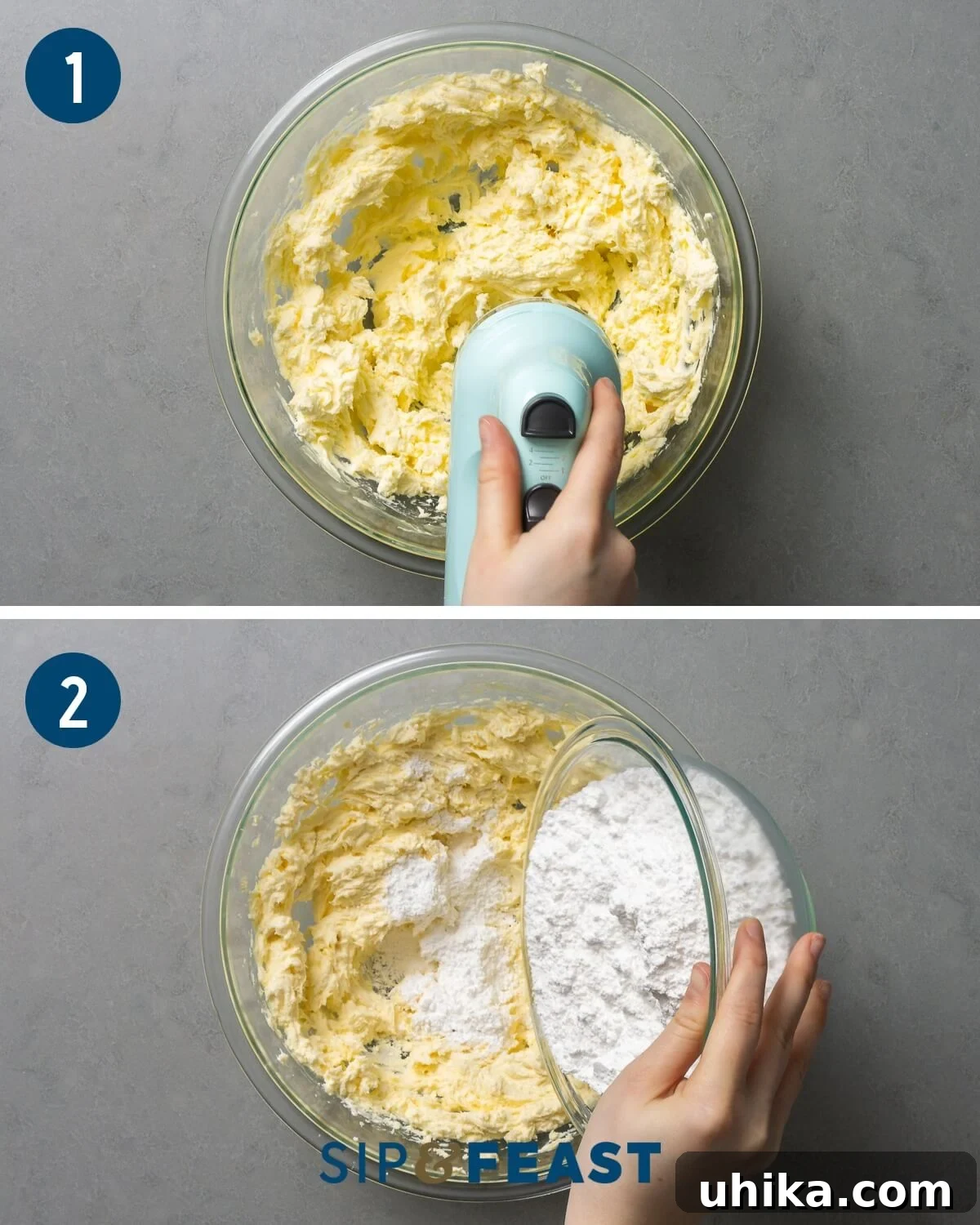
- Add Remaining Frosting Ingredients: Reduce the mixer speed to low. Add 2 teaspoons of vanilla extract, 1/4 teaspoon of fine sea salt, and 4 cups (466g) of confectioner’s sugar. Beat on low speed for about 30 seconds until the sugar is mostly incorporated, preventing a cloud of sugar from forming. Then, increase the speed to medium to medium-high and beat for an additional 2 minutes until the frosting is smooth, light, and perfectly airy.
- Adjust Consistency: Check the consistency of your cream cheese frosting. If you find it too thin, gradually add the remaining 1 cup of confectioner’s sugar (up to a total of 5 cups), one tablespoon at a time, beating well after each addition until your desired thick and pipeable consistency is achieved. The perfect frosting should hold its shape beautifully.
- Frost the Cake: With your carrot cake fully cooled, scoop the prepared cream cheese frosting onto the cake. Use an offset spatula or the back of a spoon to gently and evenly distribute the frosting across the entire surface of the cake, creating a smooth and appealing finish.
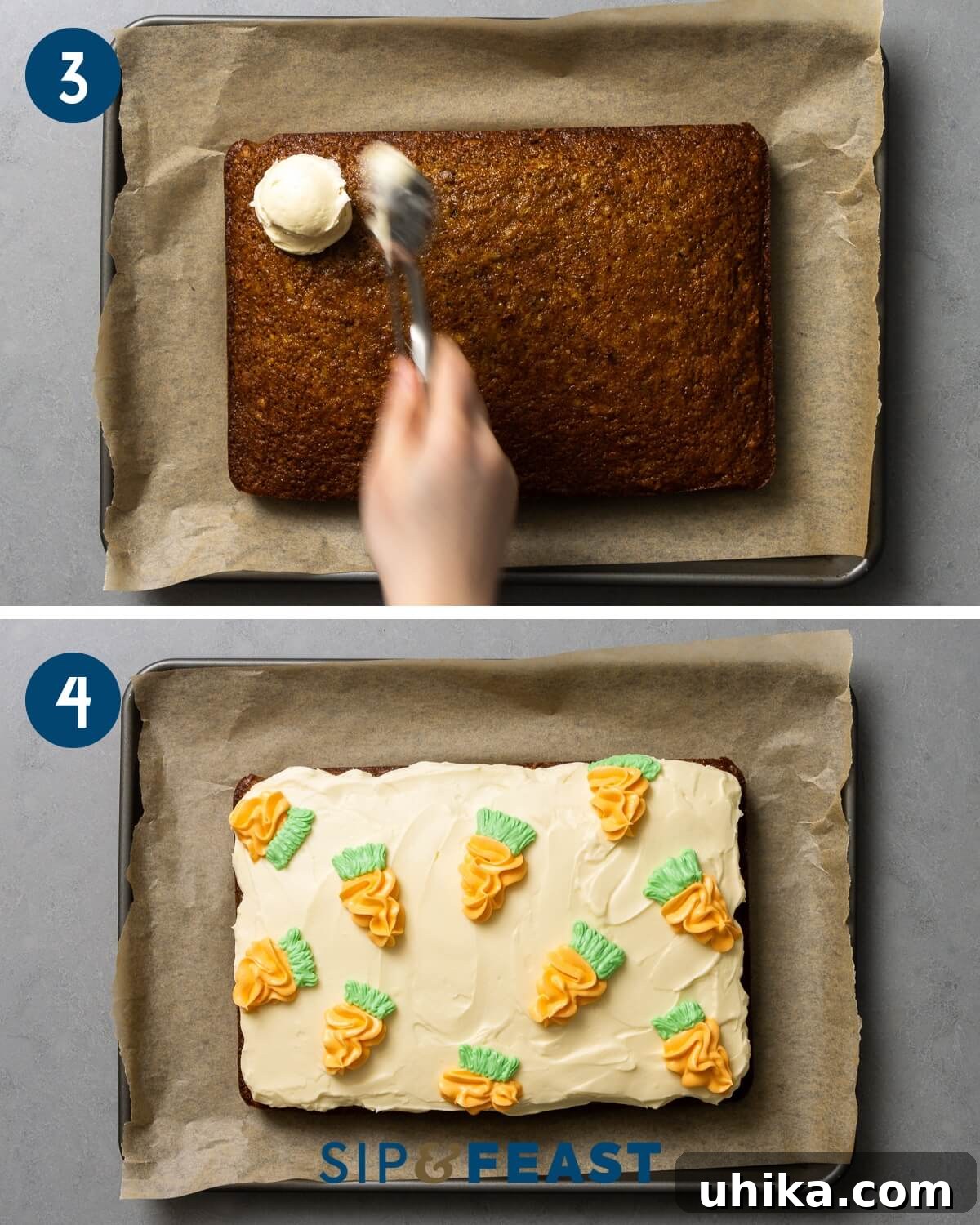
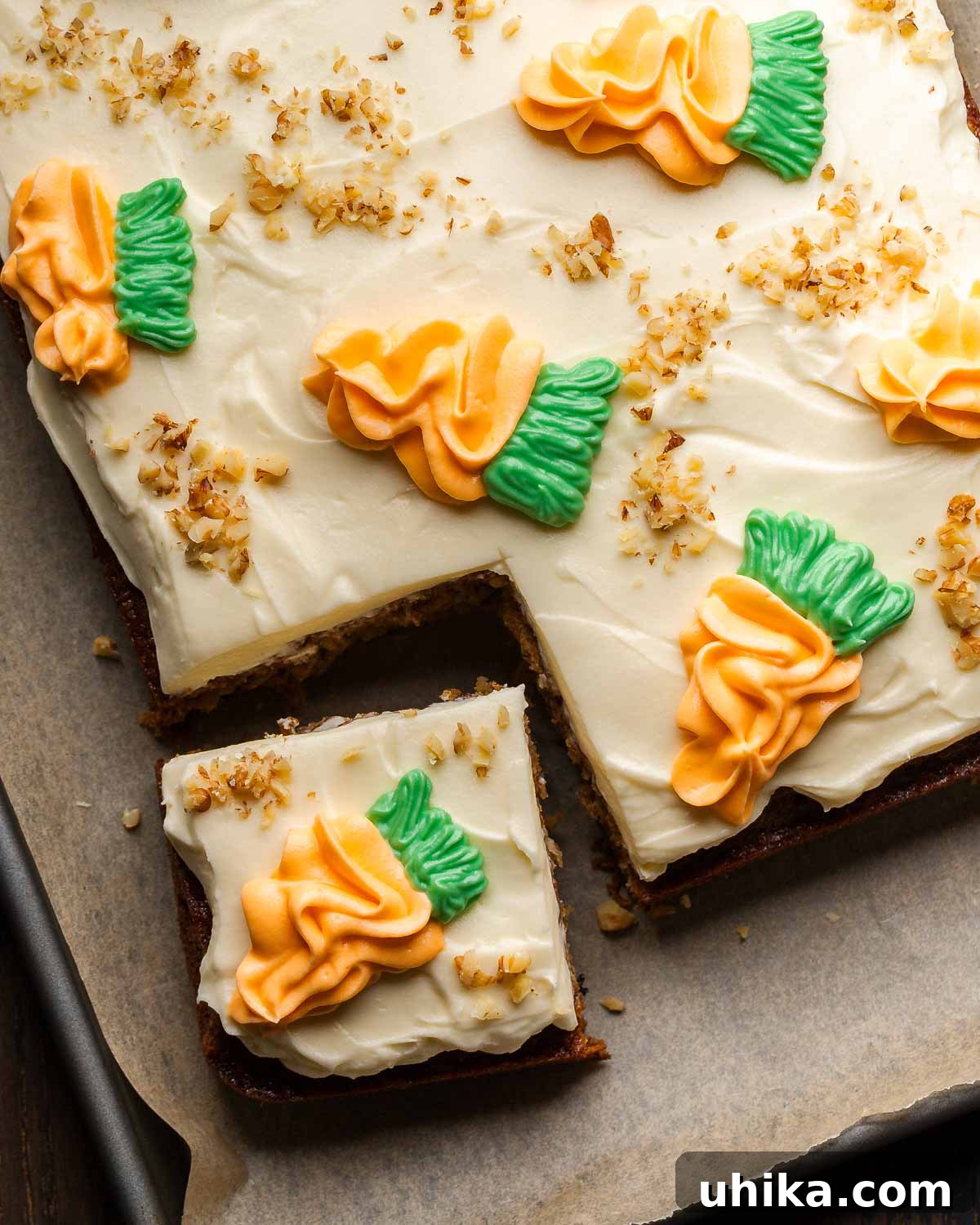
- Garnish and Decorate: Now for the fun part! Garnish your carrot cake with additional chopped nuts (like walnuts or pecans) for extra texture and visual appeal. For a charming decorative touch, separate a small amount of the remaining frosting into two bowls. Add orange food coloring to one bowl for the carrots and green food coloring to the other for the carrot tops or stems; mix each until the color is vibrant and uniform. Fit two piping bags with star tips (or any desired tip), fill them with the colored frostings, and pipe delightful carrots and stems onto the cake in any pattern you desire. The cake is, of course, equally delicious and beautiful with just the classic cream cheese frosting alone!
Expert Tips for the Best Carrot Cake
- Use Freshly Grated Carrots: This cannot be stressed enough. The natural moisture from freshly grated carrots is absolutely essential for the tender, juicy crumb of this carrot cake. Avoid pre-grated, store-bought carrots as they are often drier and can lead to a less moist cake. Invest a few minutes in grating your own for truly superior results.
- Achieve Room Temperature Ingredients: For both the cake batter and especially the cream cheese frosting, ensuring your butter, eggs, and cream cheese are at room temperature is crucial. Cold ingredients don’t emulsify properly, leading to lumpy frosting or a dense cake batter. Plan ahead and take them out of the refrigerator at least an hour before you begin baking.
- Don’t Overmix the Batter: Once the wet and dry ingredients are combined, mix only until just incorporated. Overmixing develops the gluten in the flour, which can result in a tough, rubbery cake. A few lumps are perfectly acceptable.
- Decorating Your Masterpiece: Get creative with your carrot cake decoration! Beyond the delightful piped frosting carrots, you can use chopped nuts (walnuts or pecans) to create an elegant border around the cake or sprinkle them generously over the entire top. Chocolate shavings or a dusting of cinnamon can also add a touch of sophistication.
- Proper Cooling is Key: Always allow your cake to cool completely on a wire rack before applying frosting. Frosting a warm cake will cause the frosting to melt, slide off, and create a messy presentation. Patience is a virtue in baking!
- Serving and Storage Tips: If you’re not serving your carrot cake immediately, store it covered in an airtight container in the refrigerator to keep the frosting fresh. For the best flavor and texture, remove the cake from the fridge about an hour before serving. A room-temperature slice of carrot cake will taste significantly better and more aromatic than a cold one. Leftovers can be stored covered in the refrigerator for up to 5 days, or individually wrapped slices can be frozen for up to 2-3 months. Thaw in the refrigerator before enjoying.
- Oven Temperature Check: Oven temperatures can vary. If you suspect your oven runs hot or cold, consider using an oven thermometer to ensure accuracy. Proper oven temperature is vital for even baking and achieving that perfect golden-brown crust.
More Delicious Sweet Treats to Explore
If you’ve fallen in love with this carrot cake, we invite you to discover more of our delightful dessert recipes that are sure to satisfy your sweet tooth:
- Chocolate Guinness Cake – A rich and decadent chocolate cake paired with a luxurious Bailey’s buttercream frosting.
- New York Crumb Cake – Indulge in this classic coffee cake featuring a generous, buttery cinnamon sugar crumb topping.
- Creamy Rice Pudding – A comforting dessert made with vanilla and cinnamon, perfect for any time of year.
- Pastiera Napoletana – A traditional Italian Easter dessert, rich with ricotta, wheat berries, and candied fruit.
If you’ve thoroughly enjoyed this Best Ever Carrot Cake Recipe or any other recipe from our site, we would be incredibly grateful if you could give it a 5-star rating and share your experience in the comments section below. Your feedback helps us continue to create and share delicious recipes.
We believe in catering to various learning preferences. If you are someone who prefers to learn by watching, you can discover most of our recipes through engaging video tutorials on our official YouTube channel and our vibrant Facebook Page.
Best Carrot Cake Ever
by James Delmage
Prep time: 15 mins
Cook time: 45 mins
Total time: 1 hr 5 mins
Yields: 20 slices
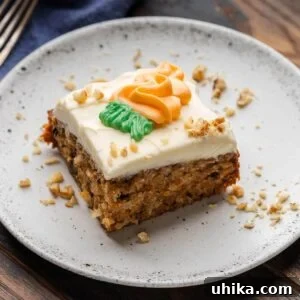
The best ever carrot cake with freshly grated carrots is incredibly moist, loaded with great spice flavor, nutty texture, and tangy cream cheese frosting is perfect for holidays, birthdays, and any time you’re in the mood for something excellent!
Ingredients
For the carrot cake
- 2 1/2 cups (325g) all-purpose flour, spooned & leveled
- 2 teaspoons baking soda
- 1/4 teaspoon baking powder
- 1 teaspoon fine sea salt
- 1/4 teaspoon ground nutmeg
- 2 teaspoons ground cinnamon
- 1/4 teaspoon ground ginger
- 2 1/2 cups (300g) shredded carrots
- 1 cup (200g) granulated sugar
- 1/2 cup (106g) packed light or dark brown sugar
- 1 cup (216g) vegetable oil
- 3/4 cup (168g) buttermilk
- 4 large eggs
- 2 teaspoons vanilla extract
- 1 cup (85g) sweetened coconut flakes
- 3/4 cup (84g) chopped walnuts, plus more for garnish
For the cream cheese frosting
- 1 cup (226g) unsalted butter, at room temperature
- 16 ounces (452g) brick cream cheese, at room temperature
- 2 teaspoons vanilla extract
- 1/4 teaspoon fine sea salt
- 4-5 cups (466-583g) confectioner’s sugar
Instructions
For the carrot cake
- Preheat the oven to 350°F (175°C) and set the rack to the middle level. Line a 9×13 inch sheet pan with parchment paper, or grease with cooking spray and set aside.
- In a large bowl, whisk together the flour, baking soda, baking powder, salt, and spices until thoroughly combined.
- Add the freshly grated carrots and mix until the carrots are lightly coated with the flour mixture.
- In a separate bowl or the bowl of a stand mixer fitted with a paddle attachment, beat together the granulated sugar, brown sugar, and vegetable oil. Then, add the eggs one at a time, beating well after each addition until combined.
- Add the buttermilk, vanilla extract, and sweetened coconut flakes to the wet ingredients and mix until just combined.
- Gradually add the flour mixture (with carrots) to the egg mixture and beat on low speed for 1 minute, or until just combined. Avoid overmixing.
- Add the chopped walnuts and mix gently with a spoon or spatula until evenly combined.
- Pour the carrot cake batter into the prepared sheet pan and spread evenly. Bake for 40-50 minutes, checking for doneness at the 40-minute mark. The cake is done when a toothpick inserted in the center comes out clean. Remove from the oven.
- Allow the cake to cool in the pan for 10 minutes, then invert it onto a wire rack to cool completely before frosting.
For the cream cheese frosting
- In a large bowl or the bowl of a stand mixer fitted with a paddle attachment, beat the room temperature unsalted butter and cream cheese on medium speed for about 2 minutes or until creamy and fluffy.
- Reduce mixer speed to low. Add the vanilla extract, fine sea salt, and 4 cups of confectioner’s sugar. Beat for 30 seconds on low, then increase speed to medium-high and beat for an additional 2 minutes until smooth and airy.
- Check the consistency of the frosting. If it’s too thin, gradually add the remaining cup of confectioner’s sugar (up to 1 cup total additional) a little at a time, beating after each addition until the desired thickness is achieved.
- Scoop the frosting onto the completely cooled cake and use an offset spatula to distribute it evenly. Garnish with chopped nuts if desired, or use food coloring to tint remaining frosting and pipe decorative elements.
Notes
- This recipe was developed for a conventional oven. For convection ovens, reduce the temperature by 25°F (approximately 15°C) and begin checking for doneness at the 75% mark of the estimated bake time (around 30 minutes).
- While designed for a 9×13 inch sheet pan, this recipe can be adapted to a two-layer cake. Use two prepared 9-inch round cake pans and divide the batter equally between them, ideally using a kitchen scale. The baking time will be significantly quicker, so start checking for doneness at the 20-minute mark.
- Chopped pecans can be used as a delicious alternative to walnuts if preferred.
- To create charming decorative frosting carrots, after frosting the main cake, separate a small amount of the remaining frosting into two bowls. Add orange food coloring to one portion and green to the other. Fit two pastry bags with star tips (or other suitable tips), fill with the colored frostings, and pipe delightful carrot designs and stems onto your cake.
- Store leftover carrot cake covered in an airtight container in the refrigerator for up to 5 days. For longer storage, individual slices can be wrapped tightly and frozen for up to 2-3 months. Thaw in the refrigerator before serving.
Nutrition Information
Nutrition information is automatically calculated and should be used as an approximation.
- Serving: 1 slice
- Calories: 447 kcal
- Carbohydrates: 32.5g
- Protein: 5.9g
- Fat: 33.2g
- Saturated Fat: 14.2g
- Cholesterol: 86mg
- Sodium: 185mg
- Potassium: 111mg
- Fiber: 1.9g
- Sugar: 18.4g
- Calcium: 39mg
- Iron: 1mg
Like this recipe? We’d love to hear from you! Leave a comment below and share your thoughts.
Connect with us on Instagram at @sipandfeast or tag #sipandfeast when you share your delicious creations!